Delhi, Agra, and Jaipur form one of India's most popular travel routes, but the experience can feel completely different depending on how the journey is booked. An international visitor can travel with a fixed group package, purchase a standard pre-arranged itinerary, or arrange a private Golden Triangle tour with a dedicated car, driver, selected hotels, and local guides.
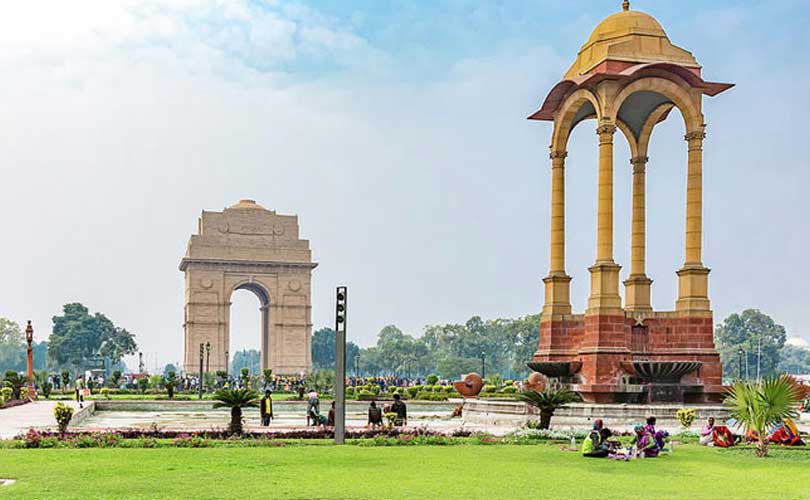
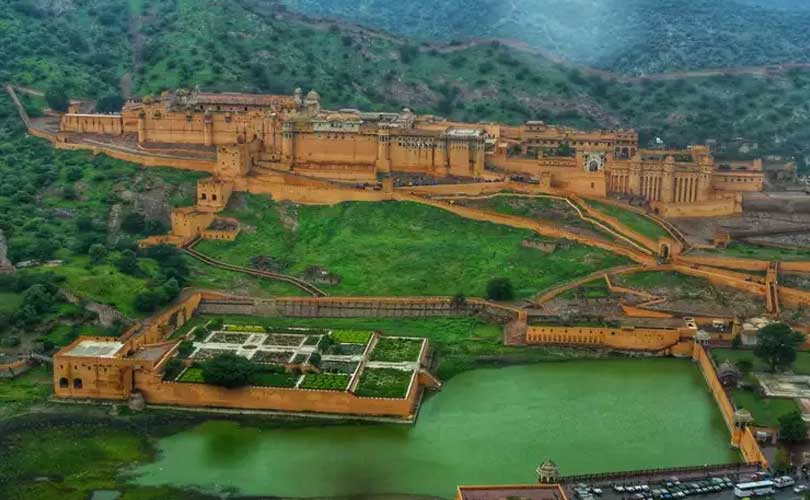
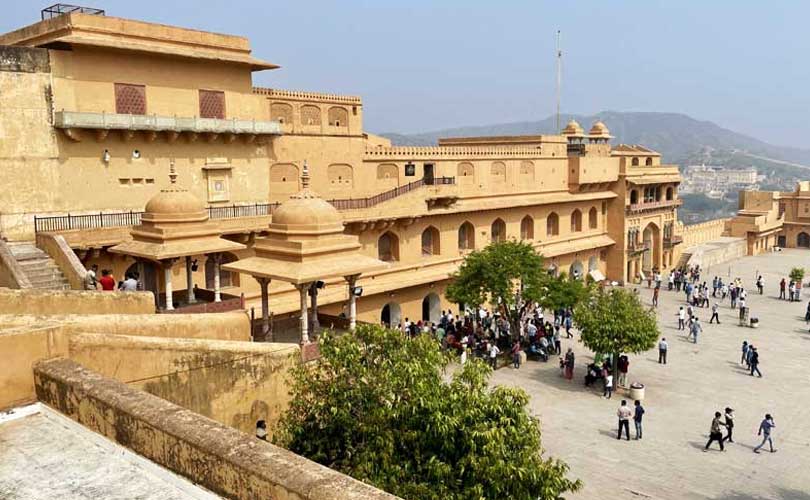
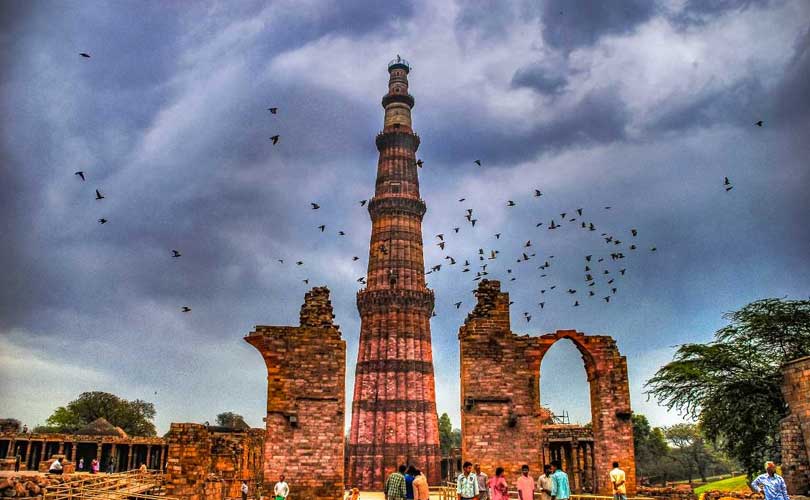
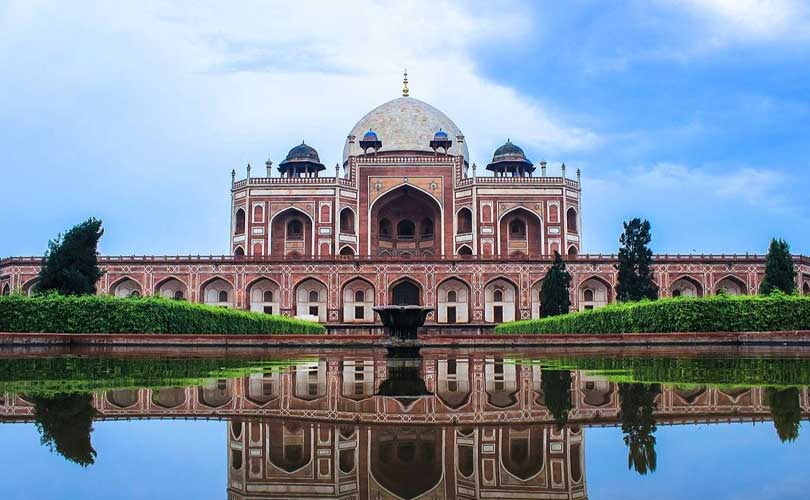
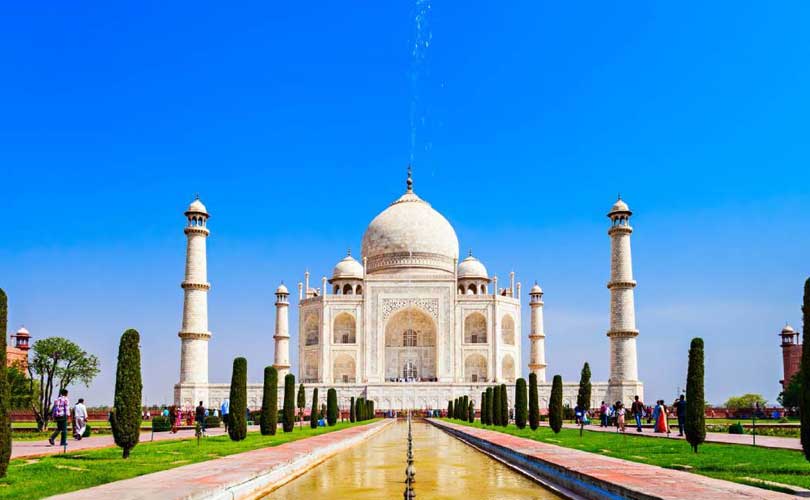
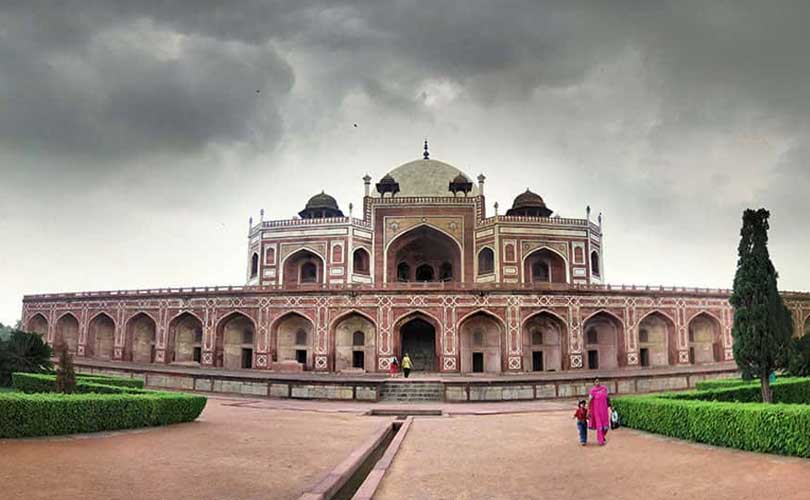
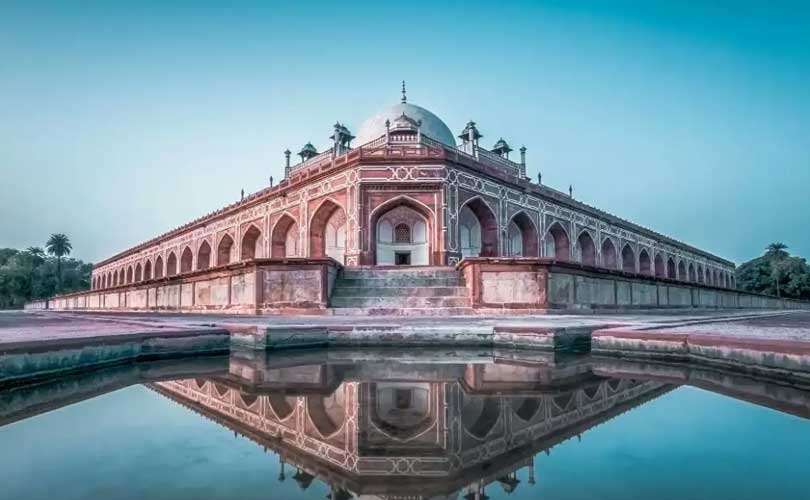
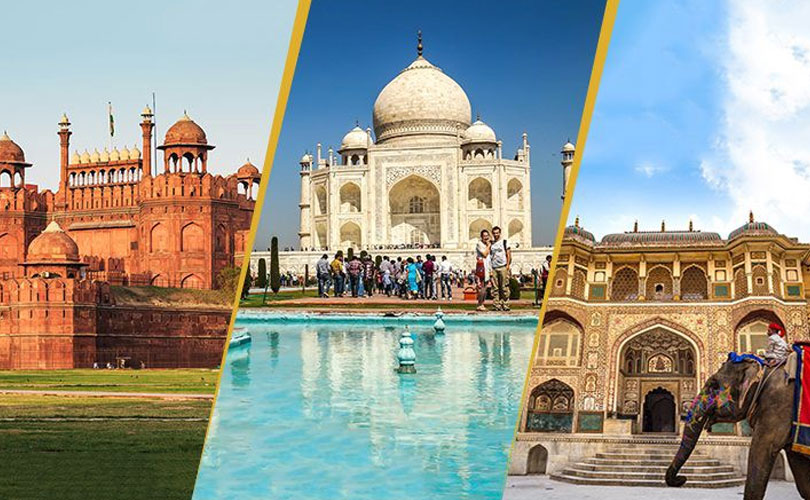
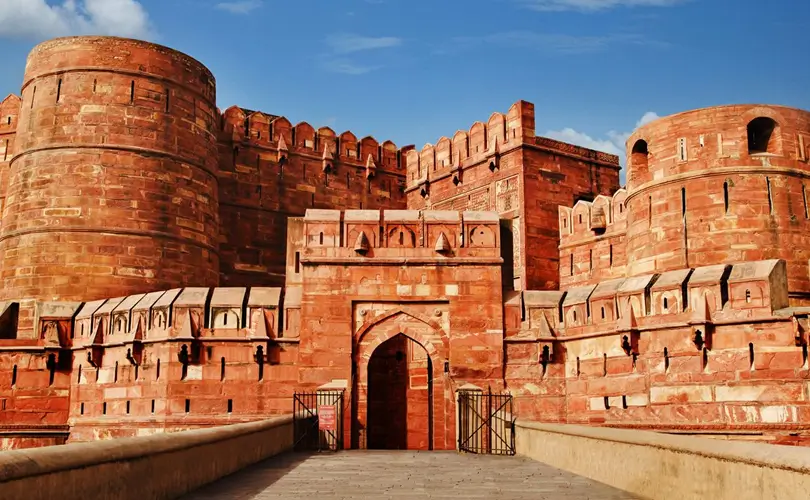
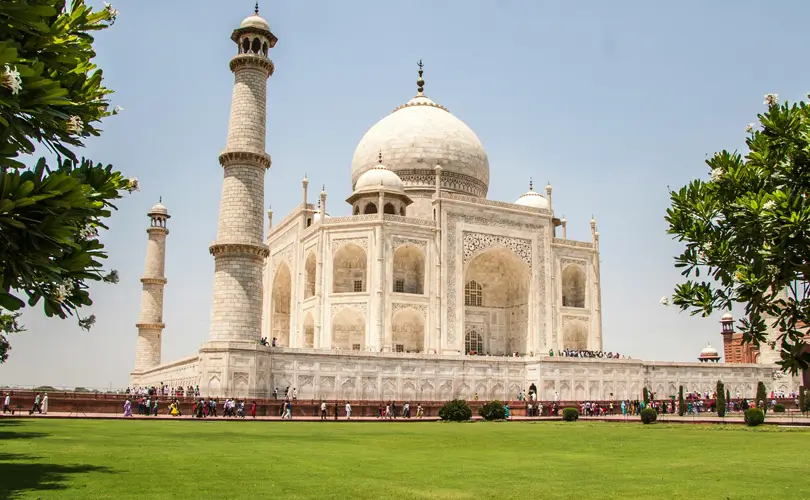
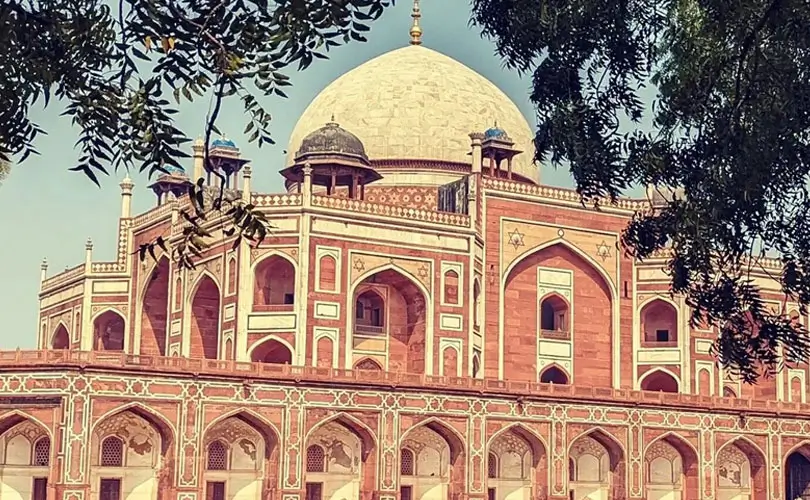
The attractions may be identical on paper. Both travelers may see the Taj Mahal, Agra Fort, Amber Fort, Qutub Minar, Humayun's Tomb, India Gate, City Palace, and Jantar Mantar. The major difference is how the days operate between those attractions.
A group package usually works around a shared schedule. Departure times, meal stops, sightseeing duration, hotel choices, and route changes are generally controlled by the itinerary and the needs of the group. A private Delhi Agra Jaipur tour, on the other hand, normally gives the travelers their own vehicle and allows much greater control over daily timing and travel pace.
Neither format should be judged only by its advertised price. A package tour may initially appear cheaper because transportation and guiding expenses are divided among many passengers. A private tour costs more per booking but can provide door-to-door transport, fewer delays, greater luggage convenience, flexible meal stops, and more control over hotels and sightseeing.
For international visitors traveling in India for the first time, these differences can have a major effect on comfort.
The right choice depends on budget, number of travelers, age, luggage, preferred hotel standard, appetite for group travel, and how much control the traveler wants over each day.
The term “package tour” can describe several types of arrangements, so travelers should check the actual service rather than relying on the label.
A traditional Golden Triangle package tour often combines travelers into one scheduled departure. Guests may travel by coach, minibus, or another shared vehicle. Accommodation is usually preselected. Sightseeing follows predetermined hours, and local guides may address the entire group.
This structure can reduce the per-person cost because vehicle and guide expenses are shared.
A private Golden Triangle India tour works differently. The vehicle is reserved for one traveler, couple, family, or private party. The driver does not pick up unrelated passengers. Airport transfers, intercity travel, hotel pickups, and sightseeing transportation are generally handled for that booking alone.
This difference becomes noticeable immediately after arrival.
Consider two couples landing at Delhi International Airport after a long international flight.
The first couple has joined a shared departure. Their transfer may require coordination with other passengers. The next morning, the group vehicle may leave at 8:00 a.m. regardless of whether every guest slept well after the flight.
The second couple has booked a private car and driver in India. If their itinerary allows it, they may be able to begin slightly later, adjust breakfast time, or shorten the first sightseeing day if jet lag becomes a problem.
The difference is not that private travel has no schedule. Monument opening hours, hotel check-in times, traffic, driving distances, and guide appointments still matter. The advantage is that the schedule is centered around one booking rather than a bus full of unrelated travelers.
Private transportation also changes luggage handling.
On a group coach, luggage space and departure procedures are shared. Travelers normally need to have bags ready according to the group's schedule. With a private car, luggage remains with the travelers' dedicated vehicle during intercity transfers, subject to vehicle capacity.
Vehicle selection therefore matters.
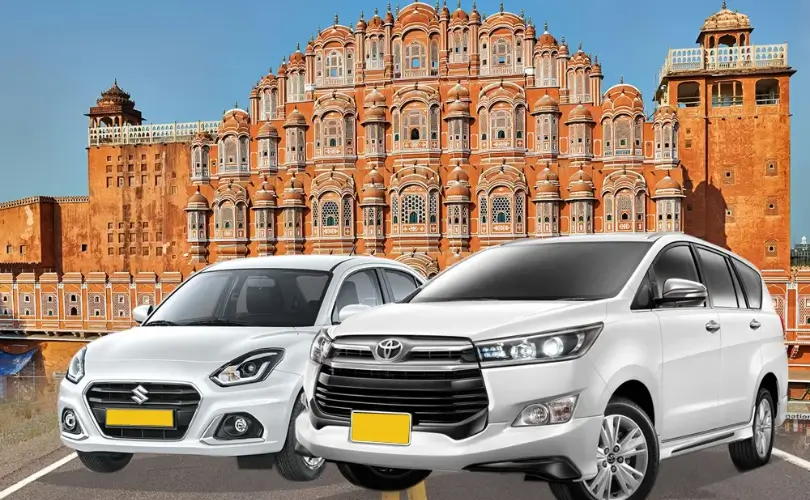
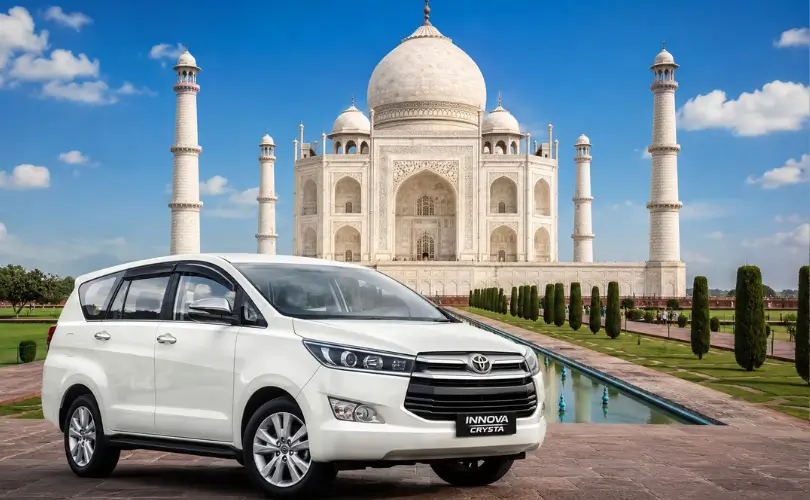
A couple carrying two normal suitcases can usually travel comfortably in a sedan. Travelers with large international luggage, three or more adults, or families may prefer an Innova Crysta with private driver for additional cabin and luggage space.
Group packages often provide less choice over the exact vehicle because transportation is selected according to the overall group size.
Hotels create another significant distinction.
A fixed package may specify particular hotels or a category such as three-star or four-star accommodation. Travelers wanting a different neighborhood, room type, or hotel brand may have limited options.
A properly arranged custom Golden Triangle tour can allow hotel selection according to the traveler's budget. One guest may want practical four-star properties in Delhi and Jaipur but spend more for a luxury hotel in Agra. Another may prefer five-star hotels throughout the route.
That ability to allocate the budget differently is one of the strongest practical advantages of private travel.
Sightseeing is also more personal.
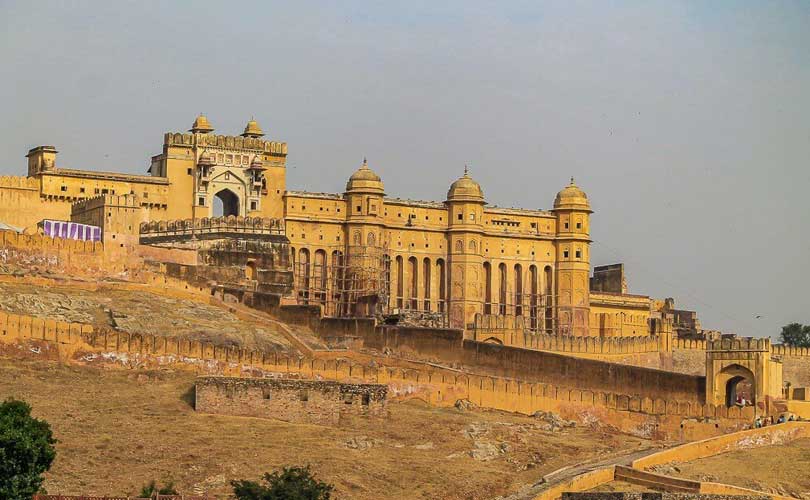
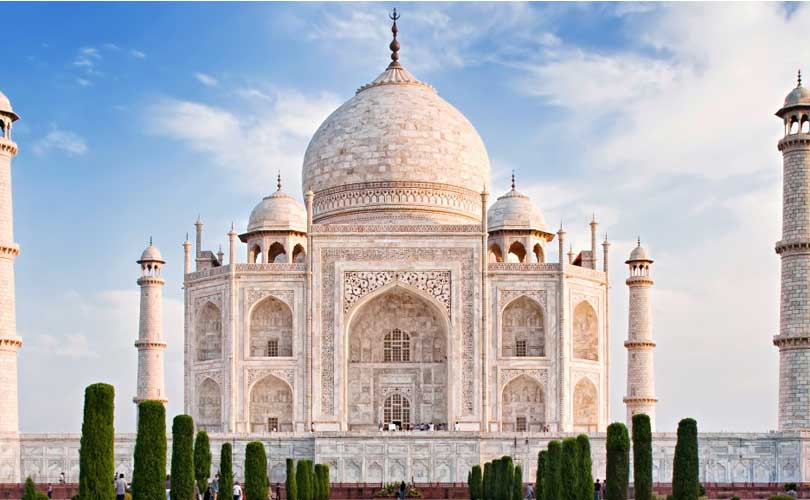
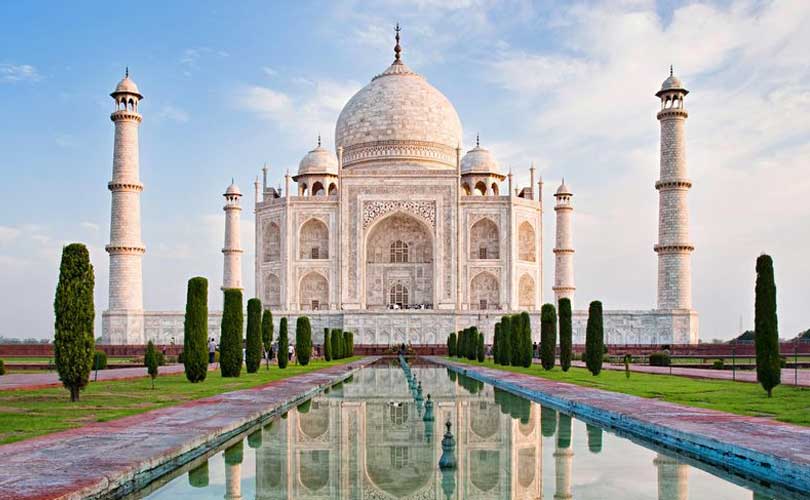
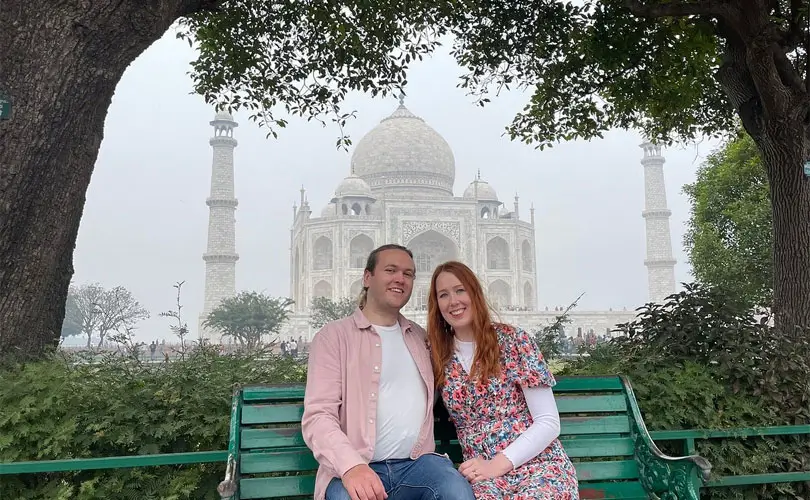
At the Taj Mahal, some travelers want enough time for detailed photography and historical explanation. Others may prefer a shorter visit followed by Agra Fort. At Amber Fort in Jaipur, one traveler may be deeply interested in architecture while another would rather spend additional time at City Palace or local markets.
A shared group cannot continuously change its itinerary around individual preferences. A private guide has much more scope to adjust the depth of the visit within operational limits.
Price is usually the strongest argument in favor of a group package, but comparing only the headline amount can be misleading.
A cheap Golden Triangle package may be genuinely economical when transportation is shared by 15, 20, or 30 passengers. The cost of the coach, driver, and guide is divided across the group. Hotels may also be purchased by the operator at contracted group rates.
For solo travelers, this can be particularly attractive.
A solo visitor booking a private car must effectively pay the entire vehicle cost. A solo guest also pays for a hotel room alone. Joining a group can therefore reduce the total expense considerably.
The calculation changes for couples and families.
Two travelers share one private hotel room and one vehicle. A family of three or four can share the transportation cost across several people, although they may require a larger vehicle and additional hotel rooms.
As a broad illustration, a multi-day private sedan for the Delhi–Agra–Jaipur circuit can represent tens of thousands of rupees in total ground transportation once fuel, driver services, tolls, parking, interstate costs, and overnight operation are taken into account.
An Innova-type vehicle will generally cost more, while an Innova Crysta Golden Triangle tour may command a further premium because of the vehicle category and comfort level.
Group travelers pay only a fraction of shared transportation costs, but they also give up exclusive use of the vehicle.
Hotels require even closer comparison.
Suppose one package costs substantially less than another. The difference may not come from transport at all. One quotation may use rooms costing approximately ₹4,000–₹6,000 per night while another uses properties averaging ₹10,000–₹15,000 or higher.
Luxury hotels can increase the gap dramatically.
A five-star property in Delhi, Agra, or Jaipur may cost ₹12,000 to ₹25,000 per room per night or more, depending on demand and room category. Premium heritage and palace hotels can exceed ₹30,000 to ₹60,000 per night, with exceptional rooms costing much more.
Therefore, “private versus package” is not automatically “expensive versus cheap.” A private trip using sensible hotels can sometimes cost less than a premium group package using luxury properties.
International visitors should compare equivalent services.
Ask both operators to specify the exact hotel names, room categories, meal basis, vehicle type, guide arrangements, monument tickets, airport transfers, taxes, tolls, parking, and additional activities.
Monument admission is a common source of confusion.
A package described as including “sightseeing” does not necessarily include entrance fees. International admission rates at major Indian monuments are higher than domestic rates. Across the complete route, tickets can add several thousand rupees per traveler.
Professional private guides also affect cost. Depending on city, duration, language, and expertise, a private guide may cost roughly ₹1,500 to ₹4,000 or more for a sightseeing session. A group guide's fee is divided among many passengers, which helps keep the package price lower.
Food is another variable.
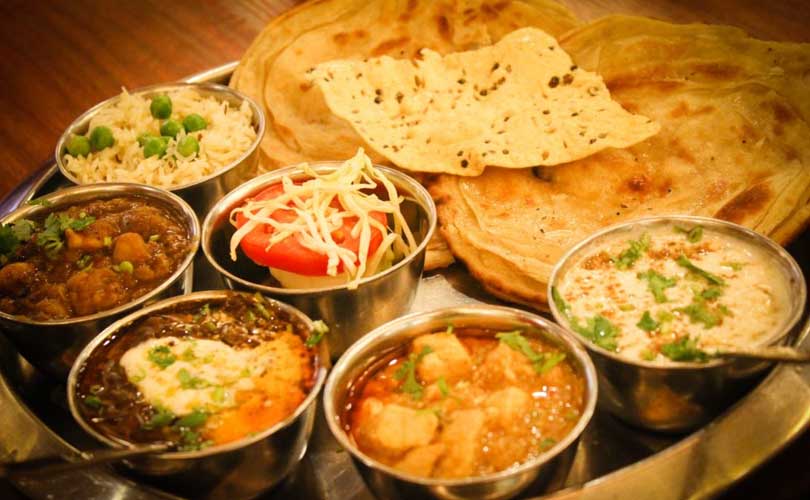
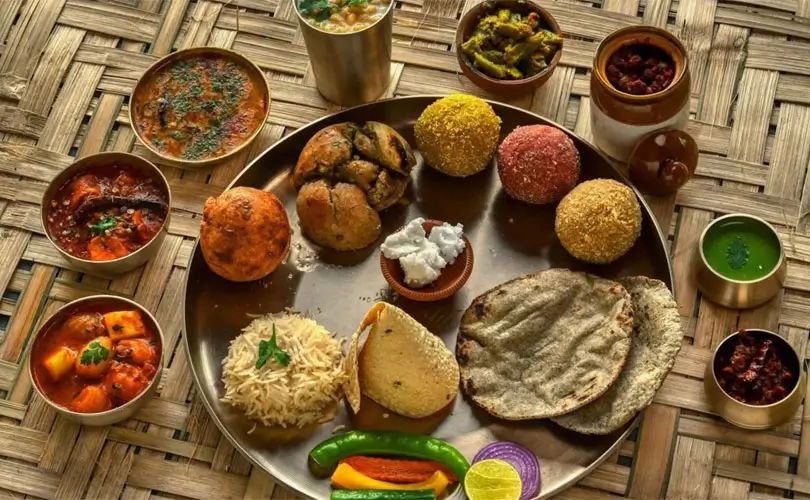
Many Golden Triangle bookings include breakfast but leave lunch and dinner open. This is often useful because travelers can choose restaurants according to appetite and dietary preferences.
A regular restaurant meal may cost approximately ₹500 to ₹1,000 per person, while an upscale meal may be around ₹1,500 to ₹3,000 per person or more. Luxury hotel restaurants can be significantly higher.
Before judging the price difference, compare what you will actually pay from airport arrival until final departure.
The Golden Triangle involves significant road travel, and this is where the difference between private and shared transportation becomes especially visible.
Delhi to Agra is approximately 220–230 kilometres depending on the pickup point. Using the Yamuna Expressway, a private vehicle commonly takes around three to four hours under reasonable conditions.
A private departure can usually begin directly from the traveler's hotel. If the guests want an early start to reach Agra sooner, that can often be arranged.
Shared transportation may involve a designated pickup location, multiple hotel collections, or a fixed group departure time.
The same issue becomes more important on the Agra-to-Jaipur sector.
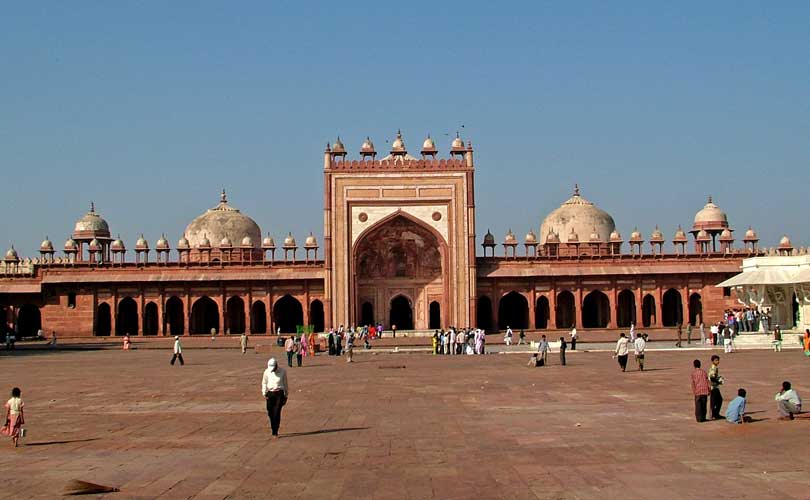
The road distance is approximately 240 kilometres on a direct route, but many visitors include Fatehpur Sikri. Some also add Abhaneri and its famous stepwell. With sightseeing and meal stops, this becomes a substantial travel day.
A private Agra to Jaipur transfer gives travelers more control over how long they spend at intermediate attractions, subject to opening hours and the day's driving requirements.
Jaipur to Delhi can take approximately five to six hours or more depending on traffic, route, weather, road conditions, and the final destination in Delhi NCR. A shared vehicle may also need to drop passengers at different locations.
Private travel can be particularly useful for airport connections because the departure can be aligned more closely with the travelers' flight requirements.
Sightseeing hours create similar differences.
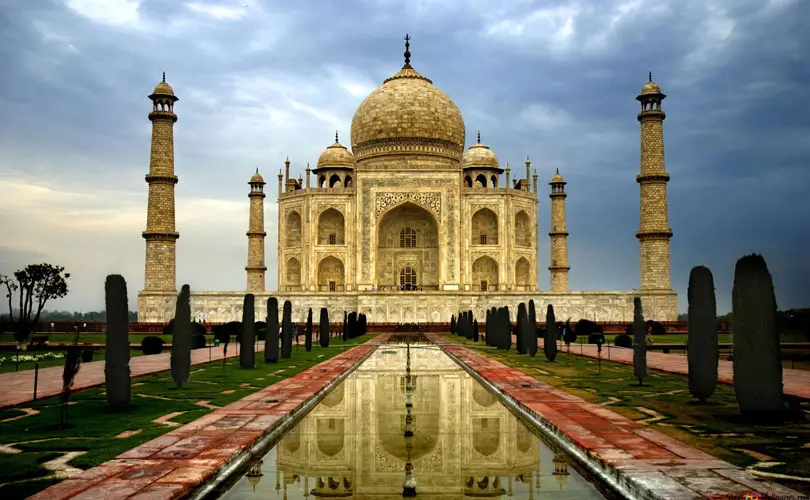
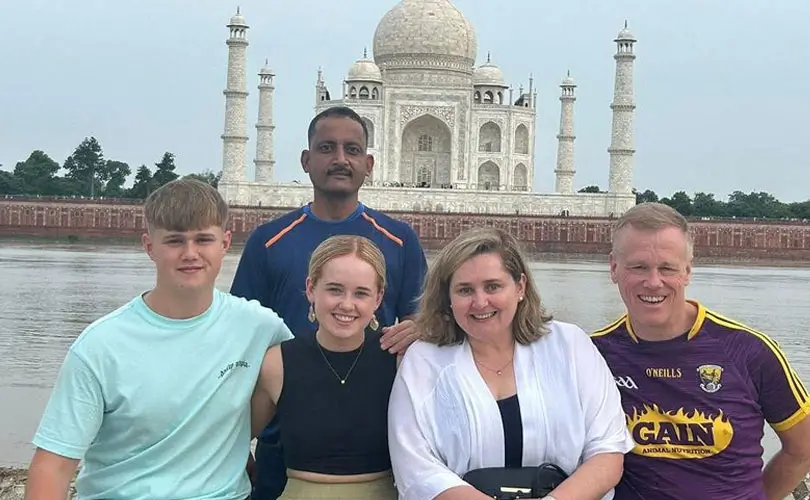
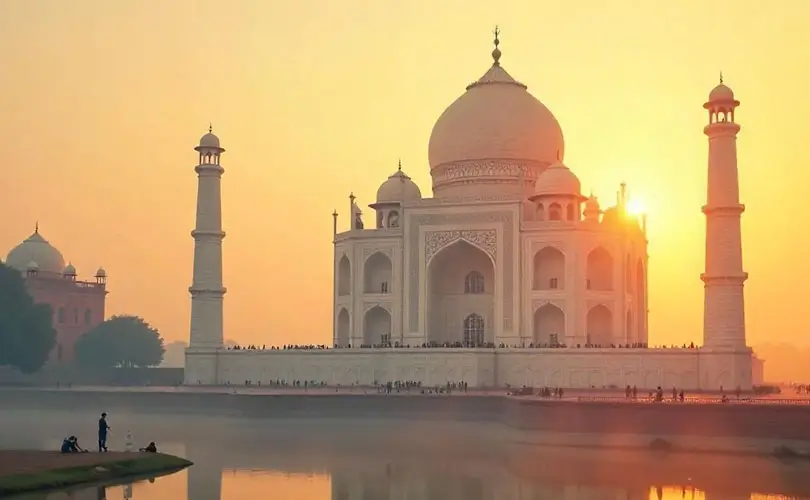
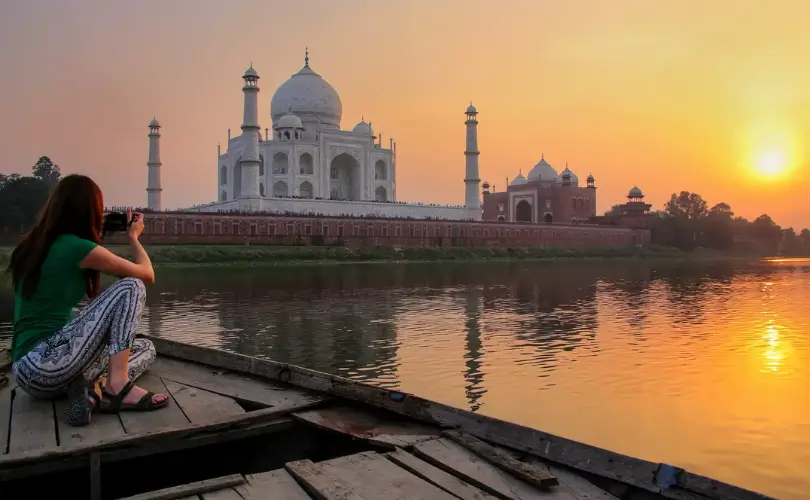
The Taj Mahal is generally visited either early in the morning or later in the day when travelers want softer light and more comfortable temperatures. It is closed to general visitors on Fridays, so itinerary dates matter.
A fixed group itinerary will decide the Taj Mahal visit time for everyone.
With a private Taj Mahal tour, the schedule can often be set around the travelers' preferred visiting period, hotel location, season, and onward travel requirements.
Delhi benefits from flexibility because the city is large and traffic can be unpredictable.
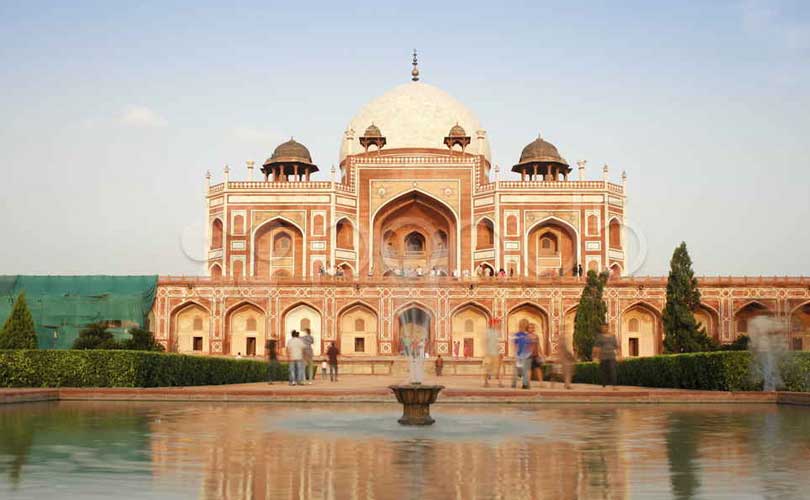
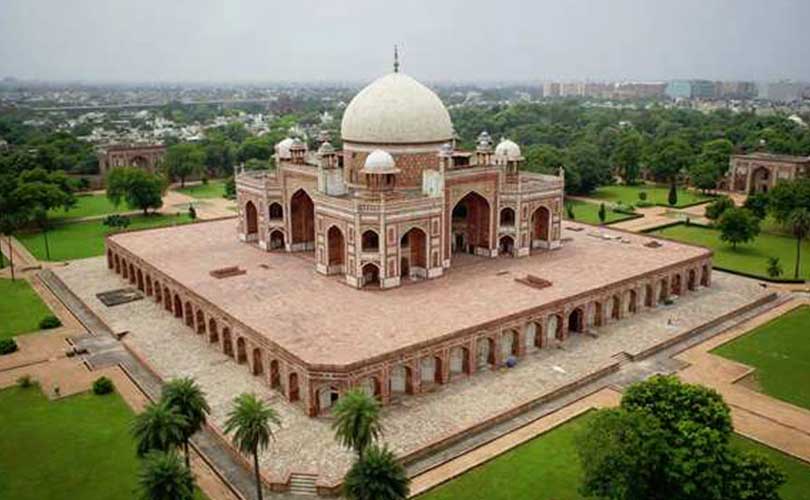
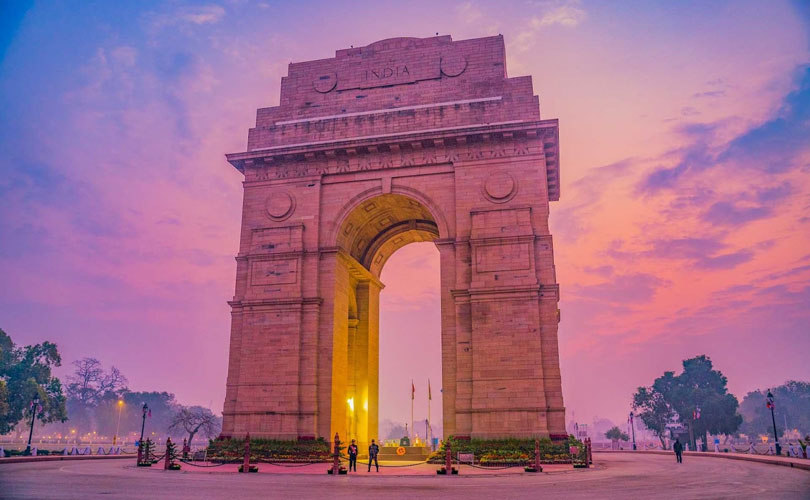
Old Delhi and New Delhi provide very different experiences. Jama Masjid, Chandni Chowk, Raj Ghat, India Gate, Humayun's Tomb, Qutub Minar, government districts, temples, and markets cannot all be treated as attractions located next to one another.
A private itinerary can prioritize the places that genuinely interest the traveler rather than trying to complete a standard checklist.
Jaipur offers the same advantage.
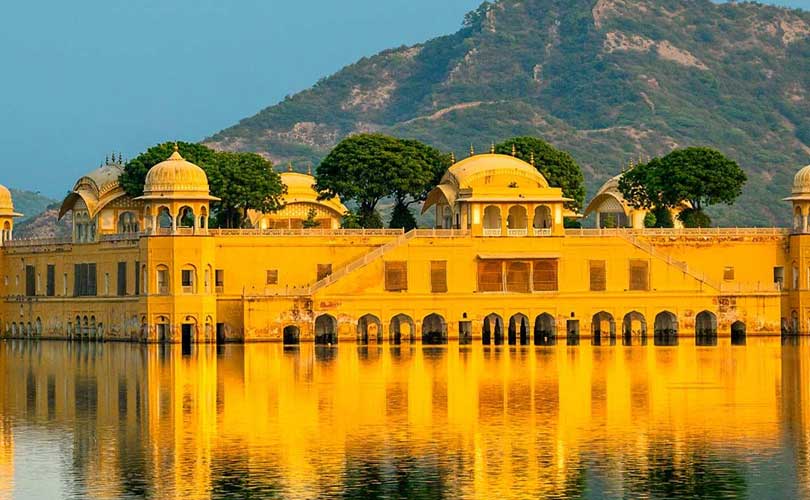
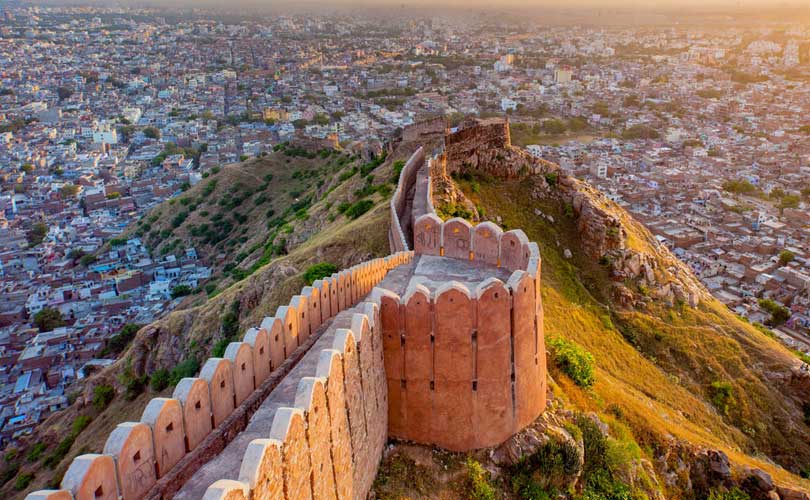
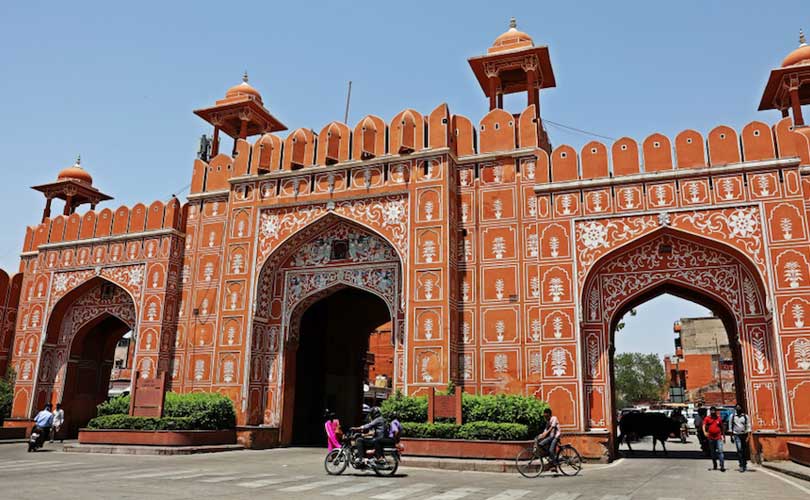
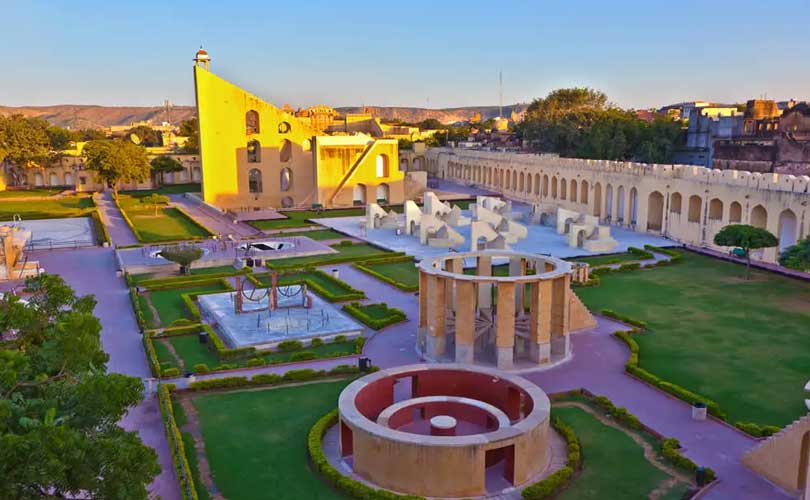
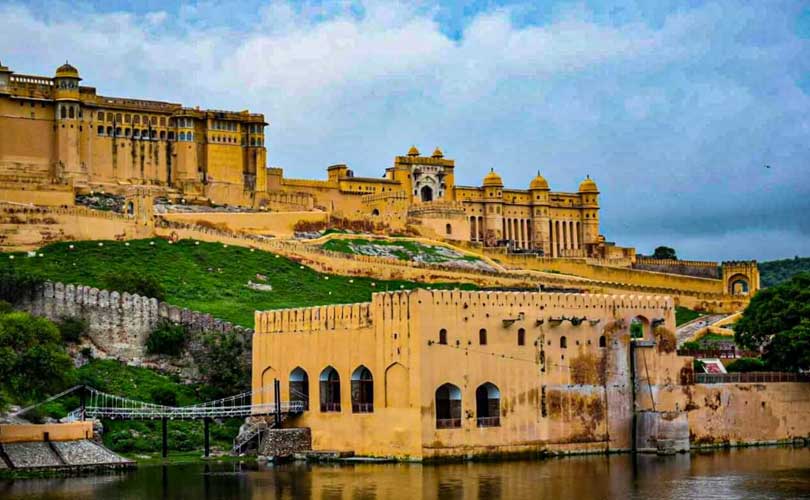
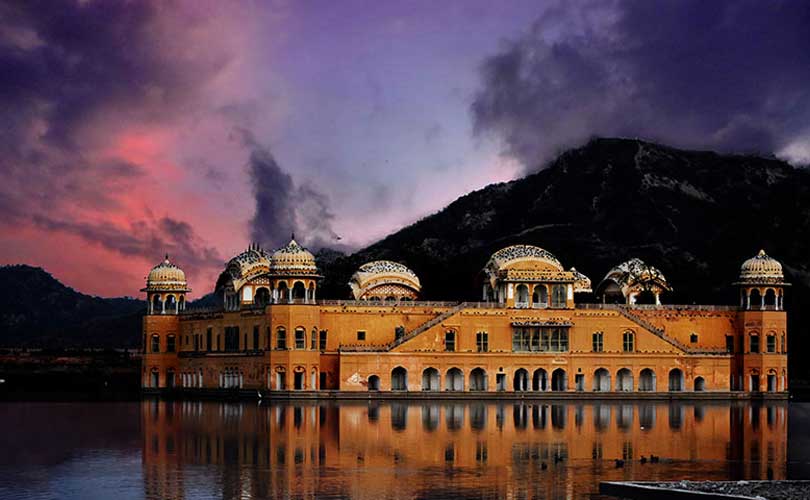
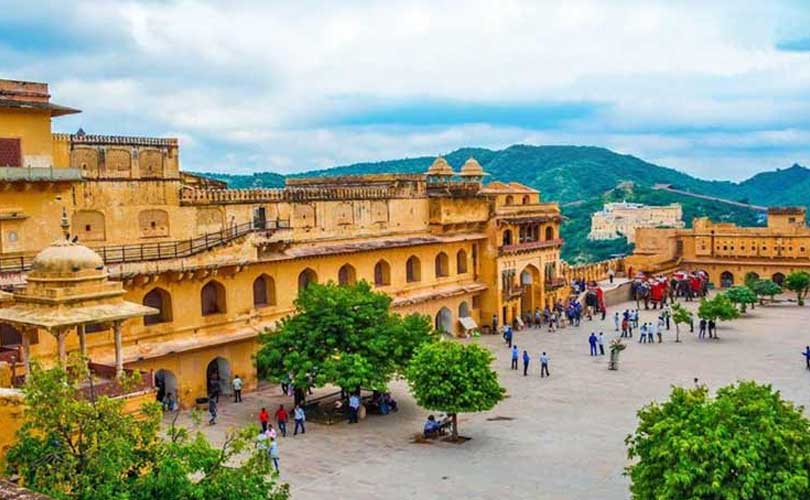
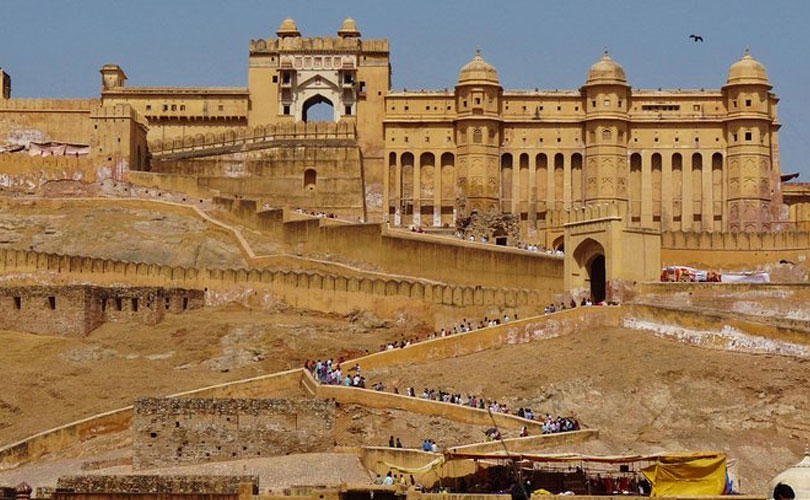
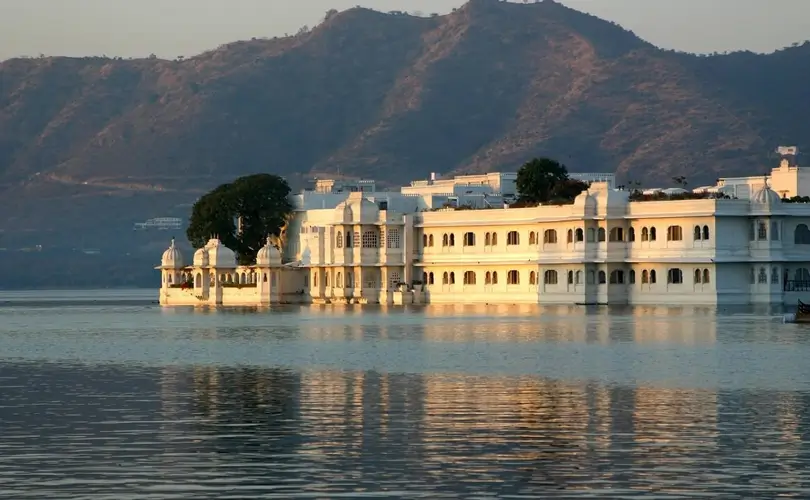
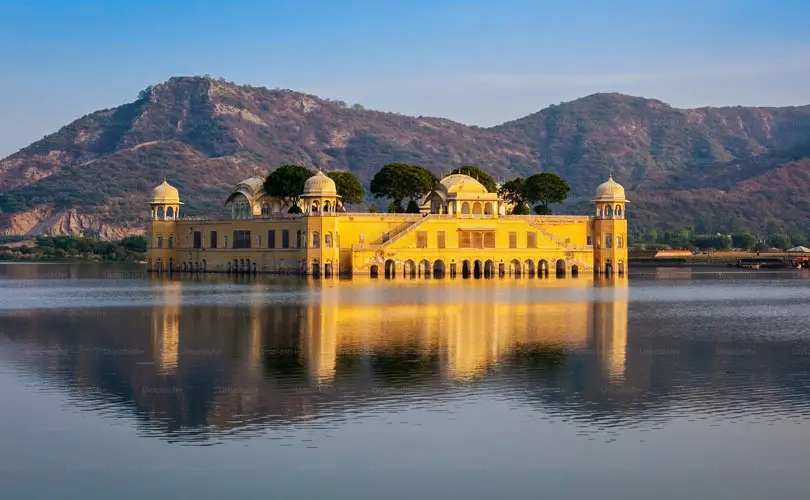
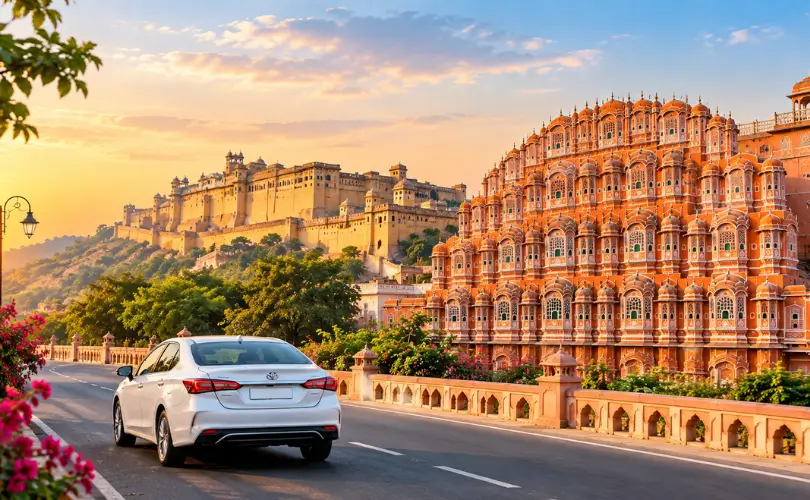
Amber Fort normally requires substantial time, particularly when visitors want detailed historical explanation. City Palace and Jantar Mantar are located in the old city area, while attractions such as Jal Mahal are typically viewed as part of the day's route.
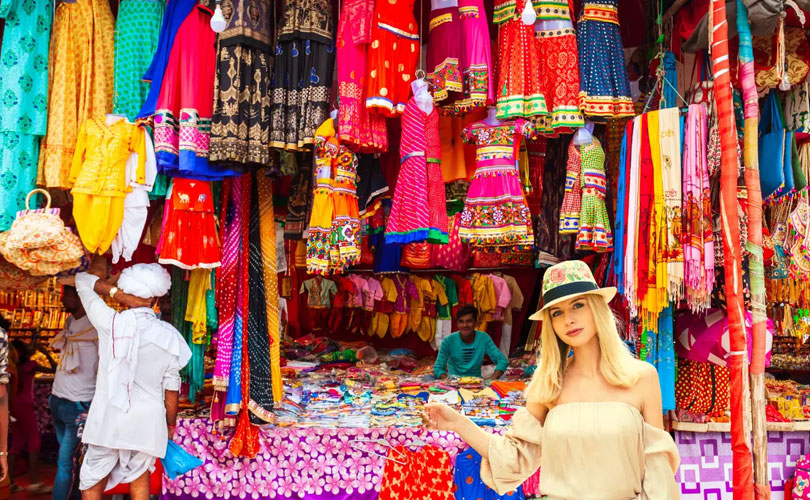
Travelers interested in textiles, jewelry, handicrafts, photography, food, or architecture may want additional time for specific activities.
A private arrangement can accommodate these preferences more naturally than a group departure.
Flexibility should still be realistic. A private driver cannot eliminate traffic. A guide cannot keep a monument open after closing time. An attraction closed on a particular day cannot be visited simply because the tour is private.
The real advantage is controlled adjustment within those practical limits
For many international travelers, the decision is not purely financial.
India can feel intense during a first visit. Large cities, busy roads, unfamiliar traffic patterns, crowded monuments, language differences, local transport, and persistent vendors can create a considerable amount of information to process.
A private India tour with driver reduces some of that daily decision-making.
The traveler knows which vehicle is collecting them, where their luggage is stored, and who is responsible for the intercity journey. They do not need to negotiate a new taxi for every major transfer.
This can be especially valuable for senior travelers, families with children, solo women, visitors carrying expensive photography equipment, and travelers arriving in India for the first time.
Private transport should not, however, be confused with a guarantee that every situation is risk-free. Travelers still need ordinary precautions. Passports, money, phones, and valuables should be managed carefully. Hotel safes should be used appropriately, and travelers should follow official rules at monuments and airports.
A reliable operator should provide clear driver and pickup information and remain reachable when operational assistance is required.
Professional guides add another layer of convenience.
At a major monument, an experienced guide can explain history, direct travelers toward official entrances, help manage the sequence of the visit, and explain local rules. For a private party, the commentary can be adjusted according to the guests' interests.
A family with children may prefer shorter explanations and more engaging stories. A traveler interested in Mughal architecture may want considerably greater detail. A photographer may care more about viewpoints and light.
A group guide must serve everyone simultaneously.
Privacy itself can also be important.
A couple may want quiet time during a three-hour road journey. Parents may need to stop because a child is tired. Senior travelers may need more frequent rest breaks. Someone feeling unwell may need to return to the hotel earlier than expected.
These are ordinary situations, but they can be difficult when twenty other passengers are following the same schedule.
The best private Golden Triangle tour should provide control without making the journey feel over-managed. Travelers should still have free time and the ability to enjoy a hotel, restaurant, market, or monument without constantly being moved to the next scheduled activity.
Group travel offers a different benefit: social interaction.
Solo travelers often appreciate meeting other visitors. Meals and long drives can become more social, and some people genuinely enjoy the energy of a group.
Travelers should therefore think about personality as much as logistics.
Someone who enjoys meeting strangers and does not mind fixed departure times may be perfectly happy with a quality group tour. A couple celebrating an anniversary, a family with children, or travelers seeking a slower pace may find private travel far more suitable.
For solo travelers with a strict budget, a reputable group package can be a sensible choice. Shared transportation keeps costs down, and the traveler receives a structured route without arranging each sector independently.
Young travelers who enjoy social trips may also prefer the group format.
Private travel becomes increasingly compelling for two or more people.
Couples divide the cost of the vehicle between two passengers. Families divide it further. The difference in per-person cost can become small enough that the benefits of door-to-door transportation, private sightseeing, and adjustable timing justify the additional expense.
For senior visitors, private transportation can offer significant practical value because breaks can be handled more easily. Getting in and out of one dedicated vehicle can also be simpler than repeatedly boarding a large coach.
Families have similar advantages. Children do not always follow an adult sightseeing schedule. A private car makes it easier to return to the hotel, change meal timing, or shorten an attraction when necessary.
A private Golden Triangle tour for couples is particularly suitable when privacy matters. Honeymooners and anniversary travelers often value having their own vehicle and the ability to select more distinctive hotels.
Photographers benefit because timing matters enormously. Sunrise, sunset, weather, and crowd conditions can affect photographs. A rigid group schedule may not provide enough time at a particular location.
Travelers interested in food, architecture, history, textiles, local crafts, or heritage hotels also gain more from a customized route because extra time can be allocated according to those interests.
The key is to avoid assuming that every private package is automatically superior.
Quality still depends on the operator, vehicle condition, driver professionalism, guide standard, hotel selection, and transparency of the quotation.
Before paying for either format, international travelers should receive the itinerary in writing. It should state the cities, nights, hotels or hotel category, transport arrangement, included meals, sightseeing, guide services, monument tickets, airport transfers, and exclusions.
For a private trip, confirm whether the same car and driver remain with you during the intercity circuit. Ask what happens if the vehicle has a mechanical problem. Check the daily mileage conditions if any limits apply.
For a group package, ask about average group size, coach size, pickup procedure, luggage allowance, guaranteed departure conditions, hotel list, and whether optional excursions require additional payment.
Cancellation conditions matter in both cases.
International trips involve flights, visas, insurance, and substantial advance expenditure. A package that is slightly cheaper but has extremely restrictive cancellation conditions may not represent better value.
Travel insurance should be considered separately from the tour booking, especially for international visitors with significant non-refundable expenses.
The most useful comparison is therefore not private tour vs group tour in isolation. It is a comparison between two complete travel experiences at their final payable prices.
For travelers who value independence, private transport, hotel choice, personal guiding, flexible meal stops, and control over sightseeing time, a private tour will usually provide the stronger experience.
For travelers prioritizing the lowest per-person price, fixed logistics, and social interaction, a well-run group package can remain a practical option.
Golden Triangle Tours India can arrange a private itinerary around the travelers' arrival and departure schedule, preferred hotel standard, vehicle requirement, and sightseeing interests. Before requesting a quotation, provide the number of travelers, travel dates, room requirements, luggage details, and preferred comfort level. That allows the cost to be based on the actual trip rather than a generic package.
A private Golden Triangle tour is generally better for travelers who value flexible timing, private transport, hotel choice, personal attention, and sightseeing at their own pace. A group tour can be more economical for solo travelers and visitors who enjoy traveling with others.
The difference depends on vehicle type, hotel standard, number of travelers, guides, and inclusions. Solo travelers usually see the largest price difference because they carry the full private vehicle cost. For couples and families, the additional per-person cost can become much more reasonable.
For many international couples, yes. Two travelers share the private vehicle and hotel room while receiving door-to-door transportation and greater control over the itinerary. This can provide strong value on a multi-day Delhi–Agra–Jaipur route.
A private India tour for first-time visitors can reduce logistical pressure because transportation and major sightseeing arrangements are handled in advance. Travelers comfortable with fixed schedules and group travel may still find a reputable package tour perfectly suitable.
Not automatically. Some private packages include monument tickets while others exclude them. The quotation should clearly state whether international visitor admission fees are included.
Some do and some provide guides as optional services. Many private arrangements use professional local guides separately in Delhi, Agra, and Jaipur. Confirm the language, duration, and guide fees before booking.
Usually there is much greater flexibility, but changes remain subject to monument opening hours, traffic, driving distance, guide availability, and hotel or flight schedules. Major changes should be discussed with the operator as early as possible.
Private transport can reduce the need to arrange unfamiliar taxis and transfers repeatedly, which many solo travelers find reassuring. However, ordinary travel precautions still apply, and travelers should use a reputable operator with clear driver and booking information.
It can be financially attractive because transportation and guide costs are shared. Group tours also provide social interaction. Solo travelers who prioritize privacy and flexible timing may still prefer a private Golden Triangle tour with driver despite the higher individual cost.
Check the exact hotels, room category, vehicle, group size where applicable, airport transfers, guides, monument tickets, meals, tolls, parking, taxes, cancellation terms, payment conditions, and all exclusions. A written quotation makes it much easier to compare the true value of each option.