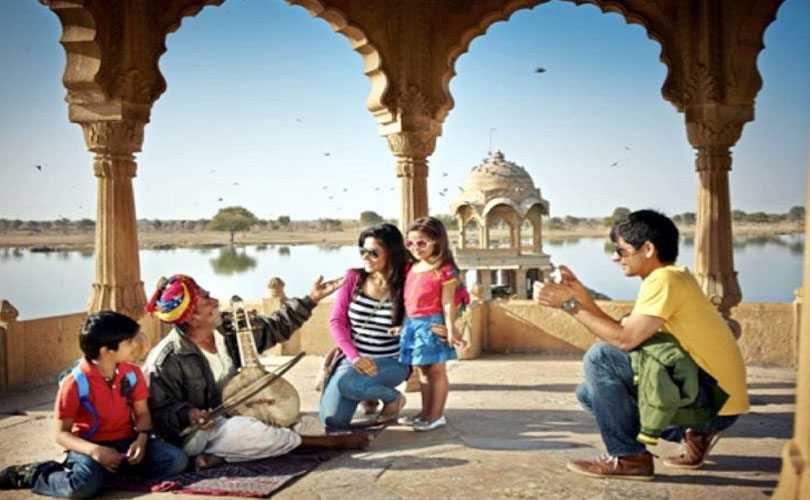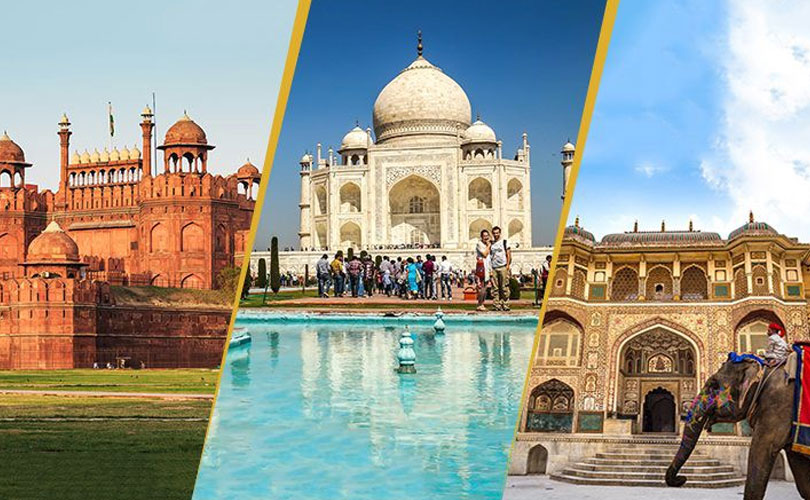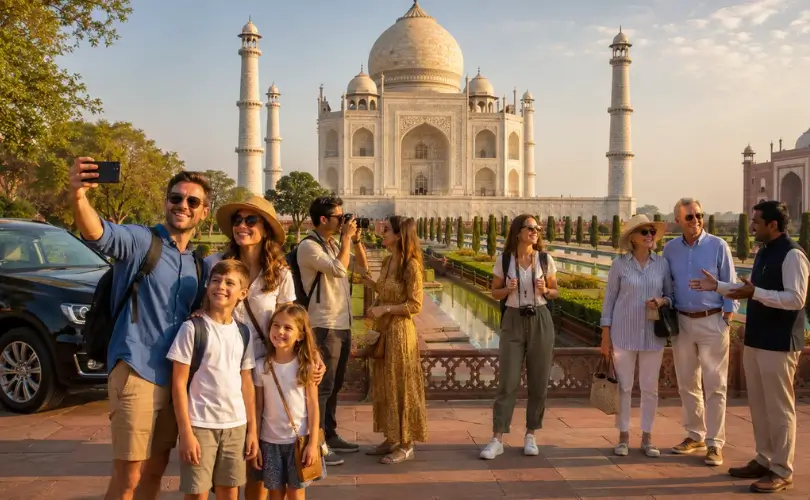
A family trip to India becomes much more complex when the group includes children, parents, and grandparents traveling together. The same itinerary that works well for a young couple can become exhausting for a family with a five-year-old child, two adults in their forties, and grandparents in their sixties or seventies. Walking distances, bathroom breaks, hotel room configuration, meal timing, luggage space, early departures, road hours, monument access, and the pace of professional guiding all need more careful attention.
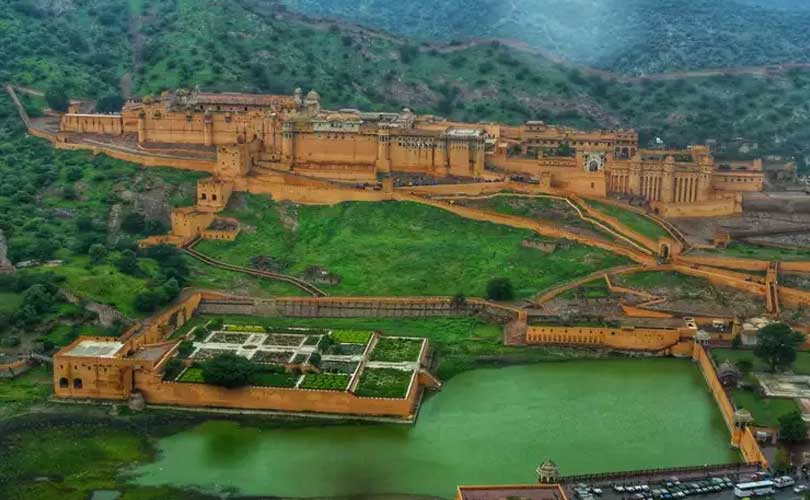
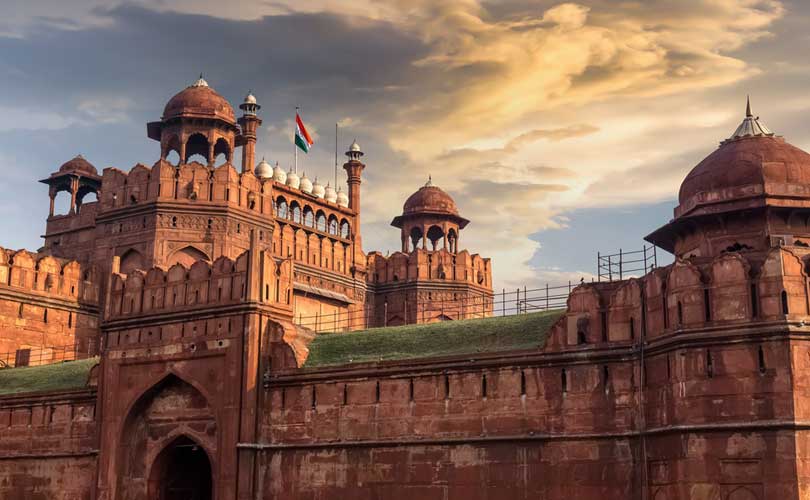
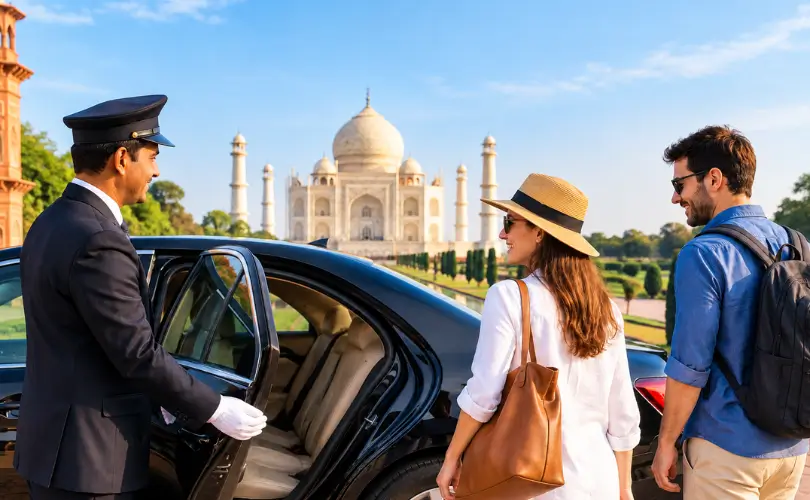
A multi-generational family tour in India works best when the route is private. Shared coach tours usually operate according to fixed timings, while a private vehicle gives the family more control over meal breaks, rest stops, hotel departures, and the amount of time spent at each attraction. If a child becomes tired at Amber Fort or a grandparent needs a break after walking through Agra Fort, the schedule can be adjusted without affecting unrelated passengers.
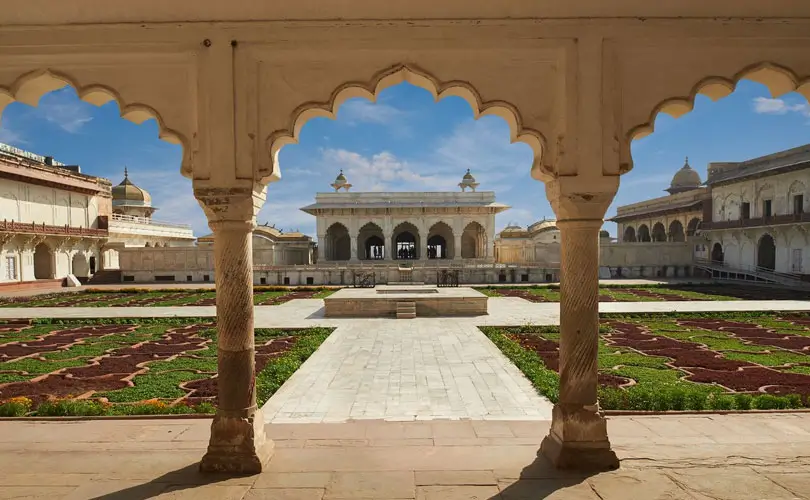
Delhi, Agra, and Jaipur are a strong starting route for a family because they provide major historical attractions without requiring domestic flights between every destination. A private vehicle can collect the family from Delhi Airport, remain available for sightseeing, drive to Agra, continue to Jaipur, and return to Delhi or another departure point. Families with additional time can add Ranthambore, Udaipur, or another destination, but the itinerary should avoid turning every second day into a long road transfer.
The cost depends on family size, number of hotel rooms, vehicle category, guide services, attraction tickets, and whether special requirements such as connected rooms, child seats, wheelchair assistance, or extra hotel support are needed. A private family tour in India can cost more than an ordinary couple's trip, but the extra expense often buys flexibility that directly improves the experience for every age group.
The greatest advantage of a private family tour is control over timing. Children and older travelers do not always function well on the same strict schedule. A seven-year-old may need lunch earlier than expected, while a grandparent may prefer a slower walking pace and a later start after breakfast. A private itinerary can accommodate these differences more naturally than a fixed departure tour.
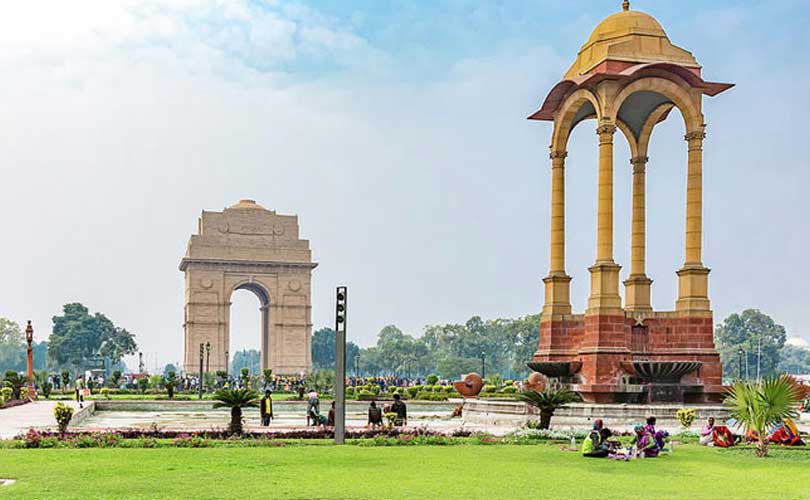
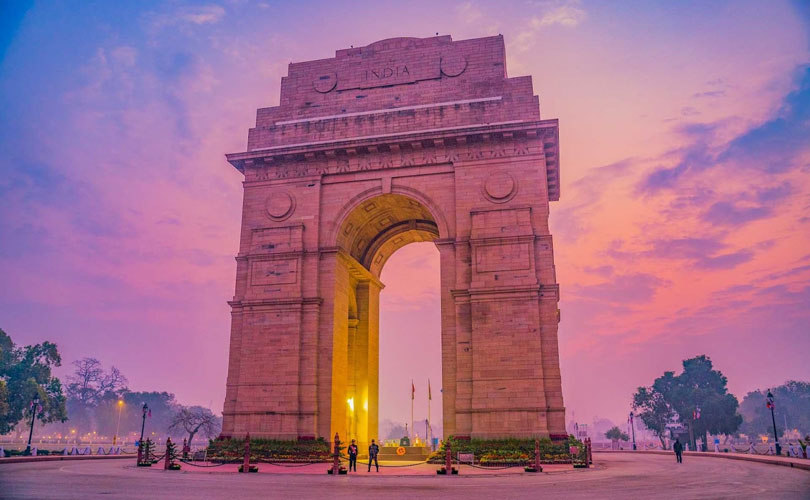
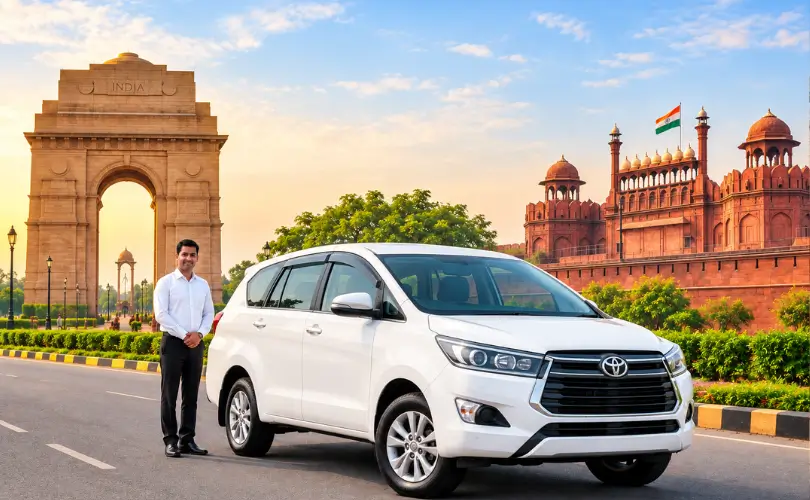
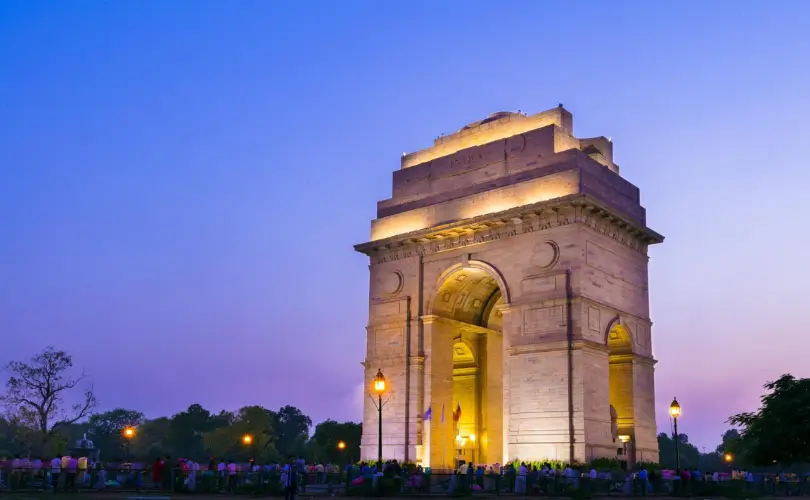
In Delhi, traffic makes flexibility especially important. Old Delhi, Humayun's Tomb, Qutub Minar, India Gate, and other attractions are spread across a large city. A family may begin with a historical monument in the morning, stop for lunch earlier than expected, and then reduce the afternoon schedule if everyone is tired. The value of a private Delhi family tour is that the driver and guide can adapt the sequence rather than forcing the group to complete every planned stop regardless of energy levels.
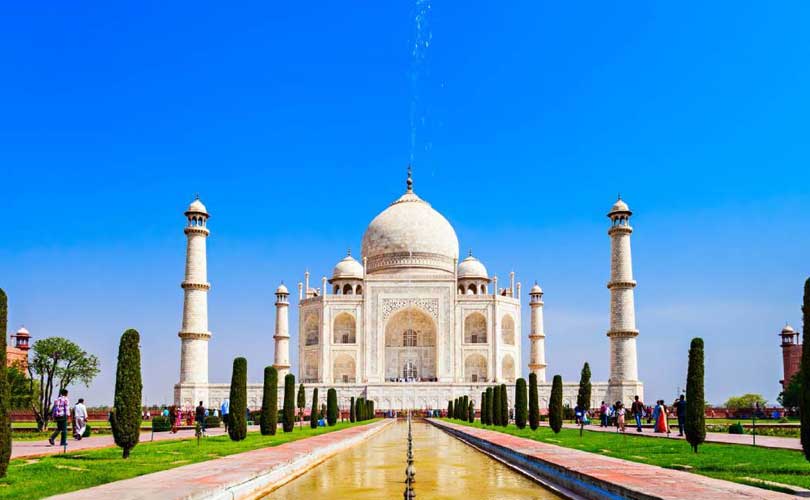
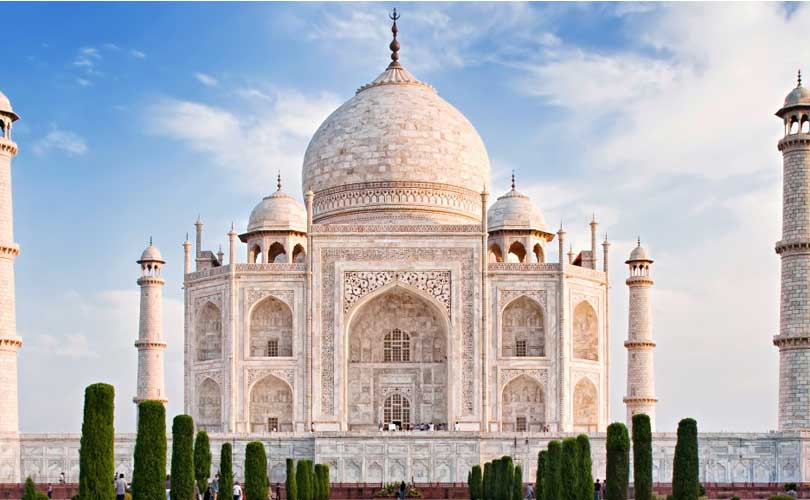
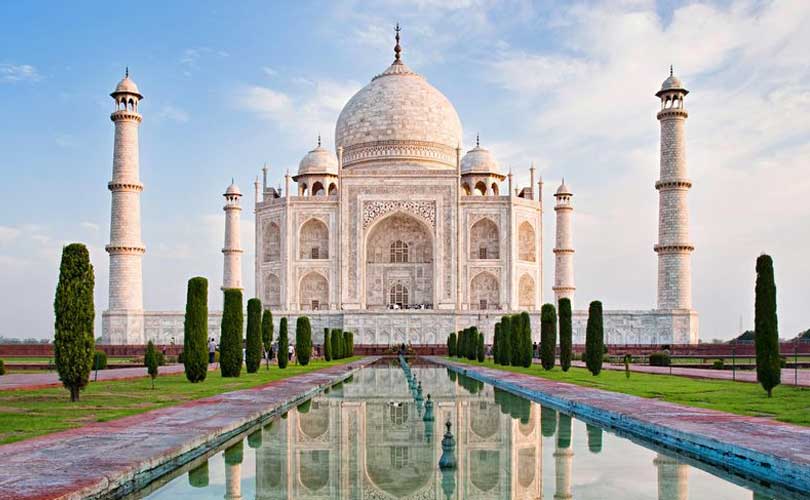
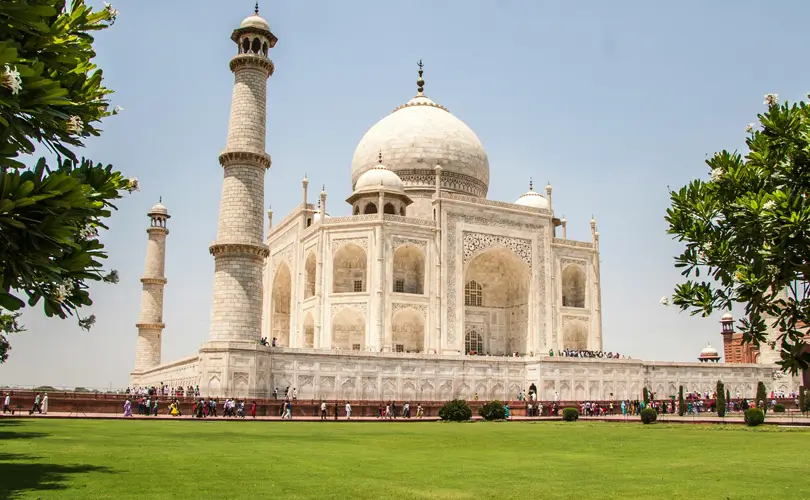
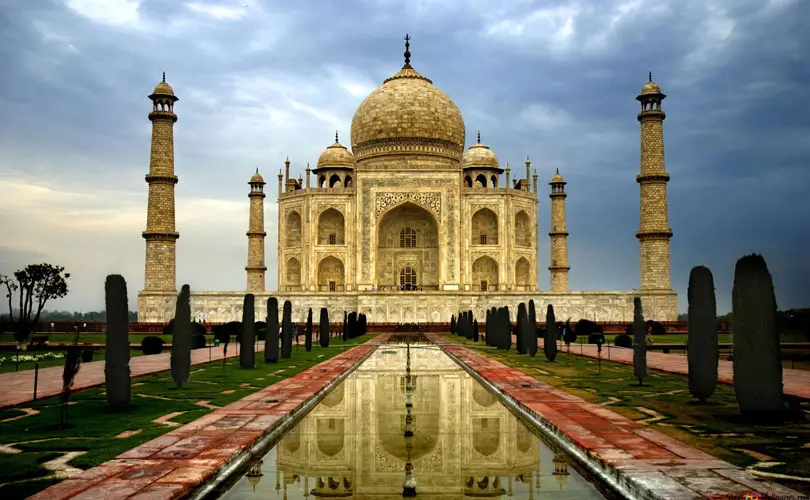
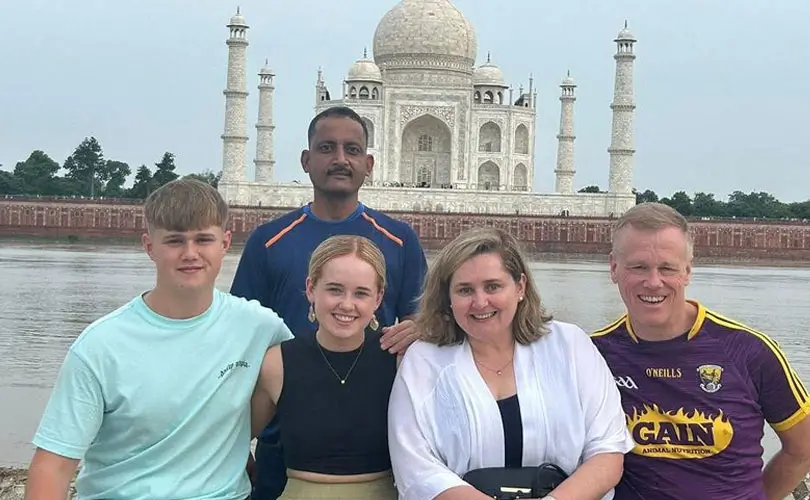
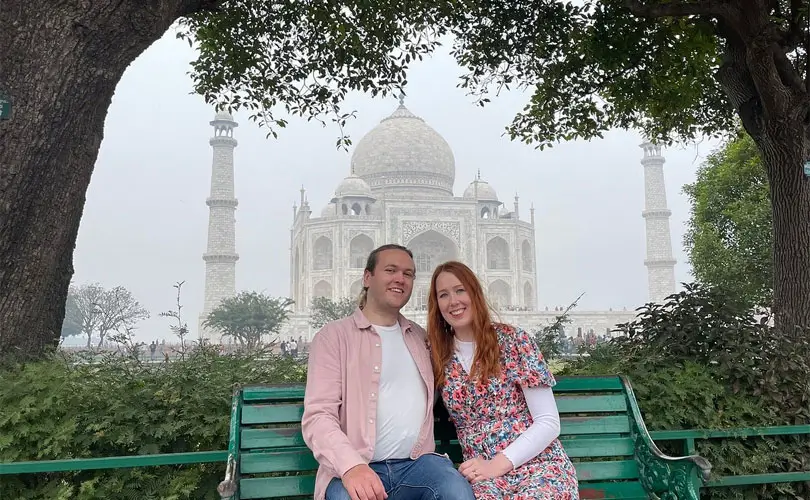
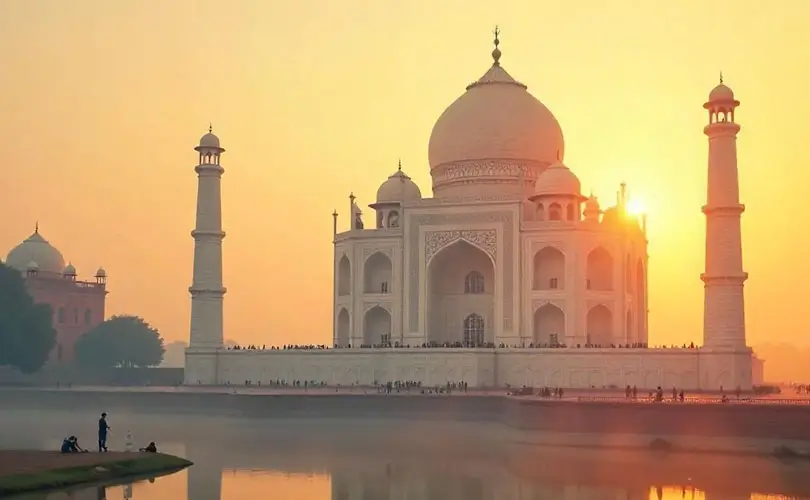
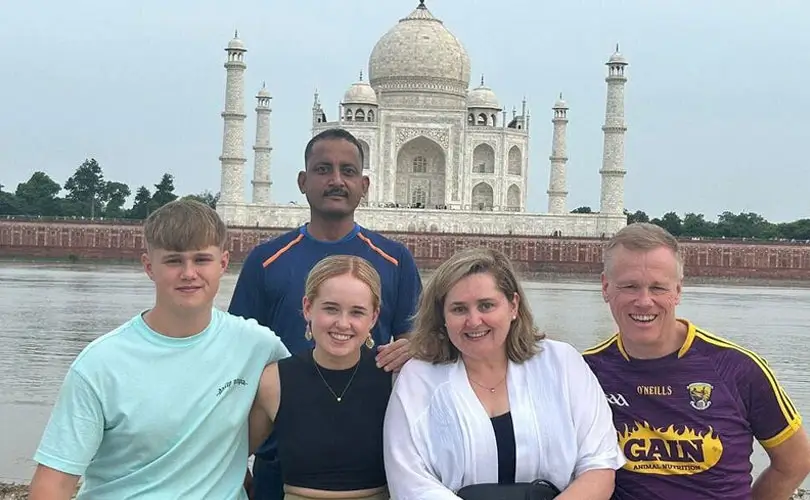
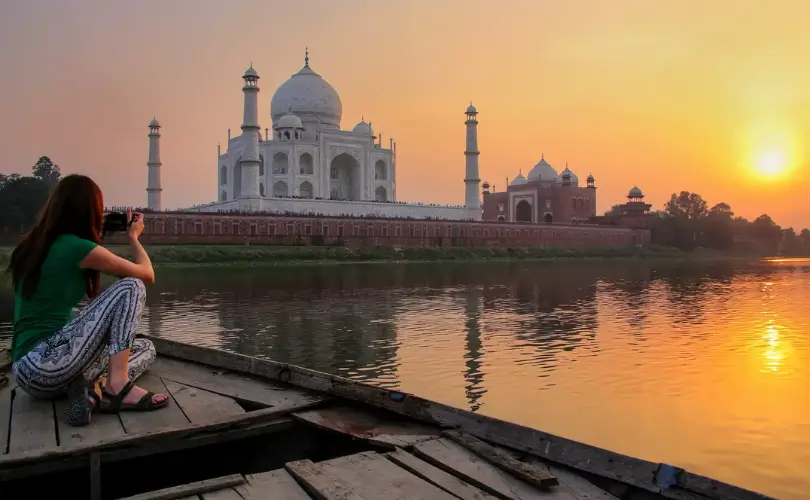
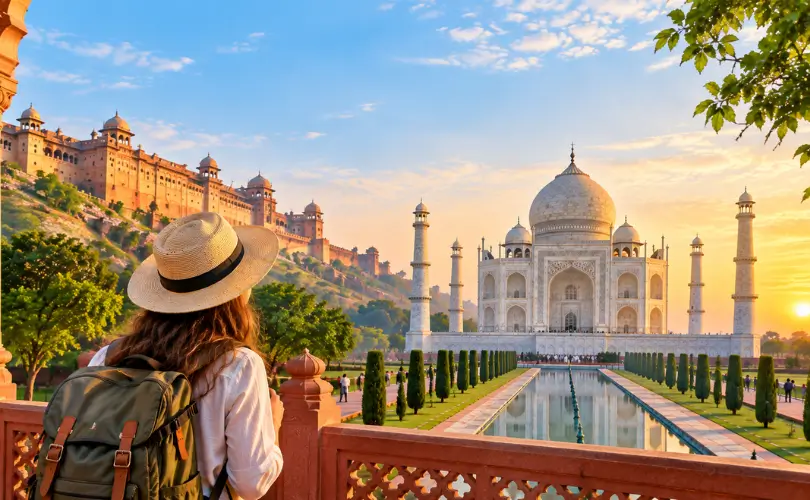
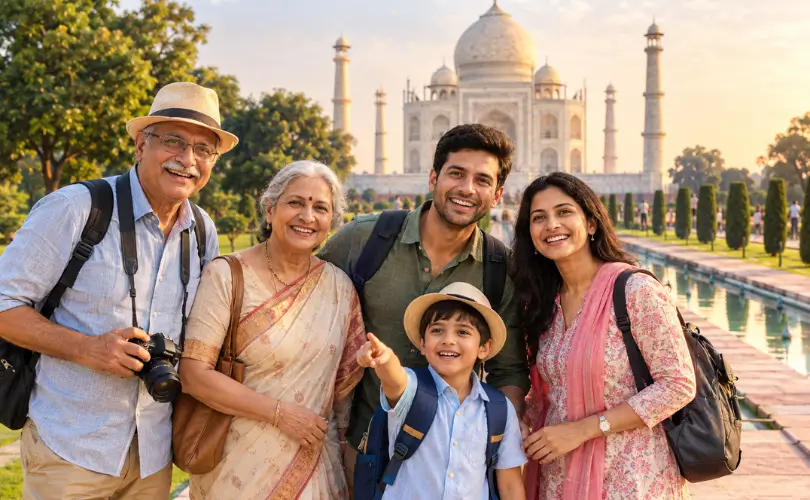
Agra provides another example. The Taj Mahal can require a substantial amount of walking, standing, and security processing. A family with young children and grandparents may spend more time moving through the complex than a group of younger adults. The Taj Mahal normally opens around sunrise and closes around sunset on standard visiting days, and it is closed to general visitors every Friday. A very early sunrise visit can be beautiful, but it is not automatically the best choice for every family. If grandparents prefer a slower morning or children are unlikely to cope well with a 5:00 a.m. wake-up, a later visit may produce a better day overall.
A private driver also provides continuity between cities. Families do not need to carry multiple suitcases through stations, coordinate several taxis, or move children and older adults through crowded transport terminals. The vehicle collects them at one hotel and takes them directly to the next.
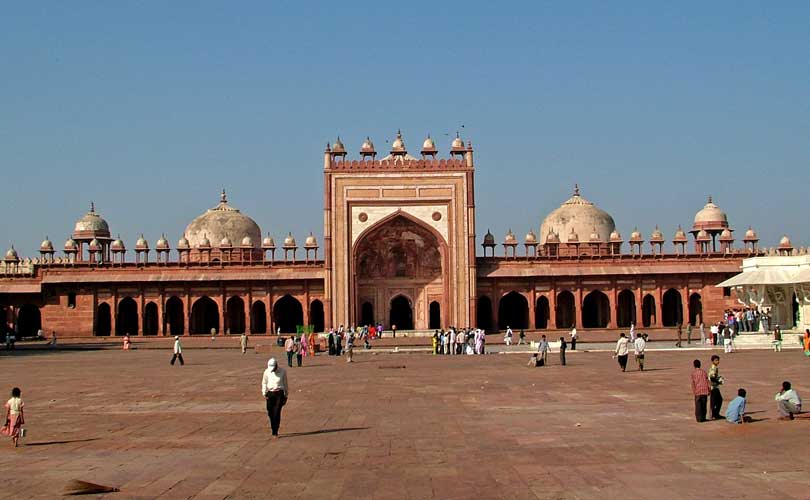
This becomes especially useful on Agra to Jaipur. The direct road distance is roughly 240 kilometres, but families may want to stop at Fatehpur Sikri and possibly Abhaneri. With sightseeing and lunch, the complete day can take eight to ten hours. A private car allows extra rest breaks and makes it possible to skip a stop if the group is too tired.
The best family trip is not the one with the longest attraction list. It is the one where children remain interested, parents are not constantly managing logistics, and grandparents are not pushed beyond a comfortable pace.
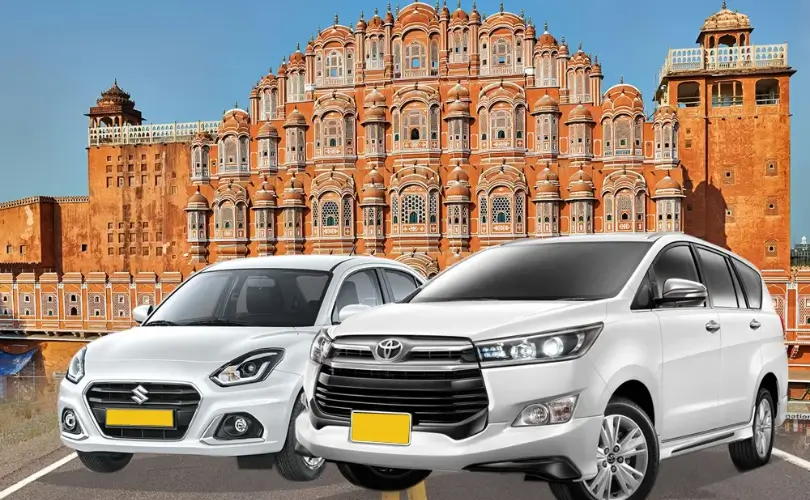
Vehicle choice is one of the most important parts of a family India tour with private driver. A sedan may be fine for a couple, but it is usually unsuitable for a multi-generational family once luggage is included.
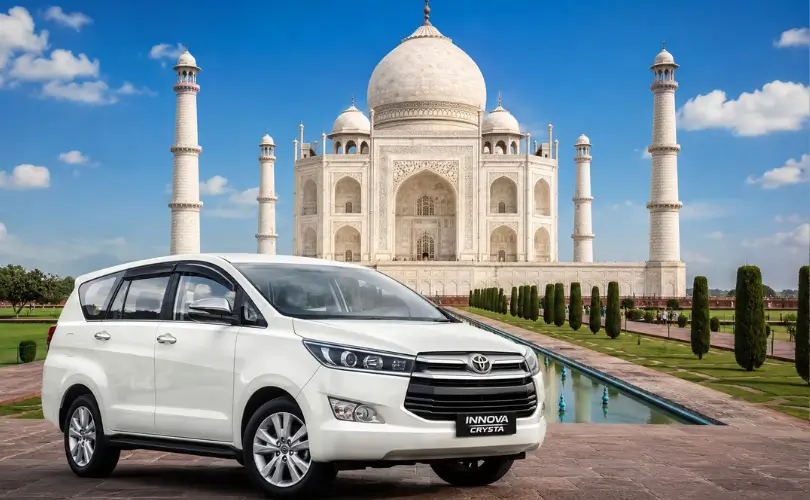
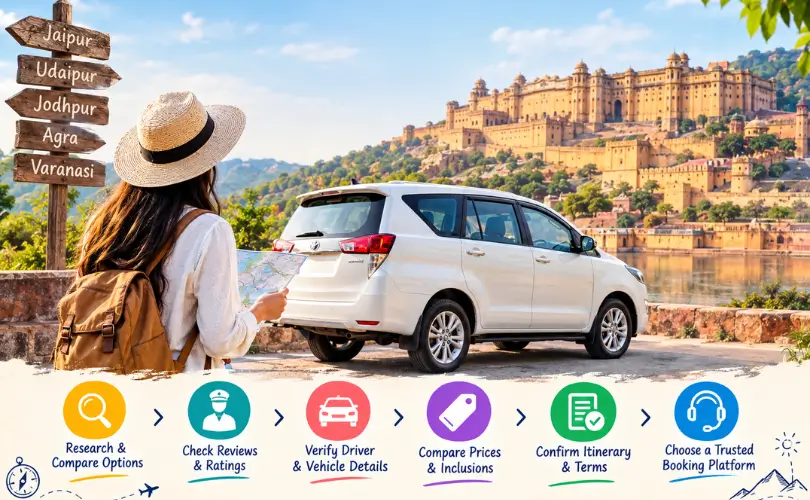
For three or four travelers, an Innova-type vehicle may work well. An Innova Crysta for family travel in India provides more cabin space and is often a stronger option for long road journeys. It allows passengers to sit more comfortably and gives the group more flexibility with bags, jackets, snacks, and personal items.
For five or six travelers, the vehicle needs to be chosen carefully according to luggage. An Innova can technically carry several passengers, but six people with large international suitcases may find it restrictive. A larger Tempo Traveller or appropriately sized tourism vehicle is often a better choice.
A private Tempo Traveller may broadly cost around ₹8,000 to ₹12,000 or more per day, depending on seating category, route, mileage, duty hours, and inclusions. Premium versions can cost more. For a multi-day Golden Triangle route, the complete vehicle cost can therefore become a significant part of the package.
A sedan for approximately five days may broadly cost ₹20,000 to ₹30,000, an Innova-type vehicle around ₹30,000 to ₹45,000, and an Innova Crysta around ₹35,000 to ₹50,000 or more. Larger family vehicles can cost considerably more.
Families should ask whether fuel, tolls, parking, interstate charges, driver allowance, and driver accommodation are included.
Seat comfort matters for grandparents. A vehicle that feels acceptable during a 20-minute city transfer may become uncomfortable after five hours on the road. Easy entry and exit can also matter, particularly for travelers with reduced mobility.
Child seating should be discussed before booking. If a family requires a specific infant seat, booster seat, or child restraint, it should be requested explicitly. Travelers should not assume that the exact type they use at home will automatically be available.
Air conditioning should be fully functional. This is essential for children and older travelers during warmer months.
Families should also avoid placing all luggage into the passenger cabin. A larger vehicle can be worth the additional cost simply because it keeps the seating area usable.
Accommodation is usually the biggest budget variable for a multi-generational India holiday. A couple may need only one room, while a family group can require two or three rooms every night.
Suppose a family of six needs three rooms. If a good four-star hotel averages ₹9,000 per room per night, the nightly room cost is approximately ₹27,000. Over five nights, accommodation alone becomes roughly ₹1,35,000.
A five-star hotel averaging ₹18,000 per room would increase that five-night accommodation cost to approximately ₹2,70,000.
This is why family tour pricing rises quickly.
Connecting rooms can be useful when children are young, but they are not guaranteed simply because two rooms are booked under the same reservation. Families should request connecting or adjoining rooms in advance and understand that hotel inventory may limit availability.
Extra beds should also be confirmed before arrival. Indian hotels vary in how they handle children, extra mattresses, rollaway beds, and triple occupancy. A room described as suitable for three guests may still feel crowded when an extra bed is added.
Breakfast inclusion is important for families because it simplifies the morning. A good buffet allows children, parents, and grandparents to eat different foods without arranging separate meals.
Location matters too. A cheaper hotel far from the main sightseeing areas can add long traffic journeys each day. For a family, this creates more sitting time and less energy for monuments.
In Agra, a hotel close to the Taj Mahal access area can make an early visit easier. In Jaipur, central locations can reduce transfer time between City Palace, Jantar Mantar, Hawa Mahal, and the hotel.
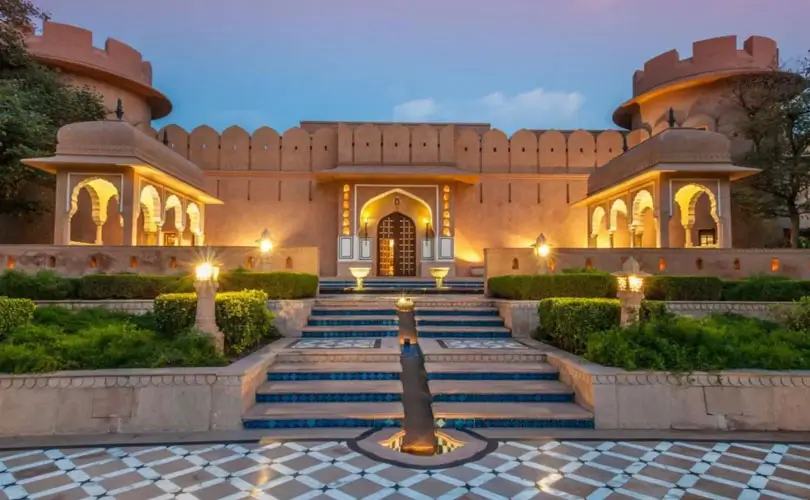
Older travelers may need lifts rather than stairs. Heritage hotels can be beautiful, but some historic properties have uneven steps, narrow corridors, or limited lift access. Families should ask about accessibility rather than assuming every premium property is physically easy to navigate.
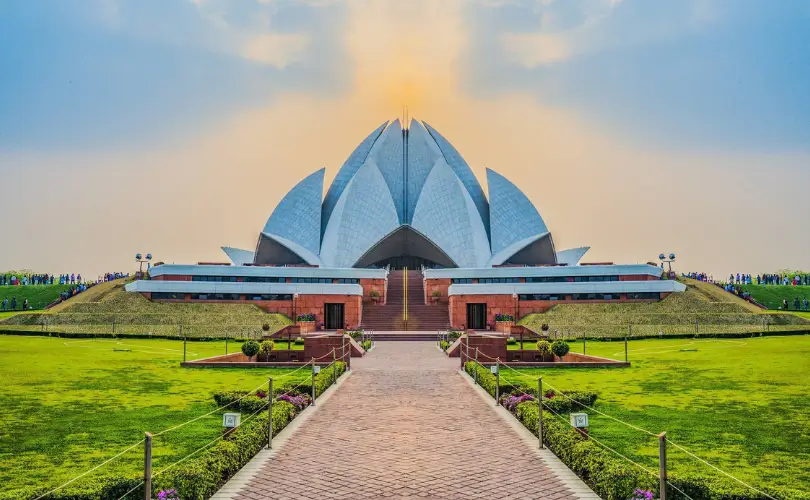
Delhi can be tiring if too many attractions are packed into one day. A realistic private family sightseeing tour in Delhi should balance historical interest with driving time and rest.
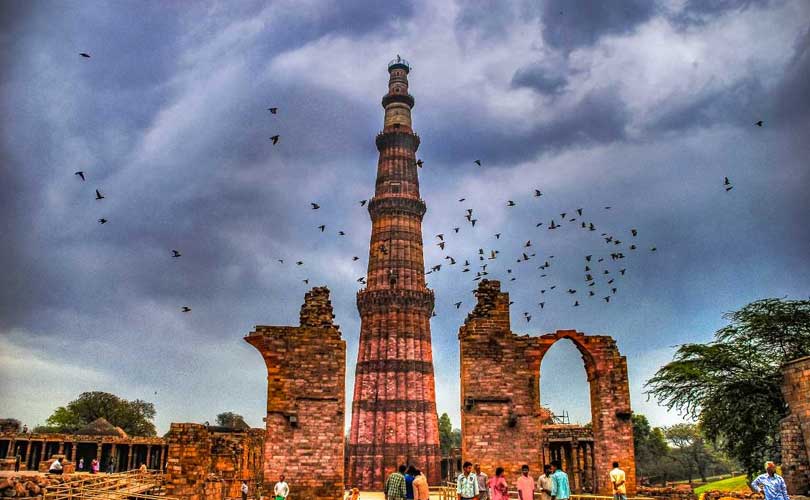
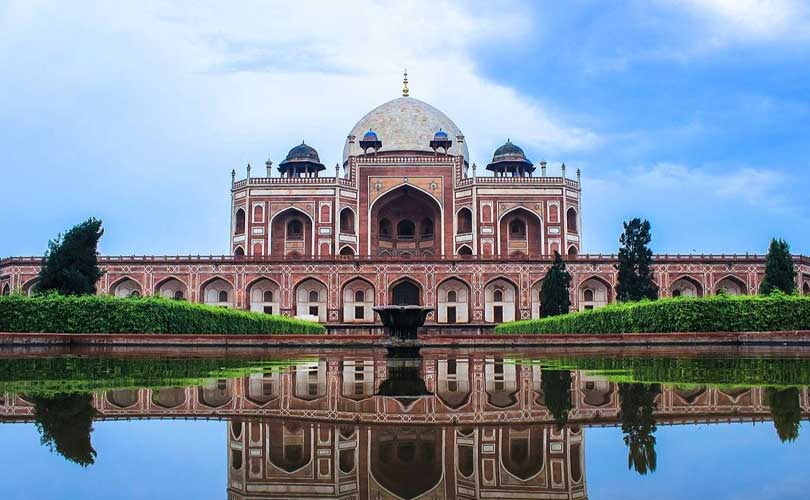
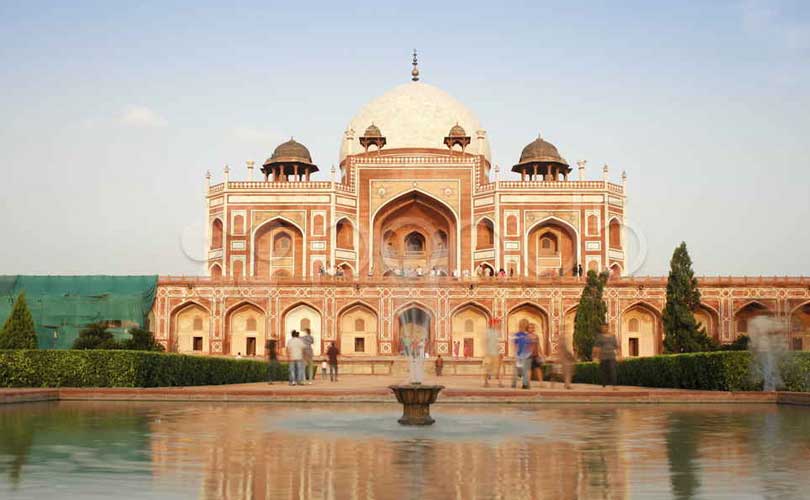
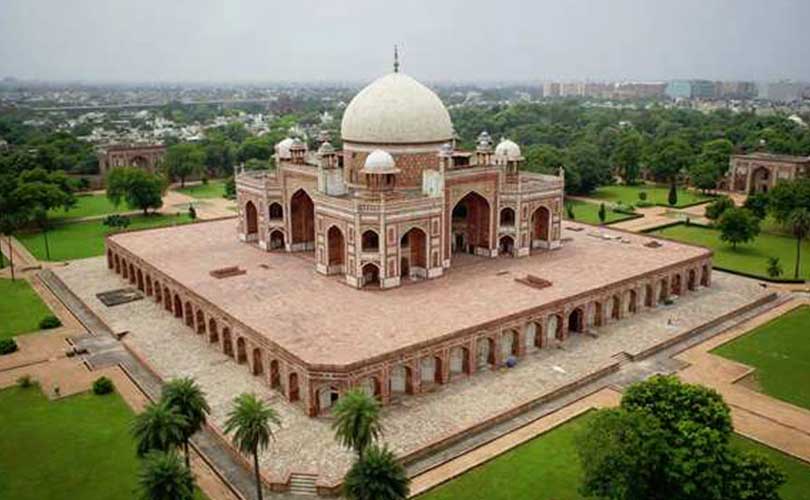
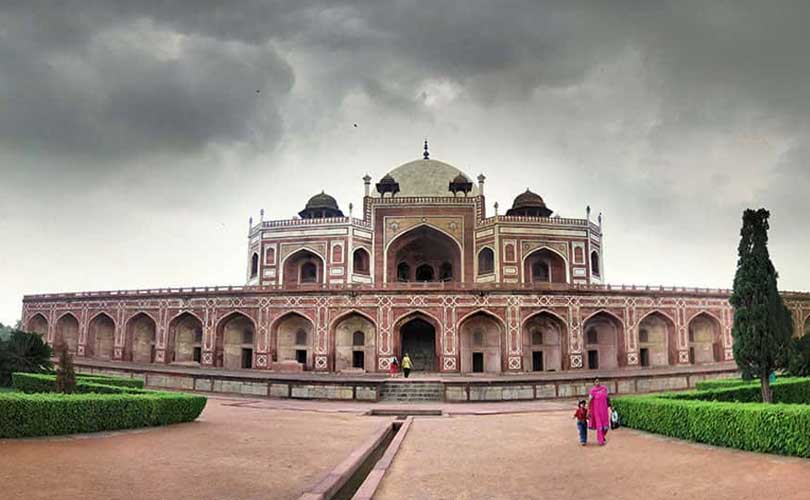
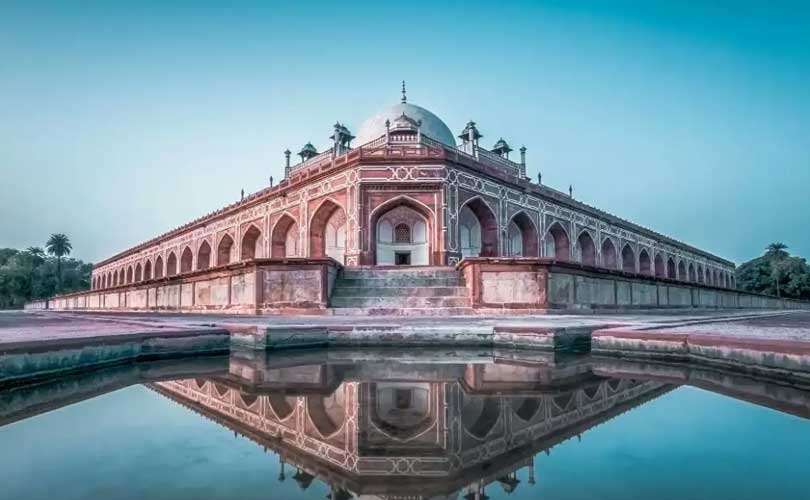
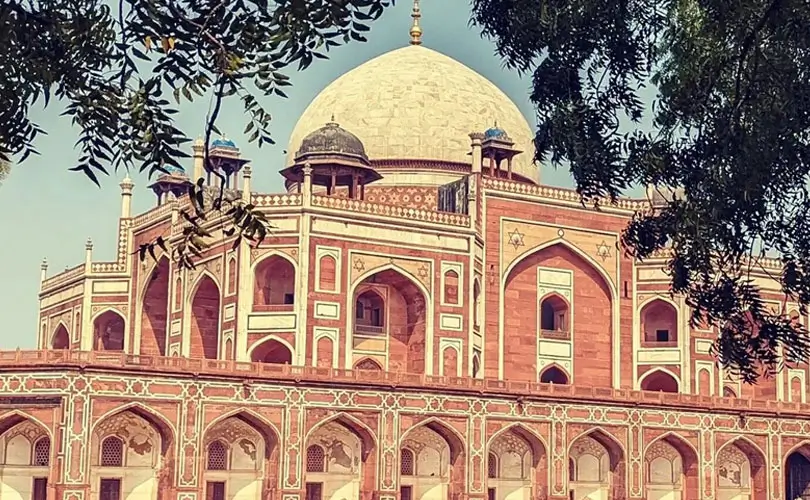
Humayun's Tomb is a strong family attraction because it offers major architecture, open garden space, and a clear historical connection to later Mughal monuments. Qutub Minar is another important stop, but the complex involves walking and exposed outdoor areas. In hot weather, visiting earlier can be more comfortable.
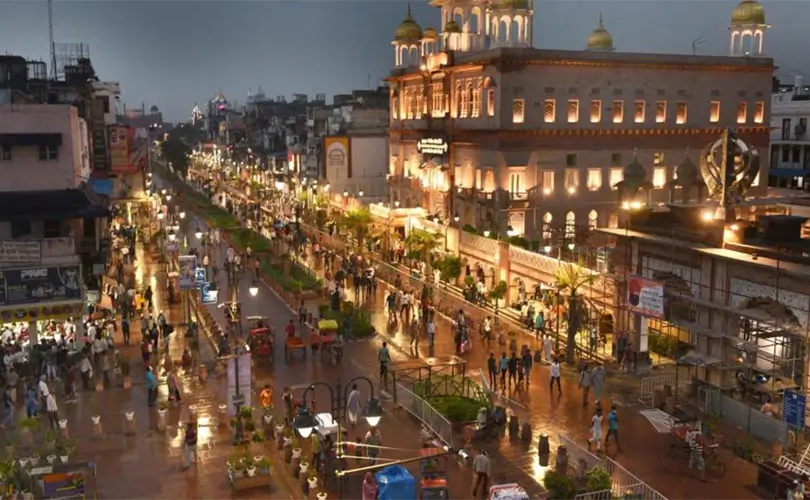
Old Delhi can be fascinating for children and adults, but it is also crowded and intense. Families should decide how much time they want to spend in Chandni Chowk and similar areas. A short heritage-focused visit may be more enjoyable than trying to force several hours of walking through busy lanes.
A professional English-speaking family guide in Delhi can make history more accessible to children by using shorter explanations and more engaging stories. The same guide should be able to provide deeper context for adults without turning every stop into a long lecture.
Lunch timing matters. Families should not wait until 3:00 p.m. simply because the sightseeing schedule is behind. A reliable private guide and driver should adjust the day around practical needs.
A comfortable family lunch at a good restaurant may cost around ₹700 to ₹1,500 per person, while upscale dining can cost ₹2,000 to ₹4,000 per person or more. For six people, even a mid-range meal can therefore reach ₹4,200 to ₹9,000 before additional dishes or service charges.
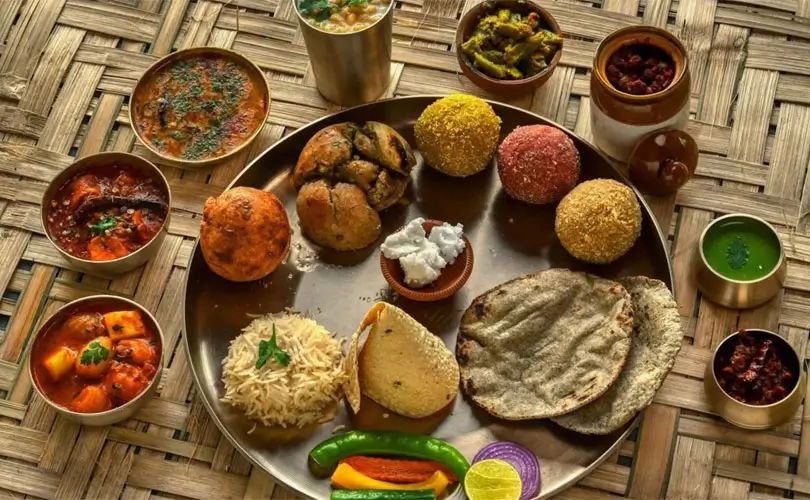
Young children may also need access to familiar food. Major hotels and established restaurants usually provide broader menus, which can be useful when not every family member wants local dishes at every meal.
A family Taj Mahal tour should allow more time than a fast-paced couple's visit. International visitors should broadly budget around ₹1,100 per person for standard Taj Mahal admission, with approximately ₹200 additional admission for access to the main mausoleum. Current official rates should be checked close to the visit.
Children's admission rules depend on age and current monument policy, so families should verify the applicable ticket category before travel.
A complete Taj Mahal visit can take around two to three hours, particularly when the group includes older travelers and children. Security queues, walking, photography, guide explanations, and movement between the main gate and the marble platform all take time.
The family should carry only necessary items. Large bags and restricted objects can complicate security.
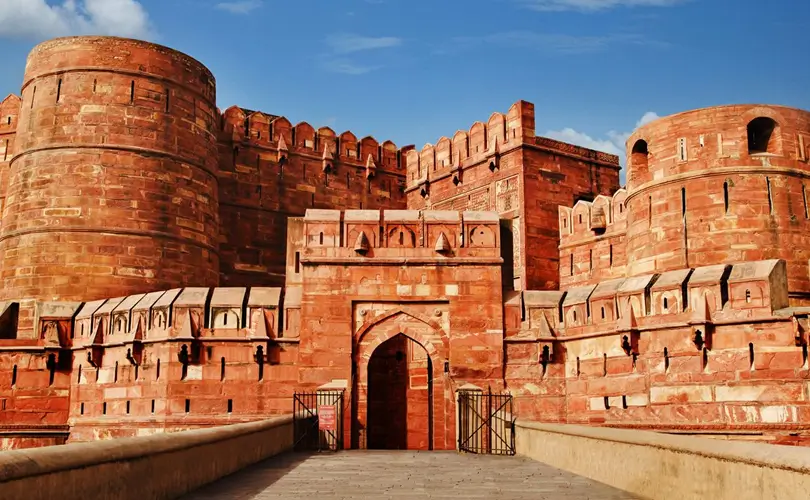
After the Taj Mahal, Agra Fort can add another 90 minutes to two hours of walking. International visitor admission is commonly around ₹650 per person, subject to current official pricing.
For families with younger children or grandparents, it may be better to separate these monuments with lunch or hotel rest rather than visiting them back to back without a break.
An overnight stay in Agra is often preferable to a same-day Delhi return. A same-day round trip can involve more than 450 kilometres of driving in addition to sightseeing, which can be tiring for every age group.
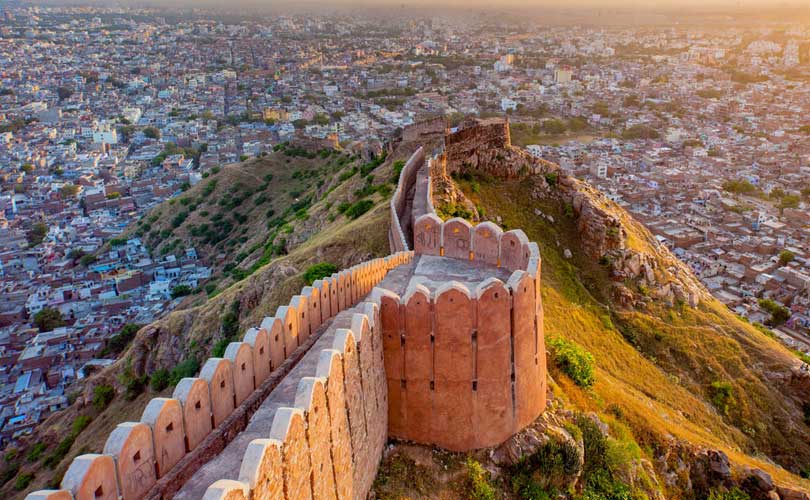
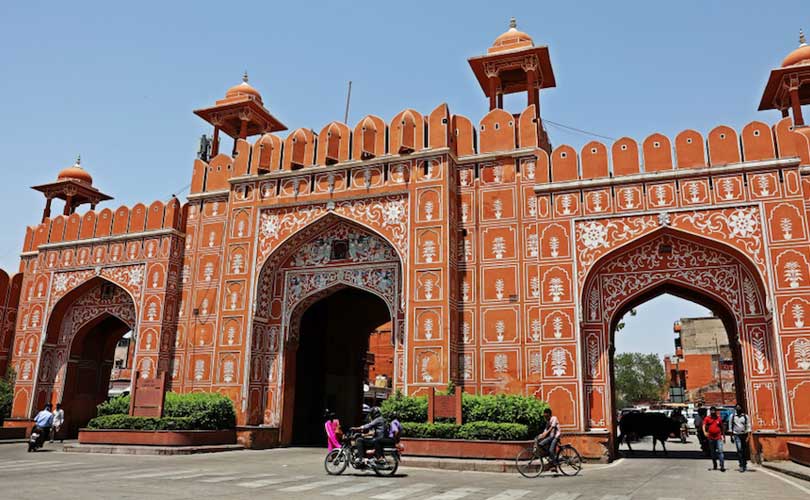
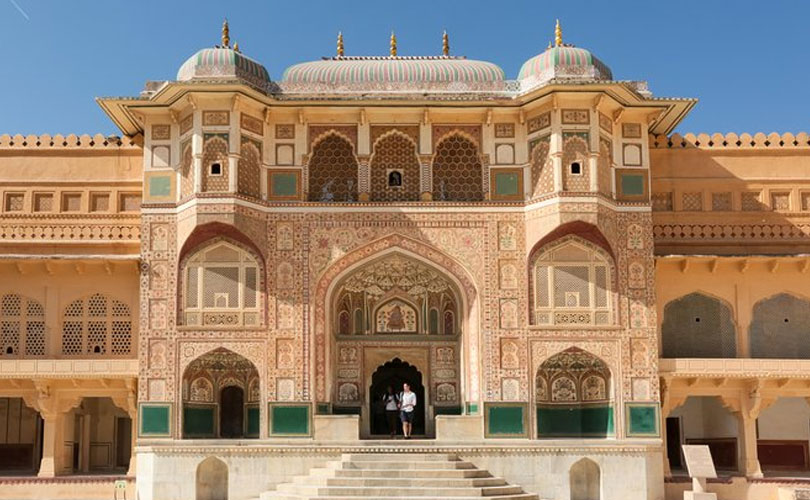
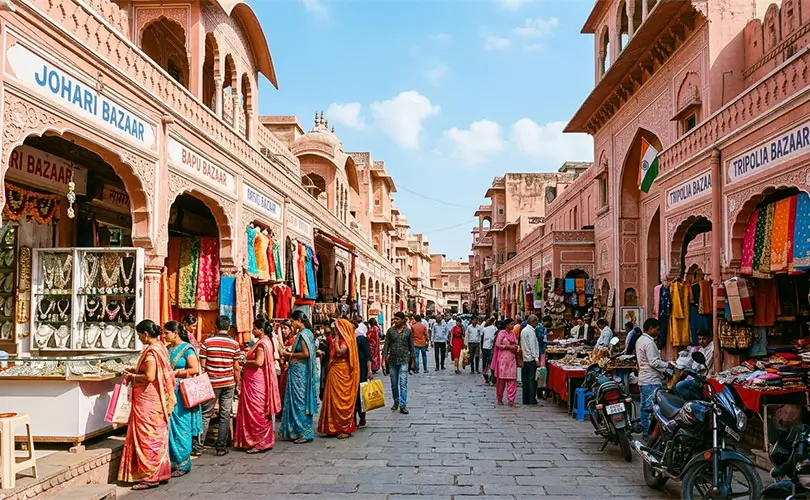
Jaipur is visually engaging for children because the city includes forts, palace courtyards, colorful architecture, city gates, markets, and large historic spaces. However, a family should not try to visit Amber Fort, Jaigarh, Nahargarh, City Palace, Jantar Mantar, Hawa Mahal, Albert Hall Museum, multiple markets, and a cultural dinner all in one day.
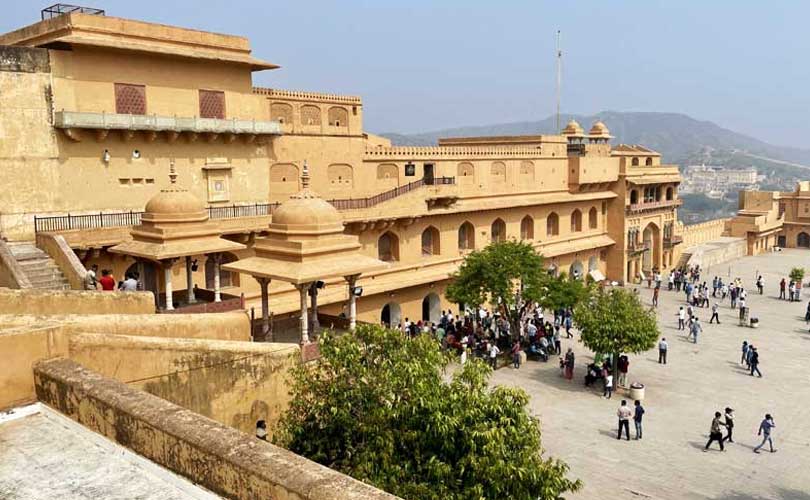
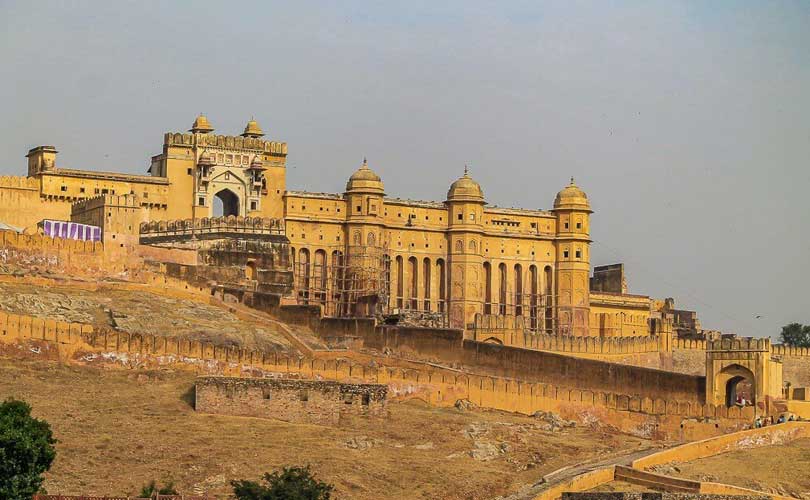
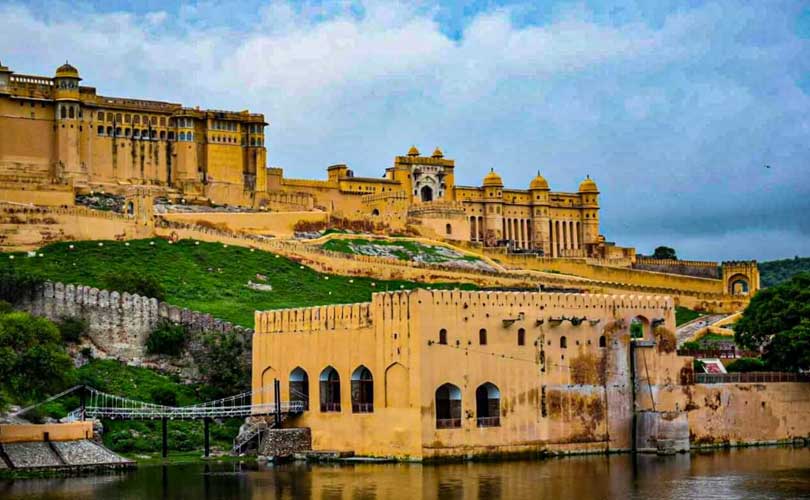
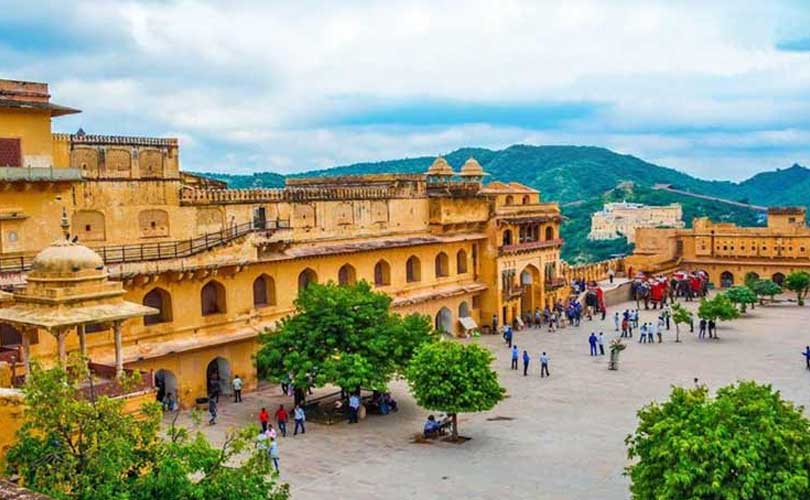
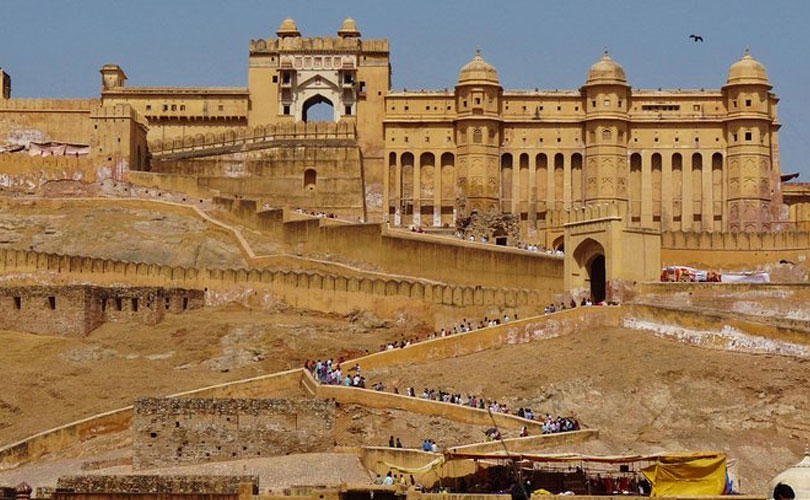
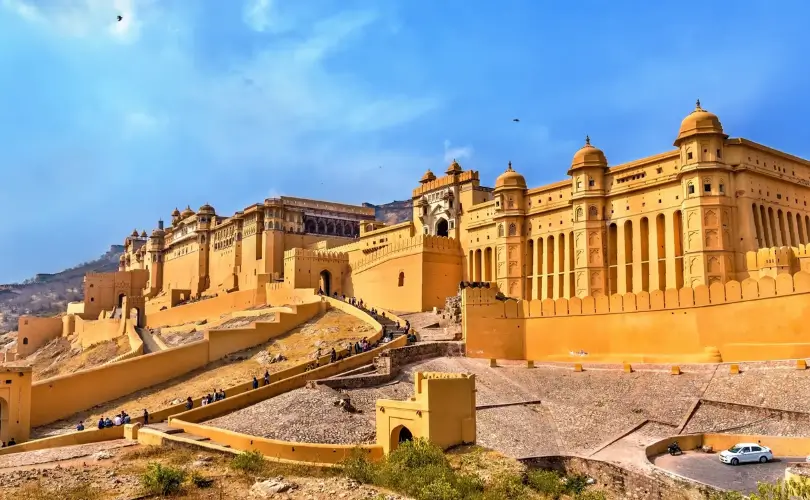
A better Jaipur family sightseeing tour begins with Amber Fort. International admission has commonly been around ₹550 per person, subject to current official rates. A proper visit takes around two hours.
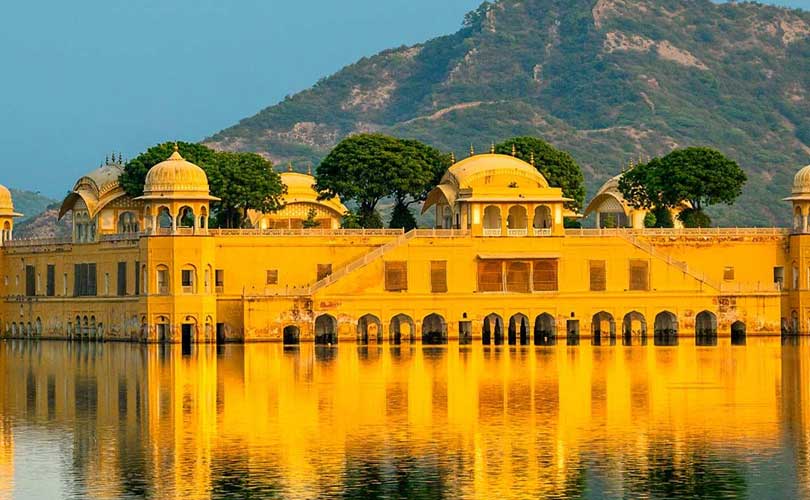
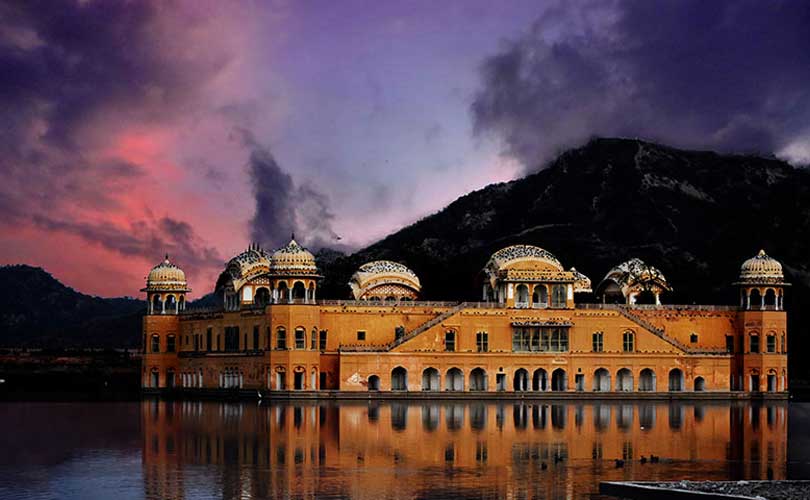
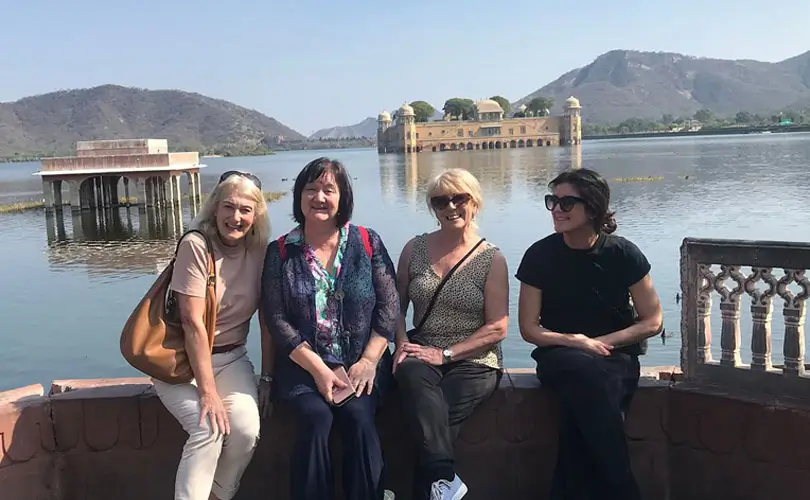
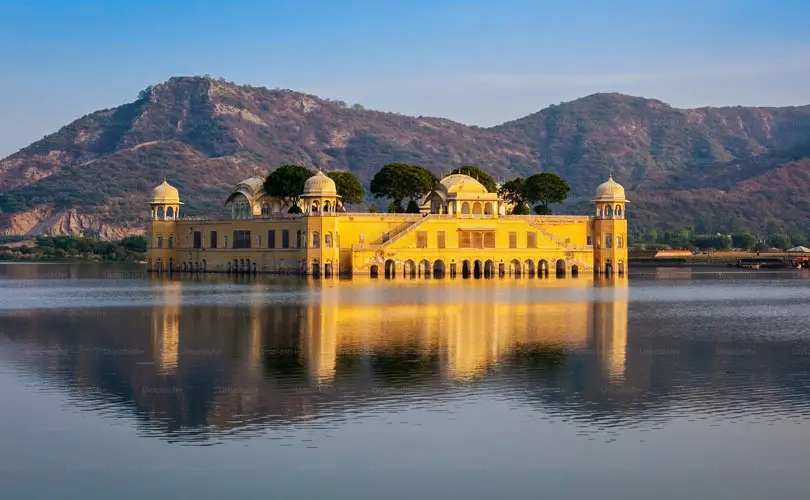
Jal Mahal can follow as a short photography stop.
City Palace can then be visited after lunch or later in the day. International ticket prices depend on the type of access, with standard entry broadly starting around ₹1,000 or more per adult and premium palace areas costing substantially more.
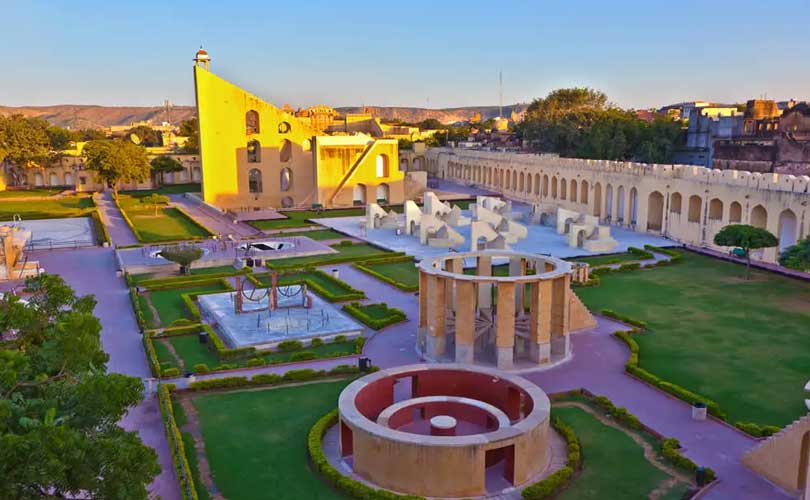
Jantar Mantar can take around 45 minutes to one hour, and a guide can make the astronomical instruments much more interesting for children by explaining how they work rather than simply naming them.
Hawa Mahal can be an exterior photo stop or a full interior visit depending on the family's energy level.
Grandparents may prefer a slower pace, while children may need more variation. This is another reason private guiding works well: the guide can shorten a stop when interest is fading and spend more time where the family is engaged.
A family group of six can spend substantially more than a couple because of room count, larger vehicle requirements, guide costs, and attraction tickets.
Suppose a six-night itinerary uses three good four-star rooms averaging ₹9,000 each. Hotel cost is approximately ₹1,62,000.
A larger private vehicle for the complete route might broadly cost around ₹60,000 to ₹90,000 or more, depending on route, vehicle category, and inclusions.
Professional English-speaking guides in Delhi, Agra, and Jaipur might add approximately ₹8,000 to ₹15,000 or more.
The working total is already around ₹2,30,000 to ₹2,67,000 before monument tickets, meals, and personal expenses.
Tickets for six travelers can add a considerable amount, especially if most group members are charged international adult rates. Premium palace access can increase the total further.
Meals also scale quickly. A ₹1,000-per-person lunch costs ₹6,000 for six people. Two such meals each day can add around ₹12,000 before drinks or taxes.
A comfortable private family Golden Triangle tour can therefore realistically cost ₹3,00,000 to ₹4,50,000 or more for a larger family group using good hotels and private transportation. Five-star accommodation can take the total far higher.
The exact amount depends strongly on how many rooms are needed.
A private family guide in India should not deliver the same style of commentary to a seven-year-old, a forty-year-old parent, and a seventy-year-old grandparent. Good family guiding requires adjustment.
Children usually respond better to stories, visual details, short explanations, and questions. At Amber Fort, a guide can explain royal life, defensive design, mirrors, courtyards, and secret passages in an engaging way without overwhelming them with dates.
Adults may want deeper political and architectural context.
Grandparents may appreciate a slower walking pace and more frequent seated explanations.
The guide should also understand when to stop talking. Family travel involves constant movement and conversation, and a guide who speaks continuously for eight hours can become tiring.
English-speaking private guides can broadly cost around ₹2,500 to ₹4,500 or more for a full day, depending on city and duration.
Families should mention the ages of children and any mobility requirements before the guide is assigned.
A private family itinerary should include practical stops rather than treating them as interruptions.
Children may need bathrooms more frequently. Grandparents may prefer to stretch during long drives. Parents may want coffee or a short pause after several hours of sightseeing.
A private vehicle allows these breaks.
Highway restaurant selection matters. Families should use clean, established facilities with reliable washrooms and sufficient parking.
Bottled water should have an intact seal.
Severe allergies should be communicated clearly. Vegetarian food is widely available, but families requiring gluten-free, nut-free, vegan, or other specific preparation should discuss this before the meal.
Medication should remain accessible inside the cabin rather than buried in luggage.
Parents should also carry snacks for children during long transfer days.
Grandparents do not need to avoid heritage travel, but the itinerary should reflect their actual mobility.
The Taj Mahal, Agra Fort, Amber Fort, and other major sites involve walking, steps, uneven surfaces, and sometimes long distances between entrances and the main attraction.
If a traveler uses a wheelchair or walking aid, this should be communicated before booking. Accessibility varies by monument and may not be identical to modern public-building standards.
Hotels should be checked for lifts and easy room access.
Vehicle entry should also be considered. A very high step into a larger vehicle may not suit every traveler.
Daily sightseeing hours can be shortened without reducing the quality of the trip.
For grandparents, one strong monument in the morning and another in the afternoon can be better than six rushed attractions.
Approximately seven to nine nights works well for Delhi, Agra, and Jaipur when children and grandparents are traveling together.
A rushed five-night itinerary can technically cover the route, but it leaves less room for hotel rest and schedule changes.
Nine or ten nights allow a slower pace and an additional rest day or short extension.
Families adding Ranthambore or Udaipur should ideally allow ten to fourteen nights.
The route should minimize unnecessary backtracking.
If the international flight departs from Delhi, the final night should ideally be positioned with enough buffer that a long Jaipur road transfer does not connect directly to the flight.
The quotation should list the number of rooms, exact hotels, room categories, child occupancy rules, extra-bed arrangements, and any connecting-room requests.
The vehicle category and luggage capacity should be confirmed.
Child seats should be requested in writing if needed.
Fuel, tolls, parking, driver allowance, interstate costs, and taxes should be addressed.
Guide services should identify the cities and approximate sightseeing duration.
Monument tickets should be marked as included or separate.
Accessibility needs should be stated before travel.
Meal inclusions should be clear.
Airport pickups should include the correct flight details.
Cancellation terms should be read carefully because family bookings often involve several rooms and higher total deposits.
Golden Triangle Tours India can arrange private multi-generational family tours in India using suitable vehicles, selected hotels, English-speaking local guides, and realistic daily timings according to the ages and comfort requirements of the group.
A strong family itinerary does not try to make children travel like adults or grandparents travel like teenagers. It gives every generation enough comfort to enjoy the same journey in a different way.
Around seven to nine nights is comfortable for Delhi, Agra, and Jaipur when children and grandparents are traveling together. More time is useful if the family wants additional rest days or another destination.
A larger tourism vehicle is usually better than trying to fit six passengers and luggage into an Innova. A Tempo Traveller or similar family vehicle can provide more space on long road journeys.
A larger family group using good four-star hotels and private transportation can realistically spend ₹3,00,000 to ₹4,50,000 or more on a Golden Triangle trip, depending on room count, vehicle, guides, tickets, meals, and duration.
Yes, but the visit involves significant walking and security procedures. A private schedule should allow two to three hours and enough rest before or after the visit.
Yes, an overnight stay is often more comfortable than a same-day Delhi return, especially for children and older travelers. It also makes an early Taj Mahal visit easier.
Yes, but connecting rooms are subject to hotel availability and should be requested in advance. The booking should not assume they are guaranteed unless the hotel confirms them.
Yes. A good family tour guide in India can use shorter stories, interactive explanations, and a more flexible pace while still providing deeper historical context for adults.
For three or four travelers, an Innova Crysta may be sufficient. For five or six travelers with international luggage, a larger vehicle is usually more comfortable.
No. Families requiring a specific child seat or booster should request it before booking and confirm availability.
Confirm the hotel rooms, connecting-room requests, vehicle size, luggage capacity, child-seat needs, guide services, ticket policy, road charges, meal inclusions, accessibility requirements, payment schedule, and cancellation conditions in writing.