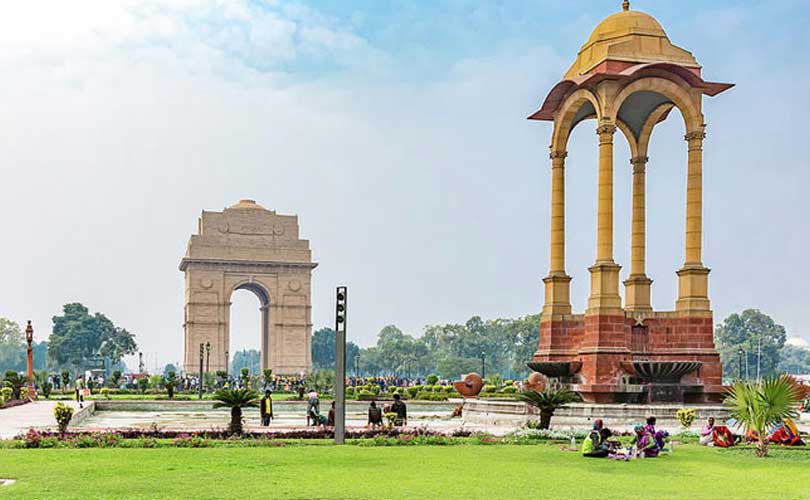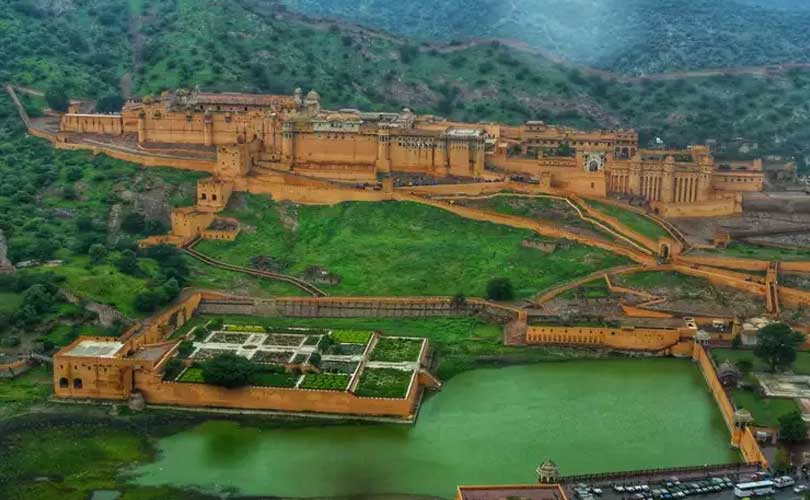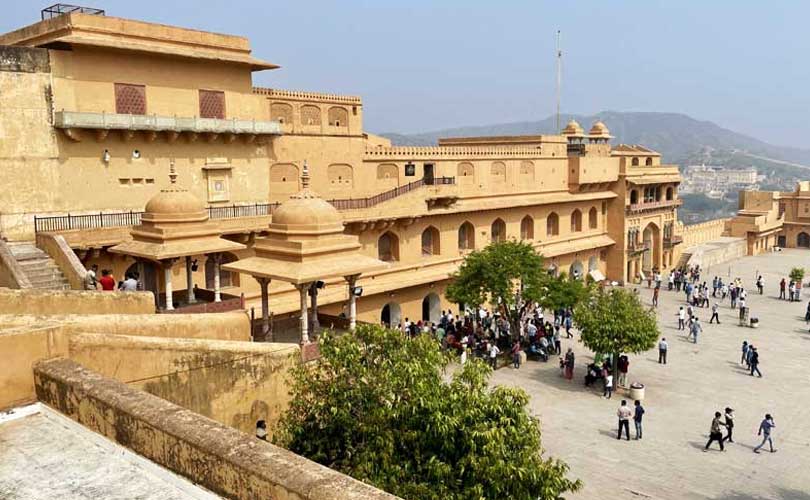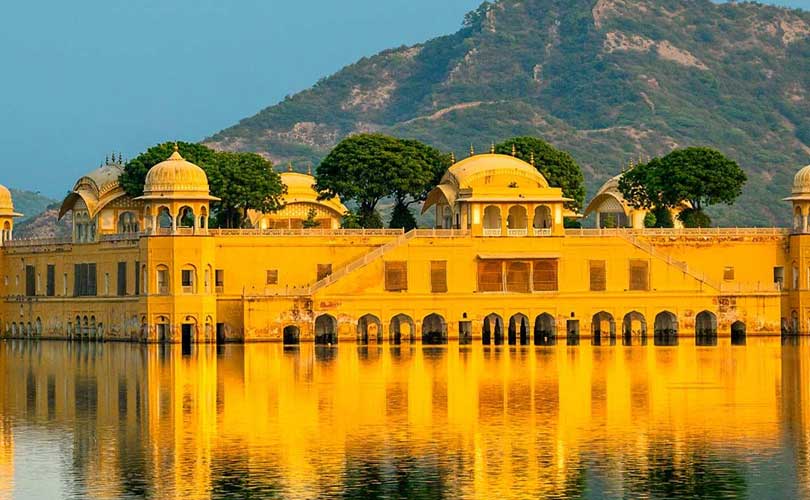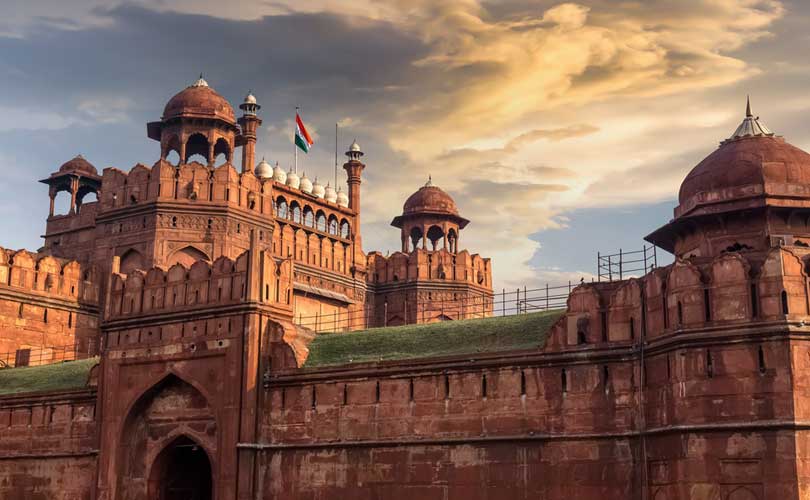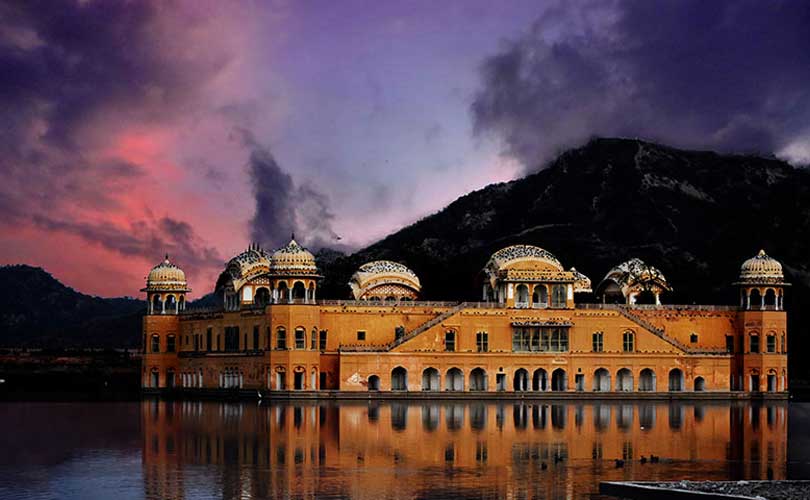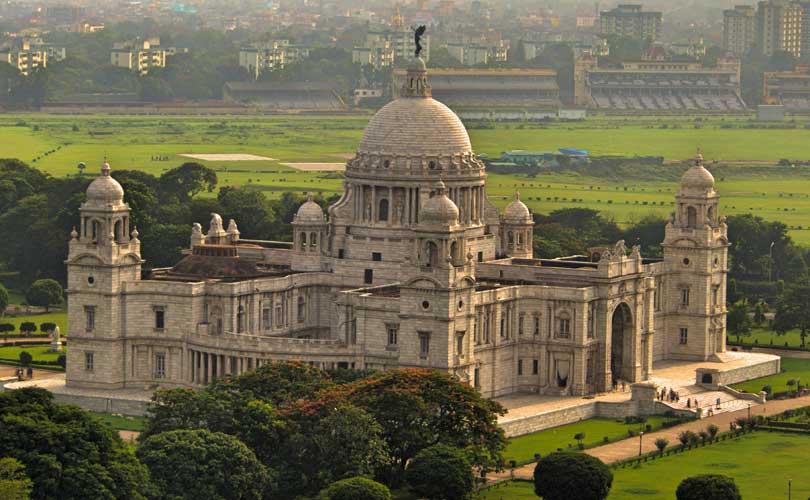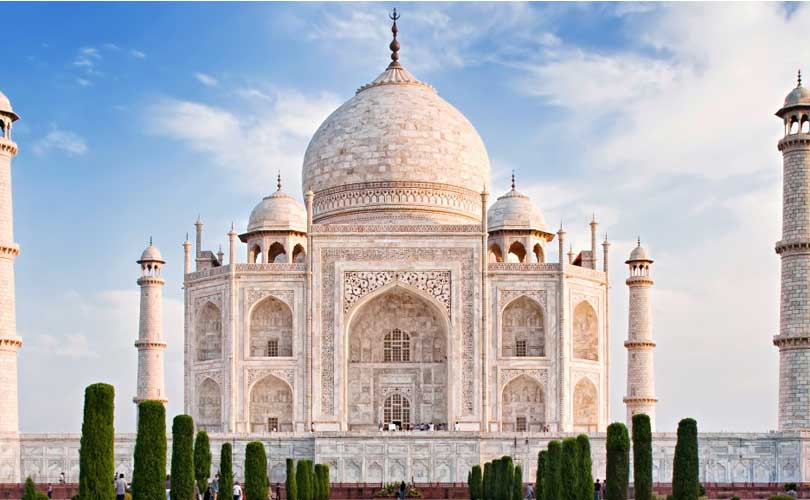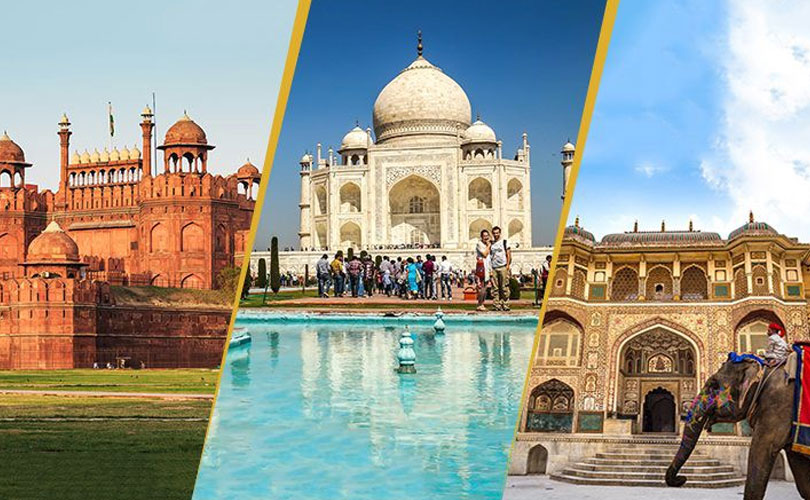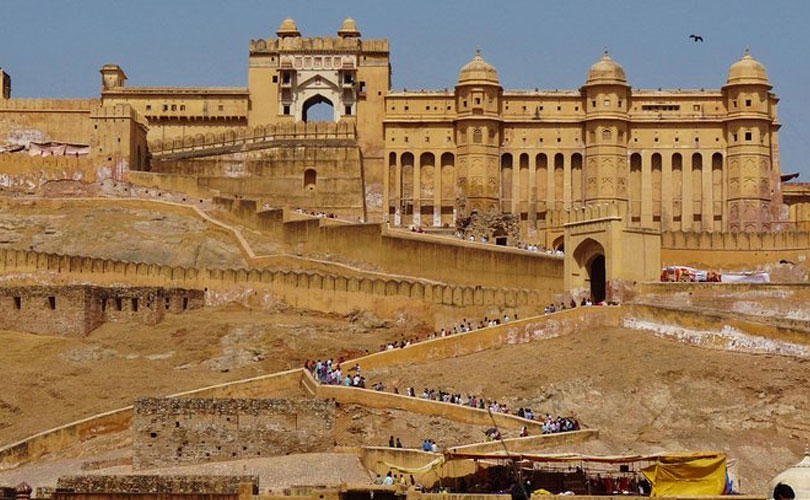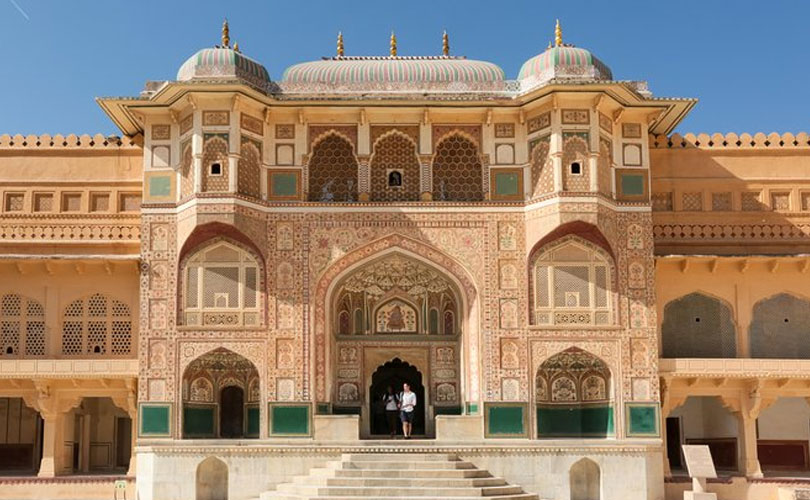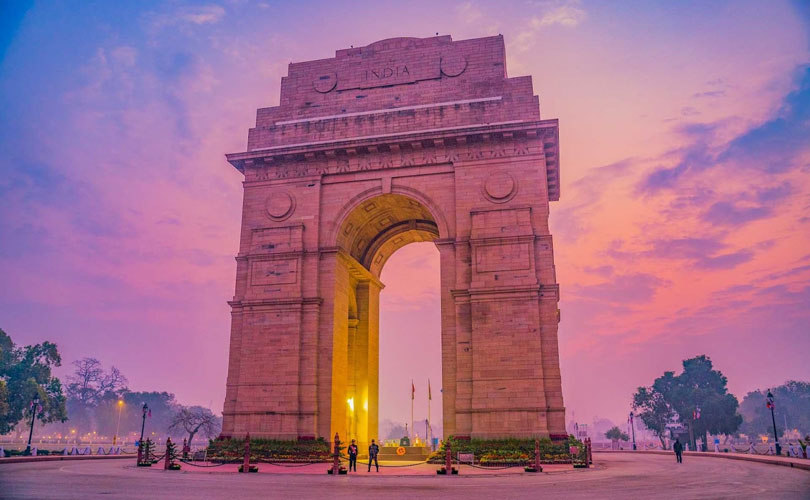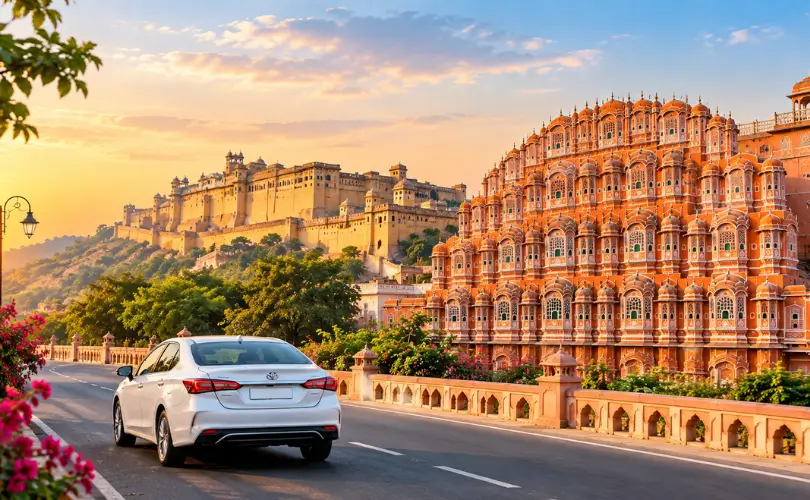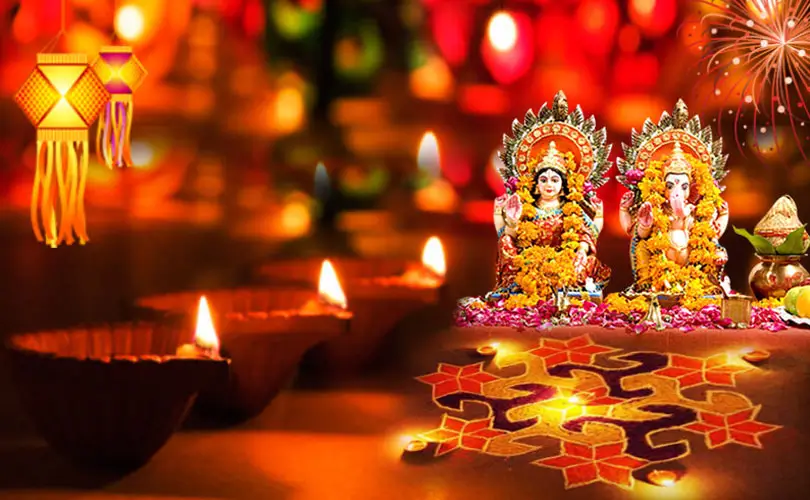
The Golden Triangle of India—comprising Delhi, Agra, and Jaipur—is not only the most popular travel circuit but also the cultural heart of the country. While travelers are drawn to the Taj Mahal, Jaipur’s royal forts, and Delhi’s historic monuments, the real magic of the Golden Triangle lies in its festivals. These celebrations reveal India’s colors, traditions, and spirituality in their truest form. From the electrifying Holi in Jaipur to the sparkling Diwali in Delhi, every season offers a different flavor of festivity.
But when is the best time to experience Golden Triangle festivals? Should you plan around spring, autumn, or winter? This blog explores the festivals month by month, guiding you to plan the perfect trip where sightseeing blends with cultural immersion.
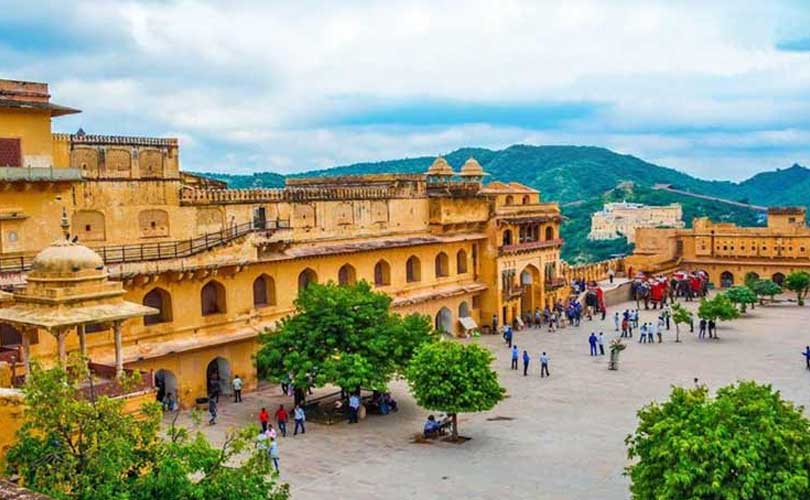
The Golden Triangle is home to India’s grandest celebrations. Delhi, being the capital, hosts large-scale national festivals; Agra, the city of love, witnesses events with Mughal charm; and Jaipur, the Pink City, becomes a stage for traditional Rajasthani festivities.
Experiencing these festivals means more than just watching—it means joining locals in the celebrations. Imagine smearing colors on strangers during Holi, lighting oil lamps along Delhi’s lanes during Diwali, or watching decorated elephants parade through Jaipur. These cultural experiences leave memories as strong as any monument.
February–March: Holi in Jaipur
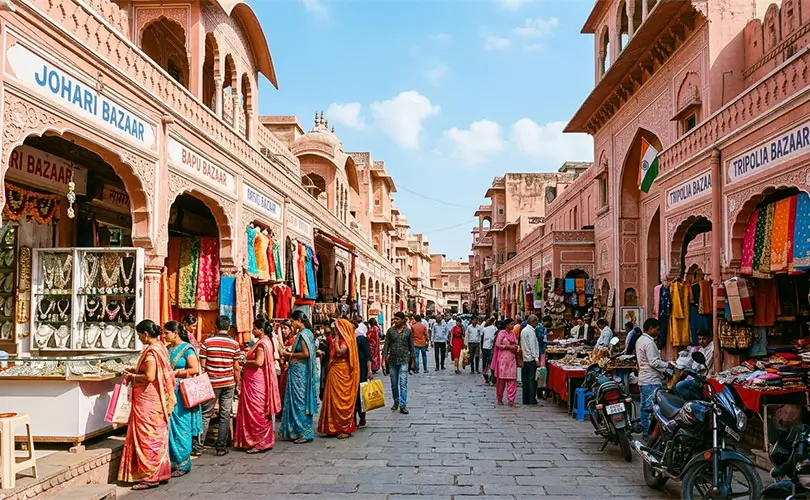
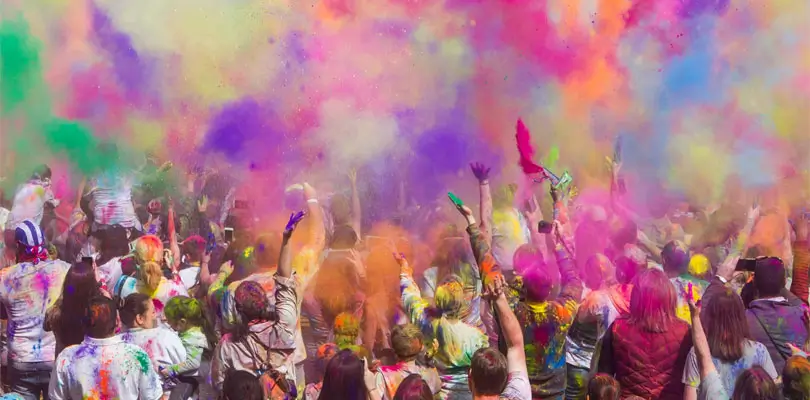
If there is one festival that travelers must witness in the Golden Triangle, it is Holi—the festival of colors. Celebrated in March, Holi marks the arrival of spring. In Jaipur, the city turns into a giant playground of colors.
Why it’s special: Jaipur’s historic backdrop of palaces and forts makes Holi incredibly photogenic. Plus, Rajasthan’s hospitality ensures foreigners feel included and safe.
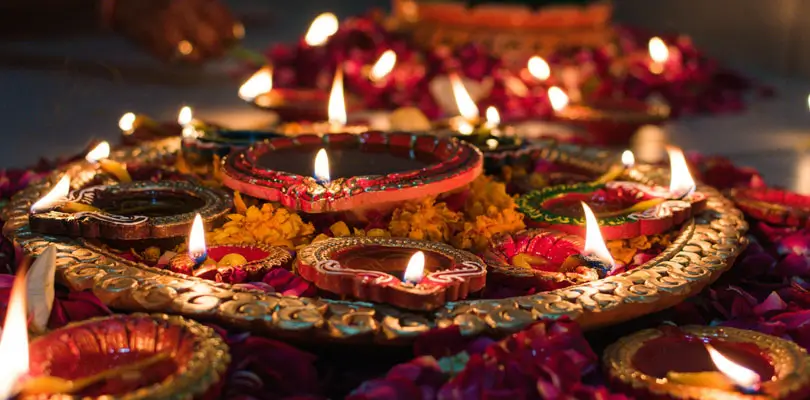
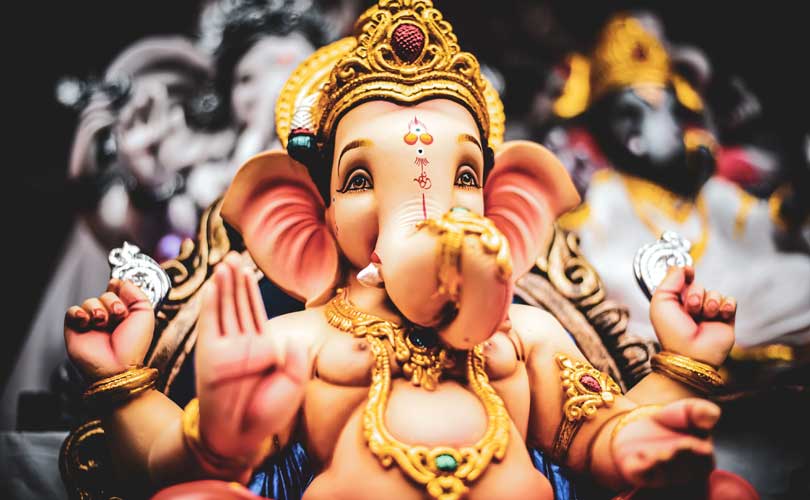
Diwali—the festival of lights— is the biggest Hindu celebration and an unforgettable experience in Delhi. The festival usually falls in October or November.
Why it’s special: Delhi combines tradition with modern sparkle—old temples shine with rituals, while shopping malls host themed decorations. Experiencing Diwali in Delhi is like stepping into a magical world.
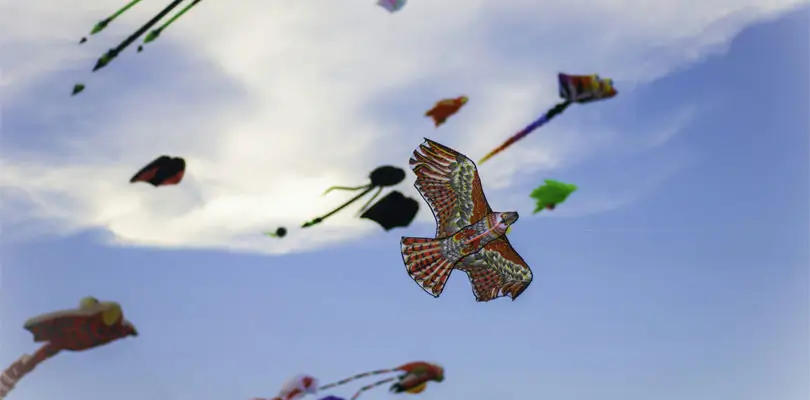
The International Kite Festival, celebrated around Makar Sankranti (January 14), is another colorful event in Jaipur.
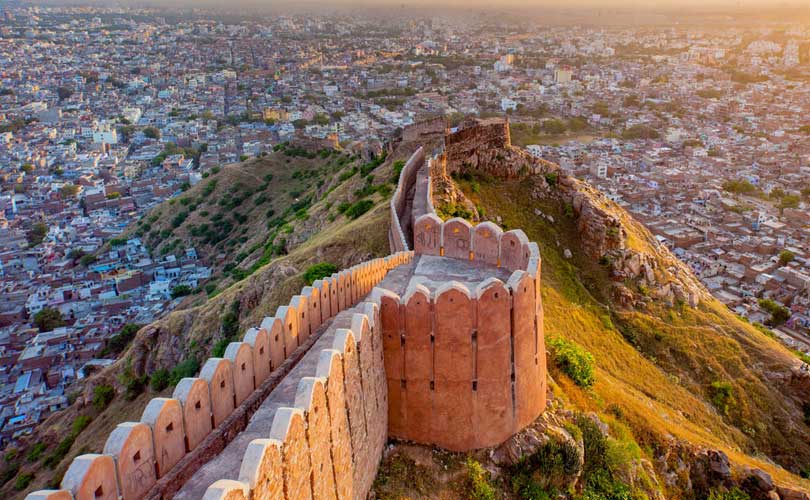
Why it’s special: From the Nahargarh Fort to the City Palace rooftops, Jaipur’s skyline offers breathtaking views of thousands of kites flying at once.
Though not in the exact triangle, Surajkund near Delhi hosts India’s largest crafts fair in February.
Why it’s special: This is India’s heritage in one place—ideal for those who want to explore beyond monuments.
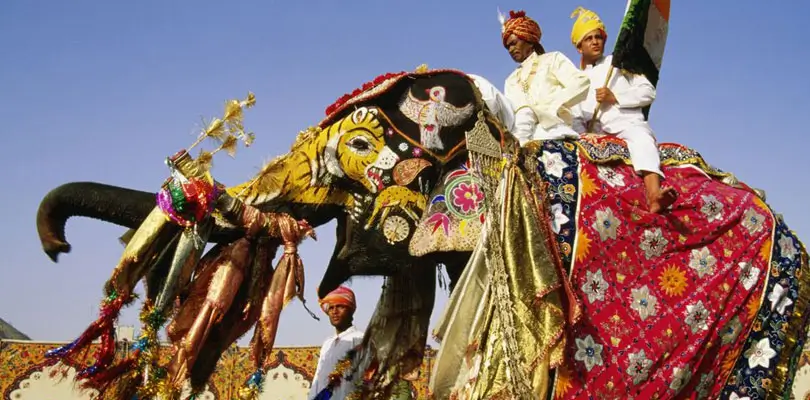
Celebrated around Holi, Jaipur’s Elephant Festival is a unique cultural event.
Why it’s special: It showcases Rajasthan’s bond with elephants and its royal traditions.
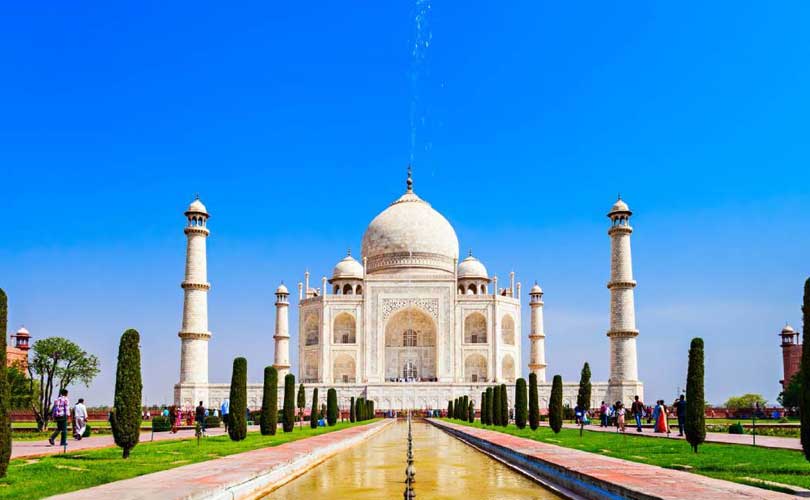
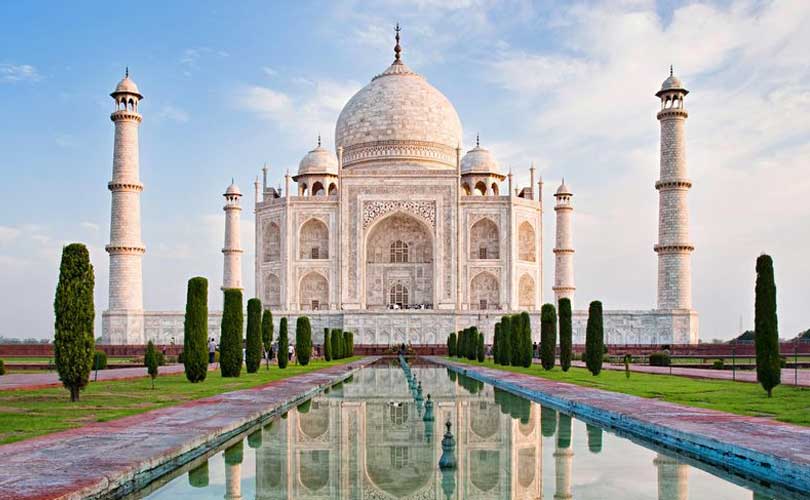
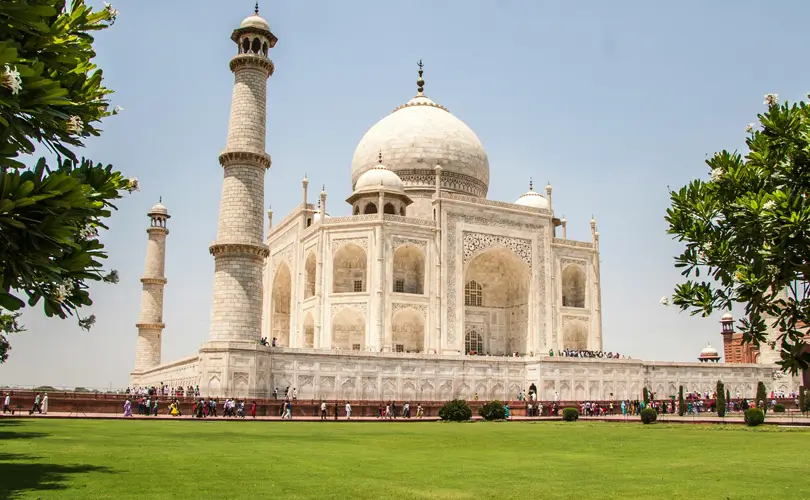
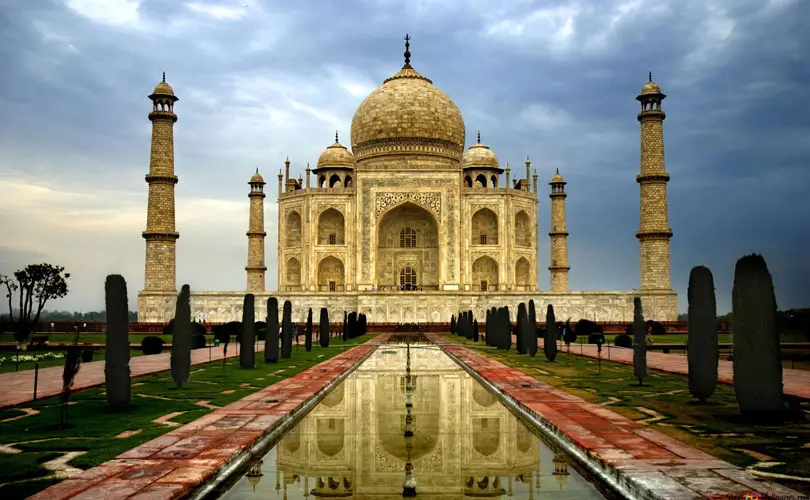
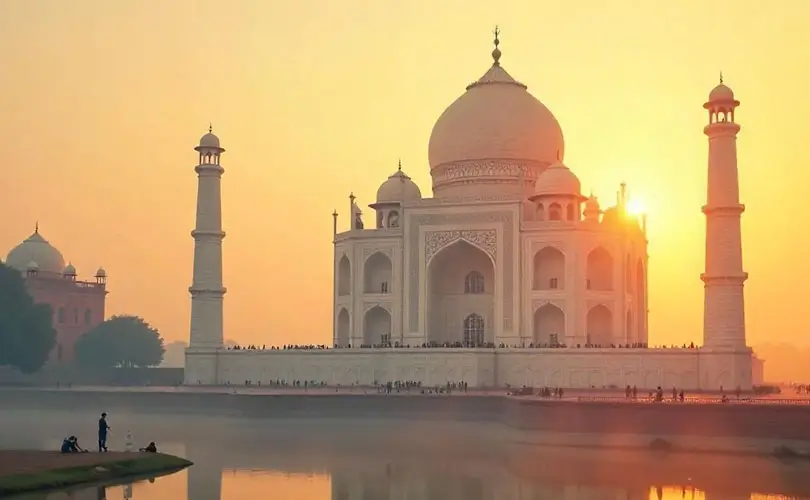
Agra hosts the Taj Mahotsav every February near the Taj Mahal.
Why it’s special: The Taj Mahal as a backdrop adds unmatched grandeur.
Summer (April–June): Lesser-Known Festivities
Summer in Delhi, Agra, and Jaipur is hot, but it comes with unique cultural events.
Travel Tip: If visiting in summer, combine festival experiences with early morning or evening sightseeing to avoid the heat.
This is the best time to visit the Golden Triangle because the weather is pleasant and the grandest festivals happen.
Travel Tip: Book hotels early during this season because demand is at its highest.
Winter is another great time for Golden Triangle tours.
Travel Tip: Winter evenings can get chilly, so carry warm clothes.
Among all Golden Triangle festivals, none is as visually stunning as Holi in Jaipur.
Insider Tip: Avoid crowded streets; instead, join organized Holi parties for a safe and fun experience.
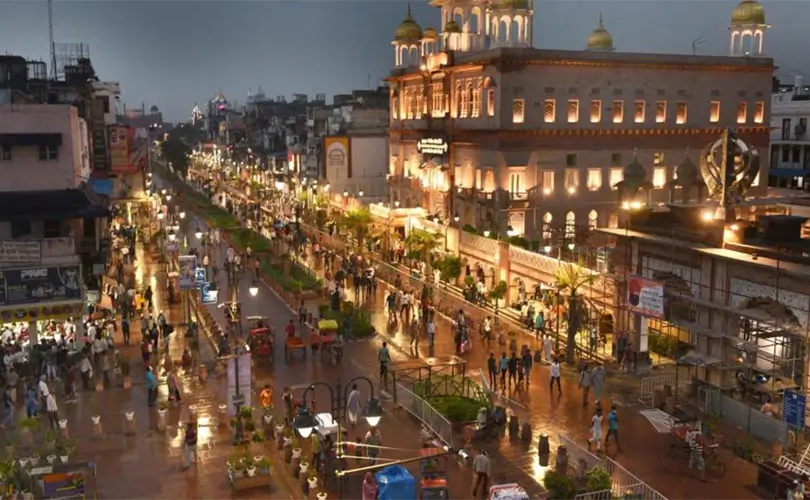
Delhi turns into a wonderland during Diwali.
Insider Tip: Walk through Old Delhi in the evening—lanes glowing with diyas offer an unforgettable view.
Agra may be known for the Taj Mahal, but its festivals make visits even more vibrant.
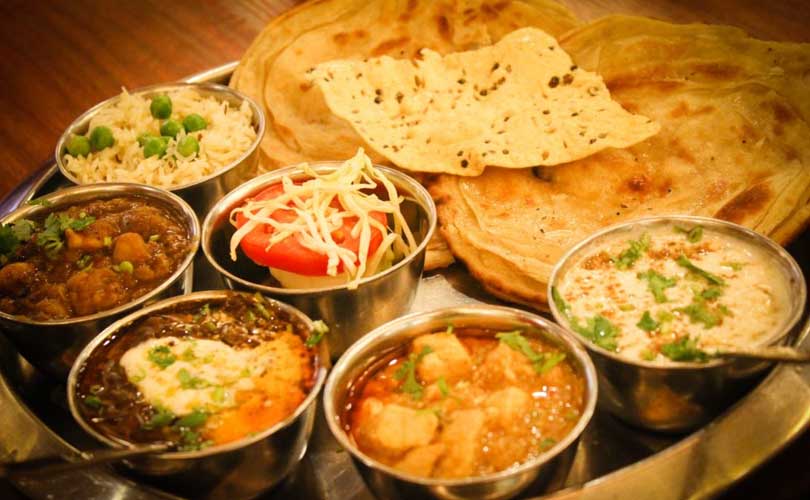
Insider Tip: Try Mughlai dishes like kebabs and biryani during festival time—Agra’s cuisine complements its culture.
Experiencing Golden Triangle festivals means blending into local traditions. Here are tips:
Final Suggestion: If you want to see both Holi in Jaipur and Diwali in Delhi, plan two trips—March for Holi and October/November for Diwali.
The Golden Triangle festivals transform Delhi, Agra, and Jaipur into a living museum of traditions. Whether it is the playful joy of Holi in Jaipur, the spiritual glow of Diwali in Delhi, or the artistic beauty of Taj Mahotsav in Agra, every season adds a new layer of cultural richness. The best time to visit depends on which festival excites you most, but whenever you come, you’ll leave with unforgettable memories.
Holi in Jaipur and Diwali in Delhi are the two most popular festivals for international tourists.
Between October and March, when the weather is pleasant and major festivals are celebrated.
Yes, especially in organized events designed for tourists with safe organic colors.
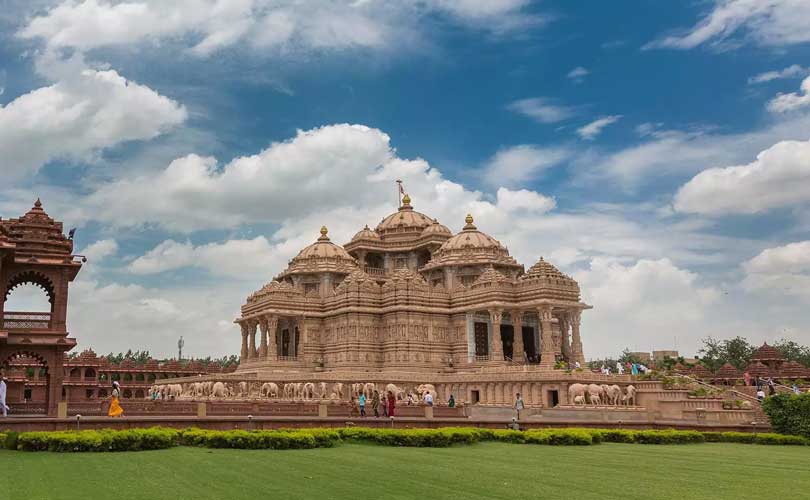
Akshardham Temple, Old Delhi lanes, and Connaught Place are top spots.
Absolutely, it’s a 10-day showcase of crafts, performances, and food near the Taj Mahal.
White cotton clothes are ideal, but keep them simple as colors may not wash off.
At least 7–8 days to cover Delhi, Agra, Jaipur, and attend a major festival.
Yes, especially around Diwali and Holi, so book early.
Sometimes, monuments may have shorter hours, but the festive atmosphere adds more excitement.
Jaipur’s Kite Festival in January, Elephant Festival in March, and Surajkund Mela near Delhi in February.