Sacred Journeys: Top Pilgrimage Sites in India

Sacred Journeys: Top Pilgrimage Sites in India


India is not just a land of monuments and festivals; it is also a land of faith. Across the country, millions of pilgrims travel each year to visit temples, mosques, churches, and sacred rivers. For travelers, exploring India pilgrimage tours means diving into centuries-old traditions, spirituality, and devotion. From the ghats of Varanasi Ganga Aarti to the Himalayan shrines of Kedarnath, and the oceanic sanctity of Rameshwaram, every region of India holds a divine journey waiting to be experienced.


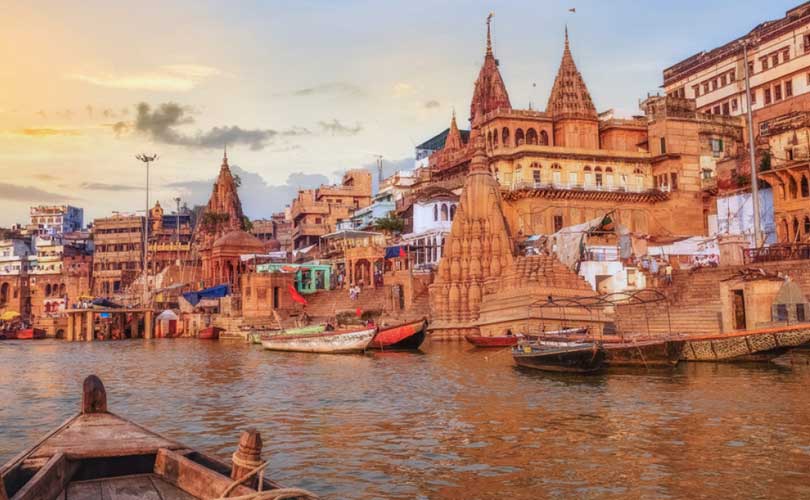
Varanasi – The Eternal City on the Banks of the Ganga

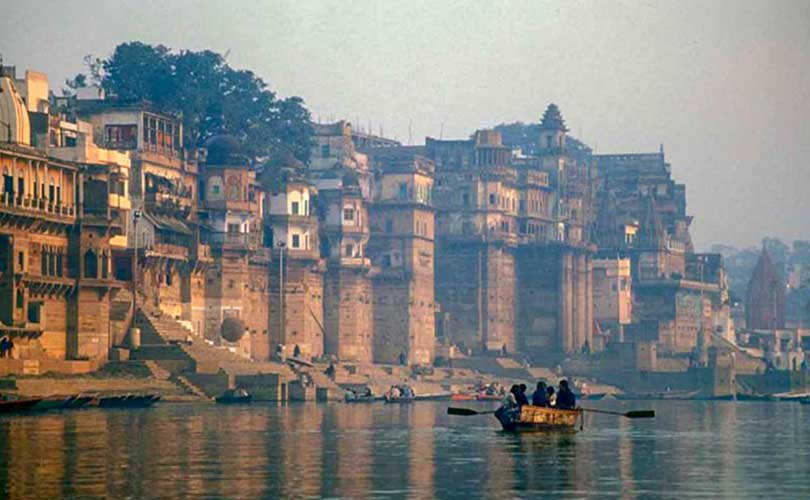
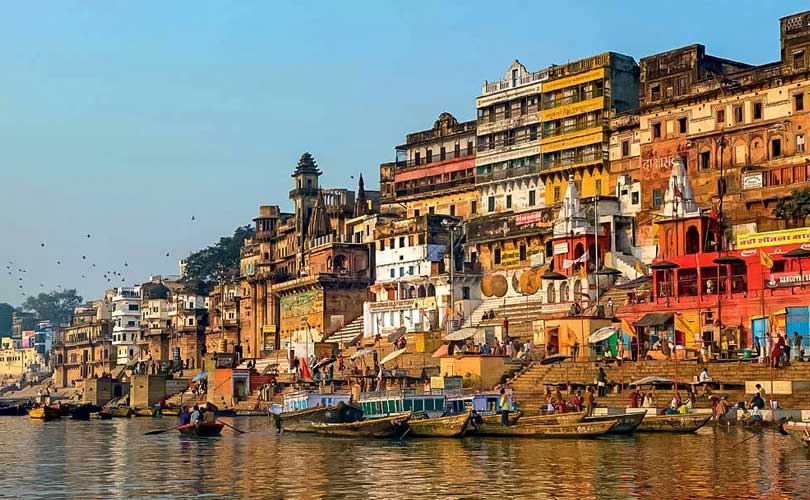
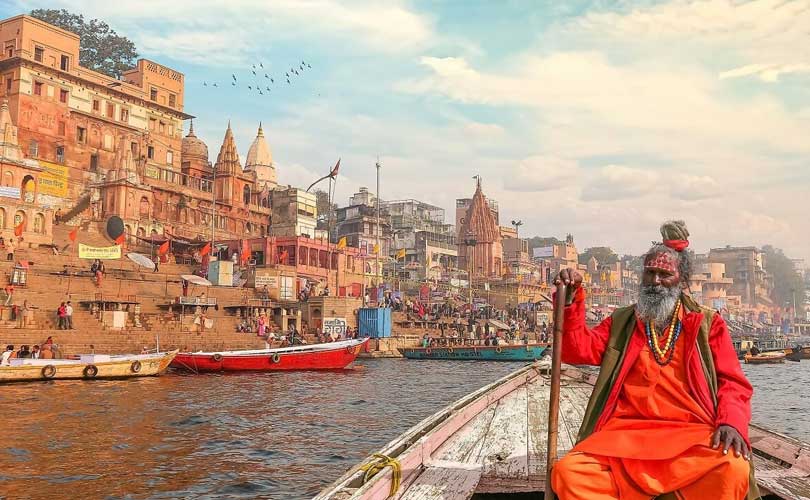
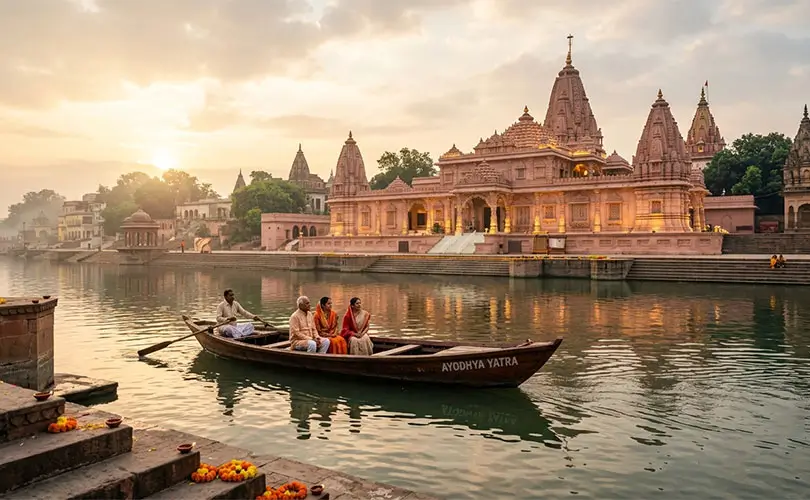
Varanasi, one of the world’s oldest living cities, is India’s most sacred pilgrimage destination.

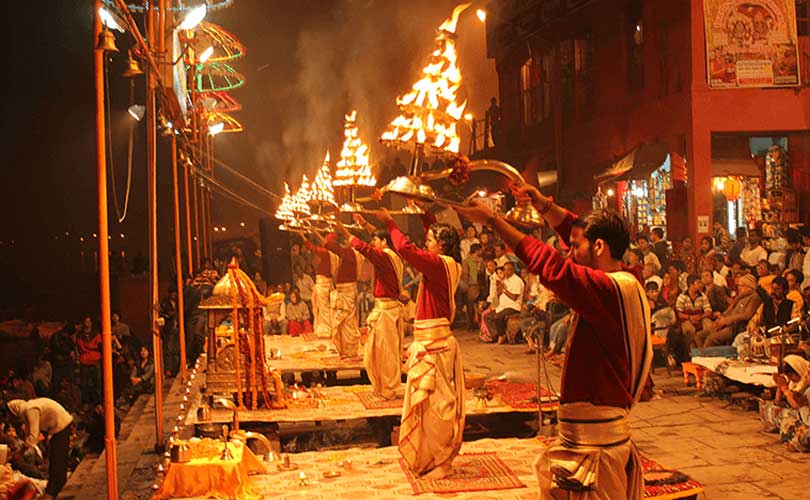
  • Ganga Aarti Experience: Every evening at Dashashwamedh Ghat, priests perform synchronized rituals with fire lamps, chants, and music.
  • Kashi Vishwanath Temple: Dedicated to Lord Shiva, it attracts millions of devotees yearly.
  • Photography & Spirituality: Sunrise boat rides offer a surreal experience, capturing the spirit of life and death along the ghats.

Why Visit: To feel the timeless rhythm of devotion and witness Hindu spirituality in its purest form.

Kedarnath – The Himalayan Abode of Lord Shiva

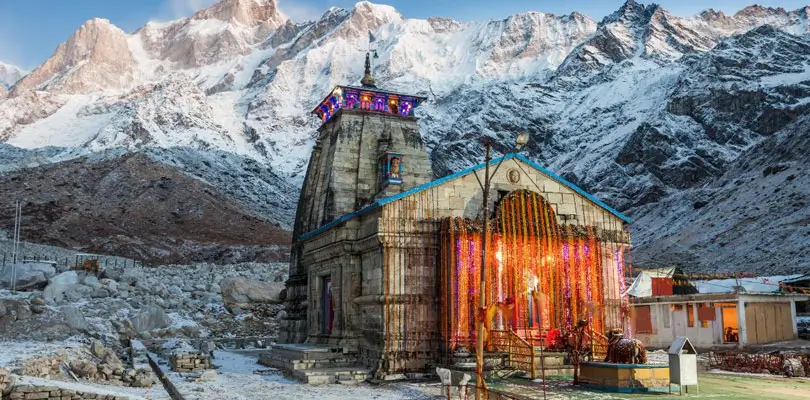
High in the Garhwal Himalayas lies Kedarnath, one of the Char Dham shrines.

  • Location: At an altitude of 3,583 meters, it requires a trek or helicopter ride.
  • Significance: Dedicated to Lord Shiva, it is part of the Panch Kedar temples.
  • Best Time: May to October, when the temple is accessible.

Why Visit: The combination of devotion and dramatic Himalayan landscapes makes Kedarnath one of the most transformative journeys in India.
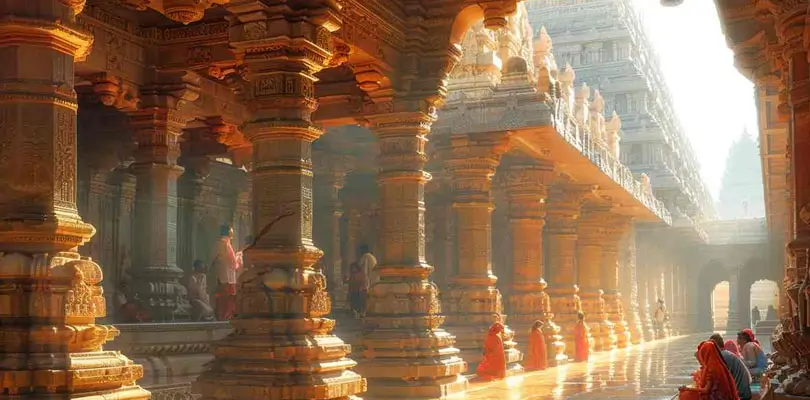

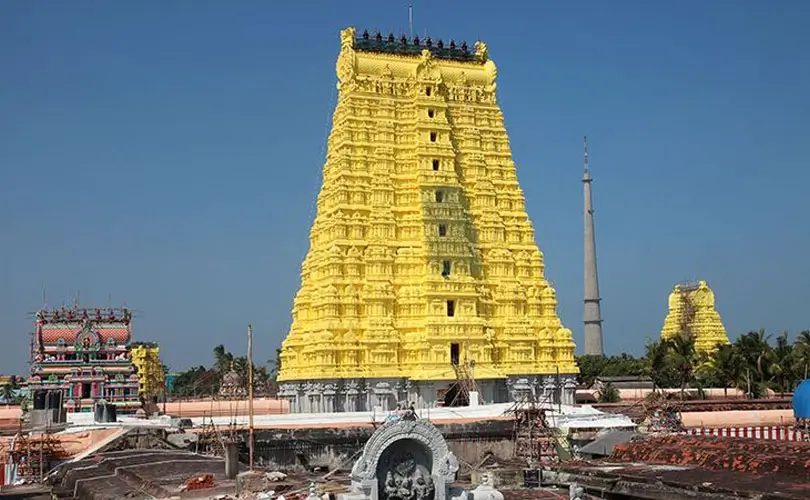
Rameshwaram – The Southern Gateway of Faith

On the Pamban Island in Tamil Nadu, Rameshwaram is revered as one of the Char Dhams.

  • Ramanathaswamy Temple: Famous for its long corridors and sacred wells.
  • Connection to Ramayana: Believed to be the place where Lord Rama built the bridge to Lanka.
  • Spiritual Rituals: Pilgrims take a holy bath in 22 wells inside the temple complex.

Why Visit: To connect with the legends of Lord Rama and experience one of India’s most important Shiva temples.
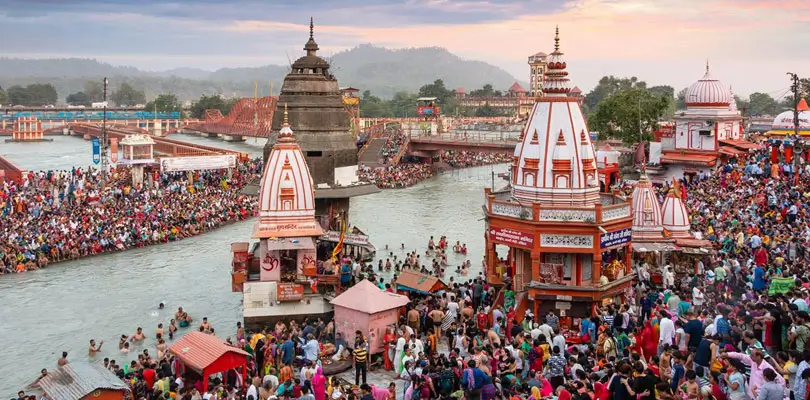

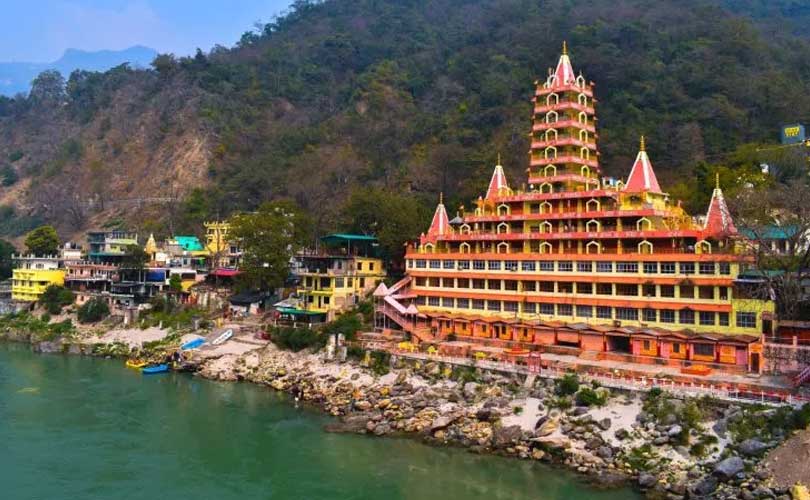
Haridwar – The Gateway to the Gods

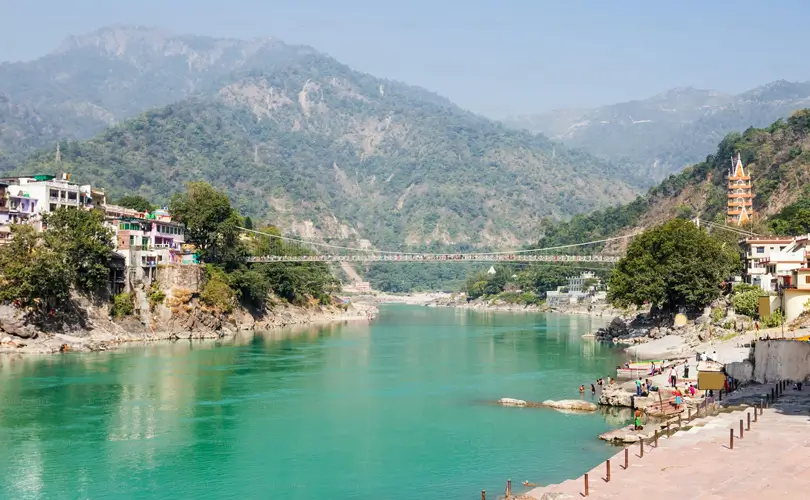
Situated at the foothills of the Himalayas, Haridwar is another iconic pilgrimage destination.

  • Ganga Aarti at Har Ki Pauri: Just like Varanasi, but with unique chants and river rituals.
  • Kumbh Mela: Once every 12 years, millions gather here for one of the world’s largest religious festivals.
  • Ashrams & Yoga Retreats: Spiritual seekers often combine meditation with their visit.

Why Visit: For its spiritual energy and as a starting point for Char Dham Yatra.


Tirupati Balaji – The Richest Temple in India

Located in Andhra Pradesh, Tirupati Balaji or Sri Venkateswara Temple is one of India’s most visited shrines.

  • Significance: Dedicated to Lord Vishnu.
  • Offerings: Pilgrims donate gold, money, and hair as a symbol of surrender.
  • Pilgrim Numbers: Over 50,000 visitors daily.

Why Visit: To witness devotion on a grand scale and experience one of the richest temples in the world.
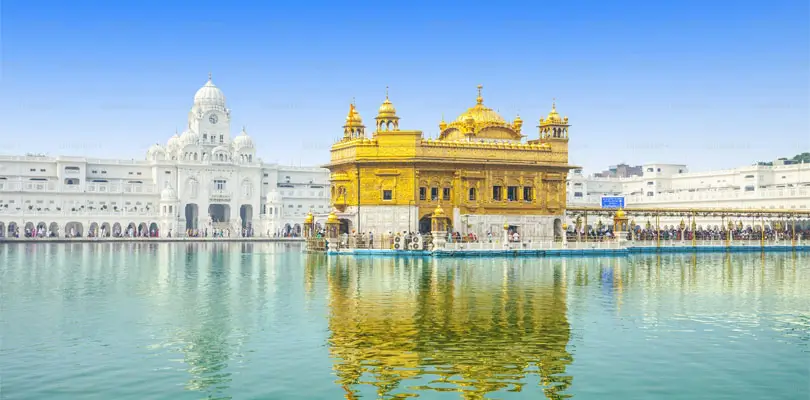

Amritsar – The Golden Temple

The Harmandir Sahib or Golden Temple is the most sacred Sikh shrine.

  • Architecture: Golden domes surrounded by a sacred pool.
  • Langar (Community Kitchen): Feeds thousands of visitors daily, regardless of caste or religion.
  • Ceremonies: Early morning prayers with melodious Gurbani hymns create a divine atmosphere.

Why Visit: For peace, inclusivity, and the spiritual unity the Golden Temple represents.

Bodh Gaya – The Place of Buddha’s Enlightenment

For Buddhist pilgrims, Bodh Gaya in Bihar is the holiest site.
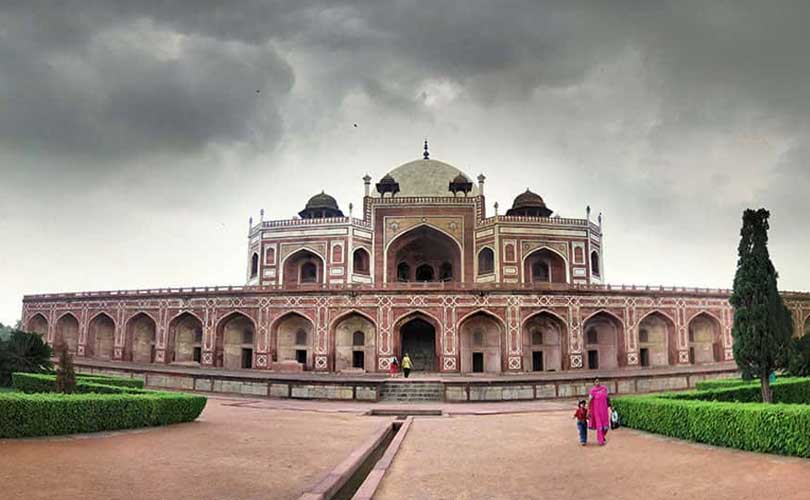
  • Mahabodhi Temple: Marks the spot where Lord Buddha attained enlightenment.
  • Bodhi Tree: Believed to be a descendant of the original tree.
  • Global Pilgrimage: Attracts Buddhist followers from Tibet, Japan, Sri Lanka, and beyond.

Why Visit: To meditate in the very place where Buddhism was born.


Ajmer Sharif Dargah – A Place of Sufi Devotion

The Ajmer Sharif Dargah in Rajasthan is a symbol of harmony.

  • Dedicated to: Sufi saint Khwaja Moinuddin Chishti.
  • Offerings: Chadar (sacred cloth), flowers, and qawwalis (devotional music).
  • Visitors: Both Hindus and Muslims come here in large numbers.
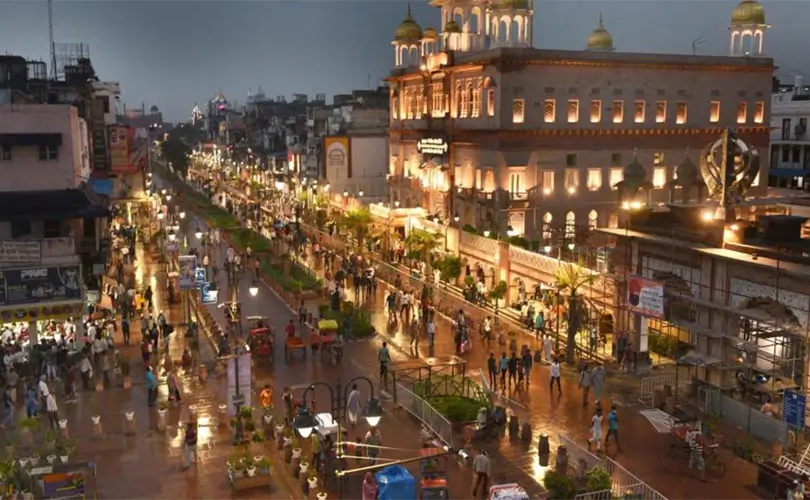
Why Visit: For its inclusive spirituality and soulful qawwali nights.


Shirdi – The Home of Sai Baba

Shirdi in Maharashtra is a modern pilgrimage destination.

  • Sai Baba Temple: Dedicated to the saint known for his miracles and teachings of love.
  • Significance: Represents unity of faith across religions.
  • Daily Rituals: Thousands of devotees attend aarti and processions.

Why Visit: For its simple yet powerful spiritual atmosphere.


Jagannath Puri – The Land of the Rath Yatra

Located in Odisha, Puri Jagannath Temple is one of the Char Dhams.

  • Annual Rath Yatra: Massive chariot procession where deities are paraded through the streets.
  • Architecture: Unique Kalinga-style temple structures.
  • Offerings: Mahaprasad cooked in temple kitchens feeds thousands.

Why Visit: To witness one of India’s most spectacular festivals.


Other Notable Pilgrimage Sites

  • Kashi Vishwanath Corridor (Varanasi) – Modern temple expansion for pilgrims.
  • Vaishno Devi (Jammu & Kashmir): A trek to the shrine of Goddess Durga.
  • Somnath Temple (Gujarat): One of the twelve Jyotirlingas.
  • Meenakshi Temple (Madurai): Stunning Dravidian architecture.
  • Mount Abu Dilwara Temples: Jain marble temples of rare beauty.

Travel Tips for Pilgrimage Tours in India

  • Dress Modestly: Religious sites expect conservative clothing.
  • Respect Local Customs: Remove shoes before entering temples or mosques.
  • Plan for Crowds: Popular sites like Tirupati and Varanasi can be very crowded.
  • Stay Hydrated: Many journeys involve walking long distances.
  • Hire Local Guides: To understand the stories behind the shrines.

A Journey of Faith and Culture

India’s pilgrimage sites are not only sacred to devotees but also fascinating cultural destinations for travelers. From the mystical Varanasi Ganga Aarti to the icy treks of Kedarnath Yatra, from the southern temples of Rameshwaram to the soulful prayers at Amritsar’s Golden Temple, each site represents India’s spiritual diversity. Visiting them is more than sightseeing—it is stepping into the living traditions of one of the world’s oldest civilizations.

Recent Posts


Frequently Asked Questions