Top Monuments to Visit in Jaipur – A Complete Heritage Guide
Jaipur, popularly known as the Pink City, is one of India’s most visited destinations and a crucial part of the Golden Triangle Tour (Delhi–Agra–Jaipur). The city is a living museum of royal palaces, magnificent forts, astronomical observatories, and colorful bazaars.
Built in 1727 by Maharaja Sawai Jai Singh II, Jaipur was India’s first planned city. Its grid-style streets, pink-colored sandstone buildings, and vibrant culture attract millions of tourists every year. But among all its attractions, the monuments of Jaipur stand out as timeless treasures that narrate tales of Rajput bravery, Mughal artistry, and British influences.
In this comprehensive guide, let us explore the most iconic monuments of Jaipur, their history, architecture, timings, ticket details, and why they are must-visits.
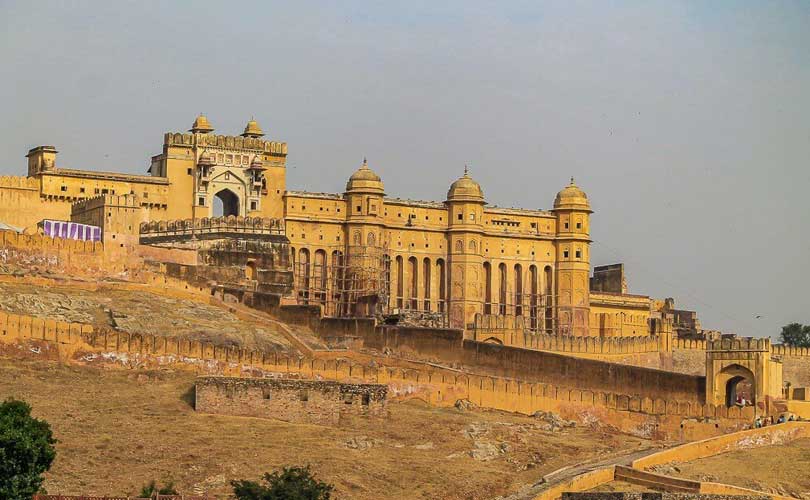
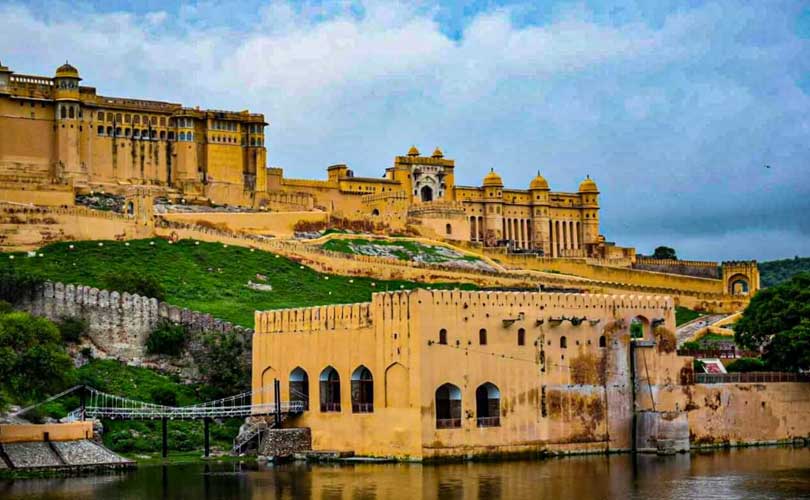
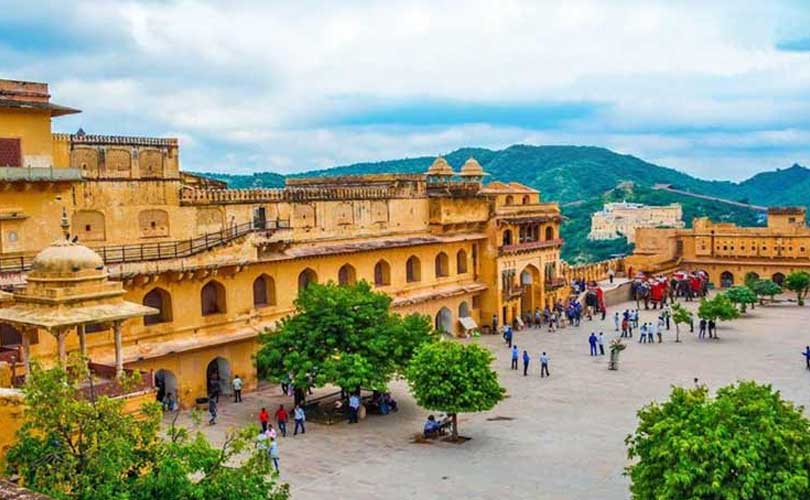
1. Amer Fort (Amber Fort) – The Pride of Jaipur
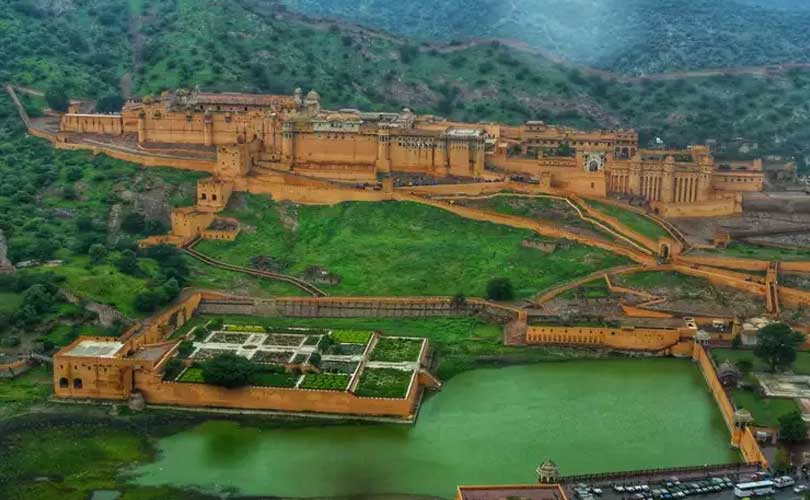
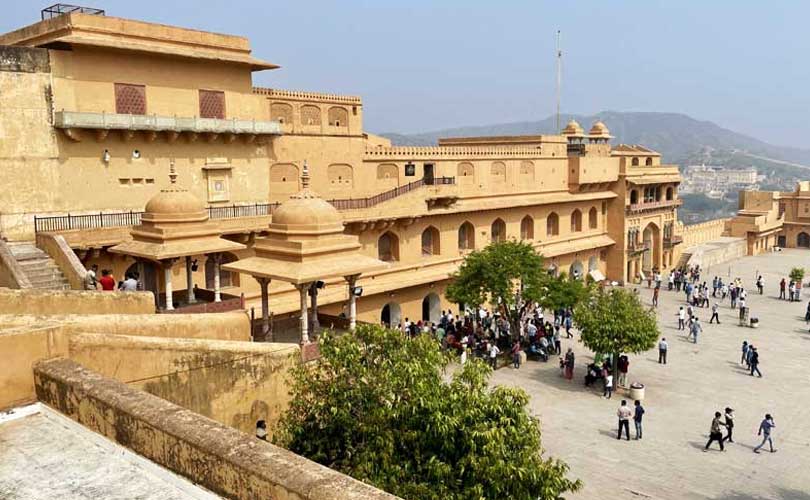
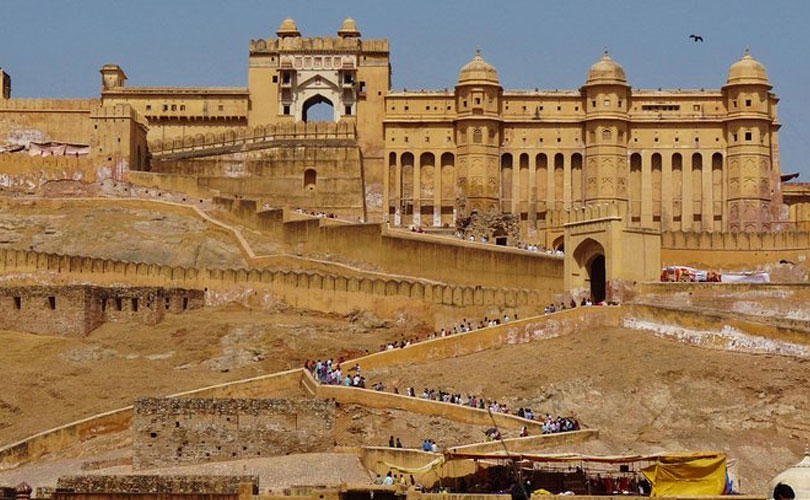
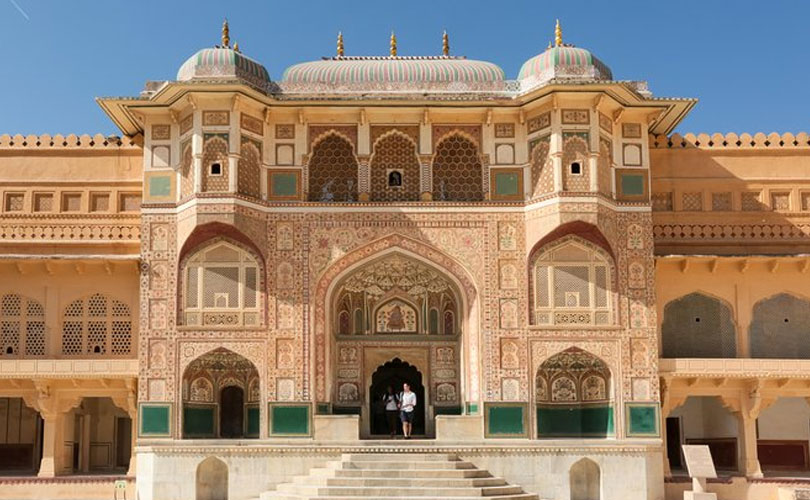
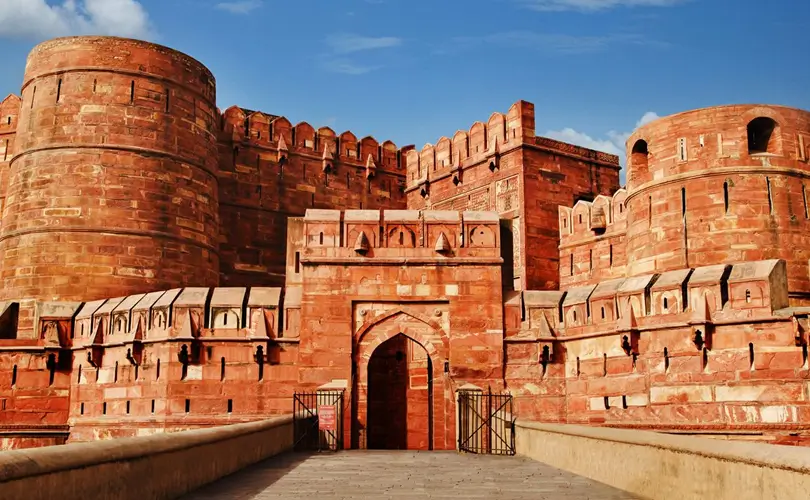
Amer Fort, located about 11 km from Jaipur, is a breathtaking fortress built in 1592 by Raja Man Singh I. Perched atop the Aravalli hills, this UNESCO World Heritage Site is a blend of Rajput and Mughal architecture.
Highlights
Timings & Entry Fee
Tip: Visit early morning to avoid crowds and enjoy cool weather.
2. Hawa Mahal – The Palace of Winds
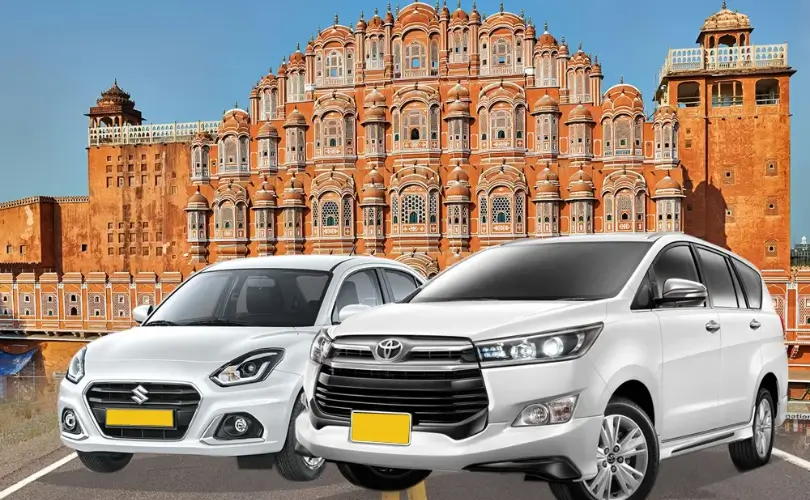
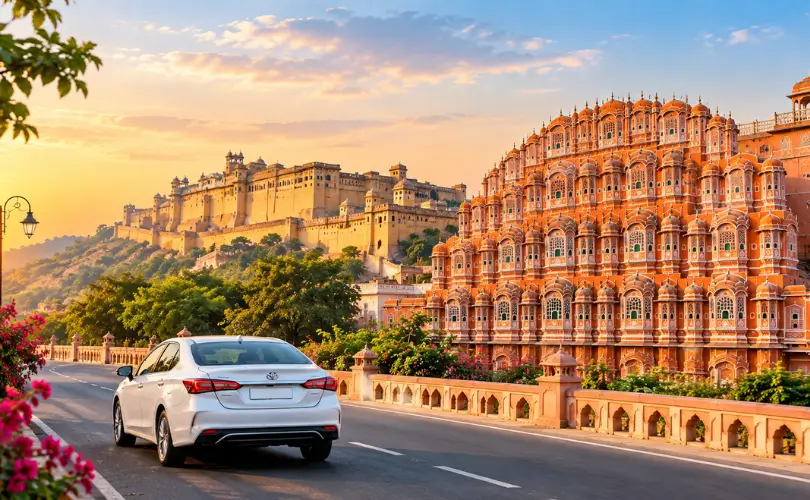
Built in 1799 by Maharaja Sawai Pratap Singh, the Hawa Mahal is Jaipur’s postcard monument. Its honeycomb façade has 953 jharokhas (small windows) designed for royal women to watch street processions without being seen.
Highlights
Timings & Entry Fee
Photography Tip: Best photos are clicked from Wind View Café across the street.
3. City Palace – Royal Residence of Jaipur Maharajas
Located in the heart of Jaipur, the City Palace is still partially the residence of the royal family. Built by Maharaja Sawai Jai Singh II, it reflects a mix of Rajput, Mughal, and European architecture.
Highlights
Timings & Entry Fee
Tip: Book a guided tour to understand the palace history better.
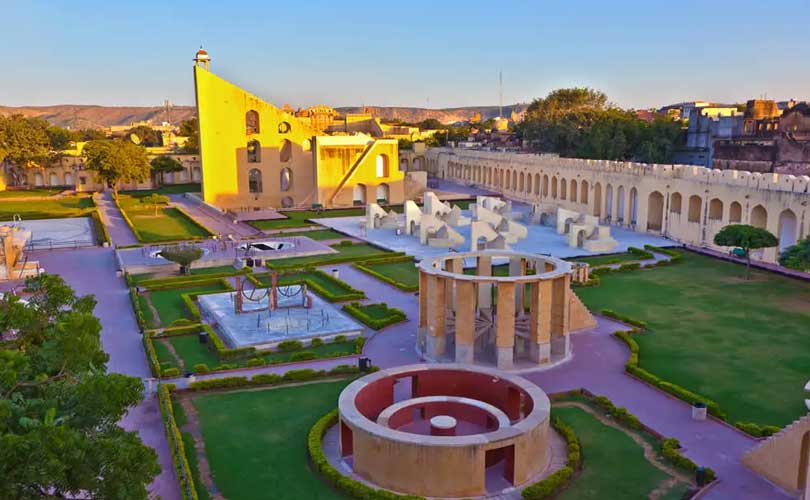
4. Jantar Mantar – Ancient Science at Work
Declared a UNESCO World Heritage Site, the Jantar Mantar is an astronomical observatory built by Maharaja Sawai Jai Singh II in 1734. It houses 19 instruments to measure time, track celestial bodies, and predict eclipses.
Highlights
Timings & Entry Fee
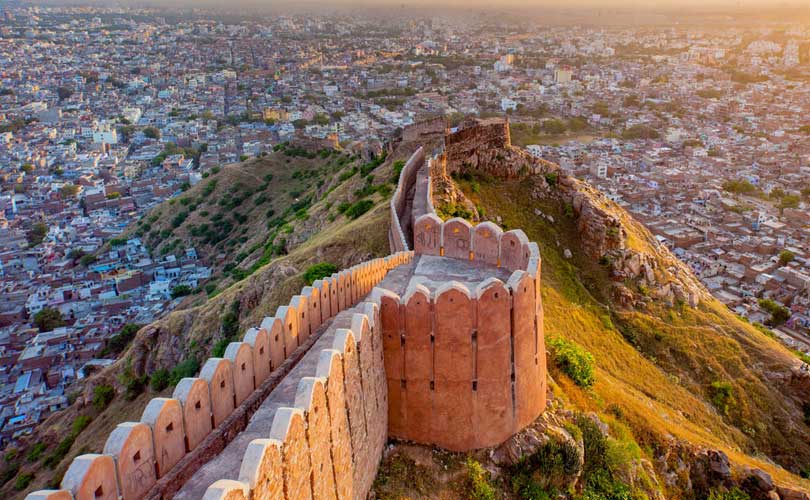
5. Nahargarh Fort – Sunset Point of Jaipur
Nahargarh Fort, built in 1734, was a retreat palace and part of the city’s defense. Overlooking Jaipur city, it offers the most beautiful sunset views.
Highlights
Timings & Entry Fee
Tip: Evening is the best time for photography.
6. Jaigarh Fort – Military Stronghold of Jaipur
Situated on the Cheel ka Teela (Hill of Eagles), Jaigarh Fort was known as the “Victory Fort”. Built in 1726, it was mainly used for military purposes.
Highlights
Timings & Entry Fee
7. Albert Hall Museum – A Treasure House of History
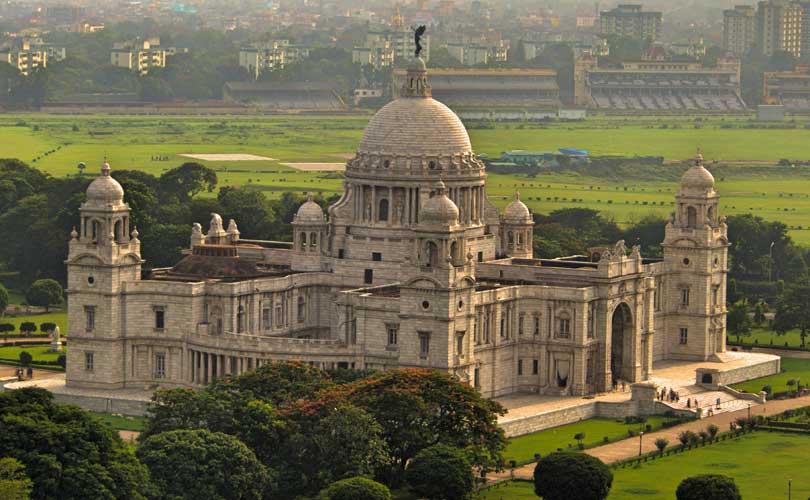
Built in 1887, the Albert Hall Museum is the oldest museum in Rajasthan and a fine example of Indo-Saracenic architecture.
Highlights
Timings & Entry Fee
Suggested Itinerary for Jaipur Monuments
Insider Tip from Gopal Lal Khatik
According to Gopal Lal Khatik, Founder of Golden Triangle Tours India:
“Jaipur’s monuments are not just stone structures; they are living stories of courage, art, and royal grandeur. I recommend travelers spend at least three days in Jaipur to experience the essence of Rajputana culture.”
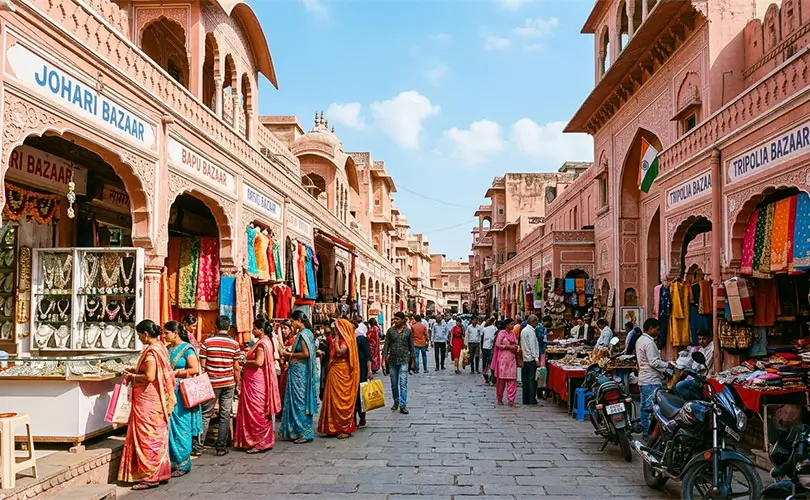
Beyond Monuments: Jaipur’s Cultural Charm
Amer Fort is the most popular, but Nahargarh is best for sunset.
One ticket covering Amer Fort, Hawa Mahal, Jantar Mantar, and Albert Hall.
Yes, government-approved guides are available in English, Hindi, French, German, and Spanish.
2–3 hours for regular tour, 4–5 hours for Royal Tour.
Albert Hall Museum looks stunning at night with lights.
Technically yes, but it will be rushed. Better to spend 2–3 days.
₹100 for Indians, ₹500 for foreigners.
Yes, especially around monuments, but always use local guides/taxis.
Yes, many accept online tickets via the Department of Archaeology & Museums.
October to March is the best due to pleasant weather.