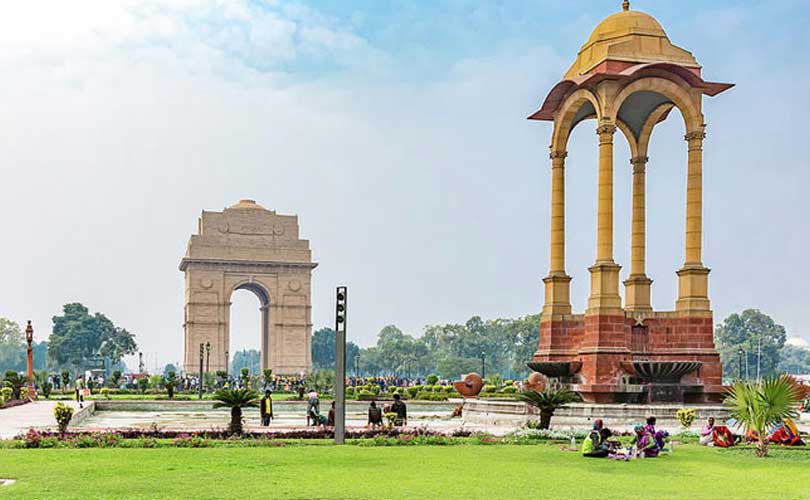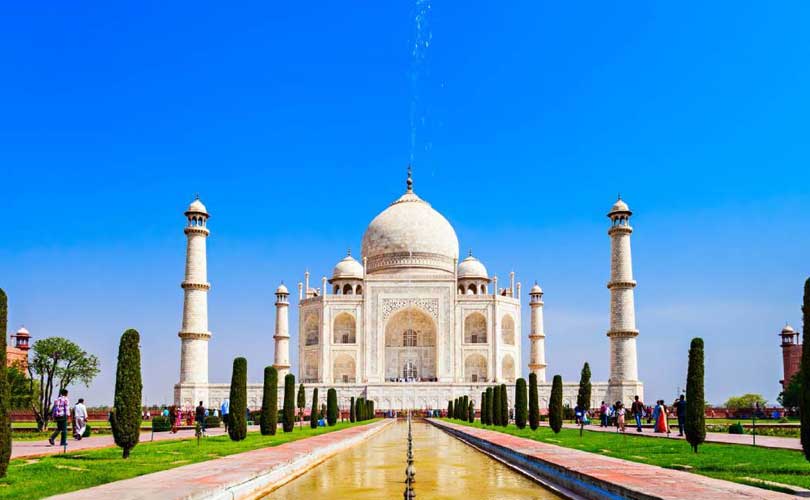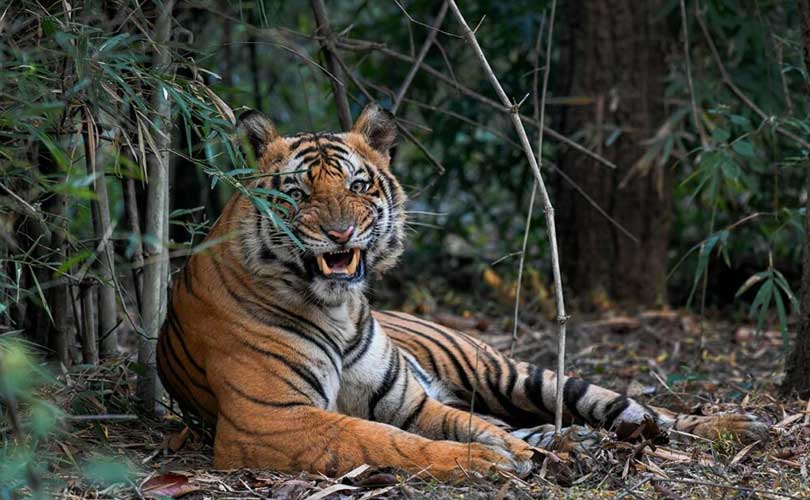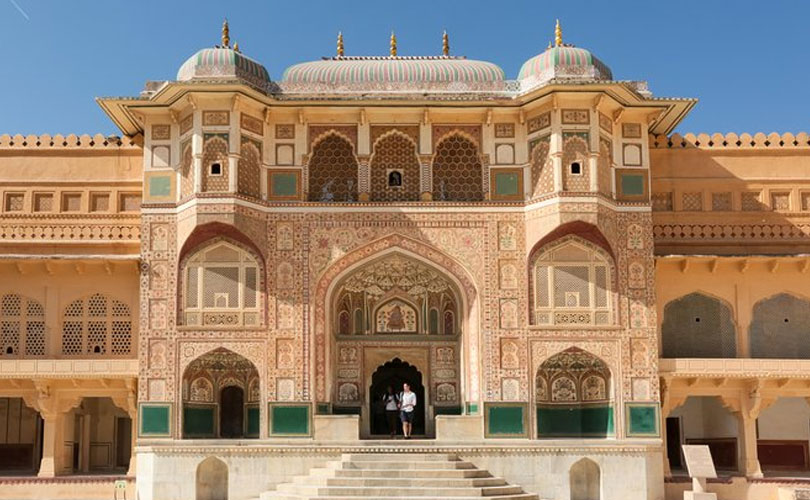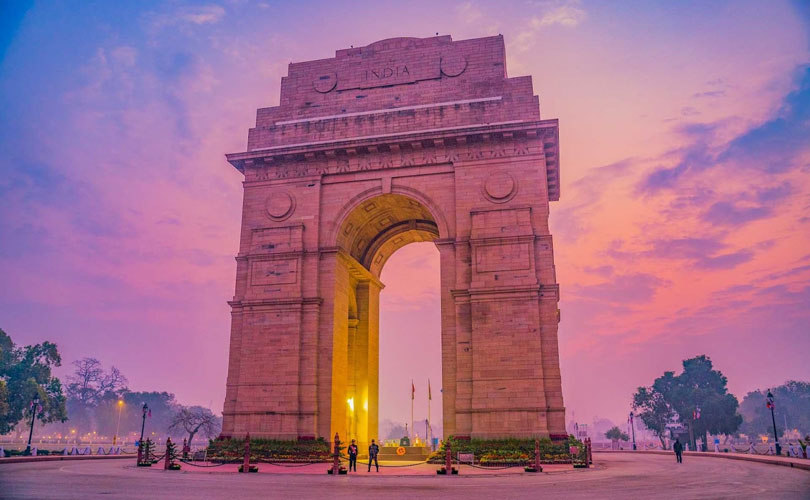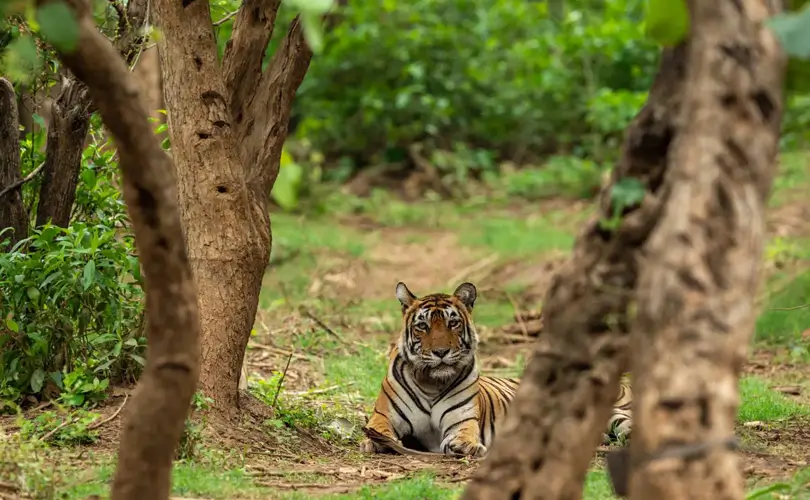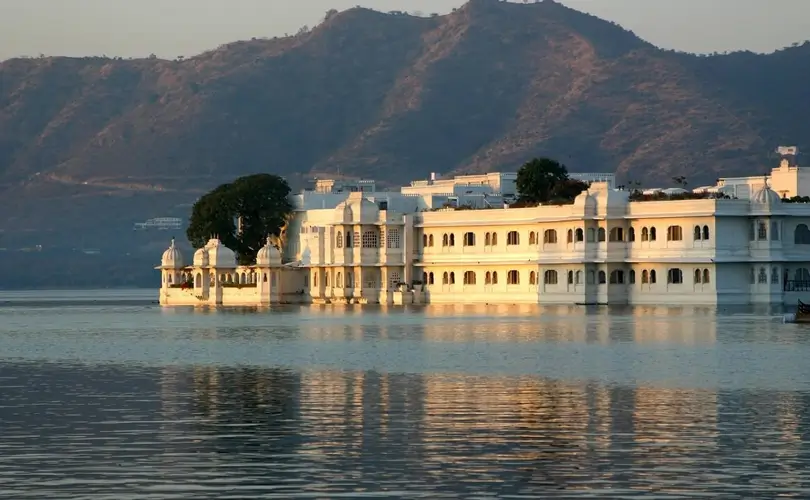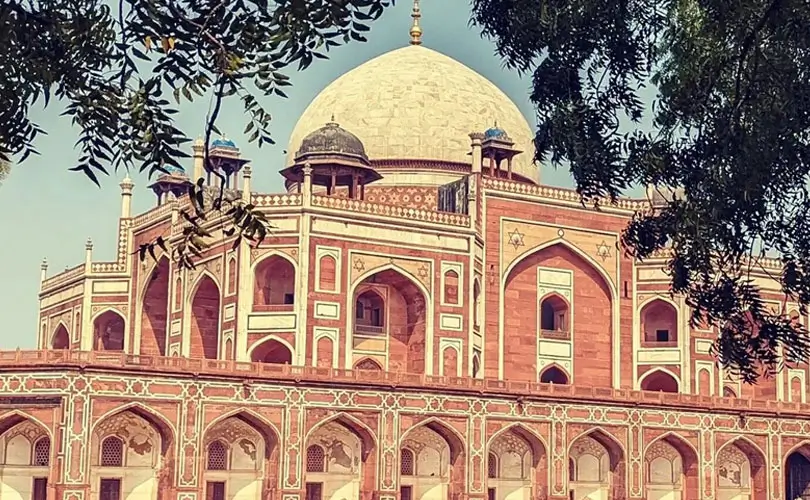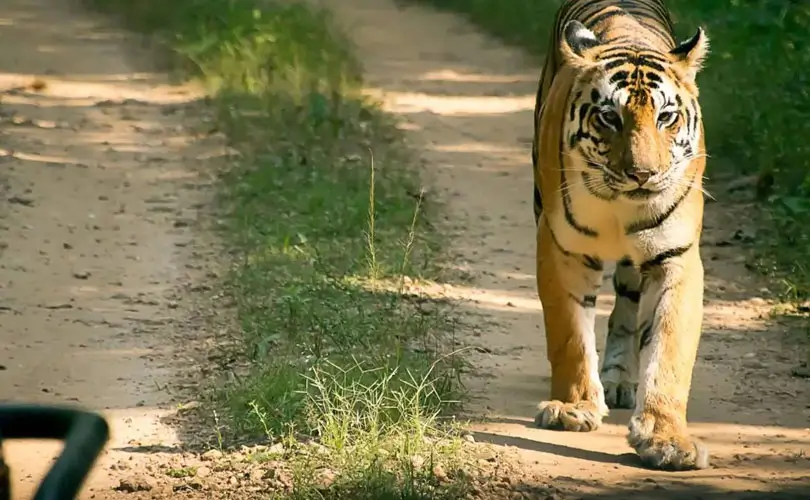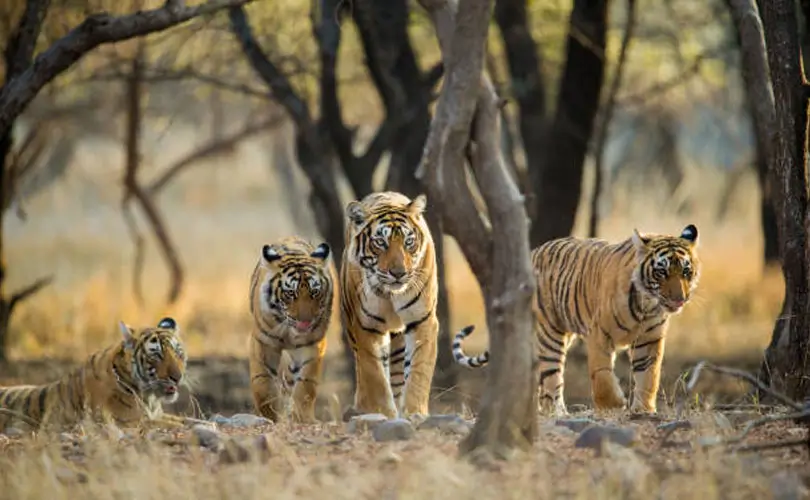
The Golden Triangle of India—Delhi, Agra, and Jaipur—is famed for its heritage monuments, forts, and vibrant bazaars. Yet, beyond the history and culture, this travel circuit also hides treasures of wildlife and nature. While most travelers associate the Golden Triangle with the Ranthambore Tiger Reserve, there are equally fascinating sanctuaries nearby. From the bird paradise of Bharatpur (Keoladeo National Park) to the untamed river ecosystem of Chambal Safari, these destinations allow you to balance cultural sightseeing with natural exploration.
This blog takes you beyond Ranthambore, showcasing how you can combine wildlife sanctuaries with your Golden Triangle tour for a richer experience.
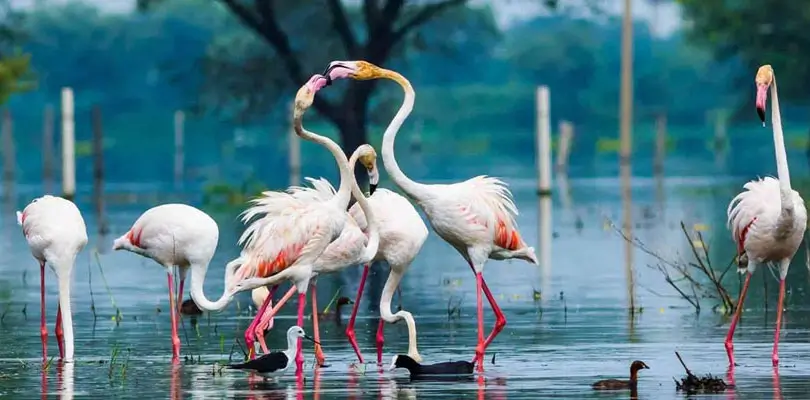
Location & Accessibility
Highlights
What to Do
Insider Tip: Hire local naturalists—they can identify calls, species, and secret viewing points.
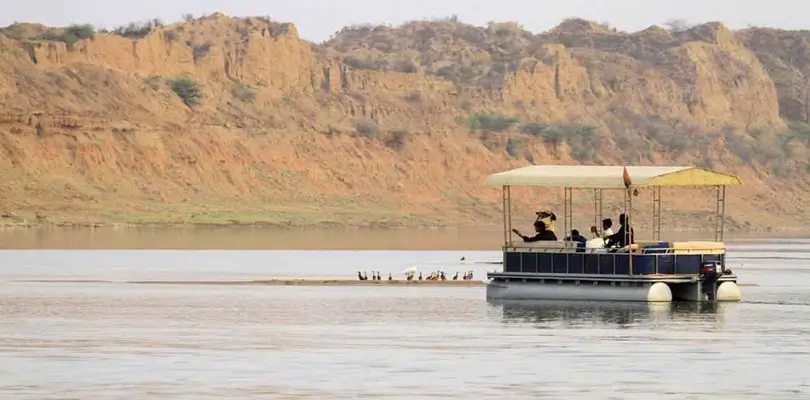
Location & Accessibility
Highlights
What to Do
Insider Tip: Early morning safaris are best for spotting dolphins.
1. Sariska Tiger Reserve (Near Jaipur)
2. Bharatpur–Dholpur Belt
3. Okhla Bird Sanctuary (Near Delhi)
Day 1–2: Delhi sightseeing + Okhla Bird Sanctuary.
Day 3–4: Agra sightseeing (Taj Mahal, Agra Fort) + Chambal River Safari.
Day 5: Bharatpur Bird Sanctuary (guided birdwatching).
Day 6–7: Jaipur sightseeing + day trip to Sariska.
Optional: Extend to Ranthambore for tiger safari.
This itinerary balances history, culture, and wildlife, giving a complete Indian experience.
Always carry binoculars and a zoom camera.
Wear earthy-colored clothes to blend into the environment.
Book safaris in advance, especially in peak season.
Choose eco-friendly accommodations near sanctuaries.
The Golden Triangle with Bharatpur, Chambal, and Sariska offers far more than just forts and palaces. By stepping beyond Ranthambore, you discover a side of India where wildlife and culture meet. Imagine marveling at the Taj Mahal one day, then spotting river dolphins in Chambal the next. This mix of experiences makes your journey unforgettable, giving you stories beyond the guidebooks.
Yes, even casual travelers enjoy the peaceful environment and scenic beauty.
Around 70 km (1.5-hour drive).
Yes, Sariska has tigers, though sightings are less frequent than Ranthambore.
November to February is peak migratory season.
Yes, they are operated by trained guides with proper safety measures.
7–9 days is ideal to cover Delhi, Agra, Jaipur, Bharatpur, and Chambal.
Gharials, Indian skimmers, and Ganges river dolphins.
Yes, it is about 180 km from Jaipur, making it accessible from both Agra and Jaipur.
Entry tickets are required but easily available at the gates.
Bharatpur for bird photography, Chambal for riverscapes, and Sariska for big cats.