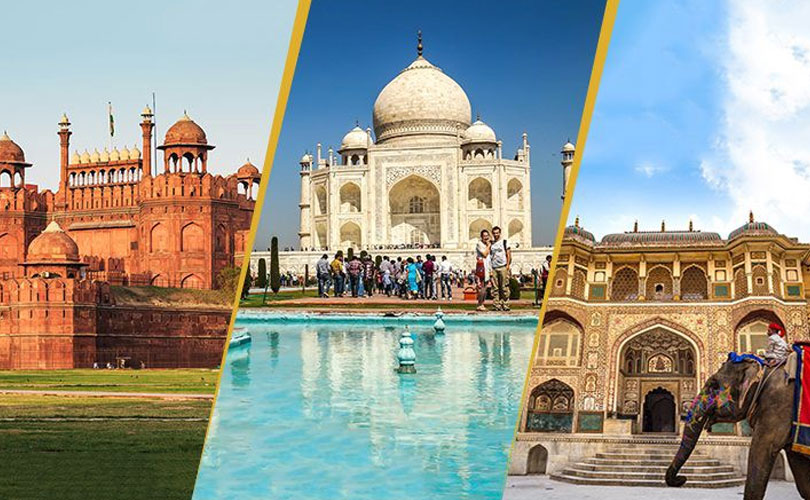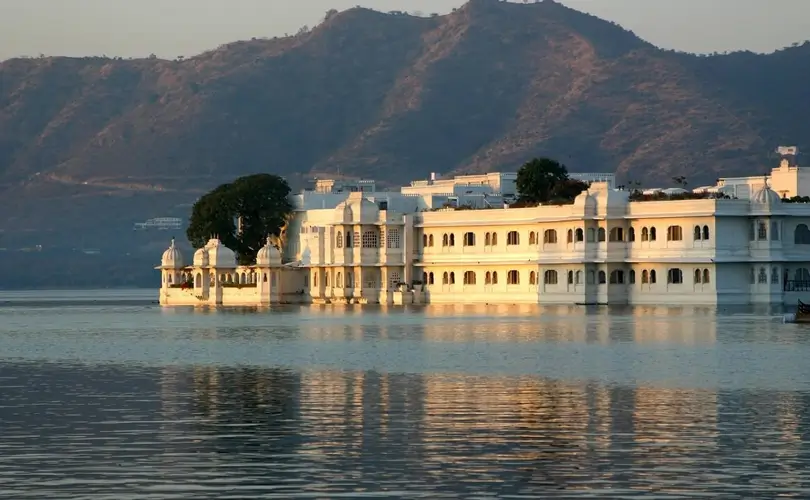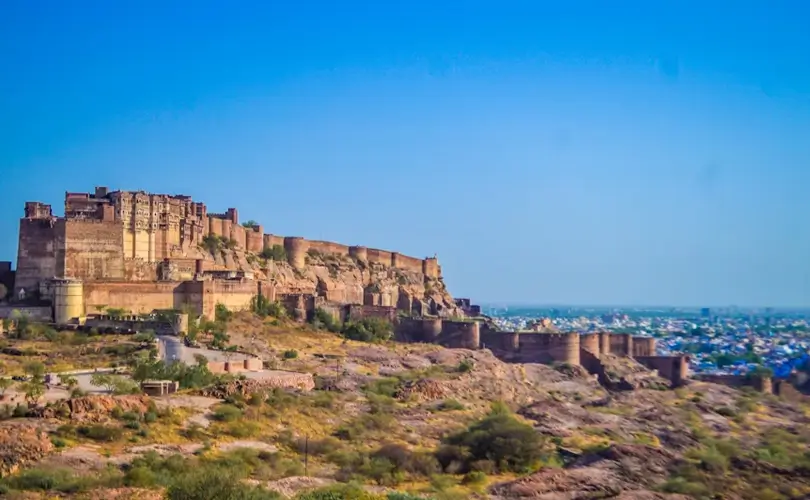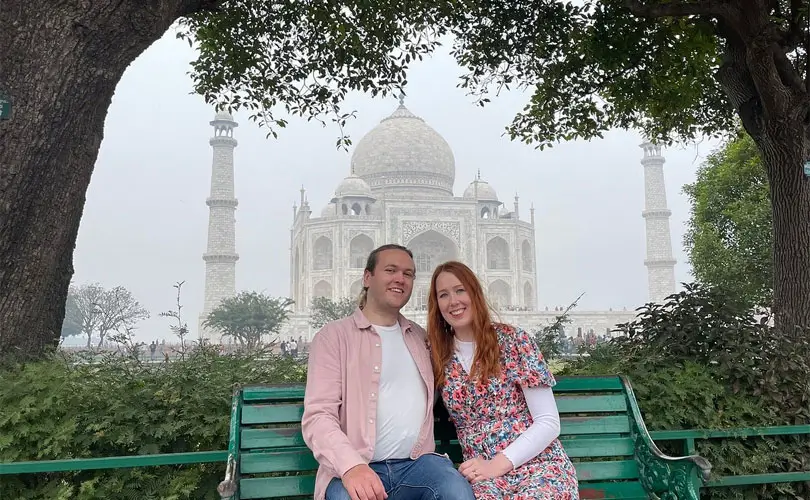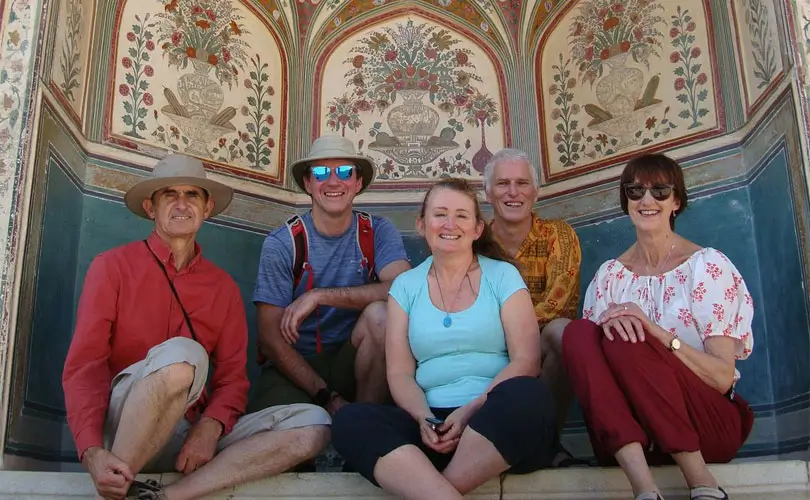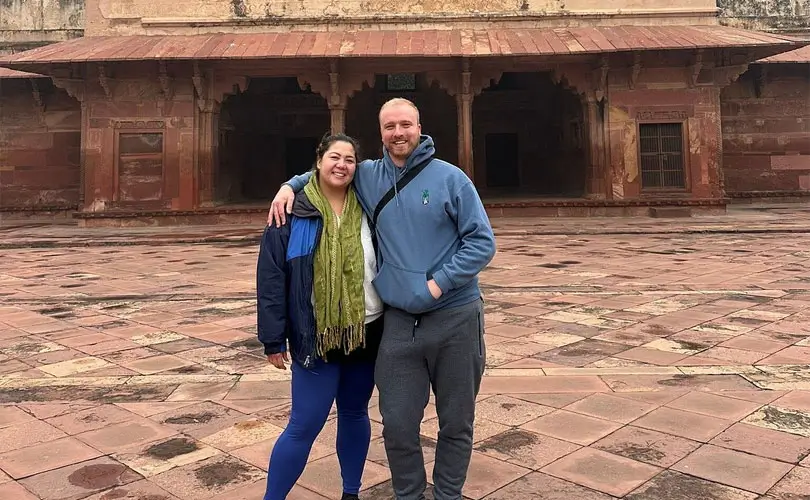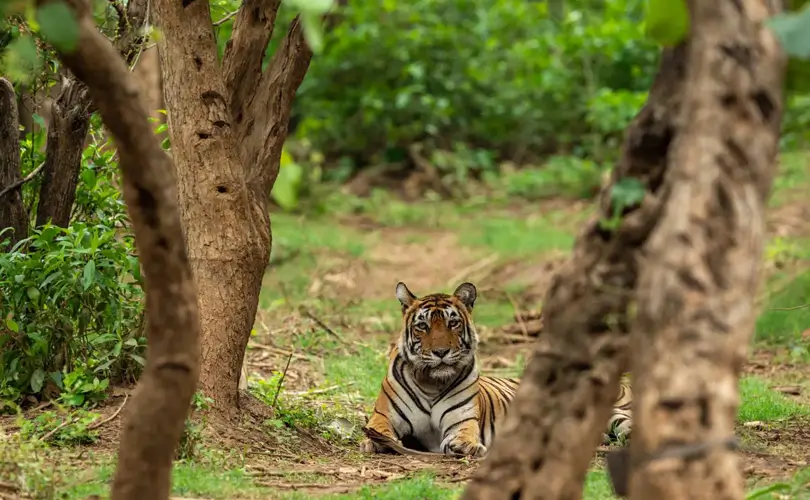
India is not a country you simply visit — it’s a place you feel. And there’s no better way to begin exploring it than with the Golden Triangle: Delhi, Agra, and Jaipur. Now, imagine adding to that a few days in Ranthambore National Park, where tigers roam free and the forests whisper tales of old Maharajas.
This extended Golden Triangle route — covering historic cities and one of India’s most celebrated wildlife reserves — offers a beautiful contrast: architecture and wilderness, Mughal splendor and jungle silence. It’s cultural immersion, with a thrill.
The Golden Triangle refers to the geographical triangle formed by Delhi, Agra, and Jaipur — three of India’s most iconic destinations:
These three cities form the foundation of most first-time India trips. And when you add Ranthambore into the mix, you get something far more rounded — a journey that feels grounded, exciting, and unforgettable.
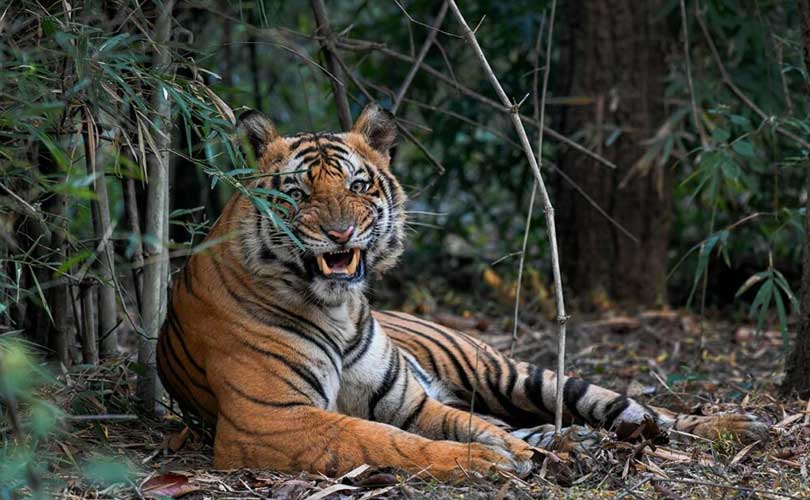
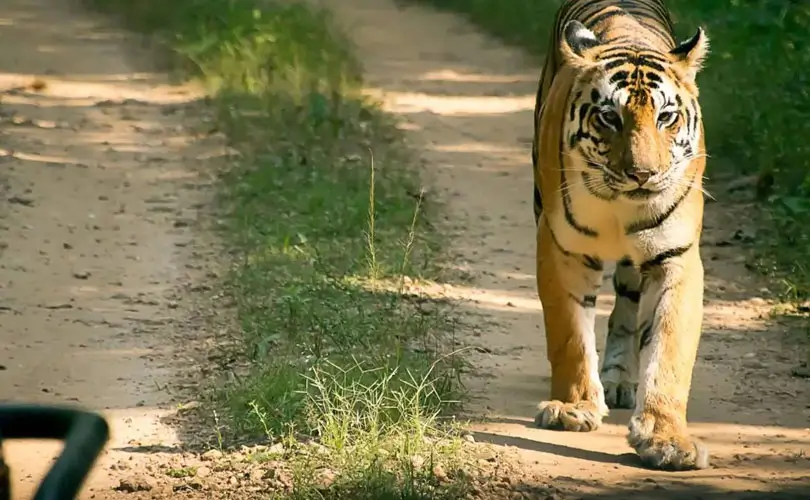
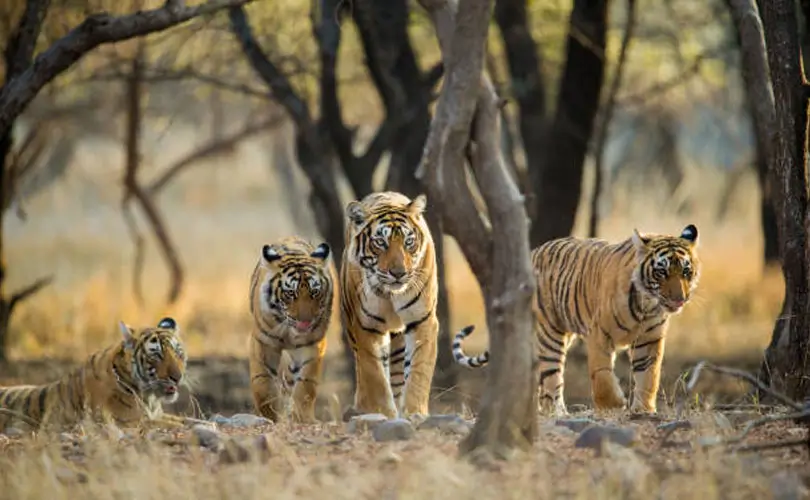
Because no other Golden Triangle itinerary gives you the chance to see tigers in the wild.
Ranthambore National Park is one of the best places in India to spot the elusive Bengal tiger. But it’s not just about wildlife. Ruined temples hidden in tall grass, a centuries-old fort towering above the jungle, lakes reflecting dusty skies — Ranthambore is just as evocative as any Rajasthani palace.
You’ll trade marble corridors for forest trails, and chandeliers for open skies.
Here’s a well-paced luxury plan that blends heritage and nature without feeling rushed:
Day 1–2: Delhi
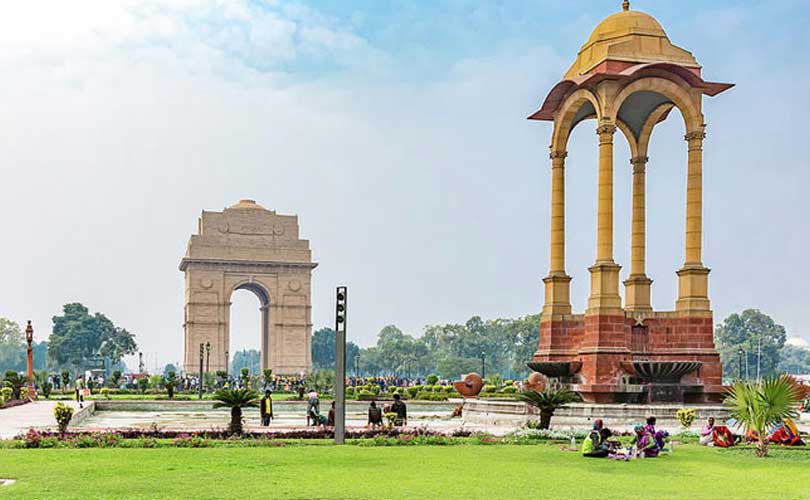
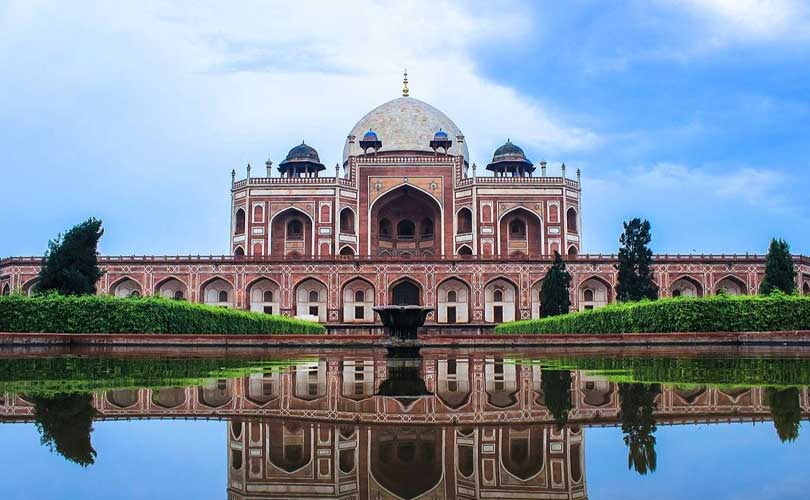
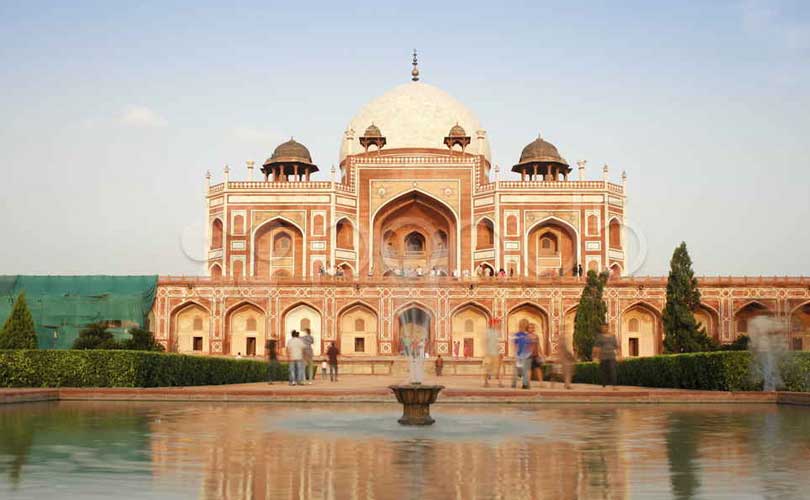
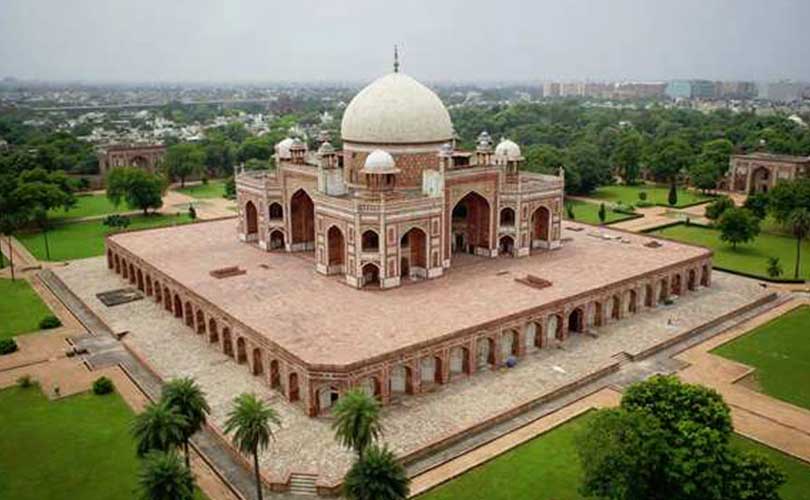
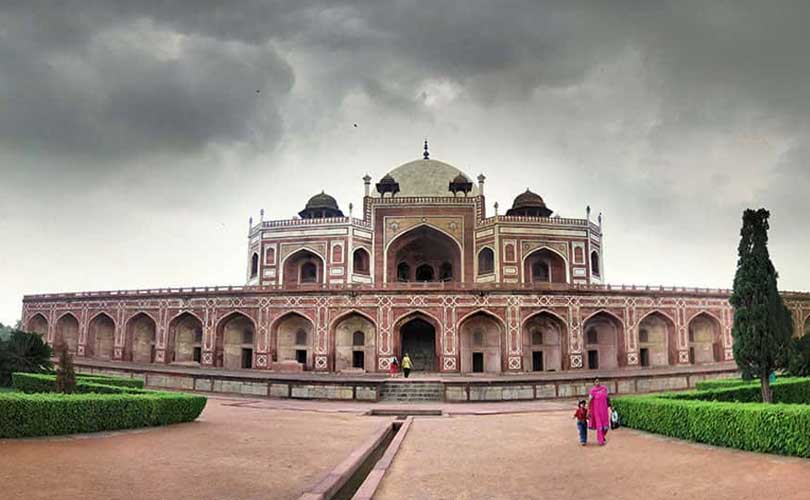
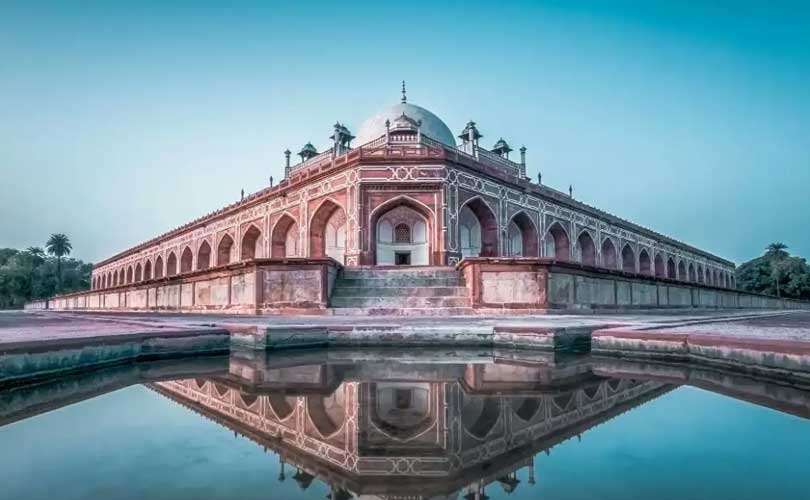
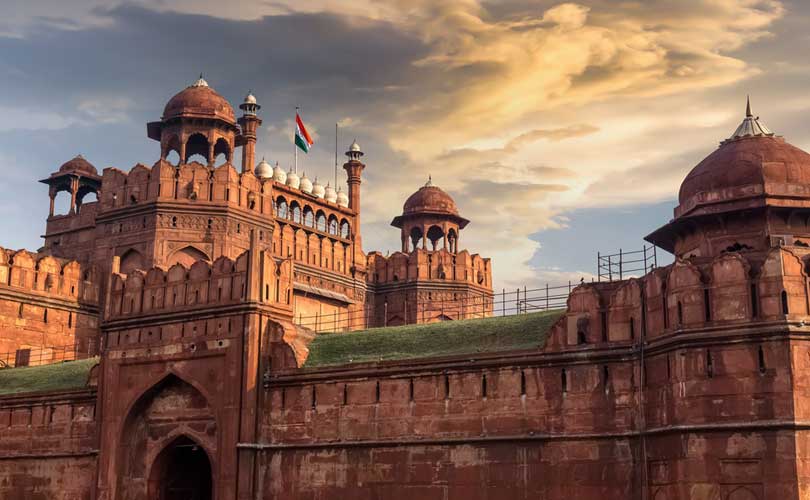
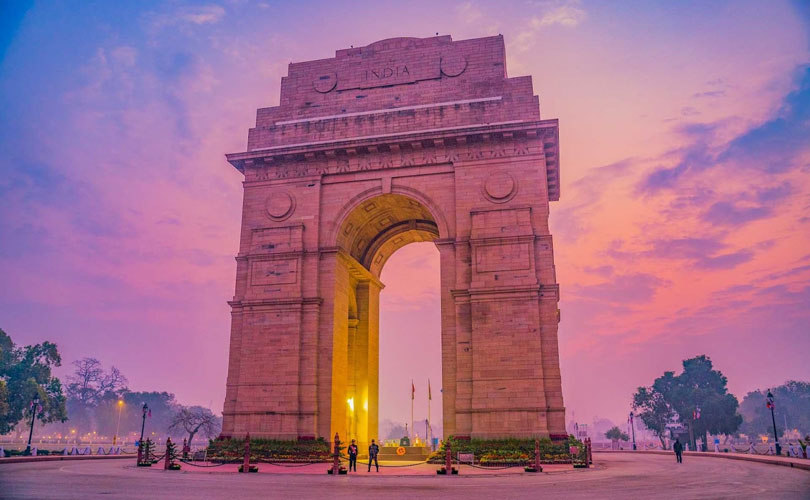
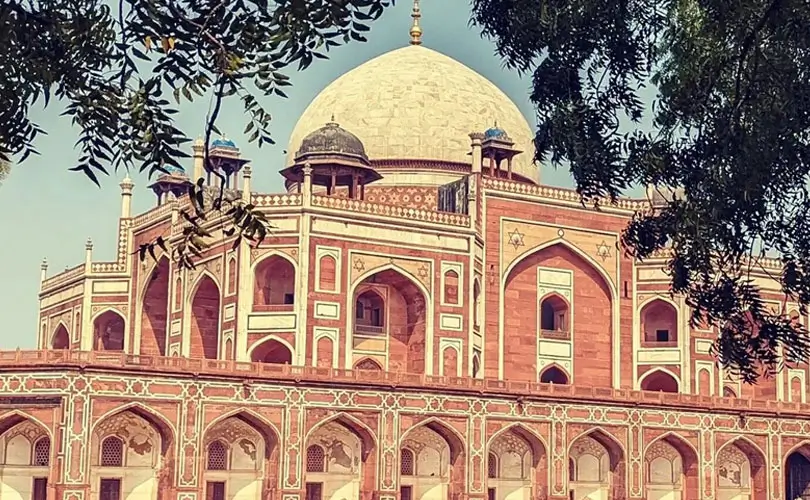
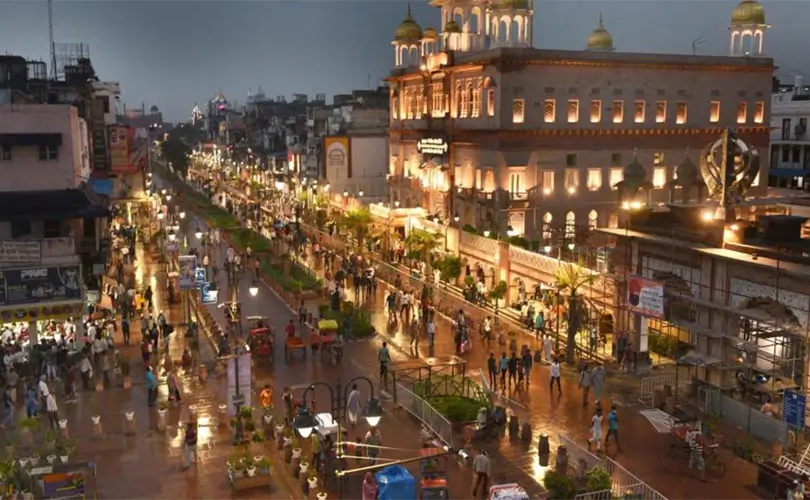
Land in India’s capital. Explore Old Delhi’s spice markets, the Red Fort, and Humayun’s Tomb. In New Delhi, stroll through Lutyens’ boulevards, and dine at a colonial-era restaurant.
Day 3–4: Agra
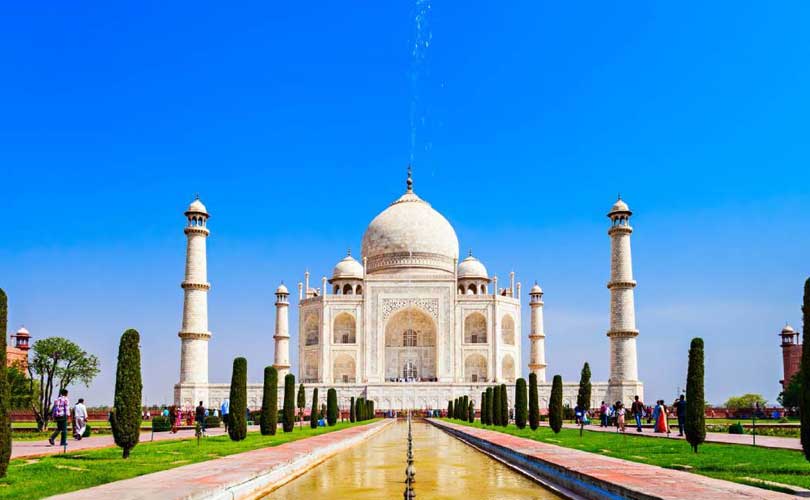
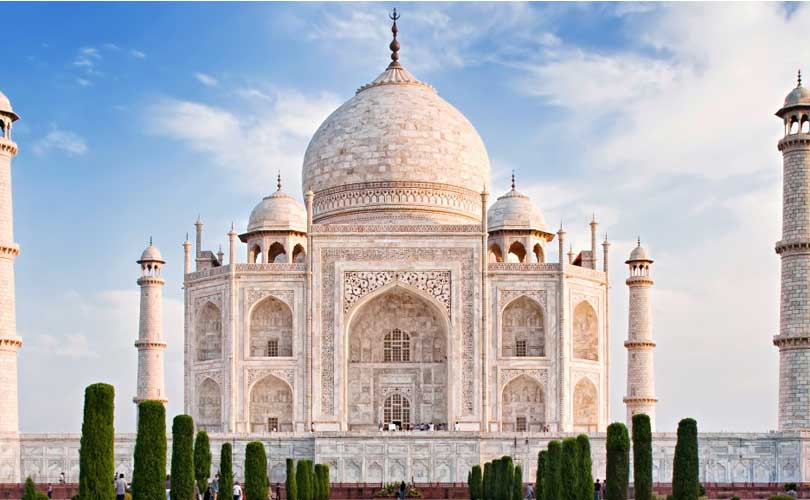
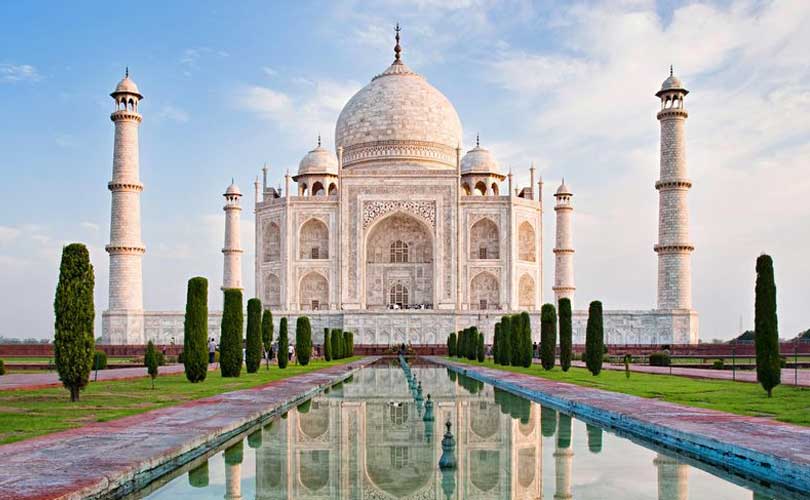
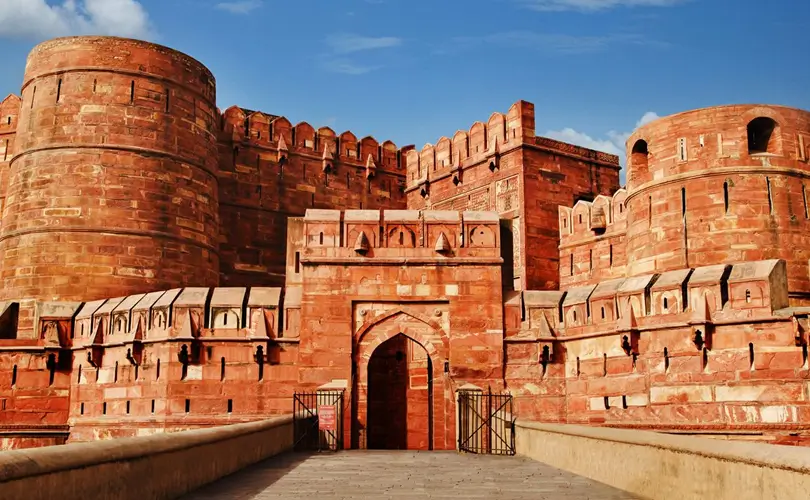
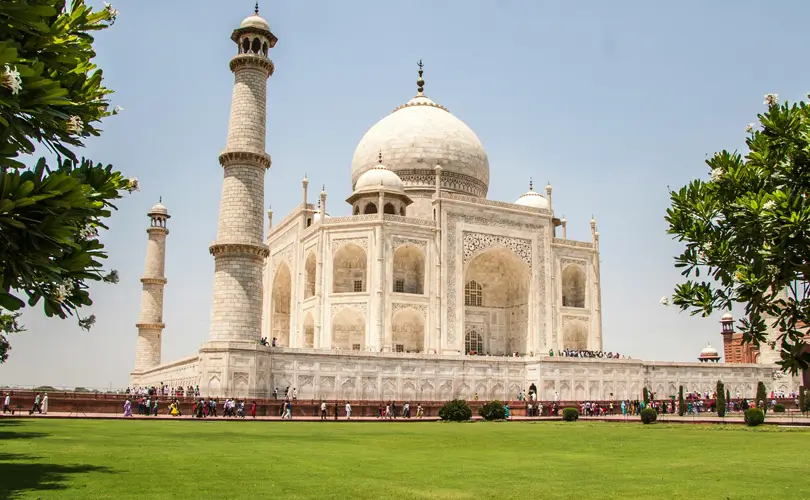
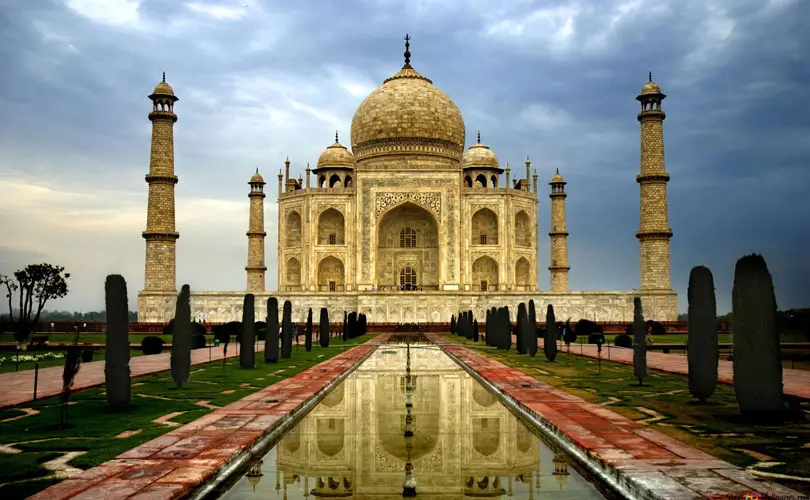
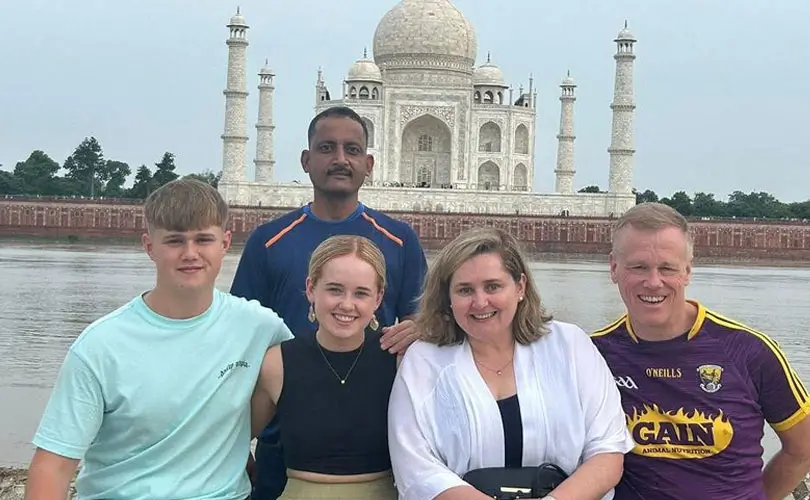
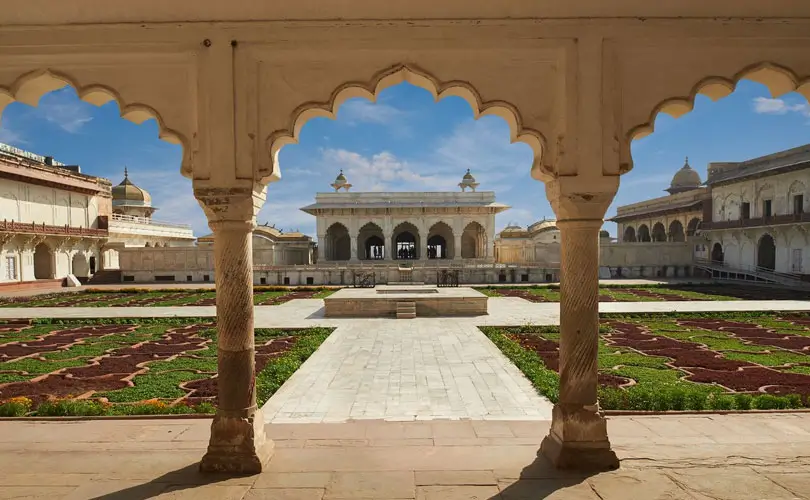
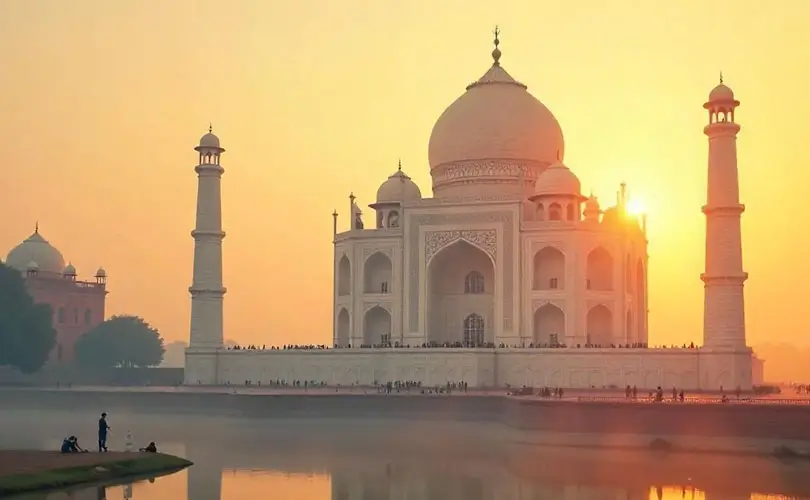
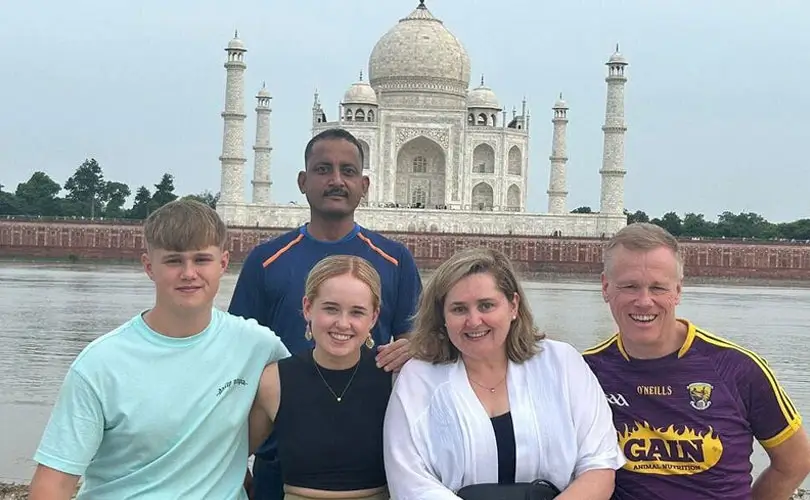
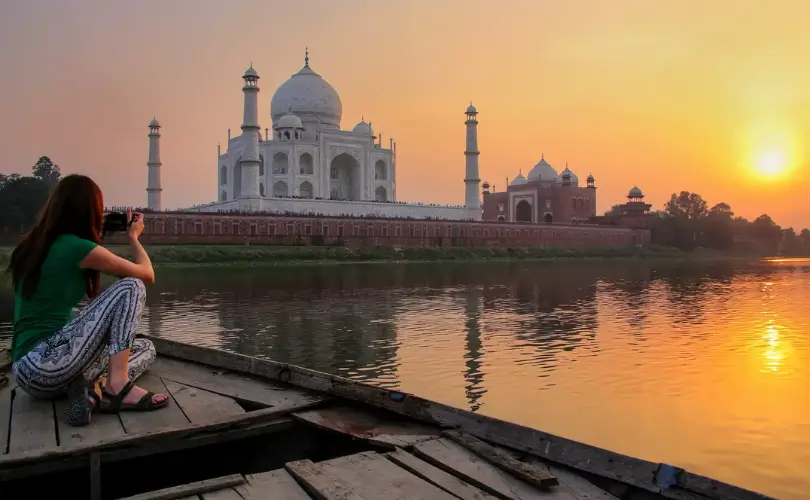
Drive to Agra. Watch the Taj Mahal turn golden at sunrise. Visit Agra Fort and perhaps enjoy a sunset at Mehtab Bagh. Stay at a hotel with direct Taj views.
Day 5–6: Ranthambore
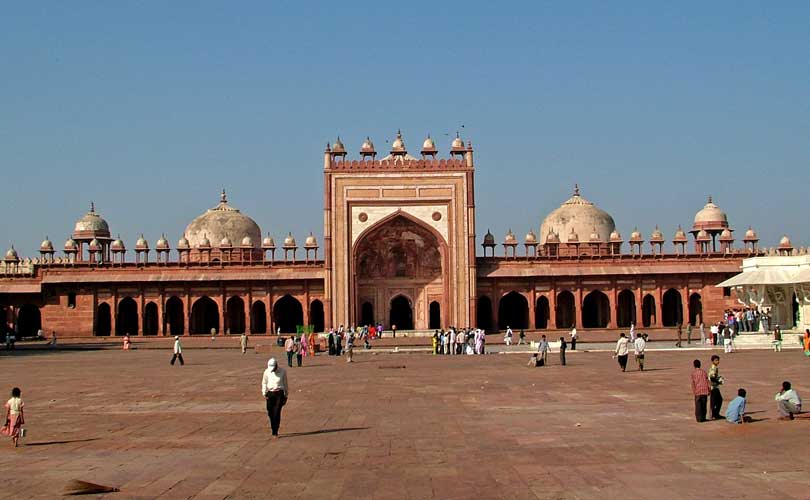
Take a scenic drive via Fatehpur Sikri to Ranthambore. Enjoy two game drives across different zones. Even if you don’t spot a tiger, expect deer, crocodiles, peacocks, langurs — and immense stillness.
Day 7–9: Jaipur
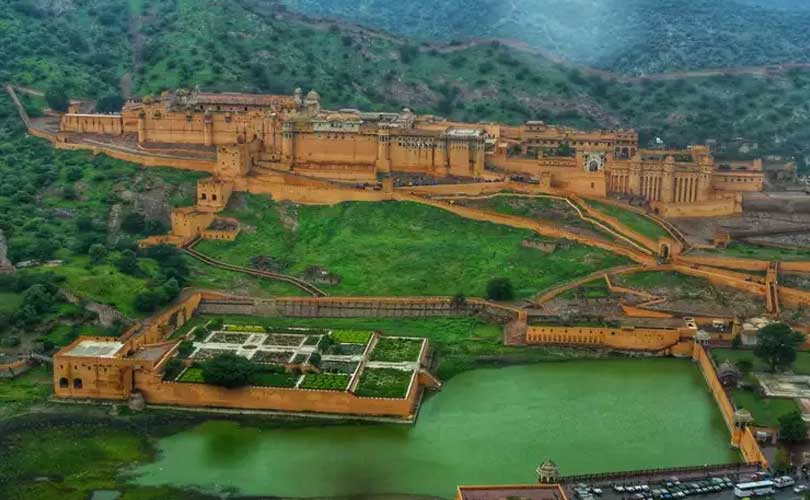
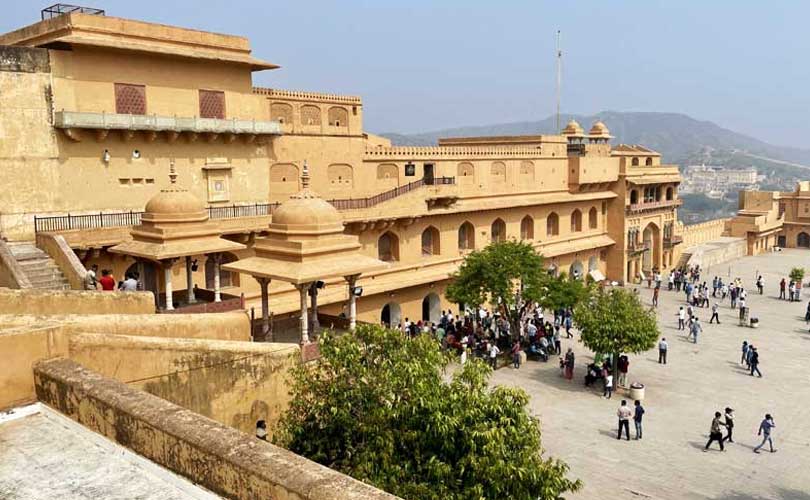
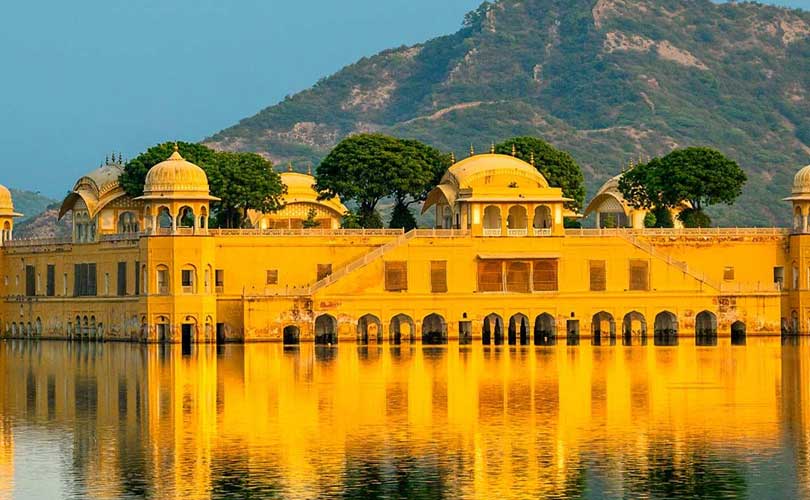
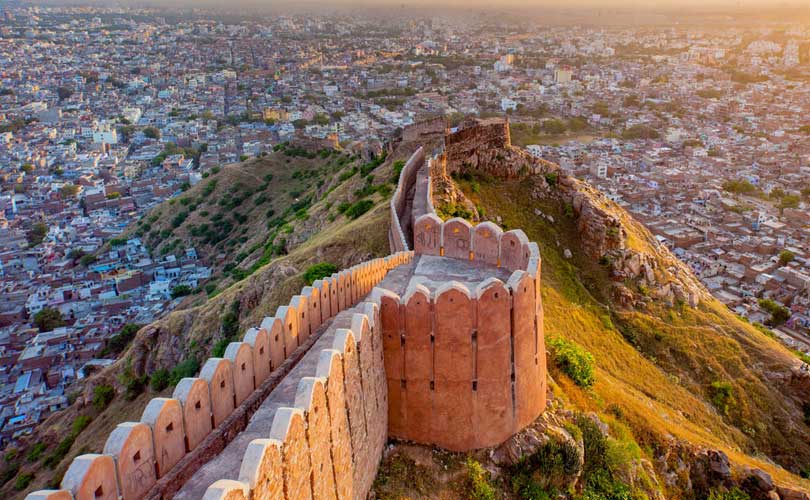
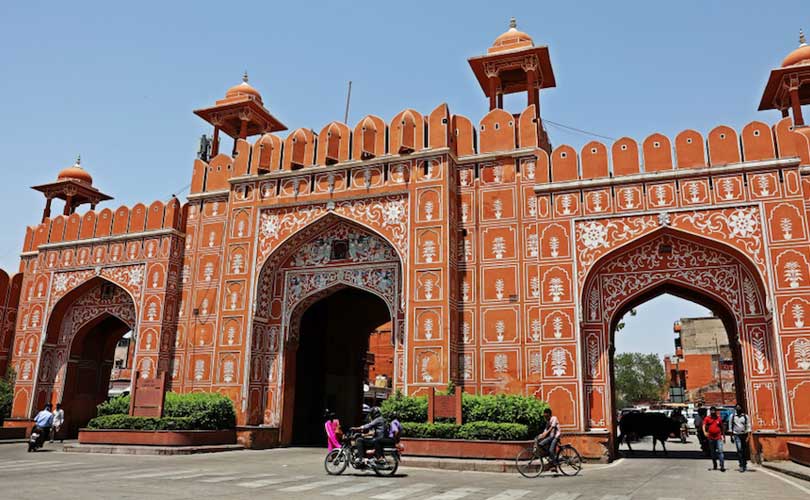
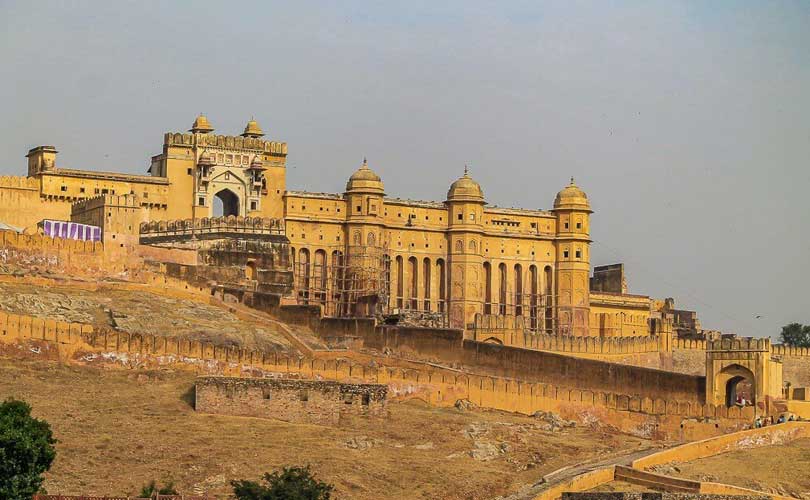
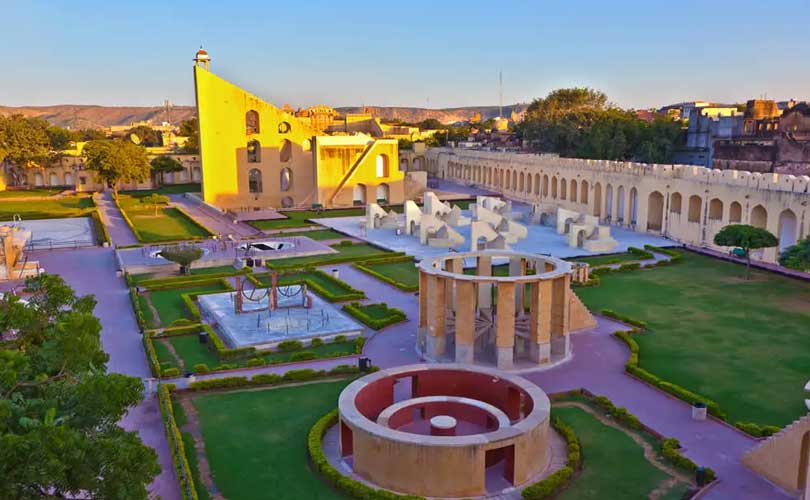
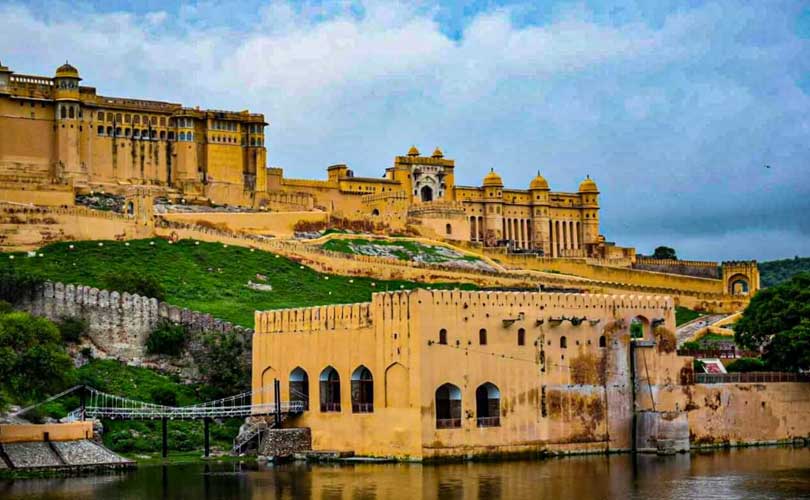
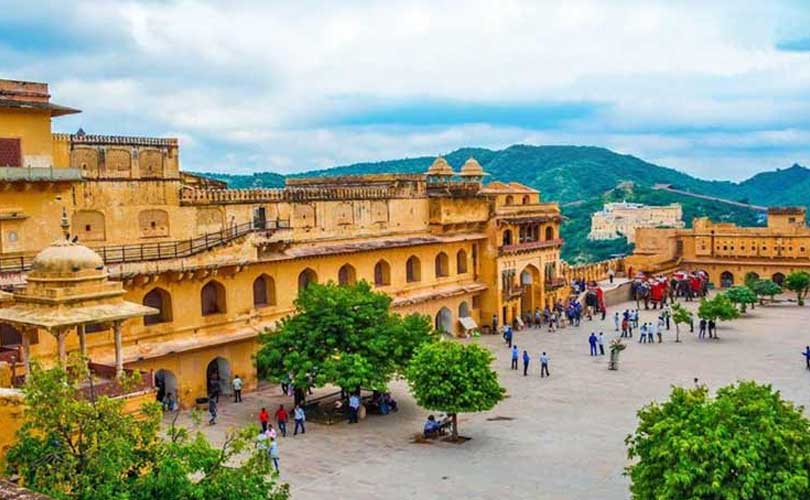
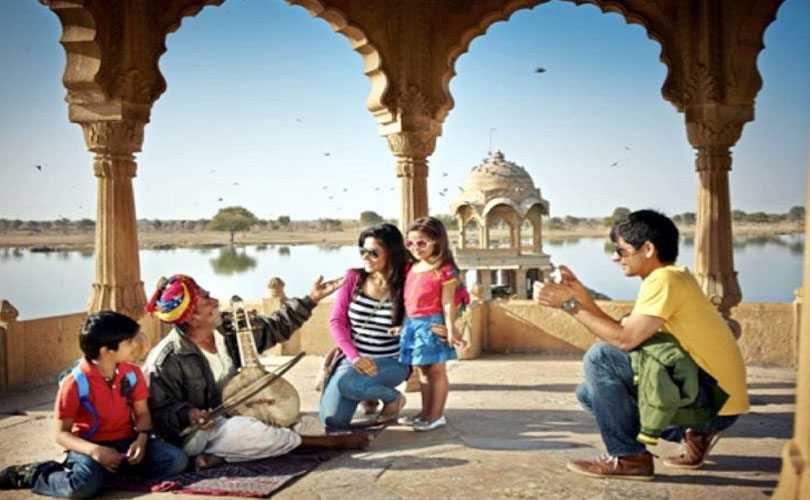
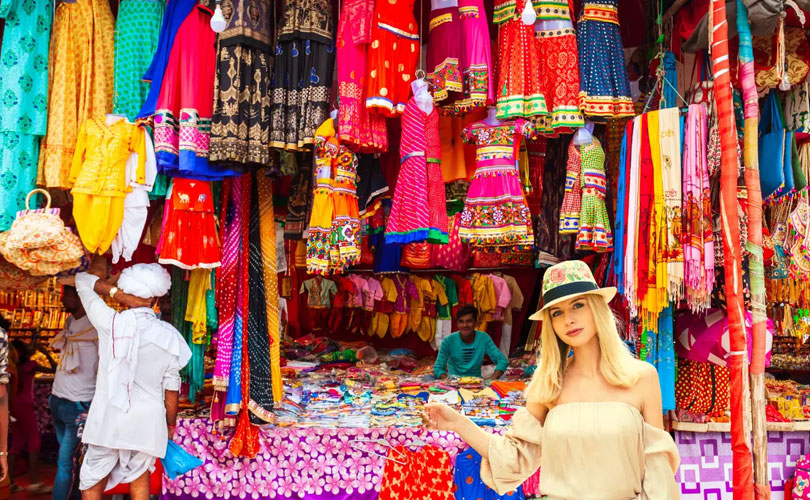
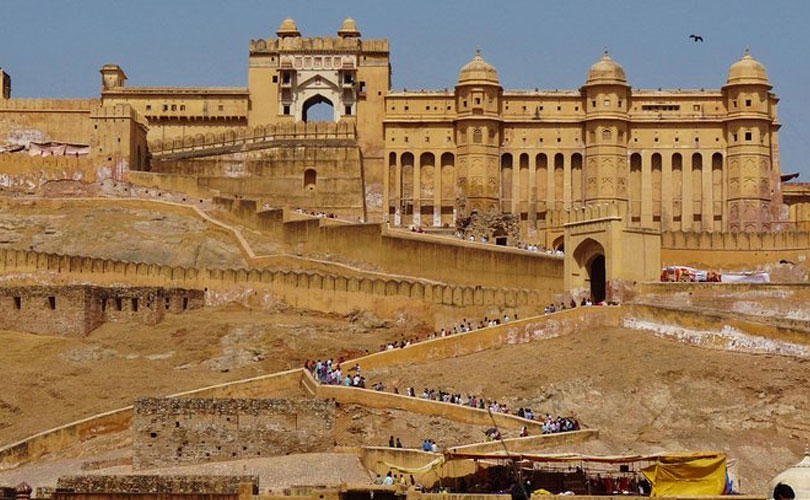
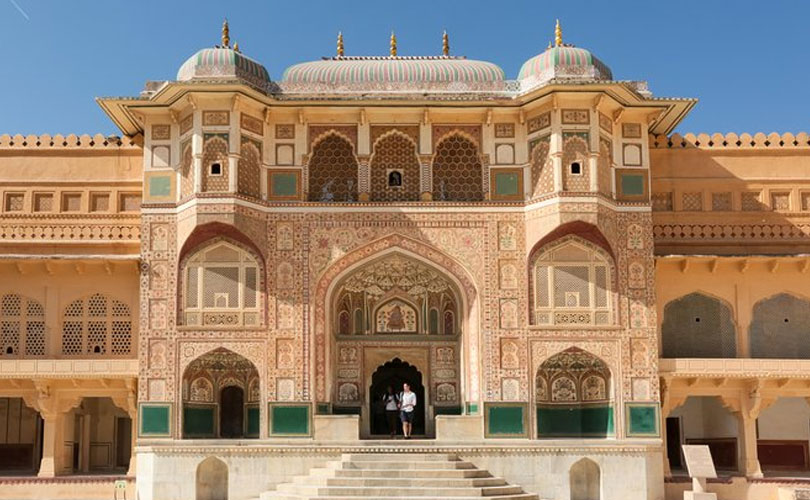
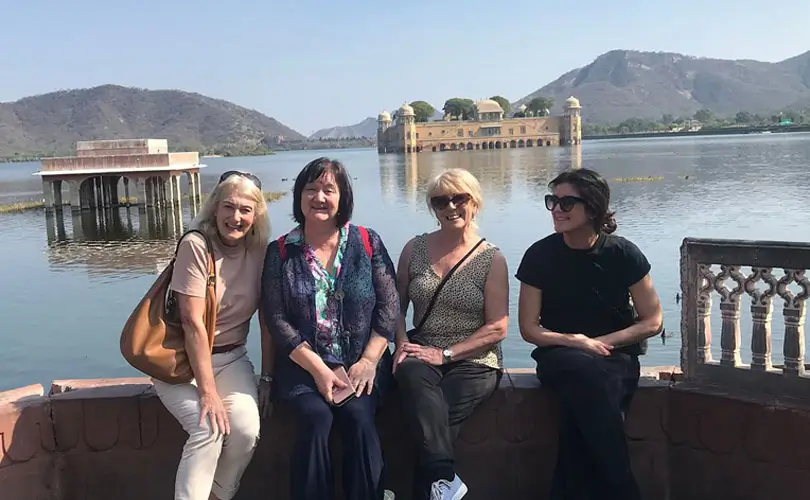
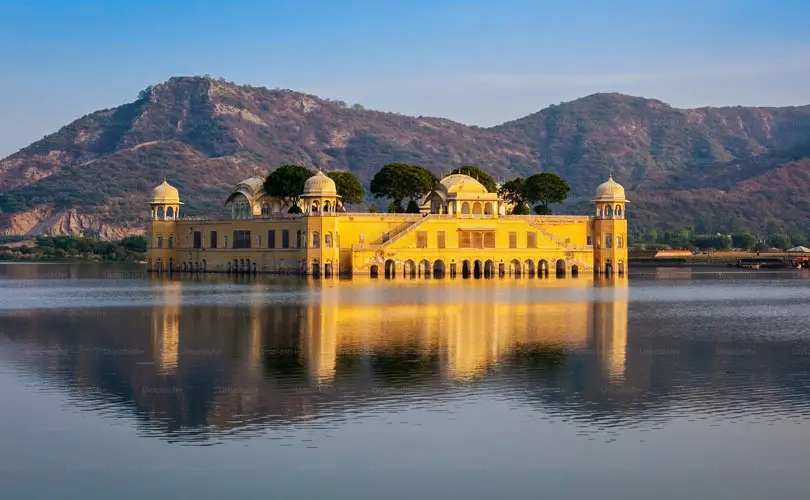
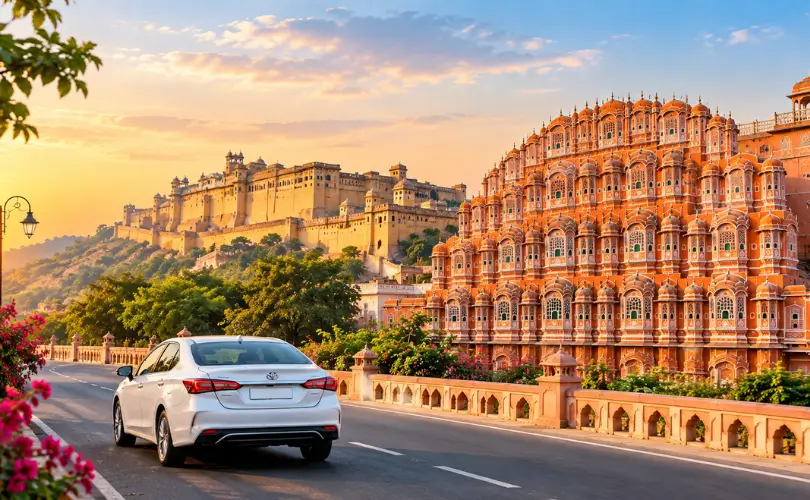
Travel to Jaipur. Visit Amber Fort, City Palace, and the famous Hawa Mahal. Opt for an evening with a local family, or a private shopping tour with a textile expert.
Day 10–11: Delhi or Departure from Jaipur
Drive back to Delhi or catch your outbound flight from Jaipur (if available).
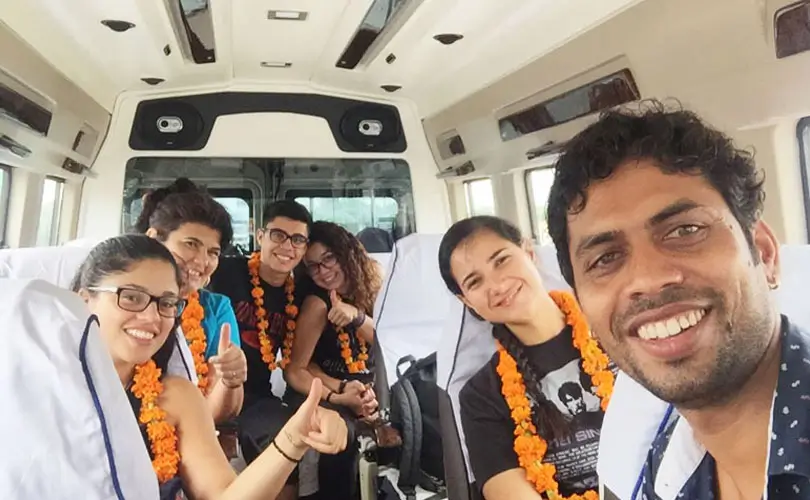
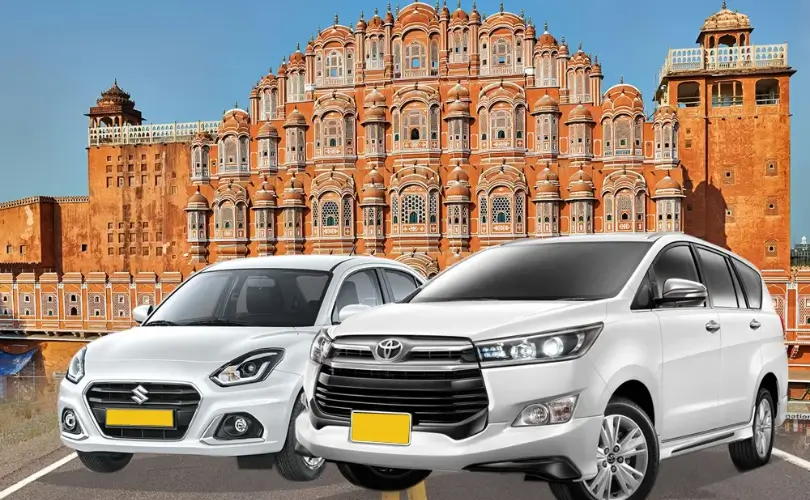
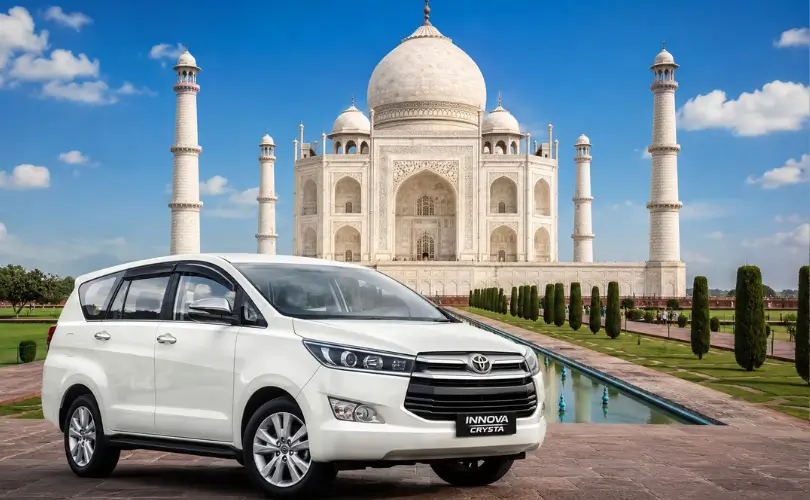
While trains are romanticized, a private car with driver gives you unmatched flexibility and comfort. Distances in this route are between 4–6 hours by road — which, in India, often means scenic stops, chai breaks, and conversations that enrich the journey.
Plus, your driver becomes your local translator, fixer, and cultural insider.
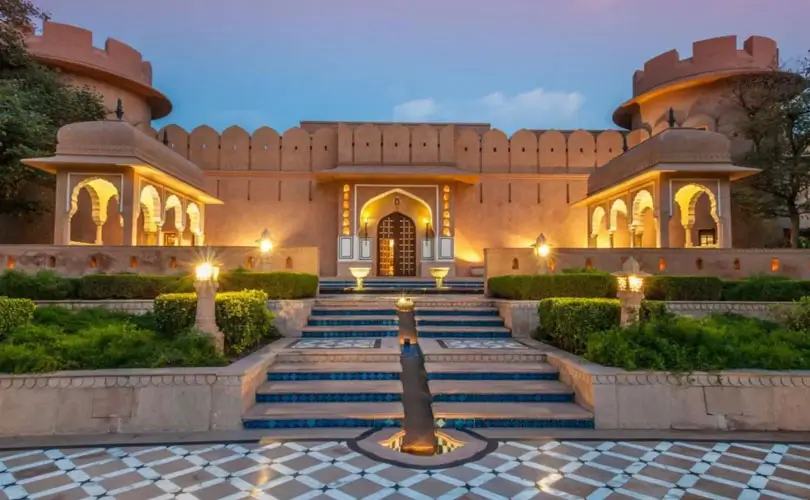
This is a luxury tour. And your hotels should reflect that.
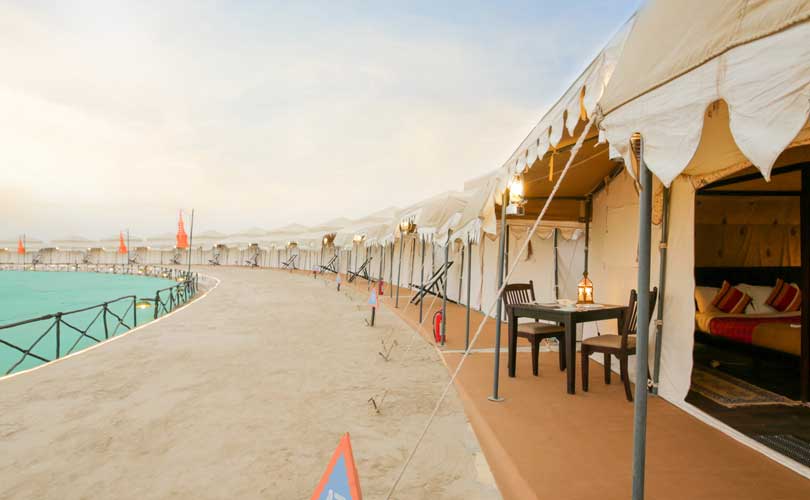
Each property is an experience on its own — especially in Ranthambore, where luxury tented camps offer five-star comforts under the stars.
It’s not just the sights. It’s the contrast:
You’ll walk through dynasties, stand where emperors once ruled, and sit in jeeps rolling through tiger territory — all in one trip.
Ranthambore is fragile. Always choose operators who work with licensed guides, respect safari rules, and support conservation. Avoid off-track driving and unnecessary noise. Your presence should protect, not disturb.
Absolutely. It balances historical sightseeing with nature, offering a complete India experience.
10 to 12 days allow for relaxed travel, with enough time for both culture and wildlife.
No, but Ranthambore is one of the best places to spot tigers, especially in summer months.
Yes, especially kids 7+. Safaris are thrilling and most hotels are family-friendly.
Open 6-seater jeeps and larger 20-seater canters — both with guides.
Jeep safaris are more private and offer better flexibility; canters are economical but less intimate.
For this itinerary, driving with a private driver is ideal. It offers flexibility and comfort.
Neutral clothes, sunblock, hat, binoculars, a good camera, and light woollens in winter.
Most luxury lodges are within 10–20 minutes of the main entry zones.
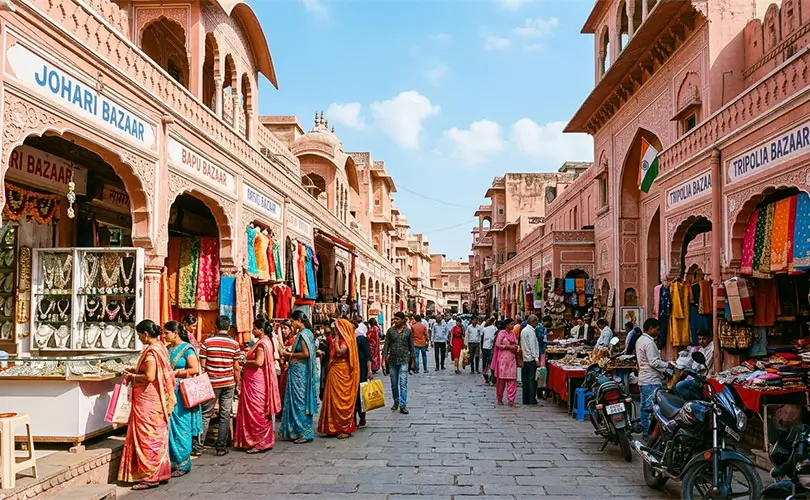
Amber Fort, City Palace, Hawa Mahal, and local bazaars like Johari and Bapu.
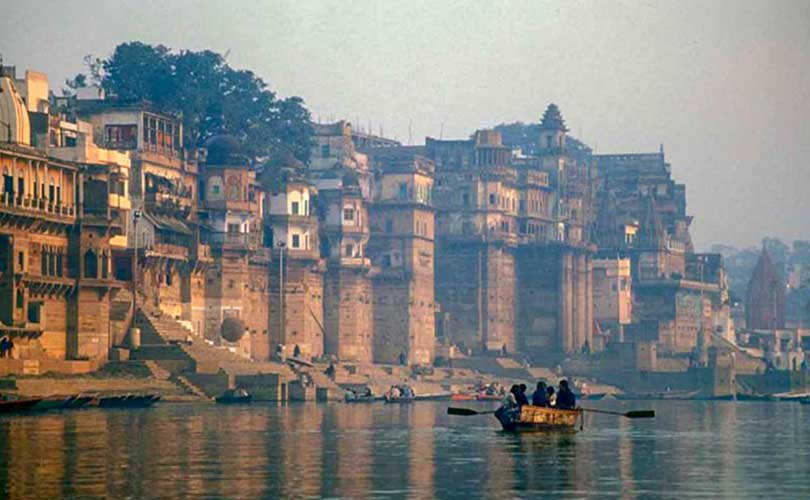
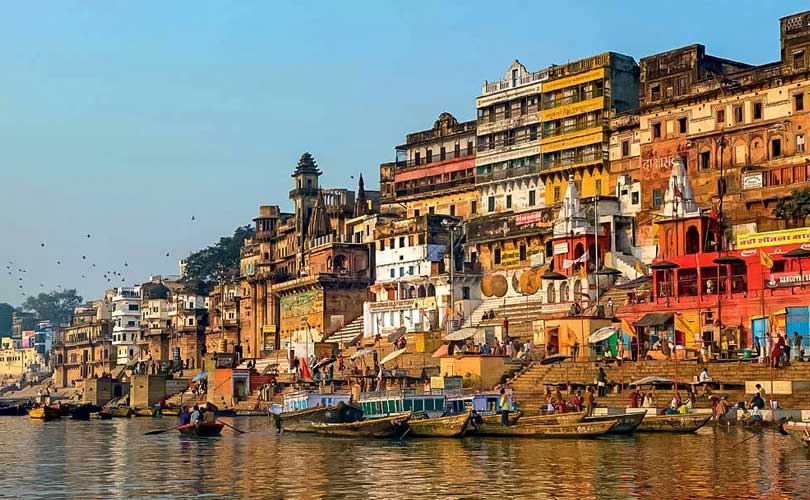
Yes. You can add Pushkar, Jodhpur, or even Varanasi — the route is flexible.
Just get in touch via the website’s contact form or email. Everything is tailor-made.