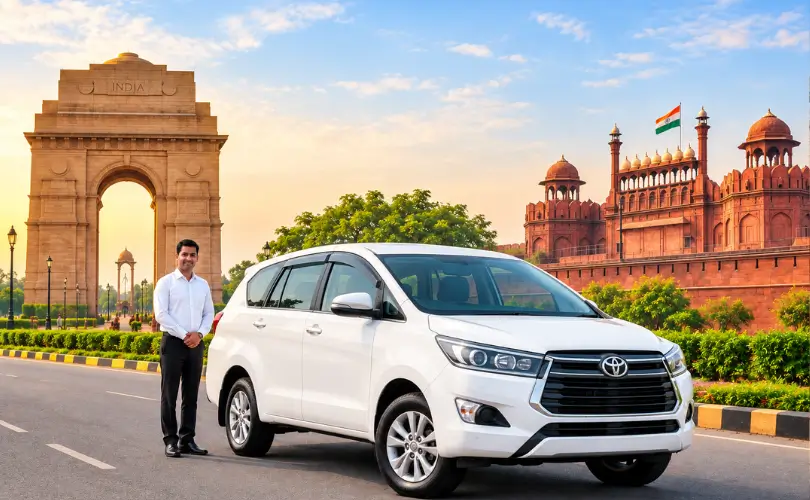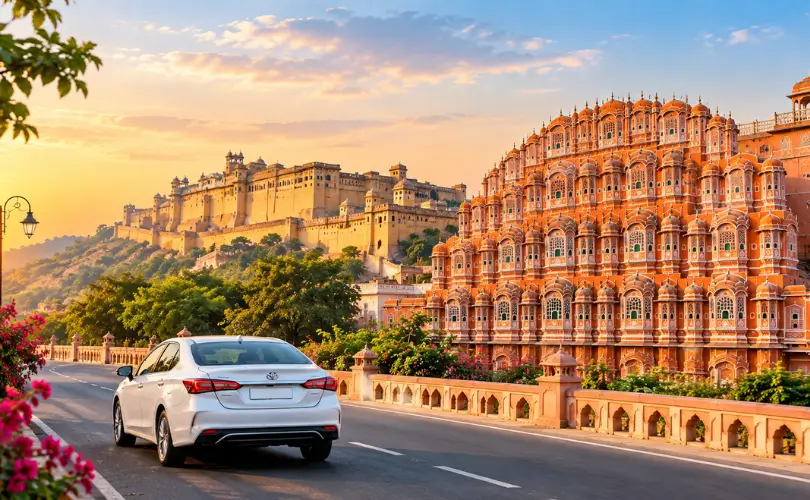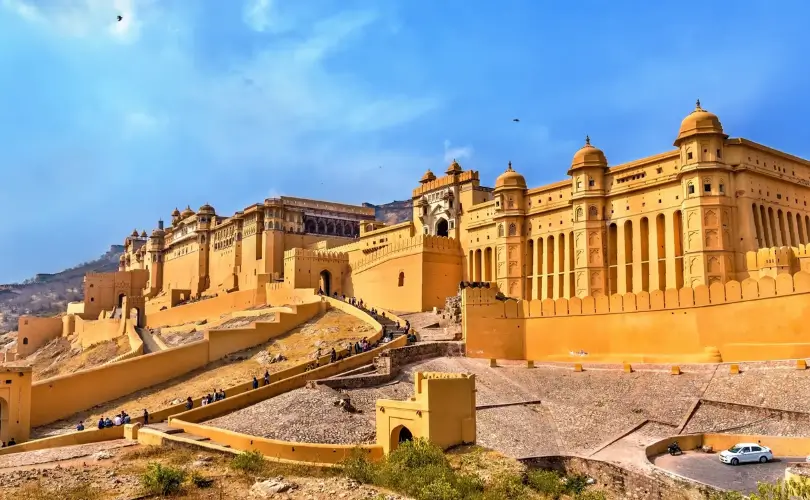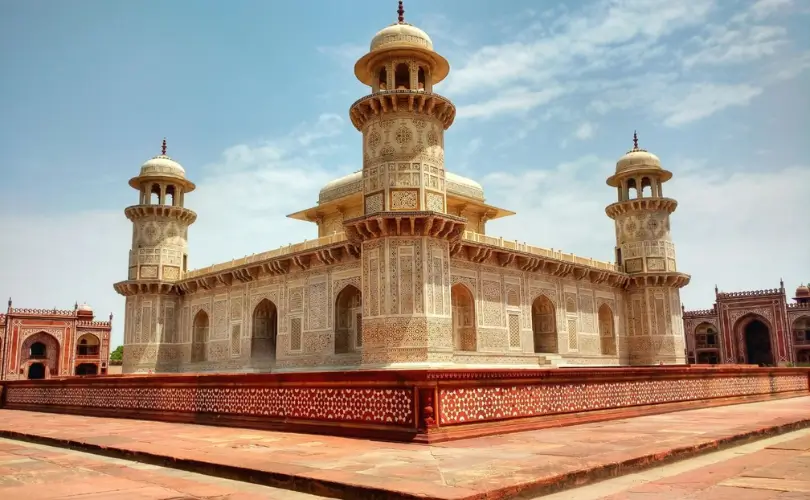
Booking a private tour in India can remove a large amount of logistical work from an international holiday, particularly when an itinerary covers several cities. A single ground operator can arrange airport pickup, an air-conditioned vehicle with driver, intercity transfers, selected hotels, local guides, sightseeing schedules, and assistance when travel timings change. The difficulty for an overseas visitor is deciding which quotation represents a professionally managed service and which one is simply a low headline price with important details missing.
The difference may not become visible until after arrival. One traveler may be met at the airport by the vehicle category stated in the booking, reach the correct hotel, receive the agreed room, meet professional guides at the scheduled time, and complete the journey without having to renegotiate daily services. Another traveler may discover that tolls and parking are extra, the promised hotel has been replaced, monument tickets were never included, the vehicle is smaller than expected, or the driver has been given a route that does not match the written itinerary.
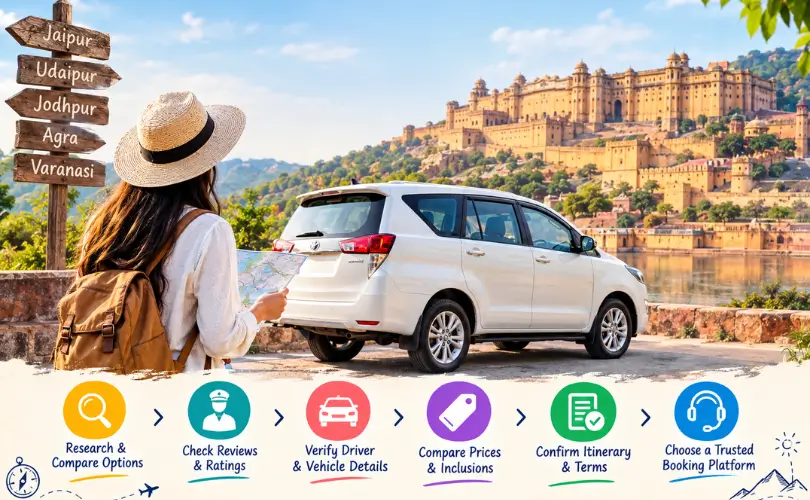
International visitors should therefore judge a private India tour company by the quality and clarity of the complete arrangement rather than by website appearance or price alone. A good operator should be able to explain what is being sold, identify major inclusions and exclusions, provide a sensible payment structure, and answer practical questions about vehicles, hotels, guides, and cancellation terms.
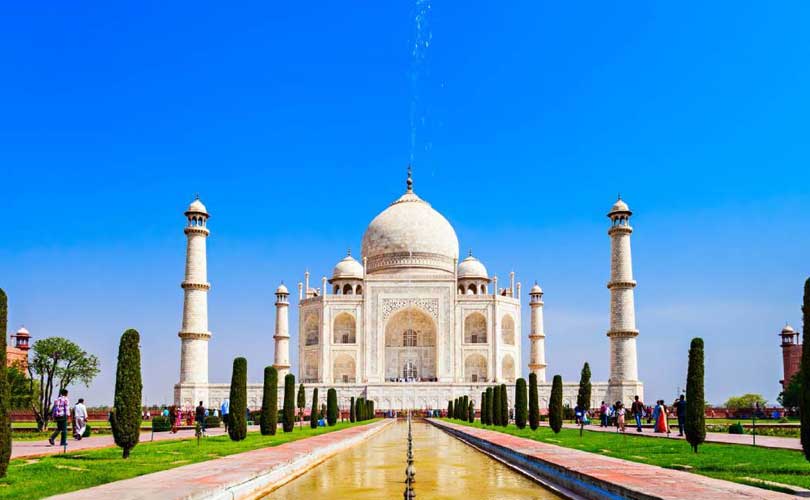
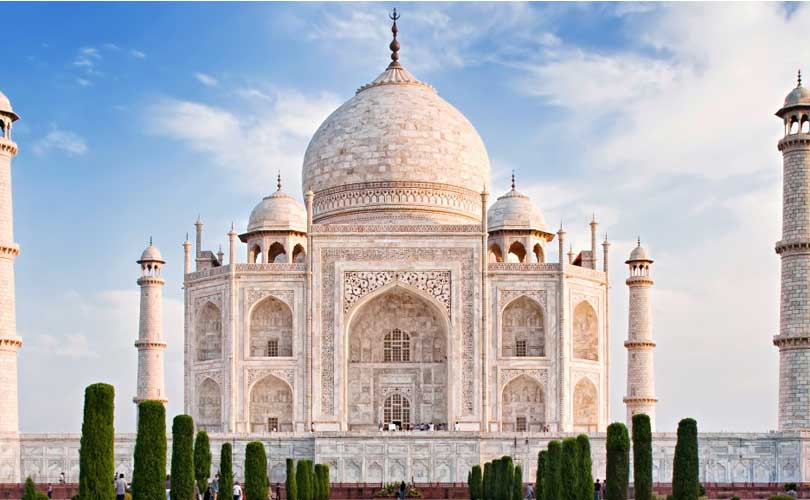
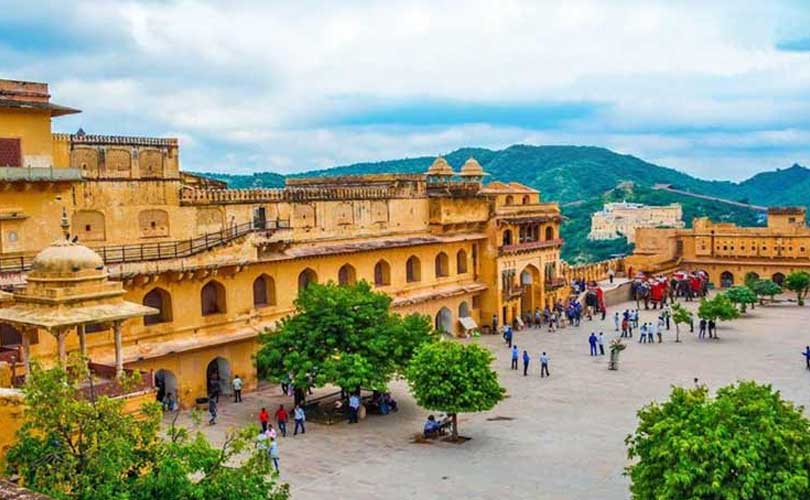
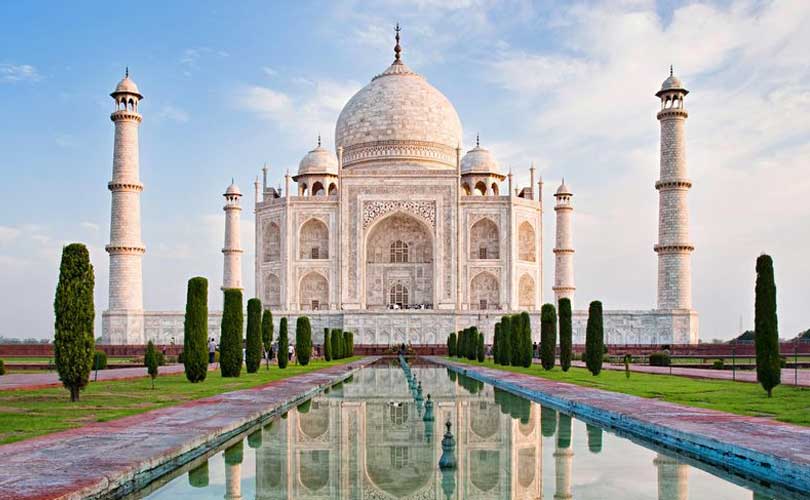
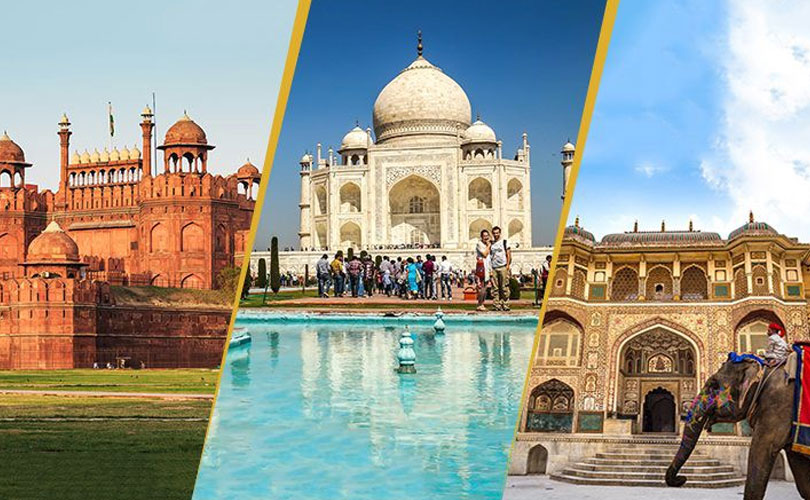
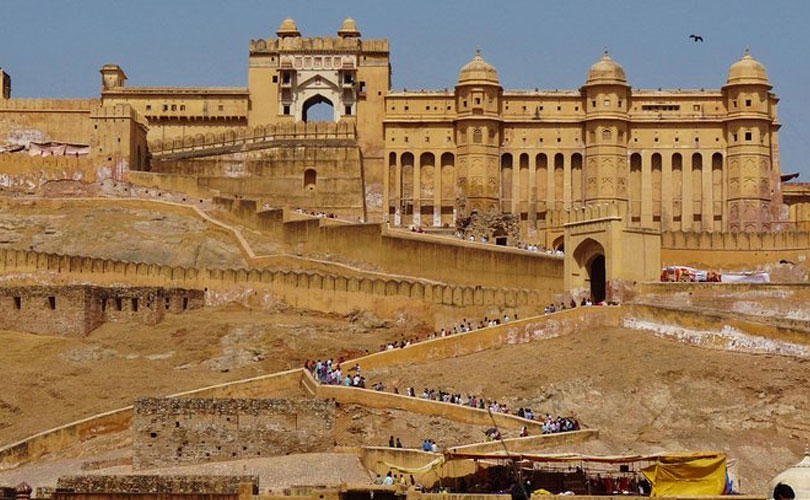
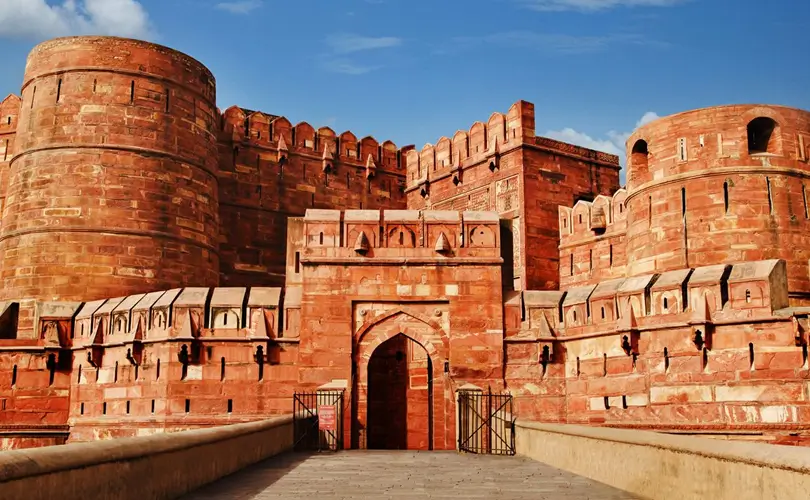
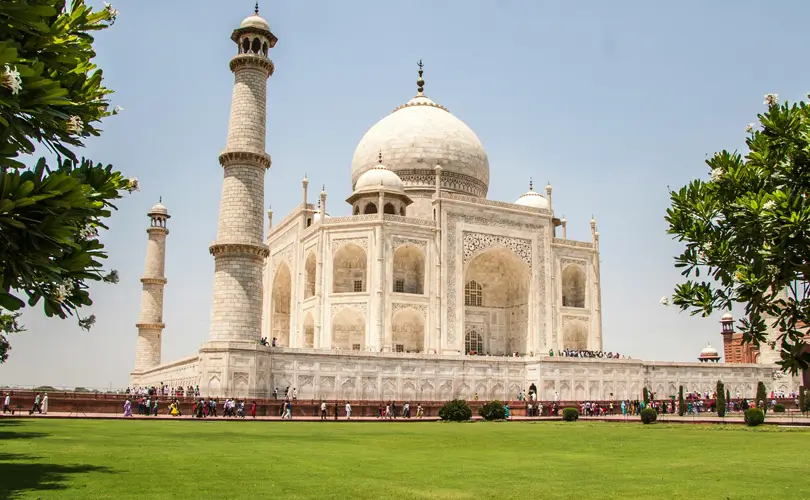
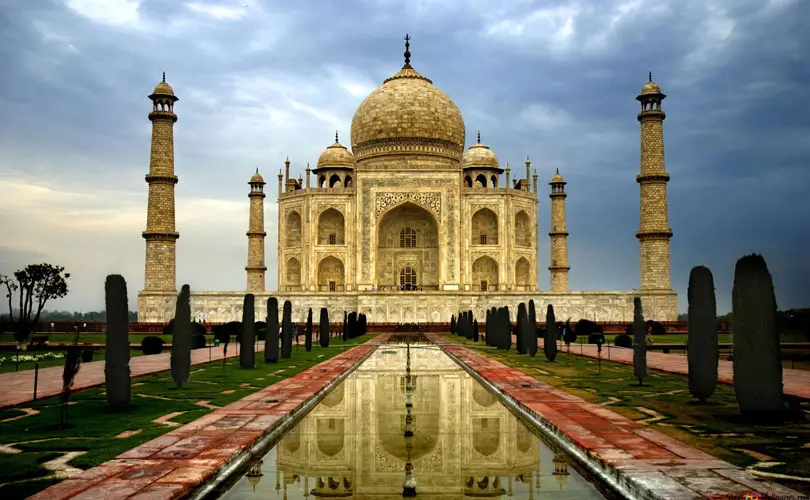
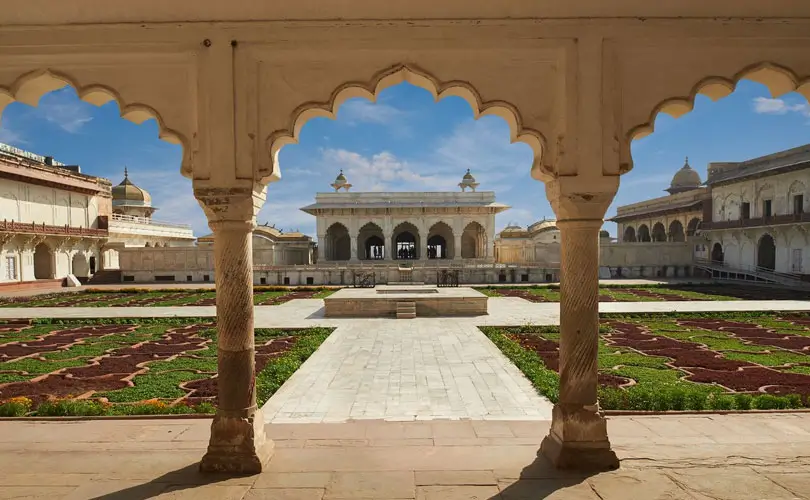
A Delhi–Agra–Jaipur trip is a useful example. A five- or six-day itinerary may involve airport collection in Delhi, local sightseeing, a drive to Agra, the Taj Mahal and Agra Fort, a road transfer toward Jaipur through Fatehpur Sikri, Jaipur sightseeing, and a final return to Delhi. That journey combines hundreds of kilometres of driving, multiple hotel nights, several ticketed monuments, local guide services, road tolls, parking, and coordination across three cities.
A reliable booking makes these moving parts feel simple to the traveler. That reliability begins before any payment is made.
A trustworthy India private tour operator should provide enough information for a traveler to identify the business and understand the service. A polished website can be useful, but it should not be the only factor considered. Travelers can look for a consistent company name, working contact details, a business address where applicable, clear tour information, recent customer feedback across credible platforms, and communication that answers specific questions rather than sending the same generic sales response to every inquiry.
The written itinerary is one of the strongest tests. It should state the cities and overnight stops in the correct order, identify the principal sightseeing included each day, and show how the traveler moves between destinations. If a Delhi–Agra–Jaipur trip is being sold, the itinerary should make clear whether the car remains with the travelers for the complete circuit or whether separate transfers are used. It should also state whether airport pickup and final airport drop are included.
Travelers should examine the language used around sightseeing. “Delhi sightseeing included” can mean only that a car is available to drive past certain attractions. It does not automatically mean monument tickets, professional guide services, parking, or every attraction named elsewhere on the website are included. A reliable quotation should separate these components.
Hotel information requires the same precision. Phrases such as “three-star hotel,” “premium hotel,” or “luxury accommodation” are not enough for a high-value booking. Ask for the exact hotel names and room categories. A standard room and an upgraded room in the same five-star hotel can differ substantially in both price and experience. A hotel may also have several buildings, wings, views, and meal plans.
The quotation should state whether breakfast is included. If dinner is included, the meal basis should be identified. International visitors with dietary requirements should communicate them before payment rather than assuming every hotel can handle complex requests without notice.
A traveler should also ask what happens if the named hotel becomes unavailable. The operator should not have unlimited freedom to replace a premium hotel with a much lower-category property. A sensible booking condition can permit an equivalent or better substitute when unavoidable, but the standard should be clear.
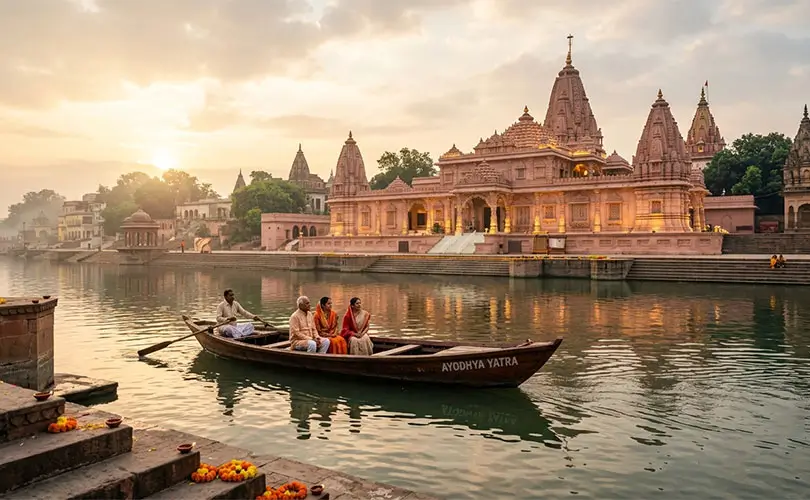
The daily schedule should be geographically realistic. A poorly constructed itinerary may reveal that the seller has assembled attractions from a list without considering driving time. For example, Delhi, Agra, Jaipur, Ranthambore, Udaipur, and Varanasi cannot be added casually to a short trip without creating exhausting travel days or domestic flights. A custom private India tour should account for actual road distances, monument closures, hotel check-in times, and airport reporting requirements.
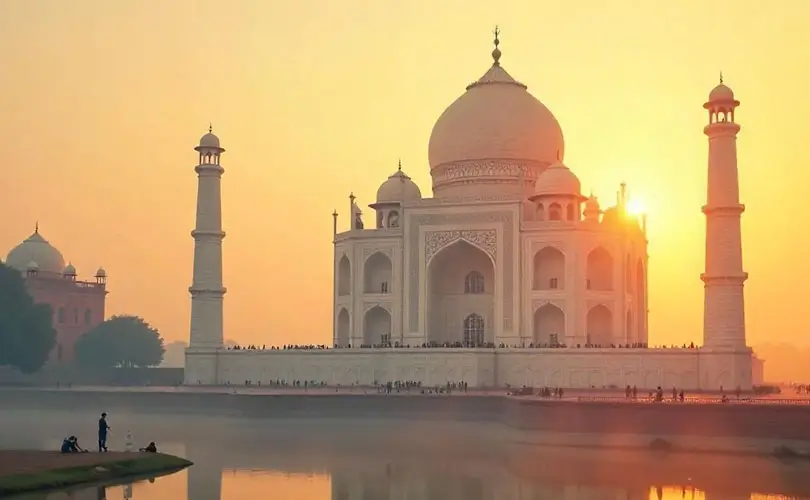
The Taj Mahal provides a simple test of itinerary competence. It is closed to general visitors on Fridays. If a proposed itinerary places the Taj Mahal visit on Friday without acknowledging the closure, the entire quotation deserves closer inspection. Similar attention should be given to flight times, seasonal road conditions, and other operational details.
Communication quality matters as well. A professional operator should be willing to answer questions such as which vehicle category will be supplied, whether tolls are included, how guides are arranged, and what the cancellation policy is. Vague responses to straightforward commercial questions should make travelers cautious.
For many multi-city trips, transportation is the service travelers use most frequently. A private car with driver in India may remain with guests for several days and cover Delhi city traffic, expressways, rural roads, hotel entrances, airports, and monument parking areas. The vehicle category and driver arrangement should therefore be confirmed with more care than an ordinary airport taxi.
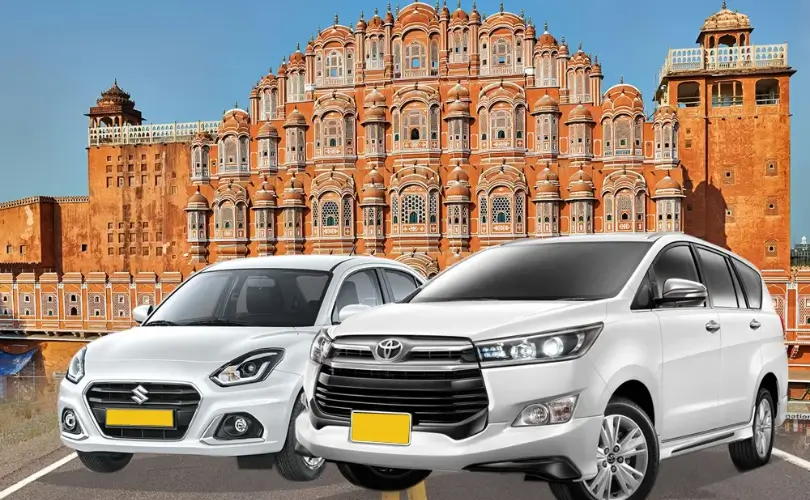
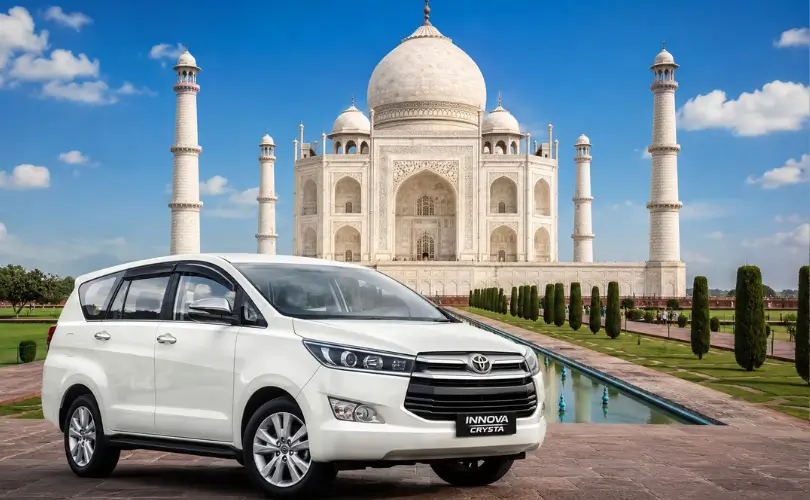
The first question is vehicle size. A sedan can work well for one or two travelers with moderate luggage. Three adults or a couple carrying several large international suitcases may be more comfortable in an Innova-type vehicle. Families and small groups often choose an Innova Crysta with driver because the additional space becomes valuable during long drives such as Jaipur to Delhi or Agra to Jaipur.
Travelers should tell the operator how many large suitcases and cabin bags they are carrying. Seat count alone does not determine whether a vehicle is suitable. A car may technically have enough seats while having insufficient luggage space.
The quotation should identify the booked vehicle category. If the traveler is paying an additional amount specifically for an Innova Crysta, “SUV or similar” may be too vague unless the substitution conditions are understood.
Road charges need careful attention. Fuel, tolls, parking, interstate taxes or permit-related operating expenses, driver allowance, and driver accommodation can all affect the private driver India cost. Some operators include these in one amount, while others quote a base vehicle rate and charge them separately. Either structure can work, but the traveler should know the final arrangement before the journey.
Consider a five-day Golden Triangle car quotation. A sedan may broadly cost around ₹20,000 to ₹30,000, while an Innova-type vehicle may be around ₹30,000 to ₹45,000, and an Innova Crysta can reach approximately ₹35,000 to ₹50,000 or more, depending on mileage, service duration, pickup and drop locations, and included road costs. If one quotation is dramatically below comparable offers, travelers should ask which expenses have been excluded.
Daily mileage and duty-hour conditions are also important. Some vehicle contracts include a fixed number of kilometres or hours. Additional sightseeing, late dinners, unplanned excursions, or a major route change may create extra charges. Ask for the extra-kilometre and overtime rate before the trip rather than negotiating it after the service has already been used.
A professional driver should be used for driving, not treated as a substitute for a licensed or qualified historical guide. The driver handles road logistics, parking, luggage, hotel pickups, and intercity transport. A private tour guide in India normally joins separately for sightseeing in cities such as Delhi, Agra, and Jaipur.
Driver rest is a safety issue. A traveler should be cautious about an itinerary that expects the same driver to work late into the night and begin a long intercity sector before dawn without adequate rest. A private vehicle offers flexibility, but flexibility should remain within safe operating limits.
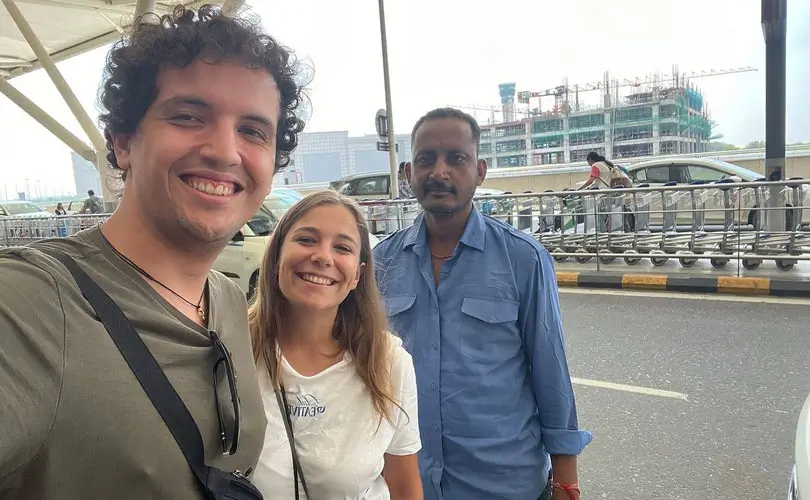
Airport transfers should identify the terminal and flight details. For an international arrival, the traveler should provide the flight number rather than only an estimated landing time. Baggage collection, immigration, customs, and flight delays can all affect the actual meeting time.
Guide arrangements are another area where package descriptions can be misleading. A tour may advertise “guided sightseeing,” but travelers should ask whether the service includes a professional private guide in every city, a guide only at selected monuments, or simply assistance from the driver.
For a first-time private Golden Triangle tour, local guides in Delhi, Agra, and Jaipur can add substantial value. These cities contain monuments whose history spans different dynasties, religions, architectural traditions, and political periods. A good guide can connect the sites into a coherent historical story while also helping with entry procedures and practical movement.
Guide fees vary. An English-speaking guide may broadly cost around ₹1,500 to ₹4,000 or more per city or sightseeing session, depending on duration and service level. Specialist guides and foreign-language guides can cost more. Travelers requesting Spanish, German, French, Italian, Japanese, or another language should confirm availability before arrival.
The quotation should state whether guide fees are included.
Monument tickets should be treated separately unless the package explicitly includes them. International admission rates at India's major monuments are often considerably higher than domestic rates. At the Taj Mahal, for example, an international visitor should broadly budget around ₹1,100 for standard entry plus approximately ₹200 for access to the main mausoleum under commonly applicable pricing. Agra Fort admission for an international visitor is commonly around ₹650. Jaipur's major attractions can add several thousand rupees more across a complete sightseeing day.
Ticket rates can change, so travelers should verify current official prices close to the travel date.
The important booking question is not whether an old quoted ticket price is exact to the rupee. It is whether the operator has clearly stated who pays for tickets.
If monument tickets are included, ask which monuments and ticket categories are covered. At some attractions, premium access costs substantially more than standard entry. City Palace Jaipur is a good example because different visitor experiences can carry very different prices.
Sightseeing duration should also be realistic. A tour advertising ten major monuments in one day may provide less value than a route containing five important sites with enough time at each. A reliable private guided tour of India should not depend on rushing visitors through entrances simply to claim a longer attraction list.
Shopping stops should be discussed before travel. India has excellent handicrafts, textiles, jewelry, carpets, marble work, and other products, and many travelers genuinely want to shop. The problem arises when retail stops are presented as compulsory sightseeing. If a visitor does not want shopping, that preference should be respected.
Accommodation is often the largest variable in the total cost of an India private tour package. Two itineraries can use the same car, same route, and same guides but differ by more than ₹100,000 because one uses mid-range hotels and the other uses luxury or heritage properties.
A comfortable three-star or upper-budget hotel may broadly cost around ₹3,500 to ₹7,000 per room per night, depending on city, location, season, and demand. A good four-star property can cost around ₹6,000 to ₹12,000 or more, while five-star hotels may begin around ₹12,000 to ₹25,000 per night. Premium heritage hotels and palace-style accommodation can exceed ₹30,000 to ₹60,000 per night, with exceptional suites costing far more.
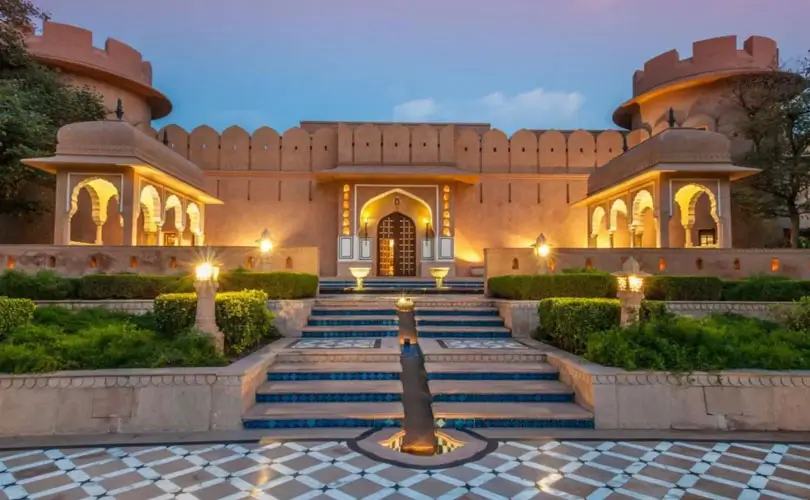
The room category matters almost as much as the hotel name. A basic room at a luxury property may not provide the view or premium features shown in promotional photographs. If a traveler is specifically paying for a Taj Mahal view, palace room, suite, or heritage category, the exact room name should appear in the booking documents.
Location affects value too. A cheaper hotel far outside central sightseeing areas may result in additional driving every morning and evening. In Delhi, traffic can make this particularly significant. A slightly more expensive hotel in a convenient location may save considerable time.
Cancellation terms vary by hotel and date. Peak-season bookings, festival dates, Christmas and New Year periods, wedding season, and special events can carry stricter conditions. Travelers should ask whether the tour operator's cancellation policy is separate from individual hotel cancellation penalties.
Breakfast inclusion should be stated. Many Indian hotels include breakfast in tourism packages, but this should never be assumed.
Hotel taxes should also be included or clearly identified. A quotation that lists only room rates before applicable taxes can create an unexpected final amount.
Payment is one of the most important stages of booking a reliable private tour in India. Travelers should know who is receiving the money, what the payment covers, and what happens if the trip is cancelled or materially changed.
A deposit is common for customized tours because hotels, vehicles, and guides may need to be secured in advance. The required percentage varies according to the operator, travel dates, hotel conditions, and total package value. A request for an advance payment is therefore not automatically a warning sign.
The important issue is documentation.
Before paying, travelers should receive a written quotation or booking summary showing the itinerary, total amount, inclusions, exclusions, hotel details where confirmed, payment schedule, and cancellation terms.
The payment recipient should correspond sensibly with the business or authorized payment arrangement. Travelers should be cautious when a commercial booking unexpectedly requires payment to an unrelated personal account with no explanation.
Card payments and established online payment methods can provide a clear transaction record, although processing fees may apply. Bank transfers are also common for higher-value international bookings, but travelers should verify beneficiary details carefully before sending funds.
Payment details should never be changed casually through an unexpected message. If new bank information arrives shortly before payment, verify it through a previously established communication channel.
After paying, request a receipt or written confirmation showing the amount received and remaining balance.
The final booking file should contain enough information to make the trip operational. This may include confirmed hotel names, airport pickup instructions, emergency contact information, vehicle arrangements, and the day-by-day itinerary.
Travel insurance should be purchased separately where appropriate. A tour operator's cancellation policy does not replace travel insurance. International visitors may have substantial exposure from flights, medical issues, delayed travel, lost luggage, and other events outside the ground operator's control.
Price differences are normal, but an unusually cheap private India tour quote deserves a detailed comparison. A lower price can be legitimate because the operator uses simpler hotels or a smaller vehicle, but travelers should understand exactly where the saving comes from.
A quotation that refuses to name hotels is a concern when accommodation represents a large part of the package price. The phrase “similar hotel” can be reasonable as a backup condition, but it should not permit unlimited downgrading.
Another concern is a quotation with no meaningful cancellation policy. International travel can involve significant advance payments, and travelers should know how refunds or cancellation charges are calculated.
Repeated pressure to pay immediately can also be problematic, particularly when no hotel or service deadline has been explained. Genuine limited availability can occur, especially during high-demand dates, but the operator should be able to explain what needs to be secured and why.
A proposed itinerary containing obvious operational mistakes deserves scrutiny. A Friday Taj Mahal visit, impossible road timings, or an airport drop scheduled without enough transfer time can indicate weak destination knowledge.
Poor communication around inclusions is another warning. If the operator repeatedly avoids answering whether tolls, parking, guides, or tickets are included, the final price may not be as transparent as it appears.
Guaranteed claims should be viewed carefully. No tour operator can guarantee that roads will never experience traffic, flights will never be delayed, weather will always be clear, or every attraction will remain open regardless of government restrictions and local events.
Professional operators can manage disruption; they cannot eliminate every external risk.
Before making the final payment, compare the written booking against the trip you believe you purchased. Confirm the exact travel dates, arrival flight, departure flight, number of travelers, room count, hotel names, room categories, meal basis, vehicle category, guide language, sightseeing schedule, and final drop location in one review.
Check the transport inclusions carefully. Fuel, tolls, parking, interstate charges, driver allowance, and driver accommodation should either be included or clearly marked as extra. Confirm any mileage or duty-hour limits and the applicable rate for additional use.
Review the hotels again. Make sure the booking does not replace a requested five-star hotel with a generic “deluxe property” description. If a specific view or room category matters, it should be written down.
Review monument tickets and guide services. “Sightseeing included” is not precise enough for an expensive private itinerary.
Read the cancellation conditions before paying the balance. Know the date after which higher cancellation charges begin.
Keep electronic copies of payment receipts and the itinerary accessible during the trip. It is also useful to keep the operator's main contact number separately from the driver's number so that operational problems can be escalated if necessary.
Golden Triangle Tours India can arrange private journeys using the traveler's actual arrival and departure schedule, preferred vehicle category, hotel level, guide requirements, and sightseeing interests. A detailed inquiry produces a more accurate quotation than a message asking only for the cheapest package.
The strongest booking is not necessarily the lowest-priced one or the most expensive one. It is the arrangement where the traveler can identify what has been purchased, understand what remains payable locally, and arrive in India knowing how the main parts of the journey will operate.
Check the company's consistent business details, written itinerary, exact inclusions, hotel names, vehicle information, payment terms, cancellation policy, and recent customer feedback. A reliable India tour operator should answer specific operational questions clearly before requesting payment.
Payment terms vary. Deposits are normal when hotels and other services must be secured, while the balance schedule depends on the operator and booking conditions. Do not pay until the itinerary, total amount, cancellation policy, and inclusions have been provided in writing.
Ask about the vehicle category, fuel, tolls, parking, interstate charges, driver allowance, driver accommodation, airport transfers, local sightseeing mileage, overtime, and extra-kilometre rates. Any excluded items should be identified clearly.
Many private Golden Triangle tours use the same driver for the road circuit, while professional local guides join separately in Delhi, Agra, and Jaipur. Confirm the transport structure before booking because operating models can differ.
Ask for exact hotel names and room categories in the written quotation. If substitutions are permitted, the booking terms should state that an equivalent standard will be used when the original property is unavailable.
Not always. Some complete packages include them, while transportation-focused packages leave tickets separate. Ask for a monument-by-monument inclusion list rather than assuming “sightseeing included” means admission is included.
An English-speaking guide can broadly cost around ₹1,500 to ₹4,000 or more per city or sightseeing session, depending on duration and expertise. Specialist and foreign-language guides may cost more.
Online booking can be practical when travelers verify the operator, receive written terms, use a traceable payment method, and retain receipts. Avoid sending money based only on informal promises without a clear itinerary and commercial documentation.
Compare the hotels, vehicle, guide services, tickets, tolls, parking, taxes, meals, and cancellation conditions. A cheap private India tour may simply exclude services included by other operators or use substantially lower-category accommodation.
Keep the confirmed itinerary, payment receipt, hotel information, inclusions and exclusions, cancellation terms, airport pickup instructions, operator contact details, and any service vouchers supplied for the trip. These documents make it much easier to resolve discrepancies during travel.