Holi is one of India’s most visually intense festivals, but it should not be treated like a normal sightseeing day with a few colors added to the schedule. Streets can become crowded, public celebrations can start early, colored powder and water may be thrown in busy areas, traffic patterns can change, shops may open late or close temporarily, and hotels often run their own controlled events for resident guests. For international visitors, this makes a private Holi tour in India a very different travel product from an ordinary Delhi, Agra and Jaipur package.
A good Holi itinerary needs three things: a city where the festival is worth experiencing, a controlled setting where the traveler feels comfortable participating, and enough buffer around the main celebration day so sightseeing does not become chaotic. Trying to land at the airport in the morning, join a street celebration at noon, and catch an evening intercity transfer is an unnecessarily difficult schedule. A private journey works better when the traveler reaches the destination beforehand, knows exactly where the celebration will happen, and has a dedicated driver available for the parts of the day when road access is practical.
Different cities create very different Holi experiences. Jaipur can offer hotel-based events, heritage settings and strong private-tour infrastructure. Delhi has large public celebrations and private events but can feel more intense. Mathura and Vrindavan are culturally significant for Holi but can become extremely crowded, and their festival calendar can extend across multiple days with different local traditions. Udaipur can suit travelers looking for a more premium Rajasthan experience with palace-style hotels and controlled festive events.
A private India Holi tour should therefore be built around the traveler’s tolerance for crowds, interest in photography, hotel category, comfort with public celebrations, and the number of days available. Couples, senior travelers, families and solo visitors may all prefer different versions of the festival.
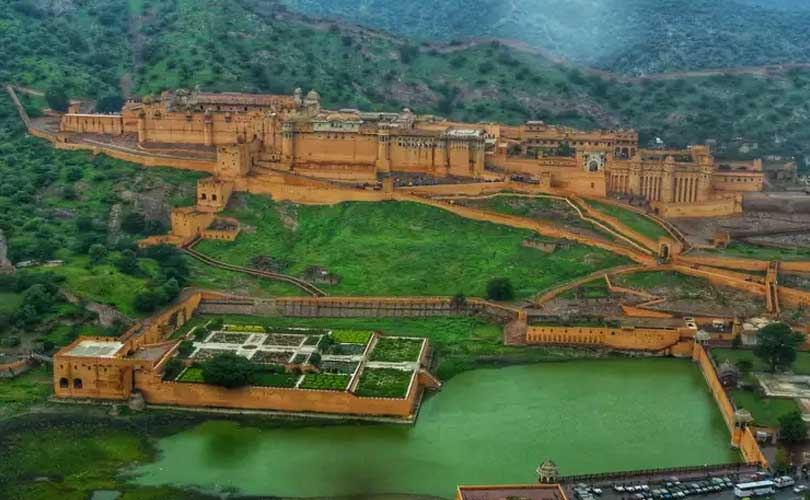
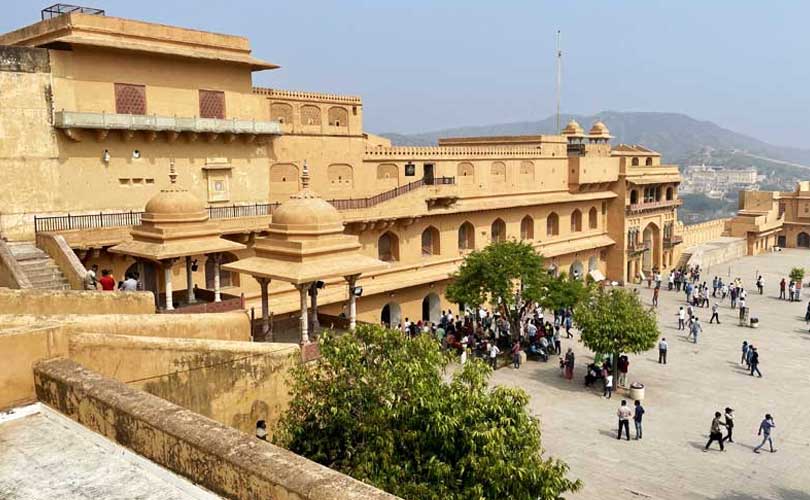
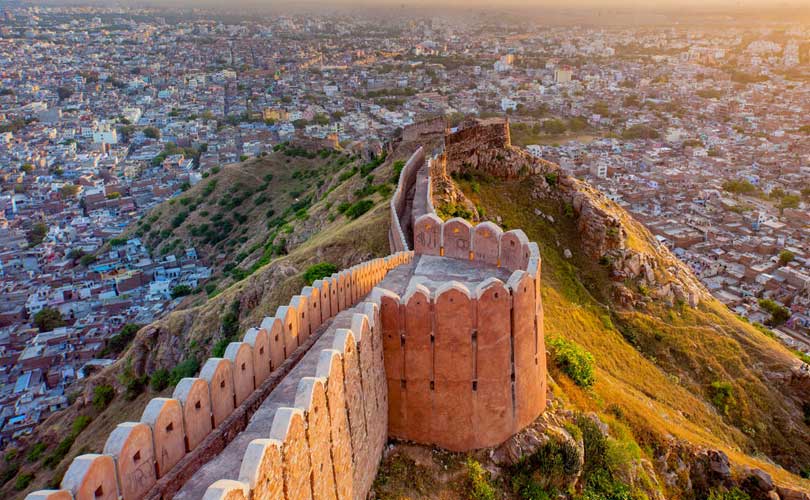
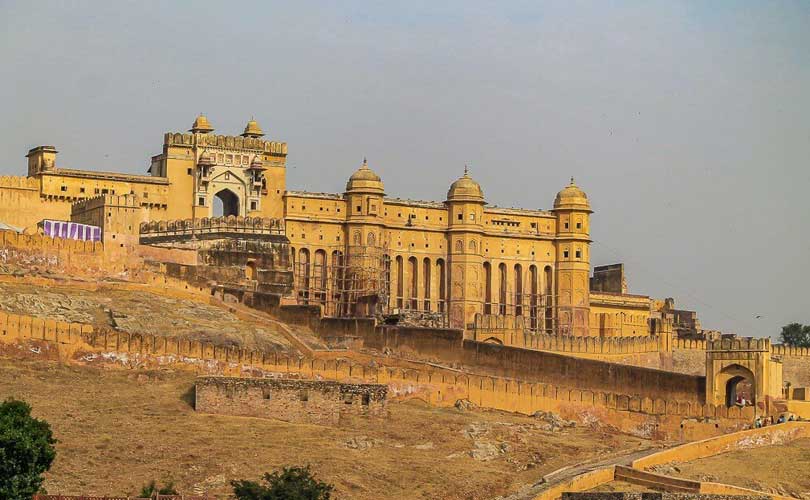
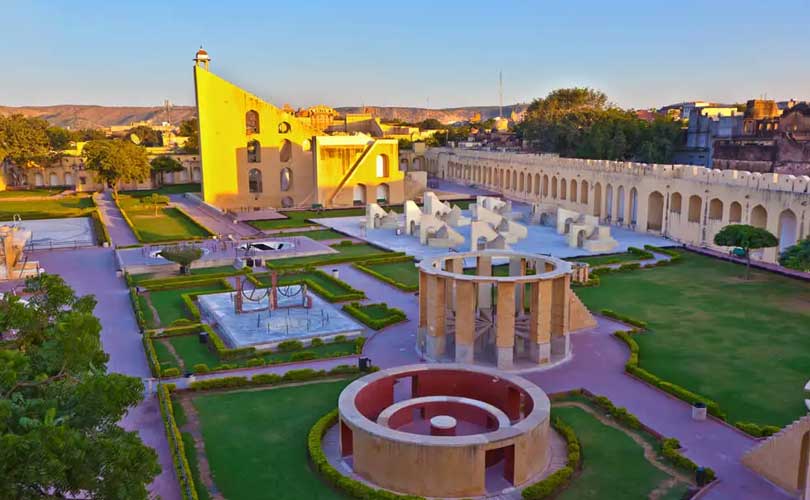
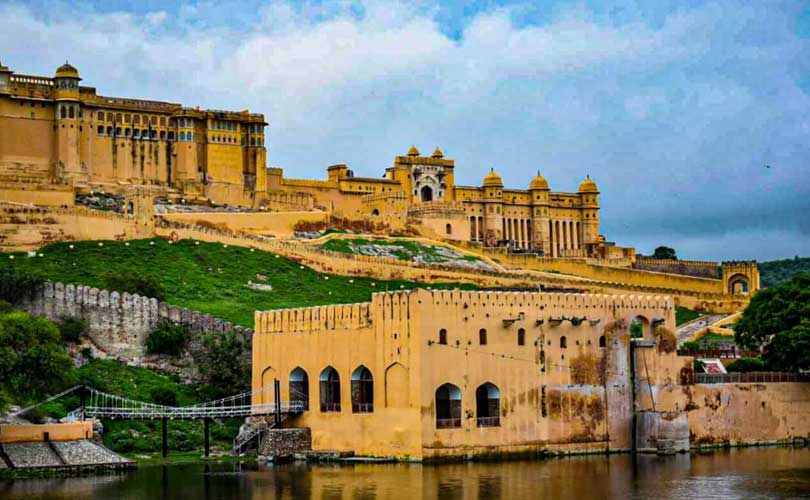
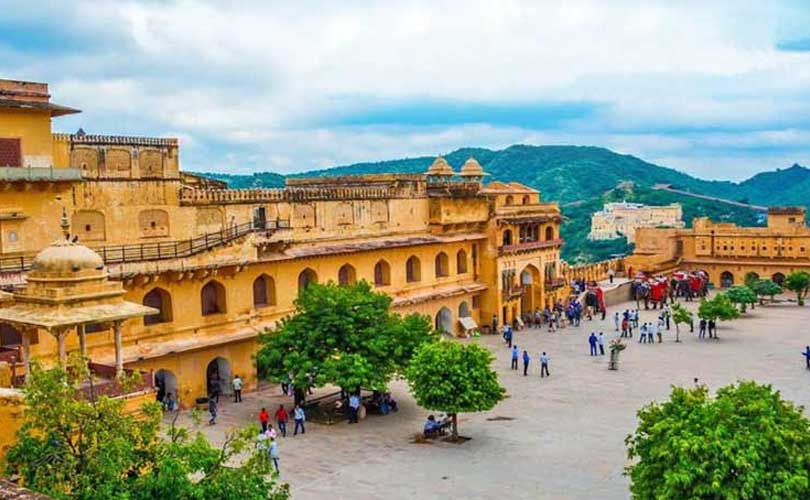
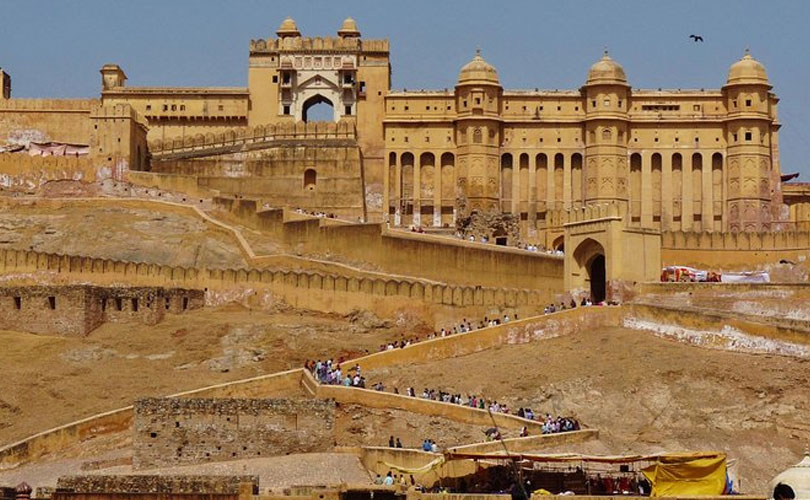
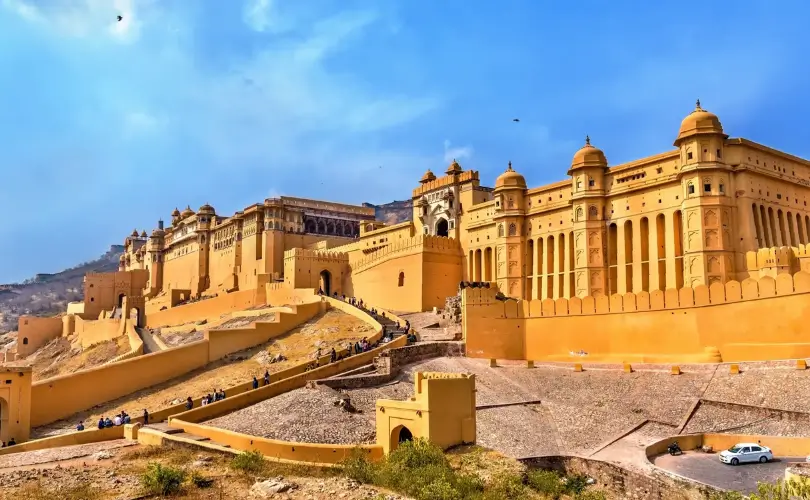
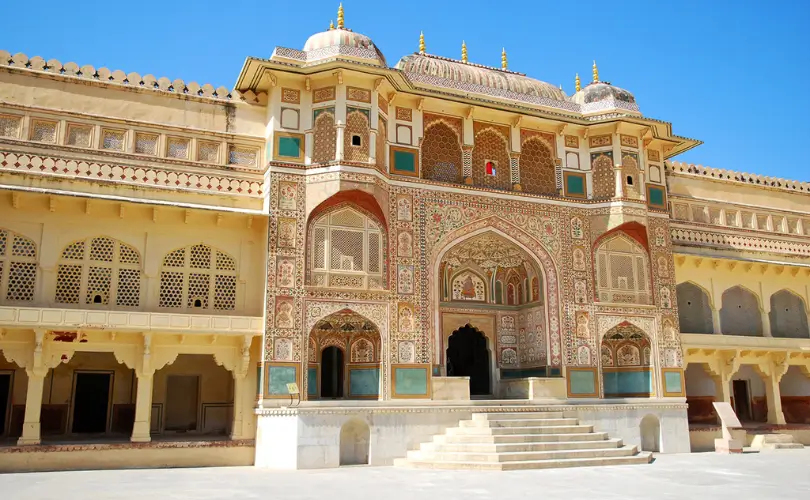
Jaipur is one of the strongest choices for an India Holi holiday because the city already has established private tourism infrastructure, premium hotels, large heritage properties and easy access to major sightseeing attractions before and after the festival day. International travelers can stay in one hotel, participate in a controlled celebration, and continue with Amber Fort, City Palace, Jantar Mantar and Hawa Mahal on another day without needing to change cities immediately.
A private Jaipur itinerary should normally place the main Holi celebration on a low-pressure day. Travelers can complete Amber Fort and the old-city monuments either before the festival or the following day, depending on monument openings and local conditions. A full private Jaipur sightseeing day with sedan can broadly cost around ₹3,500 to ₹5,000, while an Innova-type vehicle can cost approximately ₹5,000 to ₹7,000 and an Innova Crysta around ₹6,000 to ₹8,500 or more depending on duty hours and inclusions.
English-speaking guide fees can broadly fall around ₹2,500 to ₹4,500 or more for a full day, depending on duration and expertise. If the traveler wants a guide specifically familiar with festival areas or photography conditions, that should be requested before arrival.
Hotels are one of the main costs during Holi. A good four-star room can broadly cost ₹7,000 to ₹15,000 per night, while five-star hotels can cost around ₹15,000 to ₹30,000 or more. Premium heritage and palace-style properties can easily reach ₹30,000 to ₹70,000 or more per night, especially when festive demand is strong.
Many hotels create their own Holi events with dry colors, music, snacks, lunch or cultural entertainment. These can be useful for international visitors who want to participate without entering the most crowded public areas. Event pricing varies, but premium hotel celebrations can cost around ₹2,500 to ₹7,500 or more per person, while luxury properties can charge higher package rates depending on food, entertainment and access.
The advantage of a hotel-based Holi event is control. Guests know where they are going, can return to their room to shower and change, and do not need to remain in a public crowd when they have had enough. For couples, families and senior travelers, this can be far more comfortable than spending hours in a dense street gathering.
After the celebration, the remainder of the day should stay light. Colored powder, sun exposure, music, movement and early-morning activity can make travelers tired. A late lunch, hotel rest and quiet evening usually work better than immediately adding Nahargarh Fort and a long dinner transfer.
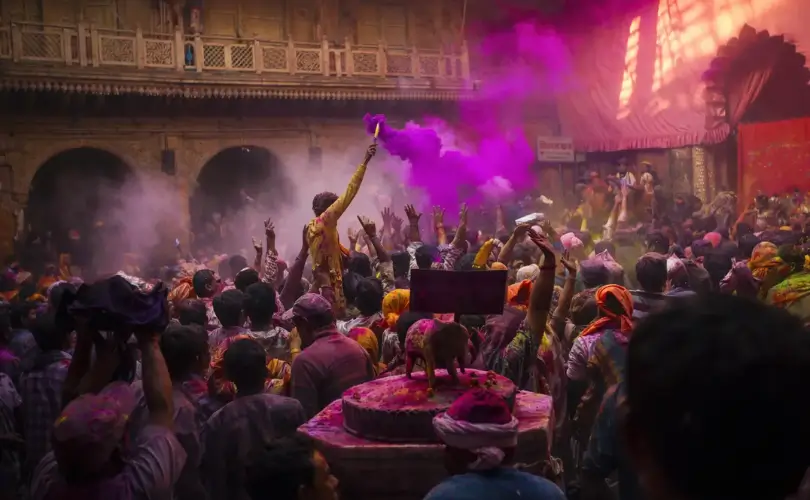
Mathura and Vrindavan are among the most famous Holi destinations in India because of their religious association with Krishna traditions. However, a Mathura Vrindavan Holi tour is not automatically the best choice for every international traveler.
Crowds can be extremely dense, and local celebrations can begin several days before the main Holi date. Different temples and towns may have their own event schedules, so travelers should not assume that one universal “Holi day” applies everywhere.
Road access can become slow, and vehicles may not be able to reach close to the main celebration areas. Significant walking may be required.
For photographers, the visual intensity can be extraordinary, but camera protection becomes essential. Colored powder can damage lenses, buttons and moving parts. Water can create additional risk.
Travelers should also be realistic about personal space. Public Holi celebrations can involve people applying color directly to others. A visitor uncomfortable with physical interaction or dense crowds may prefer a controlled hotel event elsewhere.
A private driver can bring travelers to the practical access point, but the driver cannot remove local crowd conditions. A professional guide familiar with the festival area can be valuable because road restrictions, temple timings and local movement patterns can change.
The travel time from Delhi to Mathura is commonly around three hours or more, depending on traffic and exact destination. Vrindavan is nearby, but festival congestion can make short local distances take much longer.
A same-day Delhi departure followed by a major Holi event and same-night return is possible in theory, but it creates a very long and unpredictable day. An overnight stay nearby can be more practical for travelers specifically prioritizing Mathura or Vrindavan.
Hotel supply and standards vary more than in Delhi or Jaipur, so premium travelers should inspect the exact property rather than relying only on star labels.
Delhi offers a very different Holi experience for international tourists. The city has private parties, hotel events, residential celebrations and some public gatherings, but the scale and intensity vary greatly by area.
For visitors staying in Delhi before a Golden Triangle tour, it can be convenient to remain in the same hotel and attend a controlled event nearby. This avoids moving luggage or making a long road transfer on the festival day.
A private sedan with driver for normal Delhi sightseeing can broadly cost around ₹3,500 to ₹5,500 per day, while larger vehicles cost more. On Holi itself, standard sightseeing service may not operate in exactly the same way because road access, business hours and driver availability can differ. The service should therefore be confirmed specifically for the festival date rather than assumed from a normal daily car rate.
Luxury hotel Holi events can cost several thousand rupees per person and may include food, music and controlled colors. The exact package can vary considerably.
One major advantage of Delhi is hotel choice. Good four-star rooms can broadly cost around ₹7,000 to ₹15,000, while five-star hotels can cost ₹15,000 to ₹30,000 or more. Premium hotels can go substantially higher depending on location and date.
The disadvantage is city scale. A restaurant, private event and hotel that look close on a map can become difficult to connect when traffic patterns change.
For that reason, a private Delhi Holi tour should keep the festival program geographically compact.
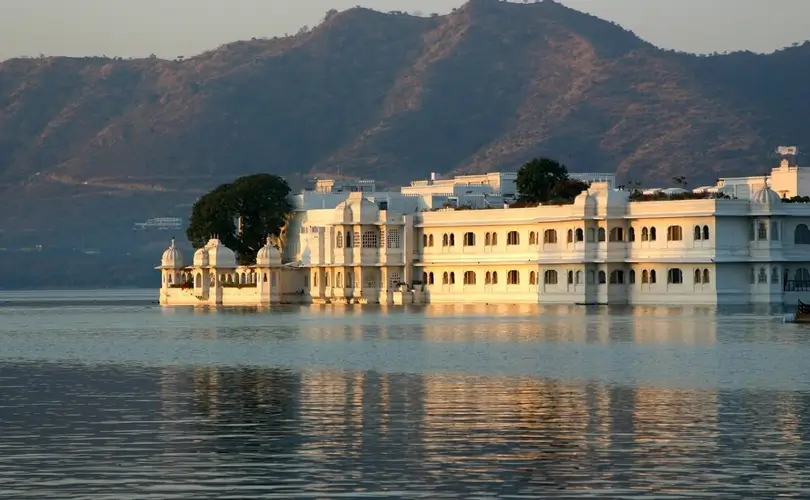
Udaipur can suit couples and luxury travelers who want the festival without the intensity of the biggest street gatherings. The city’s palace hotels, lake-facing properties and heritage settings can create a more controlled luxury Holi tour in India.
Some premium hotels and event venues arrange music, colors and festive meals for residents or ticketed guests. These experiences can be more expensive than local public celebrations but offer better access to hotel facilities, private transport and changing areas.
A four-star room in Udaipur can broadly cost around ₹8,000 to ₹16,000 per night, while five-star lake or palace hotels can range from ₹20,000 to ₹50,000 or more. Top luxury properties can exceed ₹60,000 to ₹100,000 per night depending on room category.
A private Holi event at a luxury property can cost ₹4,000 to ₹10,000 or more per person, and premium packages may be much higher.
For honeymooners and couples, Udaipur can be particularly attractive because the days around Holi can include private dining, lake experiences and heritage sightseeing.
The cost of a private Holi tour in India depends heavily on hotel choice and event style.
For two travelers spending six or seven nights across Delhi, Agra and Jaipur with good four-star hotels, private transportation and local guides, a practical ground budget can broadly reach ₹1,20,000 to ₹2,00,000 or more.
If the itinerary includes Holi event tickets, stronger hotels and premium private services, the total can move toward ₹1,80,000 to ₹2,75,000 or more.
A five-star route can easily reach ₹2,50,000 to ₹4,50,000 or more for two travelers. Premium palace hotels, luxury event access, private photography support and higher-end dining can take the total much higher.
The vehicle cost itself remains relatively predictable. A five-day Golden Triangle sedan can broadly cost ₹20,000 to ₹30,000, an Innova-type vehicle around ₹30,000 to ₹45,000, and an Innova Crysta around ₹35,000 to ₹50,000 or more.
Festival-day chauffeur service may have special timing conditions, so the quotation should specify whether the driver is available before, during or only after the main celebration.
A proper private Holi tour package should clearly state the hotel, room category, airport pickup, chauffeur service, sightseeing days and the actual Holi experience being provided.
If the festival event is hotel-based, the package should identify whether entry, colors, food, drinks and entertainment are included.
If the experience is in a public or religious area, the quotation should explain where the car drops guests, whether a guide accompanies them and how the return pickup works.
Professional guide services should be listed separately.
Monument tickets are normally separate unless specifically included.
Meals outside the event package should be identified as included or excluded.
Hotel festive supplements should be disclosed before payment.
Travelers should assume that clothing worn during Holi may be permanently stained.
Expensive clothing should stay at the hotel.
Simple cotton garments are often the most practical.
Shoes should be comfortable and not valuable.
Sunglasses can help protect the eyes from airborne powder, though travelers should still avoid allowing color to be thrown directly into the face.
A small waterproof pouch can be useful for cash and essential items.
Phones and cameras should be protected carefully.
Travelers should not carry passports, large wallets or unnecessary valuables into crowded festival areas.
Holi can produce extraordinary photographs, but it is also one of the most difficult environments for camera equipment.
Powder can enter lenses, buttons and camera bodies. Water can create an even greater risk.
A Holi photography tour in India should include realistic equipment protection.
A rain cover, sealed camera bag, simple protective wrap and limited lens changes can help.
Travelers should avoid changing lenses in the middle of a dense powder-filled celebration.
A compact camera or phone inside a protective case may be more practical than carrying an expensive multi-lens setup into the most intense crowd.
Professional or commercial photography can also require additional permissions in some private venues.
A hotel-based or private event is usually better for families with young children and senior travelers than a dense public street celebration.
Children may enjoy colors and music but become overwhelmed by noise and crowds.
Senior travelers may prefer to participate for an hour and then return to the hotel.
A family-friendly Holi tour in India should therefore use controlled access and short transport distances.
The itinerary should also avoid a long road transfer immediately after the celebration.
Solo women can experience Holi, but the setting matters.
A reputable hotel event, organized private celebration or guided small-group experience provides more structure than entering an unknown public crowd alone.
The traveler should have transport confirmed before the event begins.
A guide or known host can be particularly useful when entering a crowded festival area.
This does not remove every risk, but it reduces uncertainty.
Travelers with very sensitive skin should test caution with colored powders.
Not every product sold locally has the same composition.
Hotels and controlled events may use better-quality dry colors, but travelers should still avoid getting powder directly into the eyes or mouth.
Contact lens wearers may prefer glasses during the event.
After the celebration, showering and changing into clean clothes can reduce skin irritation.
People with respiratory sensitivity should be cautious in dense powder clouds.
A seven-night itinerary works well for Delhi, Agra and Jaipur when one city is selected as the main Holi base.
The traveler should arrive in the festival city at least one day before the major celebration.
The day after Holi should remain light.
Nine or ten nights gives more flexibility and allows Udaipur or another Rajasthan destination to be added.
A rushed four- or five-day itinerary is less suitable because the festival itself can consume almost a full day.
The exact Holi date and local event schedule should be confirmed.
The hotel and room category should be named.
The festival event should be identified clearly.
Private vehicle availability on Holi day should be stated.
Guide services should specify whether the guide accompanies the traveler during the celebration.
Any hotel gala or event supplement should be disclosed.
Event entry fees should be included or listed separately.
The traveler should know what colors, meals, drinks and entertainment are covered.
Payment and cancellation terms should be read carefully because festival hotels and special events can use stricter policies.
Golden Triangle Tours India can arrange private Holi tours in Delhi, Jaipur, Agra and Rajasthan according to the traveler’s preferred celebration style, hotel category, transport requirements and comfort with public crowds.
A successful Holi trip is not the one where the traveler gets covered in the most color. It is the one where the festival feels memorable, culturally grounded and comfortable enough that the rest of the India journey remains enjoyable.
Jaipur is one of the most practical choices for international visitors because it combines private hotels, controlled celebrations, heritage sightseeing and strong chauffeur infrastructure. Mathura and Vrindavan are more intense and culturally significant.
They can be, but travelers should expect very large crowds, road restrictions, close physical interaction and long walking periods. A guide and pre-arranged transport are strongly advisable.
A six- or seven-night private Delhi, Agra and Jaipur trip for two travelers can broadly cost ₹1,20,000 to ₹2,00,000 or more, while premium five-star versions can reach ₹2,50,000 to ₹4,50,000 or more.
Good private or hotel events can broadly cost around ₹2,500 to ₹7,500 per person, while luxury properties may charge ₹4,000 to ₹10,000 or considerably more.
Yes, but a hotel-based or controlled Holi event is usually better for children and senior travelers than a dense public street celebration.
Yes, but service hours and road access can differ from normal days. The chauffeur arrangement should be confirmed specifically for the festival date.
Only with proper protection. Powder and water can damage cameras, and lens changes in a dense Holi crowd are risky. A protected phone or simpler camera can be more practical.
Wear simple comfortable clothes and shoes that can tolerate permanent staining. Avoid expensive clothing and carry as few valuables as possible.
Yes, but organized hotel events, guided private experiences or reputable controlled celebrations are generally more practical than entering an unknown public crowd alone.
Confirm the exact festival date, hotel, event type, chauffeur availability, guide support, event inclusions, festive supplements, payment terms and cancellation conditions before paying.