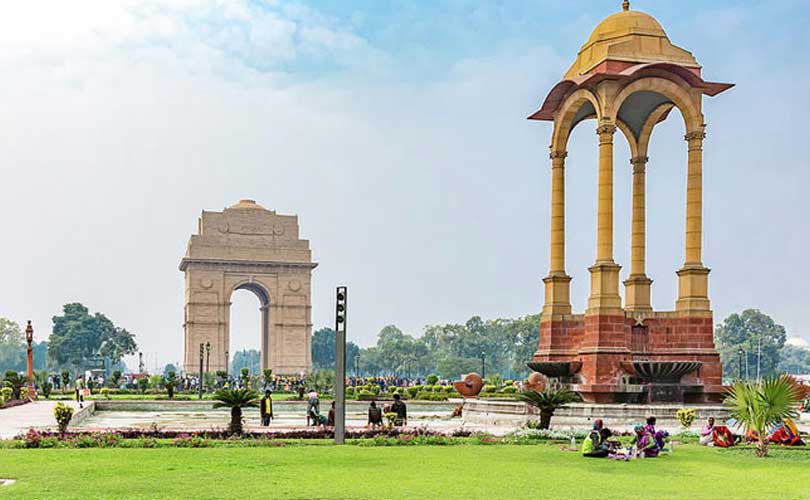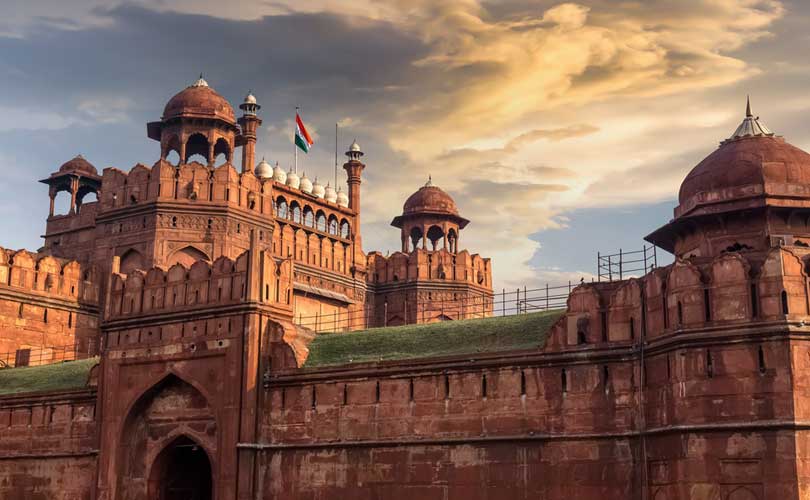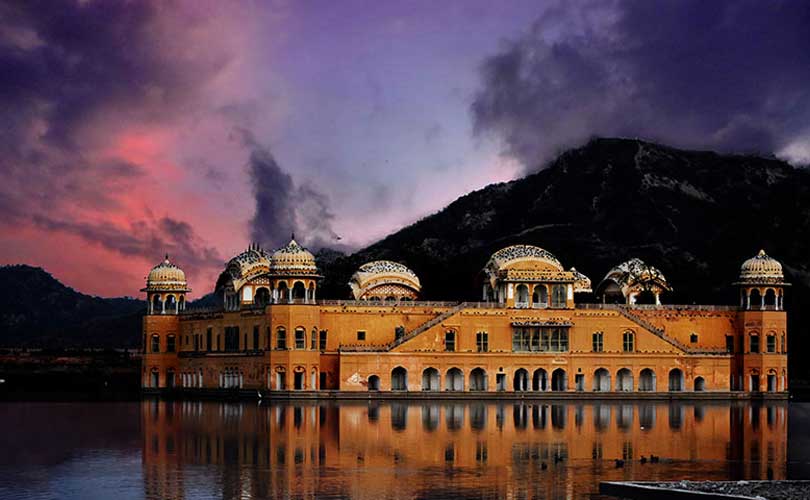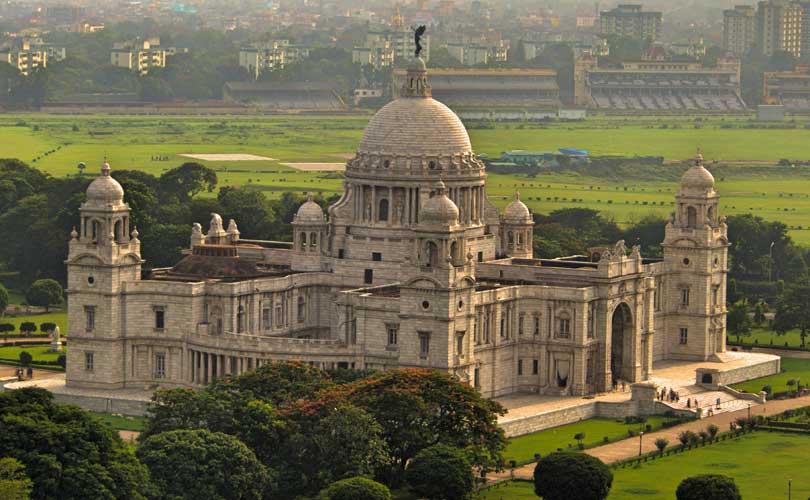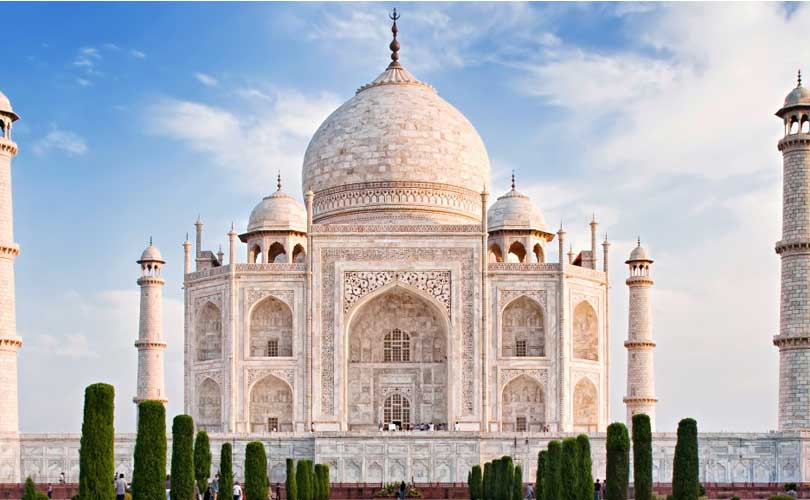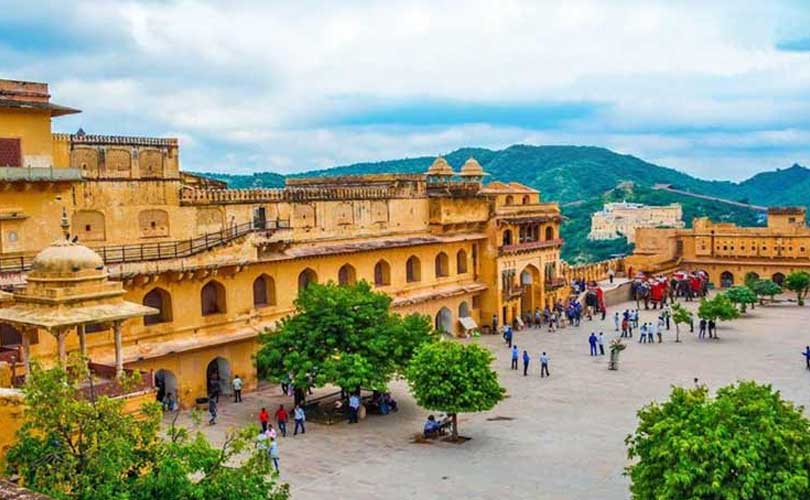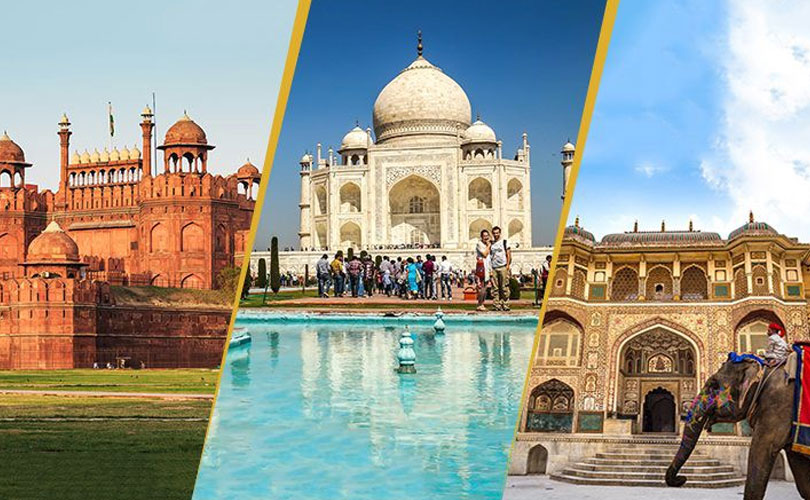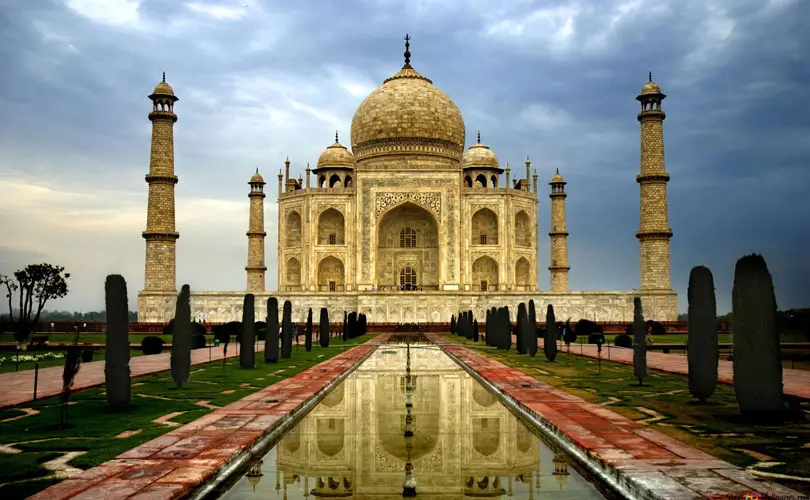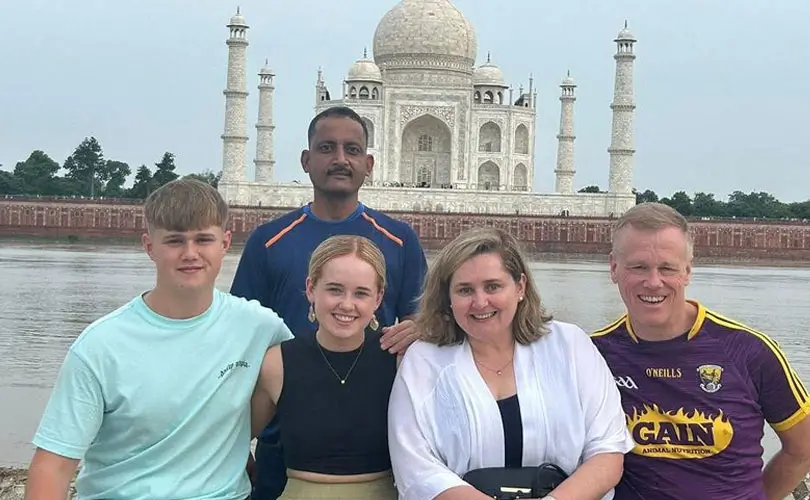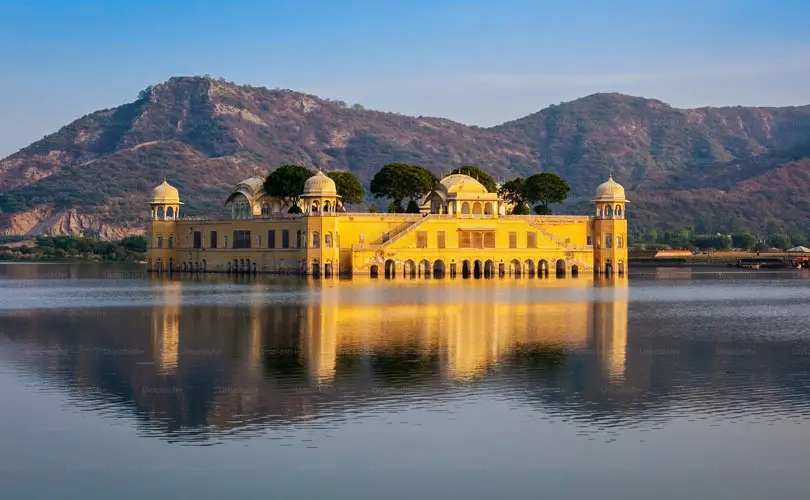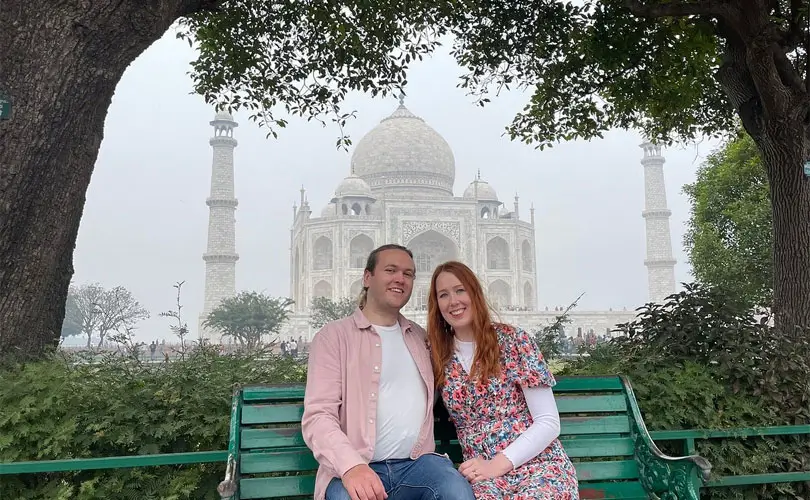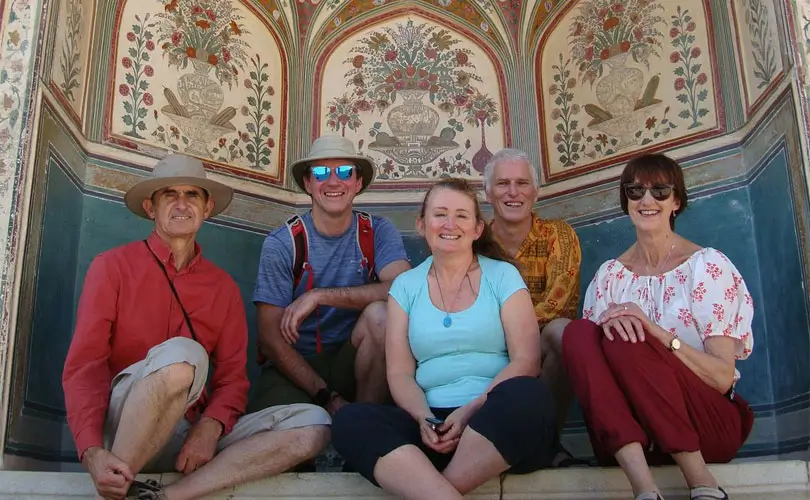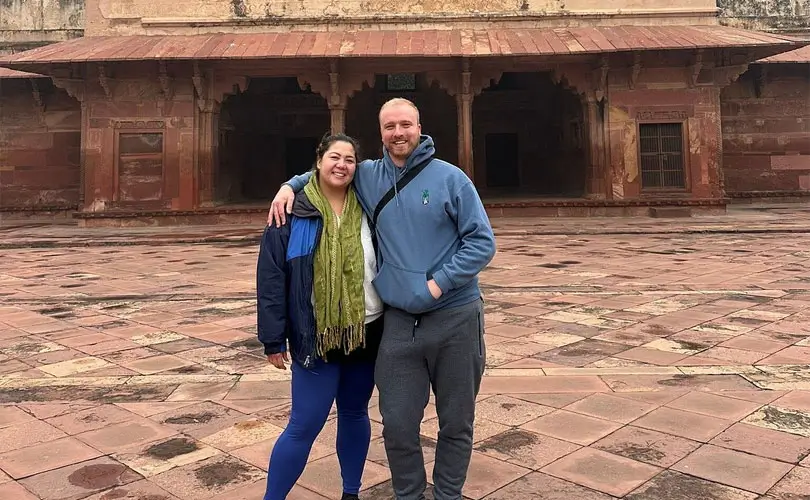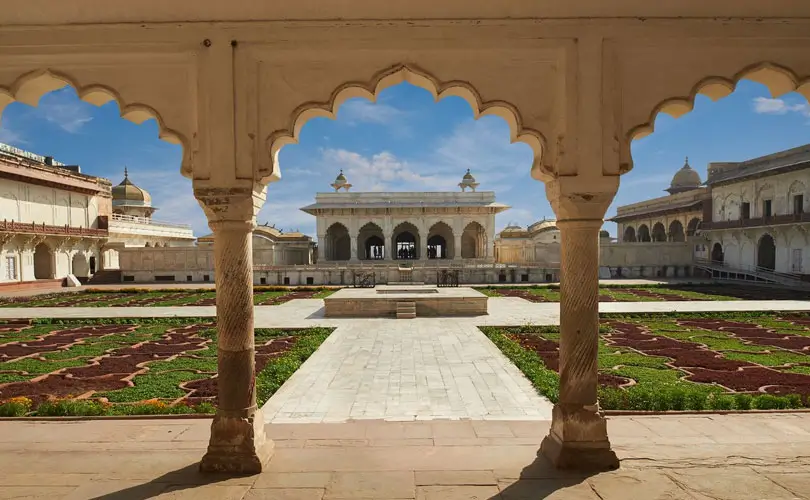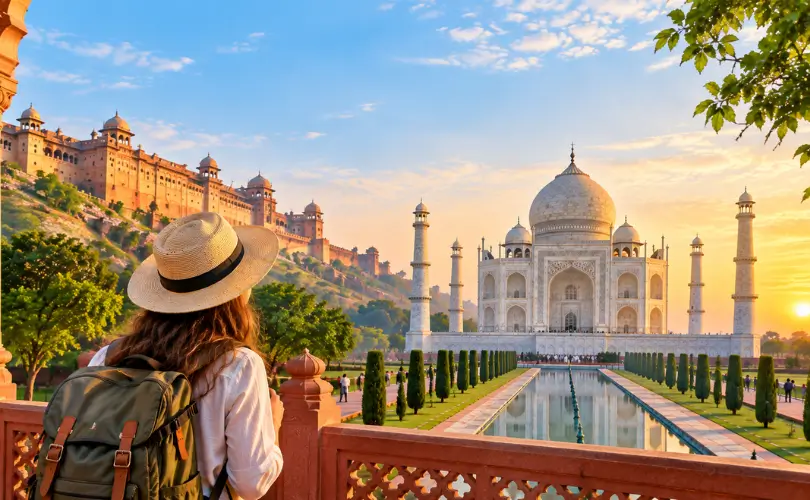
The Golden Triangle connects Delhi, Agra and Jaipur through one of India's most popular travel routes. The cities remain the same whether a traveler books a shared group departure or hires a private car and driver, but the experience can be very different.
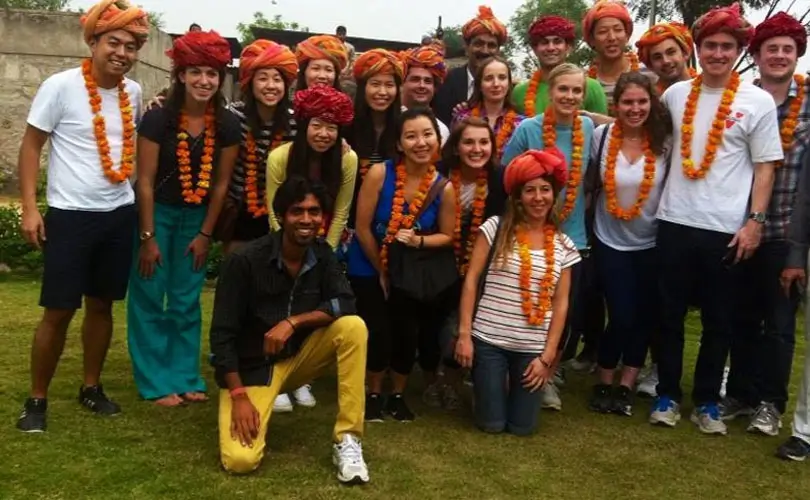
A Golden Triangle group tour normally operates around a predetermined schedule. Travelers share transport, follow established sightseeing times and move through the route with other participants. This structure can reduce the per-person cost and suits visitors who enjoy meeting other travelers.
A private Golden Triangle tour works around one traveler, couple, family or personal group. The vehicle is not shared with unrelated passengers, departure times can usually be adjusted within practical limits, and the itinerary can be tailored more closely to the travelers' interests.
Neither format is automatically better for every visitor.
A solo traveler who enjoys social interaction may prefer a group departure. A couple celebrating an anniversary may value the privacy of a dedicated car. Parents traveling with children may need flexible meal and rest times. Older visitors may prefer a slower sightseeing pace, while friends traveling together may want private transport without paying for a luxury experience.
The correct decision becomes much easier when travelers compare the details that actually affect each day: Golden Triangle tour cost, hotel standard, vehicle space, sightseeing pace, guide arrangements, luggage, meals, shopping stops and the ability to make reasonable changes.
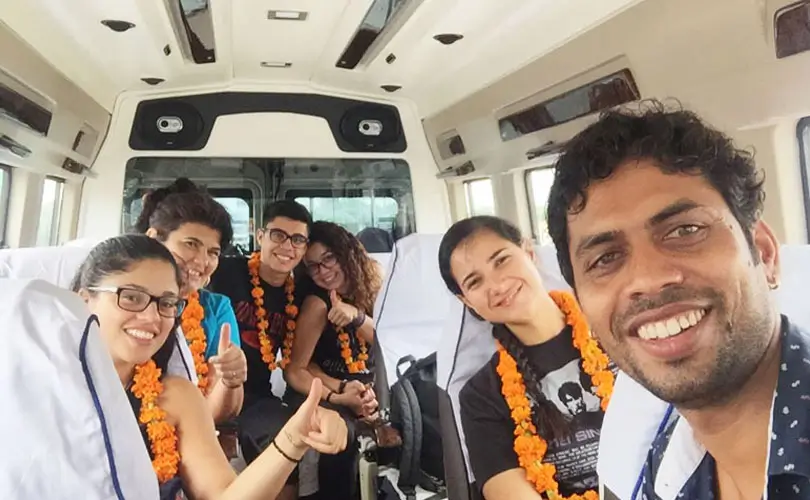
A group tour of Delhi, Agra and Jaipur brings multiple travelers together under one scheduled itinerary. The group may travel in a minibus, coach or another shared vehicle depending on the number of participants.
The biggest operational difference is that the schedule belongs to the group rather than one individual traveler.
If departure from the Delhi hotel is set for 8:00 a.m., everyone needs to be ready around that time. If the group has ninety minutes at a monument, one participant cannot normally decide to stay for another two hours while everybody else waits.
That structure can be an advantage.
A traveler does not have to make repeated decisions about what time to leave, how long to stay or which route to take. The itinerary has already been organized, and the tour leader or guide manages the day's movement.
Group travel can also create a social atmosphere. Solo travelers, in particular, may appreciate having other people to talk with during long road journeys and meals. A six-day trip can result in genuine friendships between people who would never otherwise have met.
Cost is another attraction.
Transportation and guiding expenses are distributed across multiple participants. A coach carrying twenty travelers does not require each passenger to pay the full operating cost of a private vehicle. This can make a budget Golden Triangle group tour attractive to visitors who want an organized itinerary without paying for individual transportation.
The trade-off is reduced flexibility.
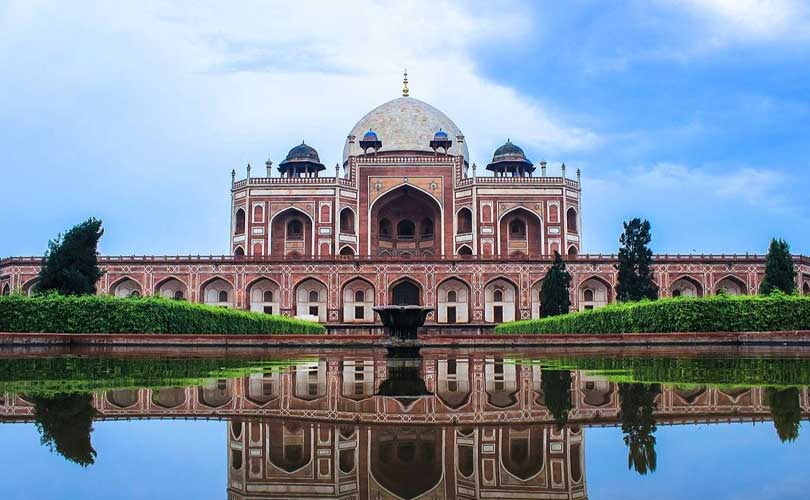
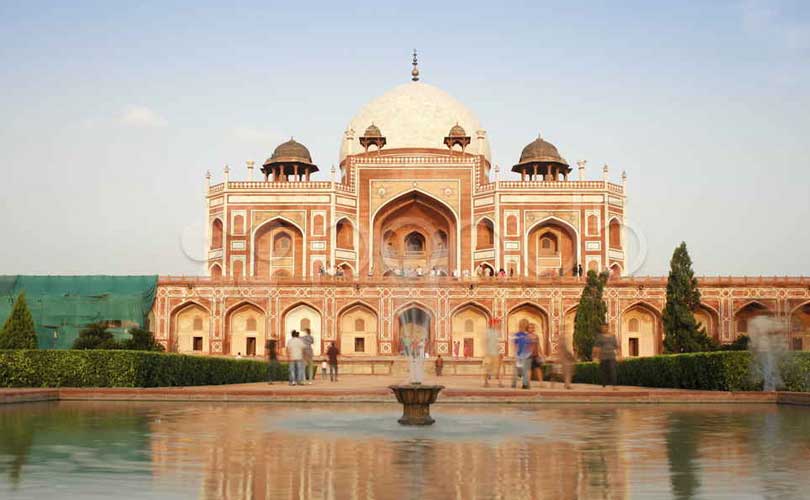
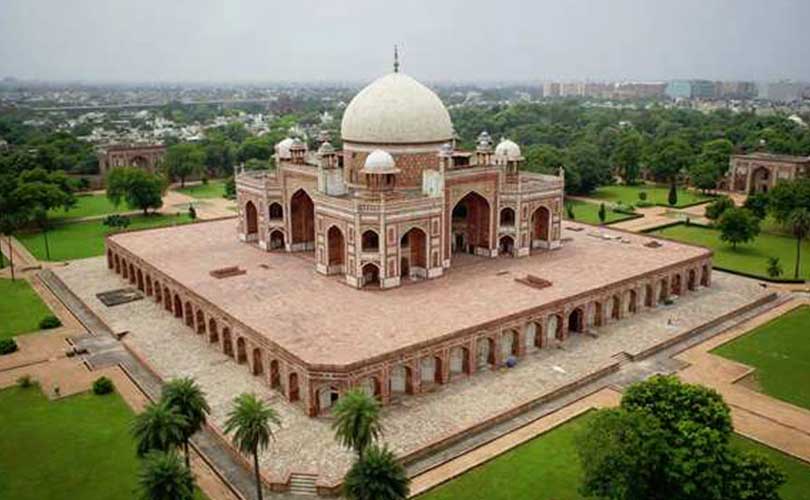
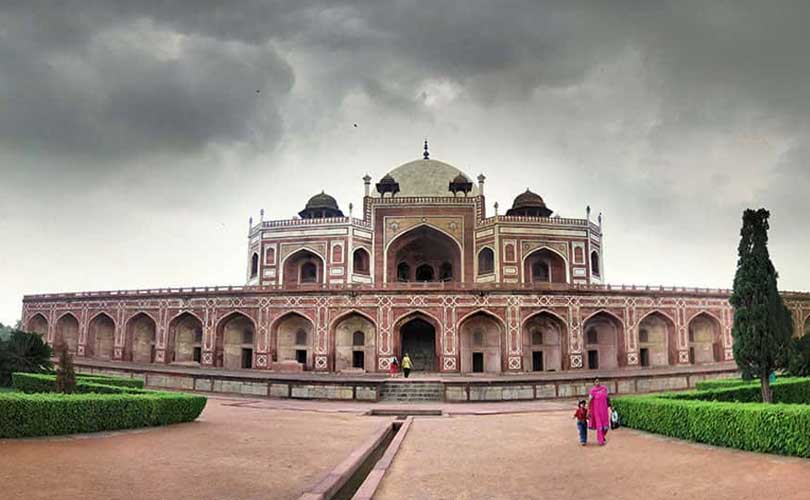
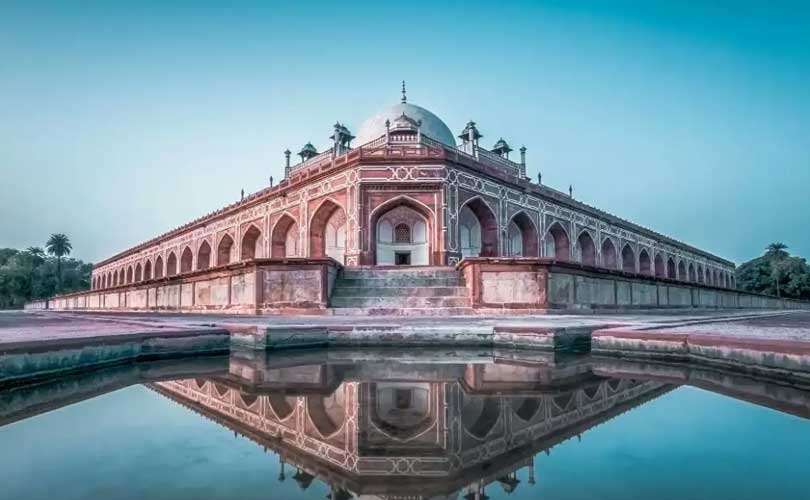
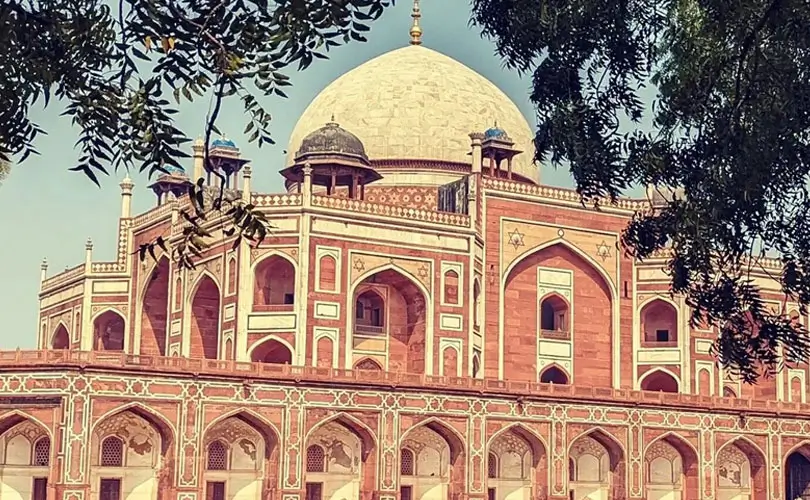
Suppose the group reaches Humayun's Tomb in Delhi and one traveler is particularly interested in Mughal architecture. The itinerary may still require everyone to leave at the scheduled time.
The opposite can also happen. A traveler may have little interest in shopping but could find that the scheduled group itinerary includes a commercial stop.
Morning routines matter as well. Someone who enjoys sleeping late may dislike early departures. Another traveler may prefer beginning sightseeing at sunrise and find a 9:00 a.m. group departure frustrating.
Hotel pickups can also take time when travelers are staying at several properties. A direct private departure might take one couple from their hotel straight toward the first attraction, while a group arrangement may involve collecting other participants.
Group tours therefore work best for people who value structured India travel and are comfortable compromising on pace in exchange for shared costs and a social environment.
Experience Delhi, Agra and Jaipur without being tied to someone else’s schedule. Choose a private Golden Triangle journey for the freedom to decide when to start your day.
A private Golden Triangle tour generally means the vehicle and travel arrangements are reserved for the booking party rather than shared with unrelated tourists.
For a couple, that may mean a sedan with a dedicated driver. A family may use a larger SUV or van. A private group of friends can use a suitable vehicle based on passenger and luggage requirements.
The biggest benefit is not luxury. It is control over time.
If a couple wants to leave Delhi at 8:30 a.m. instead of 7:30 a.m., that may be possible when it does not conflict with monument opening hours or the day's route. If parents need a short stop because a child is tired, the vehicle can stop when appropriate.
A private tour can also respond better to different interests.
Someone interested in photography may want additional time at the Taj Mahal. A history enthusiast may prefer spending longer at Agra Fort. A shopper may want extra time in Jaipur's markets, while another traveler may want no shopping stops at all.
These preferences are easier to accommodate when twenty other passengers are not waiting.
Privacy during road journeys is another meaningful difference. Delhi to Agra takes several hours by road, as do Agra to Jaipur and Jaipur to Delhi. In a private vehicle, travelers can talk freely, rest, make an appropriate comfort stop or simply sit quietly.
The driver becomes an important part of the experience.
A professional Golden Triangle private driver handles the intercity route, hotel pickups, parking and daily transportation. The traveler does not need to arrange a new taxi every morning or negotiate every journey separately.
This does not mean the driver automatically replaces a qualified local guide. Driving and professional guiding are different services. Travelers seeking detailed historical interpretation should confirm whether local guides in Delhi, Agra and Jaipur are included in the tour price.
Private travel can also make hotel selection more flexible.
Some group departures use fixed hotels because the operator has arranged rooms for the entire group. A private traveler may be able to select a preferred category or particular property, subject to availability and the package structure.
The trade-off is price.
One couple hiring a dedicated vehicle and private services cannot divide those costs among twenty unrelated passengers. A private Delhi Agra Jaipur tour will therefore often cost more per person than a large shared group departure offering comparable basic services.
For many travelers, the question is whether the additional control is worth the difference.
Price comparisons become misleading when travelers compare only the headline number.
A group package advertised at a low rate may include transportation and basic sightseeing but exclude monument tickets, some meals, airport transfers, gratuities or optional activities. A private package may appear more expensive while including airport pickup, an air-conditioned vehicle, tolls, parking, driver allowance and local guides.
The correct comparison is the total Golden Triangle trip cost for equivalent services.
Consider a hypothetical five-night journey.
A shared group package using straightforward three-star accommodation might cost approximately 30,000 - 50,000 per person, depending on group size, hotel standard, included meals and services.
A comfortable private arrangement for two travelers might fall around 45,000 - 75,000 per person when accommodation, a dedicated vehicle and stronger service levels are included.
A higher-end private tour using premium hotels can move beyond 80,000 - 150,000 per person, while true luxury accommodation can push the amount considerably higher.
These figures are practical reference ranges rather than fixed package prices. Travel dates, room category, vehicle type and hotel availability can change the cost substantially.
Solo travelers face an important calculation.
A private vehicle that costs the same whether one or two people sit inside becomes relatively expensive for a single passenger. Hotel rooms also create a single supplement issue because one traveler occupies a room that could otherwise accommodate two people.
A group departure can therefore provide significant financial value for a solo visitor.
Couples see the equation differently. Two people share one hotel room and the cost of one private vehicle. The per-person premium for private travel can become much more reasonable.
Families may find private travel even more attractive. If two adults and two children share suitable accommodation and transportation, the cost difference between four group seats and one private arrangement may be smaller than expected.
Always ask what the quoted price includes:
A quotation should make these items clear before payment.
The cheapest Golden Triangle tour is not necessarily the one with the lowest advertised price. It is the one that delivers the required standard without unexpected costs appearing throughout the journey.
Delhi, Agra and Jaipur contain far more attractions than a visitor can properly see in a few days. How quickly the tour moves therefore matters almost as much as which monuments appear on the itinerary.
A group itinerary may allocate fixed periods to major sites because the entire day has to remain on schedule.
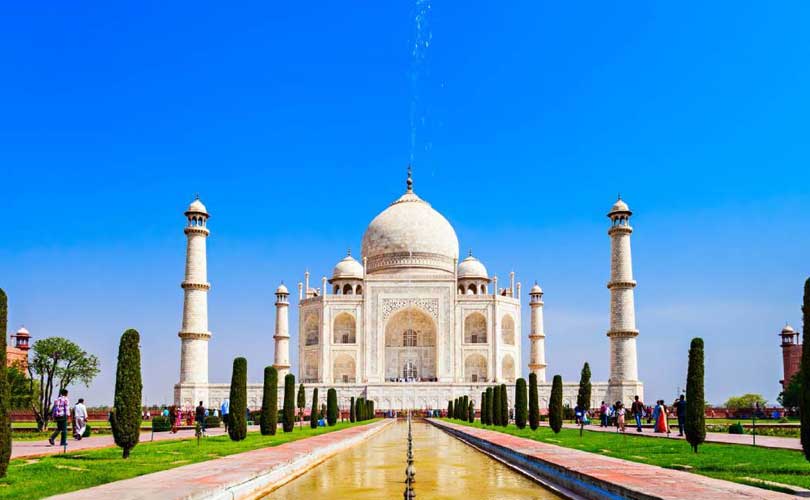
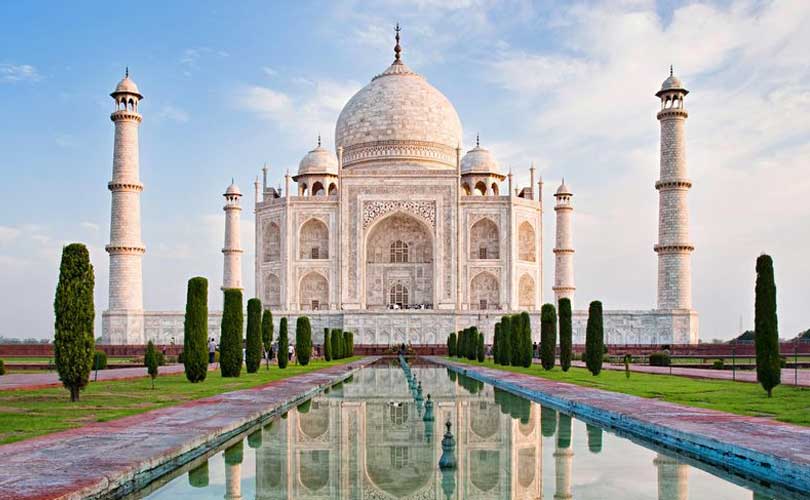
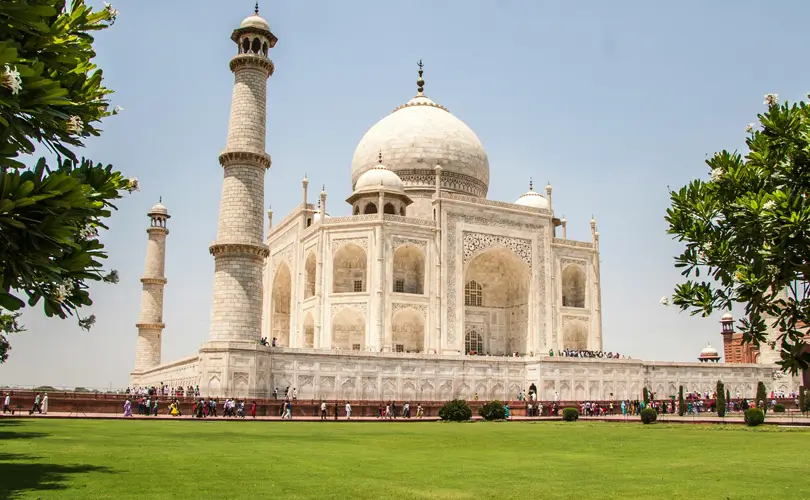
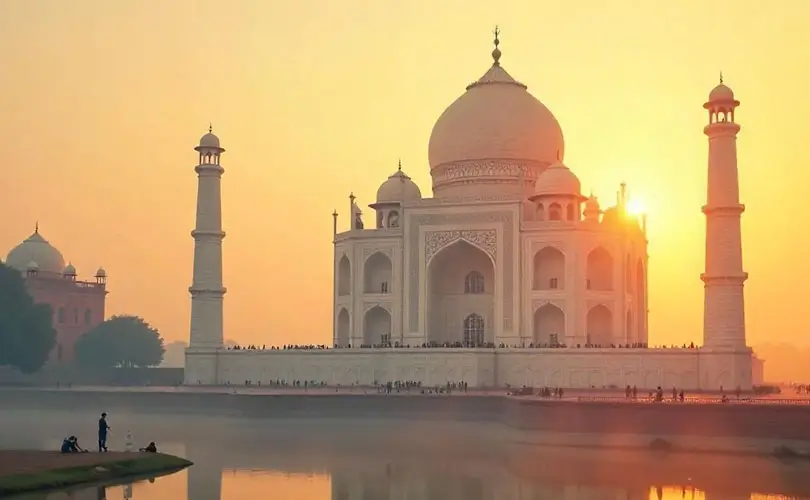
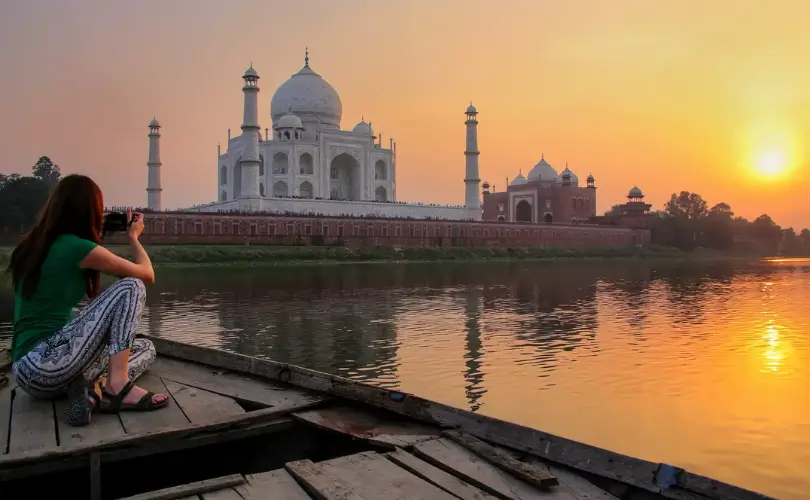
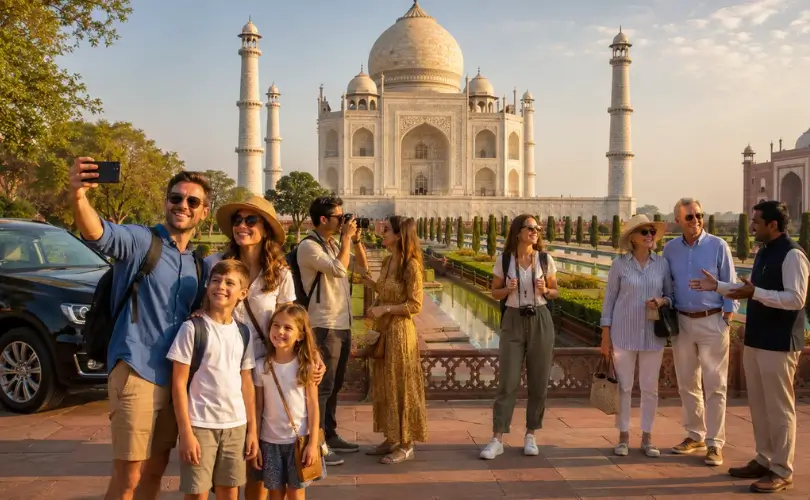
At the Taj Mahal, for example, one traveler may be satisfied after an hour and another may want significantly longer for photography and architecture. On a group departure, both normally leave together.
A private Taj Mahal tour provides greater control within the site's operating rules. If the traveler wants an early arrival and additional time inside the complex, the rest of the day can often be arranged around that preference.
Jaipur presents a similar issue.
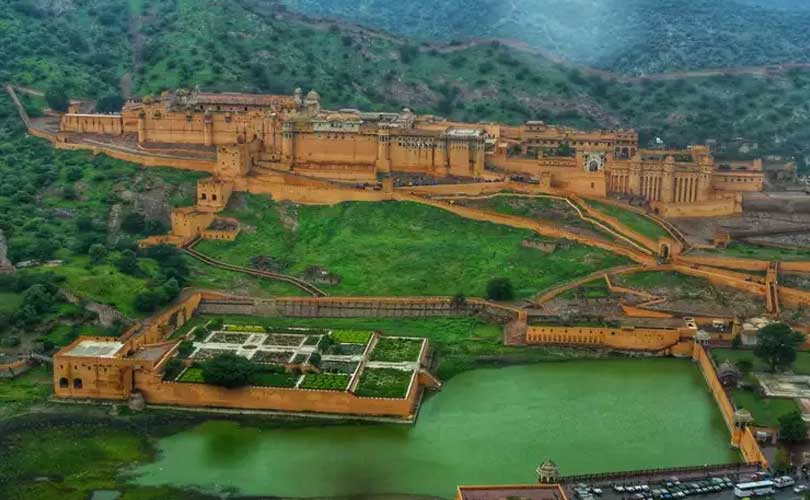
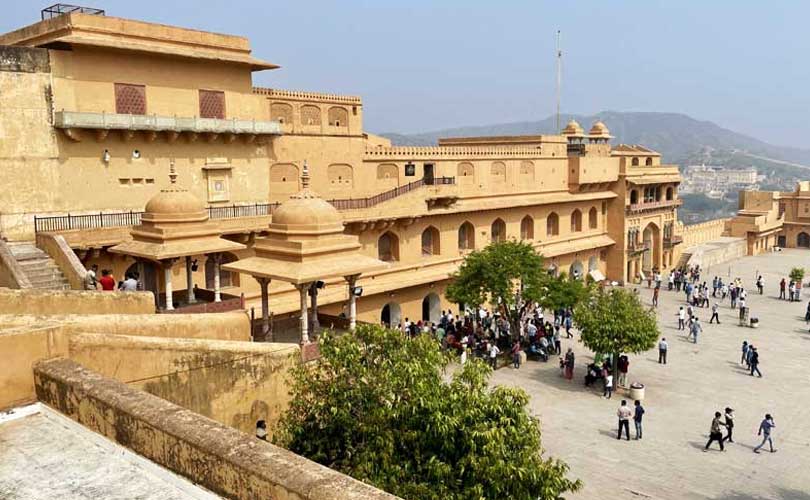
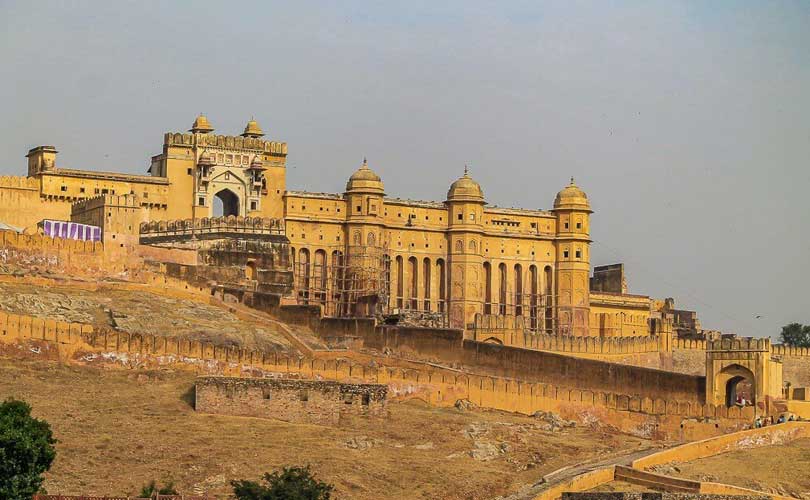
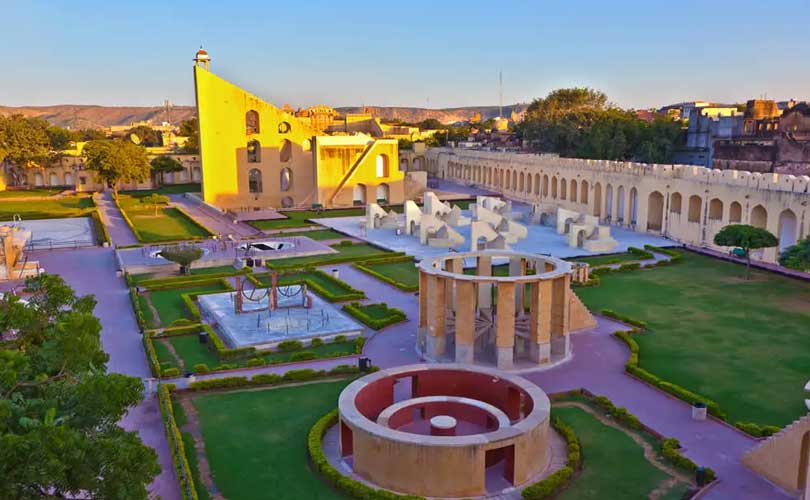
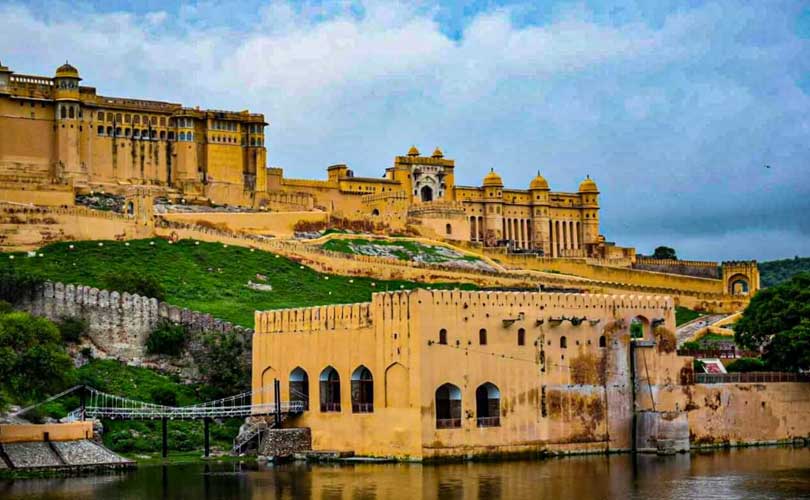
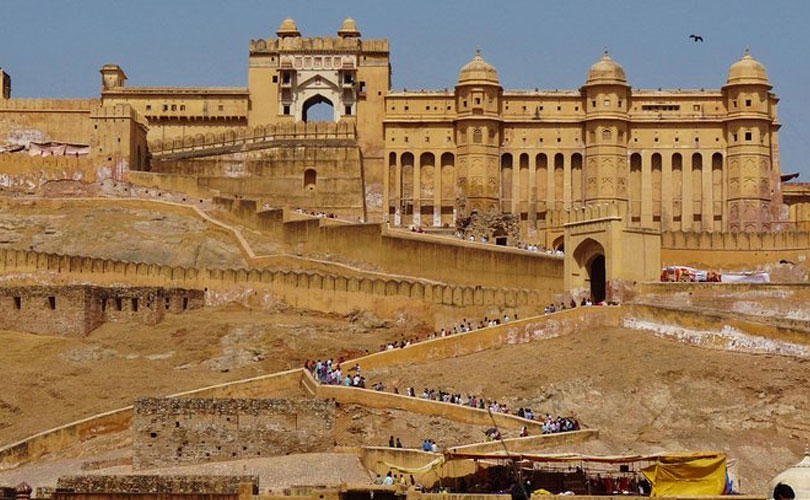
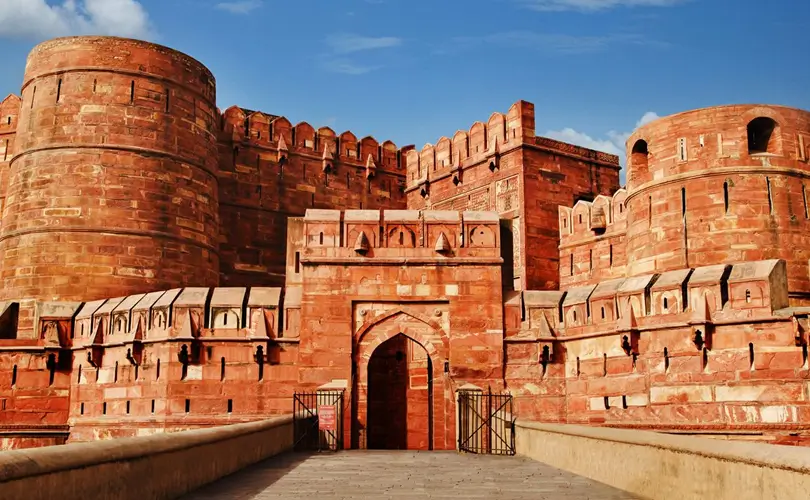
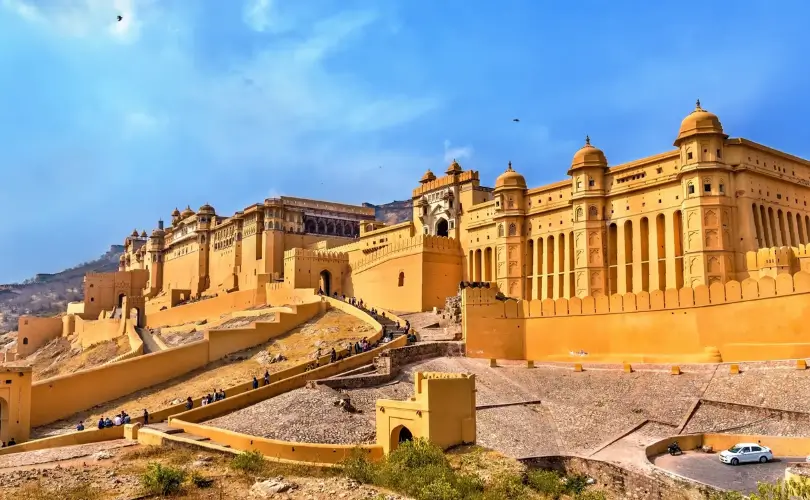
Amber Palace can take considerably longer for a traveler interested in architecture than for someone who only wants photographs from the main courtyards. City Palace, Jantar Mantar and the bazaars create additional choices.
A private itinerary can prioritize.
Instead of rushing through six attractions because they appear on a standard list, travelers may choose four and spend more meaningful time at each.
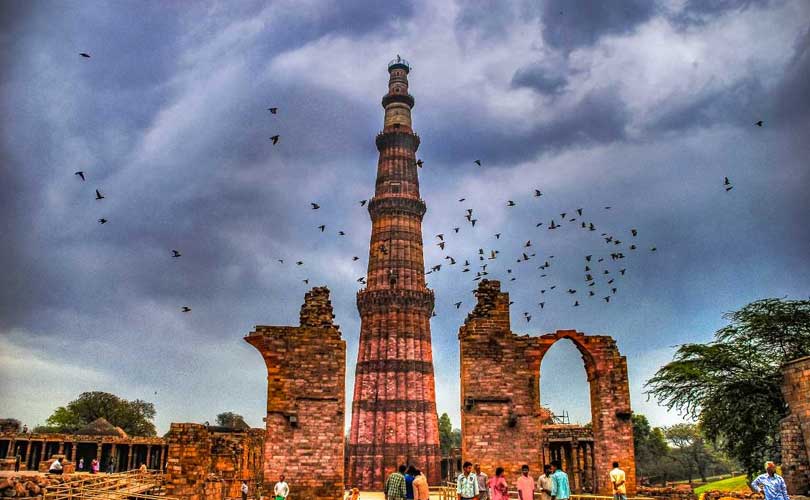
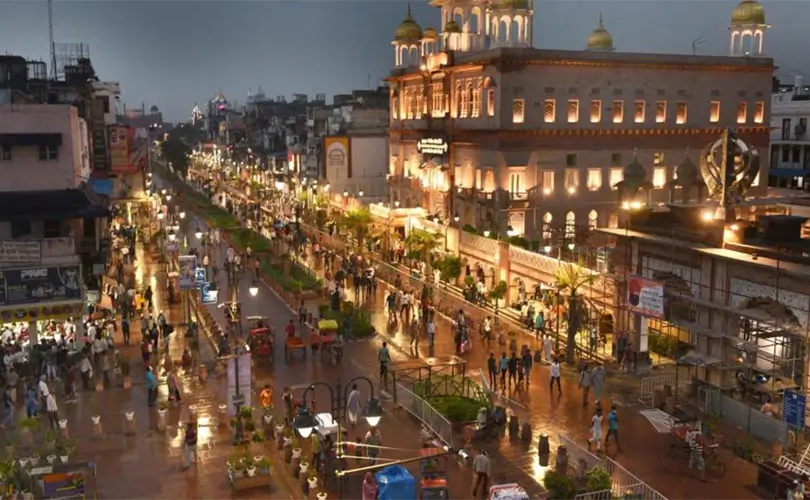
Delhi creates perhaps the biggest challenge because distances between attractions can be substantial. Old Delhi, Humayun's Tomb, Qutub Minar and central New Delhi are not positioned together like rooms inside one museum.
Traffic needs to be considered.
A private guide and driver can sometimes adjust the sequence according to traffic, opening hours and traveler interests. A group vehicle has less room to improvise because the same decision must work for everyone.
Photography is another major consideration.
A traveler carrying serious camera equipment may want time to wait for light, compose photographs or change lenses. A large group is unlikely to reorganize its schedule around one photographer.
Parents face the opposite problem. A child may lose interest long before the scheduled monument visit ends. A private family can leave when practical instead of waiting for the entire group.
This is where private vs group tour in India becomes more than a price comparison. Travelers are deciding who controls the clock.
Choose private chauffeur travel, handpicked luxury hotels, expert local guides and a completely flexible itinerary across Delhi, Agra and Jaipur. Whether you want a sunrise Taj Mahal visit.
Accommodation can change the character of a Golden Triangle holiday as much as transportation. Group and private packages often handle hotels differently, and travelers should know exactly what is being offered before comparing prices.
A group departure commonly uses predetermined hotels. This makes operational sense because an operator may need ten, twenty or more rooms for travelers arriving together. Participants usually select from the accommodation categories offered by the package rather than choosing any hotel in Delhi, Agra or Jaipur.
For travelers who simply want a clean room, breakfast and a convenient location, this arrangement can work perfectly well.
The limitation appears when someone has a specific preference.
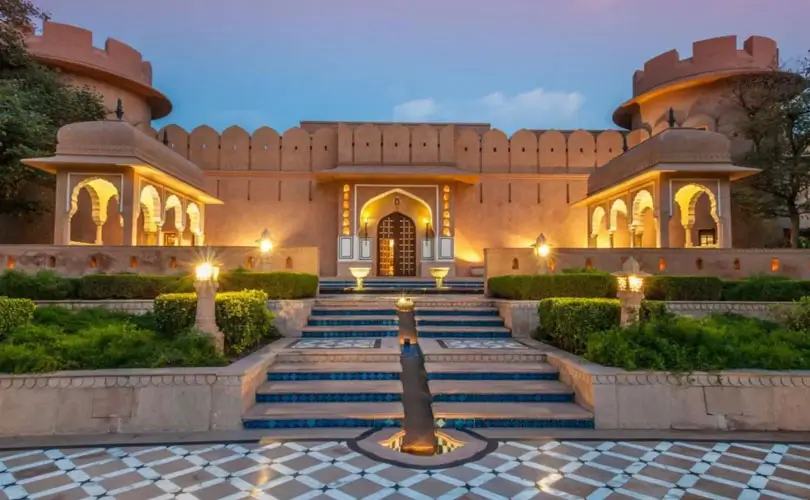
A couple may want a heritage property in Jaipur. A family may require connecting rooms. An older traveler may prefer a hotel with reliable elevators and minimal walking between reception and the room. Someone celebrating an anniversary may want a Taj Mahal-facing room in Agra rather than the standard room assigned to a group.
A private Golden Triangle tour package can usually accommodate these preferences more easily, although the exact options depend on availability and price.
Travelers should also look beyond star ratings.
Two hotels described as four-star properties can provide very different room sizes, locations, breakfast quality and service. Recent guest reviews, room photographs and location are more useful than relying solely on the number of stars displayed beside the property name.
Location affects the daily schedule.
A hotel far outside central sightseeing areas may be cheaper but can add considerable driving time. Saving ₹1,500 on a room loses some of its value if the traveler spends an additional hour in traffic every morning and evening.
Private travelers should ask whether they can select specific hotels or whether the operator works with a predetermined list. Group travelers should request the hotel names before paying whenever possible.
Room category also matters. “Accommodation included” does not reveal whether the booking is for a standard room, superior room, suite or another category.
A premium trip should provide premium accommodation rather than merely placing the word “luxury” in the package name.
A driver and a guide perform different roles.
The driver handles transportation. A qualified Golden Triangle tour guide provides historical, architectural and cultural interpretation at sightseeing locations. Some packages include guides in every city, some provide a tour escort throughout the journey, and others charge separately for local guides.
Group tours commonly use one guide or tour leader for multiple participants. This can be economical and creates a shared learning experience. The disadvantage is that questions and explanations need to serve the whole group.
A private guide can adjust the conversation to the traveler.
Someone fascinated by Mughal history can spend more time discussing Shah Jahan, Akbar and architectural details. A family traveling with children may prefer shorter explanations and more visual storytelling. A photographer may need less general narration and more assistance with the best viewing positions.
Language is another consideration. Travelers who want guiding in Spanish, French, German, Italian or another language should confirm availability before booking rather than assuming every departure provides multilingual services.
Meals can differ just as much.
Some Golden Triangle group packages include breakfast and selected lunches or dinners at predetermined restaurants. This keeps the group moving together and makes the daily cost predictable.
The disadvantage is reduced choice.
A traveler who wants to eat at a particular Delhi restaurant or spend an evening at a Jaipur rooftop venue may have difficulty when dinner is already scheduled elsewhere.
Private travelers generally have more freedom to select restaurants unless meals are specifically included in the package.
Food preferences should be communicated early. Vegetarian food is widely available across the Golden Triangle, but allergies, vegan requirements, gluten concerns and other dietary restrictions deserve clear communication.
Shopping stops are another area where expectations should be established before the trip.
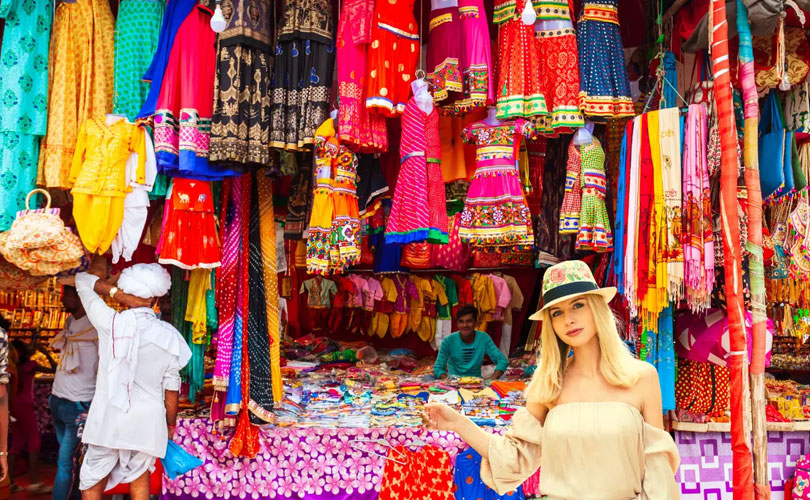
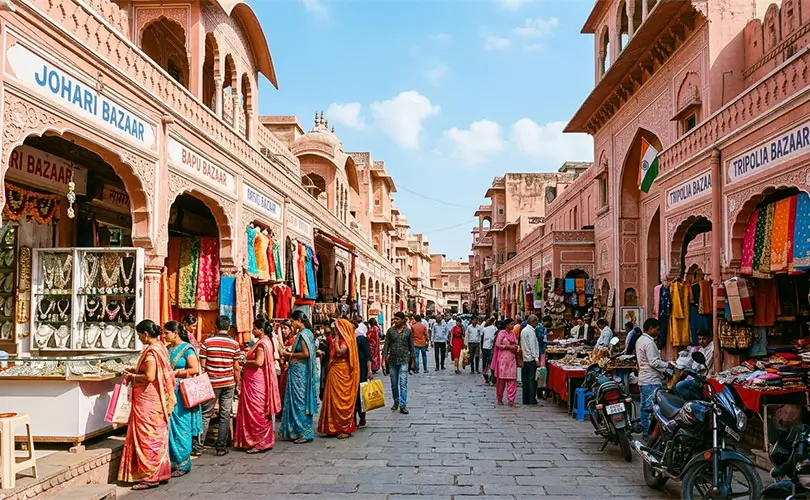
Delhi, Agra and Jaipur have legitimate craft traditions and worthwhile shopping. Jaipur is known for textiles, jewelry, gemstones and handicrafts, while Agra has marble work and leather goods.
The problem occurs when shopping becomes compulsory.
A traveler who has paid for sightseeing should be able to state clearly that no commercial stops are wanted. On a private tour, this request is particularly easy to accommodate.
If shopping is important, the opposite applies. A private traveler can reserve several hours for Jaipur's markets without forcing an entire group to wait.
Couples often benefit strongly from private travel because the additional cost is divided between two people while privacy and flexibility remain intact.
A private Golden Triangle tour for couples allows both travelers to move without waiting for a larger group. Morning departures can be adjusted, meal stops can reflect personal preferences and sightseeing can focus on shared interests.
This becomes especially valuable for honeymoon or anniversary travel.
A couple may want an early Taj Mahal visit followed by a relaxed breakfast rather than immediately moving to the next monument. In Jaipur, they may prefer a heritage hotel and an evening dinner instead of returning to a standard group property at a fixed time.
Photography is easier as well. There is no need to rush a photograph because thirty other passengers are waiting at the vehicle.
Privacy during road journeys should not be underestimated. Delhi–Agra, Agra–Jaipur and Jaipur–Delhi involve many hours in a vehicle. A couple may prefer a private car where they can talk, sleep or stop when needed.
Group travel can still suit couples who enjoy meeting people and want to control costs. Younger travelers or couples treating the journey as a social holiday may enjoy having companions throughout the route.
The decision depends on whether the priority is privacy and flexibility or social travel and lower shared cost.
Families often have the strongest practical reason to choose private transportation.
Children do not always follow adult sightseeing schedules. A child may need a bathroom stop twenty minutes after the group has left a restaurant. Another may become tired halfway through a long palace visit.
A family Golden Triangle tour with a private vehicle can respond to these situations without affecting unrelated travelers.
Parents can also control meal timing more easily. If children need lunch at noon, the family does not have to wait until a group itinerary reaches its scheduled restaurant at 1:30 p.m.
Vehicle size needs careful attention.
Two adults and two children may technically fit in a sedan, but four suitcases and hand luggage can make the arrangement uncomfortable. Families should provide passenger numbers and approximate luggage requirements before the vehicle is assigned.
For larger families, an SUV or van can provide significantly better comfort.
Hotel rooms require similar thought. Families may need an extra bed, connecting rooms or a family room. These requirements should be confirmed rather than assumed.
A group departure can still work for families with older children who are comfortable following fixed schedules. It may also provide social interaction if other families are traveling on the same departure.
For families with very young children, however, flexibility often has greater practical value than the lowest per-person tour price.
A Golden Triangle itinerary can involve extensive walking, stairs, uneven historic surfaces, warm weather and several hours of road travel.
Senior travelers should therefore judge a tour by pace rather than age labels.
A fit traveler in their seventies may comfortably handle a full sightseeing day, while a younger visitor with mobility limitations may need a much slower itinerary.
A private Golden Triangle tour for seniors allows the schedule to reflect actual ability.
Departure can be timed sensibly, rest periods can be added and unnecessary attractions can be removed. If a traveler is tired after visiting Amber Palace, there is no requirement to continue through several additional monuments simply because they appear on a group schedule.
Vehicle comfort is particularly important.
Ask about ease of entry, legroom and air conditioning. Travelers who have difficulty getting into a high SUV may actually prefer a comfortable sedan, while others may value the space of a larger vehicle.
Hotels should be checked for elevators and accessible rooms when required.
At monuments, accessibility varies. Historic forts and palaces were not built according to modern accessibility standards. Uneven floors, ramps, steps and long walking distances can occur.
A private guide can adjust the route and focus on accessible sections when possible.
Group tours may work well for active seniors who enjoy structured travel and social interaction. The key question is whether the advertised daily pace matches the traveler.
Solo visitors face a different financial calculation because there is nobody with whom to divide a private room or vehicle.
A Golden Triangle group tour for solo travelers can therefore offer excellent value.
The participant gains organized transportation, sightseeing and social contact while sharing operational costs with the group. Evening meals can also feel more social for someone who does not want to dine alone throughout the journey.
Group travel can be particularly attractive to someone visiting India for the first time and feeling uncertain about handling logistics independently.
A private tour, however, offers a different kind of security and simplicity. The traveler knows the driver, vehicle and daily arrangement rather than coordinating numerous local transfers.
Solo photographers, researchers and travelers with specialized interests may also find private travel worth the additional cost because they can control the schedule.
The biggest financial issue is the single supplement. Hotel packages are often calculated on two people sharing a room. A solo traveler occupies the entire room, which can increase the per-person price substantially.
Before rejecting a private trip as too expensive, ask for an actual solo quotation. Likewise, before assuming a group departure is cheap, check whether a single-room supplement applies.
A group tour is generally strongest for travelers who want predictable structure, social interaction and lower shared costs. It can be particularly suitable for solo visitors, budget-conscious travelers and people who prefer having the entire schedule determined in advance.
A private tour is generally stronger for couples, families, small groups, photographers, senior travelers and visitors who care deeply about controlling the pace.
First-time visitors should think about how they normally travel rather than choosing based on price alone.
Someone who dislikes waiting for other people is unlikely to become more patient simply because the tour is in India.
Someone who becomes stressed when making daily decisions may not enjoy having complete freedom either.
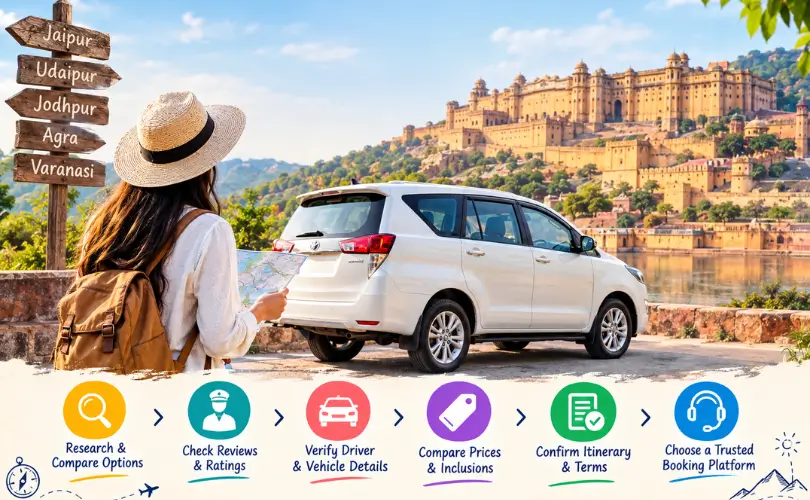
Ask practical questions before booking:
Does the vehicle remain private throughout the route?
Which hotels are included?
What room category is booked?
Are local guides included?
Are monument tickets included?
Are tolls, parking and interstate charges included?
Can sightseeing times be adjusted?
Are shopping stops optional?
What happens if a traveler wants to skip an attraction?
What vehicle will be used for the number of passengers and luggage?
The answers reveal far more than the words “group” or “private.”
A private Golden Triangle tour provides more control over departure times, sightseeing pace, restaurant choices and reasonable itinerary adjustments. A group tour generally offers lower shared costs and more social interaction. The better option depends on the traveler rather than the destinations.
Group tours are often cheaper per person because transportation and guide costs are shared among many participants. The difference can be substantial for solo travelers but smaller for couples or families sharing one private vehicle.
Prices vary according to duration, hotel category, vehicle, guides and inclusions. A comfortable private journey can broadly fall around ₹45,000-₹75,000 per person for two travelers on a multi-day itinerary, while premium arrangements may exceed ₹80,000-₹150,000 per person. These are reference ranges rather than fixed package rates.
Travelers wanting maximum logistical simplicity and personal assistance may prefer a private Delhi Agra Jaipur tour. Those who enjoy structured schedules and meeting other travelers may be equally comfortable on a reputable group departure.
Yes. Private tours are particularly useful for families because meal times, rest stops and sightseeing pace can be adjusted more easily. Parents should select a vehicle large enough for both passengers and luggage.
A private arrangement can be valuable for senior travelers who want a slower pace, more rest periods or carefully selected hotels. Active seniors comfortable with fixed schedules can also enjoy group travel.
Not always. Some packages include professional local guides in Delhi, Agra and Jaipur, while others include only a car and driver. Travelers should confirm guide services before booking and should not assume that a driver is also a professional sightseeing guide.
Private itineraries generally allow more flexibility, but changes remain subject to monument opening hours, travel distances, hotel bookings and other practical restrictions. Significant route changes can also affect the price.
It depends on the package. Some Golden Triangle tour packages include entrance tickets, while others quote them separately. International visitors should request a written list of inclusions and exclusions before paying.
For travelers who value privacy, flexible sightseeing, direct hotel pickups and a dedicated vehicle, the additional cost can provide meaningful value. Couples and families often find the price difference more reasonable because vehicle and room costs are shared within their own party.
The real choice between a Golden Triangle group tour vs private tour is not simply about paying less or paying more. It is about deciding how the traveler wants to spend each day.
Group travel exchanges some personal control for shared costs, structure and companionship. Private travel costs more in many cases but gives the booking party greater influence over timing, sightseeing, transportation and daily comfort.
Delhi, Agra and Jaipur contain enough history, architecture, food and local life that rushing through them merely to complete a checklist rarely produces the strongest trip. The right tour format is the one that gives travelers enough time and comfort to experience the places they actually came to see.