A first trip from the United States to India can involve more logistical decisions than a typical domestic vacation. The international flight is long, the time difference is significant, road travel works differently from the United States, major attractions can be spread across large cities, and a multi-city itinerary may involve private vehicles, domestic flights, hotels, guides, monument tickets, and airport transfers. For travelers visiting India for the first time, the quality of the itinerary often matters more than the number of destinations printed on the package.
A well-arranged India tour package for American travelers should make the difficult parts of the trip easier without removing the flexibility that makes private travel valuable. Airport pickup should be confirmed before arrival, the vehicle should match the number of passengers and luggage, hotels should be named rather than described only by star category, and intercity travel times should reflect actual road conditions. Professional local guides can be arranged at major historical sites, while a private driver handles transportation between cities.
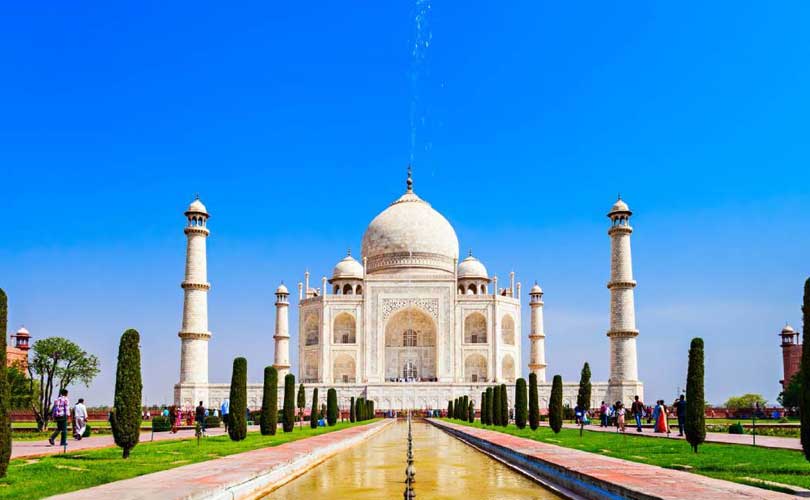
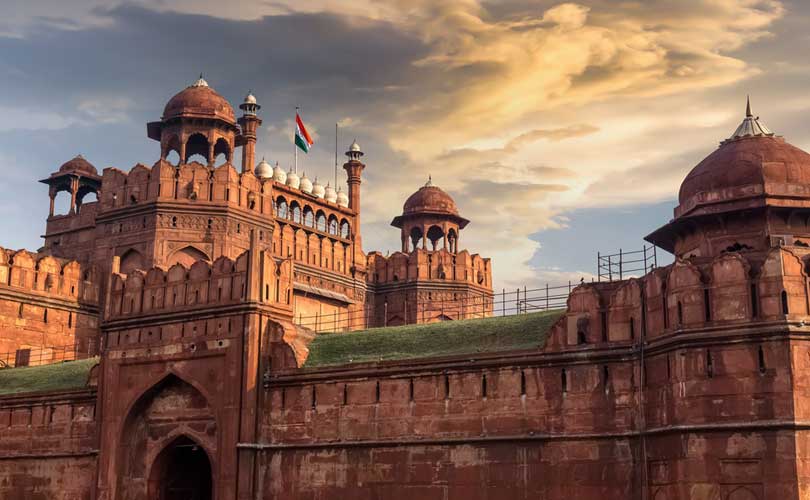
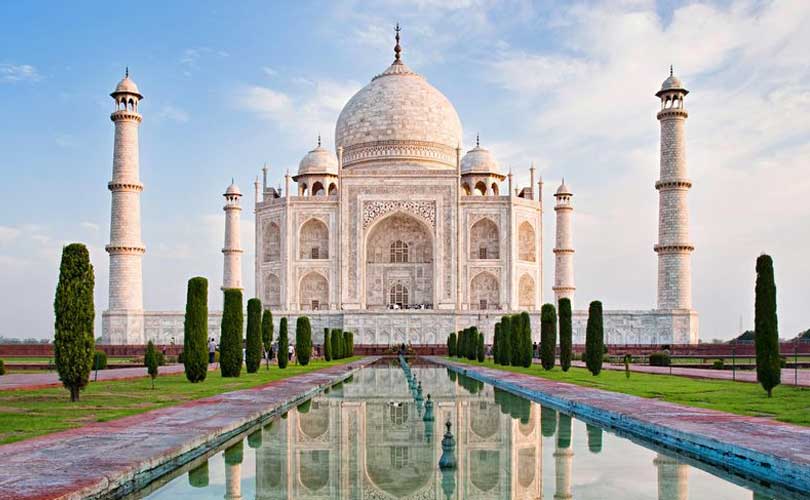
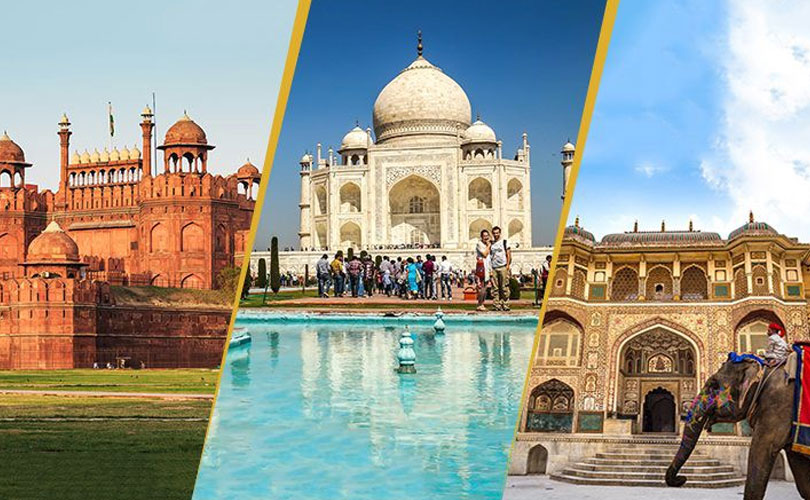
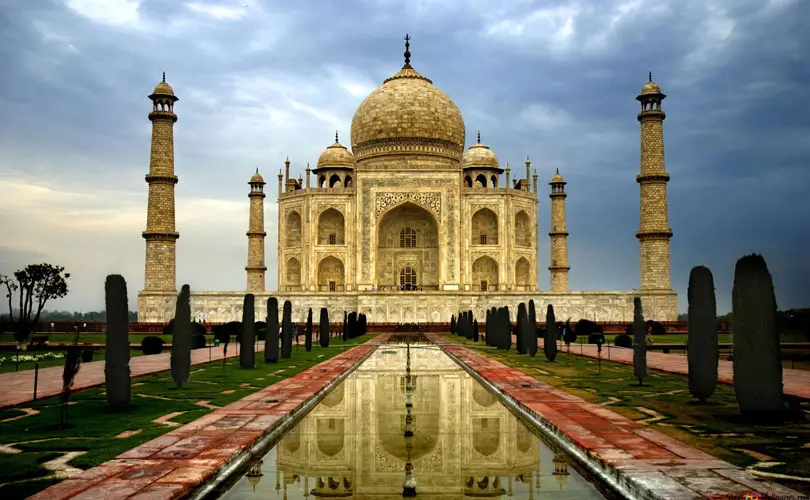
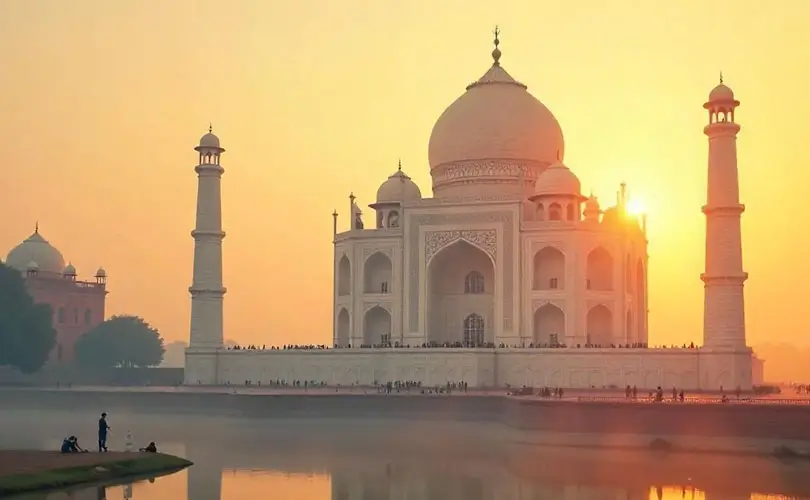
Delhi, Agra, and Jaipur remain a practical starting route for first-time visitors because the three cities combine some of North India's most important architecture, history, markets, food, and cultural experiences without requiring a domestic flight between each stop. A traveler can arrive at Delhi Airport, spend time in the capital, drive to Agra for the Taj Mahal, continue to Jaipur through Fatehpur Sikri, and return to Delhi in a private vehicle.
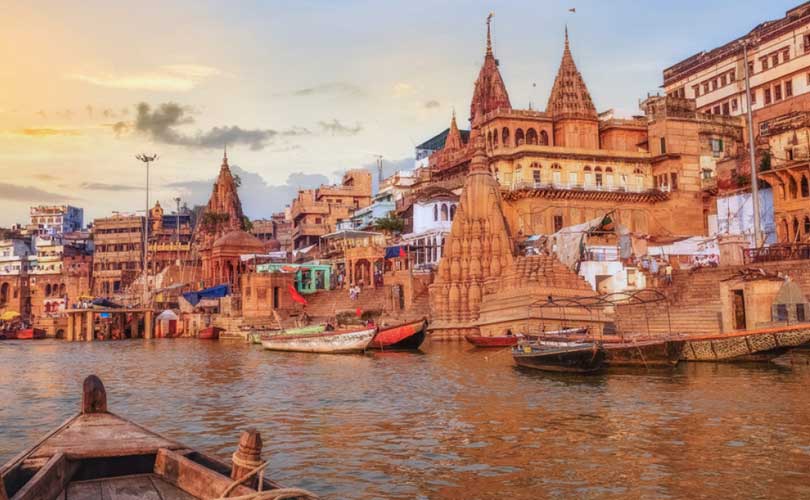
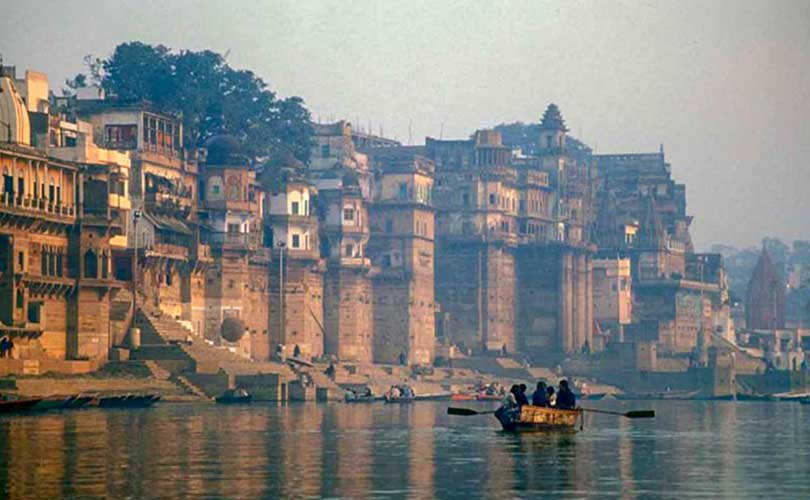
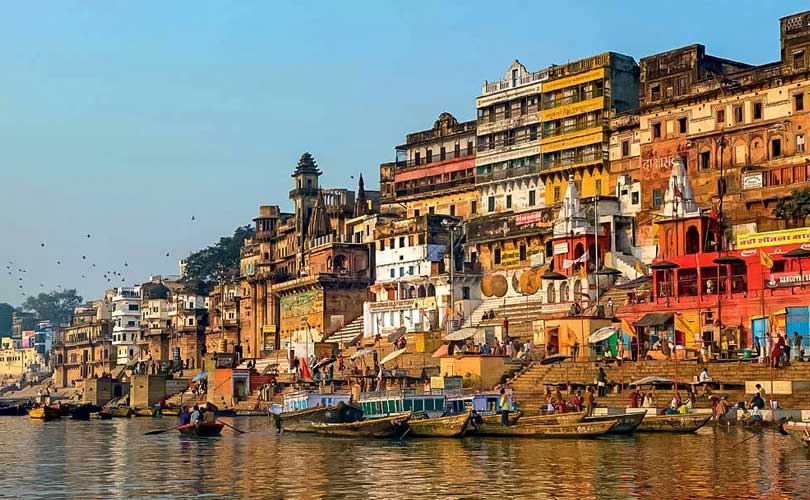
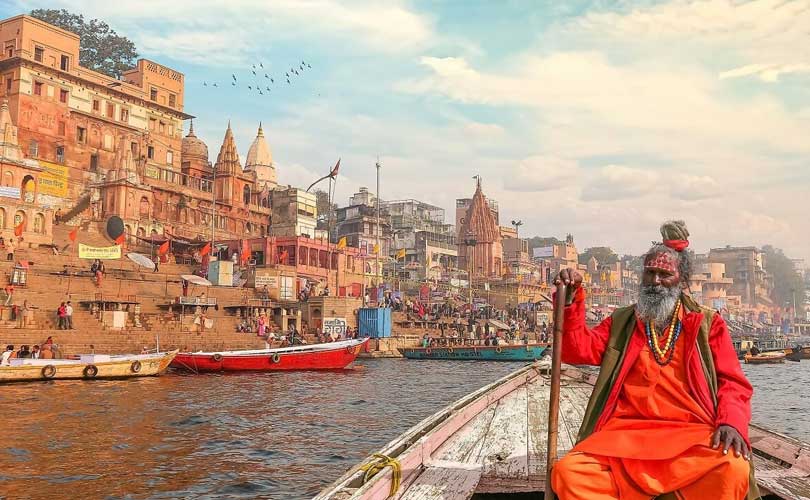
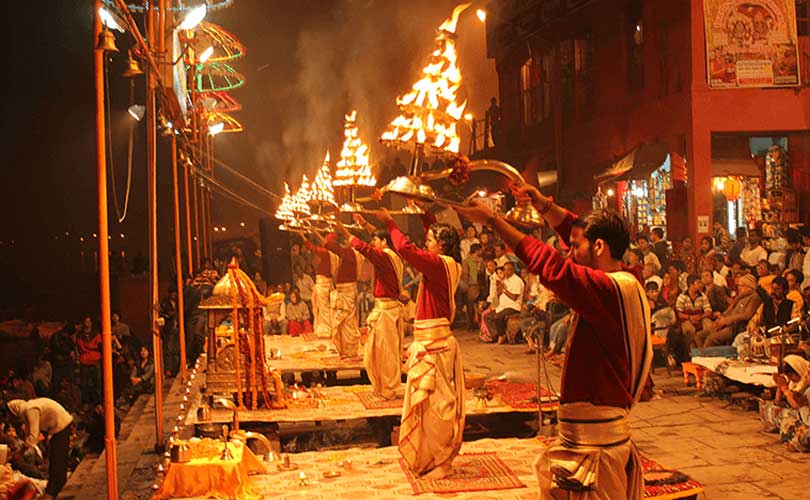
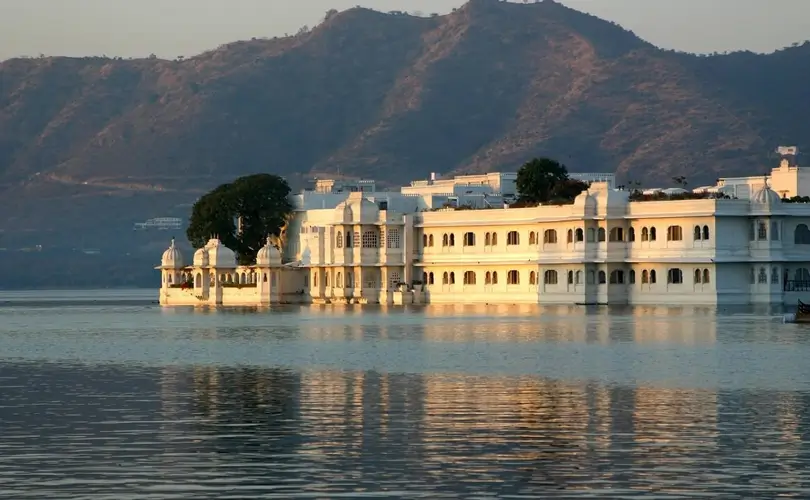
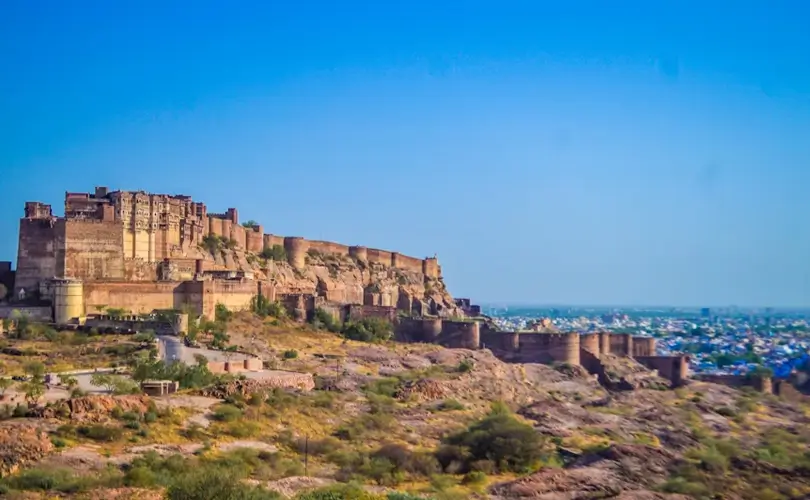
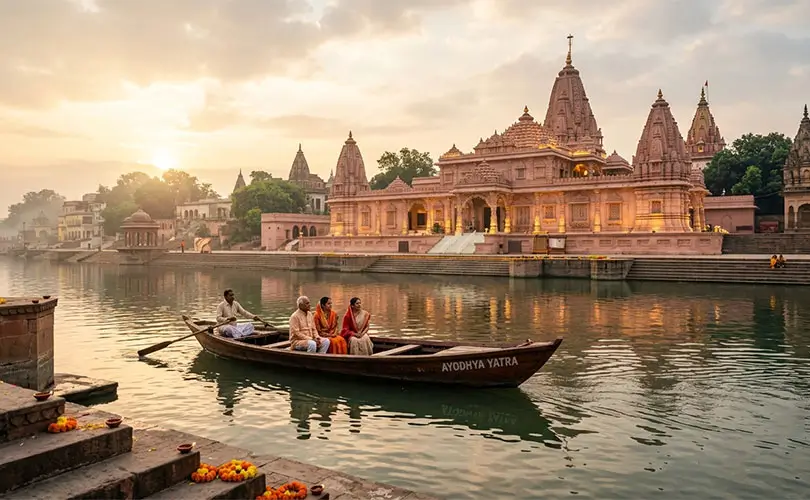
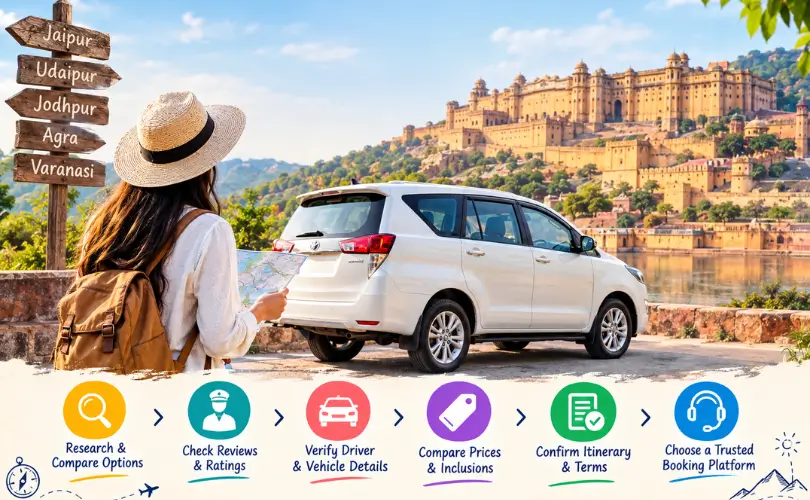
Americans with additional vacation time can add Ranthambore for wildlife, Udaipur for Rajasthan's lake and palace experience, or Varanasi for an entirely different historical and spiritual setting. The mistake is trying to include all of them in a short trip. India is large, and a route that looks manageable on a small map can involve many hours of driving.
The price of a private India tour from the USA also varies enormously. A couple using quality four-star hotels and a sedan may have a very different budget from travelers booking five-star palace hotels, premium rooms, an Innova Crysta, private guides, domestic flights, and high-end dining. Understanding those differences before paying is the easiest way to compare packages fairly.
A traveler flying from New York, Chicago, Dallas, San Francisco, Los Angeles, Seattle, or another U.S. city should account for the international journey before deciding how many usable vacation days remain in India. Depending on departure city and flight routing, reaching Delhi can require a long nonstop flight or an itinerary with one or more connections. The complete door-to-door journey can consume a substantial part of two calendar days when airport reporting, flight time, connections, immigration, baggage collection, and the time difference are considered.
For that reason, a five-day India itinerary may look efficient on paper but can feel extremely short after a long journey from the United States. For a first visit focused on the Delhi Agra Jaipur Golden Triangle, approximately seven to nine nights is much more comfortable. Travelers with ten to fourteen nights can add another destination without making every day a transfer day.
A sensible route can begin with two or three nights in Delhi. The arrival day should generally be lighter, especially after a long-haul flight. Instead of landing in the morning and immediately attempting eight hours of Old Delhi and New Delhi sightseeing, travelers can check into the hotel, eat, rest, and begin a full sightseeing day the following morning. Those arriving early and feeling energetic can still add a limited activity without committing to an exhausting schedule.
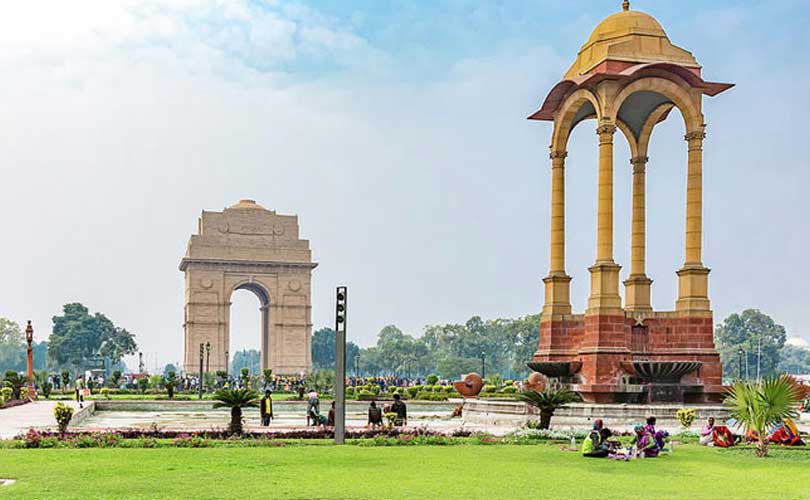
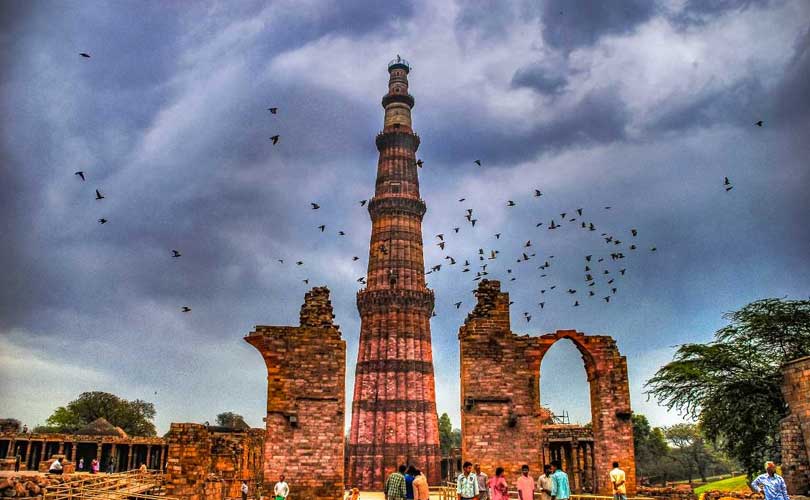
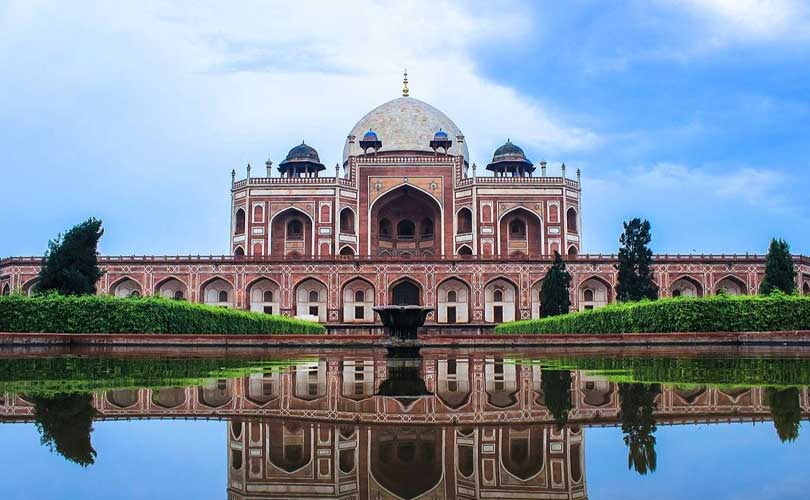
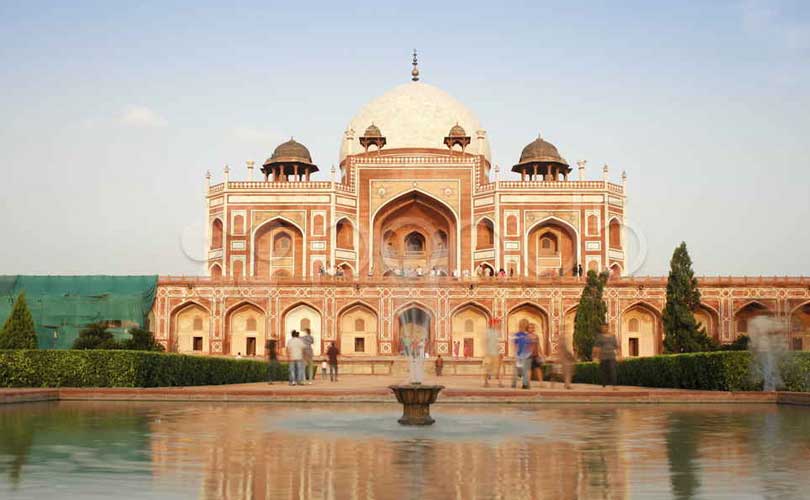
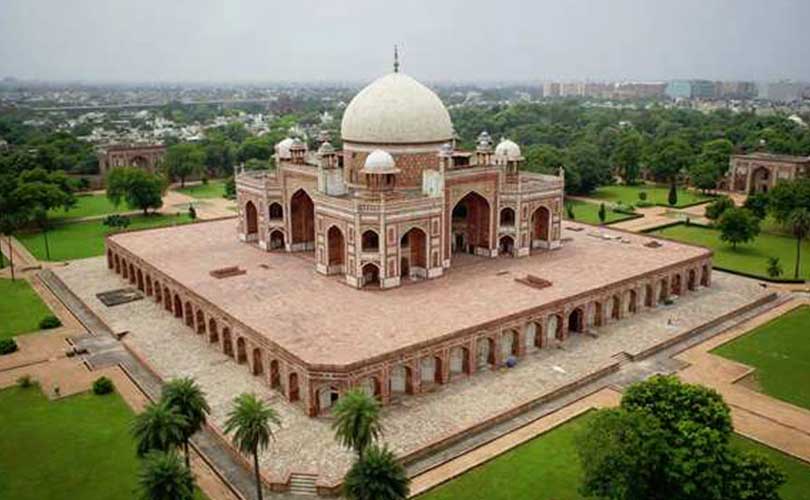
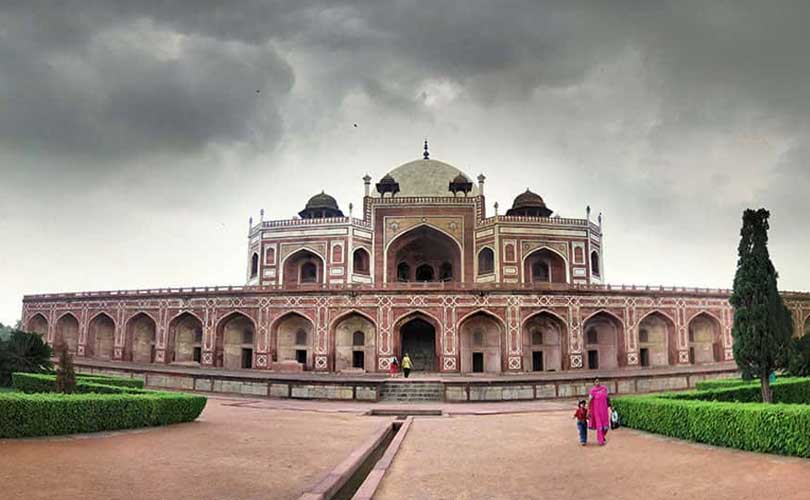
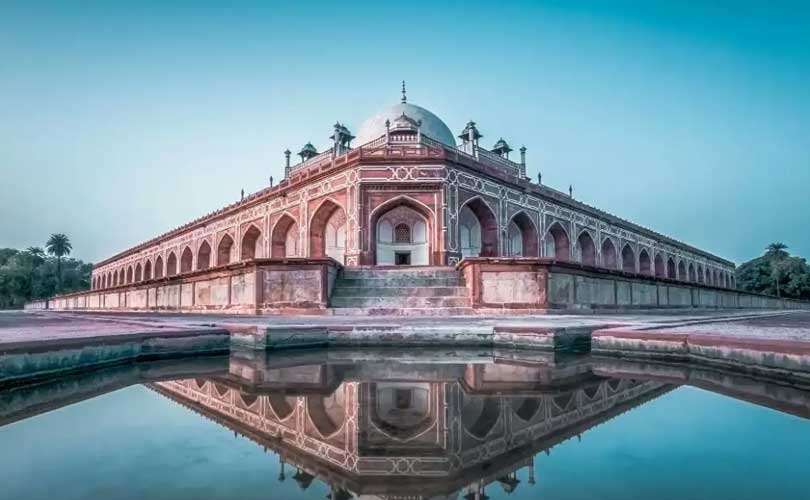
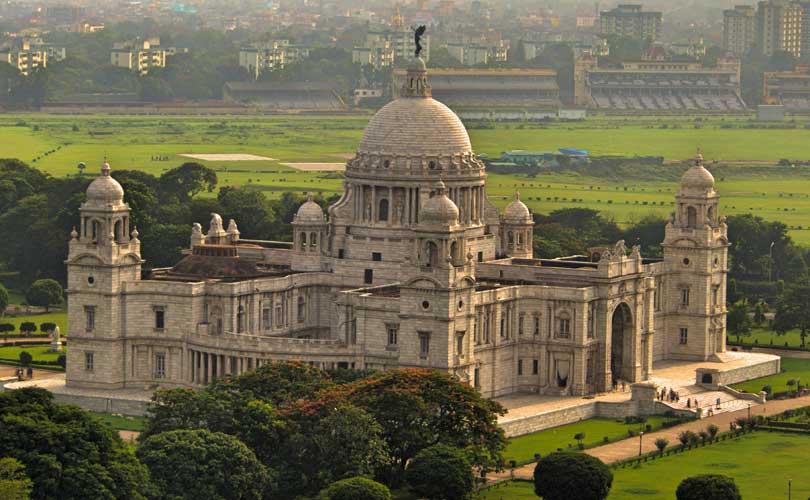
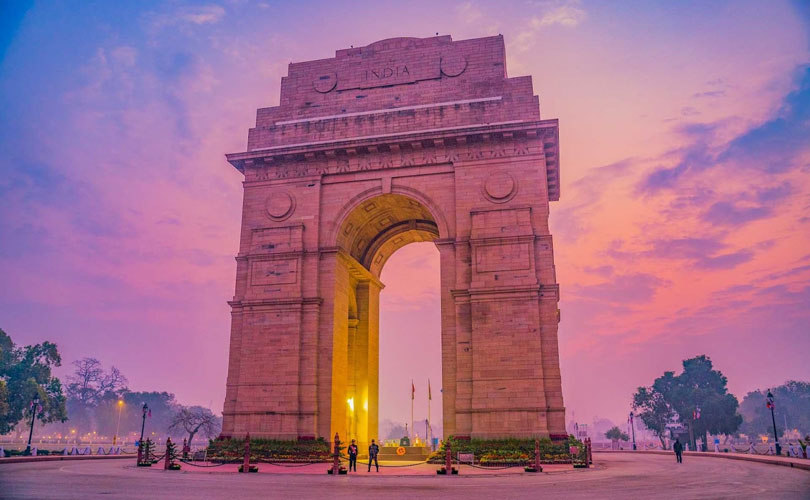
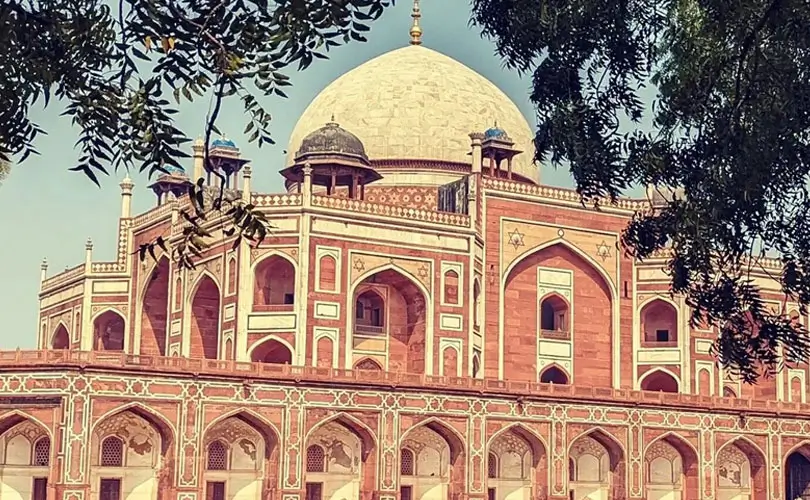
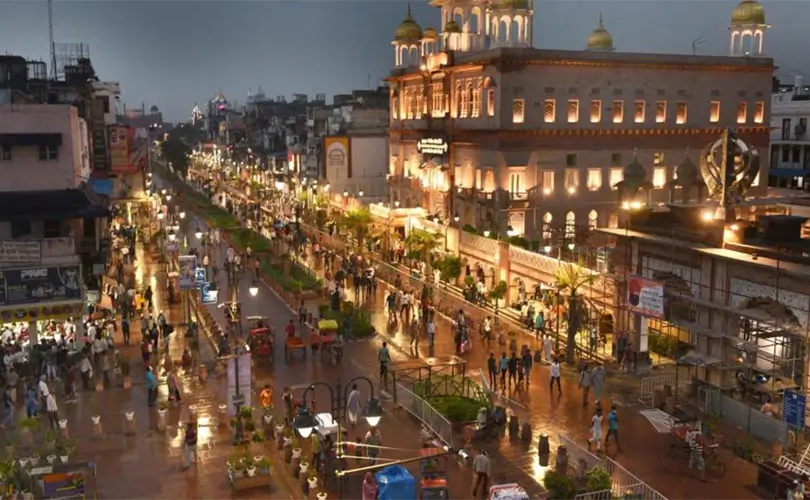
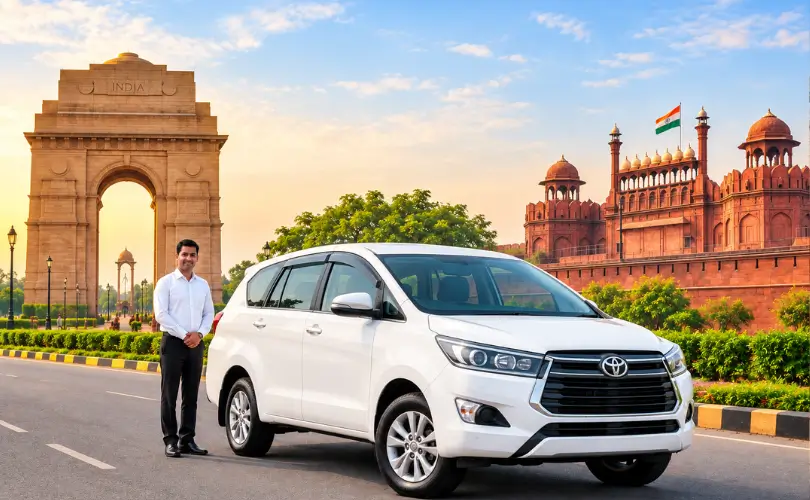
Delhi requires more time than many first-time visitors expect. Old Delhi can include Jama Masjid, Chandni Chowk, and the historic lanes of the old city, while New Delhi contains Humayun's Tomb, Qutub Minar, India Gate, government districts, temples, museums, markets, and other attractions. Traffic between these areas can consume meaningful time, so a list of eight or nine monuments does not necessarily translate into a comfortable single day.
The drive from Delhi to Agra is approximately 220 to 230 kilometers, or around 137 to 143 miles, from central areas depending on the route and pickup point. Under normal conditions, travelers should allow around three to four hours via the Yamuna Expressway. Traffic leaving Delhi can extend the journey.
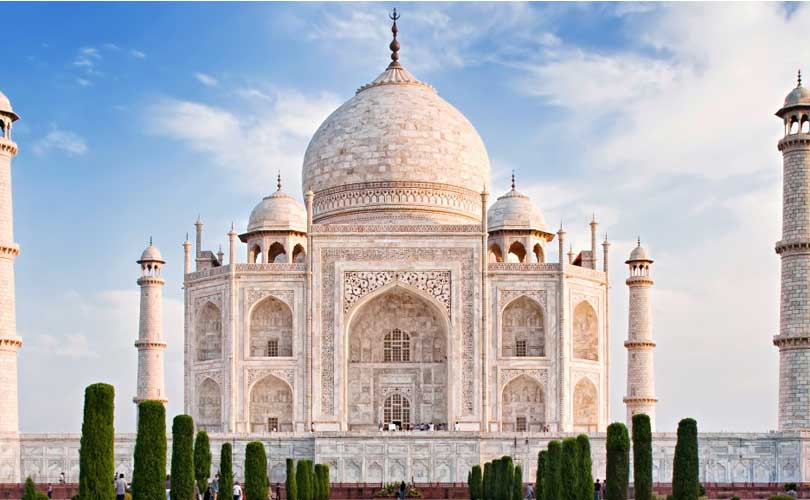
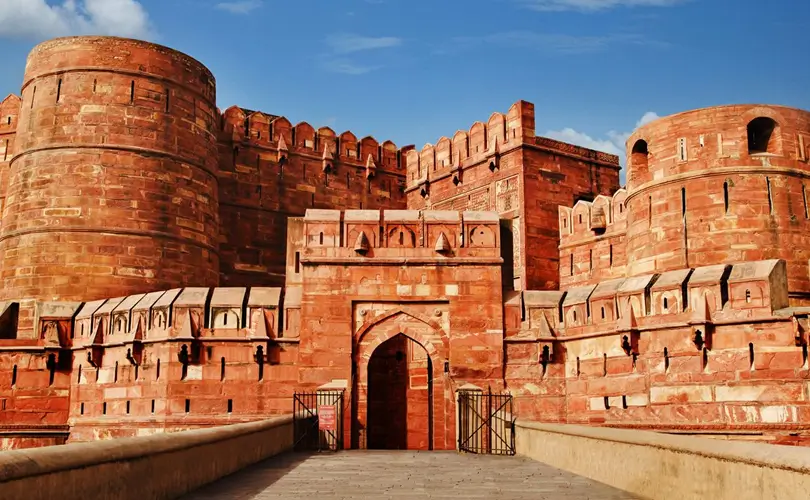
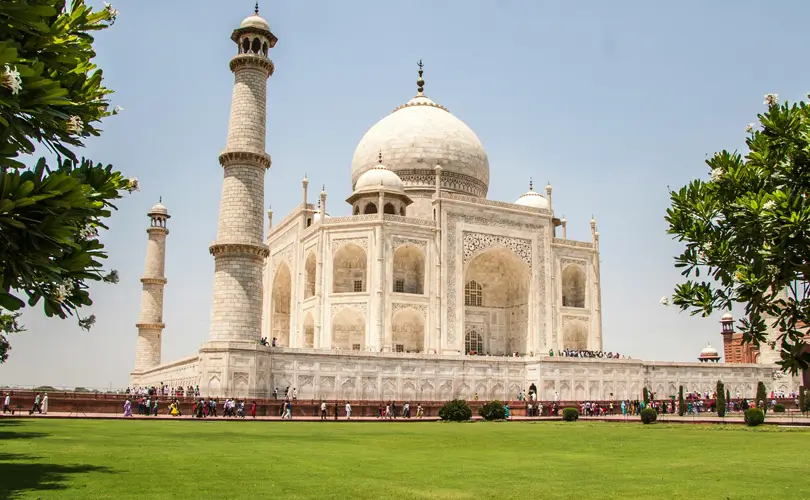
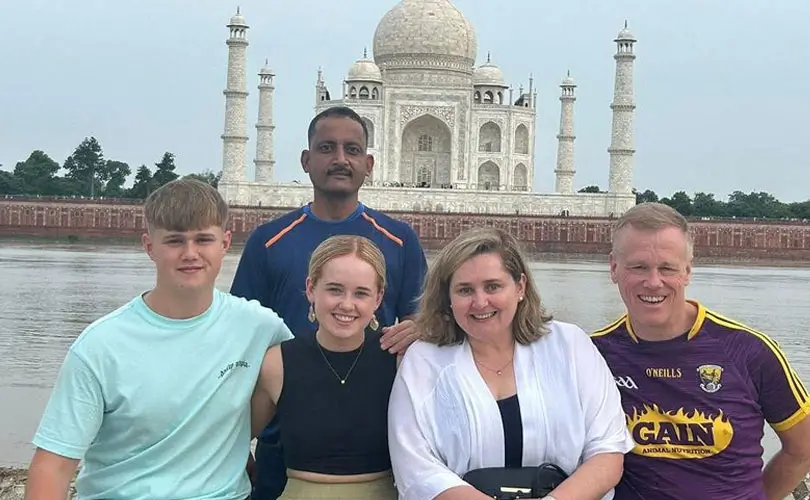
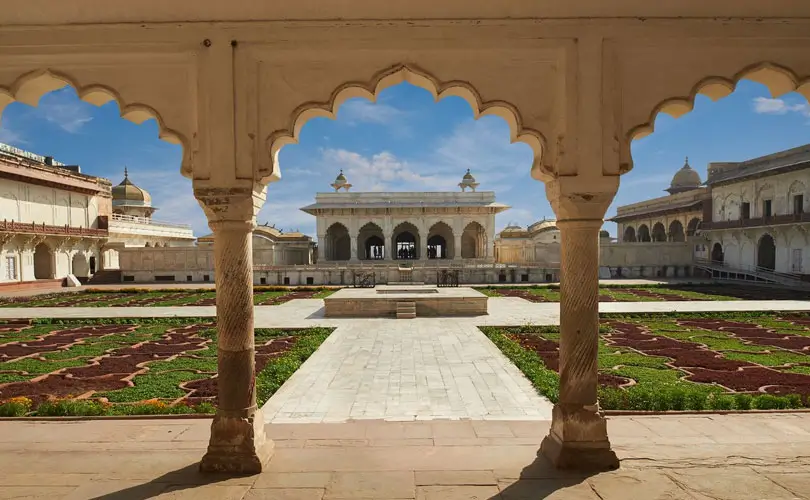
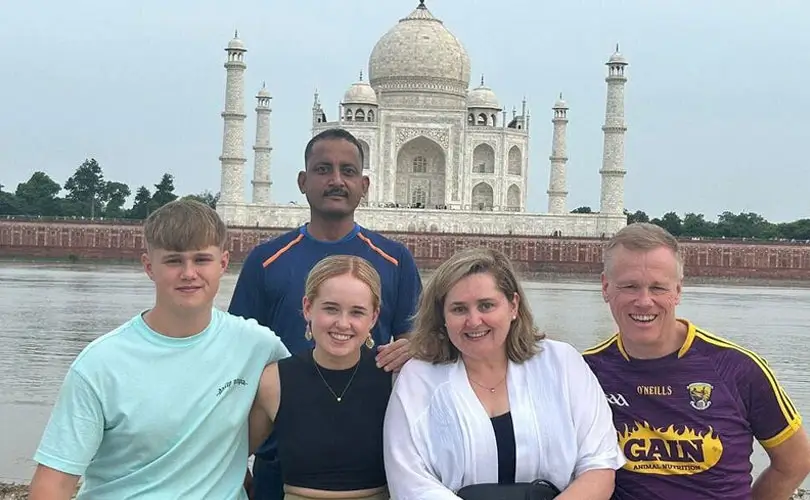
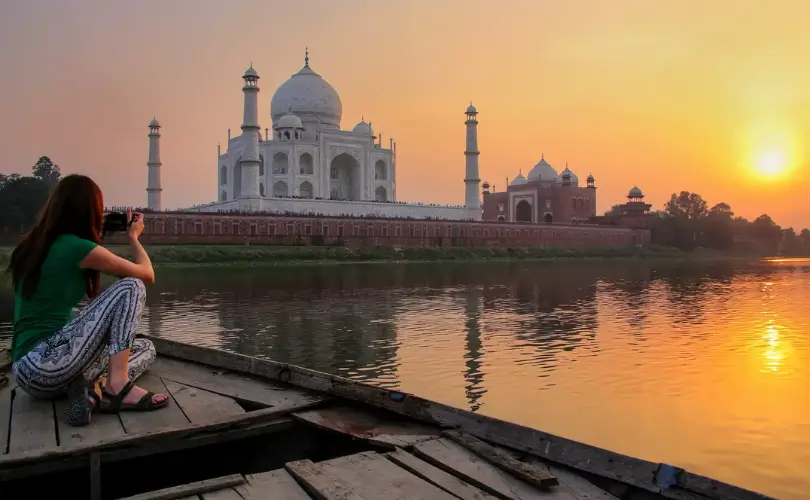
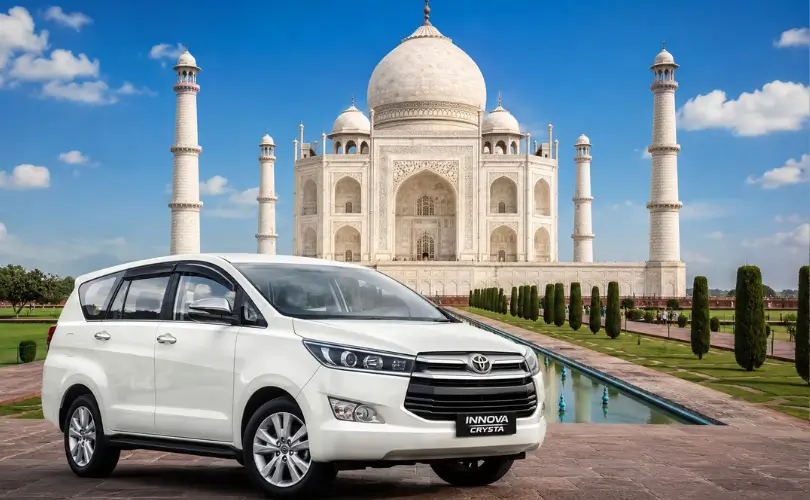
One night in Agra works well for many travelers. Visitors can see Agra Fort after arrival and visit the Taj Mahal early the following morning. The Taj Mahal is closed to general visitors on Fridays, so the itinerary must be arranged around this closure.
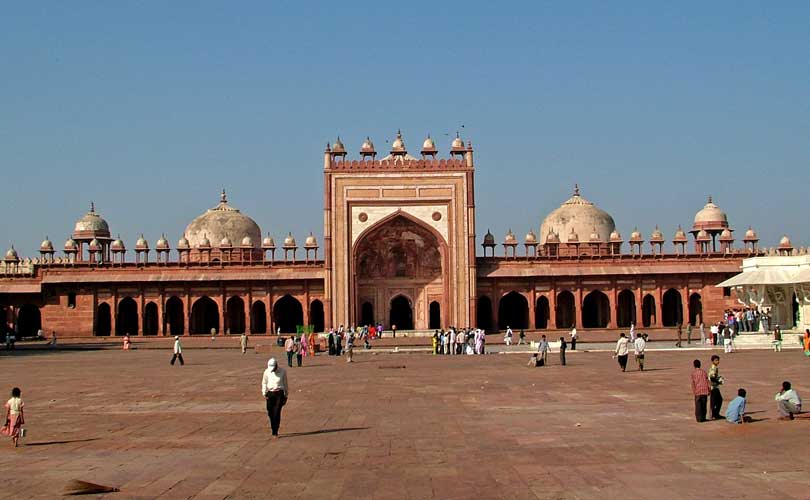
From Agra, travelers can drive toward Jaipur. A direct journey is roughly 240 kilometers, or approximately 149 miles, depending on the route. Adding Fatehpur Sikri creates a more interesting travel day, while Chand Baori at Abhaneri can also be included when the schedule allows. With sightseeing, lunch, and road breaks, the Agra–Jaipur day can take approximately eight to ten hours.
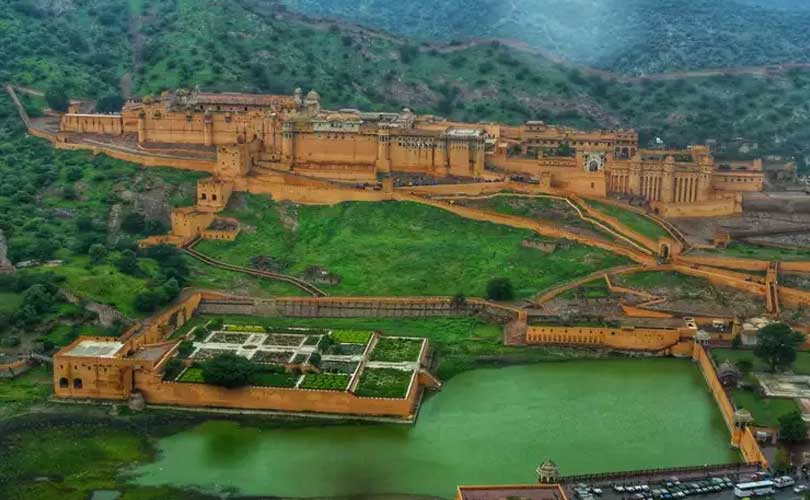
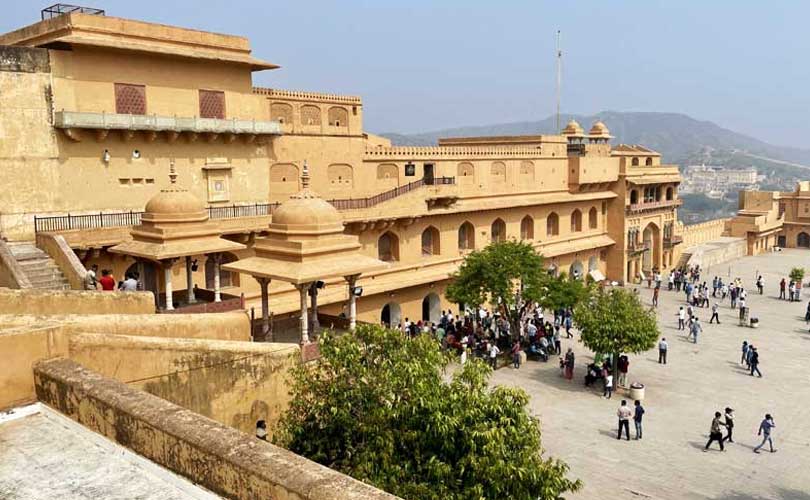
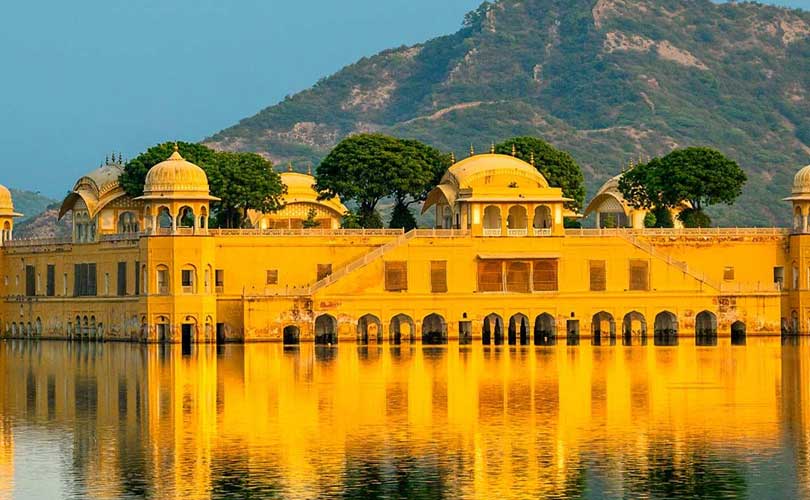
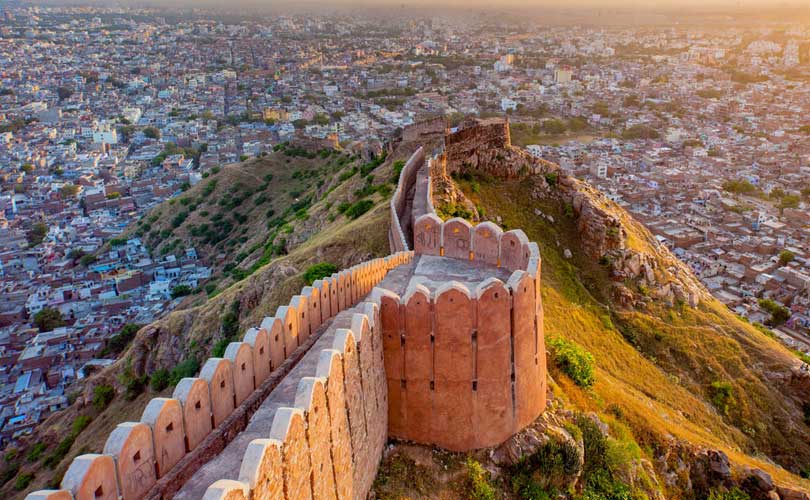
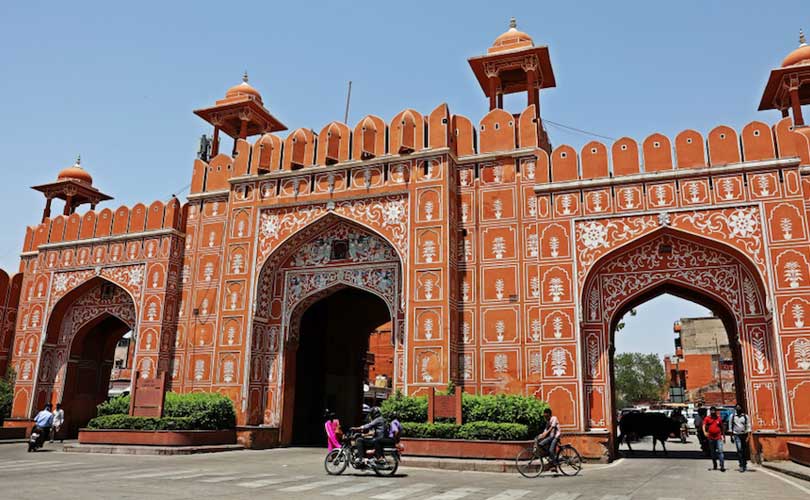
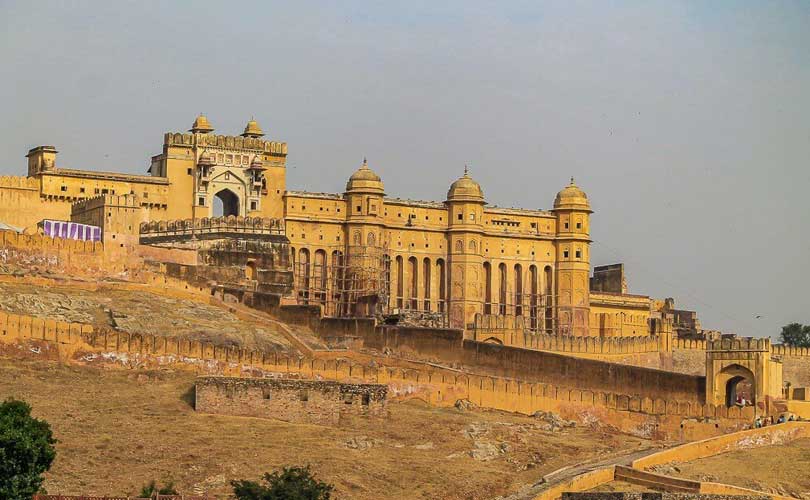
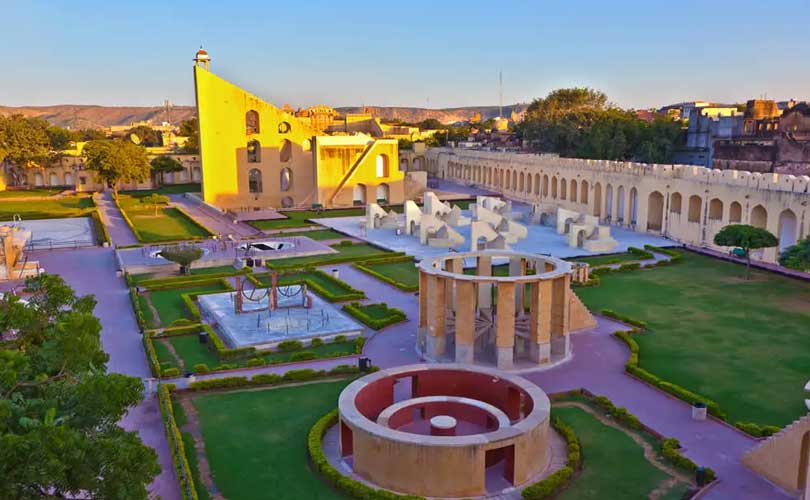
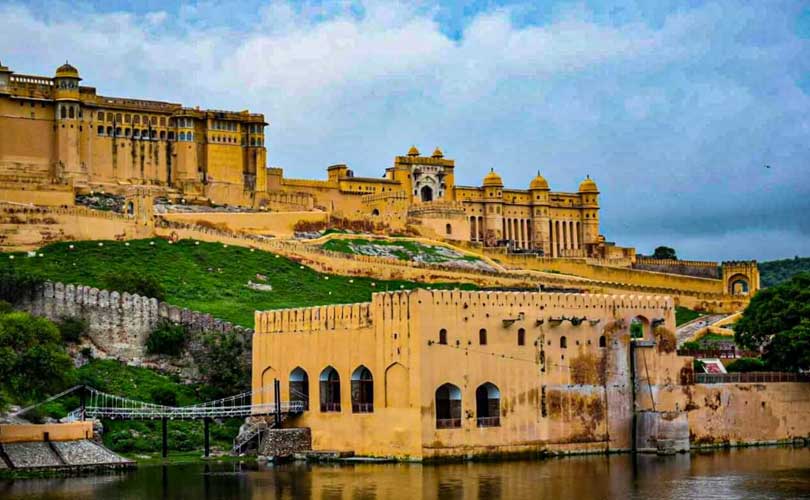
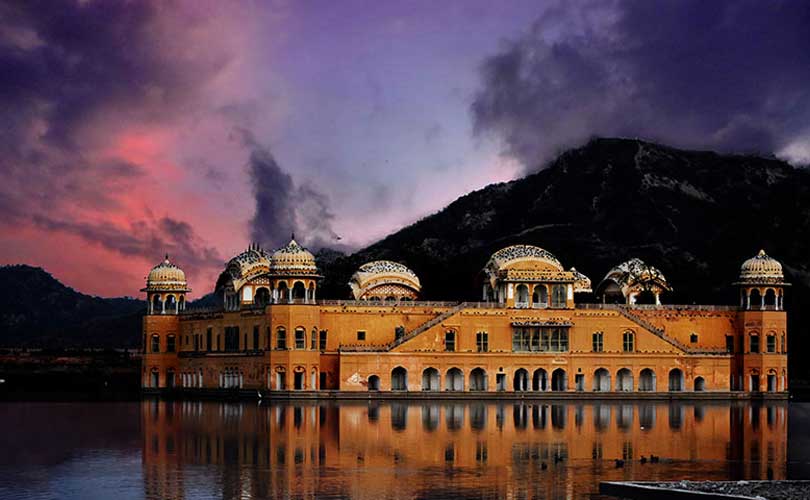
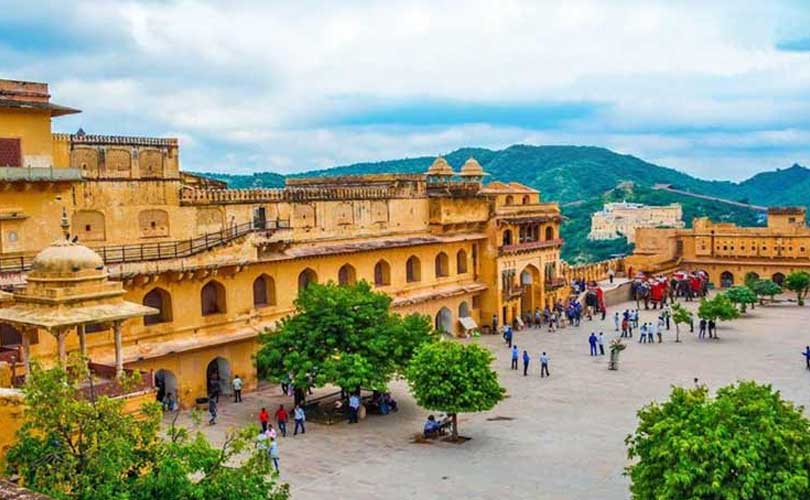
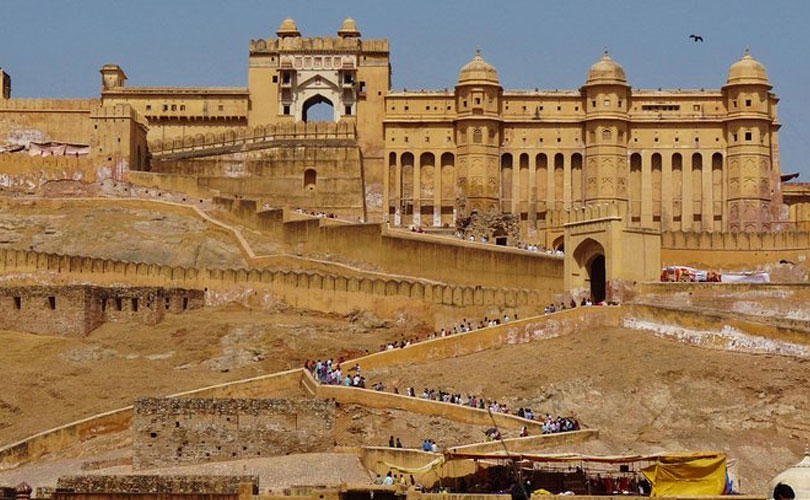
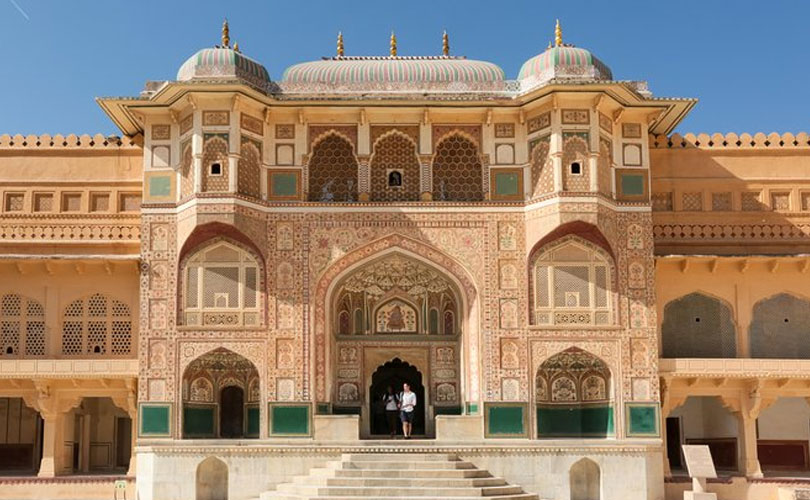
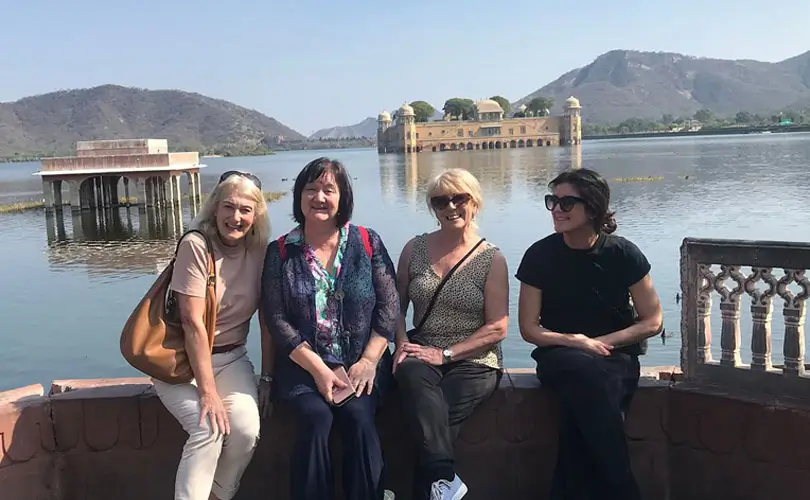
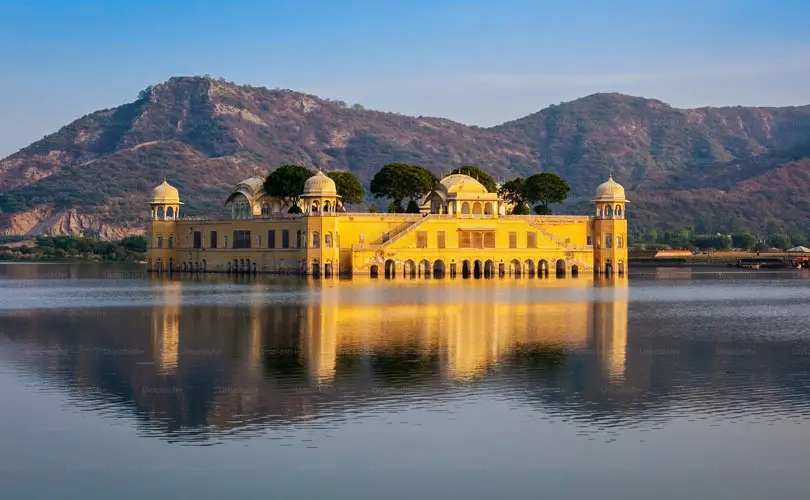
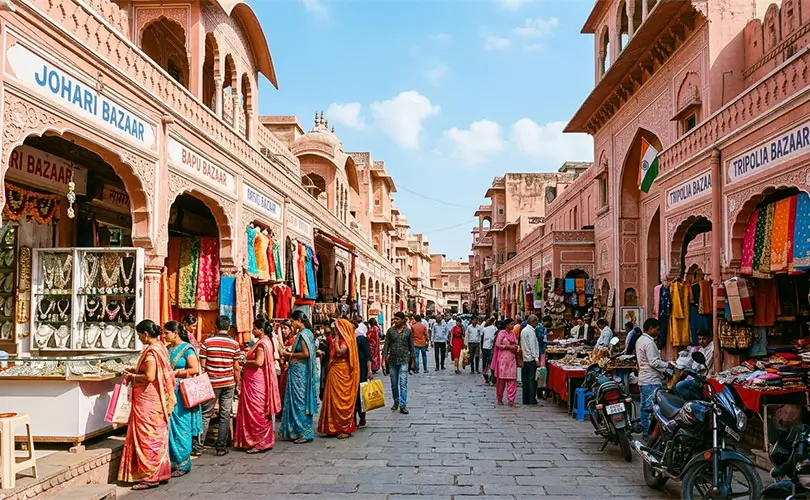
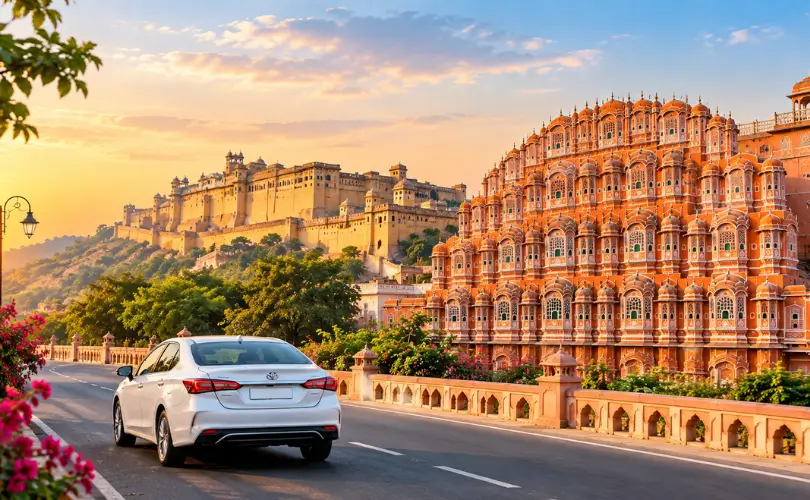
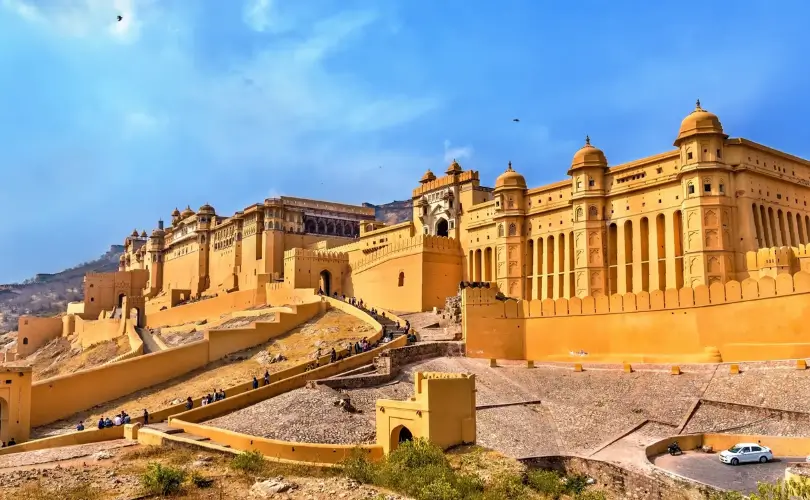
Jaipur deserves at least two nights. A full sightseeing day can include Amber Fort, Jal Mahal, City Palace, Jantar Mantar, and Hawa Mahal without forcing the traveler to rush through every attraction. An additional night allows time for Jaigarh Fort, Nahargarh Fort, Albert Hall Museum, shopping, craft workshops, or a slower day.
This creates a strong first trip without requiring constant packing and unpacking.
The cost of a private India tour for Americans should be separated into ground arrangements and international airfare. Airfare from the United States can vary enormously according to departure city, cabin class, airline, season, connection, and booking date, so it is more useful to calculate the Indian portion independently.
For two travelers completing approximately seven days across Delhi, Agra, and Jaipur, a value-oriented private ground package using comfortable hotels and a sedan can broadly cost around ₹60,000 to ₹95,000 for the couple. A stronger mid-range package with quality four-star hotels, airport transfers, private transportation, selected professional guides, and better overall service can broadly reach ₹95,000 to ₹1,60,000 for two travelers.
A five-star luxury Golden Triangle tour can cost approximately ₹1,60,000 to ₹3,25,000 or more for two people. Premium palace hotels, luxury suites, special dining, private experiences, and higher-end vehicles can take the price much further.
American travelers should convert the final rupee quotation using the exchange rate available at the time of payment. A fixed dollar conversion printed in a travel article can become inaccurate as exchange rates move.
Hotel selection is usually the biggest variable. A comfortable room in a good mid-range hotel can broadly cost around ₹4,000 to ₹8,000 per night. A strong four-star property may cost around ₹7,000 to ₹14,000 or more, while five-star hotels can start around ₹12,000 to ₹25,000 per night. Premium heritage hotels and palace properties may cost ₹30,000 to ₹60,000 or considerably more per night.
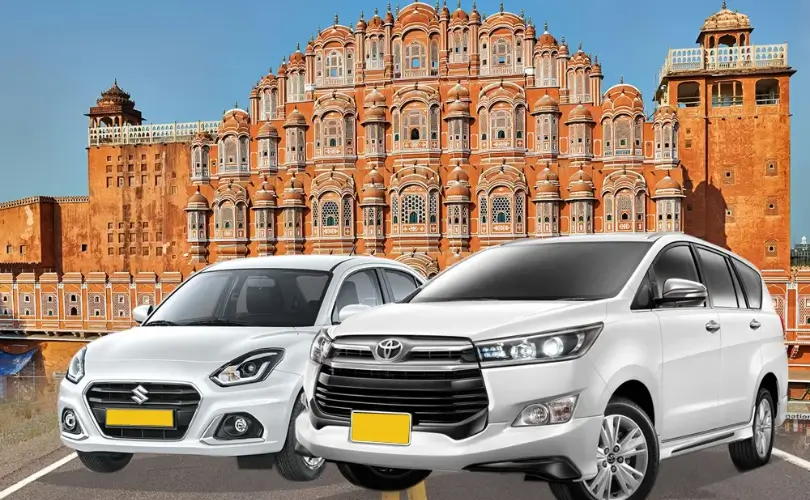
Vehicle category also changes the total. A private sedan for a multi-day Golden Triangle route may broadly cost around ₹20,000 to ₹30,000 for approximately five days, depending on mileage and inclusions. An Innova-type vehicle can cost around ₹30,000 to ₹45,000, while an Innova Crysta private tour may cost approximately ₹35,000 to ₹50,000 or more.
Travelers should check whether fuel, tolls, parking, interstate charges, and driver allowance are included.
Professional guide fees can broadly cost ₹1,500 to ₹4,000 or more per city or sightseeing session, depending on duration, language, and service level. Monument tickets are generally separate unless explicitly included in the package.
For international visitors, Taj Mahal admission is commonly around ₹1,100 per person, with approximately ₹200 extra for access to the main mausoleum. Agra Fort is commonly around ₹650 per international visitor. Jaipur's Amber Fort, City Palace, Jantar Mantar, and other paid attractions add further ticket expenses. Current official rates should always be checked close to the travel date.
A couple should therefore expect the complete daily cost to be higher than the advertised vehicle-and-hotel figure when tickets, meals, guides, and optional experiences are not included.
A private car and driver in India is particularly useful on the Delhi–Agra–Jaipur route because the cities are reasonably connected by road. Travelers are collected directly from their hotel, their luggage stays with the vehicle, rest stops can be made when needed, and there is no requirement to transfer between hotels and railway stations.
For Americans accustomed to driving themselves on vacation, hiring a driver can initially seem unusual. In India, it is often the more practical option. Traffic behavior, road conditions, parking, local navigation, commercial vehicle rules, and congestion can make self-driving stressful for a first-time international visitor.
A private driver handles the transportation while local professional guides can join in Delhi, Agra, and Jaipur.
Trains remain useful for certain routes. Indian railways can provide an efficient connection between major cities, and some visitors specifically want the railway experience. The disadvantage is that travelers still need hotel-to-station transportation, baggage handling, the correct platform, and another transfer after arrival.
For the Golden Triangle, a private vehicle can be simpler when two or more travelers are sharing the cost.
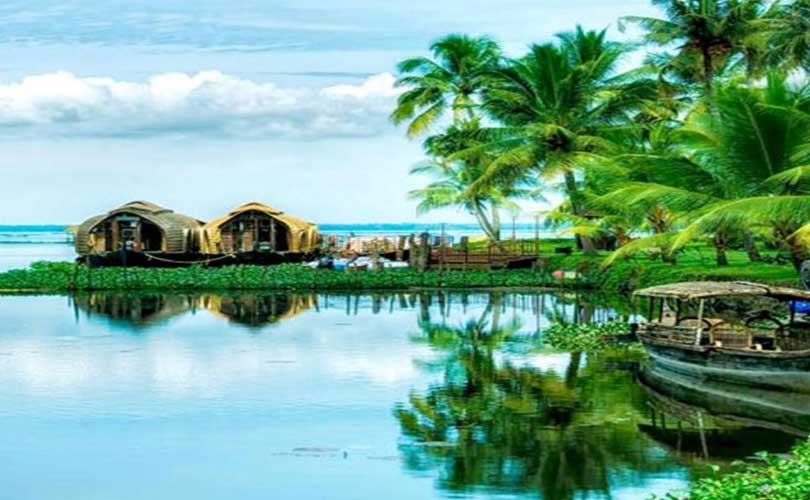
Domestic flights become valuable when distances increase. A traveler going from Delhi to Varanasi, Jaipur to Mumbai, or North India to Kerala should not automatically choose a long road journey simply because a car is already available. A flight can save an entire day or more when the route is sufficiently long.
The correct transport mix depends on geography.
A reliable custom India tour for U.S. travelers should not use road travel for every sector just to keep the itinerary operationally simple for the tour company.
One or two travelers with moderate luggage can usually use a sedan. The important phrase is “moderate luggage.” Two people arriving from the United States may have two large checked suitcases, two carry-ons, backpacks, shopping bags, and additional items acquired during the trip. In that situation, a larger vehicle can be worth the price even when only two passengers are traveling.
An Innova with driver in India works well for three or four adults and for couples wanting more space. An Innova Crysta offers a more premium cabin and is popular for private multi-city tours.
For a journey involving several five- or six-hour driving days, vehicle comfort becomes more important than it would be for a 20-minute airport transfer. A difference of ₹10,000 or ₹15,000 across a complete trip can be relatively small when divided between several travelers.
For example, if a sedan package is ₹25,000 and a Crysta is ₹40,000, the difference is ₹15,000. For four travelers, that represents ₹3,750 per person across the complete vehicle booking.
Families should also consider luggage and child seating requirements before confirming the car. If a specific child seat is required, it should be requested in advance rather than assumed to be standard equipment.
Air conditioning should be fully functional. In hotter months, this is essential rather than a luxury feature.
Travelers should ask whether seat belts are available for the passenger positions they intend to use.
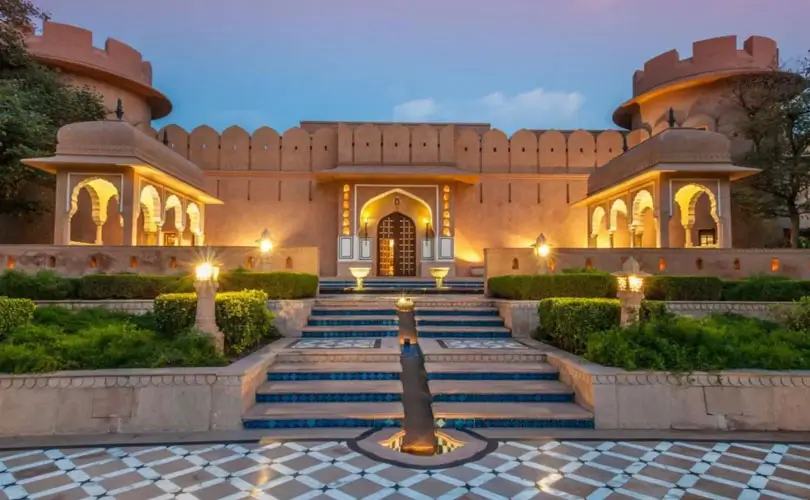
For a first visit, a well-selected four-star hotel can provide a strong balance between comfort and price. The property should have reliable air conditioning, good housekeeping, an established reception desk, breakfast, suitable bathrooms, and a practical location.
A five-star hotel can provide a higher service level, larger public spaces, better dining, premium facilities, and greater consistency. For travelers celebrating a honeymoon, anniversary, birthday, or another special occasion, upgrading selected nights can be more worthwhile than booking luxury accommodation in every city.
Agra is a good example. Some travelers are willing to pay considerably more for a room with a Taj Mahal view. If this is important, the exact room category should appear on the confirmation. Booking a hotel that advertises Taj views does not guarantee that every room faces the monument.
Jaipur offers heritage hotels in addition to modern properties. Staying in a historic-style property can add character, but American travelers should check practical details such as elevators, stairs, room size, bathroom layout, heating, air conditioning, and accessibility. Historic buildings do not always function like recently constructed U.S. hotels.
Delhi hotel location deserves particular attention because traffic can be substantial. A cheap room far outside the main areas may result in long drives at the beginning and end of every sightseeing day.
Breakfast inclusion should be confirmed in writing.
Travelers with food allergies should communicate them before arrival. A hotel being five-star does not eliminate the need to explain a serious allergy carefully.
U.S. passport holders need the appropriate authorization before traveling to India. Eligible American tourists may be able to apply through the Indian e-Visa system, but visa categories, validity periods, application conditions, fees, passport requirements, and permitted entry points can change.
Travelers should use the official Government of India visa information and application system rather than relying on an old blog post for current entry rules.
The passport should satisfy the applicable validity and blank-page requirements. The name on the visa application and flight booking should match the passport.
Travelers should also check current U.S. government travel information before departure, particularly for health, regional, documentation, or security updates relevant to their itinerary.
A private tour operator can provide ground arrangements, but the traveler remains responsible for holding the correct passport, visa, and entry documentation unless a separate professional visa service has been explicitly contracted.
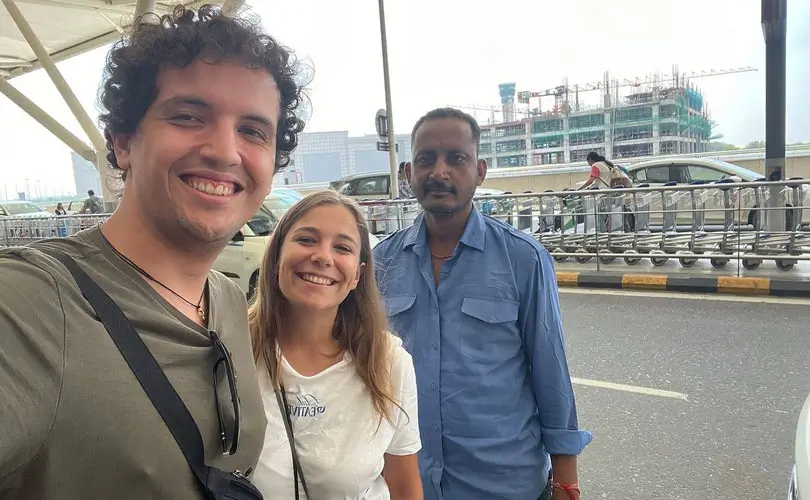
Upon arrival in Delhi, international travelers go through immigration, collect baggage, clear customs as applicable, and then reach the public arrivals area. A private airport pickup should include clear meeting instructions.
The operator should have the flight number, not simply the arrival time. If a flight is delayed, the flight number helps the local team identify the correct arrival.
India uses the Indian rupee, and visitors should have more than one way to access money.
Major hotels, established restaurants, larger stores, and many tourism businesses accept cards. However, a U.S.-issued card can occasionally be rejected by a particular payment gateway or trigger a fraud check. Carrying a second card is sensible.
Before departure, travelers should understand their bank's foreign transaction fees and ATM charges.
Some U.S. cards charge around 3% on foreign purchases, while others have no foreign transaction fee. This difference can become significant on hotels, shopping, and large tour payments.
Cash remains useful for small expenses, tips, minor purchases, and locations where international cards are not convenient.
Tour deposits should be paid only after receiving a written quotation or booking document. The payment record should identify the amount paid, and the operator should confirm the remaining balance.
Travelers should be cautious if payment instructions unexpectedly change. A message asking a guest to send a large amount to a different account should be independently verified through an established contact method.
Tipping practices can be confusing for Americans because the United States has a strong tipping culture while India uses tips differently across tourism services.
For a private driver, some international travelers choose approximately ₹500 to ₹1,000 per day for a couple when service has been good, with higher amounts possible for exceptional service or larger groups. This is not a mandatory tariff and should be adjusted according to service quality and the booking arrangement.
For a professional private guide, approximately ₹500 to ₹1,000 or more for a full sightseeing day can be a reasonable discretionary range for a couple when the guiding has been good. Specialist guiding or exceptional service may justify more.
Hotel porters, restaurant staff, and other service providers may also receive smaller tips depending on the situation.
Travelers should check whether a restaurant bill already includes a service charge before adding another gratuity.
The key point is that tips should remain connected to service quality rather than becoming an unexpected compulsory fee.
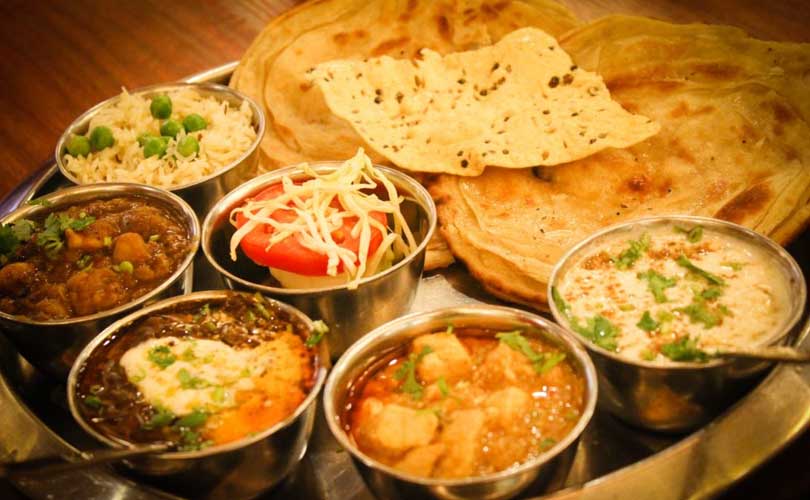
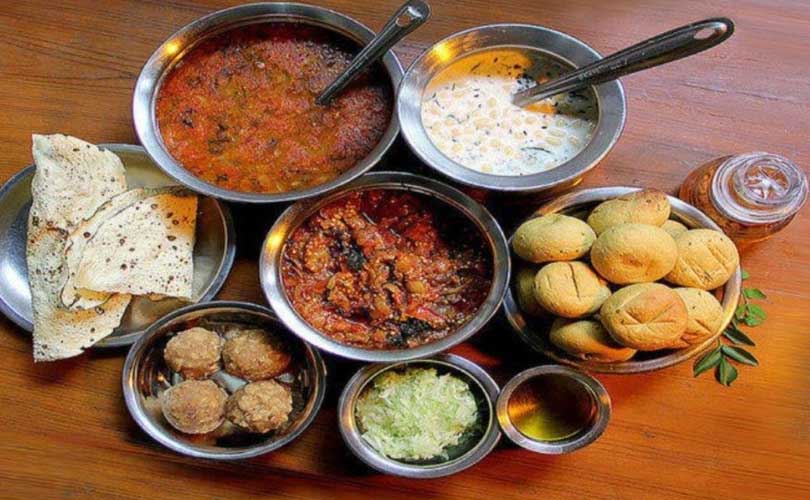
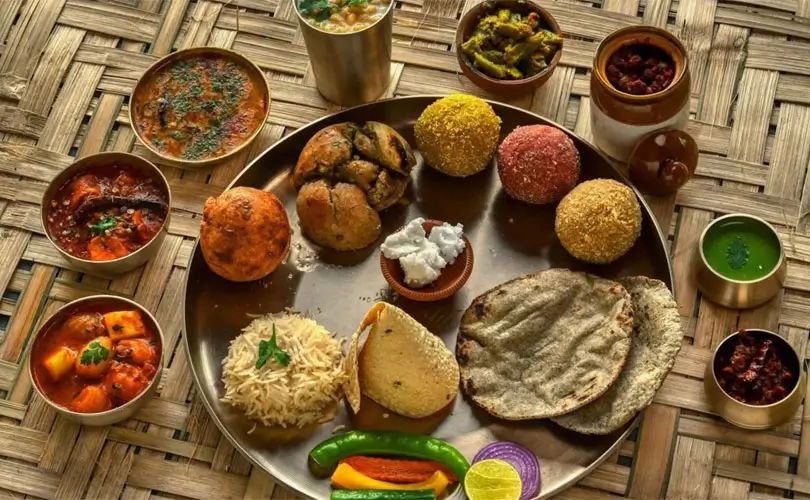
India offers an enormous range of food, and travelers do not need to eat extremely spicy dishes at every meal. Reputable restaurants and hotels can usually adjust spice levels when the request is made clearly.
Bottled water should have an intact seal. Many good hotels also provide filtered drinking water.
A restaurant lunch at a comfortable tourism-oriented venue may cost around ₹700 to ₹1,500 per person. Upscale dining can cost around ₹2,000 to ₹4,000 per person or more, while luxury hotel restaurants can be considerably higher.
Travelers with allergies should not rely only on a generic statement such as “no nuts.” The exact ingredient or allergy should be explained clearly. Severe allergies require additional caution because kitchen practices and cross-contact controls vary.
The first few days should not be overloaded with very late dinners and early morning departures. Jet lag from the United States can make a schedule that looks easy on paper surprisingly tiring.
Comfortable walking shoes are essential. The Taj Mahal, Agra Fort, Amber Fort, Humayun's Tomb, Qutub Minar, City Palace, and other sites involve substantial walking.
During warmer months, water, sun protection, and lighter clothing suitable for the conditions are important. Clothing should also be appropriate for religious sites included in the itinerary.
One common mistake is choosing the cheapest quotation without comparing the actual hotels and inclusions. A package that is $300 cheaper may use substantially lower-category accommodation or exclude tolls, parking, guides, and monument tickets.
Another mistake is booking too many cities.
A ten-night trip containing Delhi, Agra, Jaipur, Udaipur, Jodhpur, Varanasi, Mumbai, and Goa may provide more transportation memories than destination memories.
Travelers should also avoid accepting hotel descriptions without names. “Luxury hotel in Jaipur” is not a sufficiently precise booking term for a high-value private trip.
The same applies to vehicles. If an Innova Crysta has been paid for, the confirmation should identify that category or clearly explain the substitution policy.
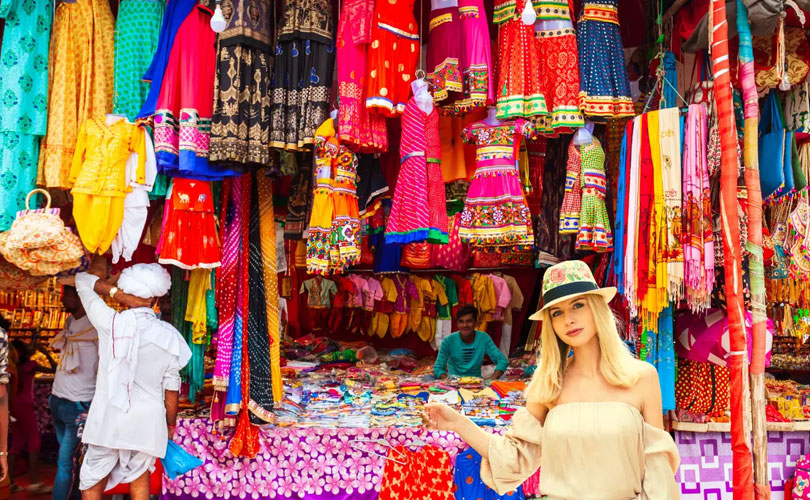
Mandatory shopping stops should not be part of a private tour unless the traveler wants them. Delhi, Agra, and Jaipur all have worthwhile shopping, but a guest should be free to decline retail visits.
A schedule that places the Taj Mahal on Friday should be corrected because the monument is closed to general visitors that day.
Very short airport connection times should also be avoided. International and domestic transfers can require terminal movement, security, baggage handling, and buffer time.
A practical India vacation package for U.S. travelers should clearly state airport pickup and final drop, private vehicle category, driver service, hotel names, room categories, meal basis, sightseeing, professional guide services, road charges, and any included monument tickets.
The itinerary should state where the traveler sleeps every night.
Intercity driving times should be realistic.
The quotation should identify what is not included, particularly international flights, domestic flights where applicable, visas, travel insurance, meals outside the stated meal basis, tips, personal expenses, and optional activities.
Cancellation terms should be available before payment.
Golden Triangle Tours India can arrange a private itinerary according to the traveler's U.S. arrival and departure flights, number of nights, hotel preference, passenger count, luggage, vehicle requirements, and destinations. Providing those details before requesting the final quotation allows the route to be priced according to the actual trip rather than a generic package.
For a first visit, comfort and pacing usually produce more value than adding another city. Delhi, Agra, and Jaipur already contain enough major sights to fill a week with genuinely different experiences, and additional destinations should earn their place in the itinerary rather than simply making the package look larger.
Approximately seven to nine nights works well for a comfortable Delhi, Agra, and Jaipur itinerary. Travelers with ten to fourteen nights can add destinations such as Ranthambore, Udaipur, or Varanasi without making every day a transfer day.
A seven-day Golden Triangle ground package can broadly cost around ₹60,000 to ₹95,000 for value-oriented travel, approximately ₹95,000 to ₹1,60,000 for stronger mid-range travel, and ₹1,60,000 to ₹3,25,000 or more for five-star arrangements. International airfare is generally separate.
Yes, U.S. passport holders require the appropriate Indian entry authorization. Eligible tourists may be able to use the Indian e-Visa system. Current rules should be checked through official Government of India sources before travel.
For couples and families, a private Golden Triangle car and driver can be highly practical because it provides hotel-to-hotel transportation, luggage space, flexible rest stops, and direct access between Delhi, Agra, and Jaipur.
A sedan for approximately five days can broadly cost ₹20,000 to ₹30,000. An Innova-type vehicle can cost around ₹30,000 to ₹45,000, while an Innova Crysta may cost around ₹35,000 to ₹50,000 or more, depending on mileage and inclusions.
Good four-star hotels often provide strong comfort and value. Five-star and heritage properties offer higher service levels and premium facilities. Travelers should compare exact hotel names, locations, and room categories rather than choosing by star rating alone.
For good service, some couples choose approximately ₹500 to ₹1,000 per day for a private driver. Tipping is discretionary, and the amount can be adjusted according to service quality and trip length.
International cards are accepted at many established hotels, restaurants, stores, and tourism businesses, but individual transactions can sometimes fail. Carrying a backup card and some Indian rupees is sensible.
No. The Taj Mahal is closed to general visitors on Fridays. On normal visiting days, it generally operates from around sunrise until around sunset.
Avoid choosing only by the lowest price, accepting unnamed hotels, overloading a short itinerary with distant cities, assuming tickets and road costs are included, accepting compulsory shopping stops, or paying a large deposit before receiving clear written booking terms.