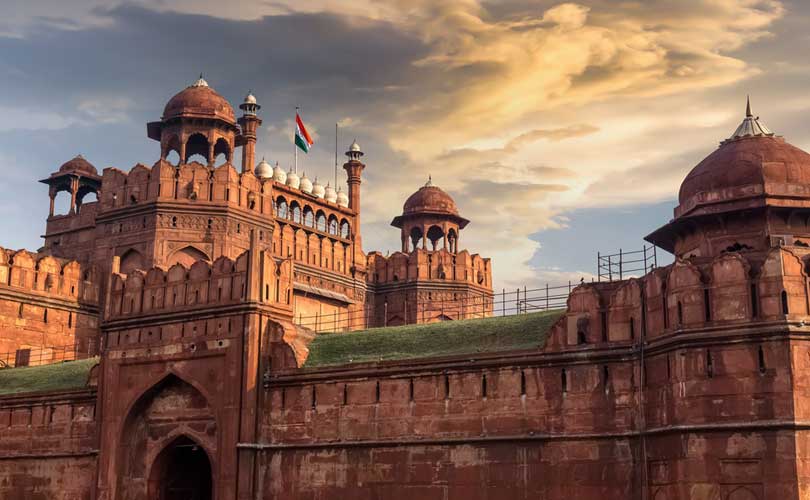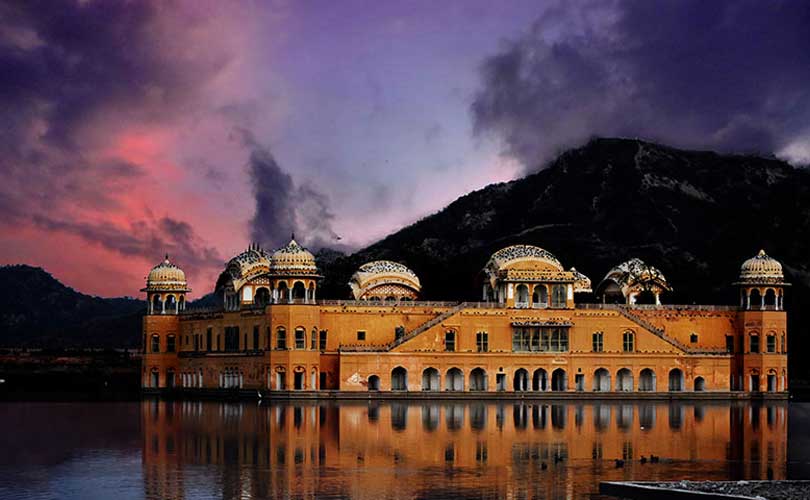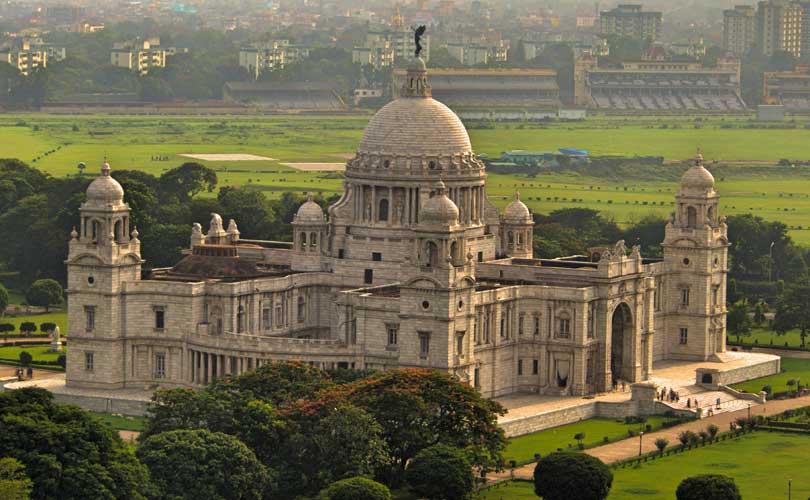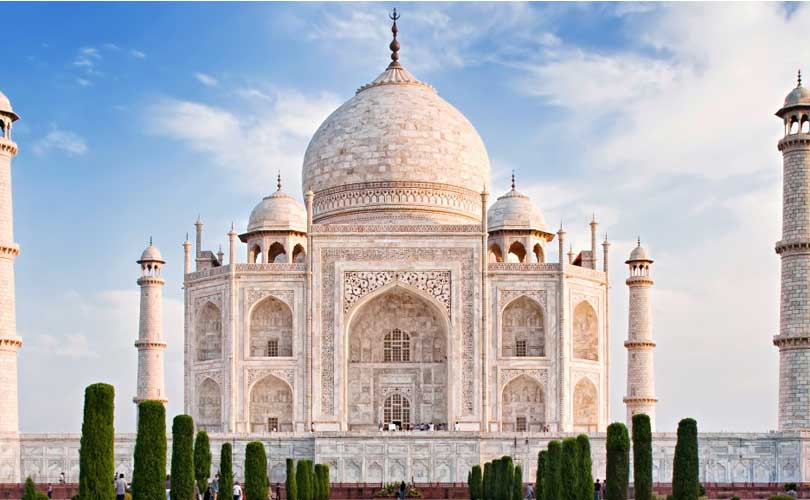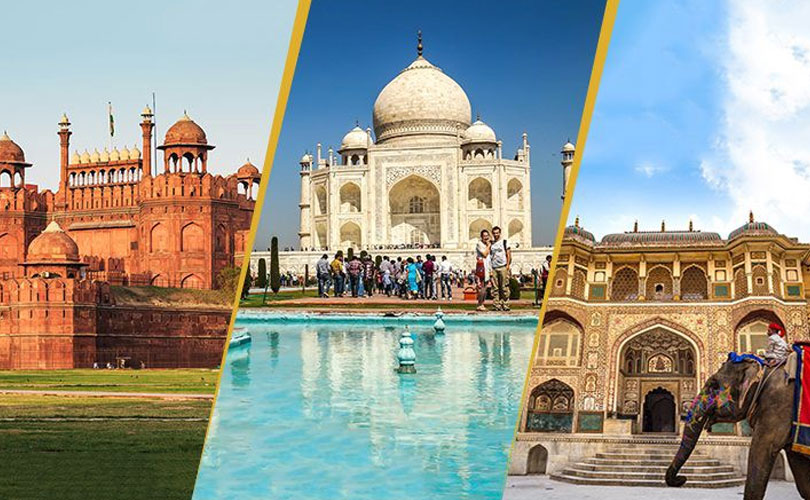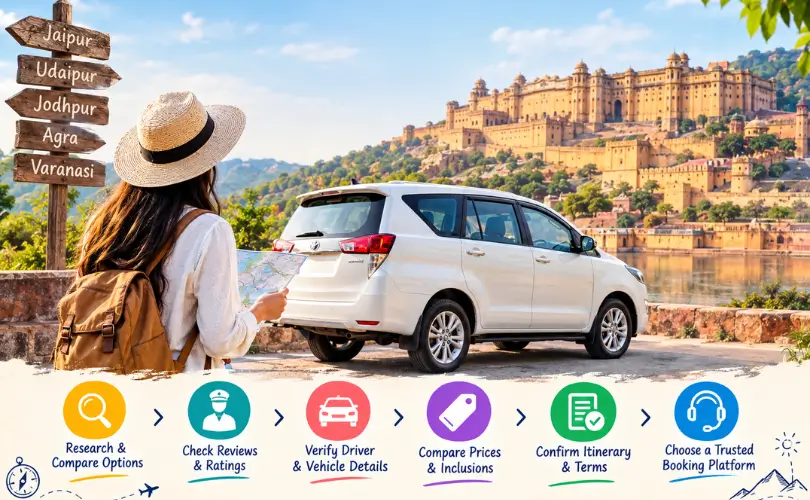
India is a practical long-haul destination for British travelers who want a holiday combining major historical sites, private road travel, heritage hotels, wildlife, food, architecture, and several distinct cities within one journey. Delhi, Agra, and Jaipur are particularly suitable for a first visit because they can be connected by private car without requiring a domestic flight between every destination. Travelers with additional time can continue toward Rajasthan, Ranthambore, Varanasi, Mumbai, or another region according to the length and style of the trip.
For British visitors who do not want to coordinate separate taxis, railway tickets, guides, and hotels after arrival, an India private tour from the UK can provide a much simpler structure. A driver can meet travelers at Delhi Airport, remain responsible for the principal road sectors, and take them directly between hotels. Professional local guides can join separately in major sightseeing cities, while accommodation can be selected according to the traveler's preferred level rather than forcing every visitor into the same fixed hotel category.
The price varies considerably. A couple using comfortable four-star hotels and a private sedan will pay much less than travelers requesting an Innova Crysta, five-star heritage hotels, premium rooms, private guides every day, monument tickets, special dining, and additional experiences. International airfare is normally separate unless a package explicitly states otherwise.
British travelers should also consider practical details that are easy to overlook when comparing attractive itineraries online. Entry permission must be arranged correctly before travel, hotel and transport standards should be confirmed in writing, road journey times need to be realistic, and payment terms should be understood before sending a deposit.
The strongest private India holiday for UK travelers is therefore not simply the itinerary with the largest number of cities. A well-paced journey allows enough time in each destination and keeps long travel days under control.
Delhi is one of the most convenient entry points for a first private tour of northern India. Indira Gandhi International Airport receives long-haul services connecting India with the United Kingdom, and travelers can also reach Delhi through one-stop itineraries via major international hubs. Flight schedules and operating airlines change, so British visitors should compare the actual services available for their travel dates rather than assuming a particular route operates every day.
A direct London-to-Delhi flight generally requires roughly eight to nine hours in the air, although actual flight duration changes according to direction, winds, routing, and operating conditions. Connecting itineraries naturally take longer and can turn the complete journey into 12, 14, or more hours depending on the connection.
This makes the first day in India important.
A traveler who lands in Delhi after an overnight long-haul flight may not enjoy being taken directly into eight hours of sightseeing. Immigration, baggage collection, airport exit, the drive to the hotel, jet lag, and the time difference between the UK and India all affect energy levels.
India operates on Indian Standard Time, UTC+5:30, while the United Kingdom changes between Greenwich Mean Time and British Summer Time. This means the time difference varies during the year. British travelers should check the applicable difference for their dates, particularly when coordinating calls, airport pickups, or remote work.
For most first-time visitors, spending the arrival night in Delhi is sensible. An airport pickup can take the travelers directly to their hotel, allowing them to begin sightseeing the following morning.
British passport holders need the appropriate permission to enter India. Depending on eligibility and the purpose of travel, an Indian e-Visa for UK citizens may be available for tourism. Visa categories, permitted stay, application windows, passport requirements, entry points, fees, and eligibility conditions can change. Travelers should therefore use the official Government of India visa system and verify the requirements applicable to their passport and trip before paying for non-refundable travel arrangements.
The passport should meet the validity and blank-page requirements applicable at the time of travel. The name used for flights, visa documentation, and passport details should be consistent.
Travelers should be cautious of unofficial visa websites that can resemble government pages while charging additional service fees. The safest approach is to identify the official Indian government portal and read the current requirements directly.
Printed and electronic copies of the approved travel authorization can be useful even when digital records are available.
Travel insurance is another important consideration. A private tour operator manages the ground itinerary but does not replace medical or travel insurance. British travelers should consider suitable cover for medical treatment, trip cancellation, delays, baggage, and activities included in their holiday.
The Golden Triangle private tour from Delhi remains one of the easiest introductions to India because the principal cities are connected by road and offer very different historical experiences.
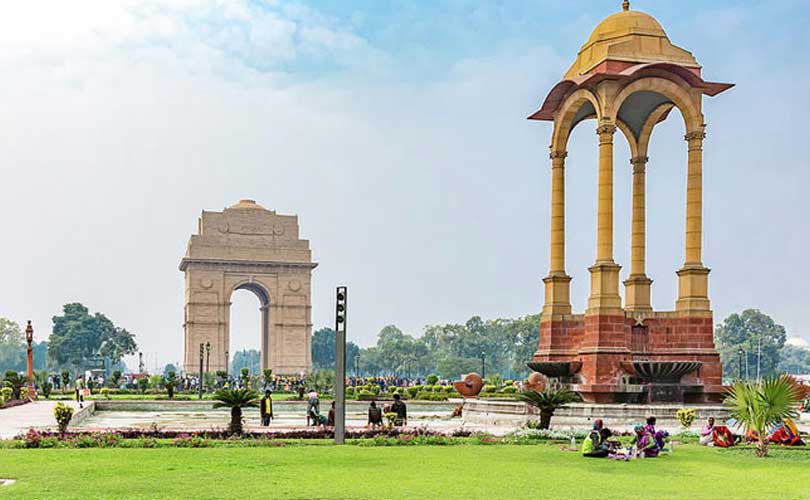
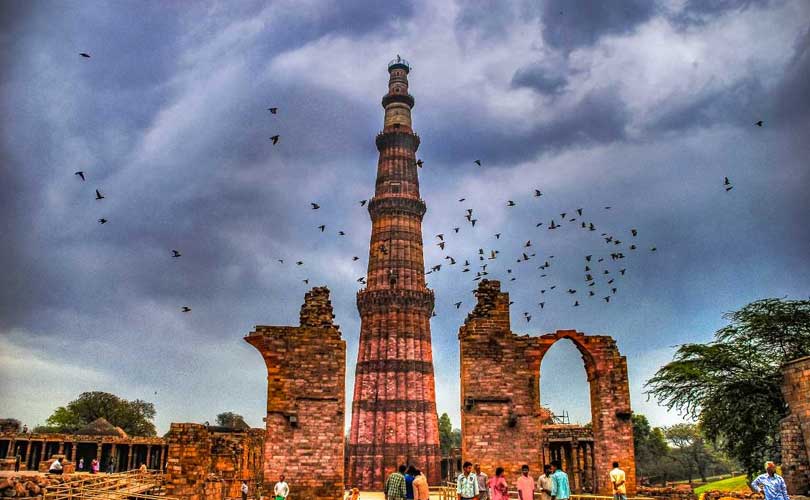
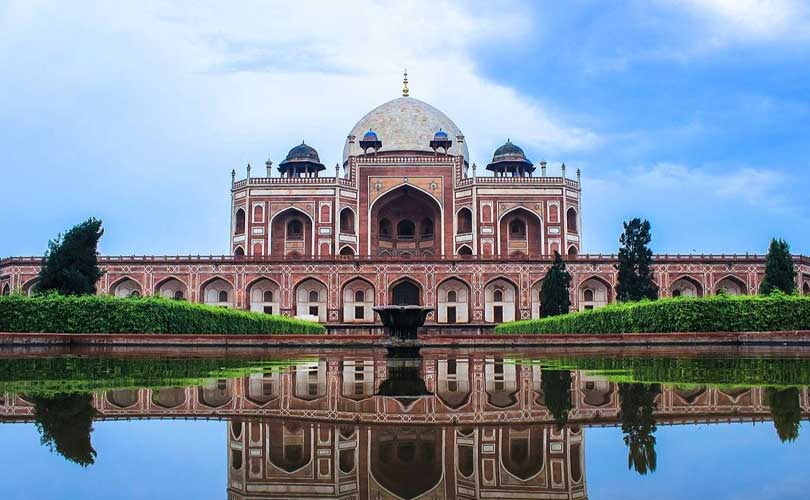
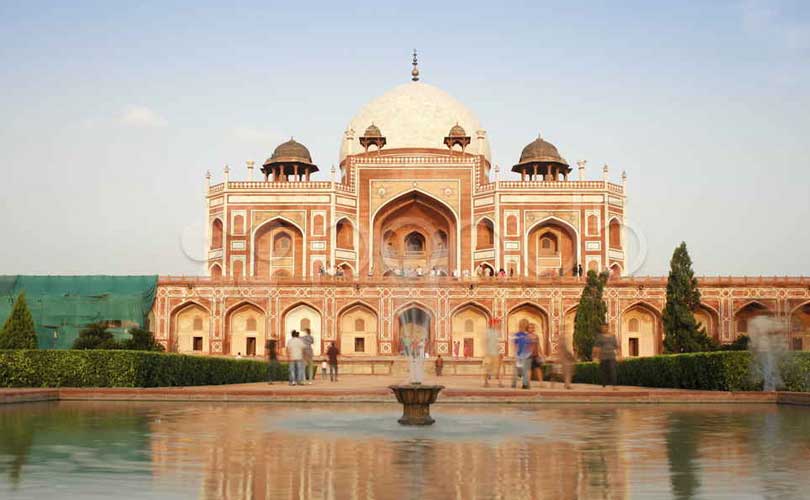
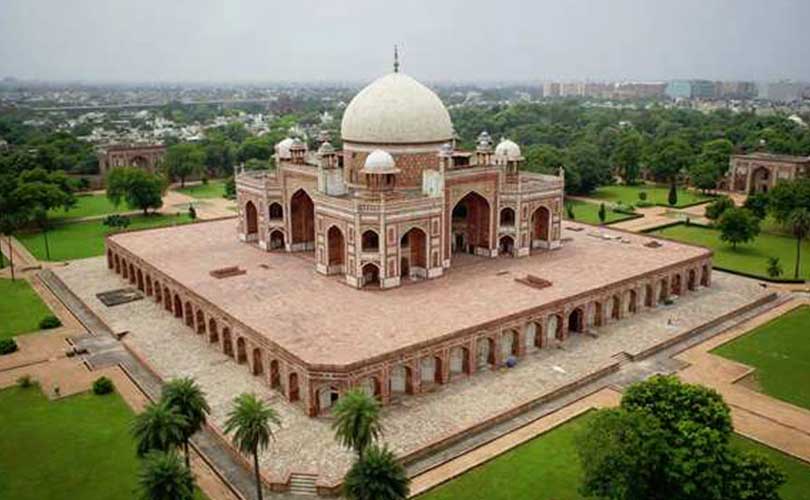
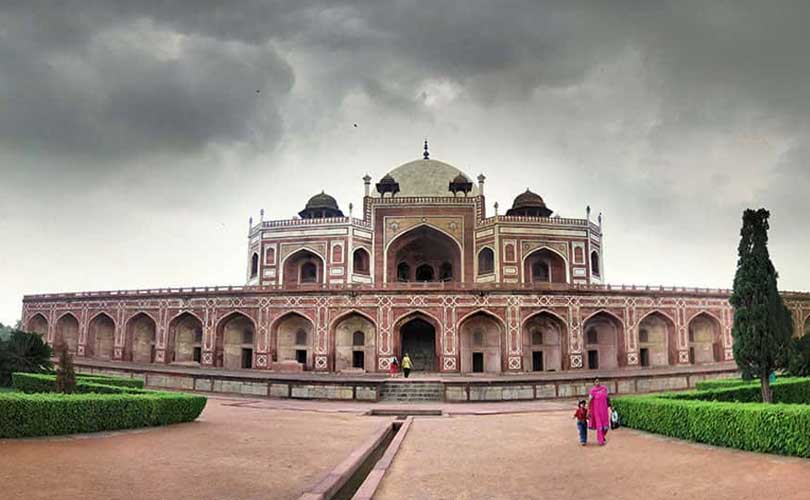
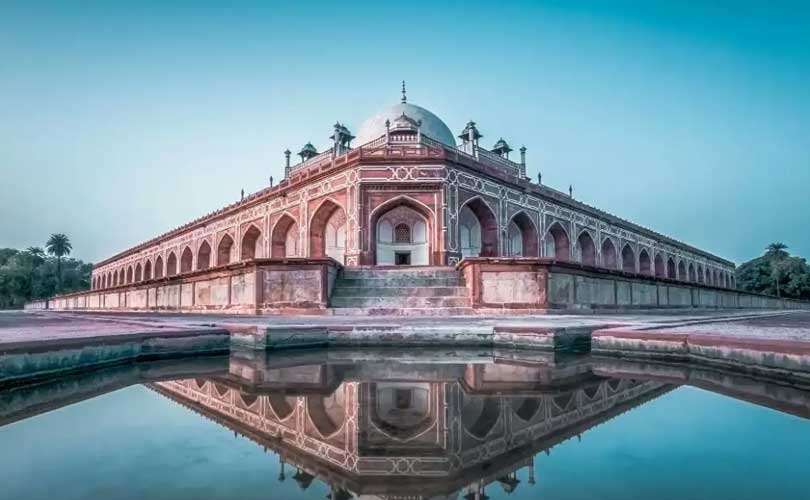
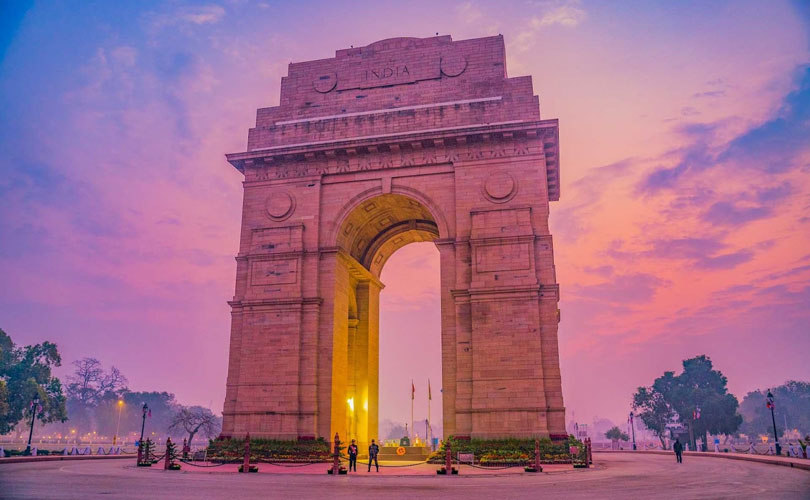
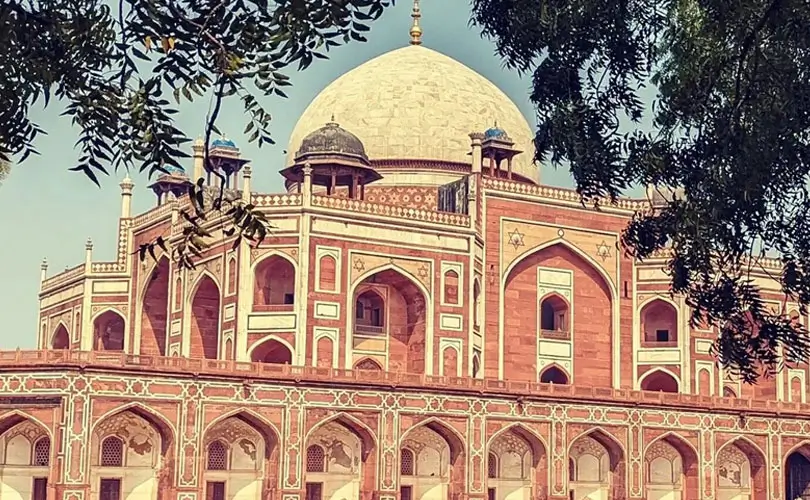
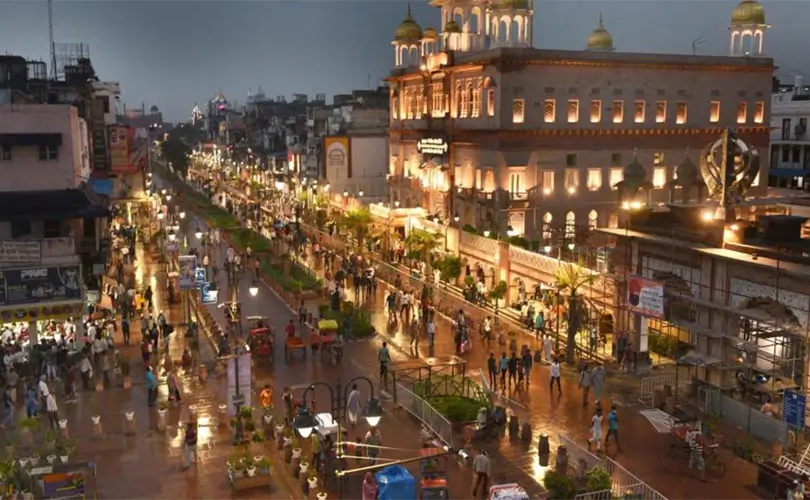
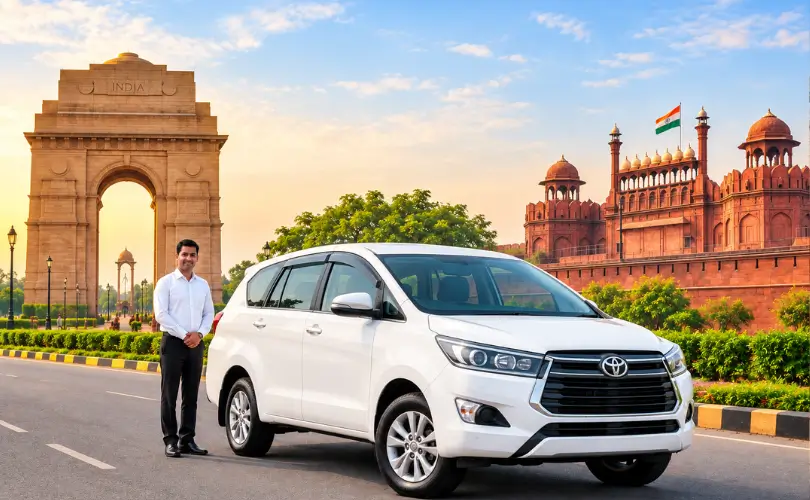
Delhi deserves at least two nights for many first-time travelers. The city contains both Old Delhi and New Delhi, and the distances between attractions are larger than they appear on a short itinerary. A private sightseeing day can include areas around Jama Masjid and Chandni Chowk together with New Delhi landmarks such as Humayun's Tomb, Qutub Minar, India Gate, and government districts according to the selected route and available time.
Trying to complete every major Delhi attraction immediately after an international arrival is rarely necessary.
After Delhi, the journey to Agra is approximately 220–230 kilometres and commonly takes around three to four hours via the Yamuna Expressway when traffic conditions are reasonable.
A private driver can collect travelers directly from the Delhi hotel and take them to their Agra accommodation.
Agra deserves at least one night when the schedule allows.
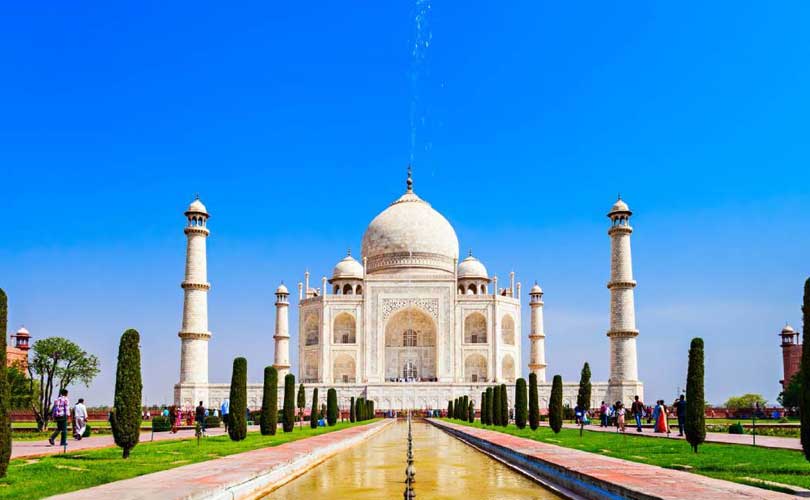
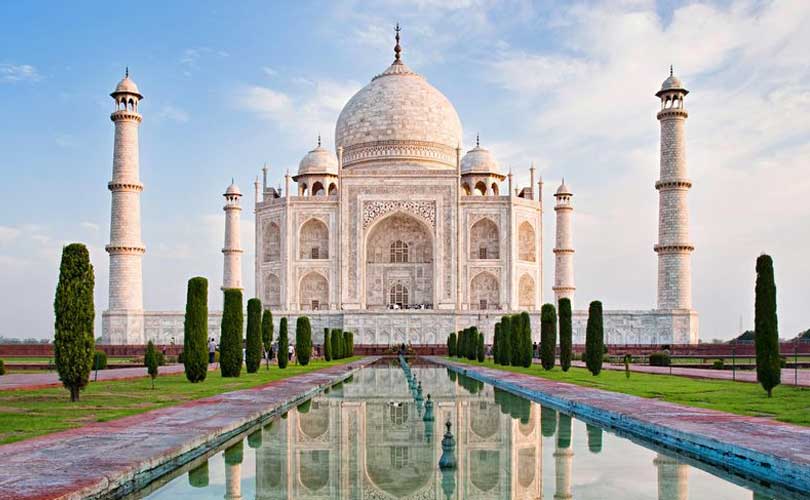
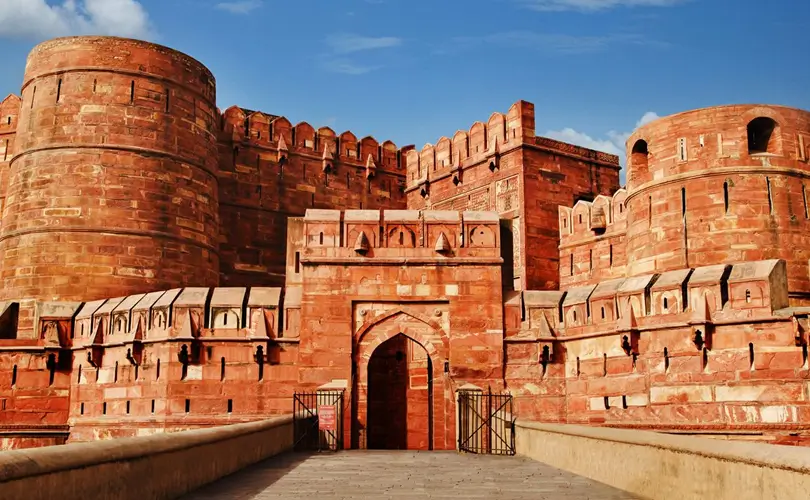
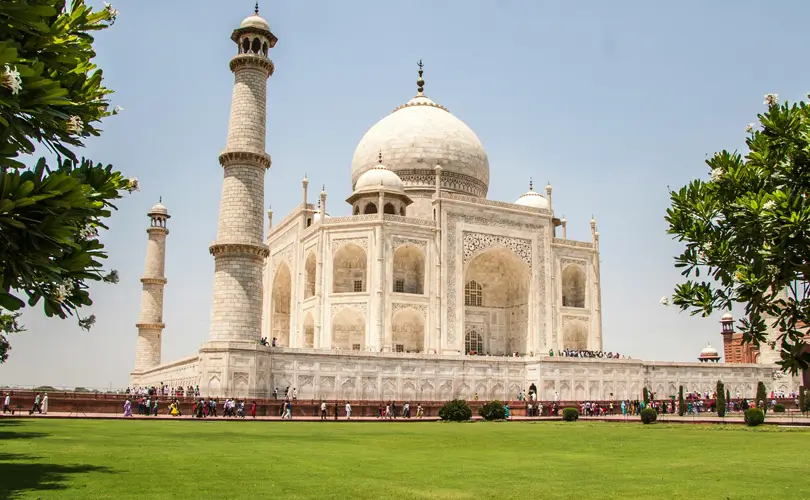
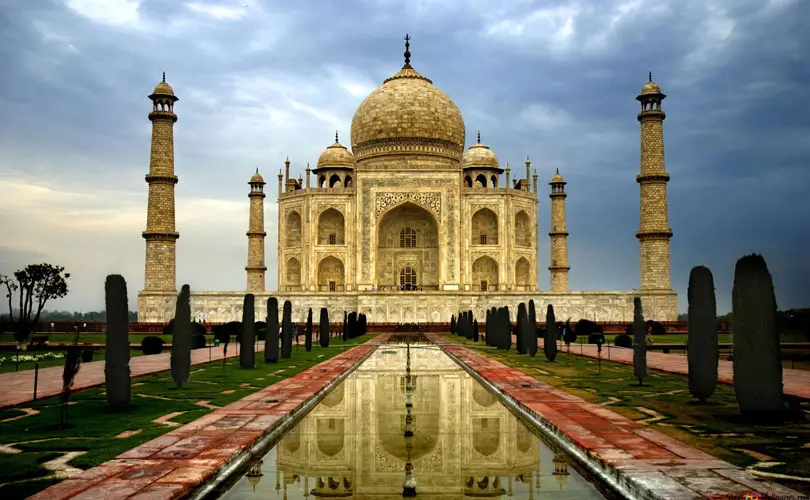
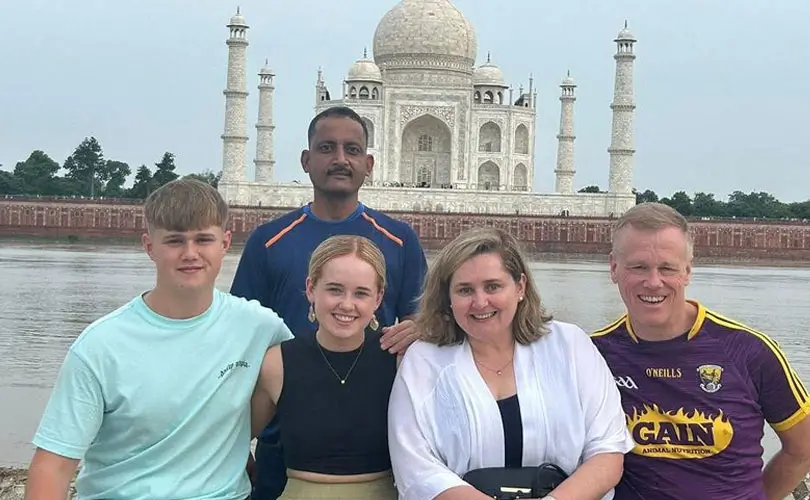
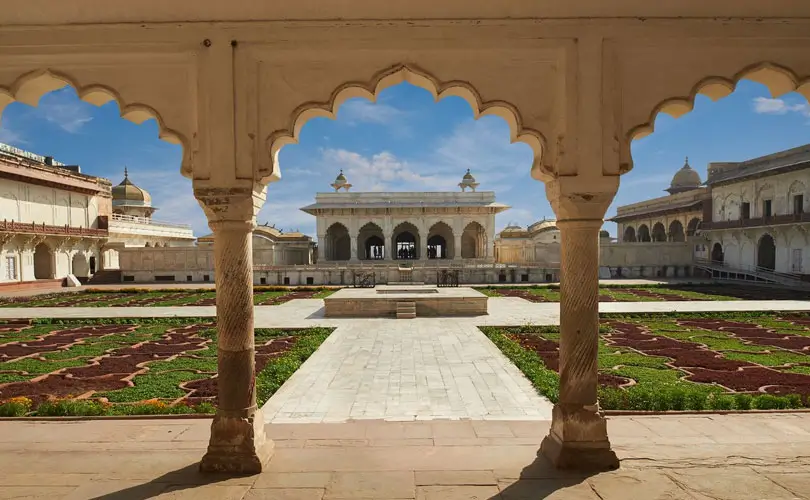
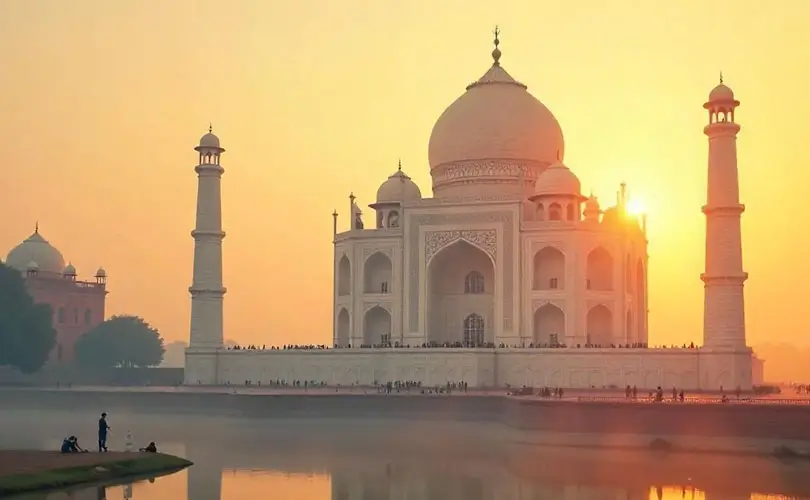
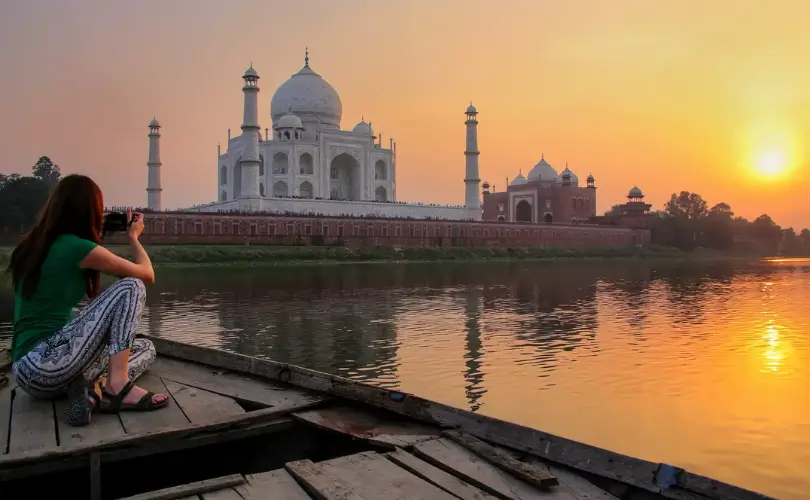
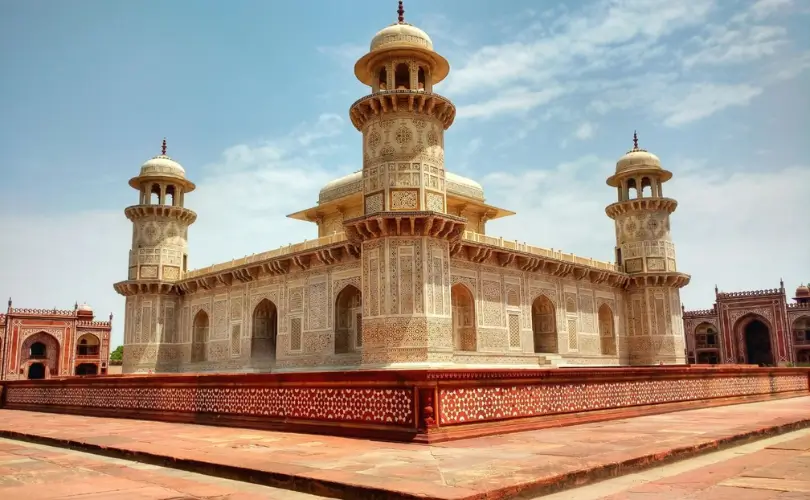
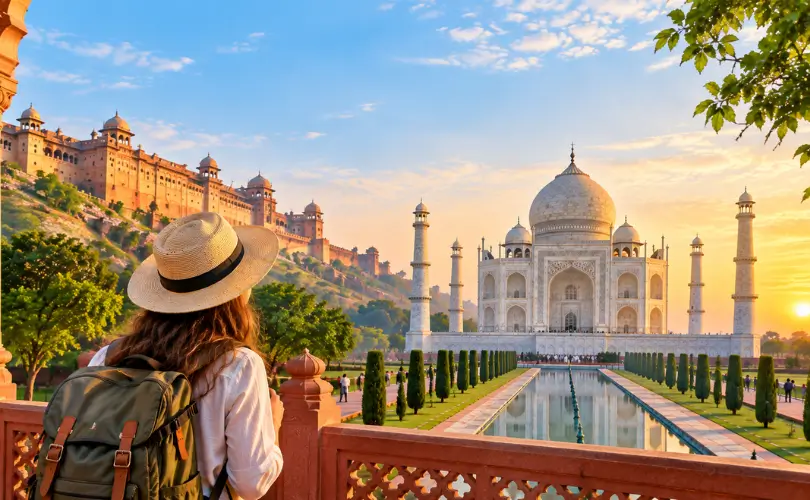
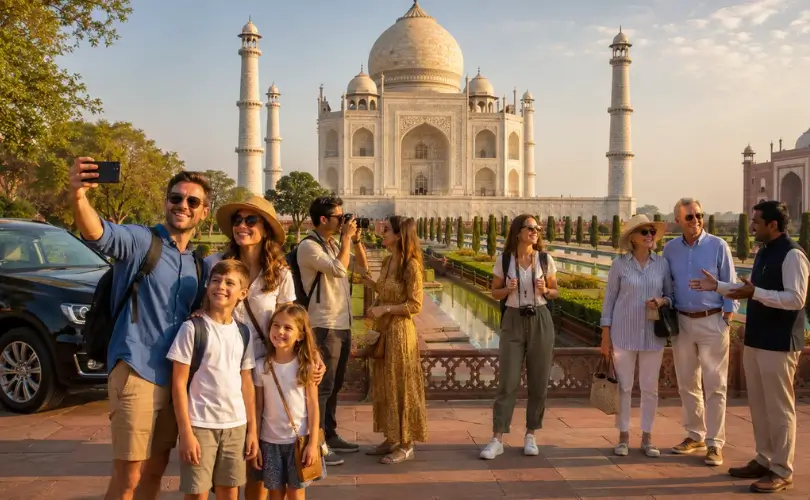
This gives travelers the option of visiting Agra Fort during the afternoon and seeing the Taj Mahal early the following morning. The Taj Mahal is closed to general visitors on Fridays, so the route should always be checked against the day of the week.
International visitors should broadly budget around ₹1,100 for standard Taj Mahal admission, with approximately ₹200 extra for access to the main mausoleum under commonly applicable ticket pricing. Official rates should be checked close to the visit.
Agra Fort admission for an international visitor is commonly around ₹650 per person, subject to official revisions.
After Agra, travelers can continue toward Jaipur by private car. The direct distance is roughly 240 kilometres, but this sector becomes much more interesting when Fatehpur Sikri is included.
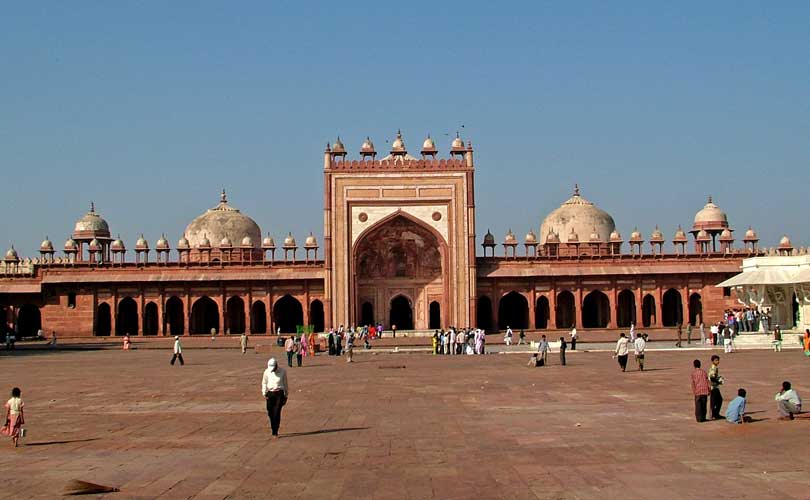
Fatehpur Sikri lies outside Agra and can be visited before continuing toward Rajasthan. Visitors interested in adding another architectural stop can also include Chand Baori at Abhaneri, provided the day begins early enough.
With sightseeing, lunch, and normal road breaks, Agra to Jaipur can become an eight-to-ten-hour travel day. That is why major Jaipur sightseeing should normally begin the following morning rather than being forced into the evening after arrival.
Jaipur merits at least two nights.
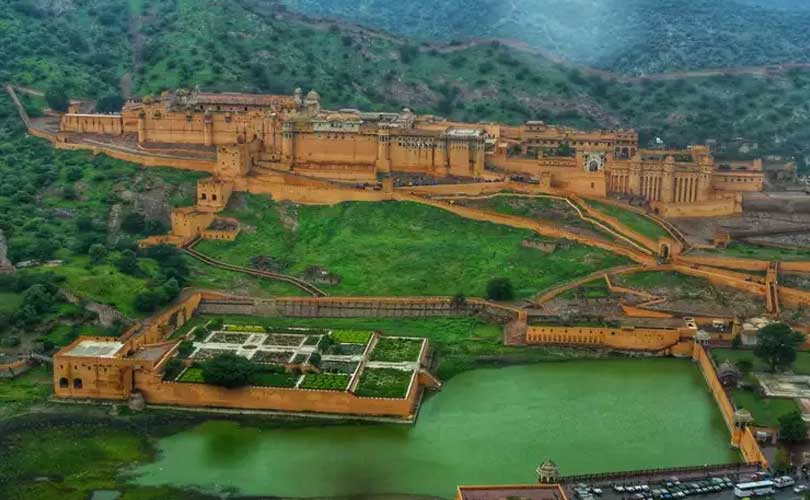
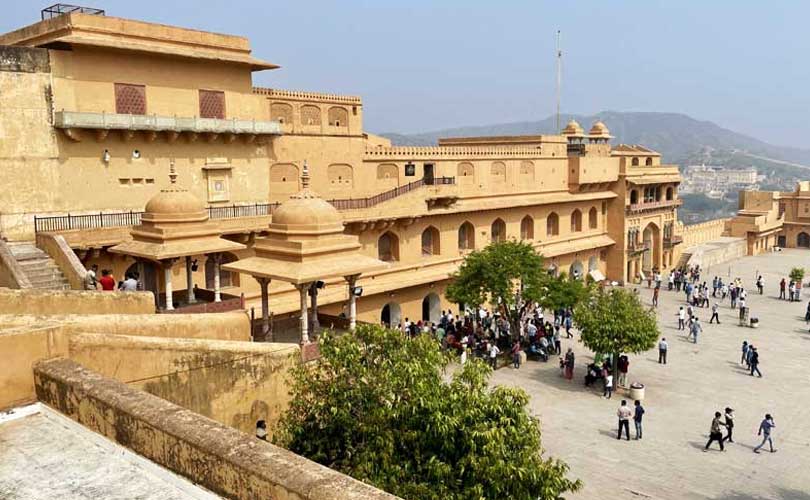
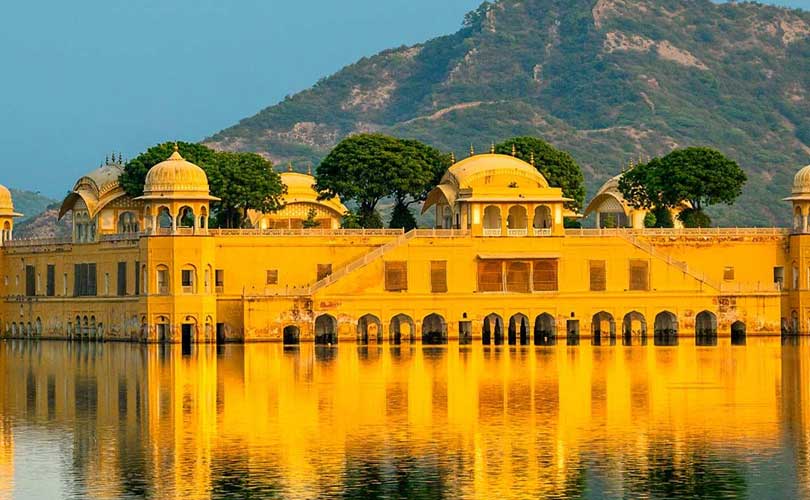
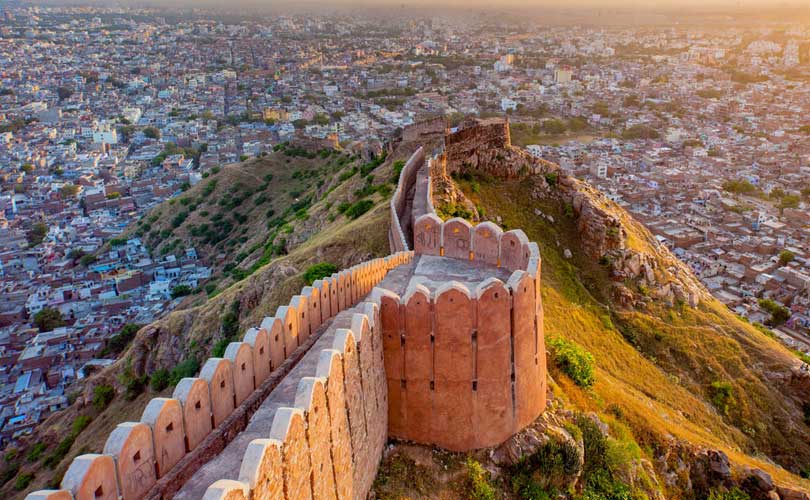
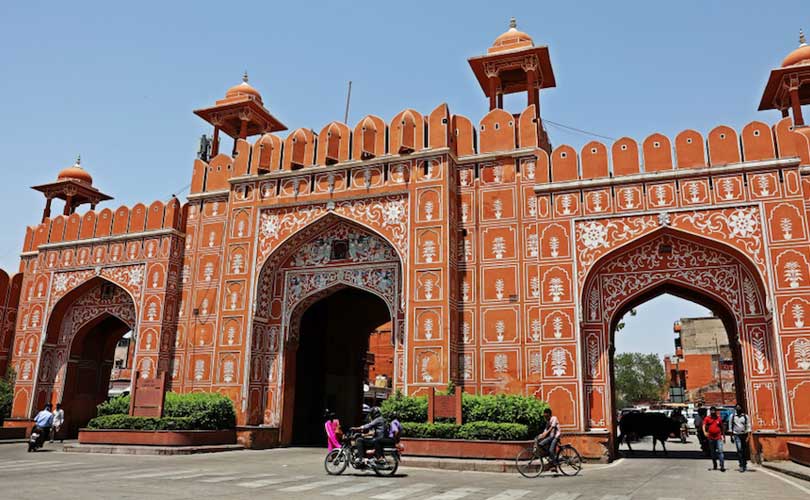
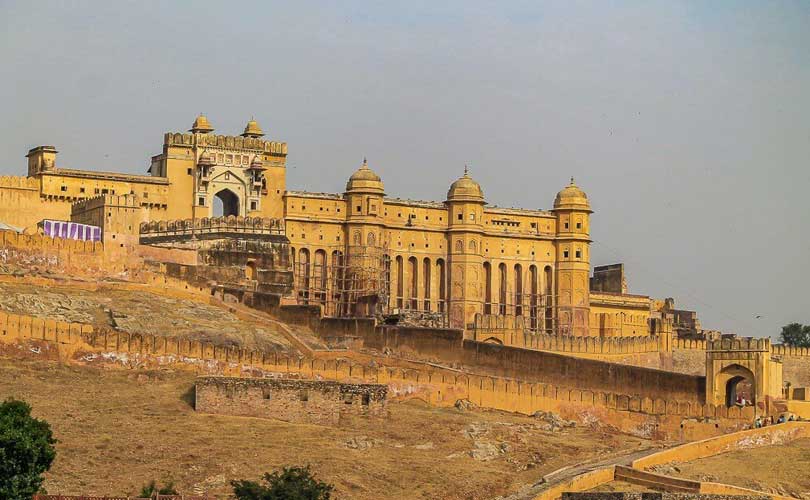
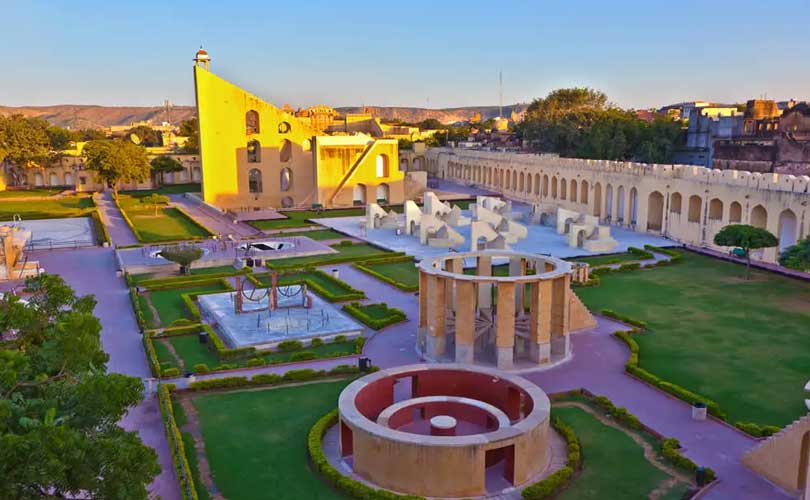
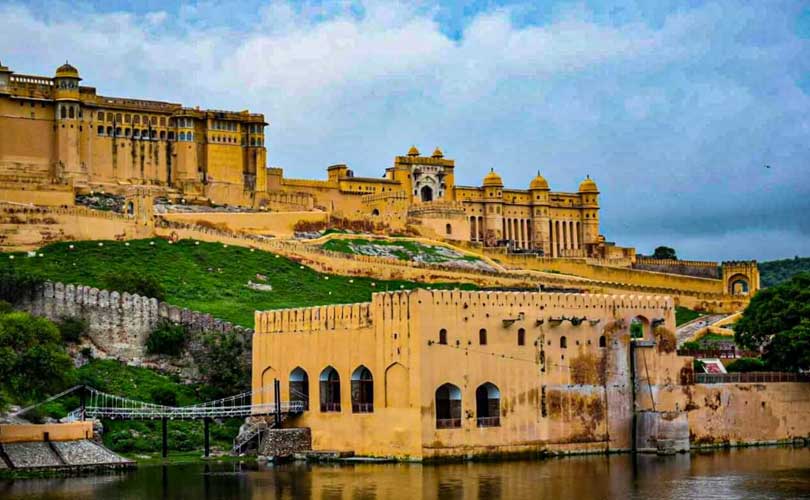
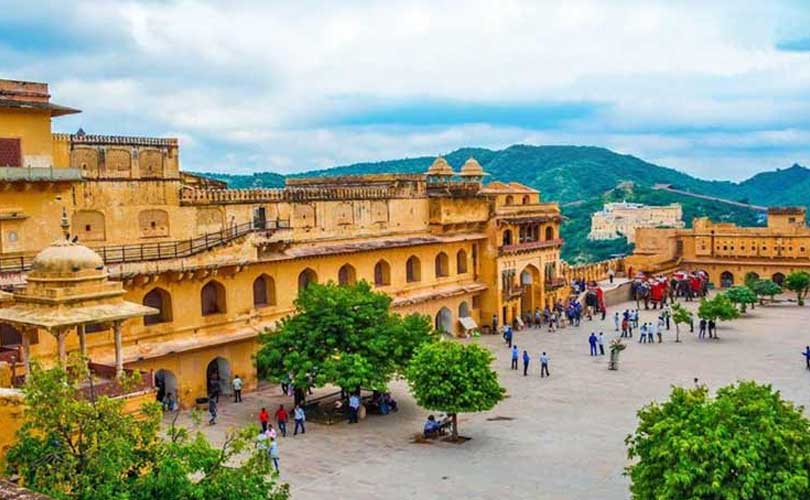
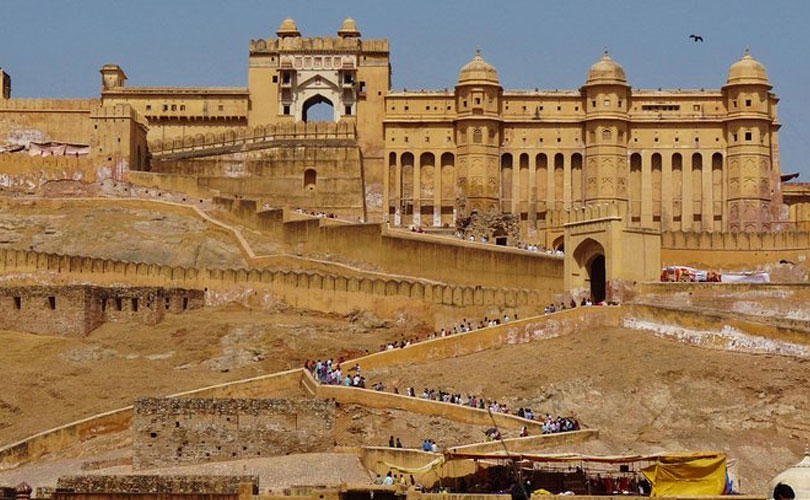
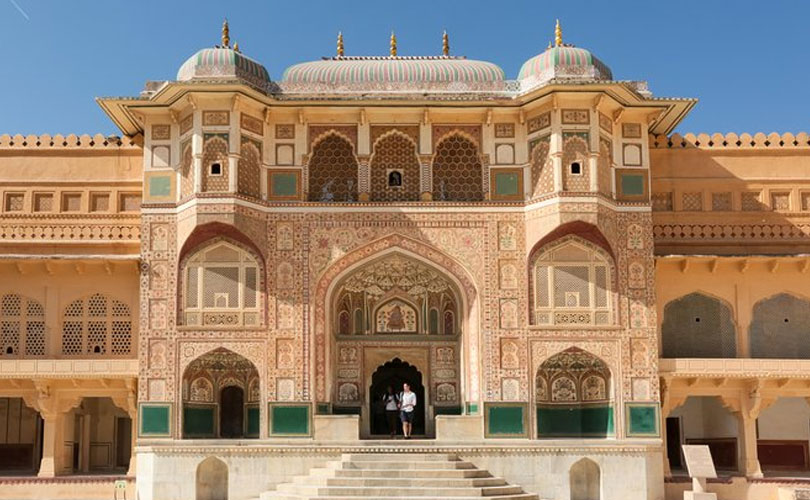
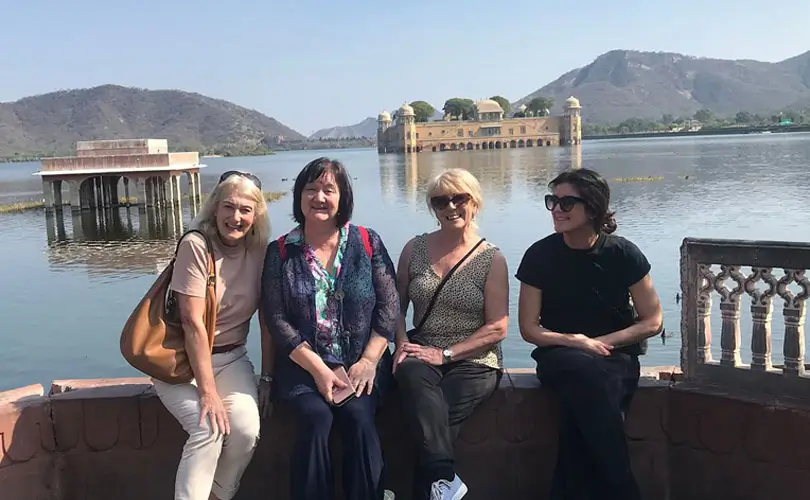
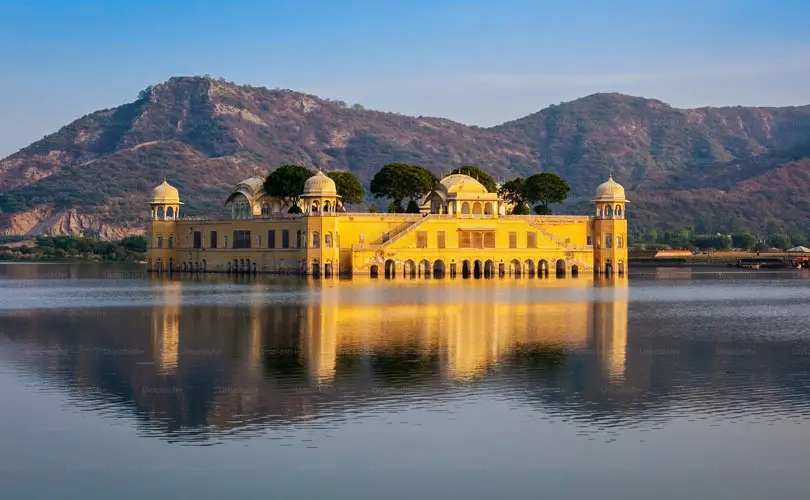
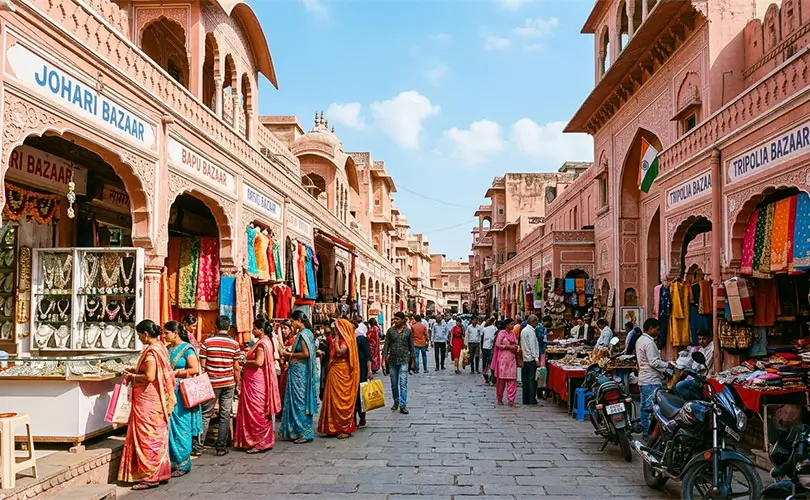
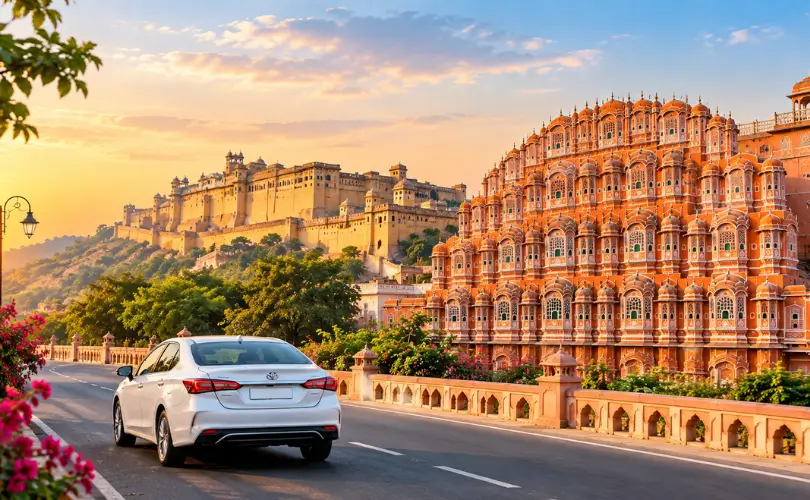
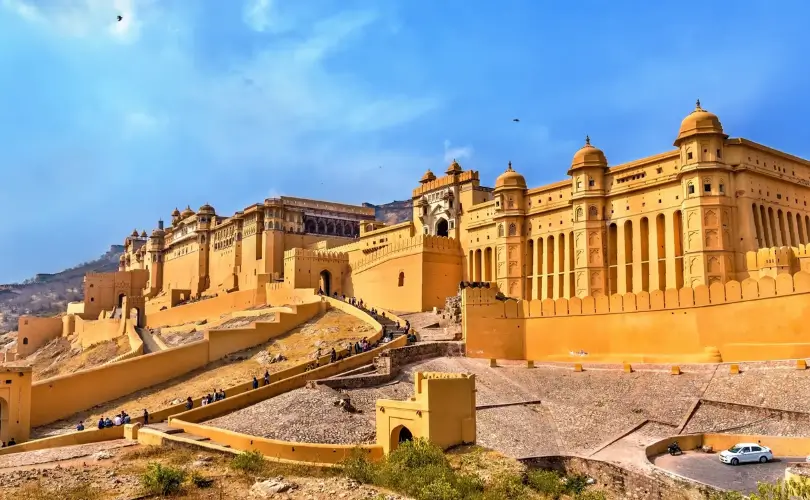
A full private sightseeing day can include Amber Fort, Jal Mahal, City Palace, Jantar Mantar, and Hawa Mahal. Travelers with an additional day can add Jaigarh Fort, Nahargarh Fort, Albert Hall Museum, markets, textile workshops, or other interests without rushing.
After Jaipur, a private car can return to Delhi. The road distance is roughly 270–300 kilometres, and travelers should allow around five to six hours or more depending on traffic and the final Delhi destination.
For British travelers with seven nights available, Delhi, Agra, and Jaipur can therefore be covered at a comfortable pace. Those with ten to fourteen nights have more freedom to add another region.
A longer private India itinerary for UK travelers should add destinations according to geography rather than simply selecting famous names.
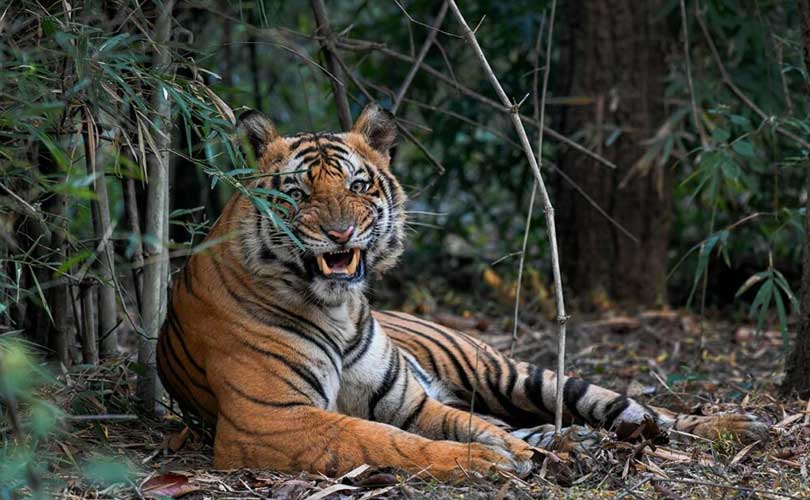
Ranthambore is a natural addition for travelers interested in wildlife. The national park is known for its tiger habitat, although no responsible operator can guarantee a tiger sighting. Safari access depends on current park regulations, zones, seasonal conditions, and permit availability. Visitors should book well ahead when safari dates are important.
Ranthambore can fit between parts of a Rajasthan itinerary, but the road and rail logistics should be arranged carefully. A rushed one-night stop can provide little time if safari schedules and transfers do not align.
Udaipur is a strong extension for travelers wanting more Rajasthan after Jaipur. The city offers lakes, palaces, historic neighborhoods, and a different atmosphere from Delhi, Agra, and Jaipur. However, Jaipur to Udaipur is a substantial road journey. Travelers with limited time may prefer a domestic flight when a suitable service operates, while visitors comfortable with road travel can break the route with another Rajasthan destination.
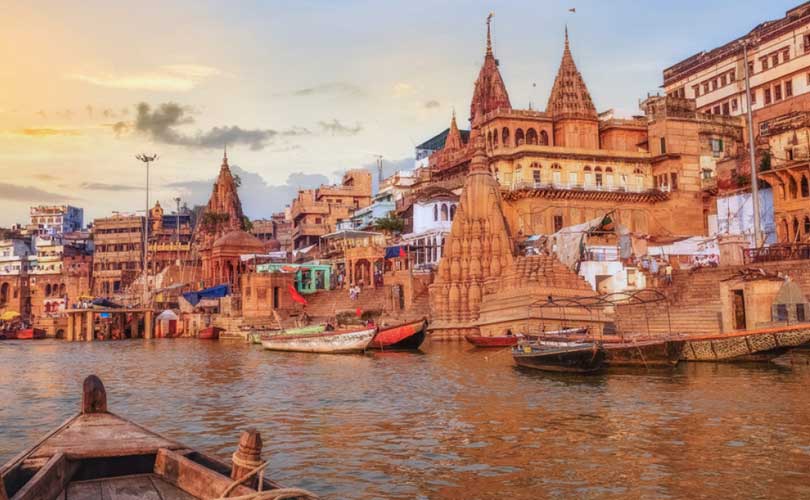
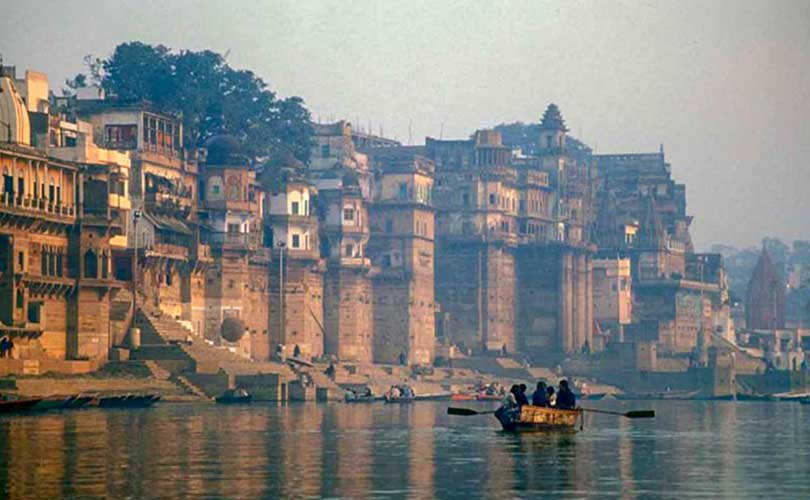
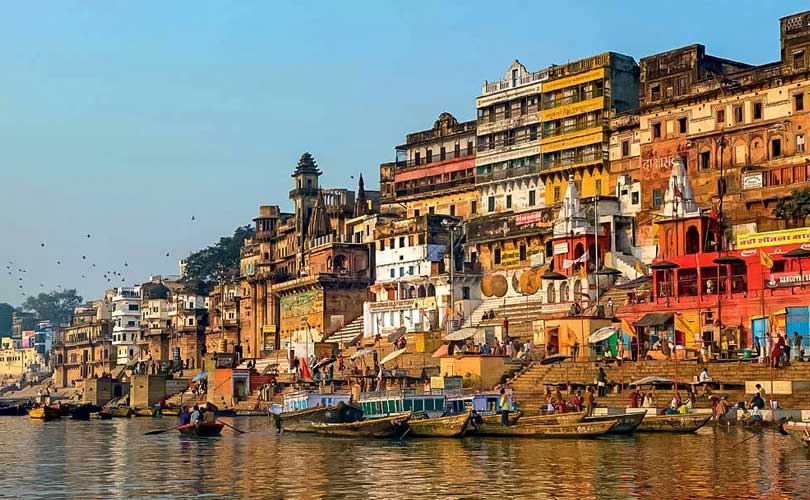
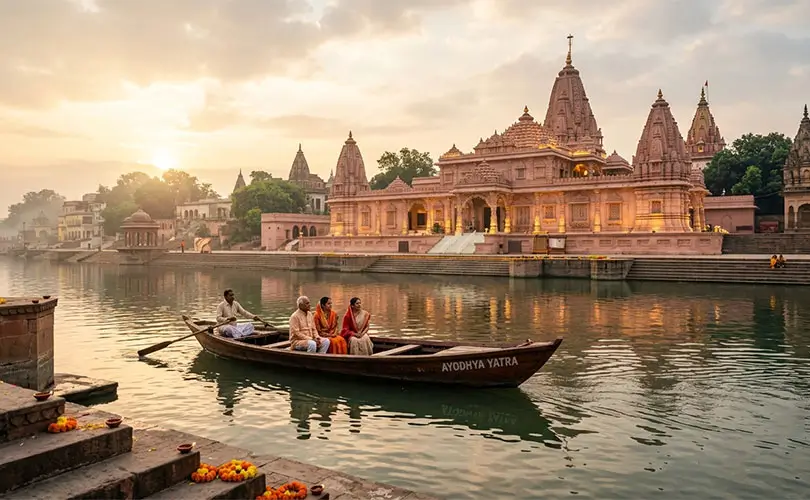
Varanasi provides a completely different experience and is best added with realistic transport. Driving from the Golden Triangle simply to avoid a flight can consume an unreasonable amount of holiday time. A domestic flight between Delhi and Varanasi is often more practical when schedules align.
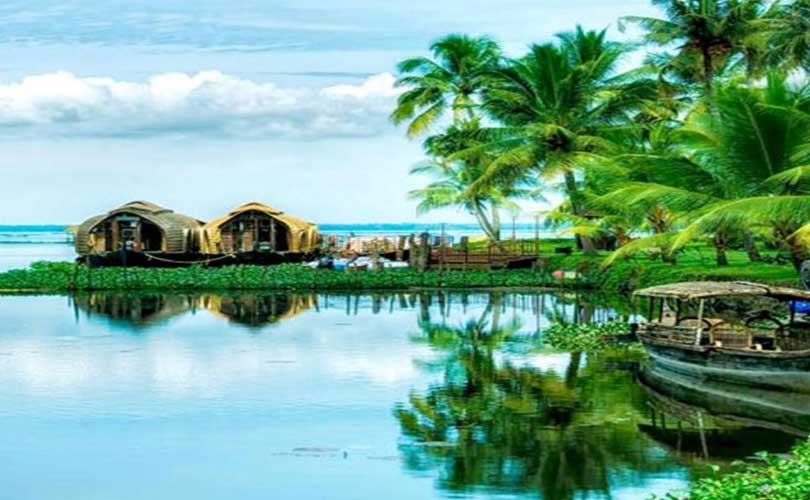
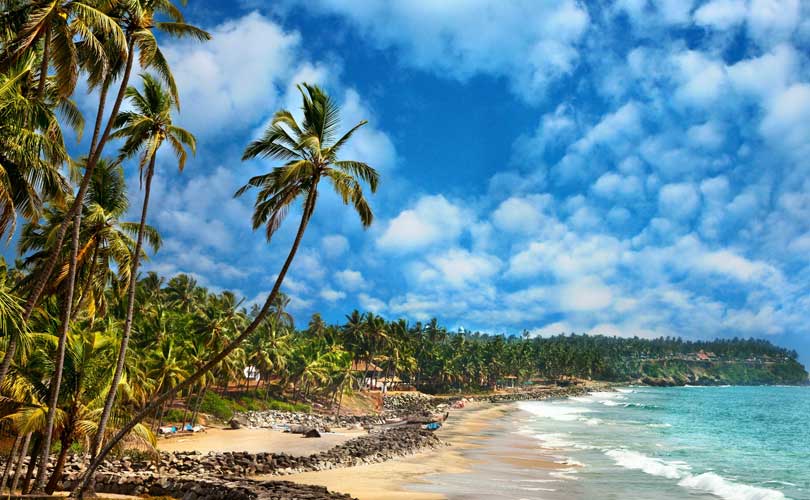
The same principle applies to Mumbai, Kerala, and other distant regions.
India is geographically large. A two-week holiday should not be constructed as though Delhi, Jaipur, Varanasi, Mumbai, Goa, and Kerala are neighboring cities.
A good custom India private tour uses road transport where it makes sense and domestic flights where they preserve valuable holiday time.
British travelers should also account for hotel check-in and check-out times. A domestic flight that appears to save several hours can still consume much of a day once airport transfer, check-in, security, baggage collection, and the destination transfer are included.
The itinerary should therefore be evaluated door to door.
The India private tour cost from the UK depends primarily on accommodation, duration, vehicle category, and the number of travelers.
For a couple following a five-to-seven-day Delhi–Agra–Jaipur route, a value-oriented private ground arrangement using a sedan and comfortable hotels can broadly fall around ₹55,000 to ₹90,000 for two travelers.
A stronger mid-range itinerary using quality four-star hotels, private local guides, airport transfers, and carefully selected services may cost approximately ₹90,000 to ₹1,50,000 for two travelers.
A five-star private itinerary can reasonably reach ₹1,50,000 to ₹3,00,000 or more for two travelers. Heritage hotels, premium rooms, luxury vehicles, special experiences, and high-demand dates can take the total considerably higher.
These figures normally relate to the Indian ground arrangement rather than return flights from the UK.
For a rough sterling comparison, travelers should convert the final rupee quotation using the exchange rate available when payment is made rather than relying on an old fixed conversion in a travel article.
Hotel choice can change the price dramatically. A good three-star or upper-budget room may cost around ₹3,500 to ₹7,000 per night, while a quality four-star hotel may cost around ₹6,000 to ₹12,000 or more. Five-star hotels can begin around ₹12,000 to ₹25,000, and premium heritage properties can exceed ₹30,000 to ₹60,000 per night.
Vehicle cost is another significant component. A multi-day sedan for the Golden Triangle may broadly cost around ₹20,000 to ₹30,000 for approximately five days depending on mileage and inclusions. An Innova-type vehicle may be around ₹30,000 to ₹45,000, while an Innova Crysta can reach approximately ₹35,000 to ₹50,000 or more.
International visitors should ask whether fuel, tolls, parking, driver allowance, and interstate charges are included.
Professional guide fees can broadly range from ₹1,500 to ₹4,000 or more per city or sightseeing session, depending on duration and language.
Meals also deserve a realistic allowance. A comfortable restaurant lunch or dinner may cost around ₹700 to ₹1,500 per person, while an upscale meal can cost ₹2,000 to ₹4,000 per person or more. Fine dining in luxury hotels can be substantially higher.
For a British couple, the difference between a £2,000 and £4,000 total holiday is therefore not necessarily the number of destinations. Hotel category and flight pricing can account for much of the difference.
A private driver tour in India costs more than sharing a coach, but the practical difference becomes important on a multi-city journey.
With a private vehicle, travelers can leave directly from their hotel. Luggage remains with the dedicated vehicle during intercity transfers, and rest stops can be made when needed. A couple does not have to wait while a coach collects passengers from several hotels or follow a fixed meal schedule designed for a large group.
This is particularly useful for senior travelers and families.
A private driver can also take guests directly from Delhi Airport to their hotel, from the hotel to Agra, from Agra to Jaipur, and finally back to Delhi without requiring repeated taxi bookings.
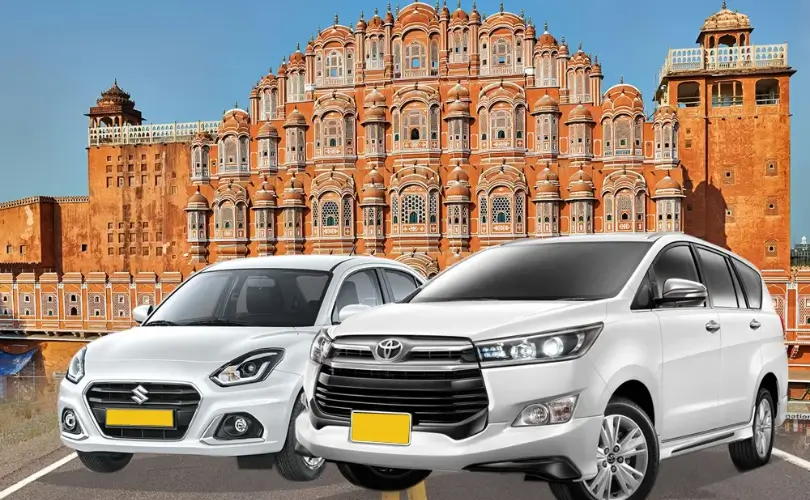
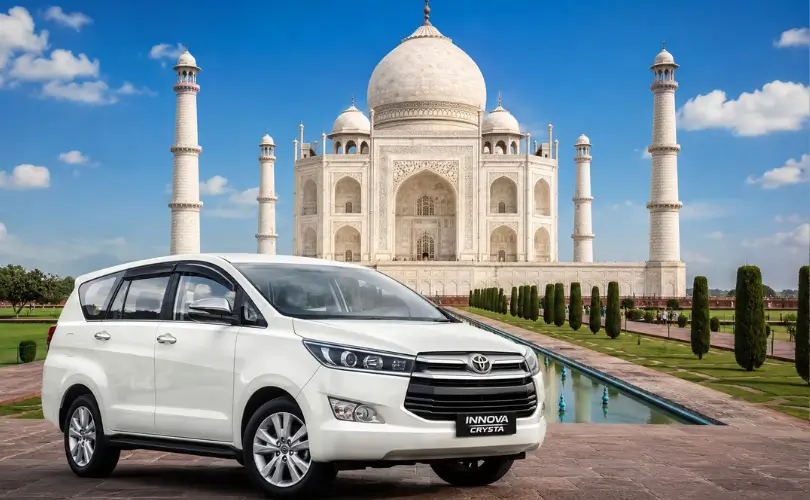
For one or two travelers, a sedan may be sufficient. However, British visitors often arrive with larger suitcases because India may form part of a longer holiday. In that case, an Innova Crysta private tour can be more comfortable.
Group travel still has advantages. Solo visitors can save money because transportation costs are shared. Some travelers also enjoy meeting other people and prefer having every day fixed in advance.
The decision should therefore be based on travel style as well as price.
A private driver should not automatically be expected to act as a professional historical guide. Local guides can join separately in Delhi, Agra, and Jaipur.
This arrangement gives travelers both continuous transportation and specialist commentary at major monuments.
Star ratings alone are not enough when choosing hotels for an India luxury private tour or mid-range itinerary.
Location can be extremely important in Delhi. A hotel far from the main sightseeing areas may appear cheaper but add significant time in traffic each morning and evening.
In Agra, some travelers prioritize proximity to the Taj Mahal. Others are willing to pay more for a room marketed with a Taj view. If the view matters, the exact room category should be confirmed because not every room in a hotel near the monument will face it.
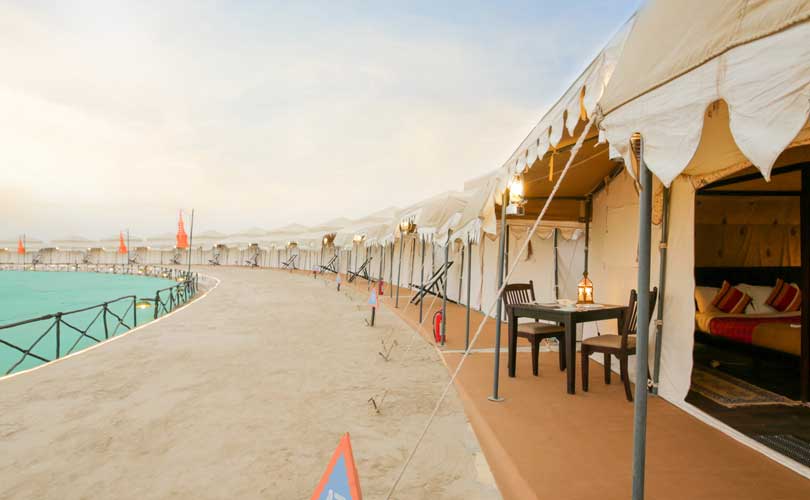
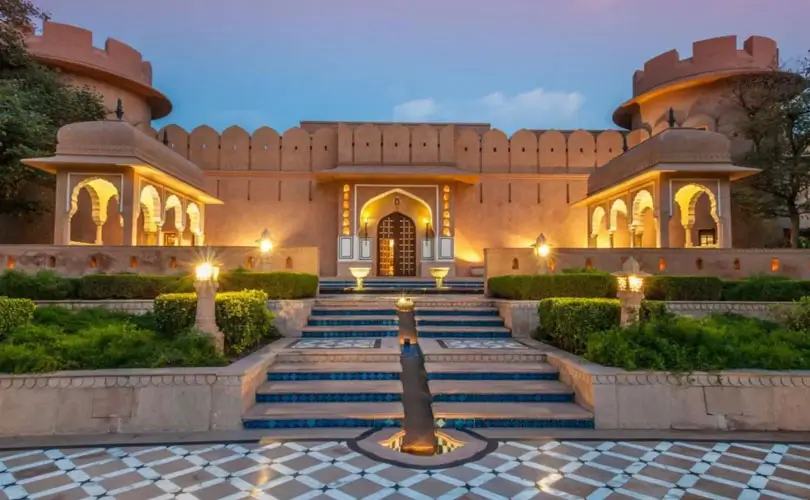
Jaipur offers everything from modern international-style hotels to converted heritage properties. A heritage hotel can provide more character, but travelers should check whether the facilities match their expectations regarding lifts, accessibility, heating, air conditioning, and bathroom design.
British travelers visiting during winter should not assume that every hotel room will feel warm simply because the daytime weather is pleasant. North Indian winter nights can be cool, and heating arrangements vary by property.
Breakfast is commonly included in tour packages but should be stated in writing.
Travelers with dietary restrictions should notify the operator before arrival.
India uses the Indian rupee (INR). International travelers should have access to more than one payment method rather than depending on a single card.
Cards are accepted at many hotels, established restaurants, and larger shops, but cash remains useful for smaller expenses. Foreign cards can occasionally be declined by individual payment systems, so carrying a backup card is sensible.
ATM withdrawal fees, bank charges, and foreign-exchange markups depend on the traveler's UK bank or card provider.
When paying for a private tour before arrival, travelers should receive a written quotation showing the total amount, deposit, balance conditions, and cancellation policy.
The operator should provide confirmation after payment.
Tips are generally discretionary and should reflect service quality. Driver and guide tips are often separate from the package price unless specifically included.
Travelers should not feel pressured into a fixed tip simply because someone states that it is mandatory when the booking terms say otherwise.
British visitors often find the first days in India more comfortable when they avoid overloading the schedule.
Long-haul travel, time-zone change, warm weather, unfamiliar food, and busy sightseeing can combine quickly. Keeping the first day lighter can make the rest of the holiday more enjoyable.
Bottled water should have an intact seal. Hotels commonly provide bottled or filtered drinking water, but travelers should confirm what is supplied.
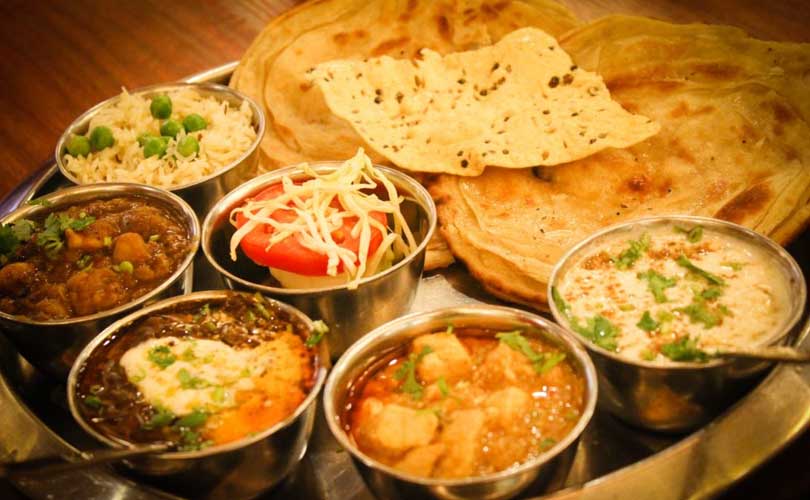
Food is one of the major pleasures of an India trip, but visitors with sensitive stomachs may prefer busy, reputable restaurants and freshly prepared hot dishes. Dietary requirements should be communicated clearly.
Road travel can feel very different from driving in Britain. Traffic density, lane behavior, horns, motorcycles, animals, pedestrians, and local driving patterns can initially appear intense. This is one reason many British visitors prefer an experienced private chauffeur in India rather than self-driving.
Seat belts should be used where fitted.
Essential medication should remain in cabin luggage or a day bag rather than being buried in a large suitcase during intercity travel.
Travelers should also keep passports, cards, cash, phones, and other valuables with them when leaving the vehicle for extended sightseeing.
The quotation should identify the exact route, hotel nights, hotel names or agreed category, room type, vehicle category, guide services, included meals, airport transfers, and sightseeing.
Fuel, tolls, parking, driver allowance, and interstate costs should either be included or marked as additional.
Monument tickets should be identified clearly.
Travelers should read the cancellation terms before paying a deposit.
If domestic flights or trains are included, ask whether the fare is refundable or changeable and what baggage allowance applies.
The passenger names supplied for ticketing should match the passports.
Golden Triangle Tours India can arrange private India tours for British travelers according to flight schedule, trip duration, hotel preference, passenger count, luggage, and required comfort level. Supplying these details at the beginning makes it easier to create a realistic quotation rather than repeatedly adding costs later.
A well-arranged India journey should leave British visitors spending their time at the Taj Mahal, forts, palaces, markets, restaurants, and heritage sites rather than negotiating a new vehicle or guide every morning.
For a five-to-seven-day Golden Triangle ground arrangement, two travelers can broadly budget around ₹55,000 to ₹90,000 for value-oriented private travel, approximately ₹90,000 to ₹1,50,000 for a stronger mid-range arrangement, and ₹1,50,000 to ₹3,00,000 or more for five-star travel. International flights are normally additional.
British passport holders need the appropriate Indian entry permission. Eligible travelers may be able to use the Indian e-Visa system, but requirements and visa categories can change. Current rules should be checked through the official Government of India visa service before travel.
A direct service generally takes roughly eight to nine hours, although actual duration depends on routing, winds, direction, and operating conditions.
Yes. Seven days can provide a comfortable private Golden Triangle itinerary when the schedule is sensibly arranged. Travelers wanting additional Rajasthan destinations or Varanasi should allow more time.
For couples, families, senior visitors, and travelers carrying substantial luggage, a private car and driver can make intercity travel considerably easier. Solo travelers prioritizing price may prefer shared transport.
For approximately five days, a sedan can broadly cost around ₹20,000 to ₹30,000, an Innova-type vehicle around ₹30,000 to ₹45,000, and an Innova Crysta around ₹35,000 to ₹50,000 or more, depending on mileage and inclusions.
Yes, carrying some Indian rupees is useful for smaller expenses even when cards are widely used at hotels and larger businesses. A backup card is also sensible in case one payment method is declined.
No. The Taj Mahal is closed to general visitors every Friday. The Agra portion of the itinerary should be arranged around this closure.
Both can provide good accommodation when properties are selected carefully. Quality four-star hotels can offer strong value, while five-star and heritage hotels provide higher service levels and more premium facilities. Exact hotel names matter more than relying only on the star category.
Provide travel dates, arrival and departure flights, number of travelers, preferred hotel standard, room requirements, luggage quantity, vehicle preference, destinations, and any special interests. These details allow a private India tour quotation to reflect the actual services required rather than a generic package price.