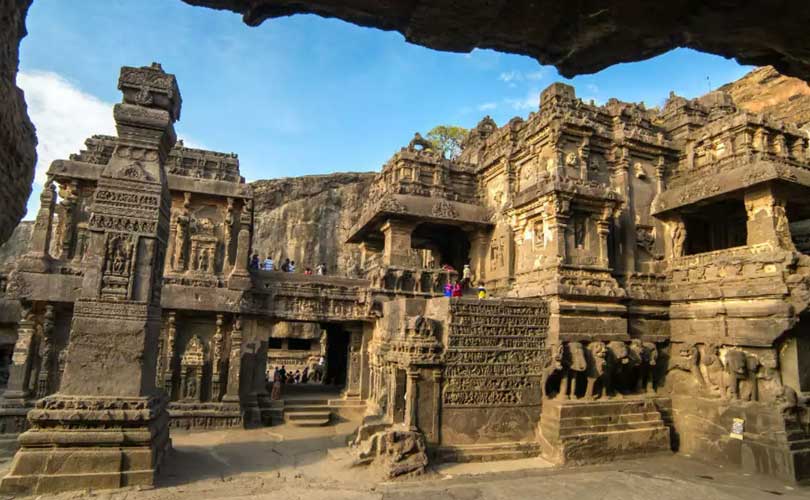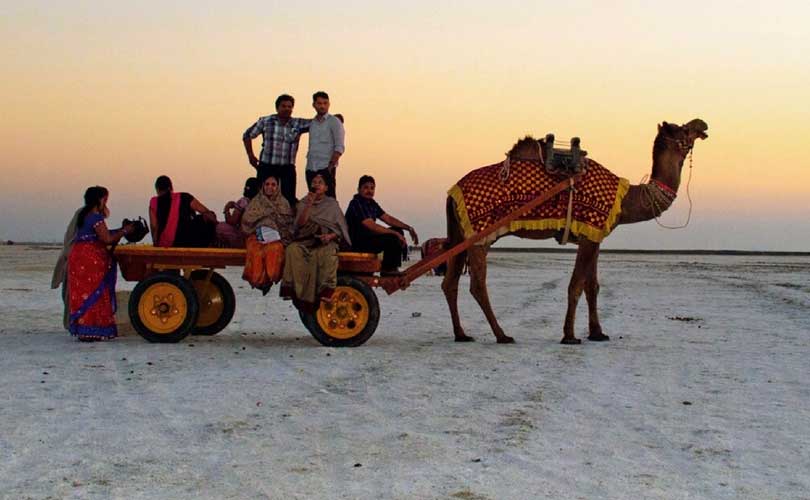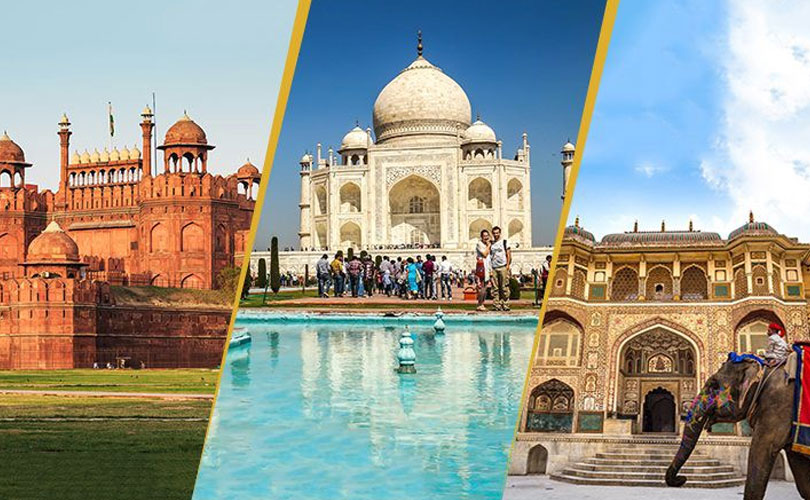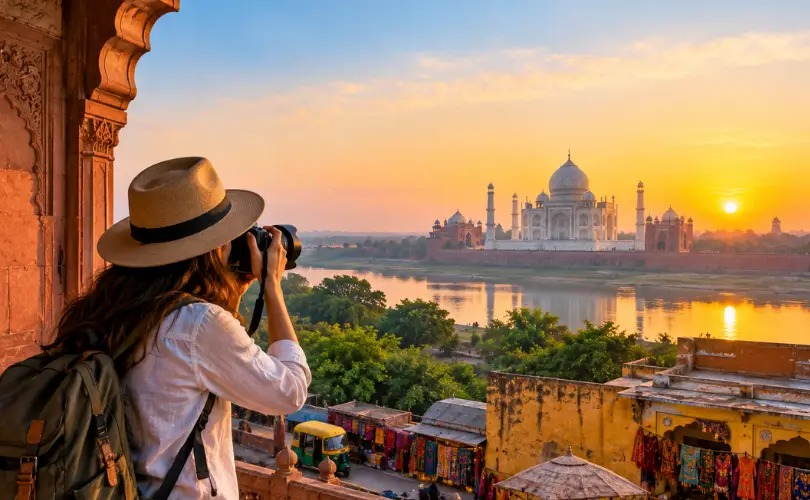
India can produce extraordinary photographs within a single journey, but a serious photography trip needs a different schedule from an ordinary sightseeing package. A standard traveler may be satisfied reaching a monument at 10:00 a.m., spending an hour inside and moving to the next attraction. A photographer may need to arrive before opening, wait for the light to change, return to the same location near sunset, spend an hour in one market lane, or leave a famous monument quickly because weather conditions are better somewhere else.
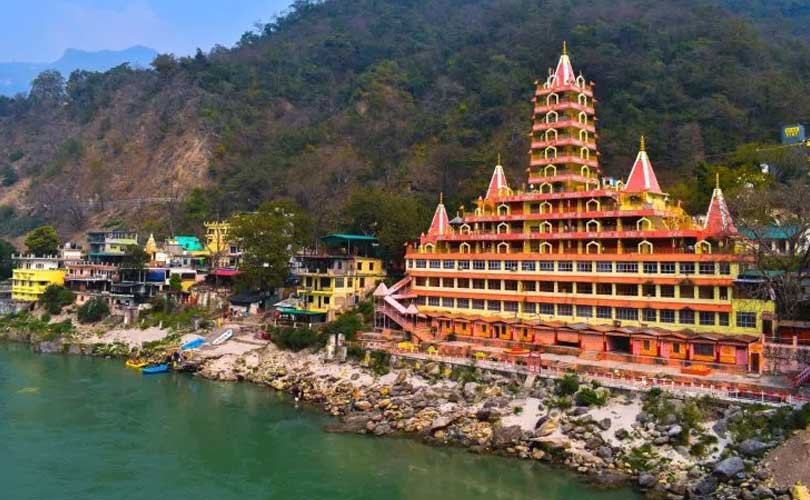
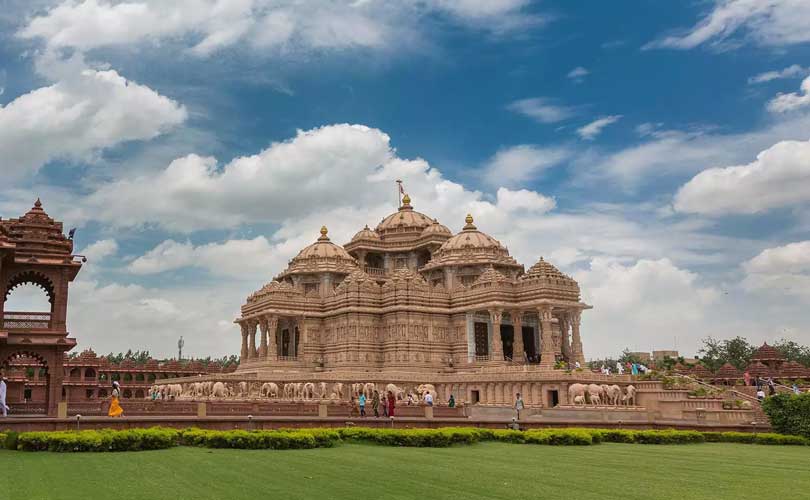
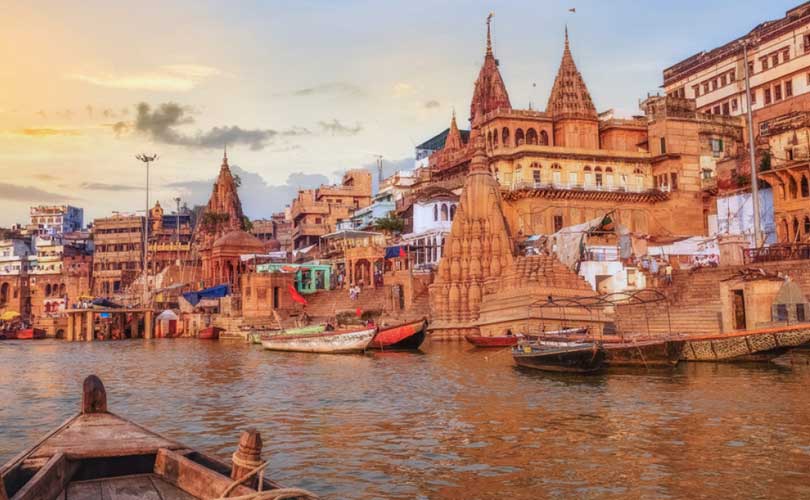
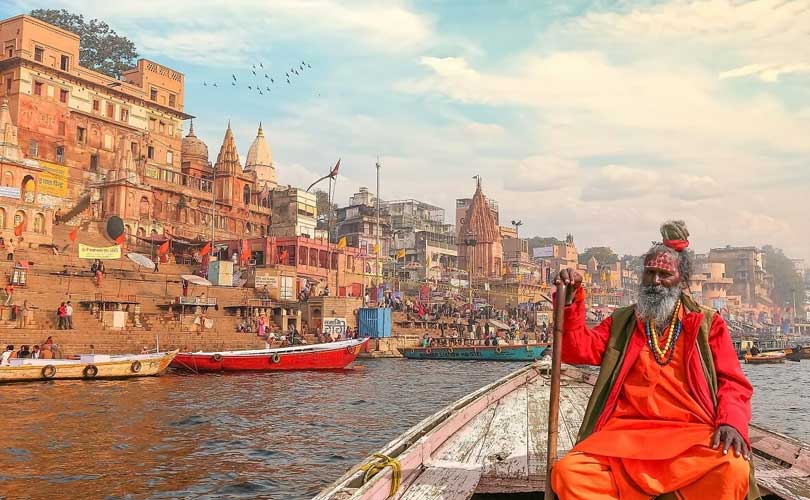
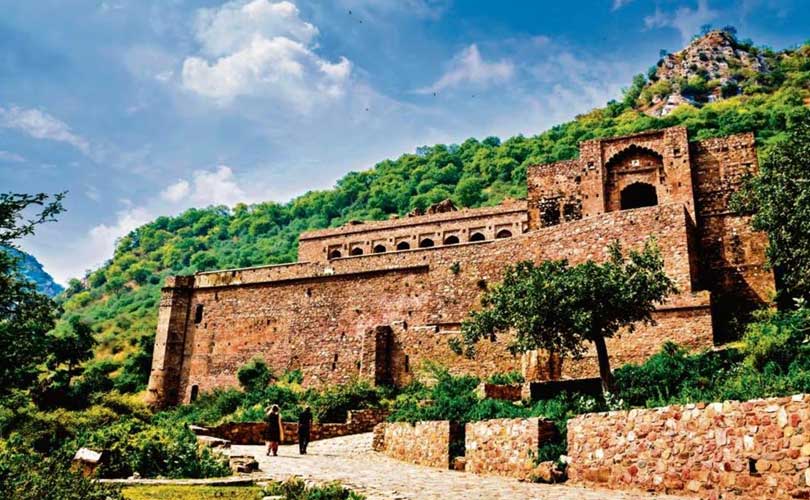
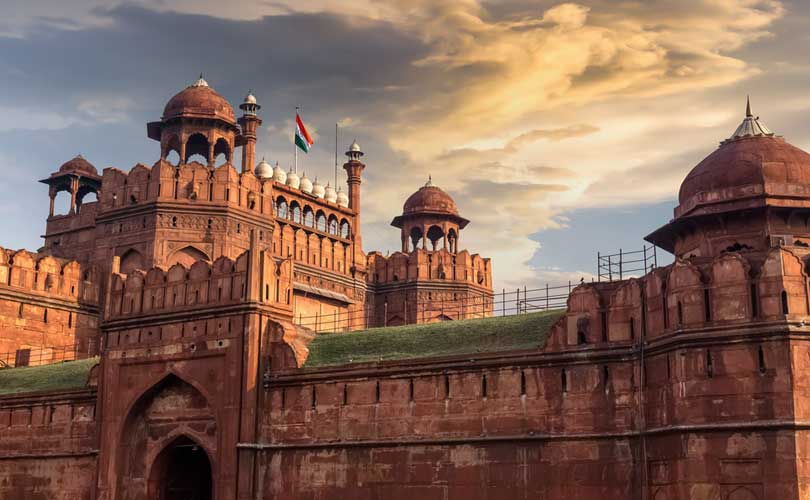
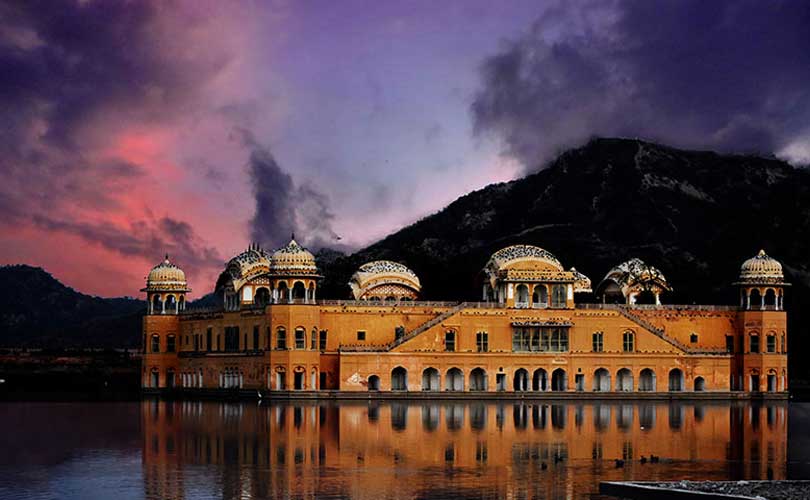
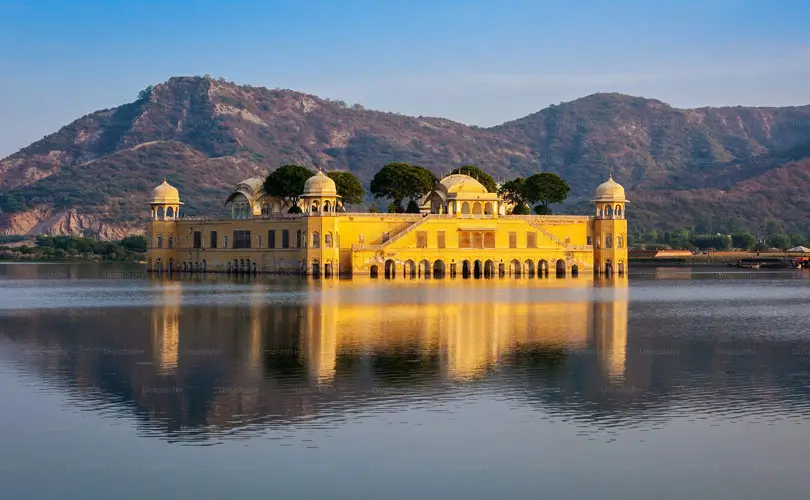
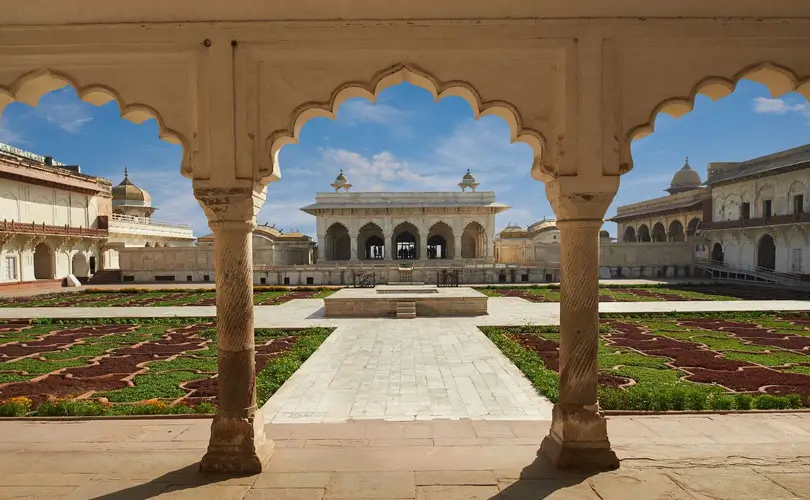
A private photography tour in India makes this possible because the itinerary can be organized around light, access, crowd levels and photographic interests rather than a fixed coach schedule. Delhi offers monumental architecture and dense street scenes. Agra provides the Taj Mahal from several visual perspectives. Jaipur combines forts, palace architecture, bazaars and historic streets. Jodhpur adds blue-toned old-city lanes and Mehrangarh Fort, while Udaipur provides lakes, palaces, reflections and evening cityscapes.
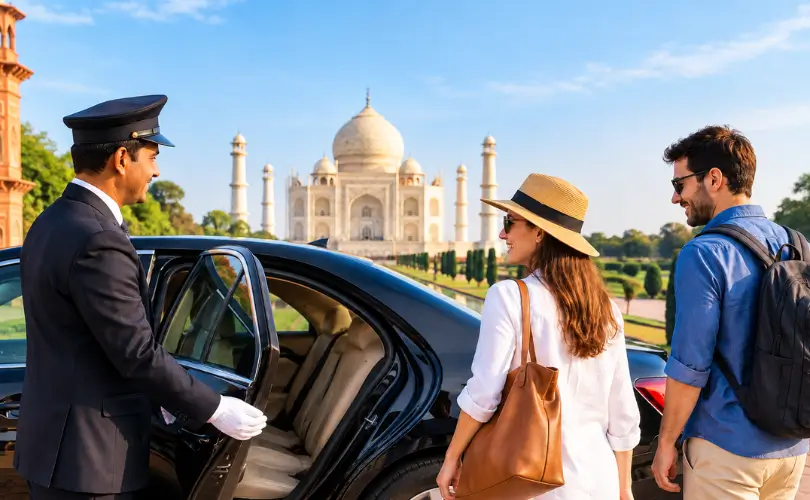
Private transportation is particularly useful for photographers carrying camera bodies, lenses and tripods. Instead of repeatedly moving equipment through stations or changing taxis, the same chauffeur-driven vehicle can remain available during the road portion of the journey. The driver can also hold non-essential luggage securely while the photographer enters sites where only limited equipment is permitted.
A private India photo tour does not need to be designed only for professionals. Smartphone photographers, couples, travel bloggers, architecture enthusiasts and hobby photographers can benefit from the same approach. The difference is simply how much time is allocated to each location and how technically focused the accompanying photography specialist needs to be.
Costs vary accordingly. A standard private guide may be sufficient for someone wanting good viewpoints and historical information. A dedicated photography guide or professional photographer can cost more because the service may include assistance with light direction, composition, camera settings, portrait interaction and less obvious shooting locations.
The most important practical rule is that sunrise and sunset cannot be treated as generic fixed times. They change according to date and city. A photography itinerary should use the actual sunrise and sunset time for the travel dates, with hotel departures scheduled early enough to reach the selected location before the desired light.
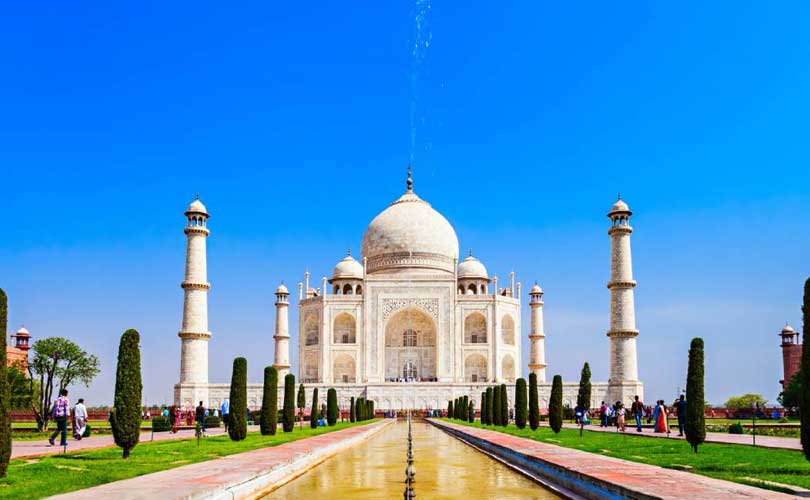
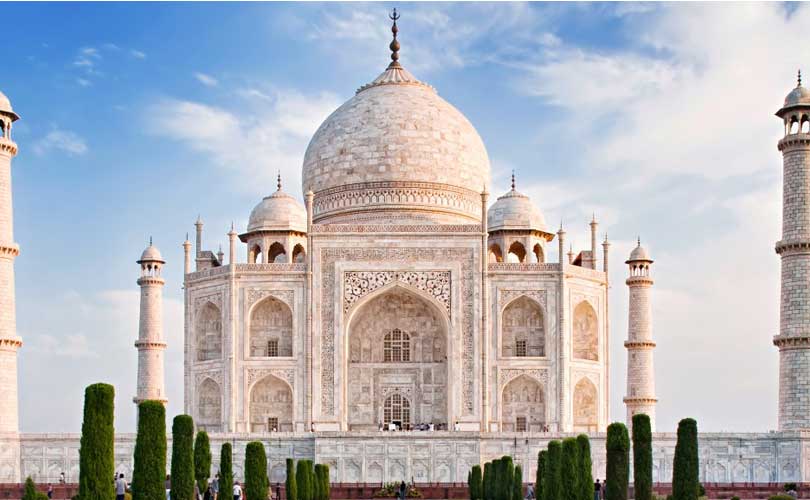
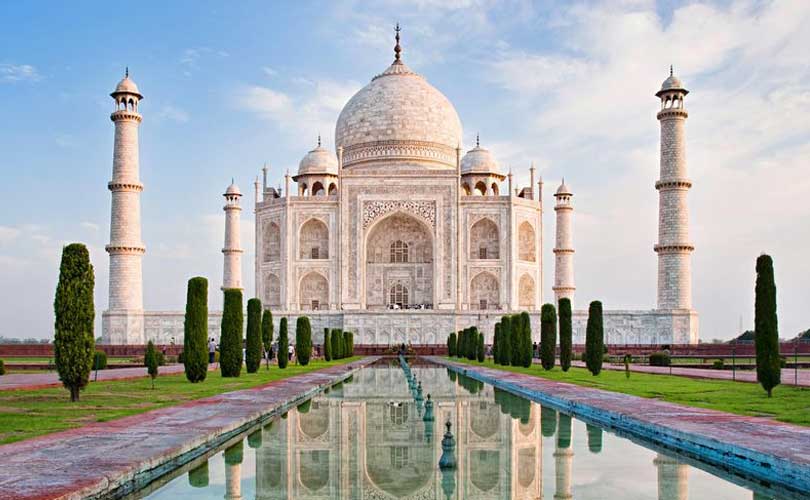
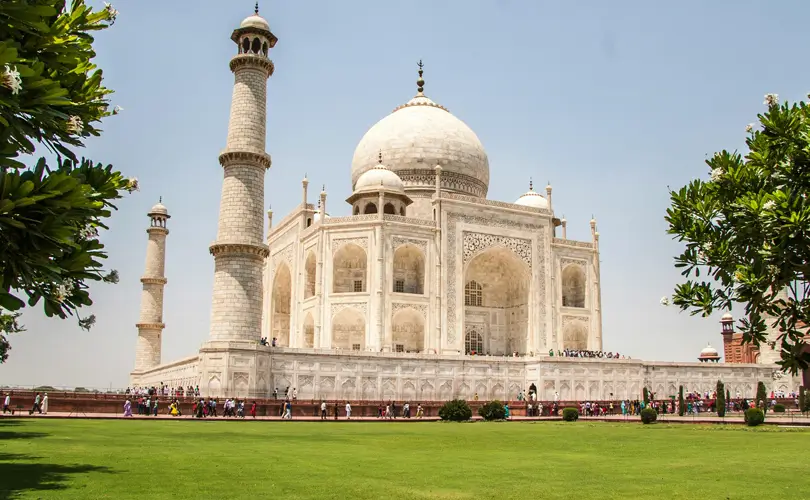
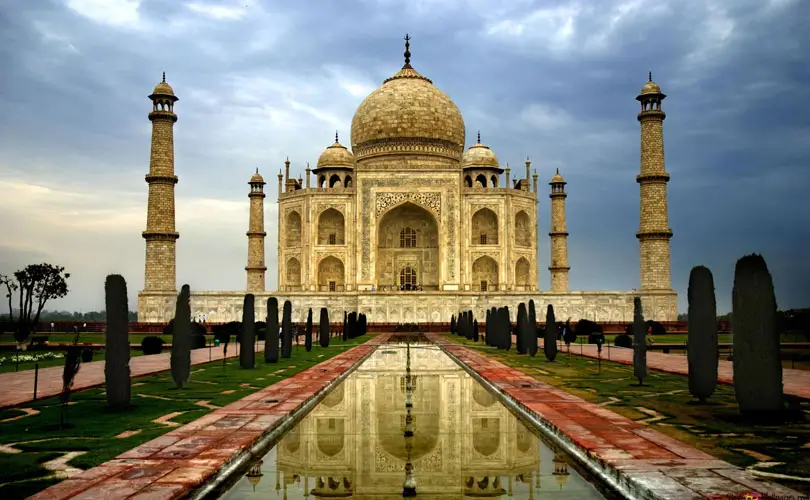
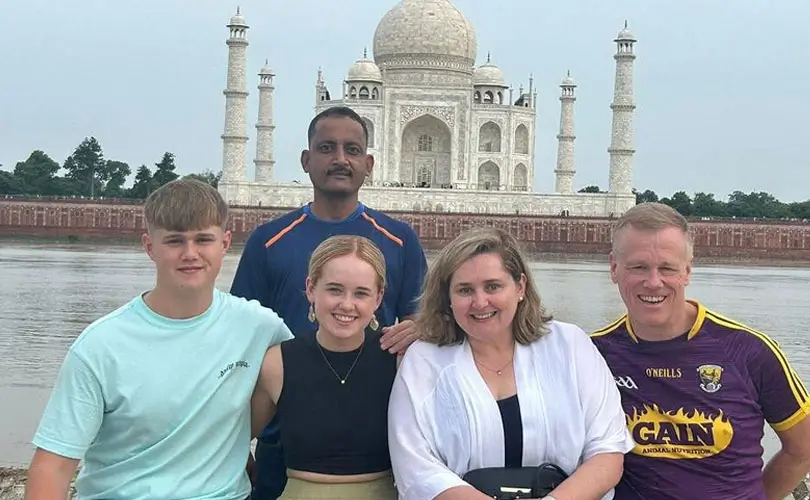
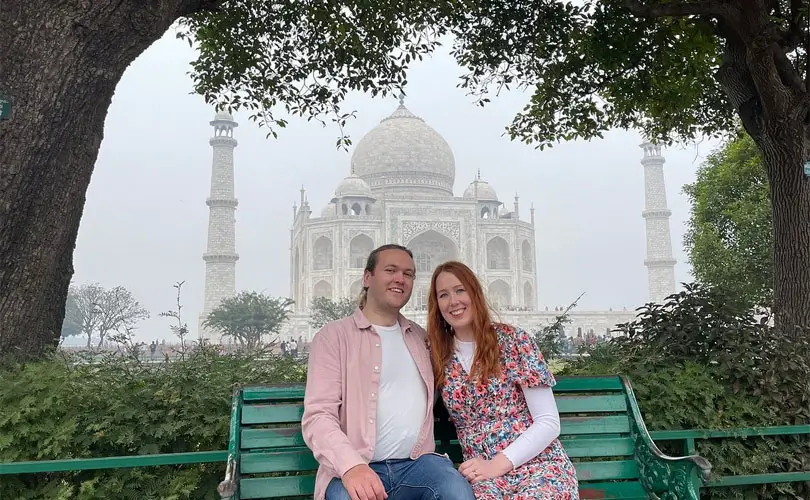
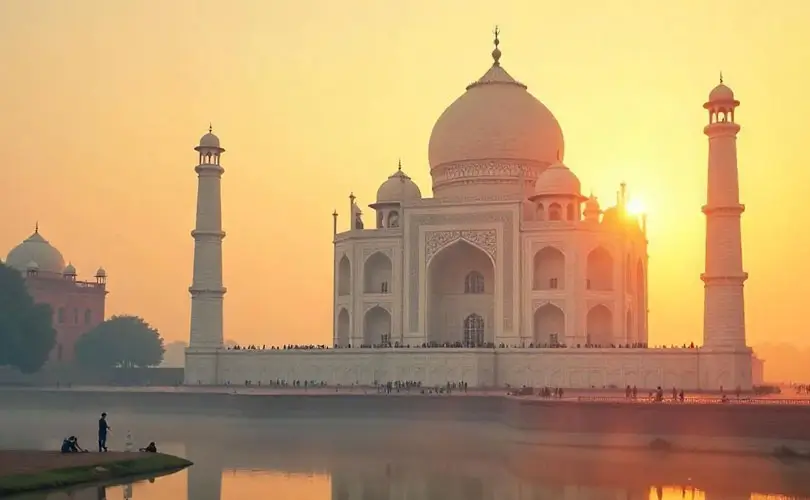
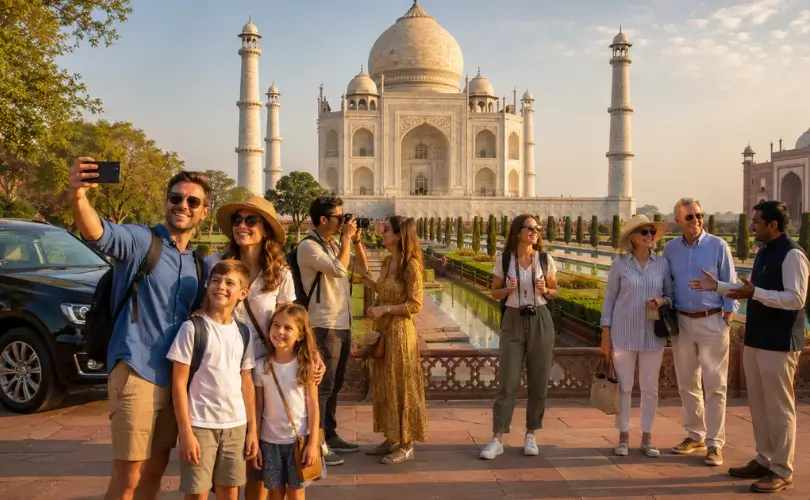
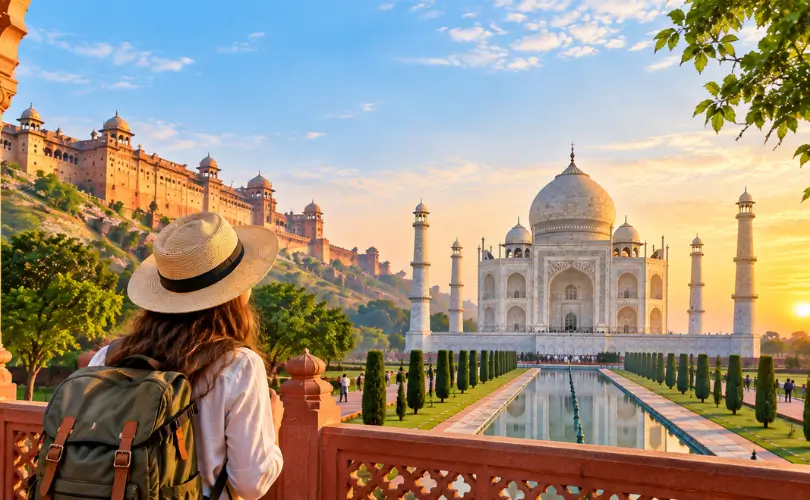
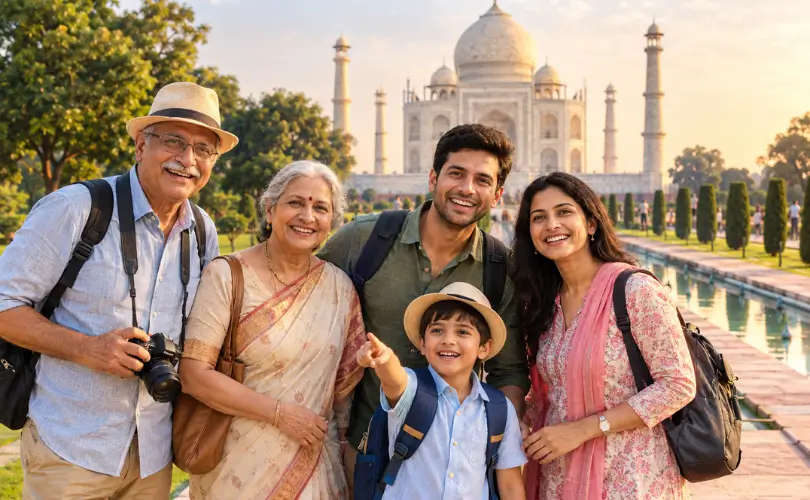
The Taj Mahal is one of the main reasons travelers book an India photography tour, but sunrise photography requires more preparation than simply asking a driver to arrive early.
The Taj Mahal generally opens around sunrise on normal visiting days and closes around sunset. It is closed to general visitors every Friday. The actual opening experience can vary according to season, security processing and visitor volume, so a photographer should reach the entry area before opening rather than arriving at the exact moment of sunrise.
For an early visit, a hotel departure can be required approximately 45 to 75 minutes before sunrise, depending on hotel location, gate choice and expected visitor levels. A property close to the Taj Mahal can therefore have genuine practical value for photographers.
International visitors should broadly budget around ₹1,100 per person for standard admission, with approximately ₹200 additional entry for access to the main mausoleum, subject to current official rates.
A serious photographer should allow two to three hours inside the complex.
The first photographs do not necessarily need to be taken directly from the central axis. The entrance sequence, garden, reflecting pool, side perspectives, mosque, jawab and marble platform provide different compositions. Light also changes quickly after sunrise, particularly on clear mornings.
Winter creates another variable: fog.
A December or January morning can occasionally produce atmospheric photographs, but dense fog may also hide the monument almost completely. No private operator can guarantee a clear sunrise view. Photographers traveling during winter should ideally have enough itinerary flexibility to revisit if the Taj Mahal is a major priority.
Tripods and professional equipment can be subject to monument restrictions. Travelers should check the current rules before arrival rather than carrying every accessory to security. Large bags and unnecessary equipment can slow entry.
A private Taj Mahal photography tour is strongest when the photographer enters with a small, deliberate camera setup rather than a heavy bag containing equipment that cannot be used.
The Taj Mahal should not be treated as a single photograph.
Most first-time visitors immediately look for the classic symmetrical image from the central garden, but a photography-focused visit can produce very different results by using architectural frames, reflections, silhouettes, marble details and human scale.
The main gateway provides one of the strongest framing opportunities.
The reflecting pool changes according to wind, crowd position and maintenance conditions.
The mosque side can create a red sandstone contrast against the white marble mausoleum.
Closer to the main structure, calligraphy, floral carving and inlay details become more important than the complete building.
A wide-angle lens is useful for architectural context, while a moderate telephoto lens can isolate domes, minarets and details.
Travelers should be respectful when photographing people. A visitor standing in a public area does not automatically become a model for a close portrait.
The Taj Mahal is also an active mausoleum environment, and photography restrictions can apply in interior spaces. Signs and security instructions should be followed.
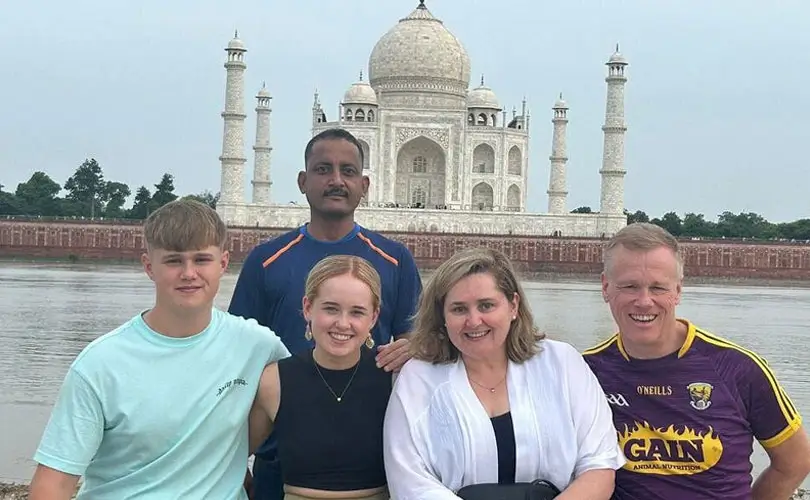
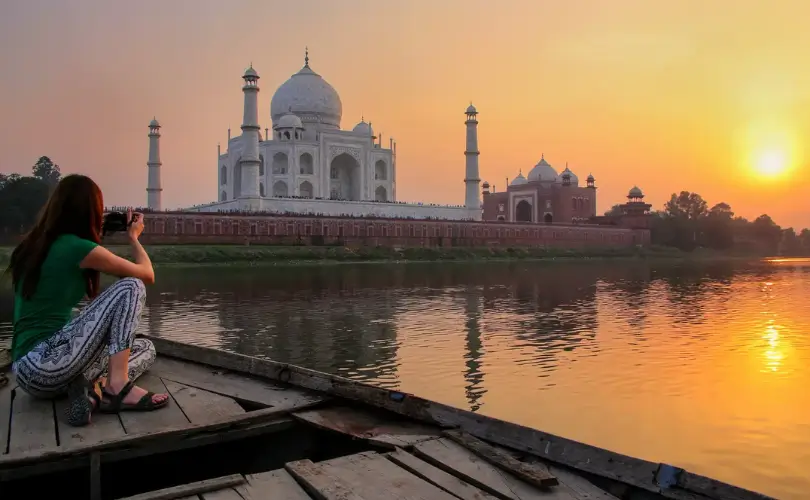
Photographers who have more than one night in Agra can add a sunset or late-afternoon perspective from the opposite side of the Yamuna River.
Mehtab Bagh is positioned across the river from the Taj Mahal and can provide a useful architectural view, particularly when light and river conditions cooperate.
International visitor admission has commonly been around ₹300 per person, subject to official revision.
A visit of approximately one to two hours around late afternoon can work well.
The river level, haze and seasonal conditions affect the image substantially.
A longer focal length can be useful for compressing the view.
Photographers should not assume they can freely walk anywhere along protected river areas or use drones. Security and access restrictions around the Taj Mahal are significant.
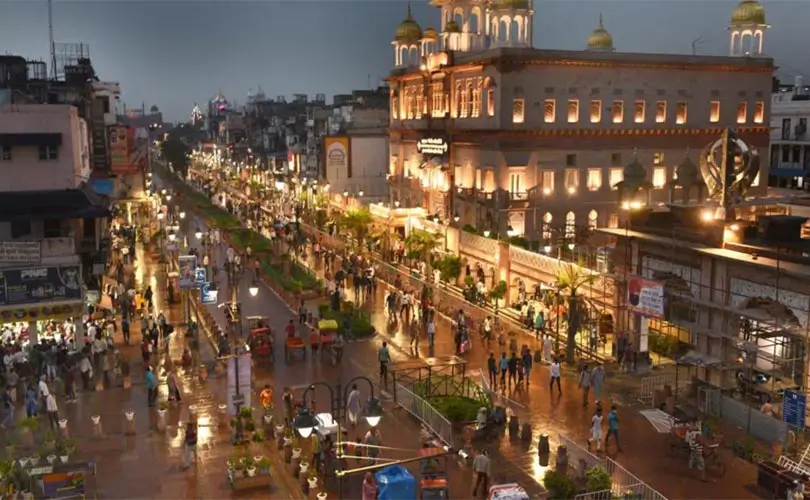
Old Delhi is one of the strongest locations for a private street photography tour in India because the visual environment changes constantly. Markets, religious buildings, food vendors, transport, signs, architecture and everyday commercial activity can all appear within a few hundred metres.
The difficulty is density.
A normal sightseeing tour may move through Chandni Chowk quickly before continuing to another monument. A photographer may need three to four hours in the area.
Morning can be useful because businesses begin opening, deliveries arrive and the streets gradually become more active. Later periods can provide denser crowds and stronger commercial energy.
The right time depends on what the photographer wants.
A private street photography guide can help identify lanes, markets and viewpoints while also assisting with local communication. Guide fees can broadly range around ₹3,000 to ₹6,000 or more for a focused session, while specialist professional photography guidance can cost higher.
A private car is useful for reaching Old Delhi, but photographers should expect to walk. Vehicles cannot enter every narrow market lane.
The driver can wait at a predetermined pickup point while the guide accompanies the photographer.
This arrangement is particularly useful because expensive equipment does not need to be carried all day. Non-essential bags can remain with the vehicle when appropriate and secure.
Street photography creates one of the most important ethical considerations on an India photography holiday.
A wide environmental photograph of a busy public street is different from placing a camera close to one individual’s face.
When a person becomes the obvious subject of a close portrait, asking permission is usually the respectful approach.
Some vendors enjoy being photographed.
Others do not.
A guide can help communicate.
Children deserve additional caution. A photographer should not assume that a visually interesting scene justifies intrusive photography of a child.
Religious settings also require sensitivity.
A temple, mosque, shrine or ceremony is not automatically a photo studio. Photography may be prohibited in specific areas even when phones and cameras are allowed elsewhere in the complex.
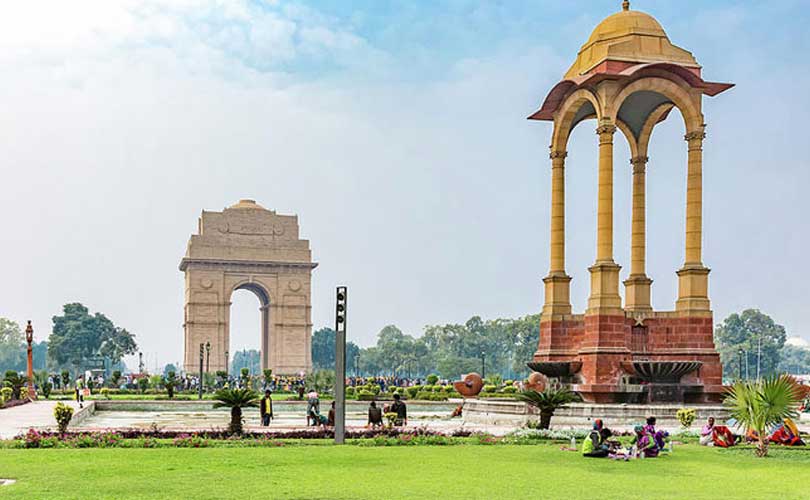
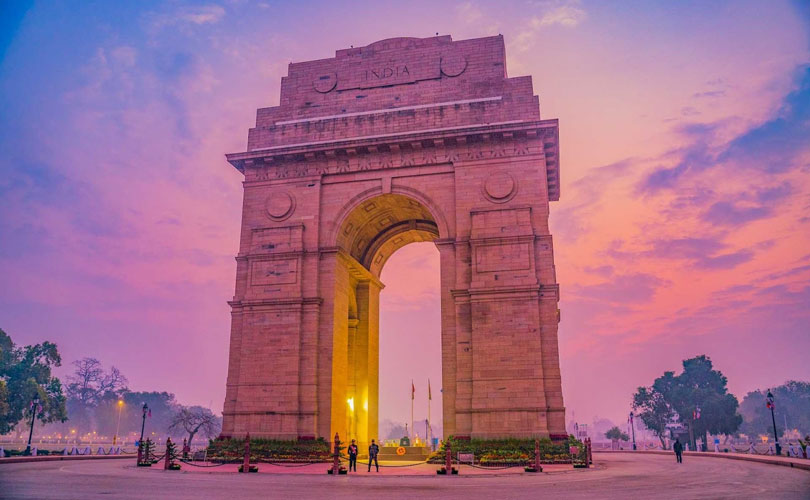
Delhi's monumental sites provide a useful contrast with the street environment.
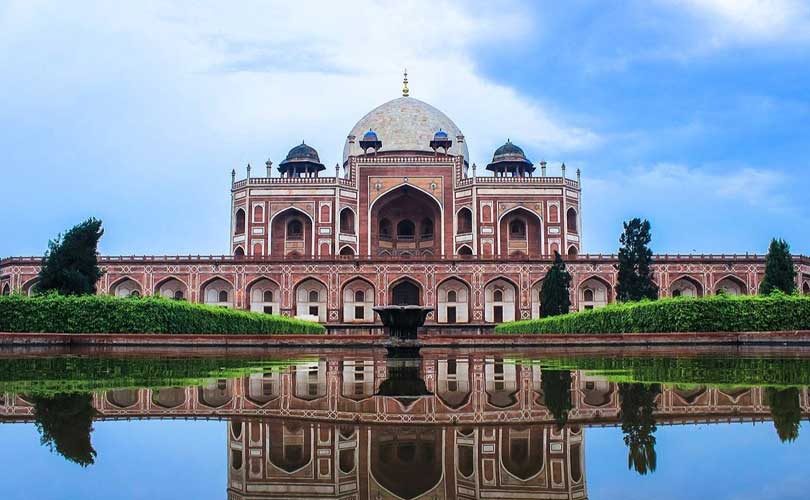
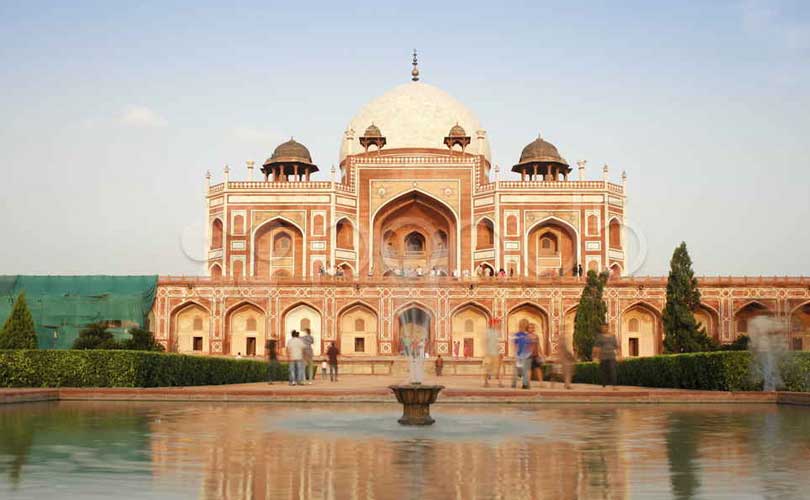
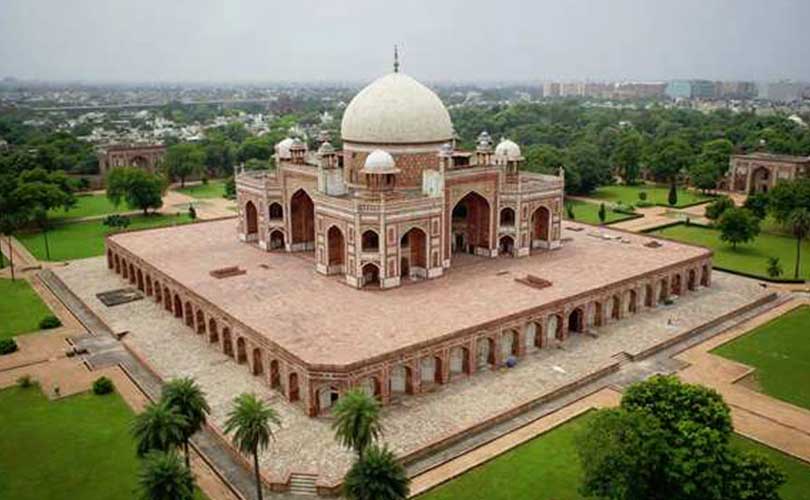
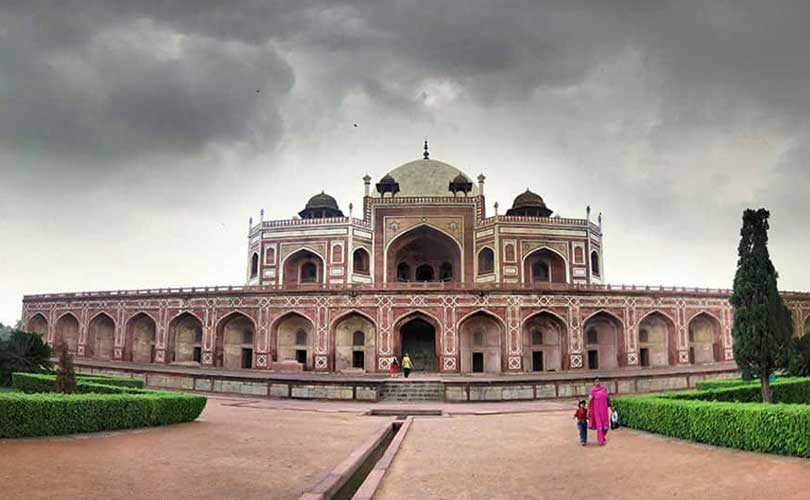
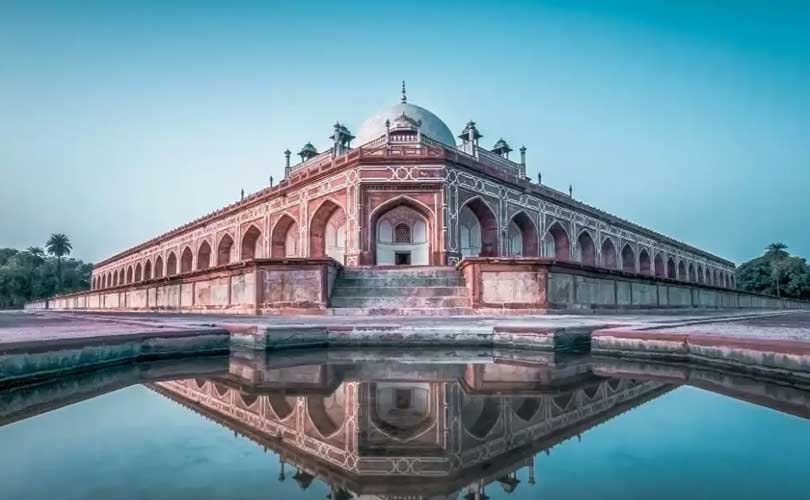
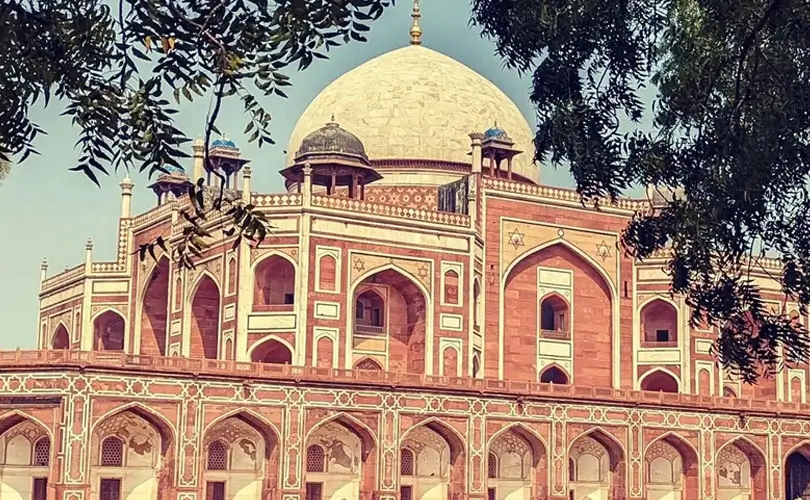
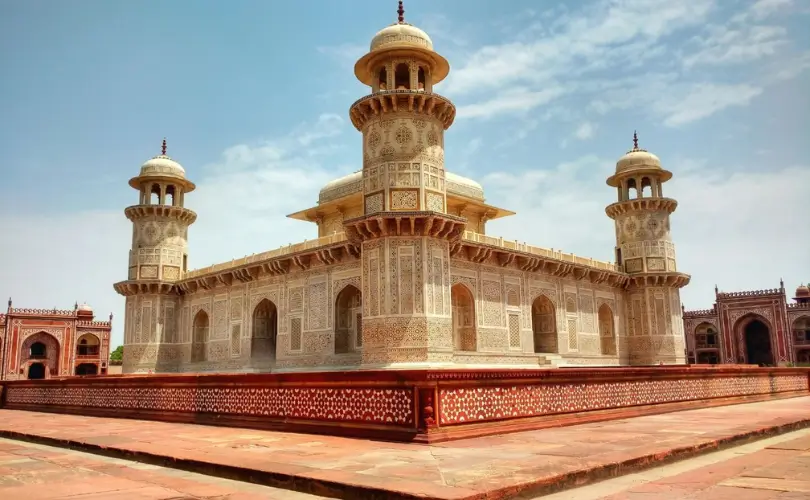
Humayun's Tomb is particularly strong for architectural photography because of its garden layout, red sandstone, white marble, arches, symmetry and elevated tomb structure.
International admission is commonly around ₹600 per person, subject to current official pricing.
Photographers should allow approximately 90 minutes to two hours.
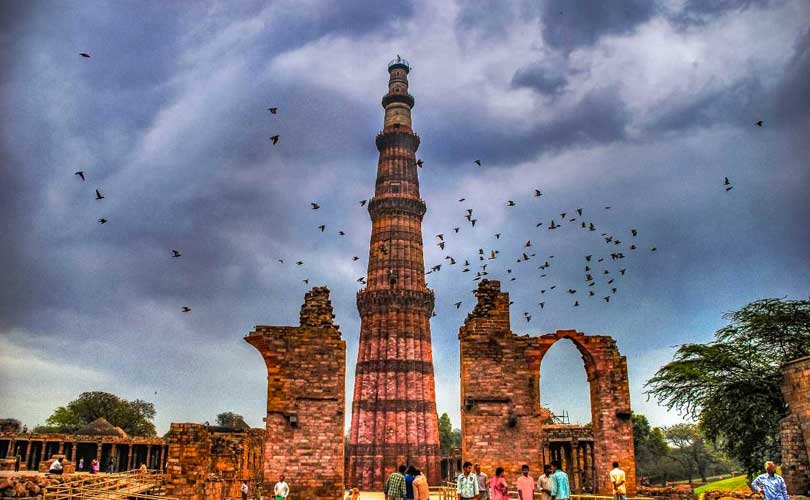
Qutub Minar also deserves at least 90 minutes for serious photography. International admission is commonly around ₹600 per person.
The main challenge at Qutub Minar is perspective. The height of the tower makes it tempting to shoot only upward with an ultra-wide lens, but the surrounding arches, ruins, inscriptions and courtyard elements provide more varied compositions.
A Delhi architecture photography tour can combine these two sites in one day, but photographers should avoid adding five additional monuments if they genuinely want time to work with the light.
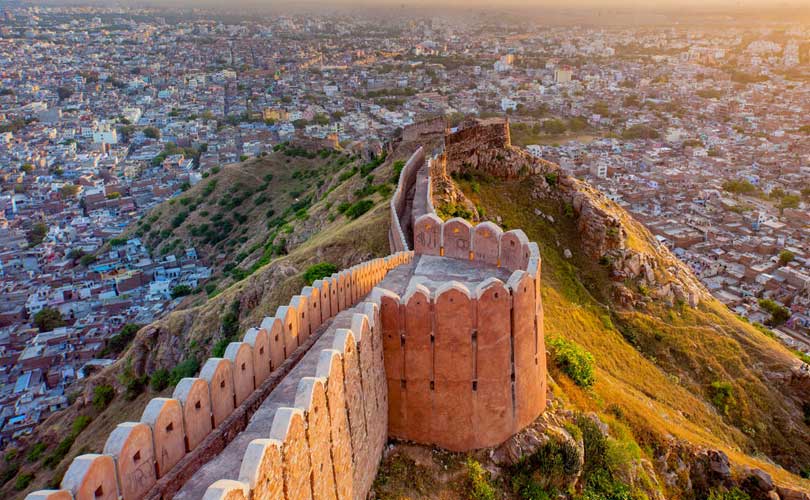
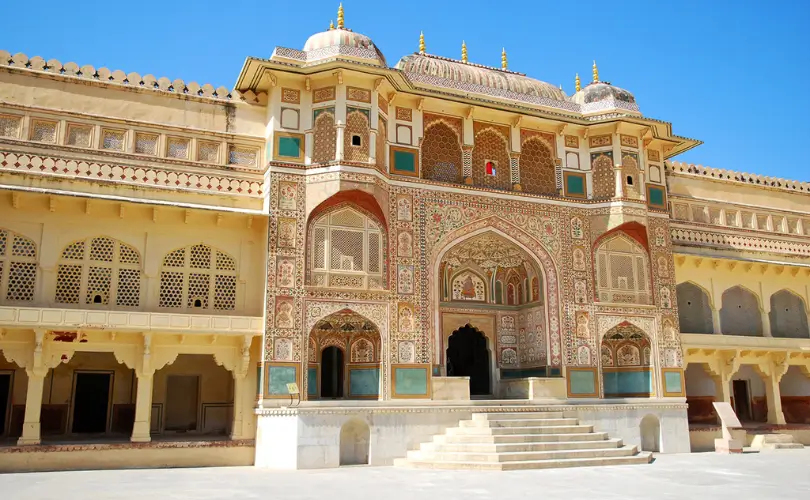
Jaipur provides several distinct photographic environments within a relatively compact area.
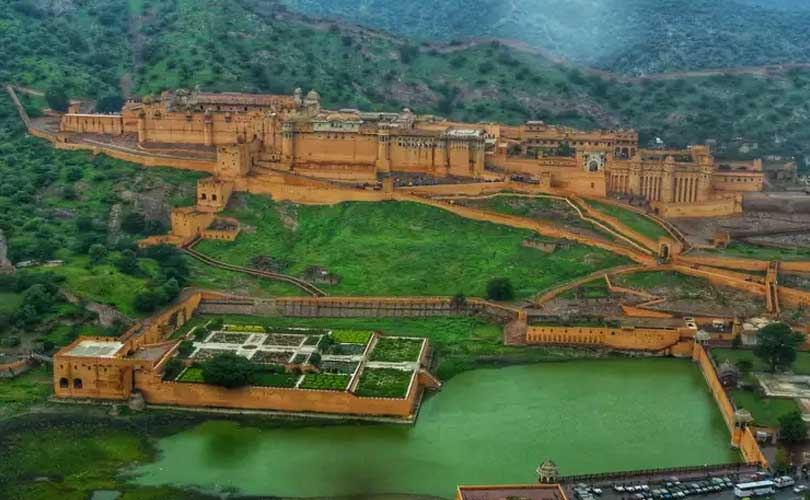
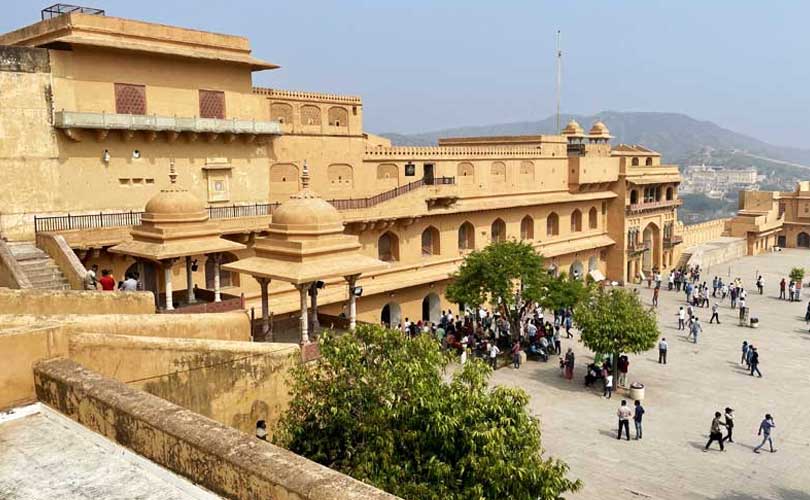
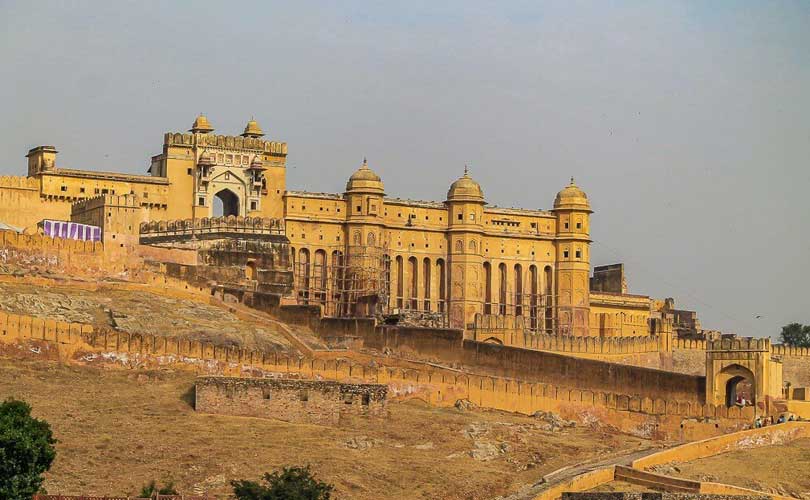
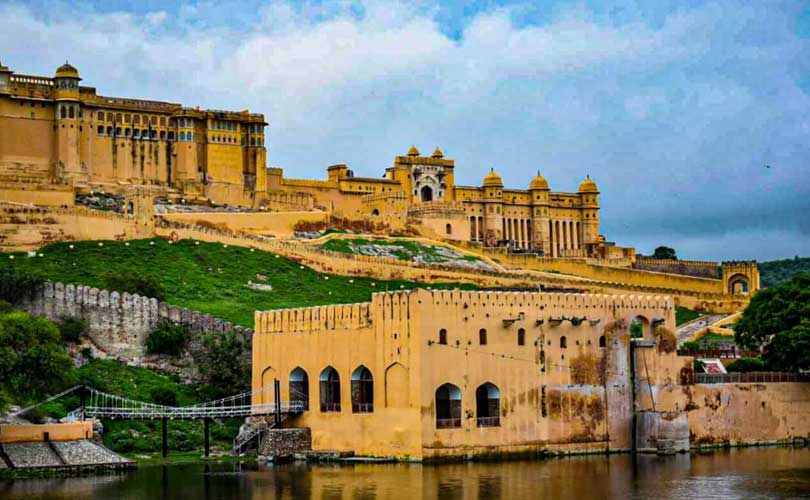
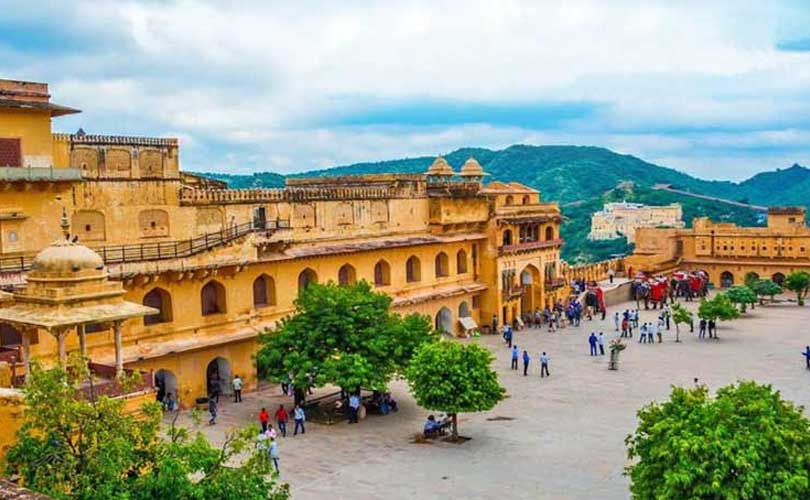
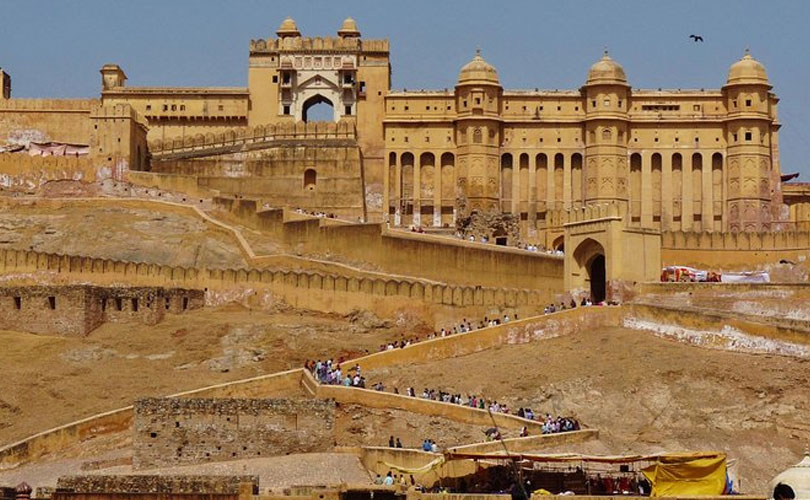
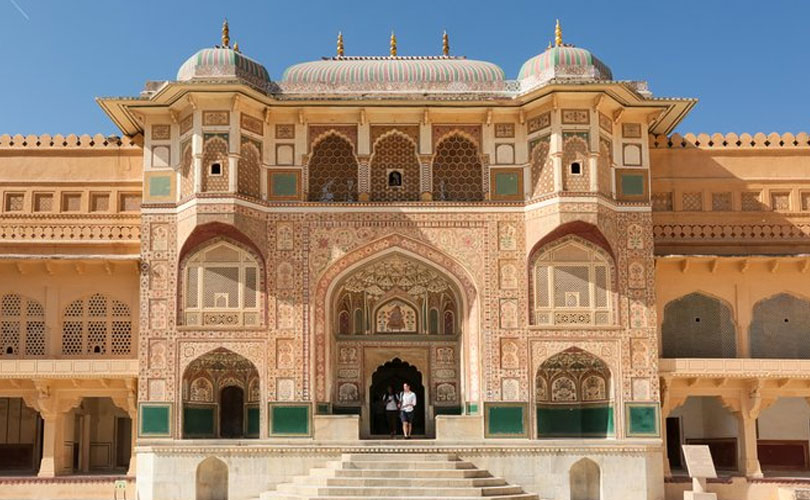
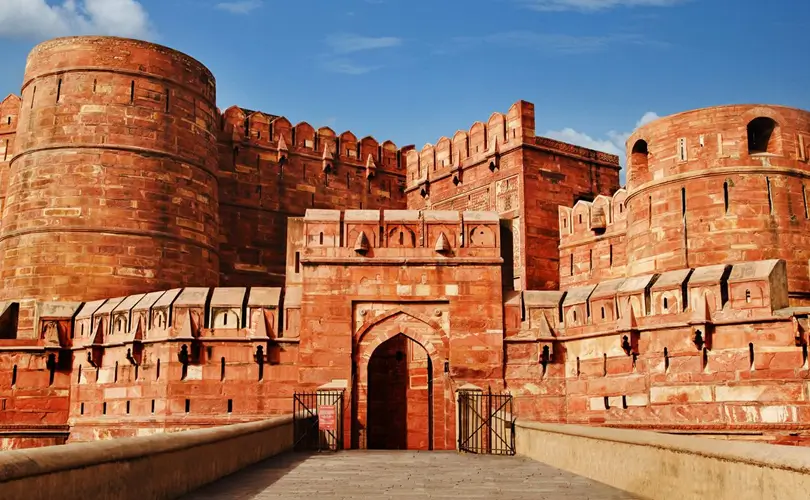
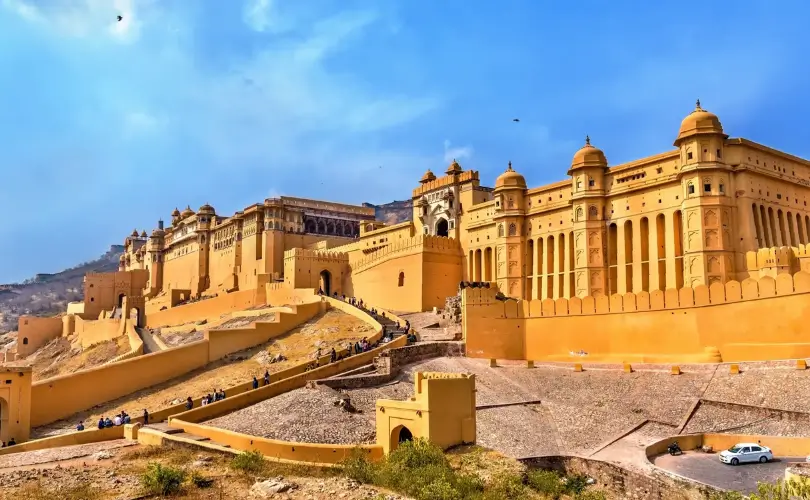
Amber Fort is one of the main architectural locations. International visitor admission has commonly been around ₹550 per person, subject to current rates.
A photographer should allow at least two to three hours rather than rushing through the fort.
The surrounding hills, defensive walls, courtyards, gateways and interior details provide much more variety than the main exterior photograph.
The morning light can be useful for exterior scenes, though the exact angle changes seasonally.
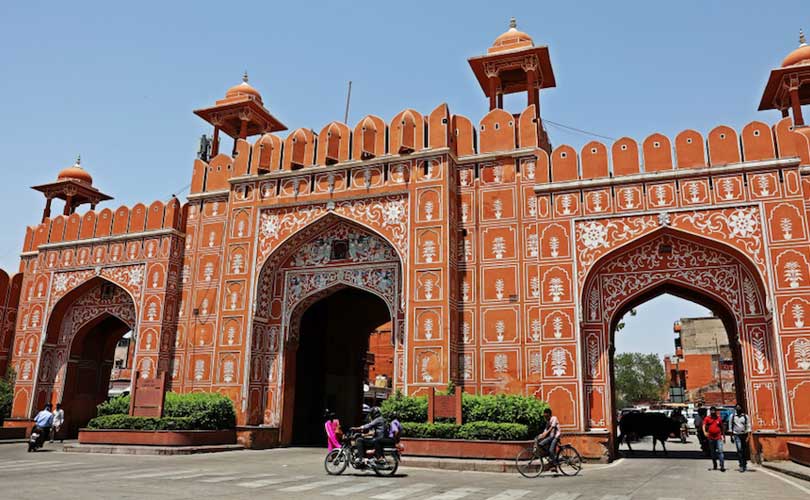
Jaipur's old city provides a different type of photography. Hawa Mahal is one of the most photographed buildings in Rajasthan, but the street in front of it can be busy. Early morning can provide cleaner architectural frames, while later hours create more traffic and human activity.
Photographers should decide whether they want the façade as architecture or the façade as part of a functioning city. The two images require different timing.
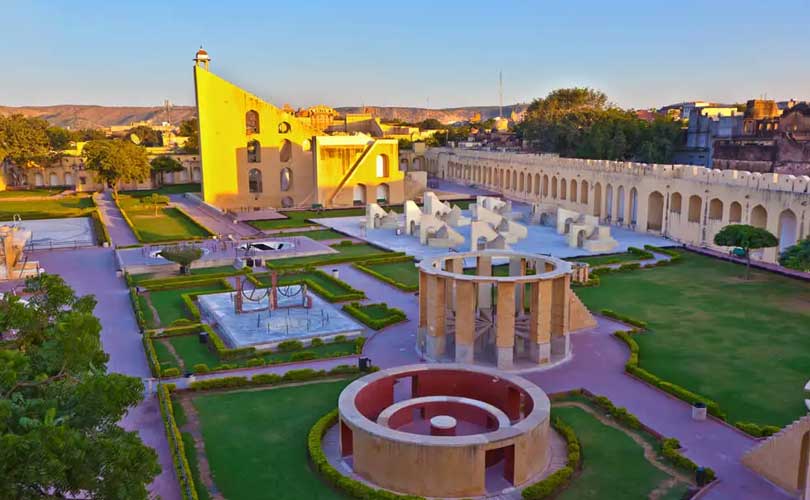
A private Jaipur photography tour can also include City Palace and Jantar Mantar. International City Palace ticket prices depend on the chosen access category and can begin around ₹1,000 or more, with premium sections costing considerably higher. Jantar Mantar international admission is commonly around ₹200 per person.
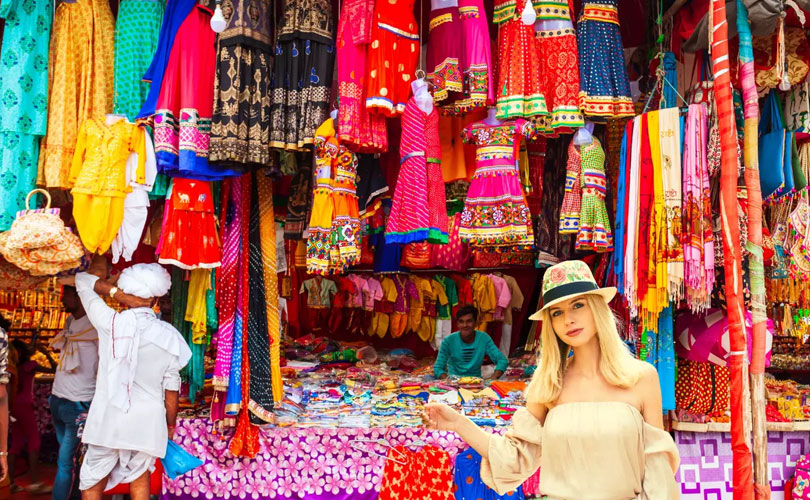
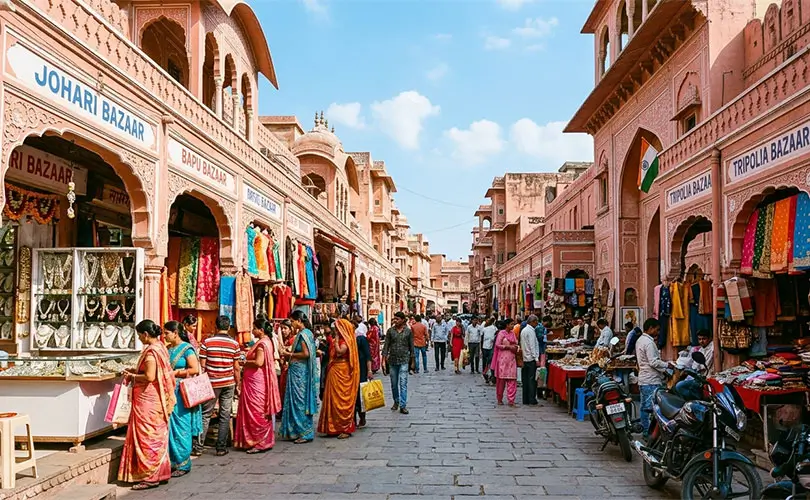
Johari Bazaar and other old-city market areas can be useful for street photography once commercial activity begins.
Textiles, jewelry shops, flower sellers, food vendors, transport and traditional architecture can provide layered scenes.
A photographer should avoid trying to cover every market.
One or two areas photographed slowly can produce stronger work than five short stops.
A private guide can also identify whether a market is active at the intended time. A beautiful street that is nearly empty because businesses have not opened may not suit a traveler seeking busy market photography.
For close portraits, permission remains important.
If a vendor has spent significant time posing or cooperating with a photographer, purchasing a small item can sometimes be a considerate gesture when genuinely wanted, but photography should not be based on misleading promises of purchase.
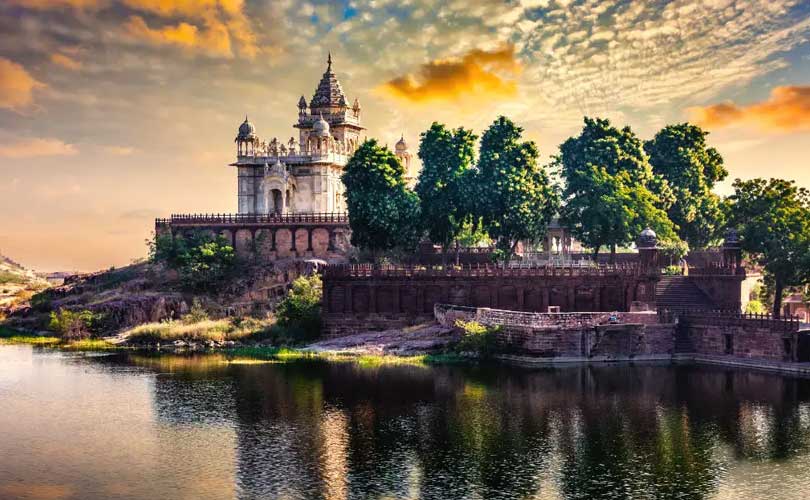
Travelers with additional days should consider Jodhpur because it provides a visual environment that is very different from Delhi, Agra and Jaipur.
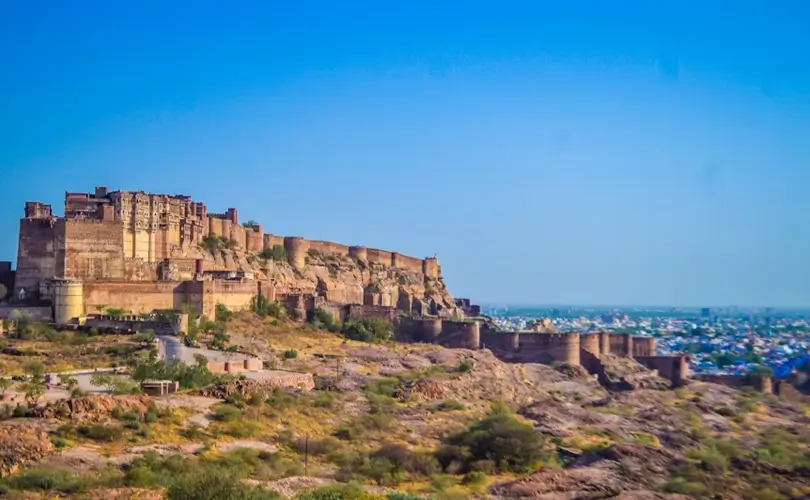
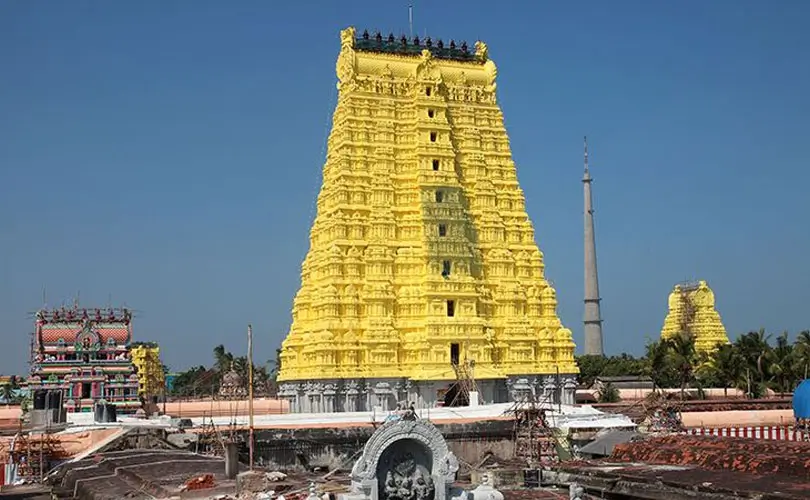
Mehrangarh Fort dominates the city and offers both monumental architecture and elevated views.
International visitor ticket structures can vary according to included services and current pricing, so the applicable official rate should be checked before the visit.
A serious photographer should allow around two to three hours inside the fort.
The old neighborhoods below provide the famous blue-painted streets associated with Jodhpur.
However, photographers should not expect every lane to be uniformly blue. The visual character comes from a mixture of painted houses, narrow passages, doorways, residents, scooters, shrines and everyday life.
A Jodhpur photography tour works particularly well in the early morning when the old city begins to wake up.
A local guide is valuable because the lanes can be confusing and some residential areas require more sensitivity than a commercial market.
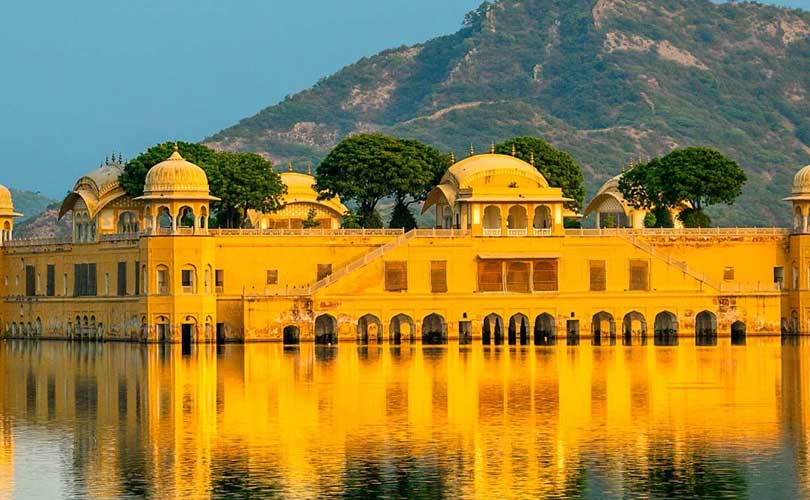
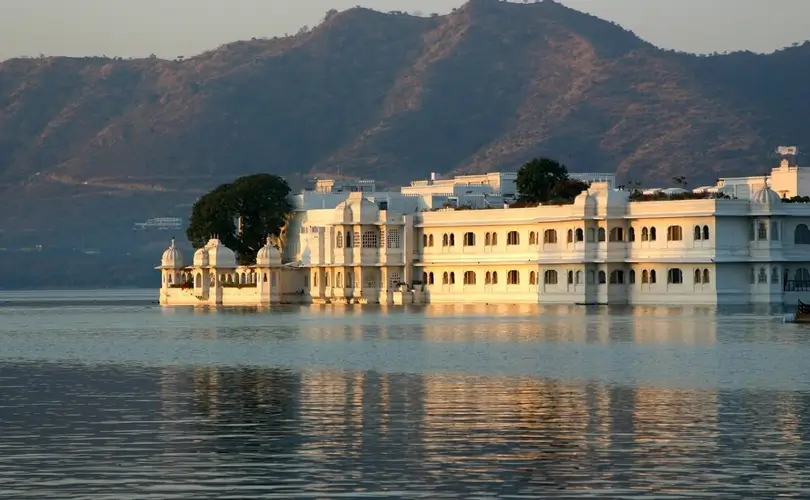
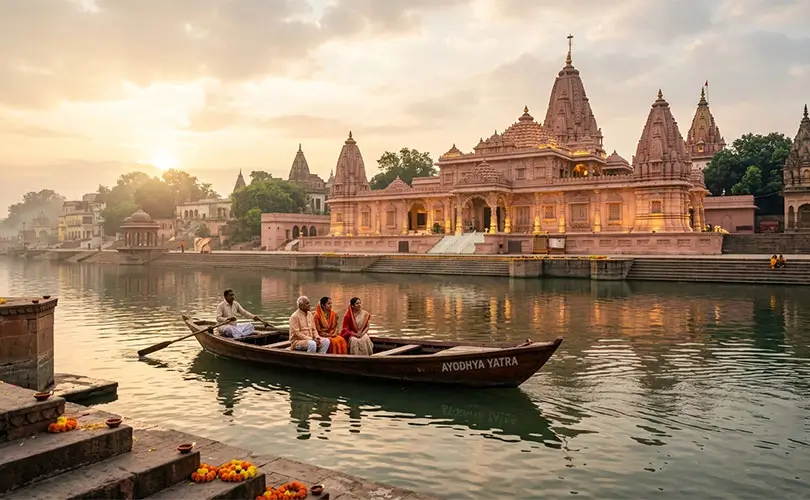
Udaipur offers one of Rajasthan's strongest locations for photographers interested in water, architecture and evening light.
Lake Pichola, City Palace, ghats, rooftop viewpoints and surrounding buildings create multiple possibilities.
Sunset can be especially productive, but popular lakefront viewpoints may become busy.
A boat ride can provide additional angles according to operating conditions and current permissions.
Photography from a moving boat requires different camera settings from static architectural work. A faster shutter speed may be useful even when the light is becoming weaker.
After sunset, the illuminated buildings around the lake can create attractive blue-hour and night images.
A small travel tripod can be useful where permitted, but photographers should confirm the rules at the specific property or public area.
Premium lake hotels can also provide excellent views, though a hotel described as lake-facing does not guarantee every room or terrace has the same photographic angle.
A private photography tour India cost depends primarily on duration, hotels, transport and whether a specialist photographer accompanies the traveler.
A normal English-speaking private guide can broadly cost around ₹2,500 to ₹5,000 per day.
A specialist photography guide or professional photographer can broadly cost ₹5,000 to ₹12,000 or more per day, depending on expertise, city and duration.
Highly specialized private tuition can cost considerably more.
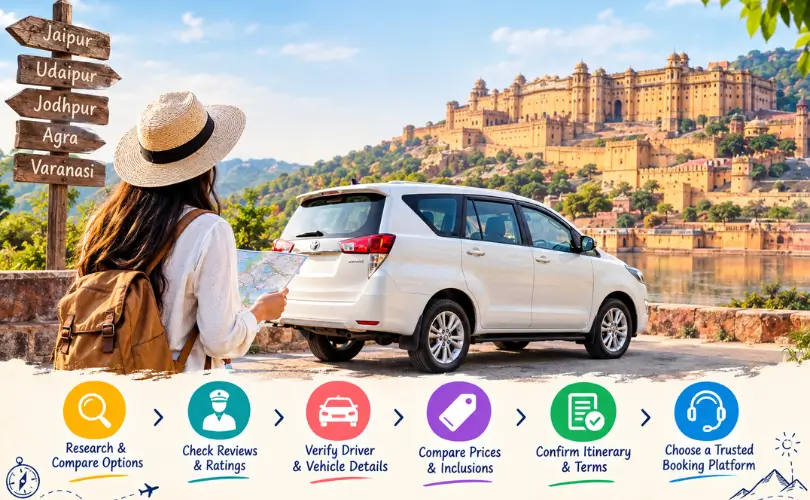
A sedan with chauffeur for approximately five days of Golden Triangle travel can broadly cost ₹20,000 to ₹30,000.
An Innova-type vehicle can cost around ₹30,000 to ₹45,000, while an Innova Crysta with private driver can broadly cost ₹35,000 to ₹50,000 or more.
For two travelers, a six- or seven-night Delhi–Agra–Jaipur photography trip using good four-star hotels, private transportation and selected specialist guides can broadly cost around ₹1,30,000 to ₹2,10,000 or more.
A five-star version can reach ₹2,20,000 to ₹4,00,000 or more.
Adding Jodhpur or Udaipur increases accommodation, transportation and guide costs but creates much greater photographic variety.
Photographers often arrive with too much equipment.
A practical travel kit might include one camera body, a backup body if the work is critical, a wide or standard zoom and a moderate telephoto lens.
A fast prime can be useful for markets and evening scenes.
Extra batteries are essential.
Memory cards should be divided rather than storing the entire trip on one card.
A small cleaning kit is useful because dust can be significant.
A protective camera bag should not look unnecessarily conspicuous in busy streets.
Photographers should keep the most valuable equipment in hand luggage when flying rather than placing it in checked baggage.
Travelers should never assume that equipment allowed on a public street will also be allowed inside a protected monument.
Tripods may be restricted at some attractions.
Large lighting equipment can be treated differently from an ordinary handheld camera.
Professional fashion, commercial or wedding-style photography may require specific permission.
Drones are subject to strict aviation, security and location-based regulations in India and are particularly sensitive around monuments, airports, government buildings and protected areas.
A drone photography tour in India should never be sold on the assumption that a drone can simply be launched beside the Taj Mahal, a fort or another protected attraction.
Permissions should be verified before travel.
Photography days frequently begin before normal sightseeing hours.
A driver may need to collect the guest from the hotel at 5:00 a.m. or earlier depending on season.
That schedule should be stated before booking.
The same driver may then need a proper rest period if an evening photography session is also required.
A professional itinerary should not keep a chauffeur continuously on duty from before sunrise until late night.
Split-duty arrangements or additional transport can be used when necessary.
Fuel, tolls, parking, interstate charges and driver allowance should be included or clearly identified in the quotation.
Photography depends on conditions that cannot be guaranteed.
Winter fog may affect Delhi and Agra.
Summer heat can make midday street photography uncomfortable.
Monsoon clouds can create dramatic skies but also heavy rain.
Dust and haze can reduce long-distance visibility.
A private itinerary has the advantage of adaptation.
If the morning is foggy, the traveler can spend more time on details and street scenes rather than waiting indefinitely for a clear skyline.
If the afternoon sky becomes unusually good, a flexible guide can reduce another stop and move toward a stronger sunset location.
This flexibility is one of the main reasons a private photography holiday in India is more useful than a fixed group itinerary for serious photographers.
Seven nights is a useful minimum for Delhi, Agra and Jaipur.
Nine or ten nights provides more breathing room for repeat sunrise or sunset attempts.
Around twelve to fourteen nights allows Jodhpur and Udaipur to be added without making every day a long transfer.
Photographers should resist the temptation to add too many cities.
The quality of a photography trip depends on being in the right place at the right time, not collecting the largest number of destination names.
The itinerary should identify which sessions are intended for sunrise, daytime, sunset and street photography.
Hotel locations should support early departures.
The vehicle category should be confirmed.
Driver availability for early starts should be stated.
Specialist photography guide services should be identified separately from normal historical guiding.
Monument tickets should be marked as included or excluded.
Any known camera or tripod restrictions should be checked close to travel.
Commercial photography requirements should be disclosed.
Drone use should never be assumed.
The traveler should also state whether the trip is primarily focused on architecture photography, street photography, portraits, landscapes, wildlife, smartphone photography or professional travel photography.
Golden Triangle Tours India can arrange private photography journeys across Delhi, Agra, Jaipur and Rajasthan using chauffeur-driven transportation, selected hotels, local guides and specialist photography support according to the guest's preferred subjects and working pace.
The strongest photographs rarely come from standing where every visitor stands for thirty seconds. They come from having enough time to watch the light, move around a location, speak respectfully with people and sometimes return when the first attempt does not work.
Around seven nights is a useful minimum for Delhi, Agra and Jaipur. Nine or ten nights gives photographers more flexibility for repeat sunrise and sunset sessions.
For two travelers, a six- or seven-night four-star Golden Triangle photography trip can broadly cost around ₹1,30,000 to ₹2,10,000 or more, depending on hotels, specialist guides and transport.
A hotel departure approximately 45 to 75 minutes before sunrise can be appropriate depending on hotel location, season and expected queues. The exact sunrise time changes throughout the year.
No. The Taj Mahal is closed to general visitors every Friday. On standard visiting days, it generally operates from around sunrise to sunset.
Rules vary by site, and tripods can be restricted. Photographers should check the current rules for each monument before carrying large equipment to the entrance.
Drone operations are regulated and can be prohibited around protected monuments, airports and sensitive locations. Never assume drone use is permitted without checking the applicable authorization and local restrictions.
Yes. Old Delhi is one of the strongest areas for markets, architecture, food vendors, transport and everyday street scenes, but photographers should allow several hours and be respectful when taking close portraits.
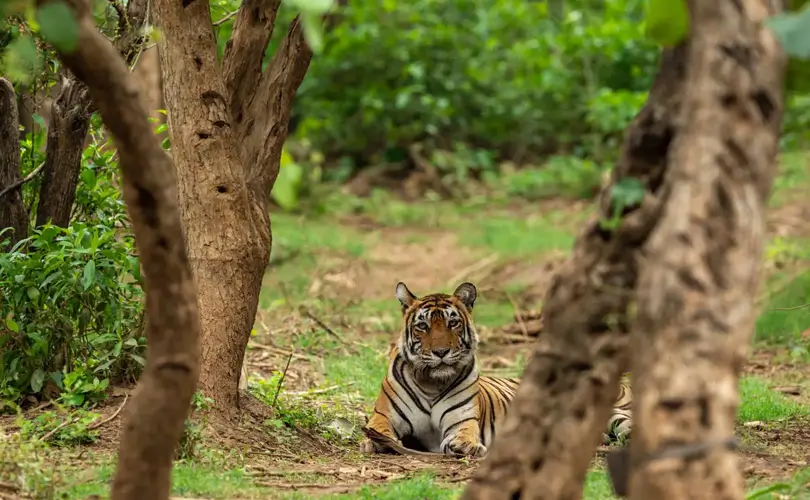
Jaipur offers forts and markets, Jodhpur provides Mehrangarh Fort and old-city lanes, while Udaipur is particularly strong for lakes, reflections, palaces and evening photography.
Not necessarily. A normal private guide can work for casual photography, but a specialist is useful when the traveler wants help with shooting locations, light, composition, street interaction and photography-specific timing.
Confirm the sunrise and sunset sessions, hotel locations, early driver duty, specialist guide services, monument tickets, camera restrictions, tripod requirements, commercial photography permissions and any drone-related requirements before travel.