Old Delhi is one of the most intense and rewarding parts of a Delhi sightseeing tour, but it is also an area that becomes much easier when approached on foot with a clear route. Chandni Chowk, Jama Masjid, historic religious sites, narrow commercial lanes, traditional food shops and old market streets sit close enough to connect through a carefully structured walk, yet the area can feel confusing to a first-time visitor because traffic, pedestrians, vendors and side streets all compete for attention. The strongest experience comes from slowing down rather than trying to move through Old Delhi as if it were another monument complex.
The historic core developed around Shahjahanabad, the imperial city established under Mughal emperor Shah Jahan. Chandni Chowk became one of its most important commercial streets and remains one of Delhi's best-known market areas. Delhi Tourism describes it as one of the oldest and busiest markets in the capital and notes that the main street has been redeveloped with pedestrianized areas and non-motorized transport lanes. Current Delhi Tourism information lists general Chandni Chowk market activity around 10:30 a.m. to 9:00 p.m., while individual outlets can follow different schedules and some may close on Sundays.
A practical Old Delhi walking tour can take approximately three to five hours depending on food stops, shopping and time spent inside religious sites. Travelers who want a deeper heritage experience can easily spend half a day. Delhi Tourism's own organized Old Delhi heritage and food walks are structured around approximately three-hour routes, which is a useful indication of how much time even a focused visit requires.
The most convenient starting point depends on the traveler's wider sightseeing schedule, but beginning near Red Fort or Chandni Chowk Metro Station creates a logical route through the historic center. Travelers arriving by private car should generally arrange a drop-off rather than expecting the driver to move beside them throughout narrow market streets. The vehicle can meet the traveler later at a predetermined location.
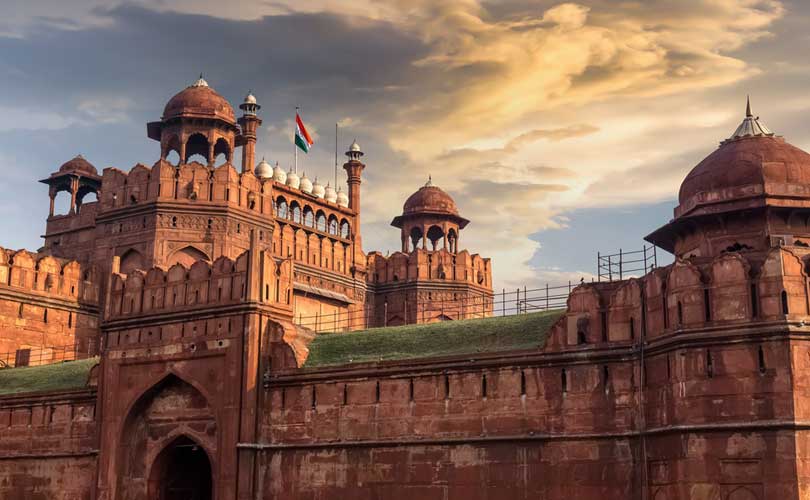
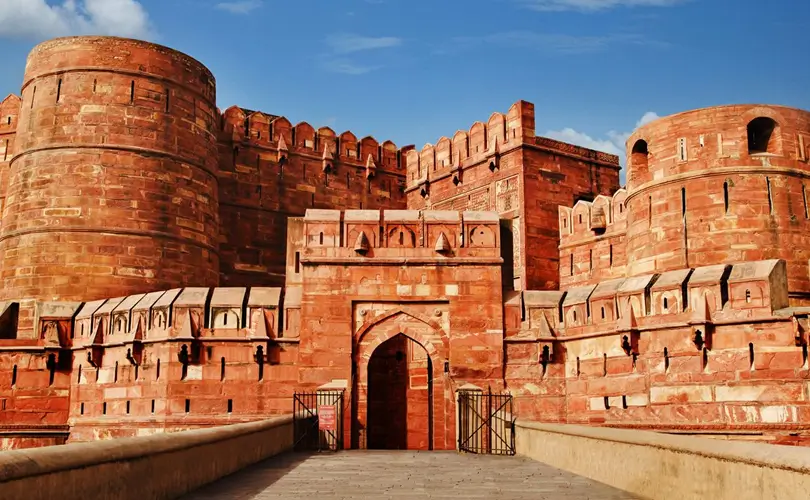
Visitors beginning near Red Fort can view the monumental exterior before moving toward the Chandni Chowk axis. The fort itself deserves a separate visit when time allows, and anyone intending to enter should reserve considerably more time than a walking tour requires. Trying to see the entire Red Fort, Chandni Chowk, Jama Masjid and several food locations within two hours produces little more than a rushed checklist.
The main Chandni Chowk street provides a useful orientation point. From here, travelers can move toward religious sites, specialty market lanes and food stops while gradually working toward Jama Masjid or the opposite direction depending on the chosen route.
Delhi Tourism currently offers a structured heritage walk beginning from Sunehari Masjid and passing sites including the exterior of Red Fort, Digambar Jain Lal Mandir, Gauri Shankar Mandir, Gurudwara Sis Ganj and food locations. This official route demonstrates how religious diversity, market history and food can be connected within one walk rather than treated as separate excursions.
Comfortable footwear is essential. Even when the total distance appears modest on a map, travelers may spend several hours standing, crossing busy lanes and moving over uneven surfaces. Lightweight clothing is useful in warm weather, while conservative clothing is appropriate because the route can include active religious sites. Delhi Tourism's own heritage-walk guidance recommends comfortable footwear, hydration and conservative clothing for Old Delhi walks.
Carry a small amount of cash for snacks and minor purchases, but avoid carrying unnecessary valuables. A compact cross-body bag is generally easier than a large backpack in crowded lanes.
Leave the modern city behind and step into the historic lanes of Old Delhi. Discover Chandni Chowk, Jama Masjid, traditional food streets, heritage landmarks and centuries-old neighbourhoods.
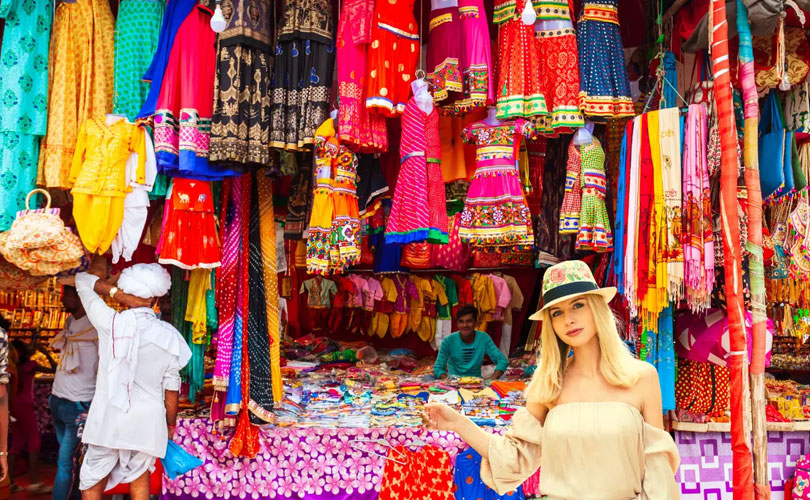
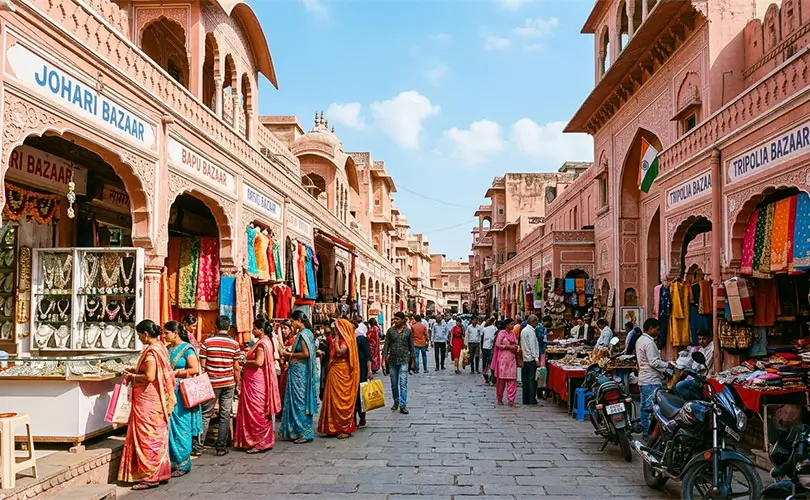
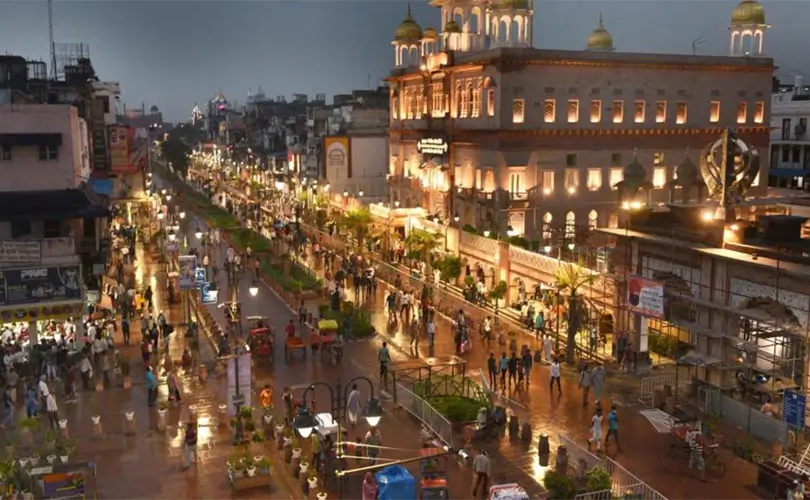
Chandni Chowk Delhi is not one single market selling one category of product. It is better understood as a historic commercial district from which multiple specialty lanes and markets branch outward. One section may focus on textiles, another on jewelry, books, wedding goods or food.
The main street is useful for orientation because several significant religious and commercial landmarks sit along or close to it. A traveler walking slowly can observe the contrast between historic facades, modern shopfronts, cycle rickshaws, pedestrians and religious buildings occupying the same urban space.
This is not an environment where every interesting detail appears behind a ticket counter. Old signage, balconies, narrow entrances and small businesses become part of the experience. Travelers interested only in famous monuments may initially find the commercial density overwhelming, but that density is precisely what separates Old Delhi from more formal heritage zones.
Delhi Tourism describes Chandni Chowk as both a shopping district and a street-food center, with traditional food businesses and specialty lanes remaining central to the area.
Late morning is a practical time for travelers whose priority is shopping because more shops will be fully active. Early morning, however, provides a different experience. Markets are quieter, food businesses begin preparation and some breakfast specialties are still available.
The choice should therefore depend on what the traveler wants. A Chandni Chowk food walk can begin early, while a shopping-focused visit works better later in the morning or afternoon.
Visitors should expect persistent offers for rickshaw rides and shopping assistance. A cycle rickshaw can be useful for short sections when someone is tired, but the price should be agreed before the ride begins. Travelers should not accept the first quoted amount automatically if it appears excessive.
One of the most important characteristics of Old Delhi is the close proximity of different places of worship. Gurudwara Sis Ganj Sahib stands directly within the Chandni Chowk area and provides visitors with a different architectural and spiritual experience from nearby Hindu, Jain and Islamic religious sites.
Travelers entering a Sikh place of worship should cover the head, remove footwear where instructed and behave respectfully. Head coverings are usually available for visitors who do not have their own. Photography should never interfere with prayer, and visitors should follow any local restrictions.
The visit is valuable even for travelers with little prior knowledge of Sikhism because it demonstrates how Chandni Chowk has functioned as more than a commercial street. Religious history and everyday urban life exist side by side.
A visitor might spend approximately 30 to 45 minutes here depending on interest and current activity. Anyone wishing to observe the community kitchen or understand the traditions associated with the site may need longer.
Nearby religious landmarks can also be incorporated into the route, but attempting to enter every temple, mosque and gurudwara in one short walk can make the experience superficial. Select a few places and allow enough time to behave respectfully.
Delhi Tourism's organized Old Delhi heritage walk includes Gurudwara Sis Ganj alongside Jain, Hindu, Christian and Islamic landmarks, emphasizing the area's unusual concentration of religious heritage.
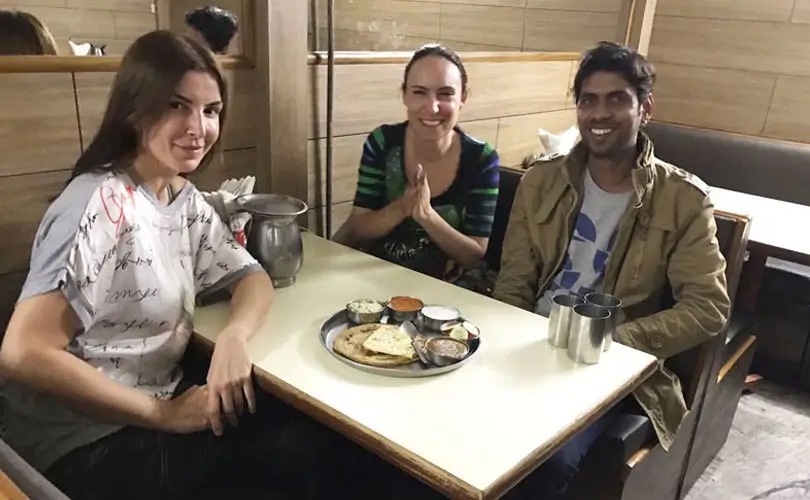
Paranthe Wali Gali is one of the most famous food lanes associated with Chandni Chowk. Delhi Tourism notes that the area's stuffed flatbread shops have a long history and describes the lane as an established part of Old Delhi's food culture.
Visitors should arrive with realistic expectations. These are rich, fried foods rather than light modern breakfast dishes. A single meal can involve stuffed breads, vegetable accompaniments, pickles and sweet chutneys. Travelers planning several food stops should order modest portions rather than treating the first shop as a complete lunch.
The strongest strategy for an Old Delhi food tour is sharing. Two travelers can divide one serving, taste it and move to the next location instead of each ordering a full plate at five different shops.
International visitors should choose busy establishments with rapid food turnover and eat freshly prepared items served hot. A long-established reputation is useful, but ordinary hygiene judgment still matters.
Paranthe Wali Gali works naturally within a Chandni Chowk route because travelers do not need a separate vehicle transfer. The lane can be combined with nearby market browsing before moving toward another food stop.
Delhi Tourism also highlights other traditional Chandni Chowk snacks including chaat, sweets, rich breads and savory foods, which makes the area suitable for visitors who want a tasting route rather than one restaurant meal.
A traveler who wants a lighter stop between heavier foods can consider Natraj Dahi Bhalla. Delhi Tourism identifies the shop as a Chandni Chowk food landmark and currently lists its hours around 10:30 a.m. to 9:30 p.m.
The menu is very focused, with dahi bhalla and potato-based snacks among the well-known offerings. The yogurt-based dish provides a contrast with fried breads and heavier Mughlai food, although it is still rich enough that travelers should keep portions modest if several stops are planned.
This type of focused shop is useful because the visitor does not need to sit through a full meal. A food walk works best when individual stops take 10 to 20 minutes rather than turning every tasting into a one-hour restaurant visit.
Prices at small Old Delhi food outlets are generally modest compared with hotel dining, but exact current charges should be checked at the shop. A traveler can comfortably keep ₹500 to ₹1,000 per person available for several street-food tastings and drinks, though a larger restaurant meal will add to that budget.
Make your first encounter with Old Delhi more meaningful with a carefully paced private experience. Combine heritage, local food, markets and cultural discoveries.
A Chandni Chowk walking route can include Old Famous Jalebi Wala, another food business listed by Delhi Tourism. The outlet has operated since the nineteenth century and currently lists opening hours around 8:00 a.m. to 10:00 p.m.
Jalebi is prepared by frying batter in circular shapes and soaking it in sugar syrup, producing a crisp exterior and intensely sweet interior. It is best eaten hot and fresh rather than carried around for several hours.
Travelers who have already eaten parathas or rich savory snacks should share a portion. Old Delhi food tasting becomes uncomfortable very quickly when every stop involves a full serving.
Sweet shops are also useful for visitors who prefer vegetarian food and do not want to eat around Jama Masjid's meat-focused restaurants.
The location can be incorporated while moving between Chandni Chowk's market lanes rather than becoming a dedicated destination requiring additional transportation.
Jama Masjid Delhi is one of the most important architectural landmarks in Old Delhi and deserves enough time to be appreciated separately from nearby food streets. Delhi Tourism currently lists tourist access for foreign visitors from 8:00 a.m. until sunset, subject to prayer-related restrictions, and lists a foreign visitor entry charge of ₹400. Current rules should still be checked immediately before the visit because access conditions can change.
The mosque was commissioned during Shah Jahan's reign and stands on an elevated site west of the Red Fort. Its large courtyard, red sandstone and marble architecture create a very different atmosphere from the narrow commercial streets surrounding it.
Visitors should dress conservatively, remove shoes according to local requirements and avoid tourist behavior during active prayer periods. The mosque is an active religious site first and a heritage attraction second.
Approximately 45 minutes to one hour is suitable for many visitors. Architecture enthusiasts and photographers may want longer, particularly when access to elevated areas is available under current rules.
The steps around Jama Masjid also provide a striking visual transition between sacred architecture and the dense urban environment below. From here, travelers can continue toward the food lanes of the Jama Masjid area, including Matia Mahal.
The food environment around Jama Masjid is very different from the vegetarian snacks around parts of Chandni Chowk. Matia Mahal and nearby lanes are strongly associated with kebabs, rich meat curries, breads and traditional Mughlai-style dishes.
Delhi Tourism specifically highlights the Jama Masjid area for foods such as kebabs, fried items, nihari, paaya and rich meat preparations. It also notes that certain breakfast dishes can sell out relatively early, which matters for travelers seeking a specific specialty.
This area is best for visitors who genuinely want a substantial meat-based meal. Someone who has already eaten several fried snacks around Chandni Chowk should decide whether to continue tasting or stop for a proper lunch rather than doing both.
Restaurants around Jama Masjid vary enormously in size and presentation. Some are longstanding institutions, while others are modest neighborhood businesses. Choose busy establishments with visible food turnover and a strong reputation.
A meal here can be inexpensive compared with premium Delhi restaurants. Roughly ₹500 to ₹1,200 per person provides a practical working budget for a substantial meal at many established Old Delhi restaurants, depending on meat dishes, breads and drinks ordered. Large group meals or specialty items can move higher.
Travelers sensitive to rich food should order conservatively. Nihari, kebabs, fried dishes and heavy gravies eaten immediately after several Chandni Chowk snacks can overwhelm even an experienced eater.
A rushed Chandni Chowk walking tour of ninety minutes may provide photographs, but it does not leave enough time for meaningful food, religious sites and market lanes. A practical minimum is around three hours, while four to five hours is far stronger for first-time visitors.
Delhi Tourism's heritage and food walks use three-hour formats, providing a useful official benchmark for focused routes.
A morning route might begin around 8:00 or 9:00 a.m. with Jama Masjid or an early food stop, move toward Chandni Chowk and continue until lunch. A later route can begin around 10:30 or 11:00 a.m. when markets are active and finish with an afternoon meal.
Travelers visiting in hot weather should avoid turning the middle of the day into five consecutive hours of walking. Early morning provides greater comfort.
Winter mornings are cooler but can also be hazy. Comfortable layers are useful because the temperature may change significantly after sunrise.
For photography, early morning usually provides better street conditions, while late morning offers more market activity.
Explore the streets where Mughal history, religious heritage, bustling markets and legendary Delhi food exist side by side. From Jama Masjid to Chandni Chowk and the lanes of traditional cuisine.
Old Delhi can be visited on a relatively modest budget even when food and a guide are included. Travelers using Delhi Metro and eating at small food businesses may spend only a few hundred rupees beyond attraction charges.
A guided heritage walk costs more but can add historical context and reduce the need to navigate unfamiliar lanes independently. Delhi Tourism currently lists some organized heritage and food walks at ₹1,000 plus 5% GST per person, subject to group requirements and availability.
A private guide can cost more depending on duration, language and service level. Travelers should confirm whether food tastings, attraction tickets or transportation are included.
For a self-guided visit, keeping approximately ₹1,000 to ₹2,500 per person available can comfortably cover several food tastings, minor transport, entry charges and small purchases, excluding significant shopping.
A private-car sightseeing day naturally costs more because the vehicle and driver remain available outside the pedestrian sections. That cost should be judged as part of the entire Delhi sightseeing day rather than the Old Delhi walk alone.
Food is one of the main reasons to walk through Old Delhi, but international visitors should approach it with the same practical judgment they would use anywhere else when eating outside formal restaurants. The strongest choices are busy outlets with rapid food turnover, food cooked in front of the customer and items served hot rather than sitting uncovered for long periods. A famous stall can still become crowded and chaotic, so travelers should watch how food is handled, how plates are cleaned and whether the preparation area looks active and organized.
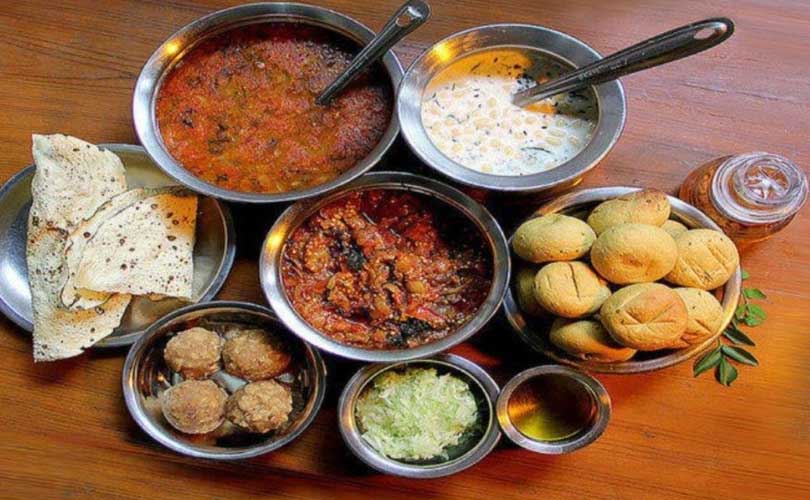
The biggest mistake is trying to taste everything in one morning. Parathas, jalebi, dahi bhalla, kebabs, rich curries and sweets are individually heavy enough; consuming them back-to-back can make the rest of the walking tour uncomfortable even when the food is prepared well. A better Old Delhi food walk uses small shared portions. Two people can split one serving, taste it, continue walking and decide later whether another stop makes sense. This keeps the experience focused on variety rather than volume.
Drinking water should come from a sealed commercial bottle or another reliable purified source. Check the seal before opening. Travelers who are still adjusting to Indian food may also prefer to avoid raw garnishes, cut fruit or uncooked accompaniments when the washing water is uncertain. Hot food served immediately after preparation is usually the easier choice.
Spice should be treated separately from hygiene. A dish can be freshly cooked and completely safe yet still be too hot or rich for someone accustomed to milder food. Taste chutneys and pickles in small amounts before adding more. Yogurt-based dishes can provide balance, while repeatedly drinking large amounts of water does not necessarily reduce chili heat.
A visitor with a severe food allergy should not rely only on visual identification. Traditional kitchens can use shared utensils and preparation surfaces, and ingredient explanations may vary. Serious allergies should be communicated clearly before ordering, and travelers with high-risk reactions may prefer established restaurants with stronger control over preparation.
A private car in Delhi is useful for reaching Old Delhi and continuing sightseeing afterward, but it is not the most practical vehicle for every lane inside Chandni Chowk. Traffic restrictions, pedestrianized areas and narrow streets mean the driver may need to drop travelers at an accessible point and meet them later.
This is why a clear pickup location matters. Travelers should save the driver's phone number, vehicle registration and meeting point before entering the market area. Saying “meet near Chandni Chowk” is too vague for a district containing several busy streets and access points.
Delhi Metro is another strong option. Chandni Chowk and Lal Quila stations can provide convenient access depending on the chosen route. The Metro avoids surface traffic and can be particularly useful during busy weekday periods.
Cycle rickshaws are useful for shorter sections when travelers are tired or want to move between market lanes more quickly. Agree on the fare before beginning the ride. A private guided rickshaw circuit can also provide useful orientation, but travelers should know which areas are included before accepting the service.
Walking remains essential. The strongest Chandni Chowk heritage experience comes from entering lanes that cannot be understood from inside a car. A mixed approach works best: car or Metro to reach the area, walking for the heritage core, and a rickshaw only when it genuinely improves the route.
Old Delhi provides some of the strongest street photography on the Golden Triangle route because architecture, people, food, traffic and commerce exist within the same frame. The challenge is that the area is not a staged photography location. People are working, praying, eating and moving through their daily routines.
For general street scenes, wide and moderate focal lengths are often more useful than large telephoto lenses because streets can be narrow and subjects close. A smartphone can work extremely well when the traveler wants to remain discreet.
Permission should be requested for close portraits, especially inside shops or religious spaces. A person agreeing to be photographed should not automatically be treated as permission to photograph every family member or private activity nearby.
At Jama Masjid, current rules concerning photography, mobile phones and camera fees should be checked on arrival. Religious activity always takes priority over photography. Do not block prayer areas or position equipment where it interferes with worshippers.
Harsh midday light can create strong contrast between shaded lanes and bright open streets. Early morning produces softer conditions, while later afternoon can create warmer tones around historic facades.
Photographers should keep equipment secure. Changing lenses in the middle of a crowded intersection is unnecessary. A smaller camera bag with one or two useful lenses is easier than carrying an entire professional kit.
Chandni Chowk can easily turn a three-hour walk into a full-day shopping session because different lanes specialize in different products. Travelers interested mainly in heritage should decide beforehand how much shopping time to allow.
Kinari Bazaar is associated with decorative trims, wedding materials and embellishments. Dariba Kalan is known for jewelry and silver-related shopping, while other lanes contain fabrics, spices, books and household goods.
The market is strongest for travelers who know what they want. Someone looking specifically for fabric can spend an hour comparing textiles, while a visitor who simply walks into random stores may lose time without making a meaningful purchase.
Bargaining practices vary by store. Fixed-price businesses may not negotiate, while smaller market sellers may expect some discussion. As in Jaipur, polite comparison works better than aggressive haggling.
For high-value silver or jewelry purchases, ask for proper documentation and examine quality carefully. A Chandni Chowk shopping stop should remain separate from the pressure of a guided sightseeing schedule. If a traveler wants serious shopping, it may be better to return later rather than forcing the decision while a guide waits.
The Red Fort and Chandni Chowk are geographically close and historically connected, so combining them in one half-day can make sense. The problem is time. A proper Red Fort visit can take around one-and-a-half to two hours, while an Old Delhi walking route can require three to five hours.
Travelers trying to do both thoroughly should reserve at least five to seven hours, including security, walking, food and short breaks. Adding Raj Ghat, Jama Masjid and several shopping lanes on top of that can turn the day into an exhausting checklist.
A good structure can begin with Red Fort near opening time, followed by Chandni Chowk and a late lunch. Another approach is to visit Jama Masjid and Chandni Chowk early, then enter Red Fort later depending on heat and opening hours.
The decision should reflect the traveler's priorities. Someone with strong interest in Mughal military architecture should give the fort more time. Someone focused on markets and food may prefer to see the Red Fort exterior and spend the majority of the day inside Old Delhi.
A focused Old Delhi walking tour should generally take around three to five hours. This allows time for Chandni Chowk, one or two religious sites, selected food stops and market lanes without turning the visit into a rushed sequence of photographs.
Late morning is best for shopping because most businesses are active, while early morning is better for lighter crowds and certain breakfast experiences. Travelers interested in both food and markets can begin around 9:00 or 10:00 a.m. and continue toward midday.
Yes, but it is extremely busy. International visitors should keep phones and wallets secure, use a small closed bag, agree on rickshaw fares before riding and avoid carrying unnecessary valuables through crowded lanes.
Yes. Jama Masjid and Chandni Chowk sit close enough to combine naturally in one walking route. Travelers should allow additional time for footwear procedures, respectful clothing and prayer-related access restrictions at the mosque.
Popular choices include parathas, dahi bhalla, jalebi, kebabs, nihari and traditional sweets. Travelers should share small portions, choose busy establishments and avoid eating several heavy dishes back-to-back if they still have hours of walking ahead.
Approximately ₹500 to ₹1,500 per person is enough for several modest food tastings at small outlets, depending on what is ordered. A full meal at an established restaurant around Jama Masjid can raise the total.
Yes, particularly for a first visit. A knowledgeable Old Delhi heritage guide can explain Shahjahanabad, religious landmarks, market lanes and food traditions while also making navigation easier. Travelers should use a reputable guide and agree on inclusions before starting.
A private car can reach the broader Old Delhi area but cannot practically follow travelers through every market lane. The most efficient method is usually a drop-off at an accessible point, walking through the heritage area and meeting the driver later at an agreed pickup location.
Yes, but the route should be shorter and more carefully paced. Crowds, uneven surfaces, stairs and long periods of standing can be tiring. Senior travelers may benefit from a mix of walking and cycle-rickshaw transport rather than covering every lane on foot.
Yes. A traveler can combine Red Fort, Chandni Chowk and Jama Masjid in one day, but at least five to seven hours should be reserved for a comfortable experience. Trying to include all three in only two or three hours will make the visit rushed and reduce time for food, heritage interpretation and market walking.