A Golden Triangle tour with private car and driver is one of the most practical ways for international travelers to travel between Delhi, Agra, and Jaipur. The three cities are connected by major highways, but the journey involves far more than simply hiring a taxi from one destination to another. A multi-day private car booking normally covers hotel pickups, local sightseeing, intercity drives, luggage transportation, scheduled stops, airport transfers, and the services of the driver throughout the agreed route.
The biggest advantage is continuity. Instead of arranging a different taxi in every city, travelers can have one dedicated vehicle for the road portion of the trip. Bags can remain with the vehicle during transfers, departure times can be coordinated with the itinerary, and sightseeing transportation is available without negotiating local fares several times each day.
The actual Golden Triangle car rental with driver cost depends on the vehicle category, trip duration, total distance, pickup and drop location, tolls, parking, state taxes, driver allowance, and whether local sightseeing mileage is included.
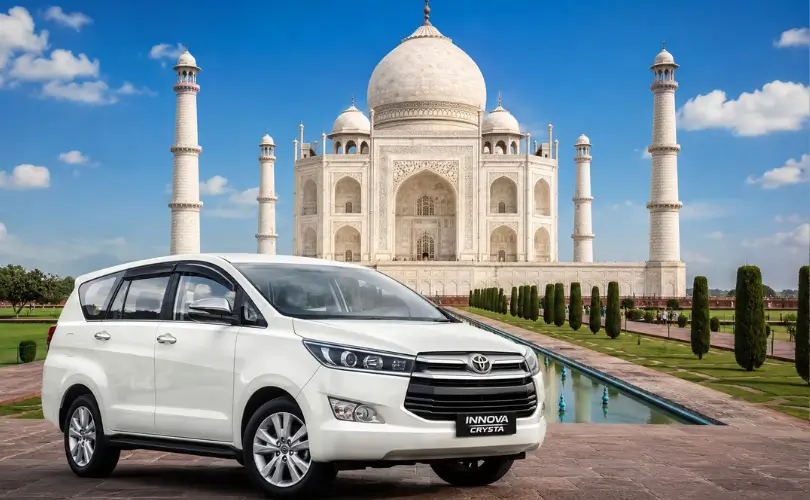
For two travelers, a sedan is usually sufficient when luggage is moderate. Families, three or more adults, senior visitors, or travelers carrying large international suitcases often prefer an Innova-type vehicle. An Innova Crysta Golden Triangle tour costs more but provides additional cabin space and greater comfort during long intercity drives.
The route itself also affects the quotation. A simple Delhi–Agra–Jaipur–Delhi circuit costs less than an itinerary that adds Abhaneri, Pushkar, Ranthambore, Mathura, Vrindavan, or other detours.
A realistic quotation should therefore identify not only the total amount but exactly what the car-and-driver service covers.
Delhi is the most common starting point because most international travelers arrive through Indira Gandhi International Airport. A private Golden Triangle tour from Delhi can begin directly at the airport or from a hotel elsewhere in Delhi NCR.
Travelers arriving after a long international flight often spend the first night in Delhi before beginning sightseeing. This avoids placing a demanding intercity drive immediately after arrival.
Delhi itself requires substantial driving.
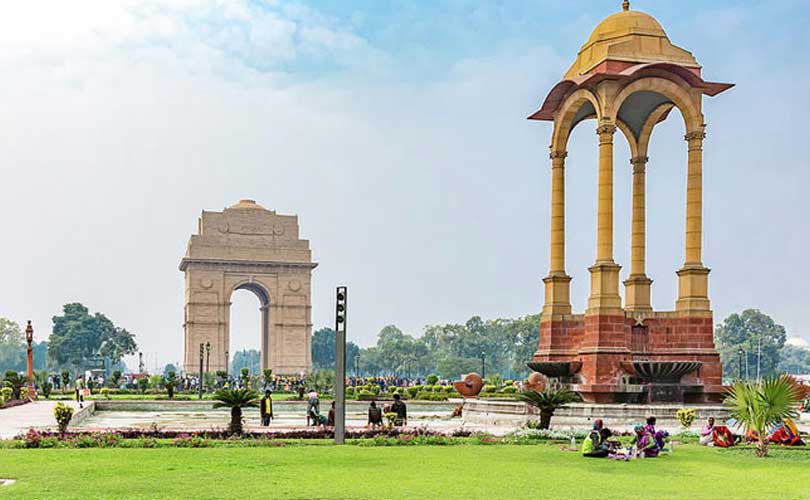
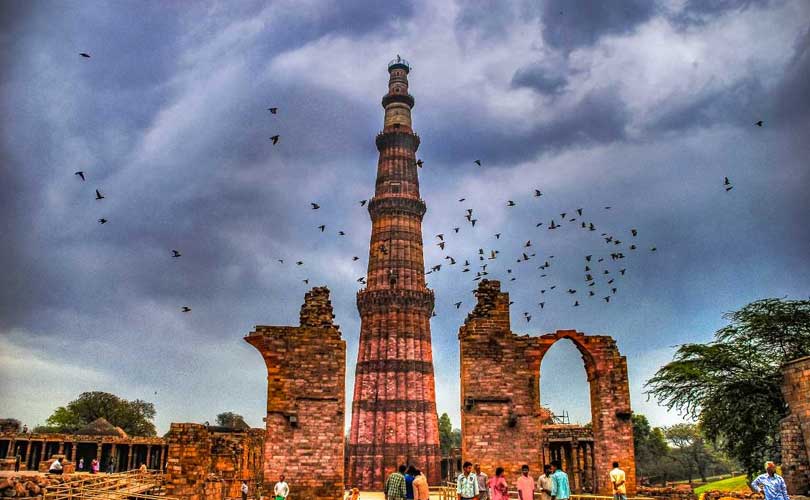
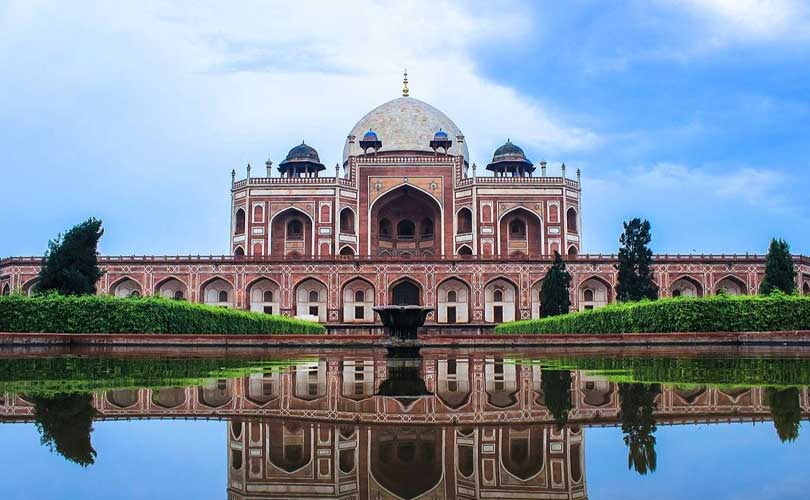
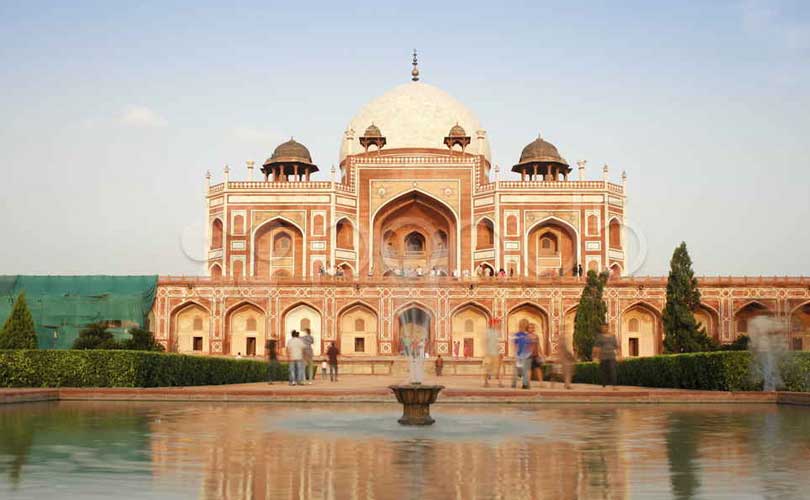
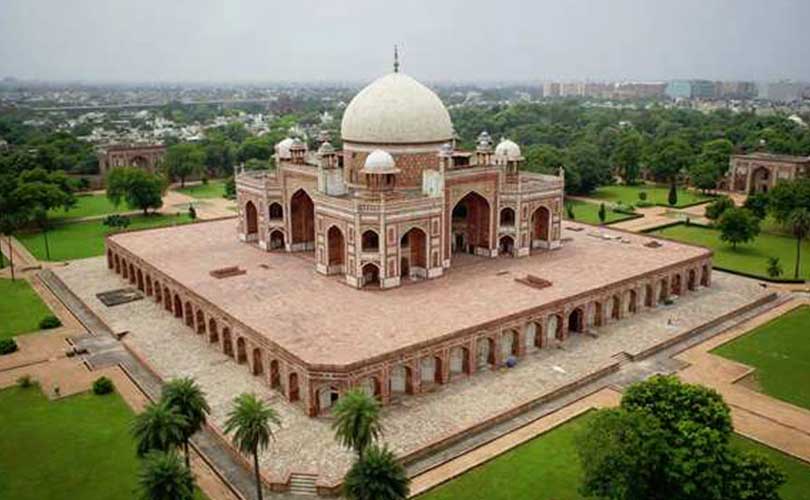
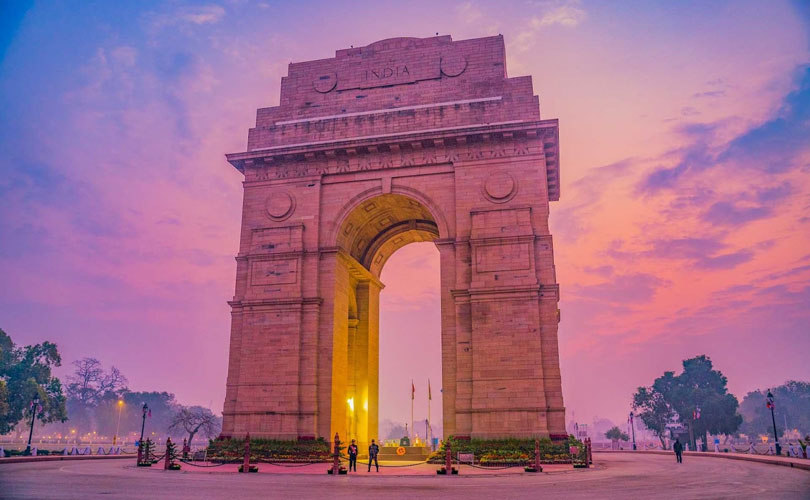
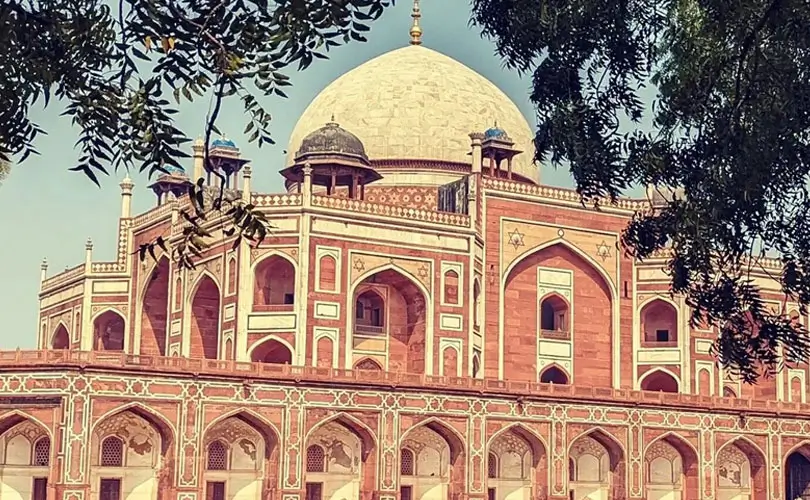
The city contains attractions spread across Old Delhi and New Delhi. Jama Masjid and Chandni Chowk are located in the historic core, while India Gate, Humayun's Tomb, Qutub Minar, government districts, and several other attractions are spread across different areas.
Traffic conditions can change significantly during the day, which makes a dedicated vehicle useful. The driver can drop travelers near the practical entry point and meet them again after sightseeing rather than requiring them to locate a new taxi.
After Delhi, the journey to Agra usually follows the Yamuna Expressway.
The road distance from central Delhi to Agra is approximately 220 to 230 kilometres, although the exact mileage depends on the starting hotel. Under favorable conditions, the journey commonly requires around three to four hours. Heavy traffic while leaving Delhi can extend the total travel time.
A morning departure is generally preferable.
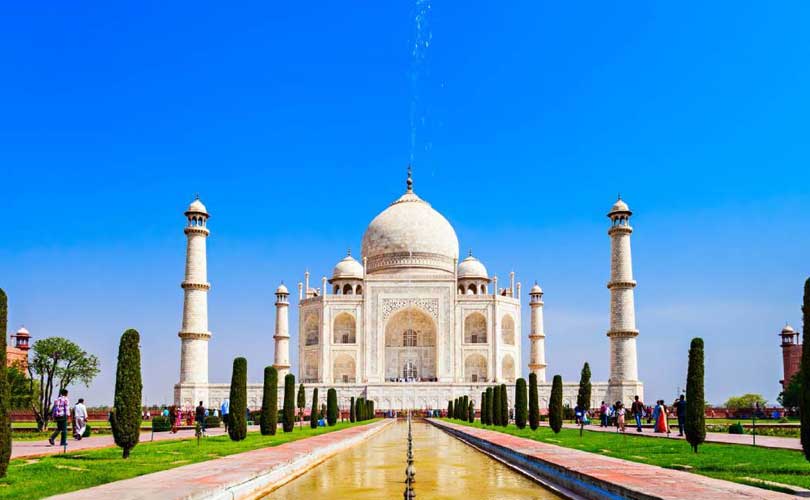
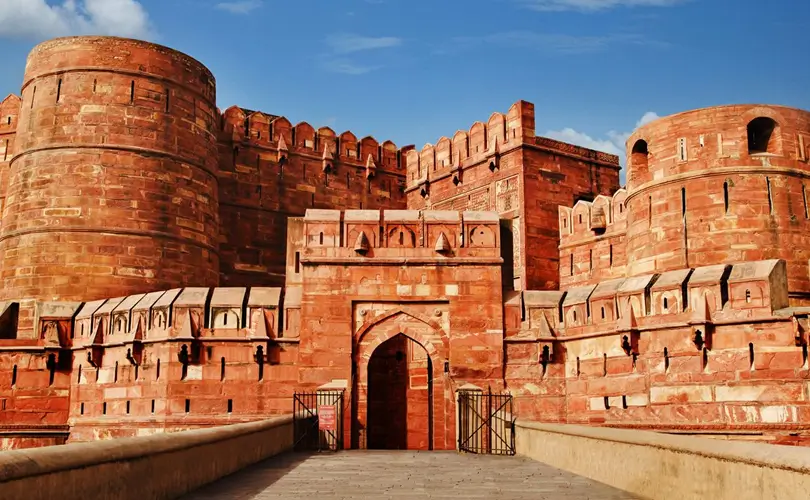
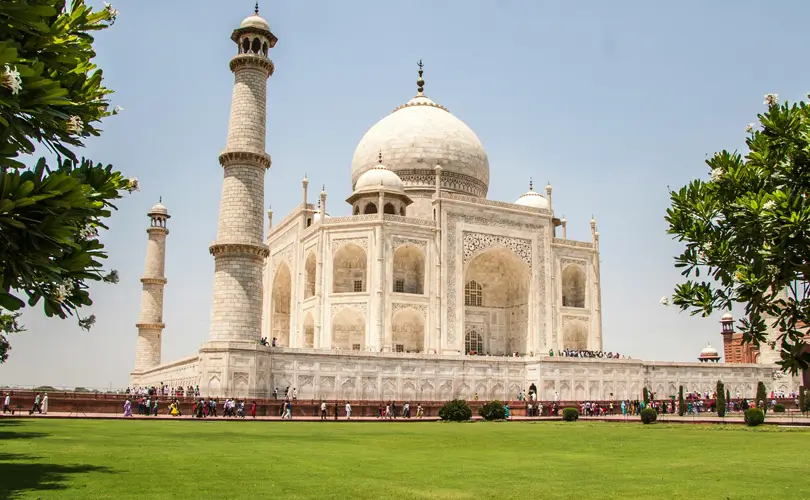
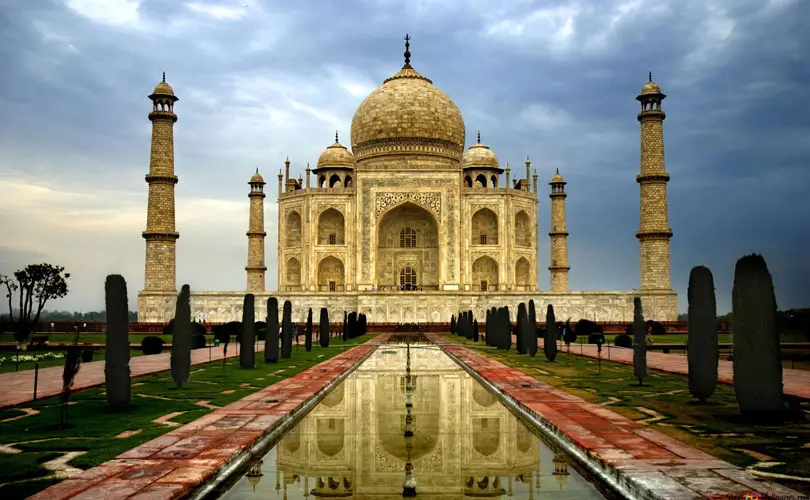
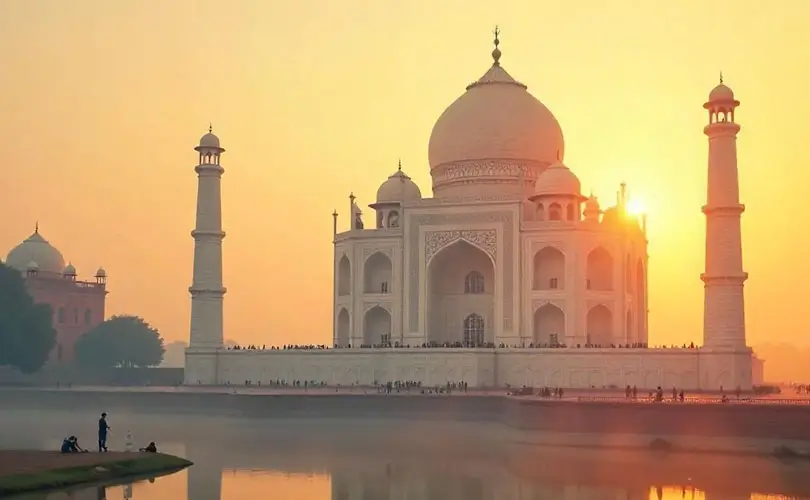
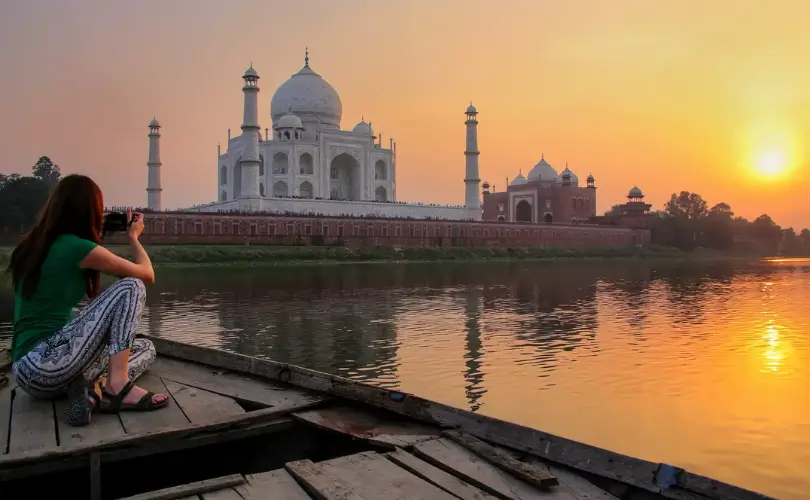
Travelers can reach Agra around midday, check into their hotel if the room is available, have lunch, and begin sightseeing. Depending on the itinerary, Agra Fort can be visited that afternoon, leaving the Taj Mahal for the following morning.
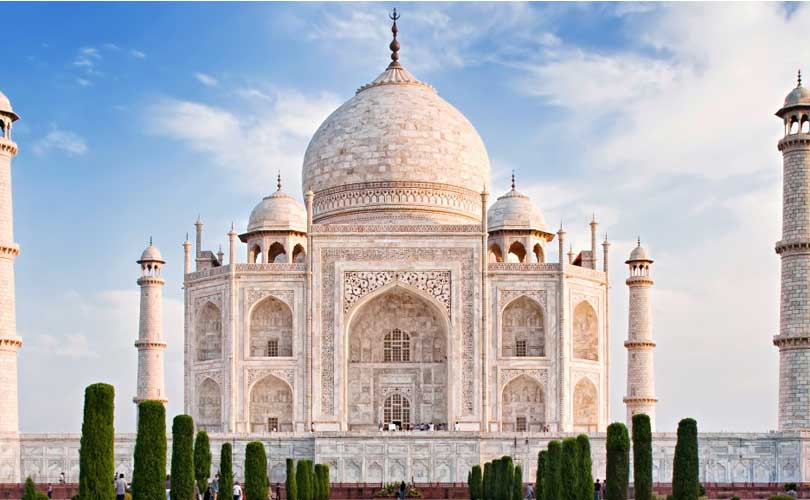
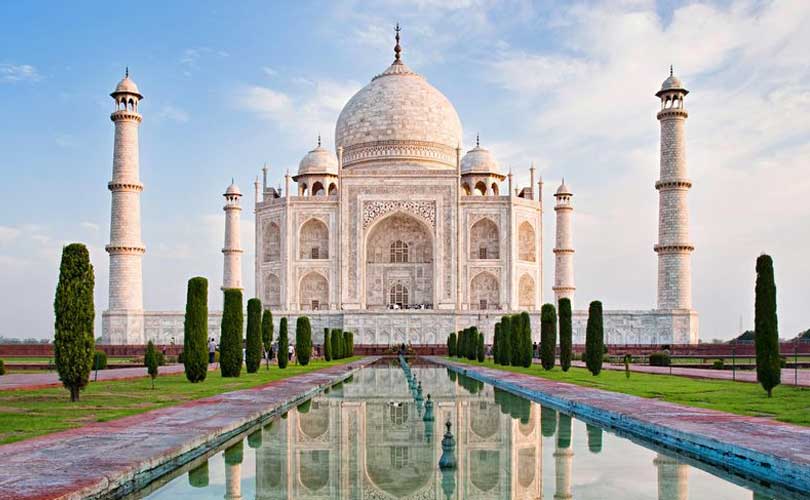
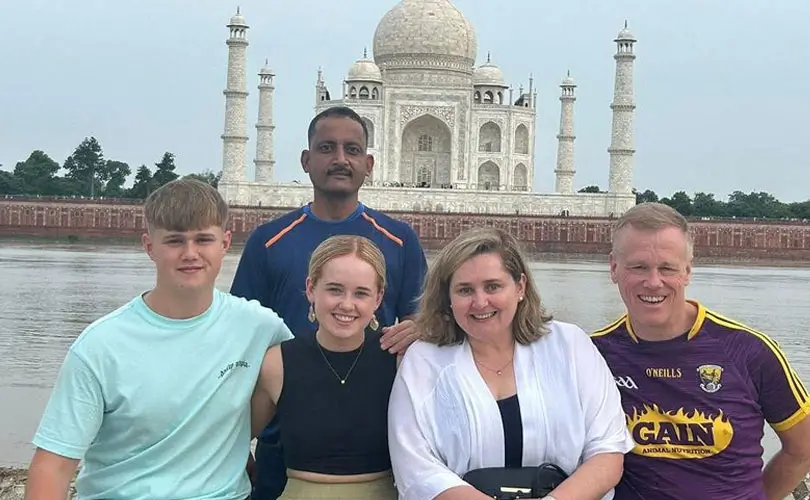
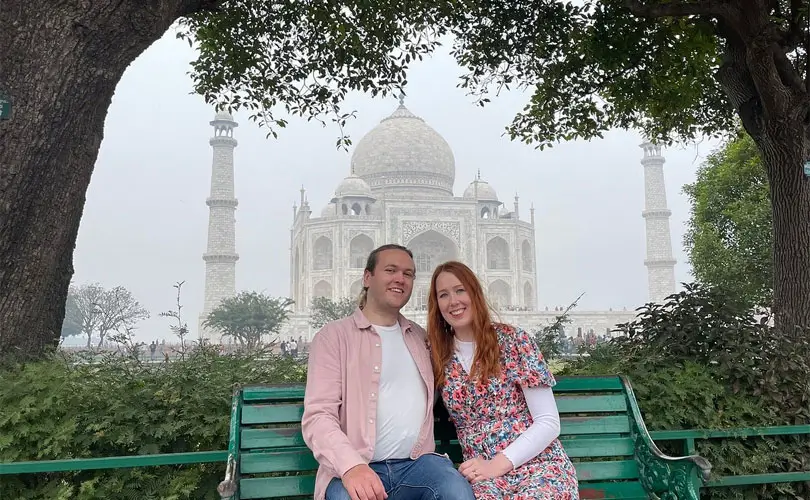
The Taj Mahal is closed to general visitors on Fridays, an important detail when arranging the route. Travelers should also allow sufficient time for security procedures and walking inside the monument complex.
A private driver normally waits outside the monument parking or designated vehicle area because vehicles cannot simply drive to the main entrance.
The next major sector is Agra to Jaipur by private car.
The direct road distance is roughly 240 kilometres, but many travelers turn this into a sightseeing transfer by stopping at Fatehpur Sikri.
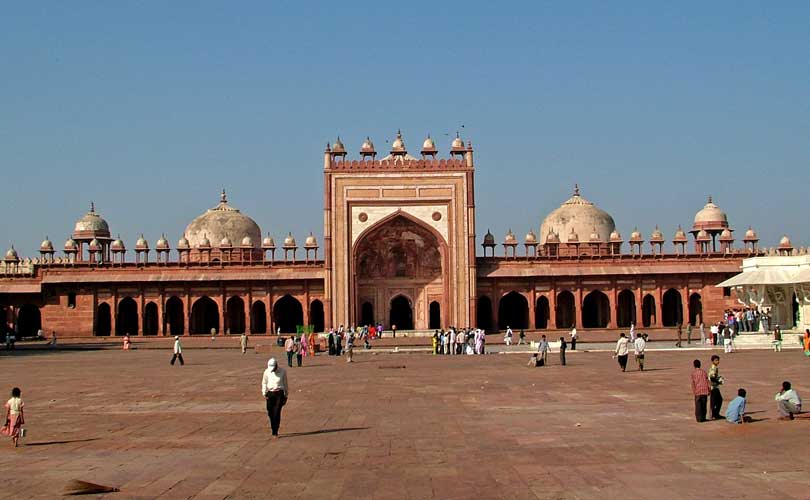
Fatehpur Sikri lies outside Agra and is one of the most worthwhile additions to the route. The former Mughal capital contains impressive courtyards, gateways, palaces, and religious structures. A proper visit takes time, so travelers should not treat it as a five-minute photo stop.
Abhaneri can also be added to many Agra–Jaipur itineraries.
The village is known for Chand Baori, a dramatic historic stepwell with thousands of narrow steps arranged in geometric patterns. Adding Abhaneri increases the driving and sightseeing time, but it breaks up the road journey and provides a very different architectural experience from the major forts and palaces.
With Fatehpur Sikri, Abhaneri, meal breaks, and normal road conditions, the transfer can occupy a large part of the day.
Jaipur usually requires at least one full sightseeing day.
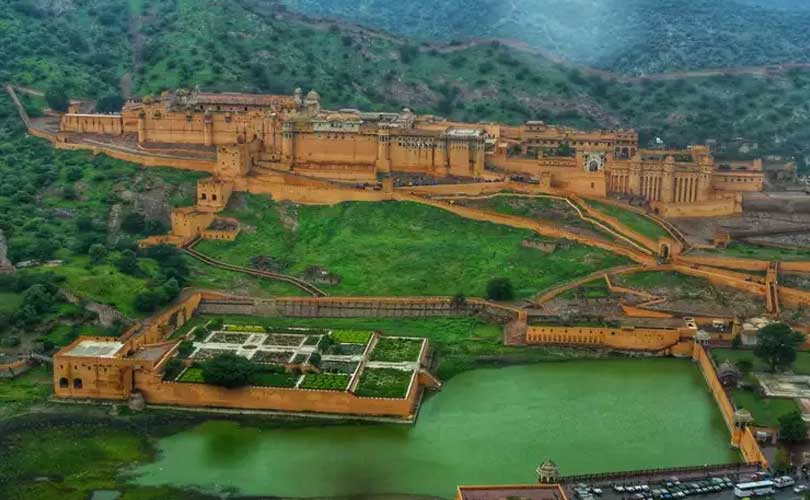
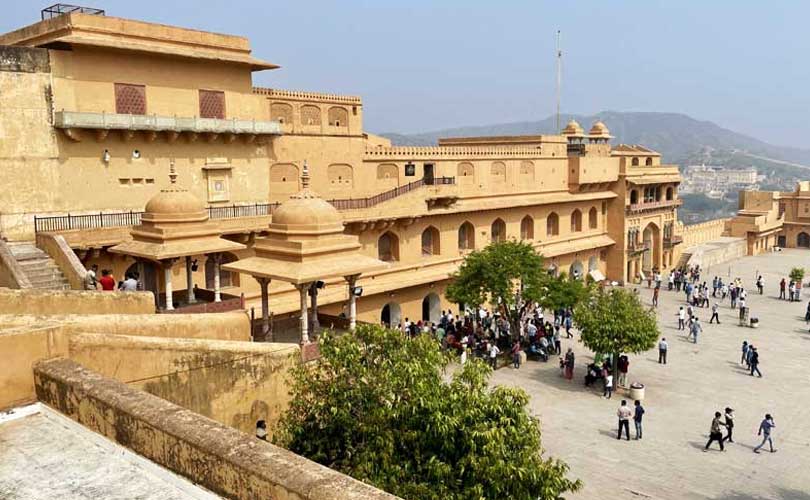
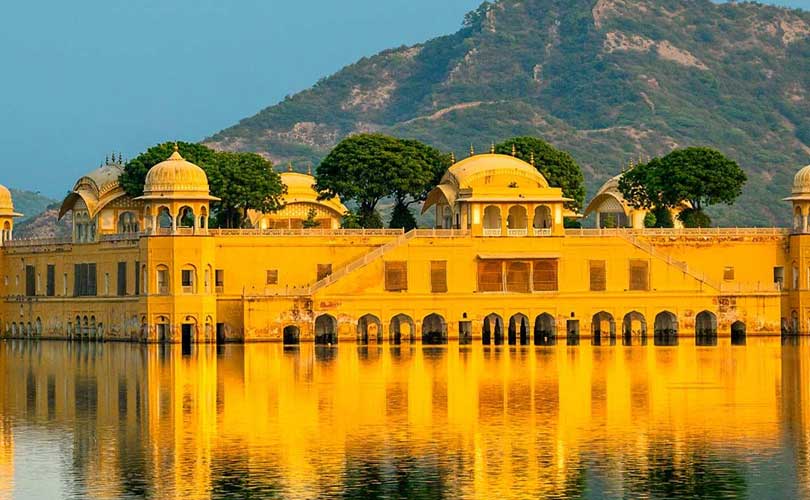
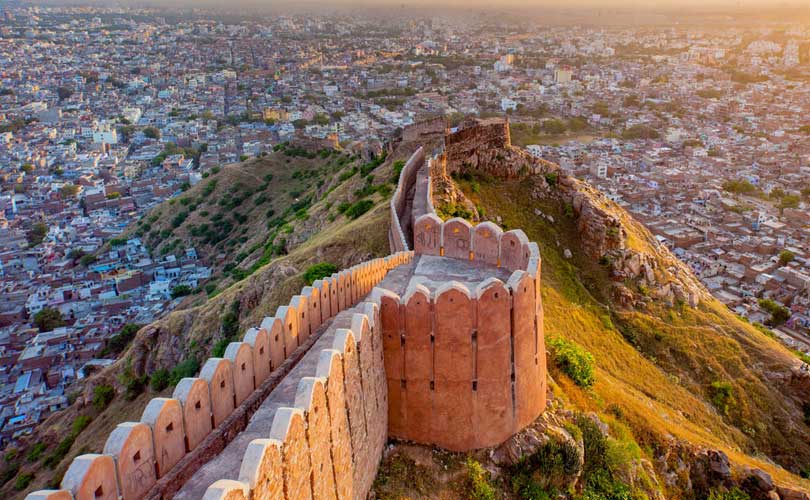
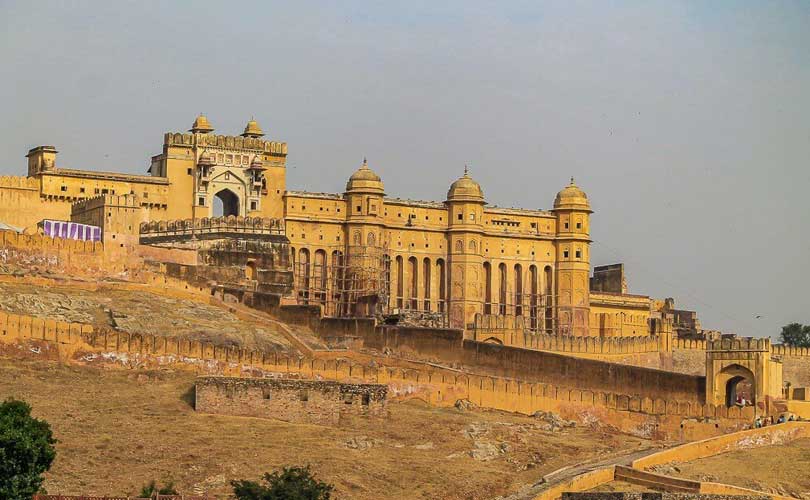
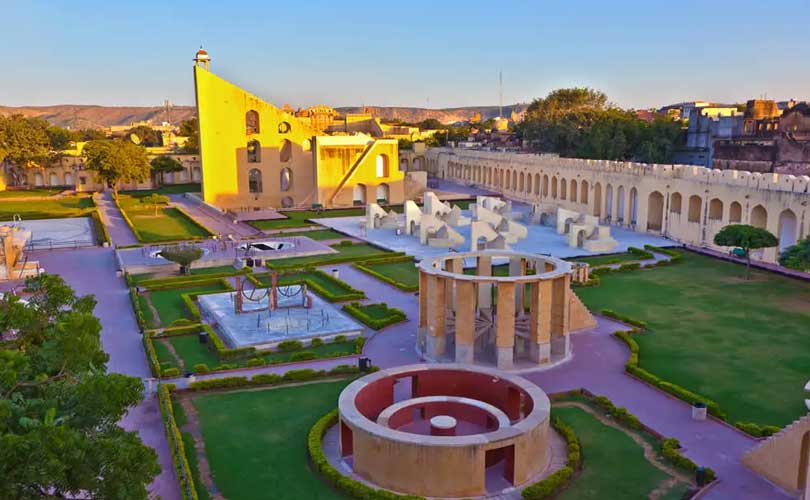
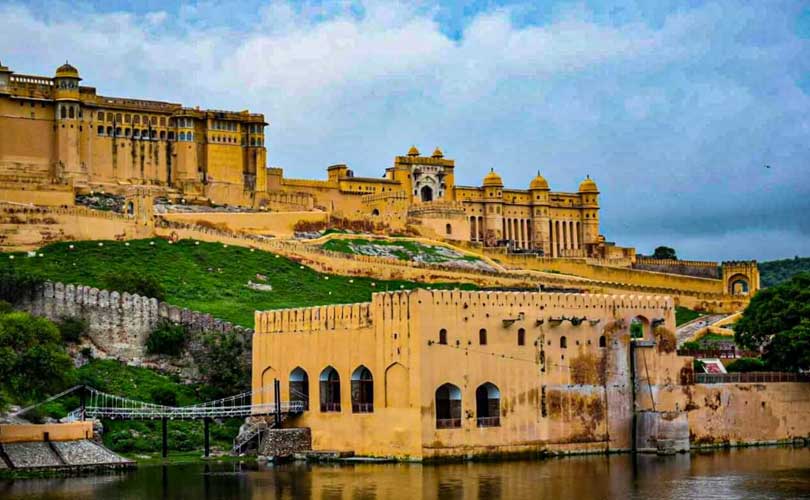
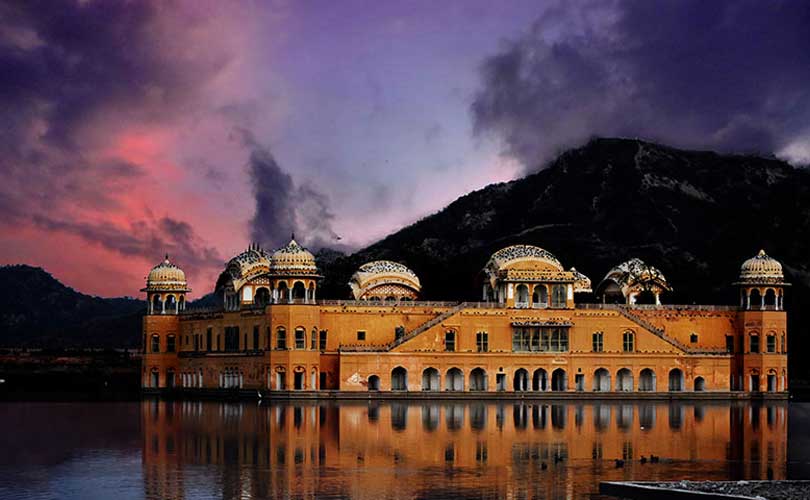
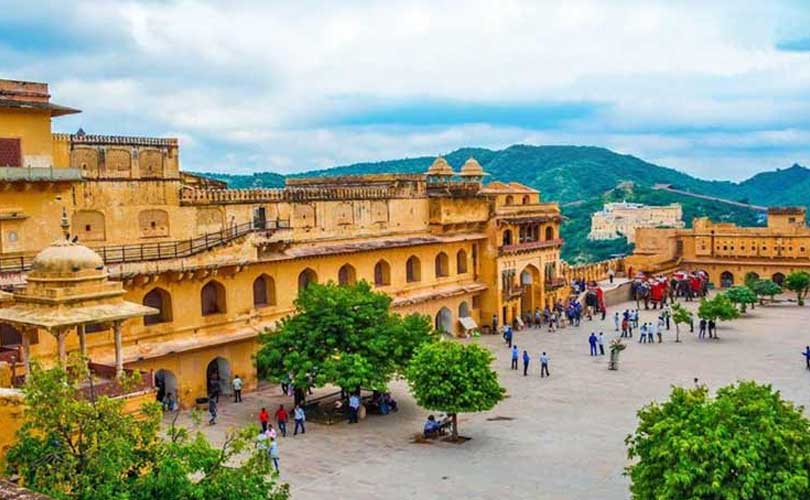
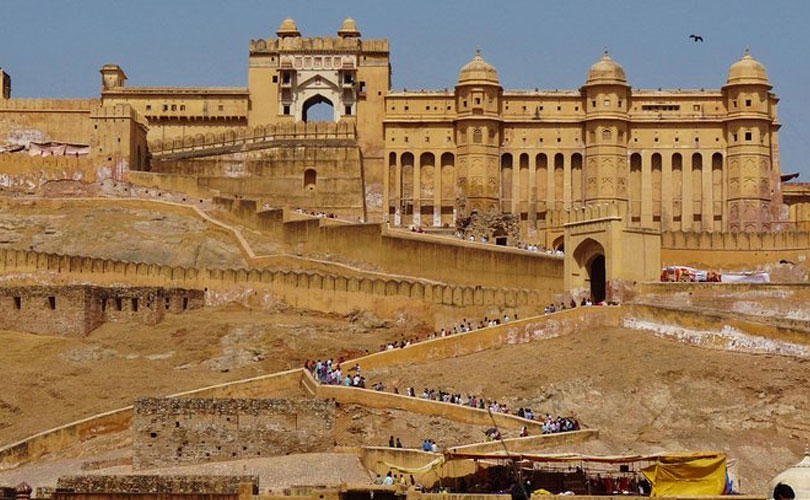
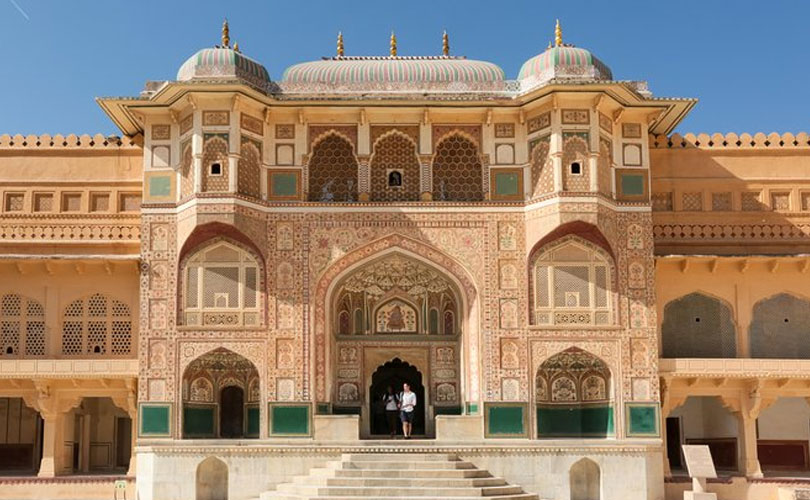
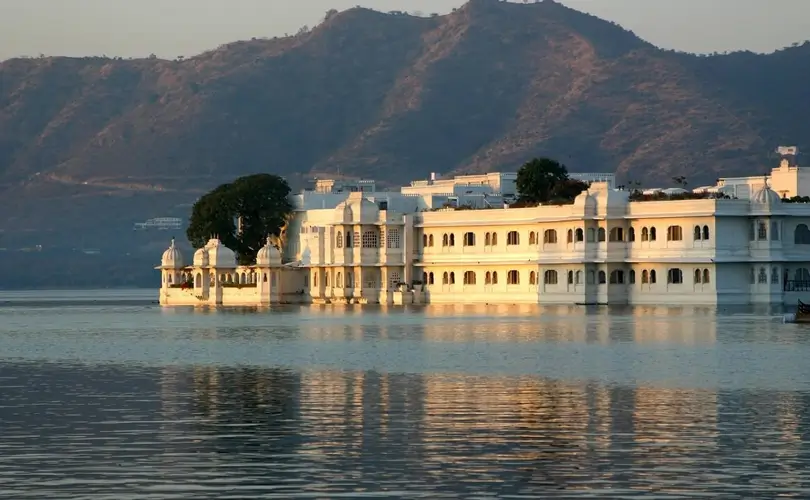
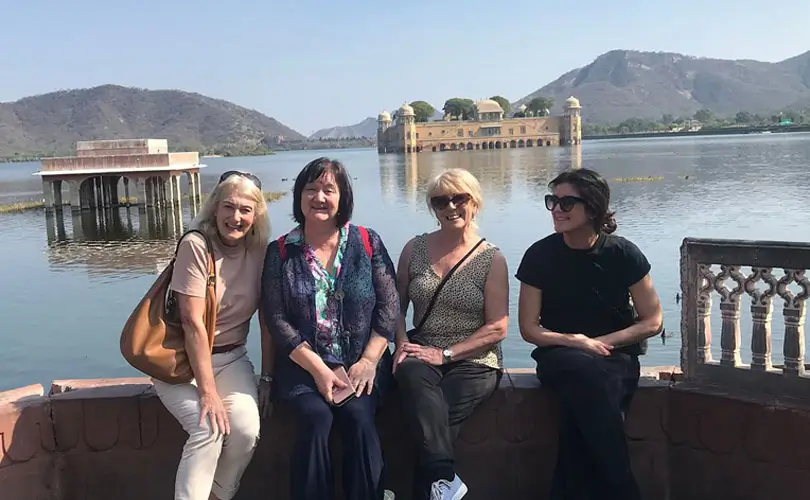
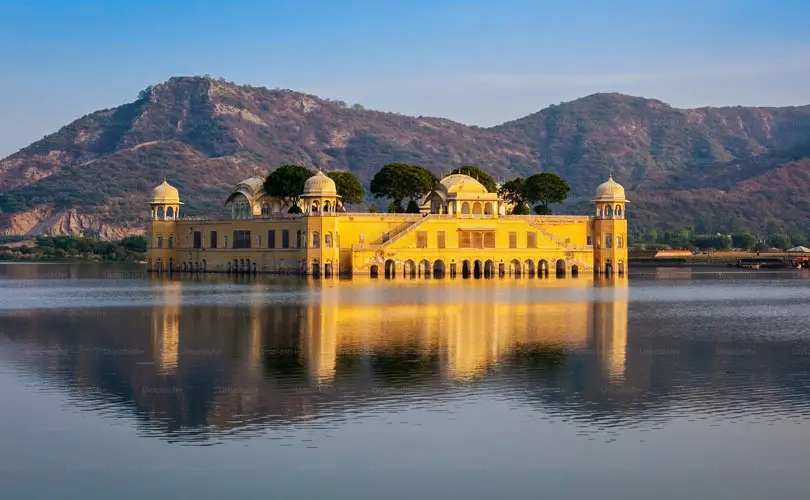
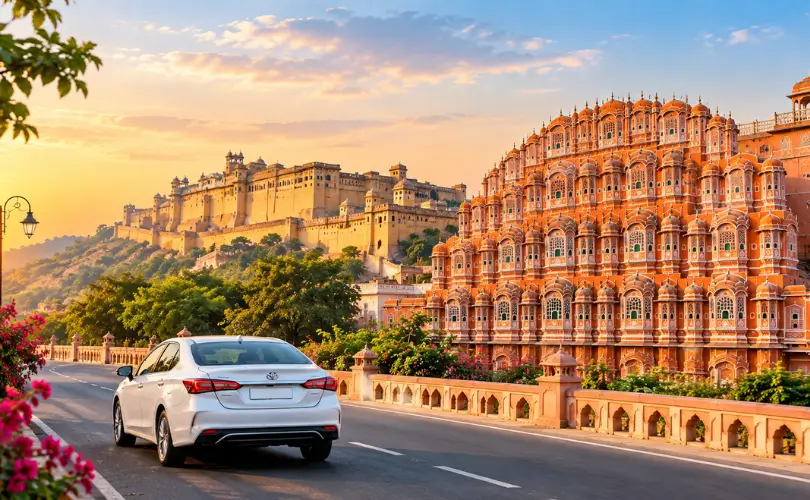
Amber Fort is located outside the central old-city area and is normally visited in the morning. Jal Mahal can be seen while traveling between Amber and central Jaipur. City Palace and Jantar Mantar are located closer together, while Hawa Mahal is frequently included as an exterior photo stop or visited according to the itinerary.
A private Jaipur car and driver makes it easier to move between these locations without repeatedly arranging transport.
The final Jaipur-to-Delhi sector is approximately 270 to 300 kilometres, depending on the exact destination. Driving time can be around five to six hours or longer. Traffic entering Delhi NCR is one of the biggest variables.
If the traveler has an international flight on the same day, sufficient buffer time is essential. Road travel should never be calculated as though traffic conditions are guaranteed.
A private driver offers flexibility, but no driver can guarantee an exact arrival time when highway incidents, construction, weather, or city congestion intervene.
The price of a private car and driver for Delhi Agra Jaipur is determined primarily by the vehicle, number of days, total mileage, and included road expenses.
For a typical multi-day circuit, travelers should think in terms of a complete trip price rather than comparing the service with a short urban taxi ride.
For approximately five days, a sedan may broadly cost around ₹20,000 to ₹30,000 when arranged as a proper intercity tourism vehicle. A larger Innova-type vehicle can fall around ₹30,000 to ₹45,000, while an Innova Crysta may reasonably cost approximately ₹35,000 to ₹50,000 or more.
These are broad budgeting figures rather than guaranteed tariffs.
A longer six- or seven-day itinerary naturally costs more because the vehicle and driver remain committed for additional days and the total local mileage increases.
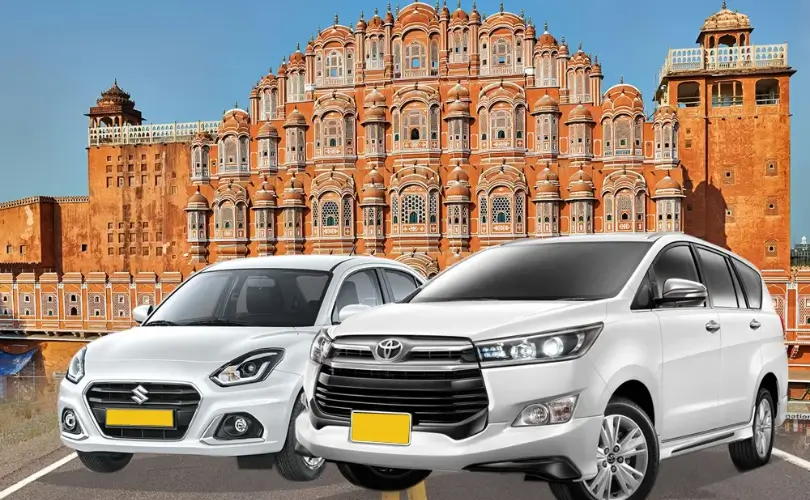
The sedan category is usually suitable for one or two passengers. Common vehicles can include models such as a Dzire or similar air-conditioned sedan.
A sedan provides the lowest practical private-car cost for a couple, but luggage needs to be considered carefully. Two travelers arriving from overseas may have large suitcases, cabin bags, and additional personal items. A car that technically seats four passengers may not be comfortable when the boot is filled with international luggage.
For this reason, many travelers upgrade to an Innova car with driver.
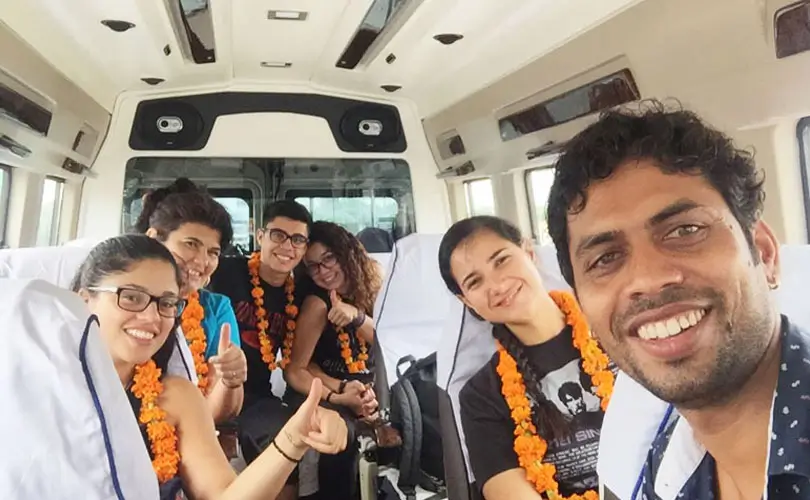
An Innova-type MPV provides better cabin space and generally handles larger luggage requirements more comfortably. It is particularly useful for three or four adults, families, senior travelers, and guests who prefer more room during journeys of several hours.
The Innova Crysta sits at a higher price point but is frequently requested for private North India tours.
Travelers should ask exactly what the quoted vehicle rate includes.
Fuel is the first item. A genuine complete car-and-driver quotation should clearly state whether fuel for the agreed route is included.
Expressway tolls also matter. The Golden Triangle uses toll roads, including major expressway sections. If toll charges are excluded, the traveler may need to pay them separately during the journey.
Parking charges arise at monuments, hotels, airports, and other sightseeing areas.
State taxes or interstate vehicle charges may also apply according to the vehicle permit and route.
The driver's daily allowance and overnight expenses are another consideration. On a multi-city journey, the driver remains away from his home base for several nights. A complete quotation should explain whether the driver allowance and accommodation are already included.
Some operators quote a low base vehicle rate and add these expenses later. Others provide one inclusive ground-transport amount.
For international travelers, the second approach is generally easier to budget.
A quotation that is several thousand rupees higher may actually be cheaper overall if tolls, parking, taxes, fuel, and driver expenses are already included.
Extra mileage can also affect the final price.
If the agreed itinerary covers Delhi, Agra, Jaipur, and return to Delhi but the traveler later requests an unplanned long-distance detour, an additional kilometer charge may apply.
Similarly, night driving or extremely late airport service can carry additional charges depending on the booking terms.
Travelers should therefore request a written Golden Triangle private car price based on their actual itinerary rather than asking only for a daily vehicle rate.
A good Golden Triangle car and driver package begins with an air-conditioned vehicle suitable for the number of passengers and their luggage.
The vehicle should be commercially authorized for tourism operations and appropriate for interstate travel.
The driver should be experienced with the Delhi–Agra–Jaipur route. Route familiarity matters because tourism driving is different from simply following navigation software.
A driver who regularly handles international visitors should know common hotel locations, airport terminals, monument parking areas, highway rest stops, practical pickup points, and the timing required for major intercity sectors.
Door-to-door pickup should normally be part of the service.
If the itinerary begins at Delhi Airport, the booking should specify the terminal pickup arrangement. If it starts from a Delhi hotel, the vehicle should arrive at the agreed hotel.
During intercity transfers, travelers should generally be dropped directly at their next hotel.
Local sightseeing transport should be clearly defined.
A car-and-driver package may include sightseeing in Delhi, Agra, and Jaipur, but this should not be assumed. Some quotations cover only intercity transfers.
The itinerary should state whether the vehicle is available for scheduled local sightseeing.
Fuel for the stated route should ideally be included in a complete quotation.
Tolls, parking, state taxes, and driver expenses should either be included or clearly listed as exclusions.
Airport transfers deserve particular attention. If the final day requires Jaipur-to-Delhi transport followed by an airport drop, that should appear in writing.
A private driver and a private tour guide are not the same service.
The driver's responsibility is transportation. A professional guide provides historical interpretation and accompanies travelers through monuments where guiding is arranged.
International visitors should not expect a driver to enter the Taj Mahal, Amber Fort, or Qutub Minar and provide professional historical commentary unless the person is separately licensed and booked for that purpose.
A well-arranged Golden Triangle tour with driver and guide may therefore use the same driver for the complete circuit while arranging local guides separately in Delhi, Agra, and Jaipur.
This structure works well because each guide specializes in the relevant city while the driver handles continuous transportation.
Monument tickets are another separate item.
Car-and-driver pricing generally does not automatically include admission to attractions. If entrance tickets are part of the complete package, they should be listed specifically.
The same principle applies to meals.
Driver packages normally do not include the traveler's lunch and dinner unless the itinerary states otherwise.
Hotel accommodation is also separate unless the booking is sold as a complete tour package.
This distinction is important when comparing quotations. One company may quote ₹35,000 for transportation only, while another quotes ₹95,000 including transport, hotels, breakfast, and guides. Comparing the two headline amounts would be meaningless.
Travelers should compare service against service.
Choosing the right private car for Golden Triangle tour affects both price and comfort.
For one traveler, a sedan is usually sufficient. It provides private air-conditioned transportation without paying for unnecessary vehicle capacity.
For a couple, a sedan can also work well when luggage is reasonable.
The issue is not passenger seating alone. Boot capacity matters.
Two large hard-shell suitcases plus cabin bags can fill a sedan quickly. Travelers taking a longer India holiday may be carrying considerably more luggage than someone on a short domestic trip.
An Innova-type vehicle solves much of this problem.
Three adults should generally consider an Innova rather than trying to minimize the price with a sedan. Long road journeys feel very different when passengers have enough shoulder and leg room.
Four travelers almost always benefit from a larger vehicle, particularly when everyone carries luggage.
The Innova Crysta with driver for Golden Triangle is popular because it combines space with a more premium road experience. The additional cost can be worthwhile when several long-distance sectors are included.
Senior travelers should also consider ease of entry, seating comfort, and the ability to change posture during long drives.
Families traveling with children may need additional space for bags and personal items.
For groups larger than the practical capacity of an Innova, a Tempo Traveller or another appropriately sized tourism vehicle may be required.
A larger vehicle costs more, but overcrowding a smaller vehicle to save money is a poor trade-off on a route involving hundreds of kilometres.
Air conditioning is essential for most international travelers, particularly during warmer months.
Travelers should confirm the actual vehicle category before payment. If a specific model cannot be guaranteed, the quotation should at least state the booked category and an equivalent standard.
Vehicle age and maintenance also matter more than travelers sometimes realize.
A clean, mechanically sound vehicle with effective air conditioning is worth more than an unusually cheap car that causes discomfort or operational problems during the trip.
A professional private driver in India for tourists performs a demanding role.
The driver handles intercity navigation, city traffic, hotel pickups, luggage loading, parking, highway driving, fuel stops, and coordination of meeting points after sightseeing.
The driver may also suggest practical rest stops during long journeys.
On Delhi-to-Agra and Jaipur-to-Delhi sectors, highway facilities vary, so an experienced driver can help identify reasonable places for a washroom or meal break.
Drivers often assist with practical communication, but travelers should not treat them as personal assistants available without limits around the clock.
Driving hours and rest are safety issues.
A traveler finishing dinner late at night and requesting a very early intercity departure the next morning should consider whether the driver has received adequate rest.
A professional arrangement should respect safe working hours.
Travelers should also distinguish between recommendations and obligations.
Drivers may know restaurants and shops commonly used by tourists, but visitors should never feel forced to make purchases. Shopping should be optional.
If travelers do not want shopping stops, they can state this clearly when the itinerary is confirmed.
The driver normally waits outside monuments. At some attractions, parking areas are located away from the main entrance, and local shuttle transport or walking may be required.
Communication is therefore important.
Before entering a large attraction, travelers should confirm the meeting point and have the driver's phone number available.
International travelers using mobile data can communicate easily through common messaging applications where available.
A dedicated driver becomes especially valuable when unexpected changes occur. A traveler may finish sightseeing earlier than expected, need to return to the hotel, or require a pharmacy or ATM stop.
Within reasonable operational limits, a private vehicle provides far more flexibility than fixed shared transport.
The safest way to compare a Golden Triangle car rental with driver is to request the complete amount for the exact route.
Provide the arrival date, pickup location, number of days, cities, final drop point, number of travelers, and luggage quantity.
Ask for the exact vehicle category.
Then request a written list of inclusions.
Fuel, tolls, parking, interstate taxes, driver allowance, driver accommodation, local sightseeing mileage, airport pickup, and airport drop should all be addressed.
Ask what happens if the planned mileage is exceeded.
Check whether there is a night charge for very early or late airport service.
Confirm whether the vehicle remains dedicated to your booking throughout the journey.
Extremely low quotations deserve careful inspection.
The operator may be quoting only a base kilometer rate. Tolls, taxes, parking, and driver allowance can then appear separately.
The vehicle may also be an older or lower category than expected.
A realistic private Delhi Agra Jaipur car tour costs money because the booking occupies both a commercial tourism vehicle and a professional driver for several consecutive days.
Saving a small amount is rarely worthwhile if it compromises air conditioning, vehicle condition, driver rest, or reliability.
Payment terms should be transparent as well.
Travelers should know the required deposit, remaining balance, accepted payment methods, cancellation terms, and whether applicable taxes are included.
Keep the written itinerary and quotation accessible during the journey.
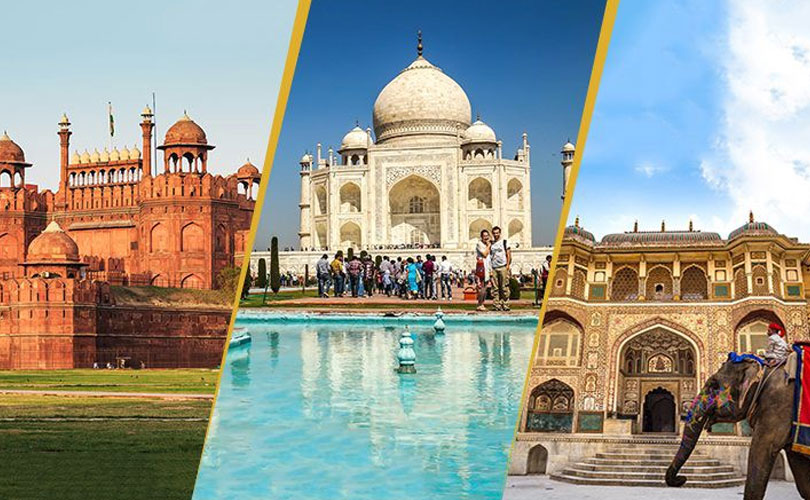
For international visitors, a well-managed private vehicle can remove a large portion of the logistical work associated with the Golden Triangle. The traveler can concentrate on Delhi's historic districts, the Taj Mahal and Agra Fort, Fatehpur Sikri, Jaipur's forts and palaces, and the changing landscape between the cities without arranging transportation at every stage.
Golden Triangle Tours India can arrange private transportation according to the passenger count, luggage requirement, route, and preferred vehicle category. Supplying complete flight and hotel information before the trip makes airport and intercity scheduling much more accurate.