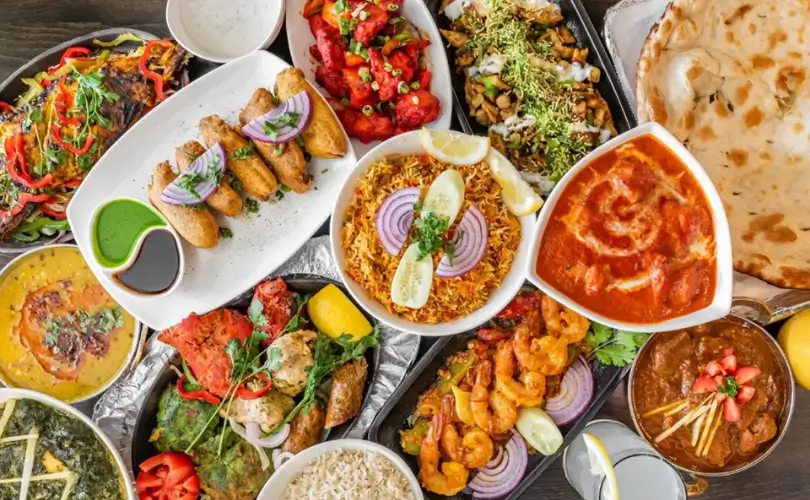
Food can become one of the most memorable parts of a private journey through India when it is treated as more than a restaurant stop between monuments. Delhi, Agra, Jaipur and other parts of Rajasthan have distinct cooking traditions, ingredients, breads, sweets, snacks and dining environments. A traveler can eat a very different meal in Old Delhi in the morning, have a Mughal-influenced dinner in Agra the following evening, and then encounter Rajasthan's breads, lentils, vegetables and sweets after reaching Jaipur.
A well-arranged India culinary tour should combine several types of food experiences rather than taking guests to expensive restaurants three times a day. Established street-food vendors can show the everyday side of a city. A traditional restaurant can provide regional dishes in a more comfortable environment. A market visit can introduce spices, vegetables, grains and cooking ingredients. A private cooking session can show how dishes are actually prepared. Fine dining can then be used selectively when the restaurant or setting genuinely adds something to the trip.
Food-focused travelers still need a practical itinerary. Delhi, Agra and Jaipur are separated by several hours of road travel, and meal timing has to work around monuments, hotel check-ins and intercity transfers. A private food tour in India is particularly useful because the schedule can be adjusted around reservations and food experiences rather than following the fixed meal stops of a large coach group.
Cost varies enormously. A plate of food from a long-established local vendor can cost only a few hundred rupees, while a premium dinner at a luxury hotel can exceed ₹4,000 to ₹8,000 per person before additional drinks or special arrangements. Private cooking sessions, guided food walks and chef-led experiences have their own fees. A traveler can therefore build an excellent culinary journey at a mid-range budget or spend substantially more on premium private dining.
Food safety, allergies, dietary preferences and hygiene should be handled practically rather than dramatically. Travelers do not need to avoid local food, but they should choose vendors and restaurants carefully, drink safe water, communicate allergies clearly and avoid assuming that every dish is prepared exactly as it would be at home.
Delhi is one of the strongest cities for a private food tour in India because its culinary identity reflects several historical periods and communities. Old Delhi offers a dense concentration of traditional foods, while New Delhi has regional Indian restaurants, contemporary dining rooms, hotel restaurants and food representing almost every part of the country.
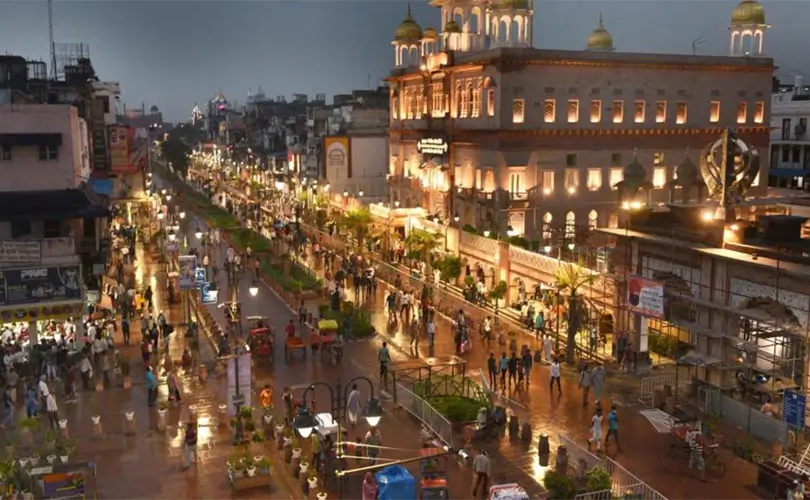
A food-focused day in Old Delhi should begin with appetite rather than a huge hotel breakfast. Chandni Chowk and the surrounding lanes contain vendors selling breads, snacks, sweets, kebabs, stuffed dishes and other local specialties. The area is crowded, and shops can be small, so a private Old Delhi food tour with a knowledgeable local guide can make the experience easier for a first-time visitor.
A guided food walk can broadly cost around ₹2,500 to ₹5,000 per person, depending on duration, included tastings, group size and guide. A completely private specialist experience can cost more, particularly when transportation or additional market visits are included.
Individual tastings are generally inexpensive. A serving of a popular local snack may cost around ₹50 to ₹250, while larger portions or meat dishes can cost ₹200 to ₹600 or more. Sweets can be purchased individually or by weight.
Travelers should not attempt to eat a full portion at every stop. A good food walk uses small tastings so guests can try several items without becoming uncomfortable halfway through the route.
Old Delhi also provides a useful opportunity to see ingredients and traditional food businesses. Spice areas can be visually impressive, though travelers sensitive to strong aromas or airborne spices may find some lanes uncomfortable. A guide can shorten the market portion if necessary.
New Delhi offers a different dining experience. A comfortable established restaurant meal can broadly cost around ₹800 to ₹1,800 per person, while premium restaurants may cost ₹2,500 to ₹5,000 or more per person. Luxury hotel restaurants can exceed these figures.
A traveler interested in Indian food should not automatically order only the dishes most commonly found in restaurants outside India. Delhi is an opportunity to try regional dishes that may be difficult to find at home.
A private guide can help explain menu terminology, portion sizes and the difference between breads, lentils, vegetables and meat preparations. The guide should not insist that every traveler order extremely spicy food. Spice level and chili heat can often be adjusted at established restaurants.
A useful Delhi culinary experience should contain enough variety to show the city's food culture without becoming an endless sequence of compulsory dishes.
Stuffed parathas are one recognizable option. Depending on the establishment, fillings can include potato, cauliflower, paneer and other ingredients. They are generally served with accompaniments rather than eaten like plain bread.
Chaat is another broad category rather than one specific dish. Different preparations can combine crisp elements, potatoes, yogurt, chutneys, spices and other ingredients. The balance of sweet, sour, salty, spicy and crunchy textures is central to the experience.
Kebabs and meat preparations are important for travelers interested in Old Delhi's Mughal-influenced food traditions. Vegetarian travelers can still have an extensive food-focused day because Delhi offers enormous variety.
Sweets can include jalebi and many milk-based preparations. Portions are often rich, so tasting rather than ordering a large serving can be sensible.
The objective is not to consume twenty famous dishes because an online list says they are essential. Travelers should leave enough appetite for dinner and enough energy for sightseeing.
A good private culinary guide in Delhi should ask about food preferences before the day begins. Vegetarian, vegan, meat-eating, mild-spice and dessert-focused travelers should not all be given an identical route.
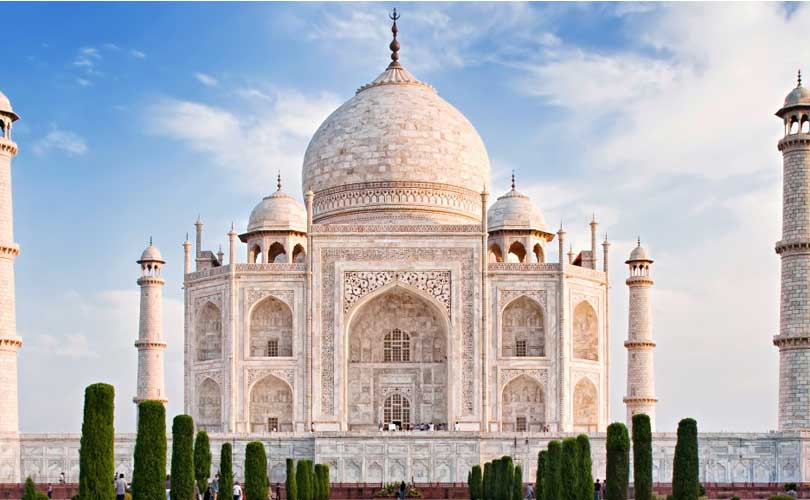
Agra's culinary reputation is overshadowed by the Taj Mahal, but the city has several food traditions worth including in a private itinerary. Travelers staying overnight have more flexibility than visitors arriving from Delhi and returning the same evening.
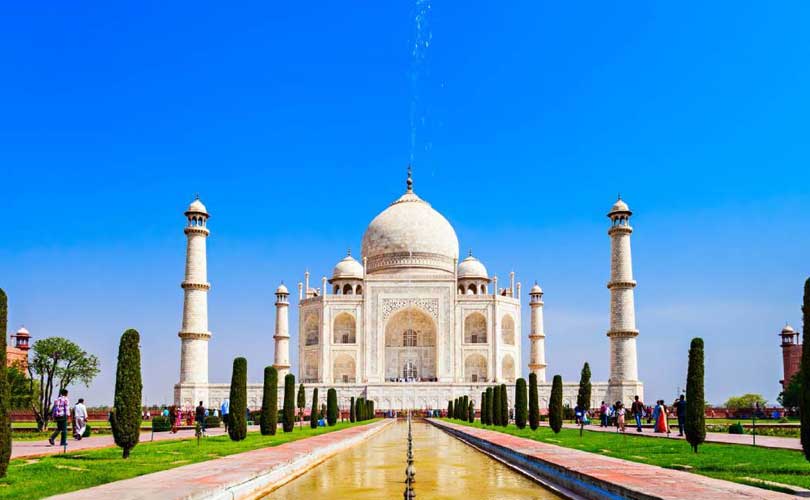
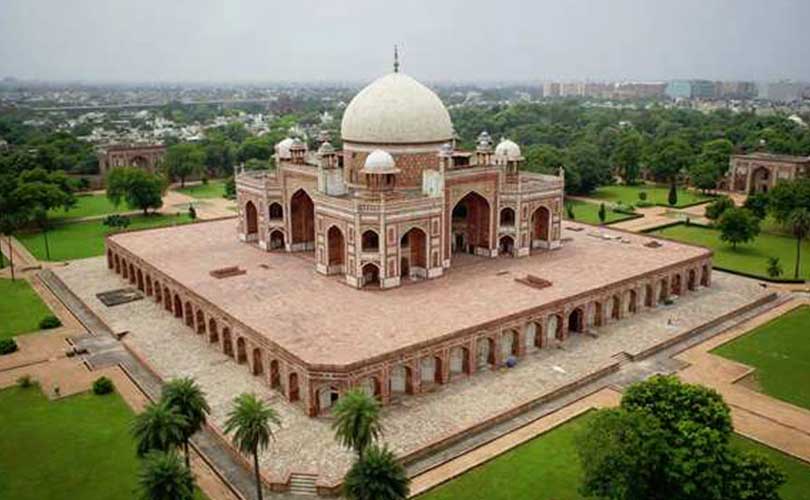
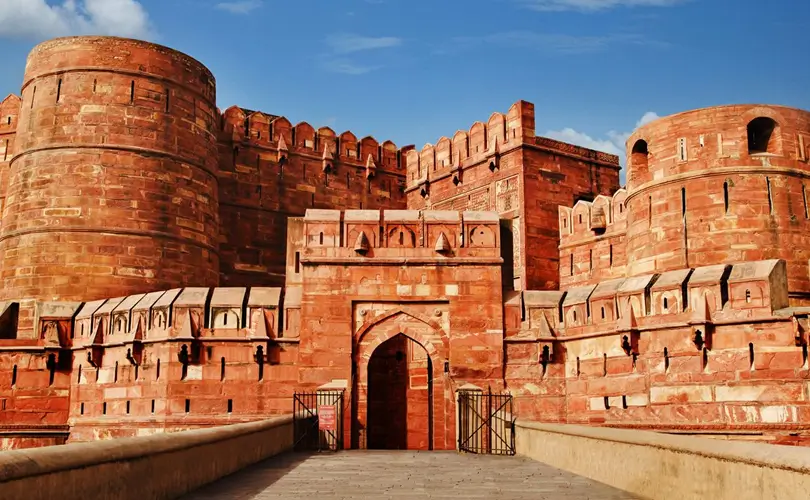
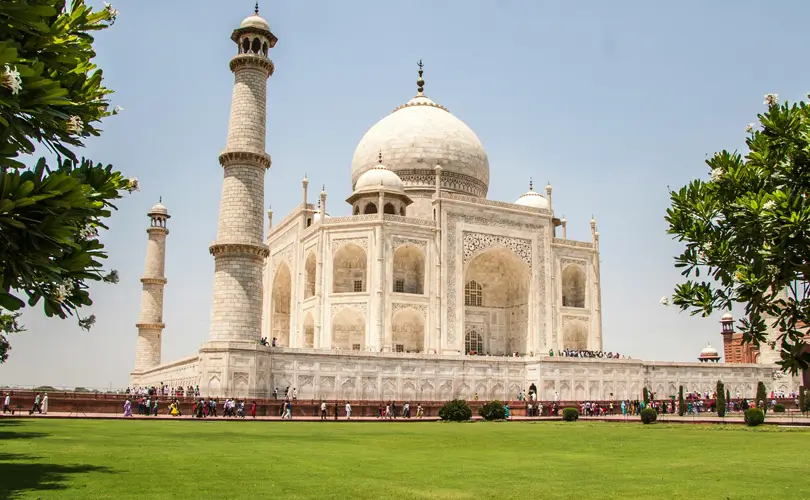
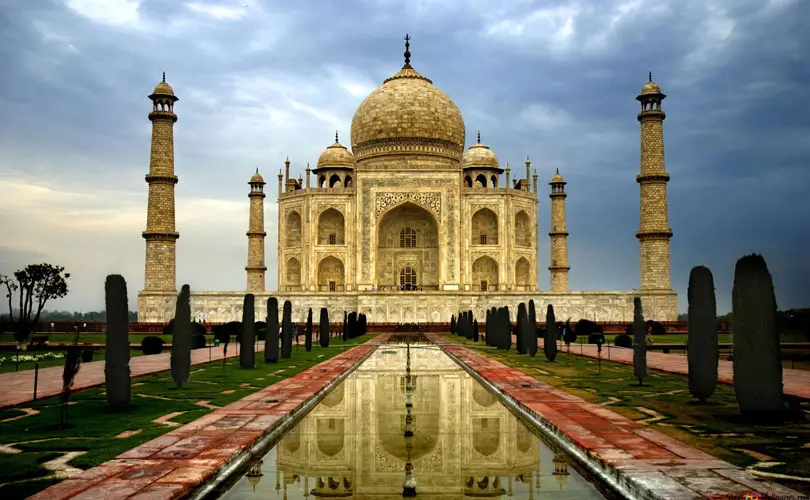
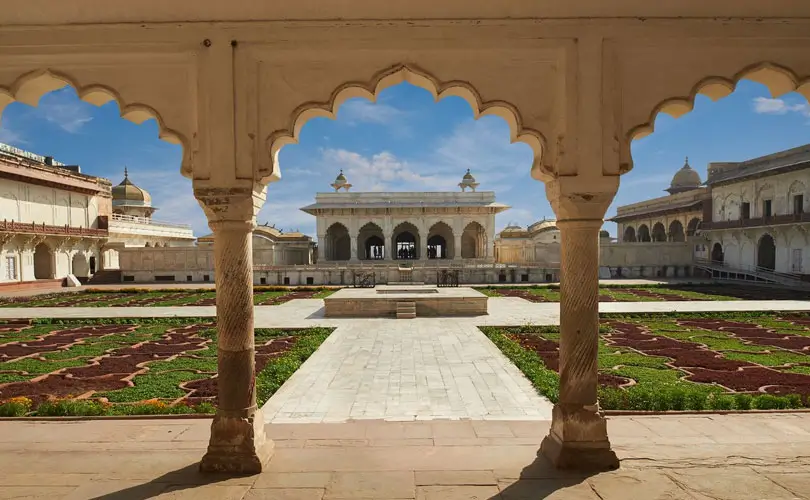
The best schedule is often to visit the Taj Mahal early, return to the hotel for breakfast, rest briefly and then include Agra Fort or another attraction before a food-focused afternoon or dinner.
Agra is particularly associated with petha, a sweet traditionally made from ash gourd. It is sold in several varieties and flavors. Small packs can cost only a few hundred rupees, while premium packaging and specialty varieties cost more.
Travelers interested in buying sweets as gifts should check shelf life and storage requirements. Some varieties travel better than others.
Mughal-influenced cuisine is another part of an Agra food tour. Rich gravies, breads, kebabs and slow-cooked meat dishes can feature prominently at restaurants serving North Indian cuisine.
A comfortable restaurant lunch or dinner in Agra can broadly cost ₹700 to ₹1,500 per person, while an upscale restaurant or luxury hotel dining experience can reach ₹2,000 to ₹5,000 or more per person.
Couples staying at a premium hotel may choose one high-end dinner with a Taj-related setting or view. The exact value depends on the property and table. A hotel marketed as being near the Taj Mahal does not mean every restaurant table provides a direct monument view.
Private dining can cost considerably more. A special setup for two may begin around ₹5,000 to ₹15,000 and can reach much higher amounts at luxury hotels depending on the venue, menu and level of exclusivity.
For a normal culinary itinerary, there is no need to make every Agra meal a premium experience. One local tasting, one good regional restaurant and one carefully selected hotel dinner can provide more variety.
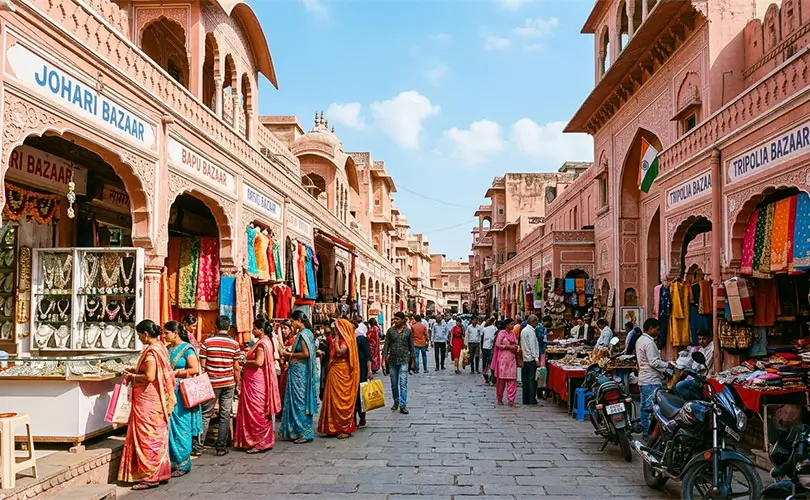
Jaipur is one of the most important stops on an India culinary tour through Rajasthan because visitors can experience both everyday street foods and more elaborate regional meals.
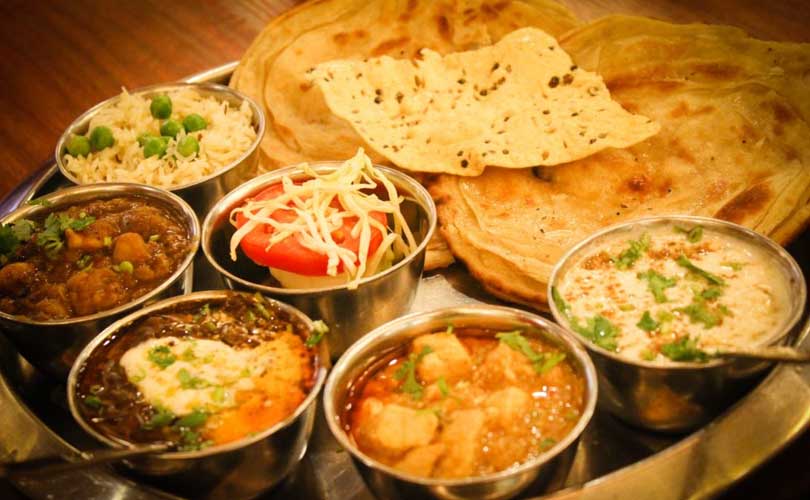
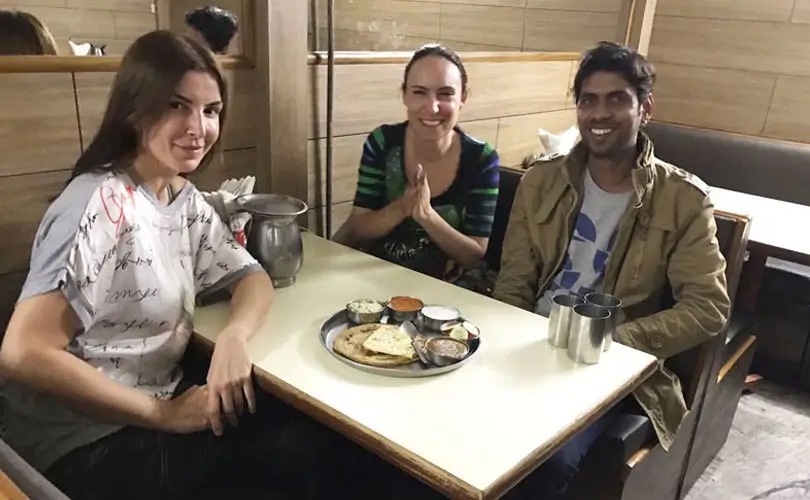
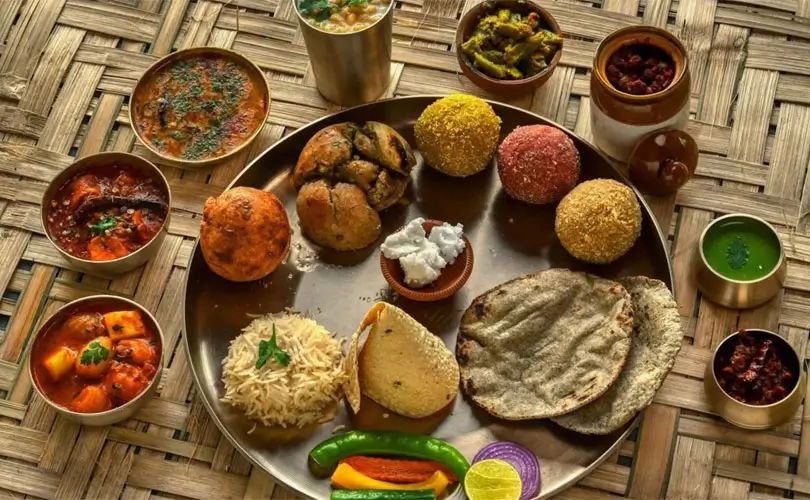
A Rajasthani thali is useful for first-time visitors because it allows several preparations to be tasted together. Depending on the restaurant, the meal may contain lentils, vegetables, breads, rice, chutneys, sweets and other accompaniments. A standard thali can cost around ₹400 to ₹900 per person, while premium versions at upscale establishments can reach ₹1,000 to ₹2,500 or more.
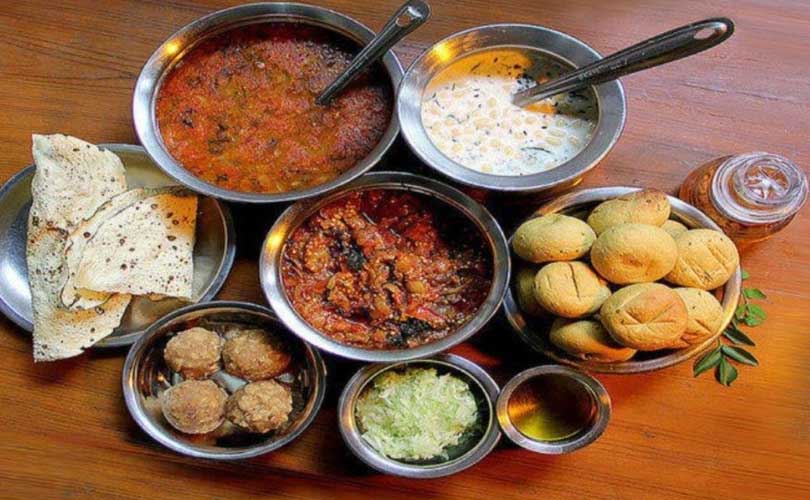
Dal baati churma is one of the best-known regional combinations. Baati consists of baked wheat preparations traditionally served with dal and churma. The meal can be rich, so travelers should avoid scheduling a large lunch immediately before another major food tasting.
Kachori is another common Jaipur snack. Different versions can contain lentil, onion or other fillings. A local serving can cost approximately ₹30 to ₹100 or more, depending on the establishment.
Lassi, sweets and other snacks can be added in smaller portions.
A private Jaipur food walk may broadly cost around ₹2,500 to ₹5,000 per person, depending on the route and tastings. Private guide-only services can be priced differently.
Jaipur also has heritage restaurants where the setting is part of the meal. Dinner in a historic-style property can broadly cost around ₹1,500 to ₹3,500 per person, while luxury hotel dining can exceed ₹4,000 to ₹6,000 per person.
Travelers should distinguish between a restaurant that serves genuinely interesting regional food and a venue selected mainly for entertainment. Both can be enjoyable, but they offer different experiences.
Travelers extending beyond Jaipur can include Udaipur or Jodhpur to make the Rajasthan culinary tour more varied.
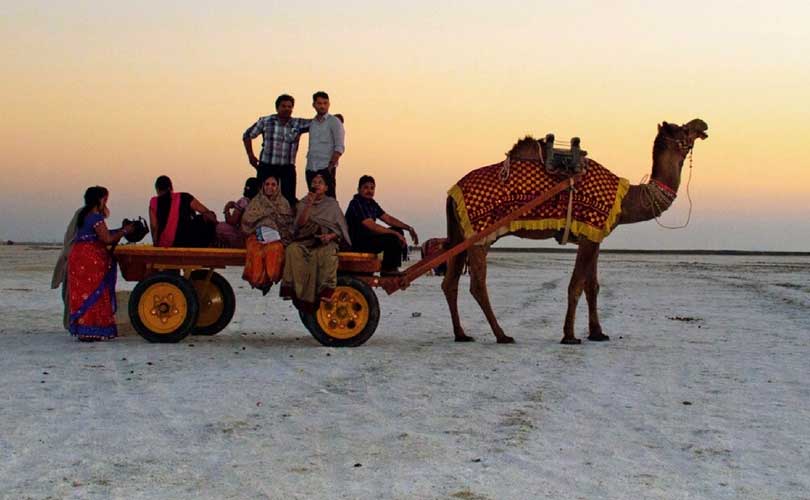
Udaipur offers lake-facing restaurants, heritage properties and regional cuisine in a more relaxed environment. The city works particularly well for couples and travelers who want one slower evening meal after several days of sightseeing.
A rooftop dinner overlooking the old city or lake area can broadly cost ₹1,000 to ₹2,500 per person at a comfortable restaurant. Luxury hotel dining can cost ₹3,000 to ₹7,000 or more per person, depending on property and menu.
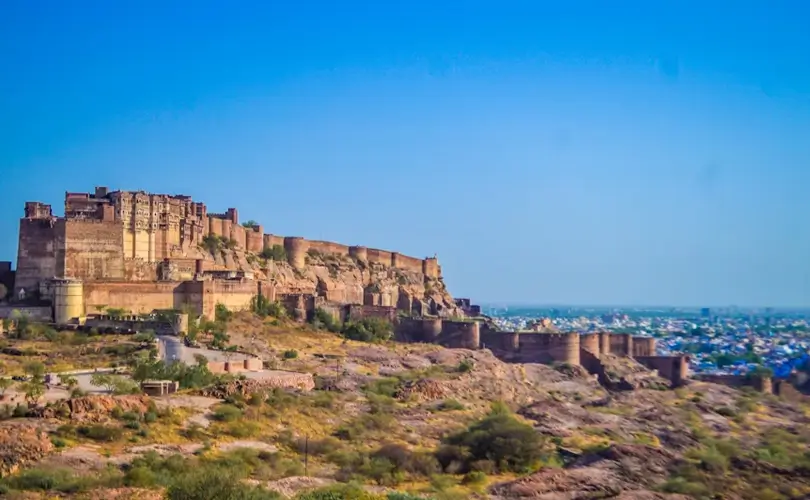
Jodhpur provides another regional food identity. Travelers can try local snacks, sweets and Rajasthani dishes while combining the food program with Mehrangarh Fort and the old city.
A multi-city culinary itinerary should not assume that “Rajasthani food” is identical everywhere. Ingredients and popular dishes vary across the region.
This is one reason private food travel is more interesting than simply ordering the same North Indian restaurant dishes every evening.
A private cooking class in India can be one of the strongest food experiences for travelers who want more than restaurant dining.
The format varies. Some sessions take place in professional cooking studios, while others are hosted in private homes or small hospitality venues. A session may include ingredient explanation, preparation, cooking and eating the completed meal.
A typical class can last around three to four hours.
Pricing can broadly range from ₹2,000 to ₹5,000 per person for straightforward small-group or home-style sessions. Premium private classes can cost ₹5,000 to ₹10,000 or more per person, particularly when market visits, private transportation, specialist chefs or elaborate menus are included.
Couples and families should ask whether the class is genuinely hands-on. Some experiences marketed as cooking classes are primarily demonstrations where guests watch most of the preparation.
Travelers interested in learning should request a session where they can participate.
The menu should be discussed in advance. Vegetarian classes are easy to arrange in many destinations. Vegan, gluten-sensitive and other dietary needs require clearer communication.
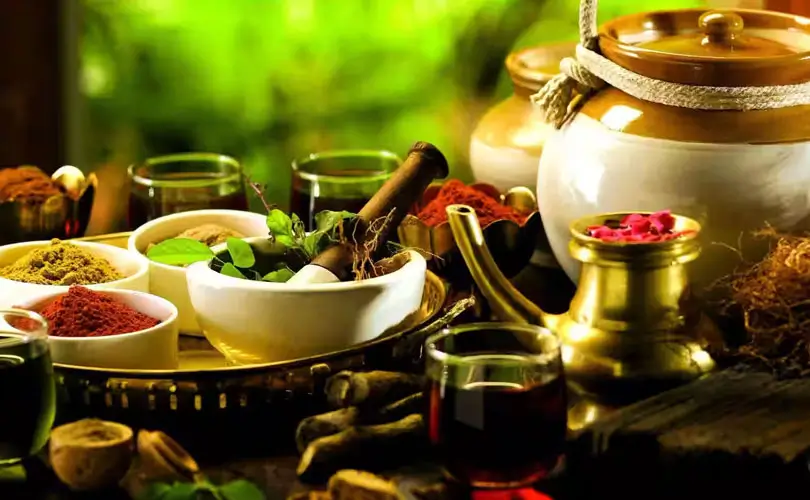
A cooking class is also a useful place to ask about spices. Travelers can learn how cumin, coriander, turmeric, cardamom and other ingredients are used in actual dishes rather than simply buying packets without knowing what to do with them.
A market visit can add context to a private culinary tour in India, but simply walking through a market for photographs does not automatically make it a food experience.
A knowledgeable guide can identify vegetables, grains, lentils, spices, herbs and seasonal ingredients and explain how they are used.
The market can also be connected directly to a cooking session. Buying or discussing ingredients before preparing them later creates a more coherent experience.
Travelers should remember that working food markets are commercial spaces rather than staged tourist attractions. Pathways can be crowded, floors may be wet, and conditions can feel very different from supermarkets in Europe or North America.
Closed shoes can be more practical than delicate footwear.
Photography should be respectful. If taking a close portrait of an individual vendor, asking permission is appropriate.
Market timings vary considerably. Wholesale markets can be most active early in the morning, while neighborhood markets operate later.
The itinerary should use actual operating hours rather than adding a market stop at a time when little is happening.
International travelers often receive contradictory advice about Indian street food. One person says never eat anything outside a five-star hotel, while another recommends eating at every roadside stall.
Neither extreme is particularly useful.
A private street food tour in India should focus on busy, established vendors with high customer turnover. Food cooked fresh and served hot is generally a more sensible choice than an item that has been sitting exposed for a long period.
The guide should know which vendors are regularly used for international visitors.
Drinking water requires attention. Bottled water should have an intact seal. Reputable hotels may also provide properly filtered drinking water.
Ice should come from a reliable source.
Travelers with sensitive stomachs may prefer cooked foods rather than raw items washed in uncertain water.
Hands should be cleaned before eating, particularly on a tasting walk involving several stops.
None of these precautions requires avoiding local food. They simply reduce unnecessary risk.
India is particularly suitable for vegetarian travelers because vegetarian food is deeply integrated into everyday cuisine rather than treated only as a special dietary substitute.
A vegetarian culinary tour in India can include lentils, paneer, vegetables, breads, rice dishes, snacks, sweets and regional specialties without needing to rely on imitation meat.
Vegan travelers need more careful communication because ghee, butter, milk, yogurt, paneer and cream are common ingredients.
A dish described as vegetarian is not automatically vegan.
The request should therefore be specific: no milk, no yogurt, no butter, no ghee, no cream and no paneer where applicable.
Desserts can be particularly dairy-heavy.
Hotels and established restaurants can usually handle clear dietary requests, but a food guide should communicate them at every stop rather than assuming the vendor remembers.
Travelers with serious allergies should provide precise information before the culinary program is confirmed.
Nut allergies require particular attention because nuts may appear in gravies, sweets, garnishes and desserts. Cross-contact can also occur in kitchens.
Gluten-related requirements require careful discussion because wheat breads are central to many North Indian meals.
Dairy allergies are different from vegan preference and should be communicated as an allergy when medically relevant.
A guide can help communicate requirements, but no tour operator can guarantee that every independent kitchen operates an allergen-controlled environment.
Travelers with severe allergies should carry appropriate medication according to their doctor's advice and choose food experiences accordingly.
A full-day private food tour in Delhi or Jaipur can broadly cost around ₹5,000 to ₹10,000 per person when multiple tastings, specialist guiding and selected transportation are included. Premium private experiences can cost more.
A cooking session may add approximately ₹2,000 to ₹10,000 or more per person depending on format.
A private car for a full day can cost approximately ₹3,000 to ₹5,500 for a sedan, while larger vehicles cost more.
A couple spending a complete food-focused day with private transport, guide, several tastings and an upscale dinner could realistically spend ₹15,000 to ₹30,000 or more.
For a multi-city trip, accommodation and intercity transportation become the larger expenses.
A five- or six-day private Delhi–Agra–Jaipur journey using good four-star hotels, a sedan, guides and selected culinary activities can broadly reach ₹1,00,000 to ₹1,70,000 for two travelers, depending on hotel choice and the number of premium food experiences.
Five-star accommodation, an Innova Crysta, fine dining and private chef experiences can take the total substantially higher.
A culinary itinerary does not need to remove the Taj Mahal, Amber Fort or Delhi's major heritage attractions.
The schedule simply needs to avoid placing large meals immediately before physically demanding sightseeing.
In Delhi, a morning monument visit can be followed by an Old Delhi food experience.
In Agra, the Taj Mahal can be visited early before breakfast, leaving lunch or dinner for the culinary component.
On the Agra-to-Jaipur transfer, lunch can be kept lighter because the day already includes substantial road travel.
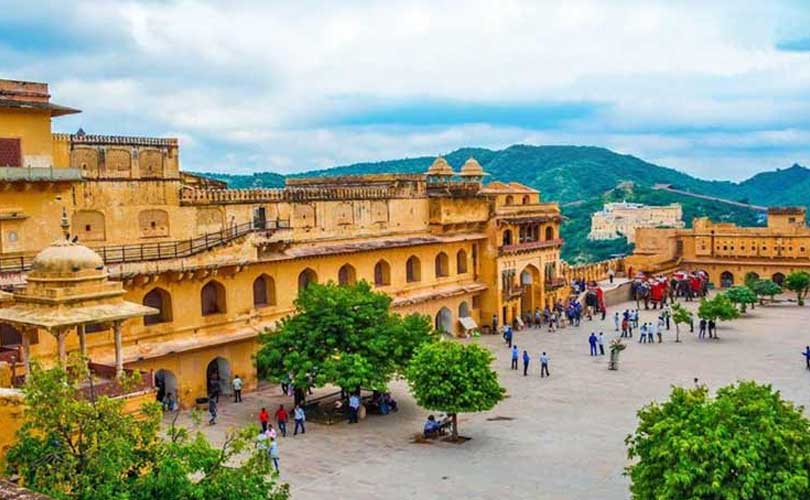
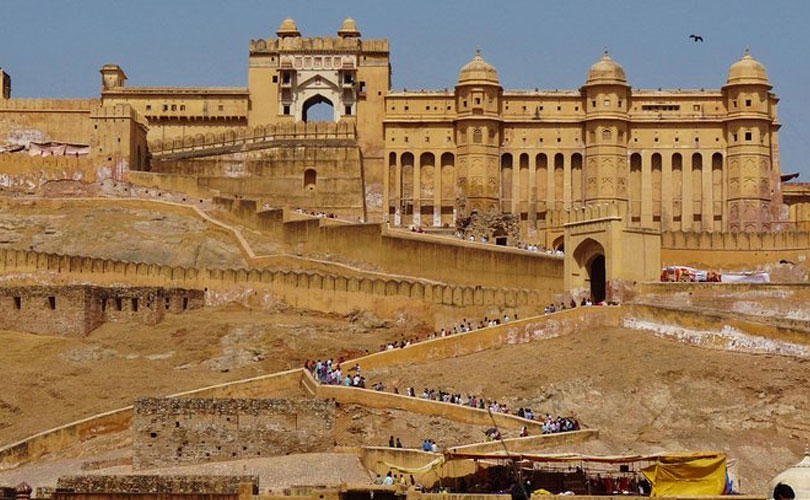
In Jaipur, Amber Fort works well in the morning, followed by a regional lunch and a lighter afternoon program.
A cooking class can be placed in the evening on a day without a late intercity arrival.
This creates a private Golden Triangle food tour where cuisine becomes part of the journey instead of competing with sightseeing.
Premium restaurants can be worthwhile, but price alone does not make a meal culturally interesting.
A luxury hotel dinner can provide excellent service, a comfortable setting and high food-safety standards. This can be particularly attractive after several days of street and market experiences.
However, travelers interested primarily in regional cuisine should ask what makes the restaurant relevant.
A tasting menu may cost ₹3,000 to ₹7,000 per person or more, while special private dining can easily exceed ₹10,000 per couple and reach much higher levels at premium properties.
Alcohol can substantially increase the bill.
Service charges and taxes should be checked when reviewing menu prices.
For a week-long trip, one or two premium dinners are often sufficient. The remaining meals can be used to experience more varied local food.
The operator should know whether each traveler eats meat, is vegetarian, vegan or has specific dietary restrictions.
All serious allergies should be stated clearly.
The itinerary should identify which tastings and meals are included.
Food-walk duration should be provided.
Cooking classes should specify whether they are private or shared and whether the session is hands-on.
Market visits should have realistic operating times.
Private transportation should identify the vehicle category and included road costs.
Premium dinners should state whether the quoted price includes food only or also beverages.
Travelers should know which meals remain payable separately.
Golden Triangle Tours India can arrange private culinary tours in Delhi, Agra and Rajasthan combining chauffeur-driven transportation, local food experiences, historical sightseeing, cooking sessions and selected restaurants according to the guest's dietary preferences and travel style.
A strong culinary journey should leave travelers remembering specific meals and people rather than simply remembering that breakfast and dinner were included in the hotel package. The difference comes from tasting food where it belongs, understanding what is being served and leaving enough time to enjoy it.
A guided private food experience can broadly cost around ₹2,500 to ₹5,000 per person for a focused walk, while longer premium experiences with transportation and multiple tastings can reach ₹5,000 to ₹10,000 per person or more.
Street food cannot be made risk-free, but choosing busy established vendors, freshly cooked hot food, sealed drinking water and knowledgeable local guides can reduce unnecessary risk.
Delhi offers stuffed breads, chaat, kebabs, sweets and a wide range of North Indian and regional dishes. A private food tour should use small tastings rather than full portions at every stop.
Agra is particularly associated with petha and also offers Mughal-influenced North Indian cuisine, breads, meat dishes, sweets and established local restaurants.
Popular options include dal baati churma, kachori, Rajasthani thali, sweets and lassi, together with other regional vegetarian and meat dishes.
A straightforward session can broadly cost around ₹2,000 to ₹5,000 per person, while premium private cooking experiences can reach ₹5,000 to ₹10,000 or more per person.
Yes. India offers an extensive range of naturally vegetarian dishes. Vegetarian travelers can have a complete culinary itinerary without relying on special substitute foods.
Yes, but vegan requirements should be explained carefully because ghee, butter, milk, yogurt, paneer and cream are common. Vegetarian does not automatically mean vegan.
Yes. A Delhi Agra Jaipur culinary tour can combine major monuments with food walks, restaurant meals, markets and cooking sessions without sacrificing the main sightseeing attractions.
Provide dietary preferences, allergies, foods you do not eat, preferred spice level, private or shared experience preference, cooking-class interests, restaurant budget and any premium dining requests before the culinary itinerary is confirmed.