India receives international visitors for its historic cities, architecture, food, wildlife, religious sites and cultural experiences, yet safety remains one of the most common concerns among people considering their first journey. The question “Is India safe for tourists?” deserves a practical answer rather than either extreme: India should not be portrayed as a place where every visitor faces danger, but travelers should not be told to ignore normal precautions either.
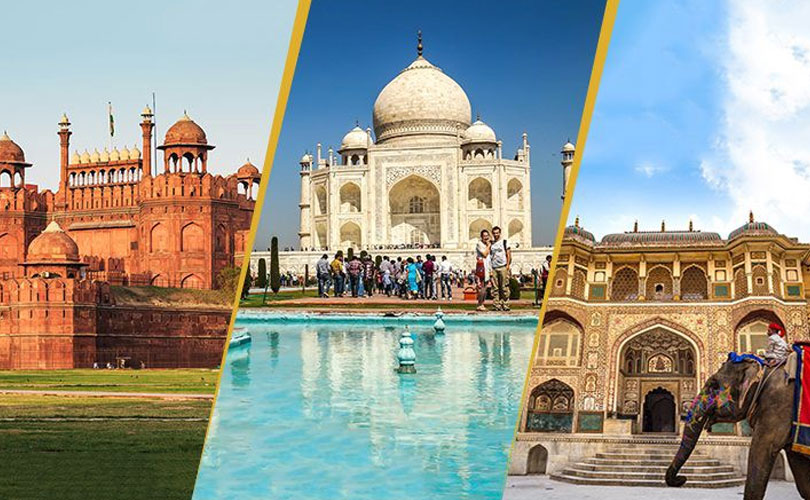
Delhi, Agra and Jaipur form India's best-known Golden Triangle tourist route, and each city has a substantial tourism industry. International visitors routinely stay in hotels, visit monuments, use private cars, take trains, eat at restaurants and walk through historic districts throughout these cities.
The experience becomes considerably easier when a traveler knows what to expect.
Busy railway stations can feel intense. Old-city streets can be crowded. Persistent sellers may approach visitors near tourist areas. Traffic operates differently from what many foreign travelers know at home. A cheap taxi offered by an unknown person may not be the smartest transport choice, and an unusually generous stranger who immediately wants to take a tourist to a particular shop deserves caution.
These situations do not mean a visitor should spend the holiday worried. They mean India travel safety works best when common sense is combined with local awareness.
A first visit can be comfortable and rewarding when hotels are selected carefully, transportation is arranged through dependable sources, valuables are handled sensibly and the traveler knows how to respond to common tourist scams.
Delhi, Agra and Jaipur are among the most visited tourism cities in northern India. Their major monuments, established hotels, restaurants, transport networks and tourism businesses serve large numbers of visitors.
That does not make every neighborhood, road or interaction identical.
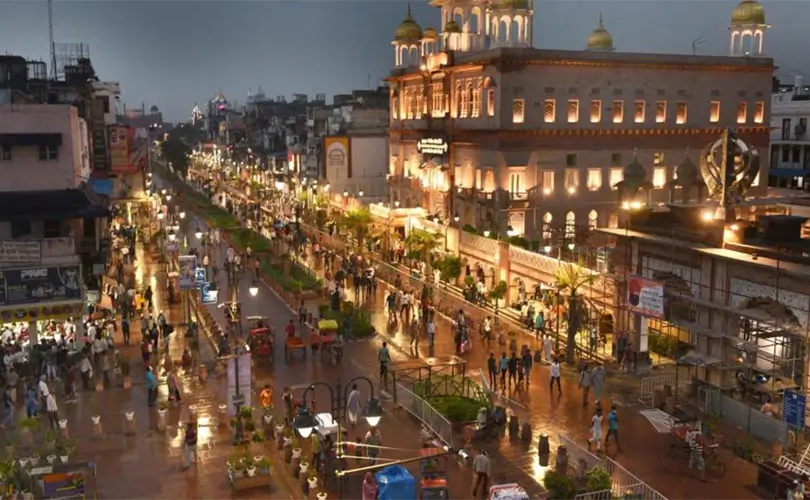
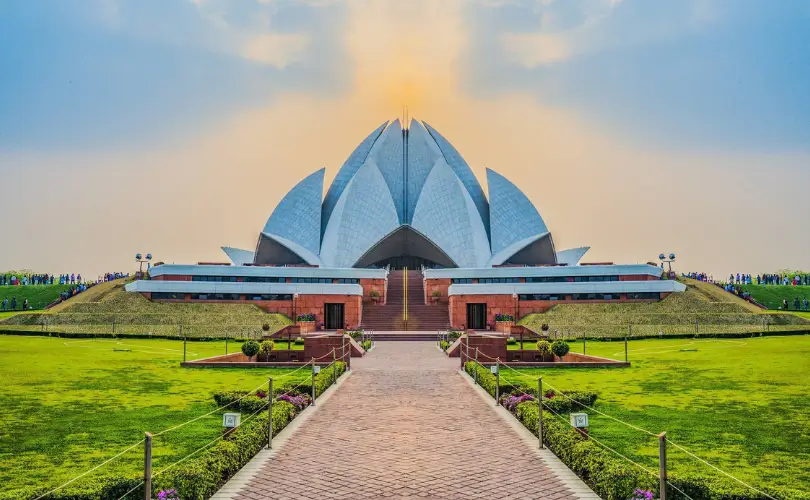
Delhi is a huge metropolitan area rather than a single tourist district. A traveler can move from the broad ceremonial avenues around central New Delhi to the tightly packed lanes of Old Delhi within the same sightseeing day. The experience, crowd level and transport environment can change dramatically.
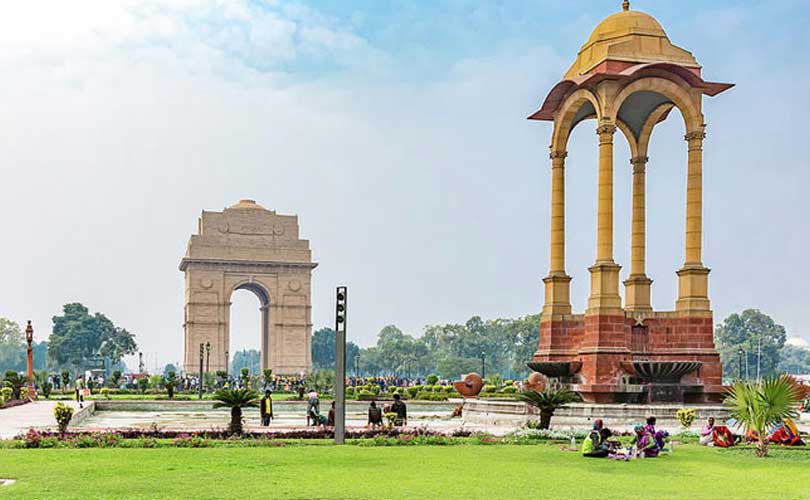
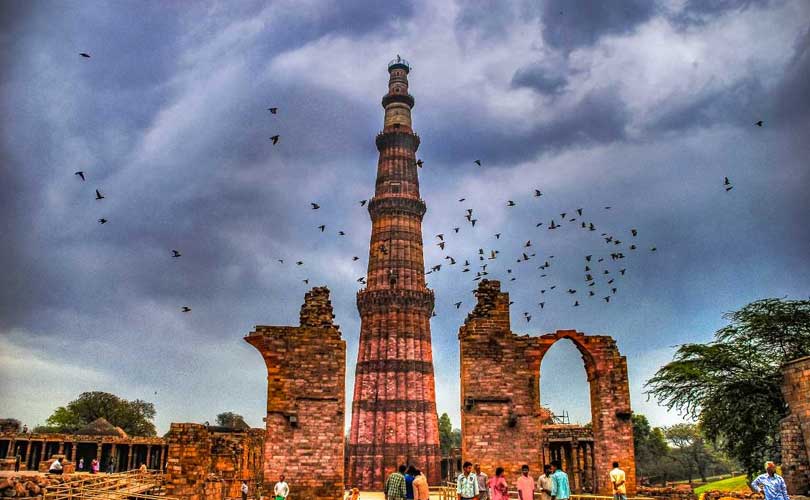
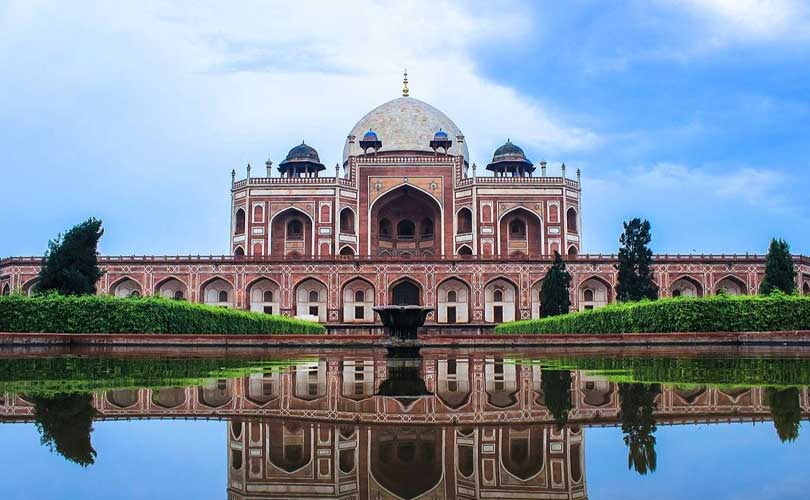
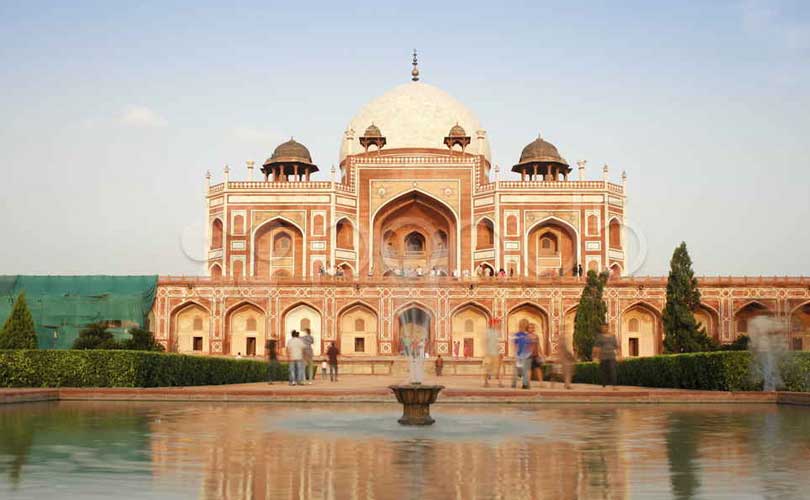
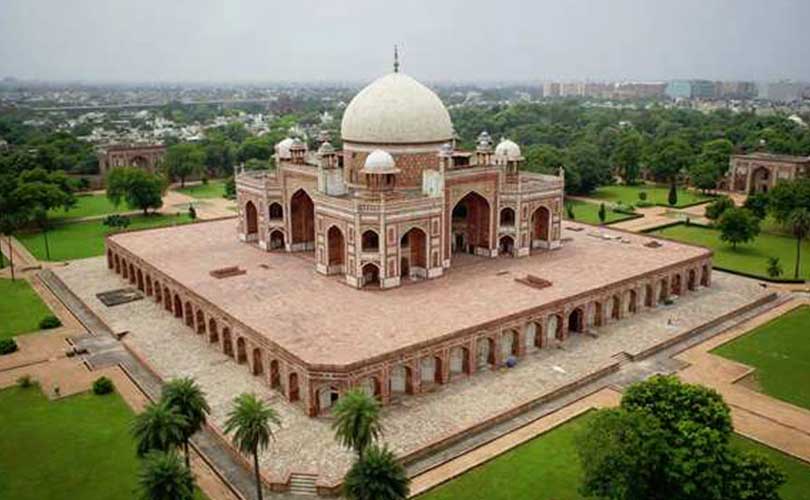
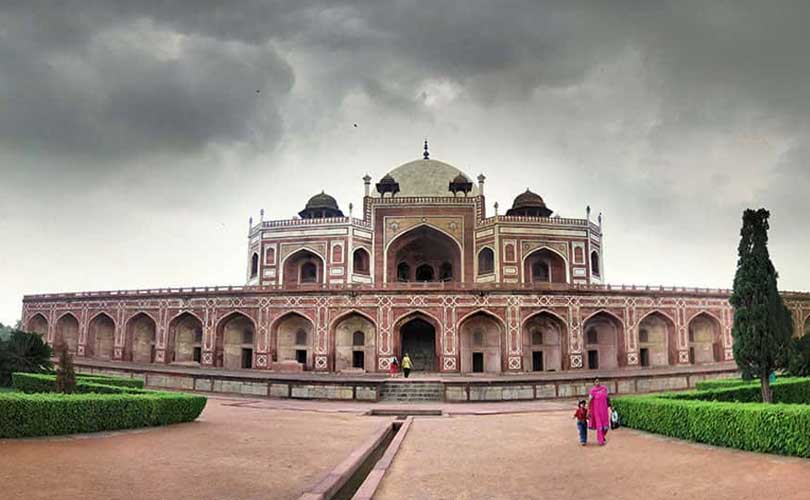
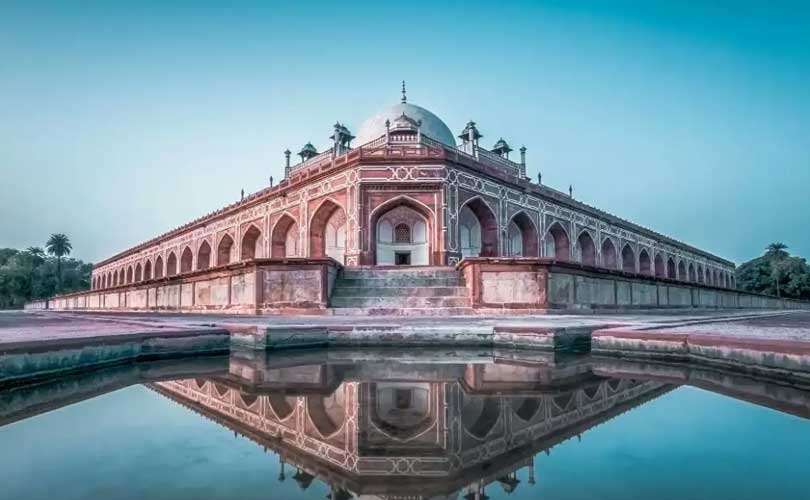
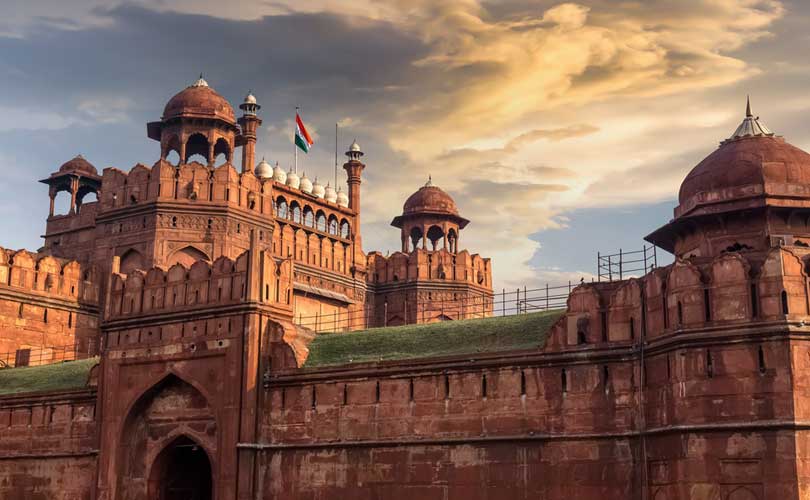
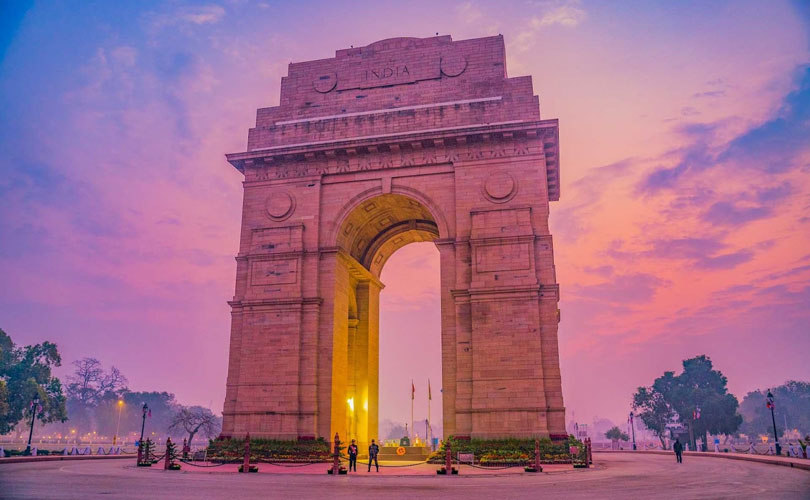
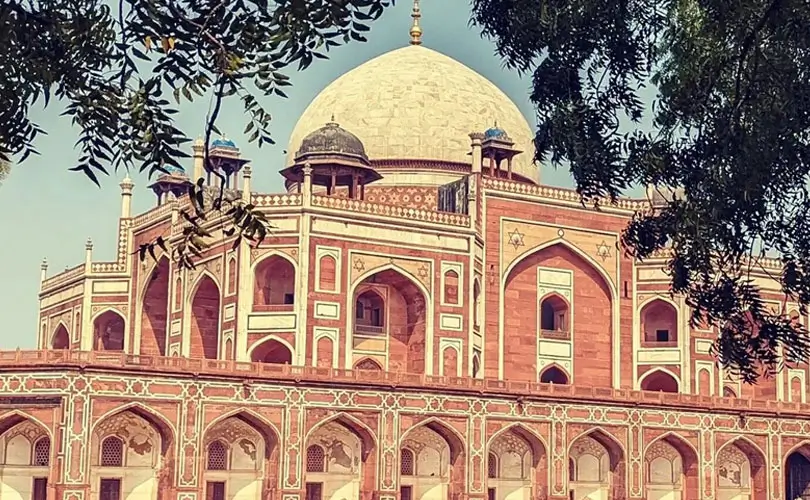
Major visitor areas include places around India Gate, Qutub Minar, Humayun's Tomb, the Red Fort and Old Delhi. Busy locations require normal awareness of phones, wallets, bags and personal belongings. Crowded markets and public-transport environments are places where a traveler should avoid keeping an exposed phone or wallet in an easily accessible back pocket.
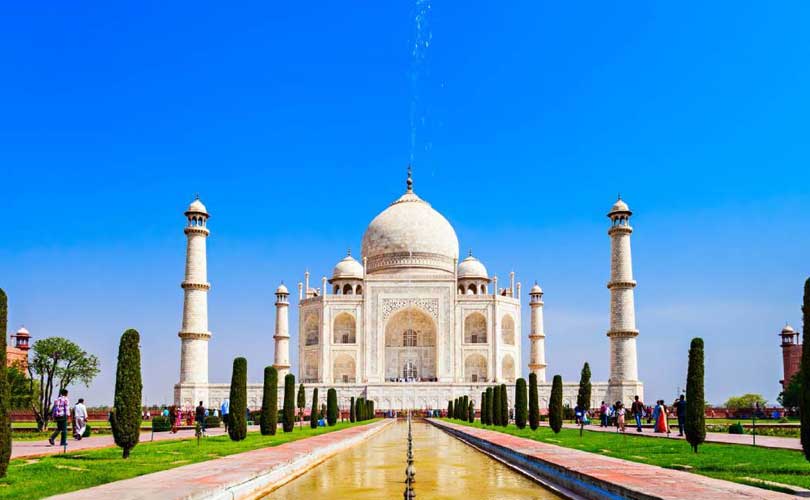
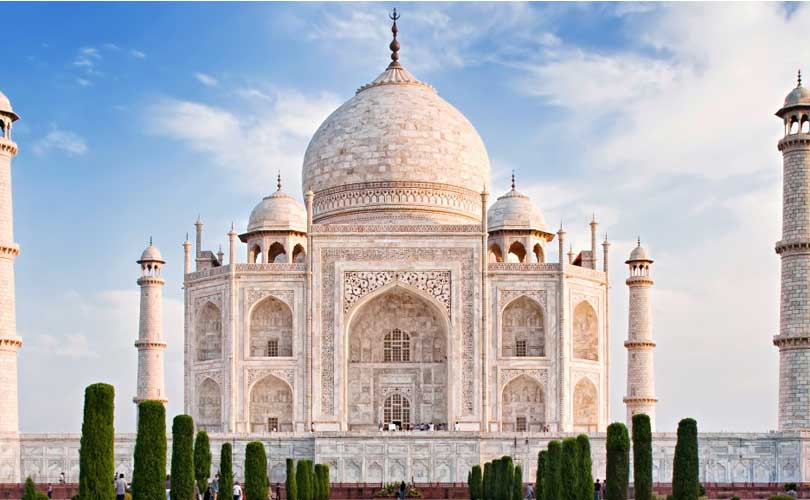
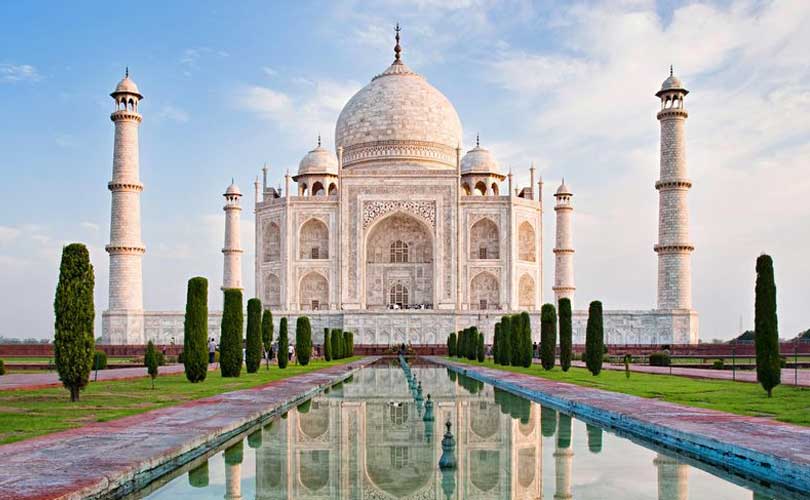
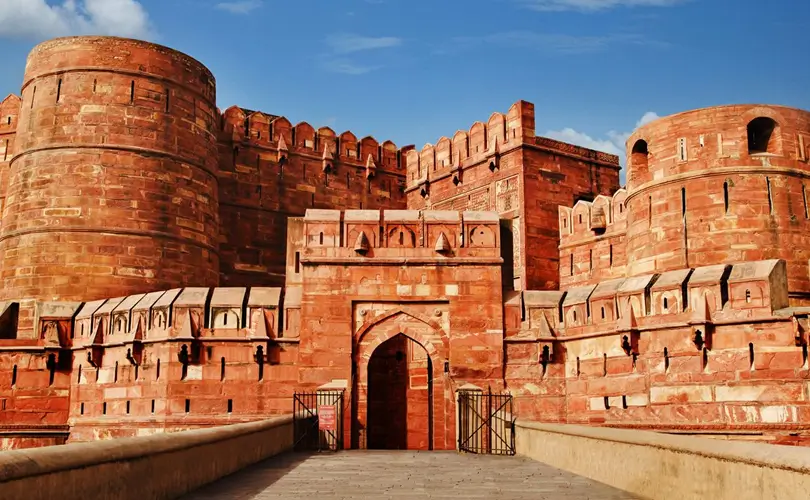
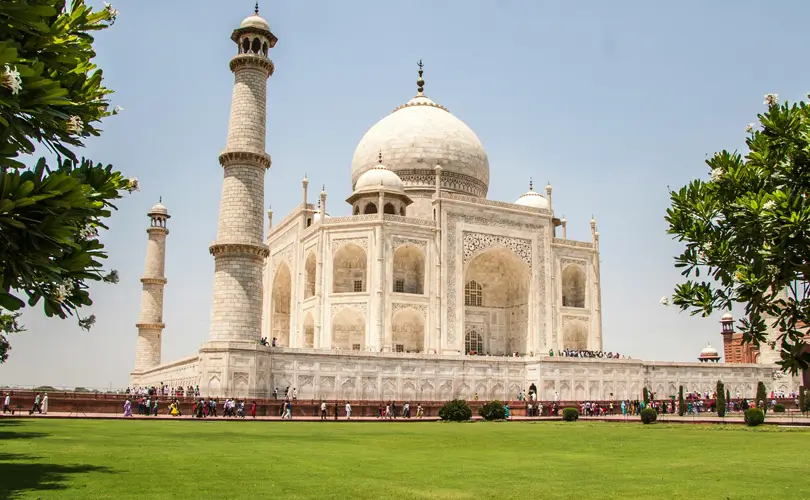
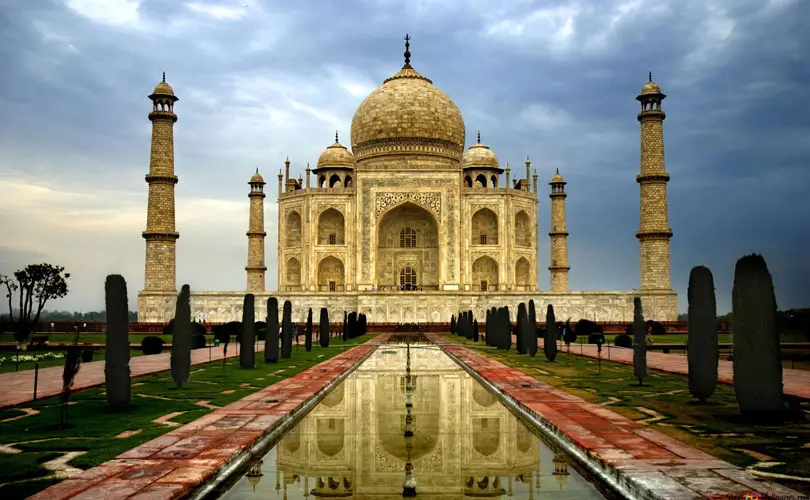
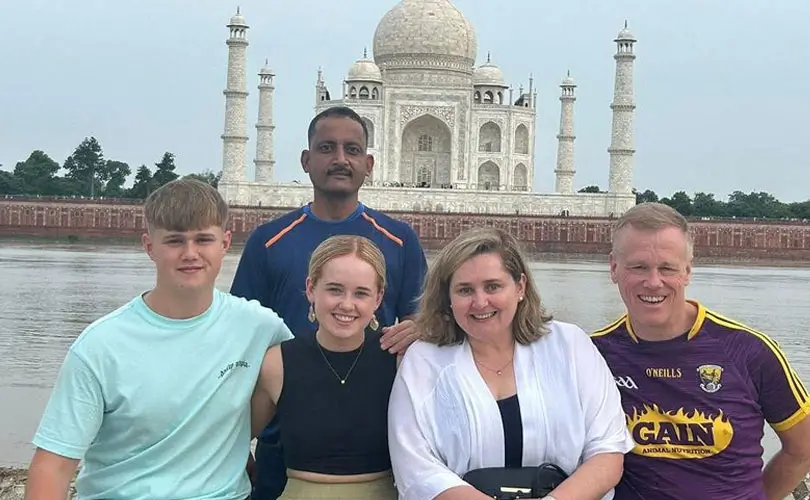
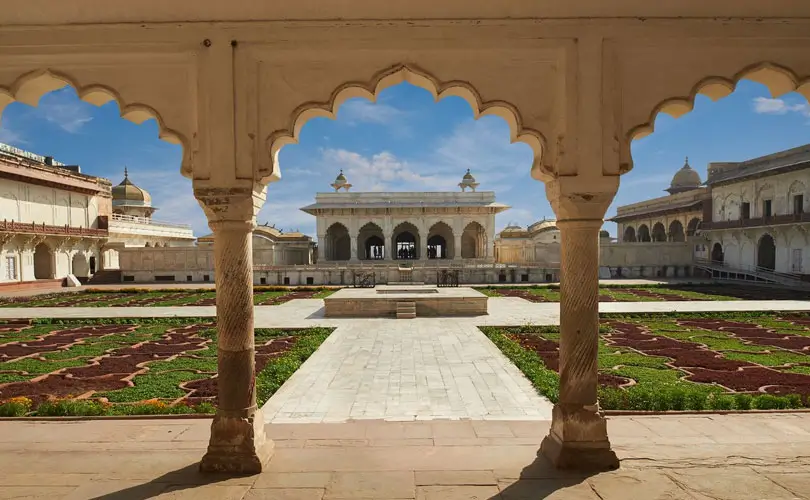
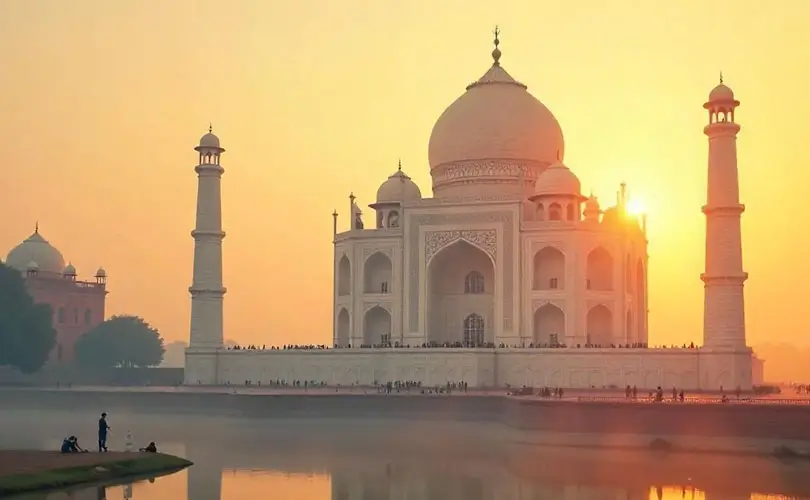
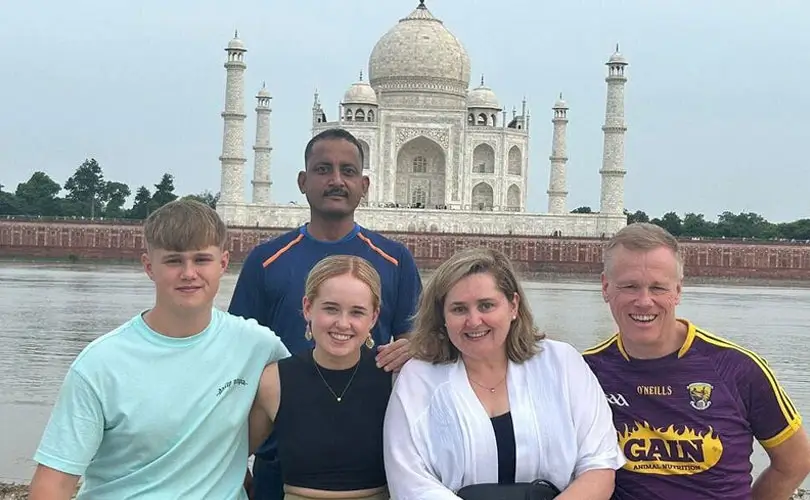
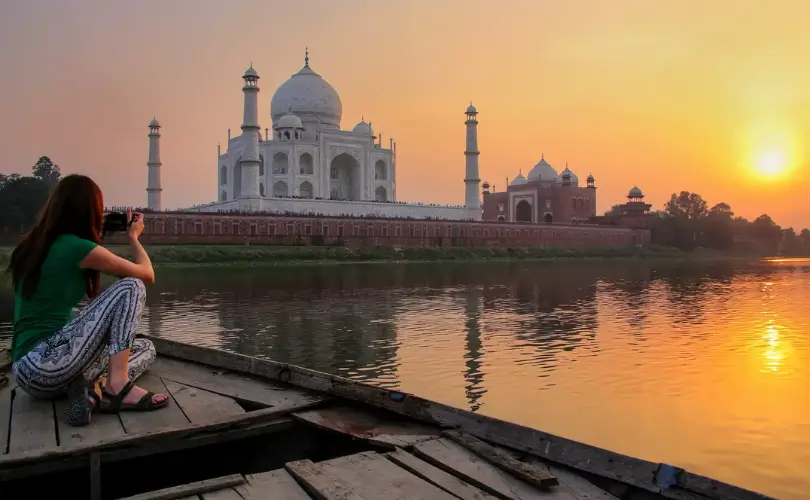
Agra is smaller and heavily associated with the Taj Mahal. Many international visitors spend one or two nights here as part of a Delhi Agra Jaipur tour. Tourist activity is concentrated around major monuments, hotels and established visitor areas.
The area around a famous attraction naturally attracts legitimate guides, drivers and sellers, but it can also attract people offering unsolicited services. A visitor who has already arranged a guide or driver does not need to change arrangements simply because someone near the monument claims that a different service is compulsory.
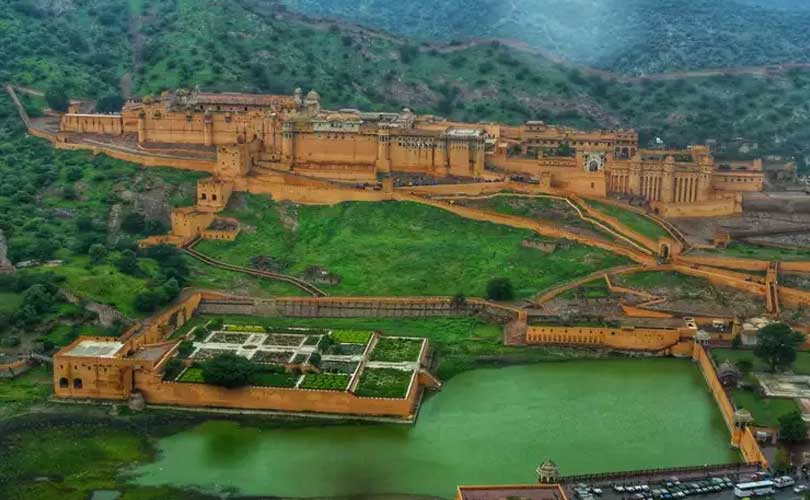
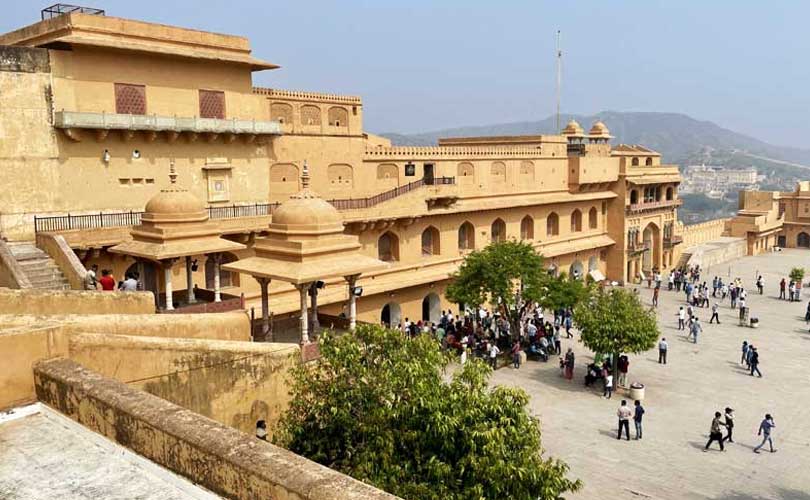
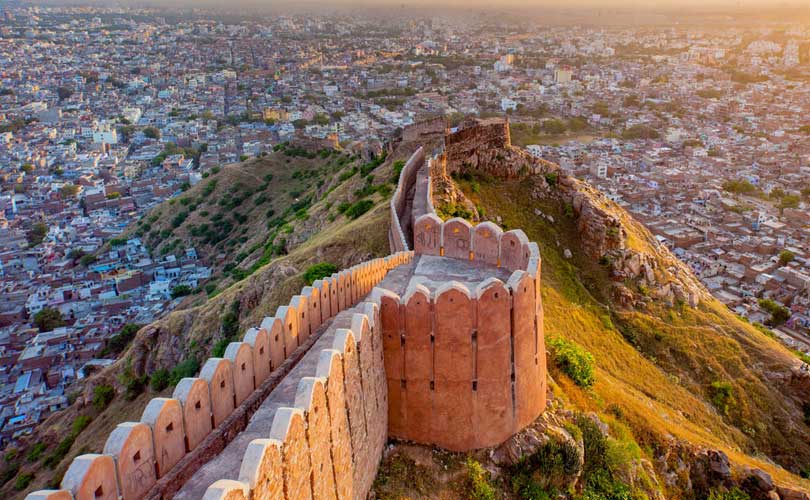
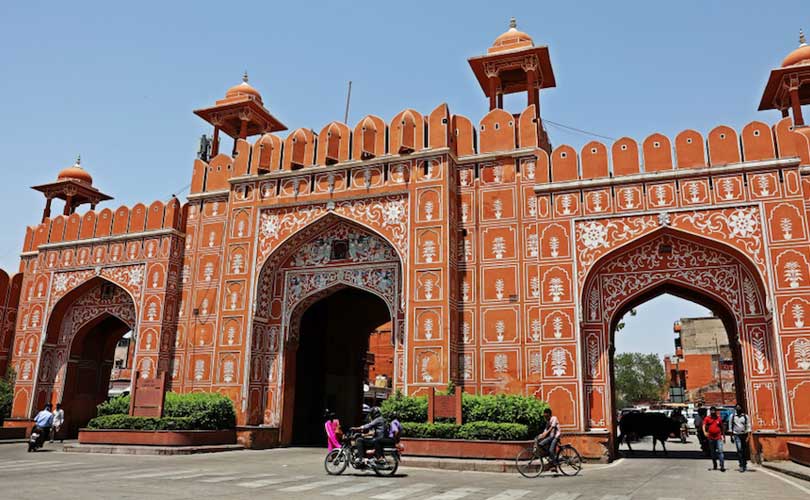
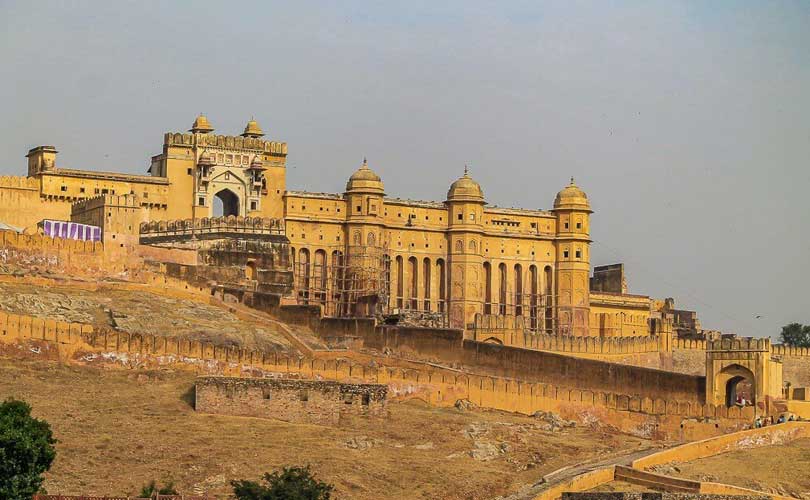
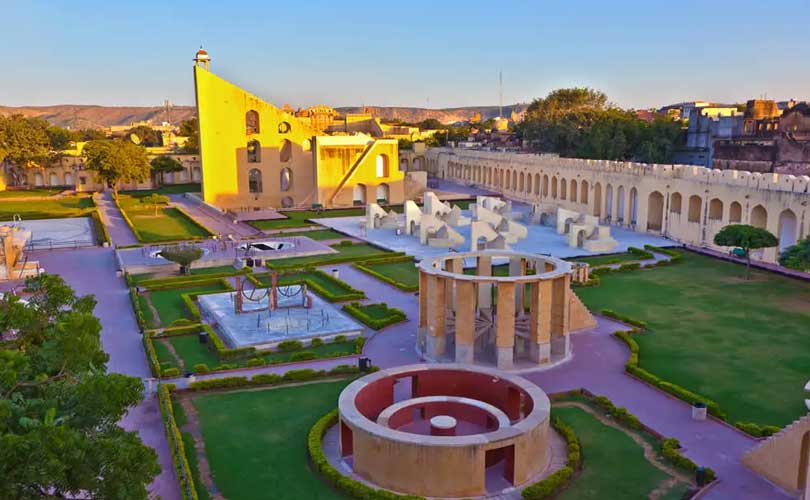
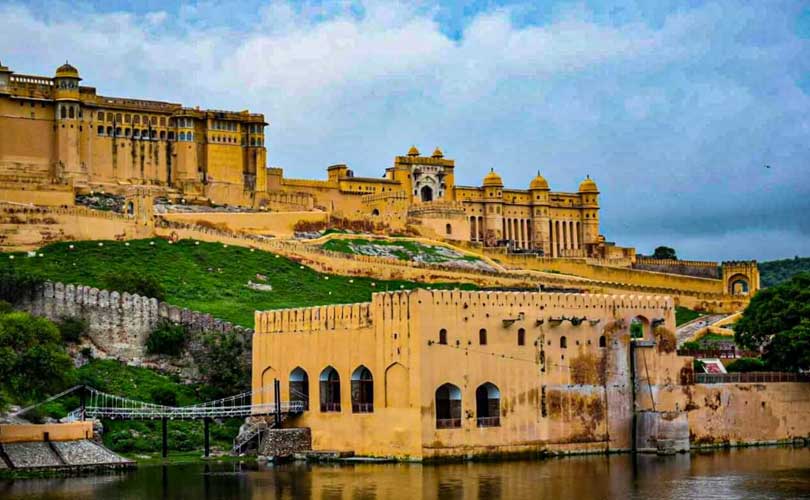
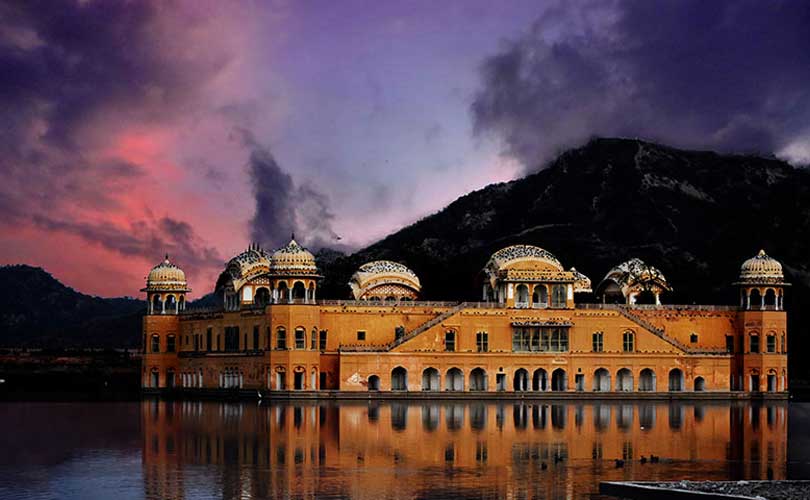
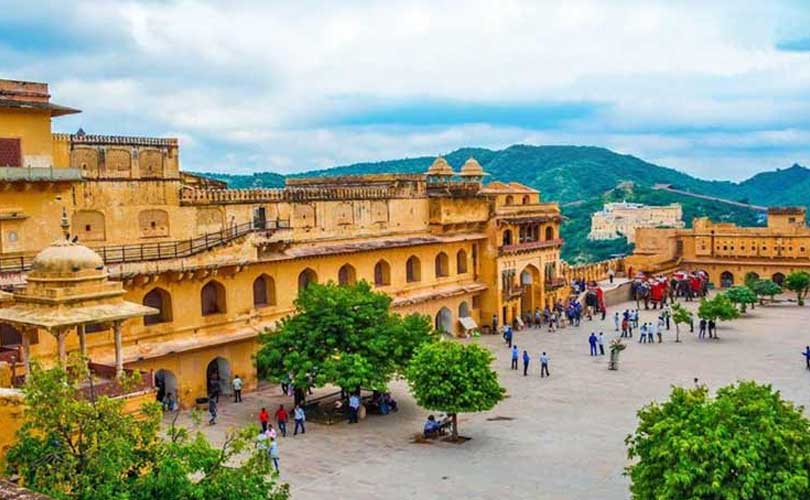
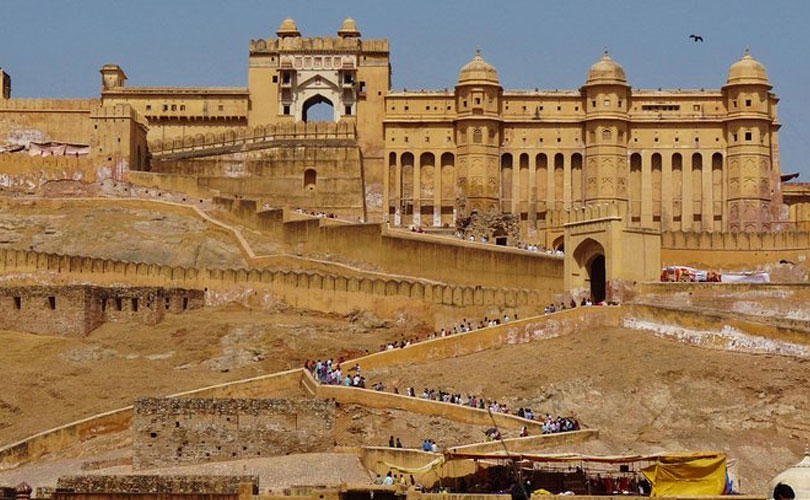
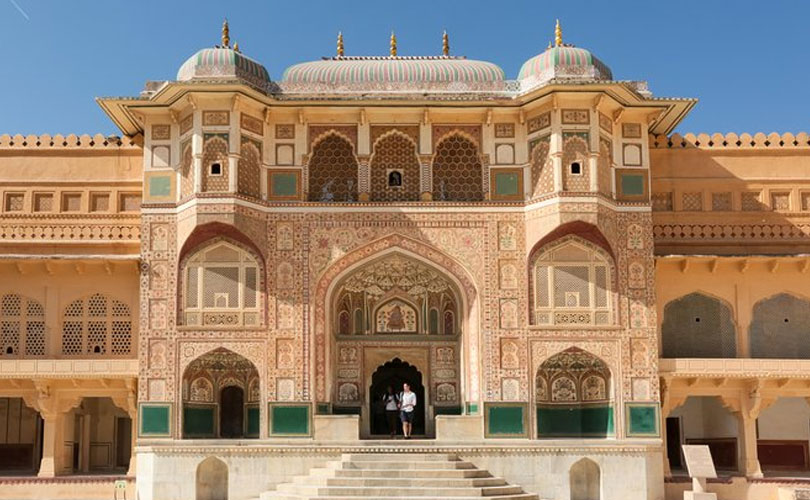
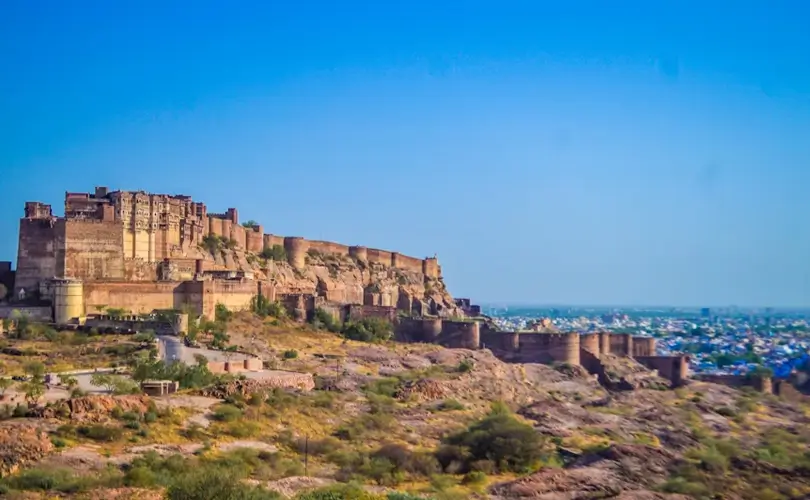
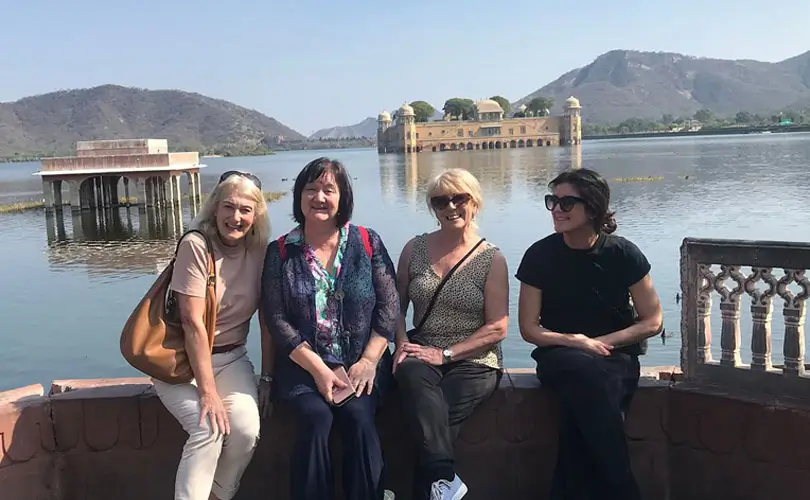
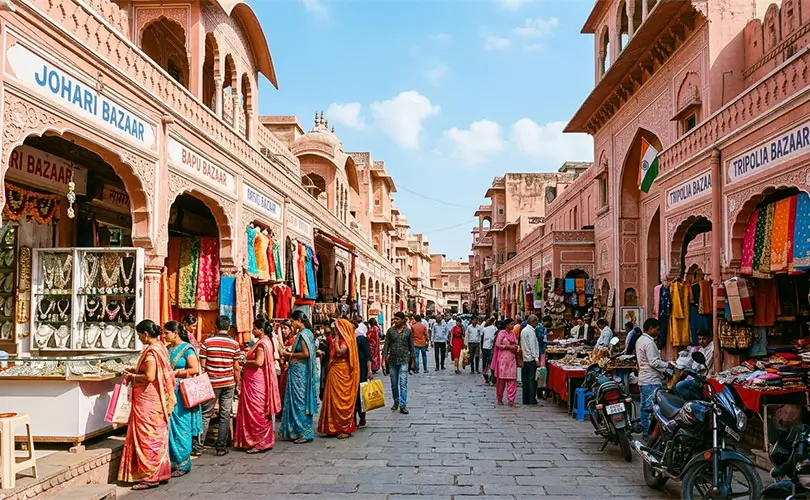
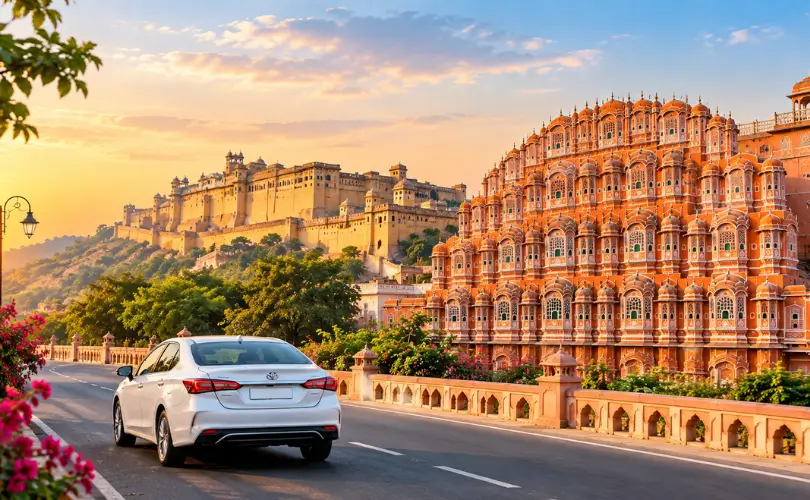
Jaipur is a major tourism city with palaces, forts, markets and a large hotel industry. Amber Palace, City Palace, Jantar Mantar and the old-city bazaars bring visitors into areas where pedestrian activity, vehicles, shops and tourism overlap.
The most important rule across all three cities is to judge situations rather than entire destinations.
A crowded market requires more attention to belongings than a hotel lobby. A pre-arranged airport transfer is easier to verify than accepting a random ride from someone approaching inside or outside a terminal. Walking through an unfamiliar quiet area late at night requires different judgment from visiting a major monument during normal opening hours.
Travelers should also remember that road conditions and traffic behavior can present a more routine risk than many of the dramatic scenarios imagined before arrival. Crossing a busy road requires patience. Use pedestrian crossings where practical, follow local signals and avoid stepping into traffic simply because another pedestrian has done so.
For a first-time visitor, a private Golden Triangle tour with a known driver can remove a large amount of logistical uncertainty. The same driver can handle intercity transportation, hotel pickups and many daily transfers, reducing the need to negotiate with a new transport provider every few hours.
Independent travelers can also travel successfully, but they should use established booking channels and verify transportation before getting into a vehicle.
Feel prepared from the moment you arrive. With trusted transportation, carefully selected stays, and local travel support, you can focus on discovering India instead of worrying about the logistics.
Most difficult tourist interactions become easier once the traveler recognizes the pattern.
One familiar situation begins when a visitor is told that a hotel, attraction, road, railway booking office or other service is “closed.” The person offering this information may immediately suggest an alternative hotel, travel office, shop or attraction.
Do not change important arrangements solely because an unknown person says they are unavailable.
If someone claims that a hotel is closed, call the hotel directly. If a person says a monument is closed, check the official information or ask an authorized representative. If someone claims that a train has been cancelled, verify the status through the appropriate railway channel rather than following the person to a private travel office.
Another situation involves unsolicited shopping recommendations.
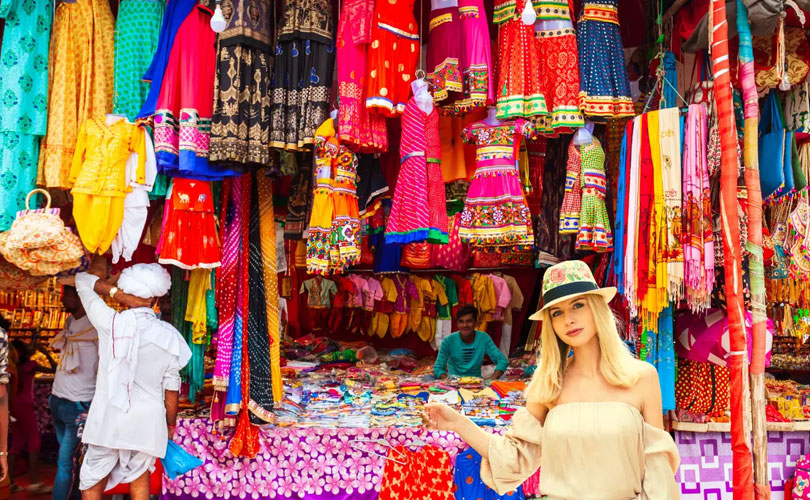
Delhi, Agra and Jaipur all have legitimate businesses selling textiles, jewelry, handicrafts, carpets, marble products and other goods. The problem begins when sightseeing is repeatedly redirected toward shops the traveler never requested.
A visitor paying for a sightseeing service should feel comfortable saying, “No shopping, thank you.”
This is particularly important with expensive purchases. A stranger's claim that a gemstone, carpet or piece of jewelry can easily be resold overseas for a large profit should not be treated as financial advice.
A separate issue involves unofficial guides.
At major monuments, someone may approach a traveler and claim to be an authorized guide. Visitors who want professional guiding should use properly verified services. Ask for credentials when appropriate and agree on the service and price before beginning.
Transport pricing can also cause disputes when the fare is not established in advance.
If using a taxi, auto-rickshaw or another local service without a fixed app-based price, agree on the amount before departure when appropriate. Make sure both parties are discussing the total fare rather than a per-person figure.
For expensive private transfers, obtain the inclusions clearly. A Golden Triangle private car quotation should specify whether fuel, tolls, parking, interstate taxes and driver allowances are included.
Payment scams require the same level of attention.
When paying by card, check the amount displayed before entering a PIN or authorizing a transaction. If a bill is ₹2,500, make sure ₹25,000 has not been entered accidentally. Keep the card within sight where practical and activate transaction alerts through the issuing bank.
UPI QR payments are common in India, but foreign visitors should use an authorized service available to international travelers rather than scanning unknown payment requests without checking the merchant and amount.
A useful principle applies to almost every scam: urgency should increase caution.
If someone insists that an offer is available only for the next five minutes, that the hotel must be changed immediately, that a ticket can only be bought from their office or that a purchase guarantees extraordinary profit, stop before paying.
Transportation is one of the biggest practical concerns for a first-time Golden Triangle India trip because the three destinations are separated by significant road distances.
Delhi to Agra is roughly 230 kilometers by road depending on the starting point and route. The journey commonly takes around four hours, although traffic and stops can change the actual duration.
Agra to Jaipur is approximately 240 kilometers by road and commonly requires around four-and-a-half to five-and-a-half hours depending on traffic, route and stops.
Jaipur to Delhi is approximately 270 kilometers, and travelers should allow roughly five to six hours or more depending on road conditions and the destination within Delhi.
Travelers should not schedule international flights based on the shortest journey time displayed by a navigation application. Traffic around Delhi can change significantly, and reaching an airport involves more than simply reaching the city boundary.
A private car and driver for the Golden Triangle is popular because it provides continuity. The traveler can leave luggage in the vehicle during appropriate transfers, stop when necessary and avoid arranging separate transportation for every intercity segment.
Vehicle condition matters.
Before accepting a multi-day private road service, confirm the vehicle category, air conditioning, passenger capacity and luggage capacity. A small sedan may technically accommodate four adults, but it can become uncomfortable once large international suitcases are added.
Seat belts should be used whenever available.
Travelers should also avoid encouraging a driver to speed because the itinerary is running late. Arriving at a monument thirty minutes earlier is not worth aggressive driving.
Trains provide another practical option, particularly between Delhi and Agra. Travelers using rail should purchase tickets through reliable channels and verify the train number, departure station, coach and seat information.
Delhi has several major railway stations, so “Delhi station” is not precise enough. A ticket may depart from New Delhi Railway Station, Hazrat Nizamuddin or another station. Going to the wrong terminal can create unnecessary stress.
At railway stations, keep passports, money and electronics in personal possession rather than placing them in an unattended outer pocket of large luggage.
Airport transfers deserve similar attention.
After a long international flight, a first-time visitor may be tired, jet-lagged and unfamiliar with the surroundings. A pre-booked Delhi airport transfer with clear pickup instructions can be worth paying for simply because it removes the need to make transport decisions immediately after arrival.
If a hotel or tour operator has arranged the pickup, obtain the driver's name, phone number, vehicle details or meeting instructions before flying where available. Do not automatically follow another person who claims that the assigned driver has sent them.
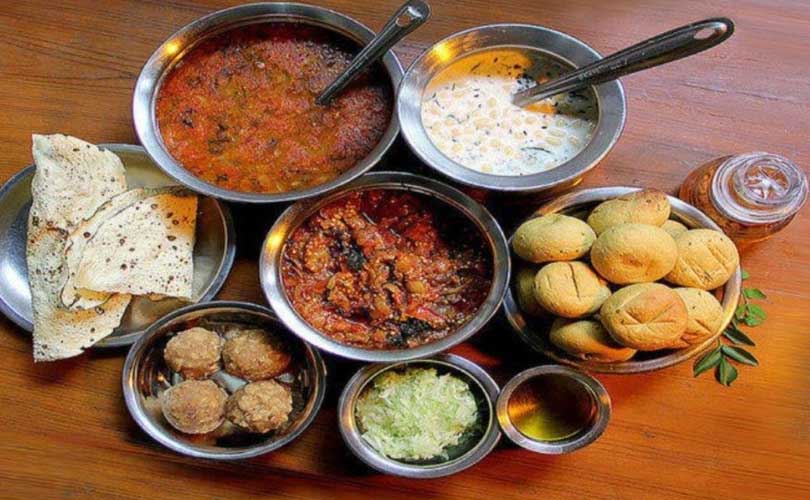
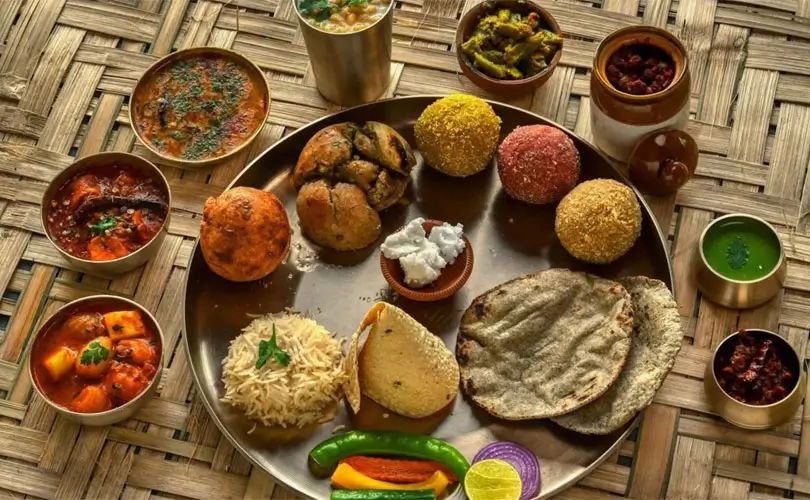
Food is one of the reasons many visitors enjoy India, but food safety in India for tourists deserves practical attention, particularly during the first few days.
The safest approach is not to avoid Indian food. It is to be selective about where and how it is prepared.
Choose restaurants with good hygiene practices and steady customer turnover. Freshly cooked food served hot is generally a more sensible choice than food that appears to have been sitting uncovered for a long period.
Drinking water requires particular attention.
International visitors who are not accustomed to local water should use sealed bottled water or appropriately purified water from a trustworthy source. Check that the bottle seal is intact before drinking.
The same caution applies when brushing teeth if a traveler has a sensitive stomach and is uncertain about the water source.
Ice can depend on the establishment. Reputable hotels and established restaurants catering to international visitors commonly use purified water for ice, but when uncertain, ask before ordering.
Street food creates one of the biggest debates among first-time travelers.
Delhi, Agra and Jaipur have excellent street-food traditions, and avoiding every local snack would remove an interesting part of the journey. At the same time, a first-time visitor should not select a nearly empty stall with food sitting uncovered simply because it looks adventurous.
Look for busy vendors with high turnover and food cooked in front of the customer. Hot items served immediately after cooking are a more sensible starting point.
Raw salads, cut fruit and uncooked garnishes deserve more caution when the washing water or preparation conditions are unknown. Whole fruit that can be peeled personally provides greater control.
Spice is a separate issue from hygiene.
A meal can be perfectly safe but still upset someone who suddenly eats much richer or spicier food than usual. The first day in Delhi is not necessarily the best time to make every meal extremely spicy.
Eat normally, stay hydrated and allow the body time to adjust.
Carry basic personal medications permitted for travel and make sure appropriate travel insurance for India is in place before departure. Travelers with prescription medicines should carry them properly and check any applicable Indian rules concerning restricted medicines before traveling.
A thoughtful approach allows visitors to enjoy Indian cuisine without turning every meal into a source of anxiety.
Pre-arranged airport transfers, dependable intercity travel, trusted accommodation, and local assistance can remove much of the uncertainty that first-time travelers experience in India.
Questions about India safety for female tourists deserve specific attention because women can face situations that male travelers may experience differently. Thousands of international women visit Delhi, Agra and Jaipur independently, with friends, with partners and through private tours, but sensible precautions can make the journey considerably more comfortable.
Accommodation is a good starting point. A first-time visitor should prioritize a well-reviewed hotel in an established area rather than selecting accommodation solely because it is unusually cheap. Reviews from recent female guests can provide useful information about the surrounding area, staff behavior, late-night access and transportation.
Arrival time also matters. Landing in Delhi during daylight is not always possible because many international flights arrive late at night. When arriving after dark, arranging a pre-booked Delhi airport transfer removes the need to negotiate transportation while tired and unfamiliar with the city.
The traveler should have the driver's details and meeting instructions before leaving the airport terminal. If another person claims that the assigned driver is unavailable and offers an alternative ride, contact the hotel or transport provider before changing arrangements.
Clothing does not determine whether someone will encounter inappropriate behavior, but dressing with awareness of the setting can make some visitors feel more comfortable. Lightweight clothing covering shoulders and knees is practical for many historic and religious locations. A scarf can also be useful when visiting places where additional coverage is appropriate.
Crowded markets require awareness of personal space and belongings. In places such as Old Delhi or Jaipur's busy bazaars, keep a handbag closed and positioned where it can be seen. A cross-body bag with secure compartments is generally more practical than an open tote.
Women traveling alone should be cautious about sharing detailed accommodation information with strangers. There is rarely a reason to tell an unfamiliar person the room number, exact daily schedule or whether nobody else is expecting you.
Persistent attention should not be rewarded with prolonged conversation. A clear refusal followed by moving toward a busy area, hotel, shop or security point is often more effective than trying to explain politely for several minutes.
A private driver can be particularly valuable on a Golden Triangle tour for women because the traveler has continuity between Delhi, Agra and Jaipur rather than arranging a different vehicle for every transfer. The company, driver and vehicle should still be verified in advance.
Late-night independent walking deserves greater caution, especially in quiet or unfamiliar areas. Use a trusted vehicle for evening returns rather than walking simply because the distance appears short on a map.
The aim is not to make women fearful of India. It is to remove avoidable uncertainty so that attention remains on the actual journey.
Solo travel creates freedom, but it also means every transport, accommodation and payment decision rests with one person.
A solo Golden Triangle trip can work extremely well when the traveler establishes a few routines.
Choose accommodation based on location as well as room price. Saving a small amount on a hotel far from the main visitor areas can lead to higher transport costs and inconvenient evening journeys. A centrally positioned, well-reviewed property may provide better overall value.
At check-in, avoid leaving a passport unattended at the reception desk longer than necessary. Hotels may need passport information from international guests for legal registration requirements, but the traveler should know where the original document is.
Keep the hotel address stored offline on the phone. Saving it in both English and a map application is useful if mobile data temporarily stops working.
Do not announce the room number loudly in public areas. If hotel staff do so, there is no need to repeat it.
Use the room's locking facilities and check that doors close properly. Valuable items that are not needed during sightseeing can be stored securely according to the hotel's facilities and the traveler's judgment.
A solo visitor should also avoid placing every essential item in one bag. Passport, primary bank card, backup card, emergency cash and phone should not all become inaccessible because one small bag is lost.
Communication provides another useful layer of security. Sending a trusted person the hotel names and basic route before departure takes only a few minutes. A solo traveler can also send a brief message after reaching a new city.
For intercity journeys, share vehicle or train information where appropriate.
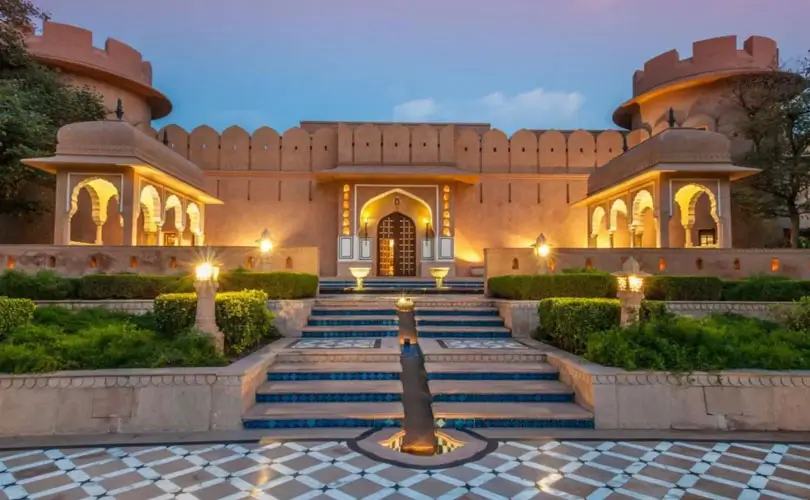
Delhi, Agra and Jaipur all have accommodation across a huge price range. The lowest room rate should not automatically win. A safe hotel for tourists in India should have credible recent reviews, reliable reception, appropriate access control and a location that makes sense for the itinerary.
A slightly higher nightly rate can be worthwhile if it provides dependable airport pickup, professional staff and easier transportation.
India's major cities do not stop operating at sunset. Restaurants, hotels, cultural venues and shopping districts can remain active into the evening, and tourists do not need to return to their rooms as soon as daylight disappears.
The important question is how the traveler gets back.
Someone having dinner at a reputable restaurant in Delhi can arrange a hotel car, app-based cab or verified private driver for the return. Walking several kilometers through unfamiliar streets late at night simply to avoid paying for transportation is a poor trade-off.
The same applies in Jaipur.
A traveler staying outside the old city may enjoy dinner or an evening activity and then return using reliable transportation. Ask the hotel or restaurant to assist if there is uncertainty about the pickup point.
Alcohol requires ordinary judgment. Excessive drinking reduces awareness in any destination. A visitor should keep control of personal drinks, avoid accepting open beverages from unknown people and make sure transportation back to the hotel is arranged.
Do not leave a passport, phone or wallet unattended on a restaurant table.
Night road journeys between Golden Triangle cities should also be considered carefully. Driving Delhi–Agra or Jaipur–Delhi after a full sightseeing day may technically be possible, but a daytime or early-evening journey can be more comfortable.
A well-structured Golden Triangle itinerary should not require constant late-night road transfers merely to squeeze another monument into the schedule.
Losing money is inconvenient. Losing a passport abroad can affect the entire journey.
International visitors should carry their passport when required while avoiding unnecessary handling. Keep secure digital copies of the passport identification page, visa or e-Visa authorization, travel insurance and major booking documents.
A second copy stored separately from the original can be useful.
Do not carry every bank card together. If a wallet disappears, a backup card stored securely elsewhere can keep the journey functioning.
The same principle applies to cash. A traveler with ₹20,000 does not need to carry the entire amount while walking around Jaipur for three hours. Take what is reasonably required and secure the remainder.
Phones deserve particular attention because they now contain banking applications, hotel confirmations, maps, flight tickets and personal information.
Use a screen lock and biometric security where available. Make sure the device can be remotely located or disabled. Back up important photographs so losing the phone does not also mean losing every image from the trip.
In crowded areas, avoid walking with an expensive phone loosely held toward the road. Step into a safer position when checking maps or messages.
When paying by card, verify the displayed amount before authorizing it. Keep transaction notifications active.
For ATM withdrawals, use machines in secure locations such as established bank premises where practical. Shield the keypad and put cash away before leaving the immediate area.
A good India travel safety checklist is mostly made up of these ordinary habits rather than dramatic precautions.
Even careful travelers can face an unexpected problem, so knowing what to do matters more than assuming nothing will happen.
India's integrated emergency response number is 112. It is intended for emergency assistance involving police, fire and other emergency services.
For immediate danger or a serious incident, move to a safer public location where possible and contact the appropriate emergency service.
A traveler whose passport is lost or stolen should contact the local police as appropriate and then communicate with the relevant embassy, high commission or consulate for instructions concerning replacement travel documentation.
Keep embassy contact details accessible before the trip rather than searching for them for the first time during an emergency.
If a bank card disappears, freeze or block it immediately through the banking application or issuer's emergency contact channel.
For a lost phone, use the relevant device-location or remote-lock service as soon as possible and protect banking and email accounts if there is any possibility that the device can be accessed.
Travel insurance becomes particularly important when an incident involves medical treatment, hospitalization, trip disruption or stolen belongings. Keep the insurer's emergency assistance number and policy details available offline.
Hotel staff and established tour operators can also provide practical local assistance. A traveler who becomes ill in Jaipur, for example, can ask a reputable hotel or established local operator for help reaching an appropriate medical facility rather than selecting an unknown clinic at random.
For non-emergency disputes involving a shop, taxi or service provider, remain calm and avoid turning a disagreement about a small amount of money into a physical confrontation.
Documentation helps. Keep receipts for significant purchases, photograph relevant information and retain booking messages when a service has been arranged in advance.
A comfortable first journey usually comes from a series of small decisions.
Keep the first day relatively manageable after an overnight international flight. Jet lag, unfamiliar traffic and a new environment can make an overloaded sightseeing schedule unnecessarily exhausting.
Use established transportation for important transfers.
Confirm hotel addresses before departure.
Carry drinking water during long sightseeing periods, particularly in hot weather.
Wear footwear suitable for extensive walking and uneven surfaces at historic sites.
Keep small Indian Rupee notes available so minor payments do not require displaying a large amount of cash.
Avoid handing a phone to an unknown person unless there is a clear reason.
Do not follow someone to another travel office because they claim the original booking is invalid.
Do not buy expensive jewelry, gemstones or carpets because someone promises guaranteed resale profits.
Check bills before paying.
Agree on prices before accepting services where there is no fixed tariff.
Give yourself enough time to reach railway stations and airports.
Most importantly, distinguish between unfamiliarity and danger. The sound of horns, crowded streets, busy markets and persistent sellers can feel intense to someone visiting India for the first time, but unfamiliar surroundings do not automatically mean that the traveler is unsafe.
Good Golden Triangle travel safety comes from preparation, reliable services and awareness without allowing suspicion to dominate every interaction.
India can be visited comfortably by first-time international travelers, including those following the established Delhi, Agra and Jaipur route. Visitors should use normal precautions involving transportation, accommodation, money, personal belongings and unfamiliar approaches. Selecting reputable services can remove many common difficulties.
The Golden Triangle in India is one of the country's major tourism routes. Delhi, Agra and Jaipur have extensive visitor infrastructure, including hotels, guides, private transport and major attractions. Travelers should still remain attentive in crowded areas and use verified transportation and accommodation.
Women travel throughout India independently and through organized arrangements, but female travelers should take sensible precautions. Reliable hotels, verified transportation, awareness after dark and caution when sharing personal information can make a significant difference. Solo female travelers may find a pre-arranged driver particularly useful on the Golden Triangle route.
Many visitor areas can be visited on foot during normal sightseeing hours, but Delhi is enormous and conditions vary by neighborhood. Old Delhi can be extremely crowded, while other parts of the city are more spacious. Keep valuables secure in busy areas and use reliable transport for long distances and late-night journeys.
Agra receives large numbers of international visitors because of the Taj Mahal and other Mughal monuments. Normal tourist precautions remain appropriate. Be cautious with unsolicited guides, transport offers and shopping recommendations, and use verified services for major arrangements.
Jaipur has a mature tourism industry and receives visitors throughout the year. Major forts, palaces, hotels and markets are accustomed to tourists. Busy bazaars require attention to belongings, and travelers making expensive jewelry or gemstone purchases should use reputable businesses and request documentation.
The primary integrated emergency number in India is 112. International visitors should also keep their travel insurer's emergency number and the contact information for their country's embassy, high commission or consular services accessible during the trip.
Street food can be enjoyed selectively. Choose busy vendors with high turnover, favor food cooked thoroughly and served hot, and be cautious with raw ingredients or items that have been sitting uncovered. Travelers with sensitive stomachs should introduce unfamiliar foods gradually.
International visitors are generally better served by sealed bottled water or properly purified water from a reliable source. Check bottle seals before drinking. Reputable hotels may provide filtered or packaged drinking water, and travelers can ask staff when uncertain.
A reputable private driver for Delhi, Agra and Jaipur can make a first visit easier because transportation remains consistent across the route. Travelers should book through a credible provider, verify the service, use seat belts where available and avoid pressuring drivers to speed.
India rewards travelers who arrive informed rather than frightened. Delhi may feel enormous, Old Delhi may be crowded, Agra's tourist areas may bring persistent offers and Jaipur's markets may require confident bargaining, but these experiences become easier once a visitor knows how to respond.
Reliable hotels, sensible food choices, verified transportation, secure payment habits and awareness in crowded areas remove many common problems. A first-time traveler does not need to treat every stranger with suspicion, nor should every unsolicited offer be accepted at face value.
For visitors following the Delhi Agra Jaipur Golden Triangle, a well-arranged route provides a practical introduction to India because transportation, accommodation and sightseeing infrastructure are widely available across all three destinations. The traveler can then spend less time worrying about logistics and more time engaging with the places that brought them to India in the first place.