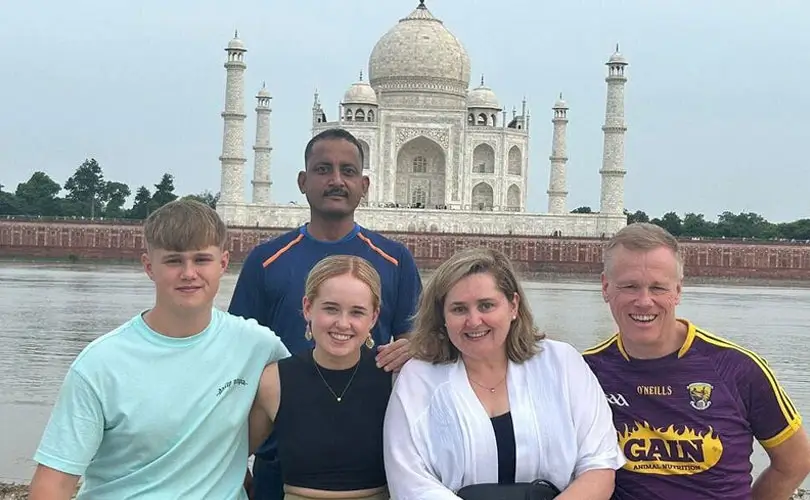
Choosing between a Golden Triangle tour and a Rajasthan tour is one of the most common decisions for first-time visitors to northern India. Both routes offer architecture, historic cities, palaces, forts, markets, local food and road journeys, but the travel experience is not the same. The Golden Triangle is compact, highly recognizable and easier to complete in a shorter period, while Rajasthan offers a broader regional journey with longer distances, more varied landscapes and a deeper focus on royal heritage.
A classic Golden Triangle India tour usually connects Delhi, Agra and Jaipur. The route gives travelers a concentrated introduction to several major themes of northern India: imperial Delhi, Mughal Agra and Rajput Jaipur. It works particularly well for visitors with limited time because the three destinations are connected by established road and rail routes and can be covered comfortably in approximately five to seven days.
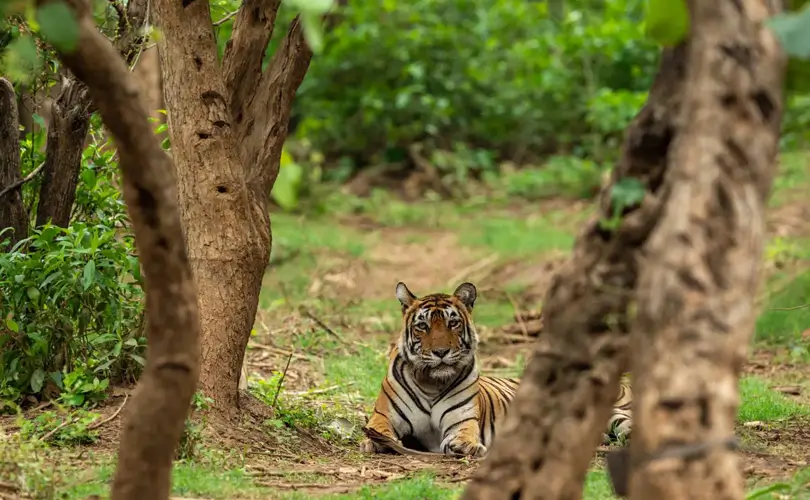
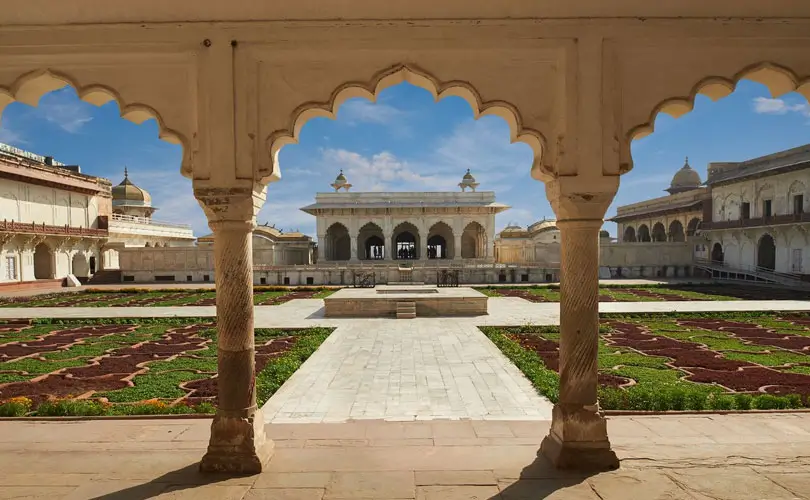
A Rajasthan tour, by contrast, can include Jaipur, Jodhpur, Udaipur, Jaisalmer, Bikaner, Pushkar, Bundi, Ranthambore or several other destinations depending on duration. The state is large, and moving from one city to another can require several hours on the road. The reward is a more varied experience involving desert landscapes, hilltop forts, lakes, palace hotels, smaller historic towns and a stronger regional identity.
The question is therefore not which route is universally better. The correct choice depends on how much time the traveler has, whether this is a first visit to India, the preferred pace, hotel budget and the type of history or landscape that feels most appealing.
The strongest advantage of the Delhi Agra Jaipur route is concentration. A traveler can move through three major destinations without needing two weeks of holiday time. Each city contributes something distinct enough that the journey does not feel repetitive.
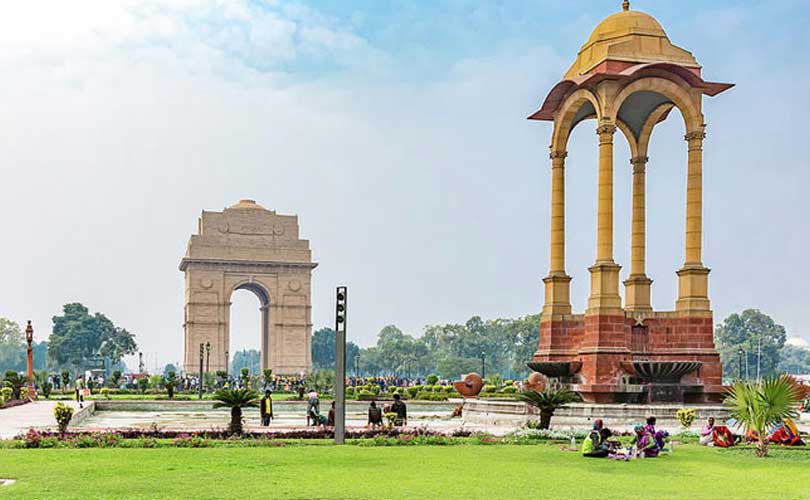
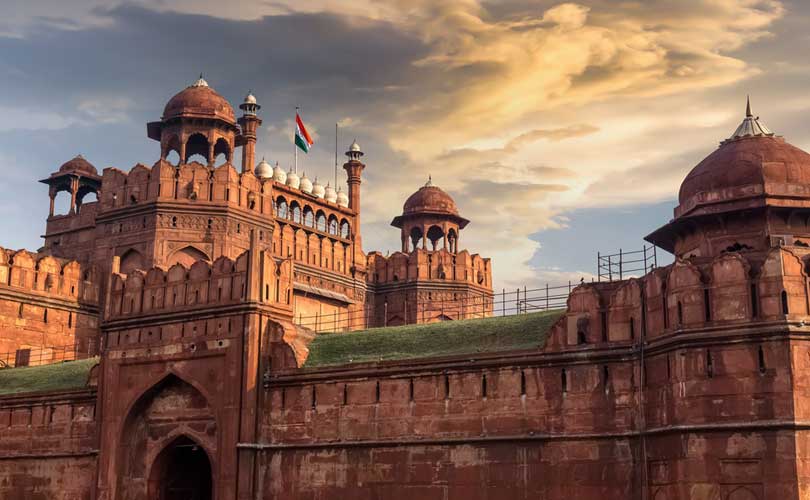
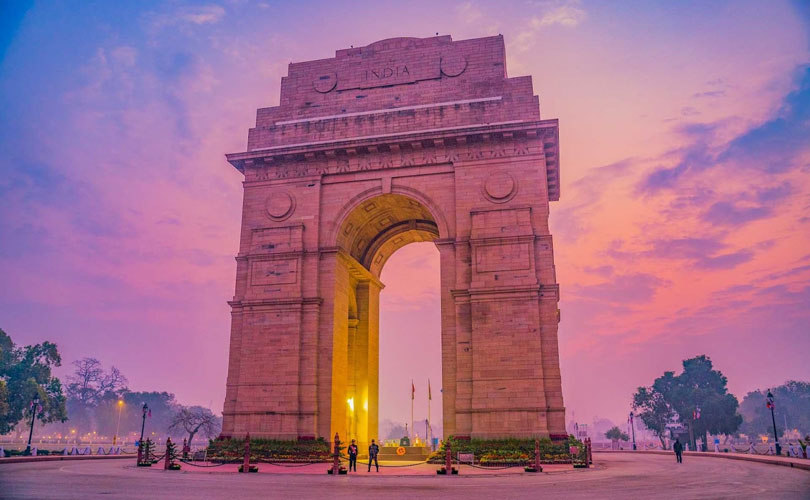
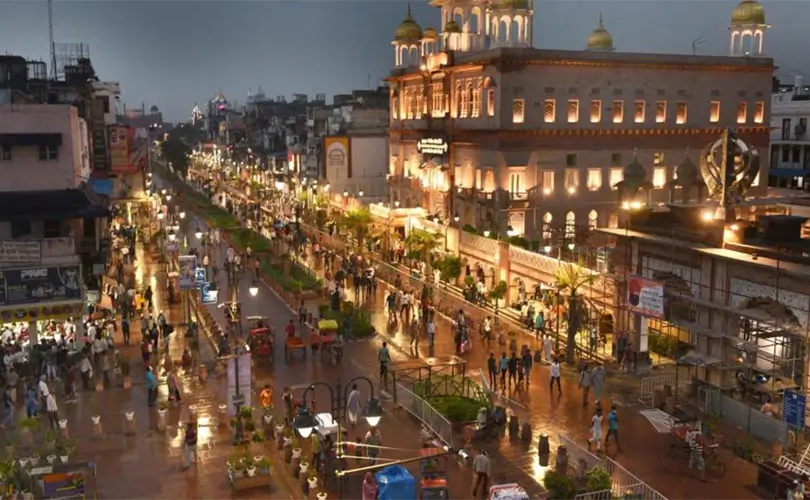
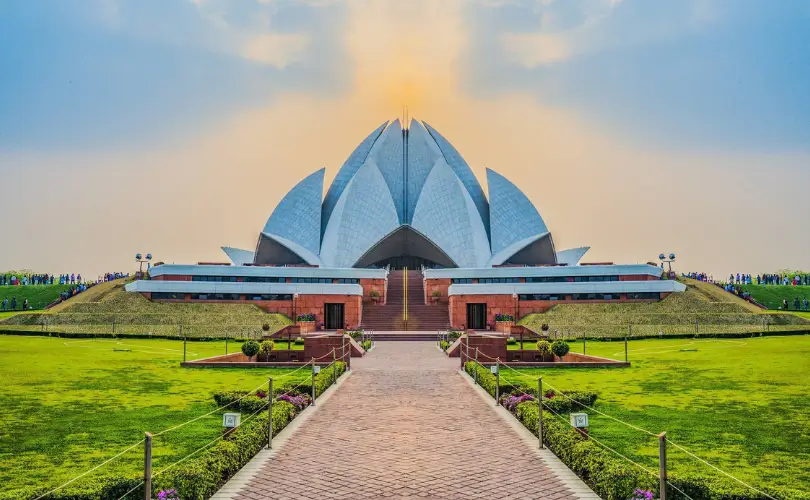
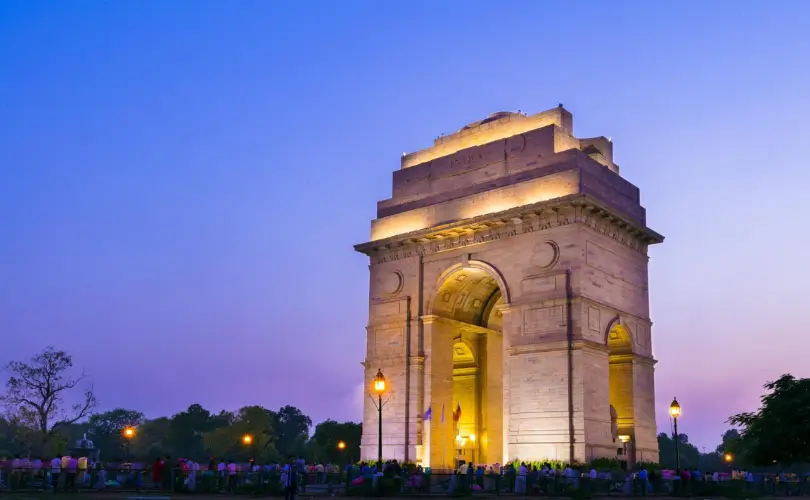
Delhi is the largest and most varied stop. A well-structured visit can include Old Delhi, Mughal monuments, colonial-era avenues, markets and modern neighborhoods. The city introduces travelers to India at a broad scale before they move into smaller tourism centers.
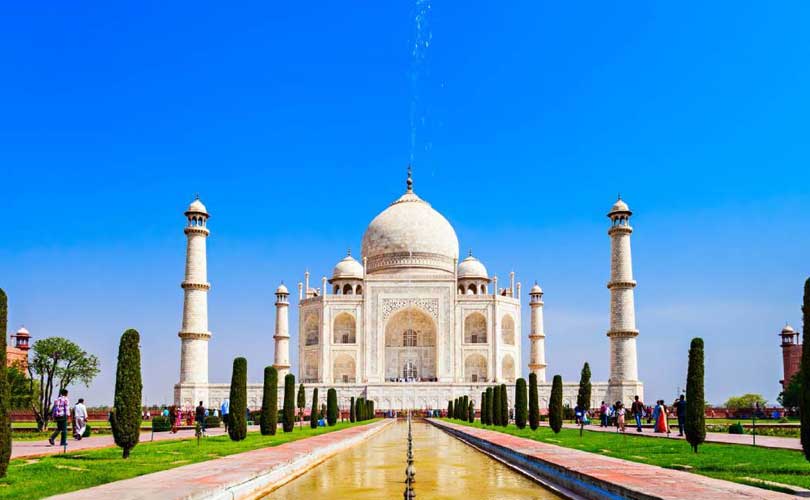
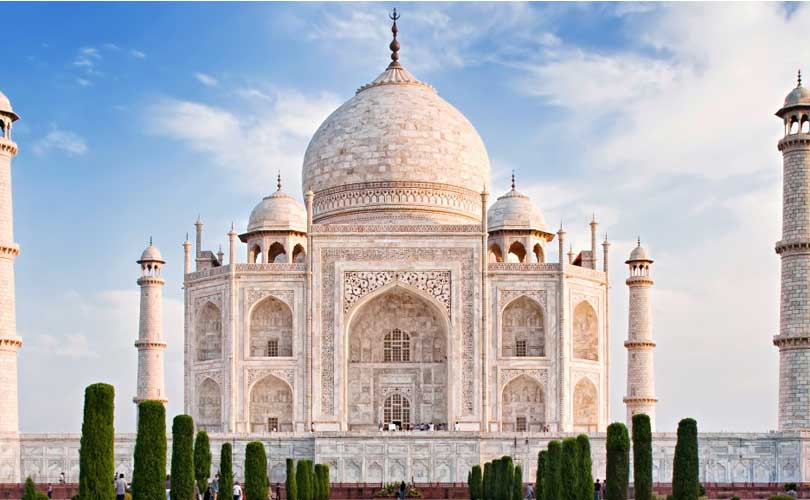
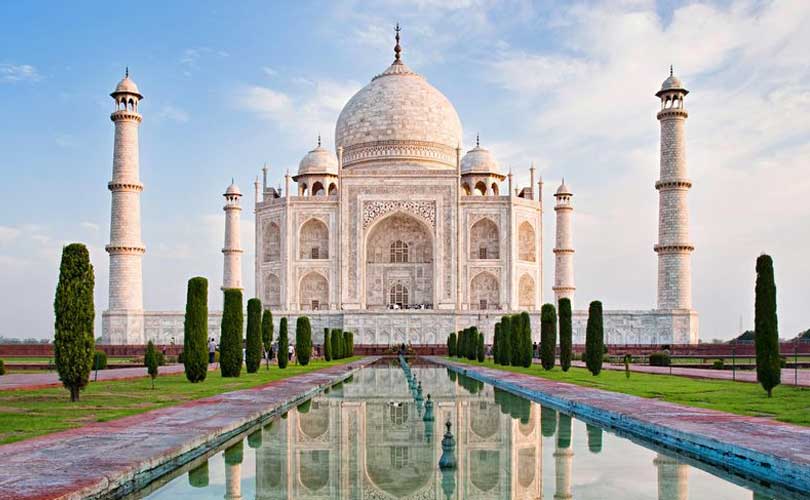
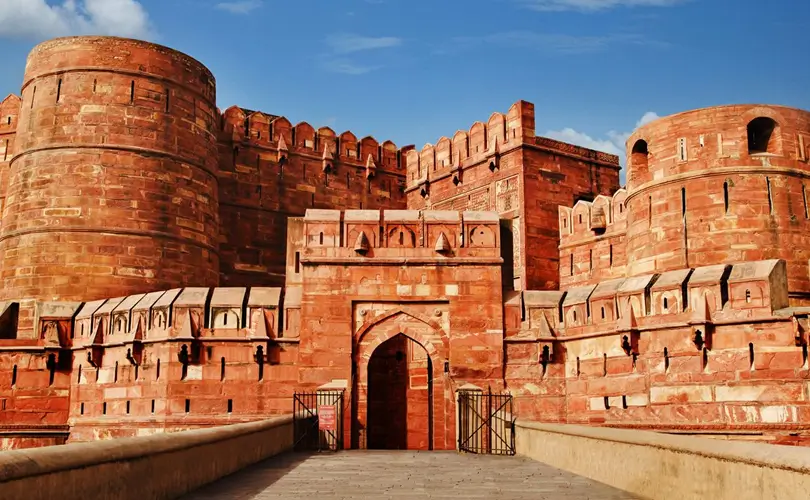
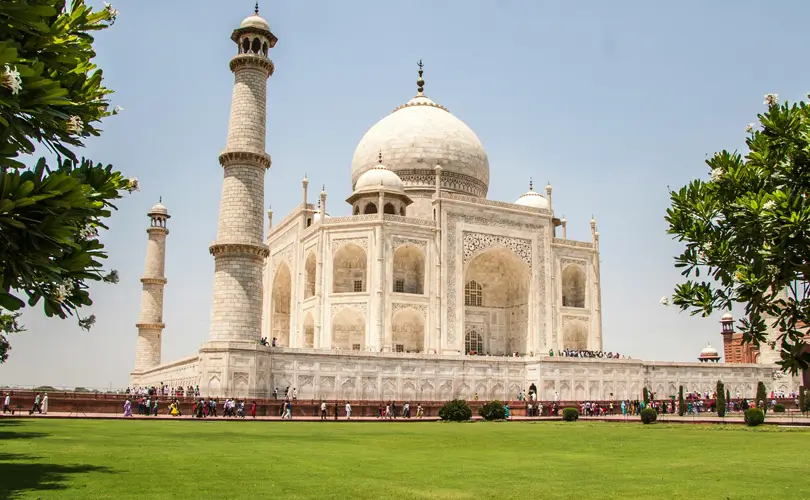
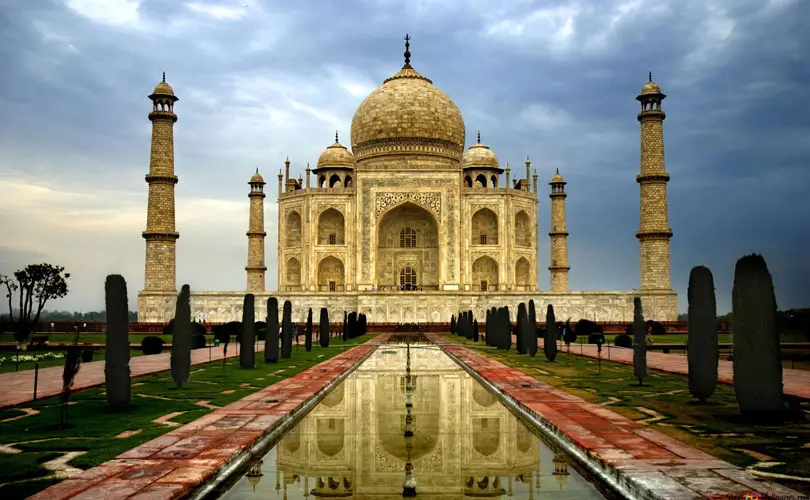
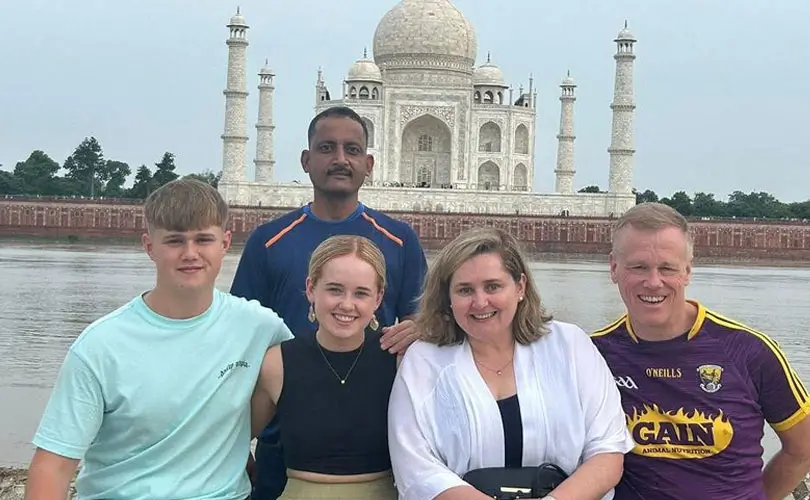
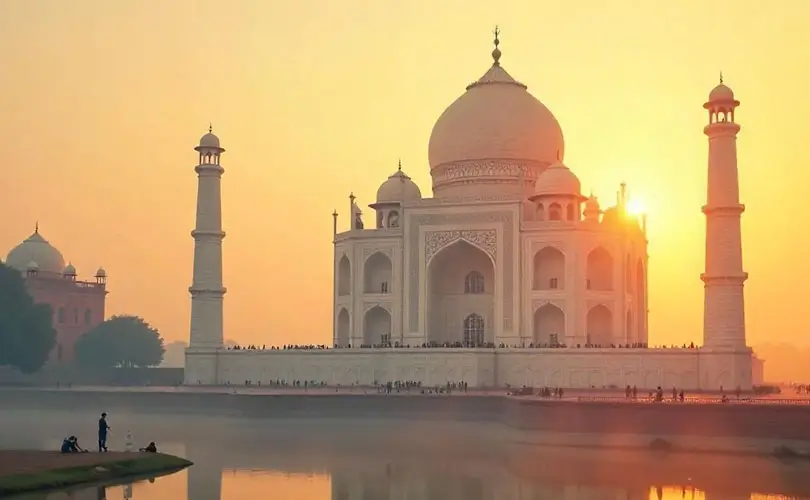
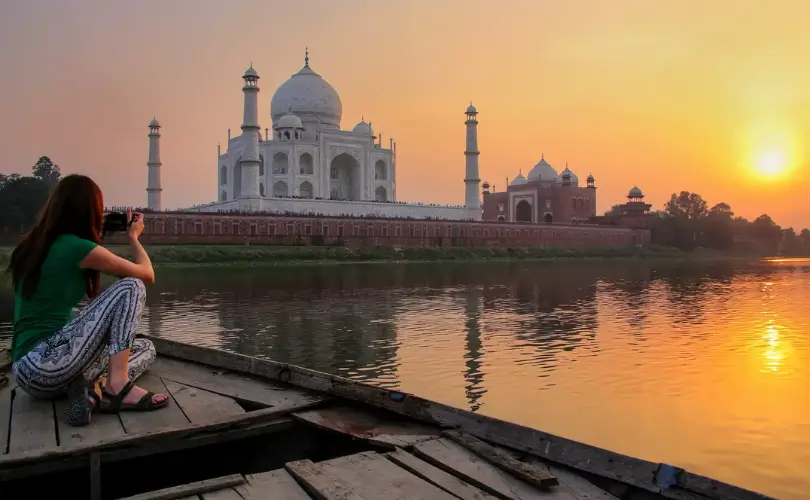
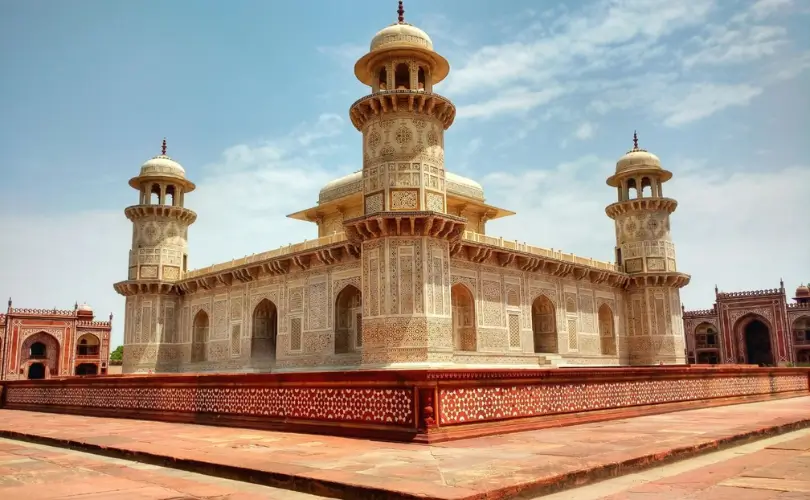
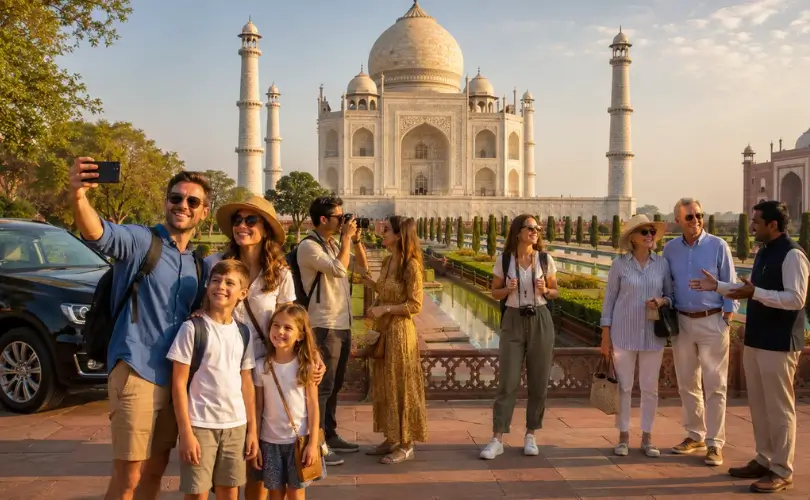
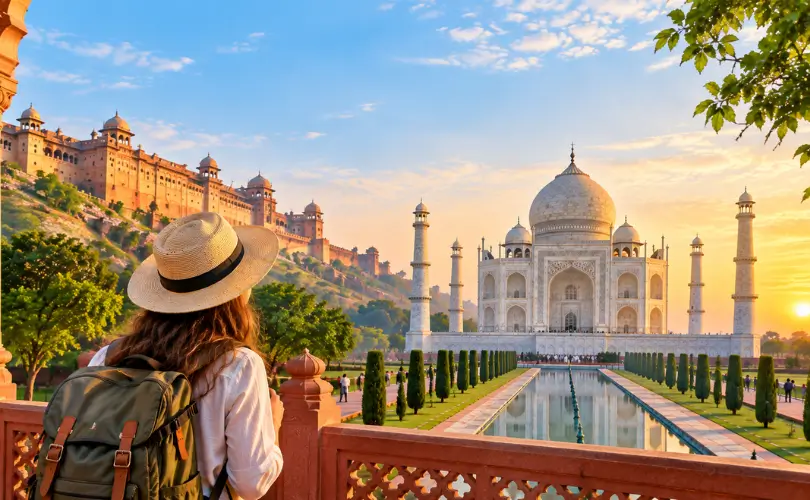
Agra provides the Taj Mahal, but it should not be reduced to one monument. Agra Fort, Itmad-ud-Daulah, Mehtab Bagh and the wider Mughal landscape create enough material for one or two nights. The city is also conveniently positioned between Delhi and Jaipur, making it an efficient part of the triangle rather than a major detour.
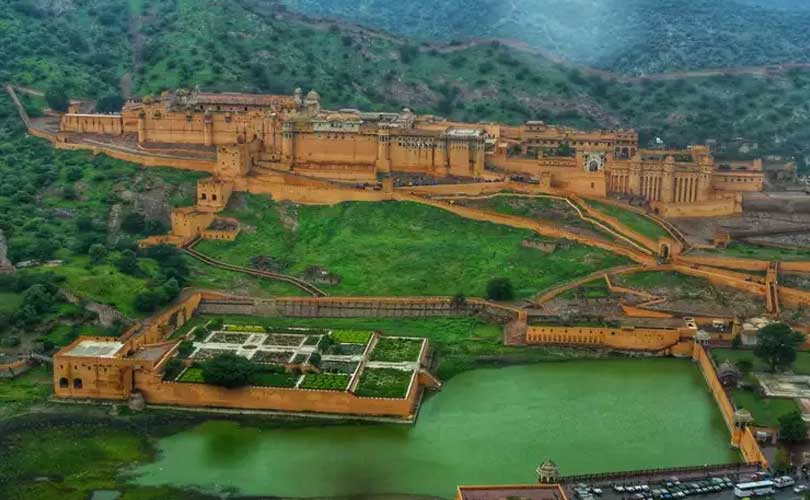
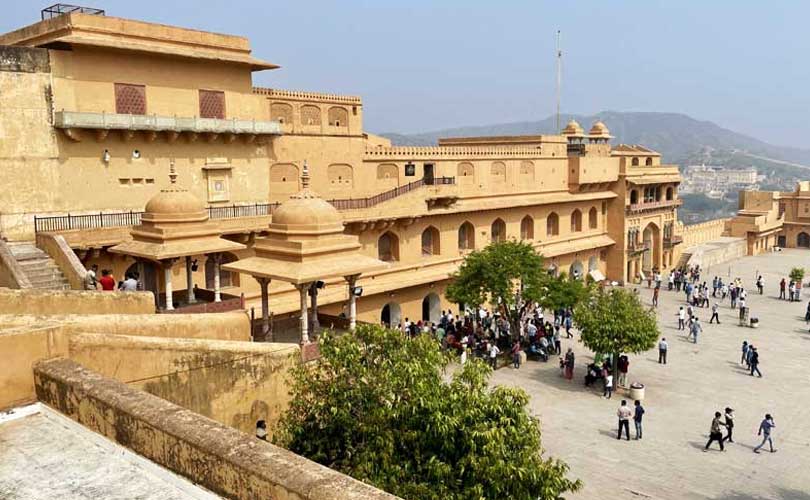
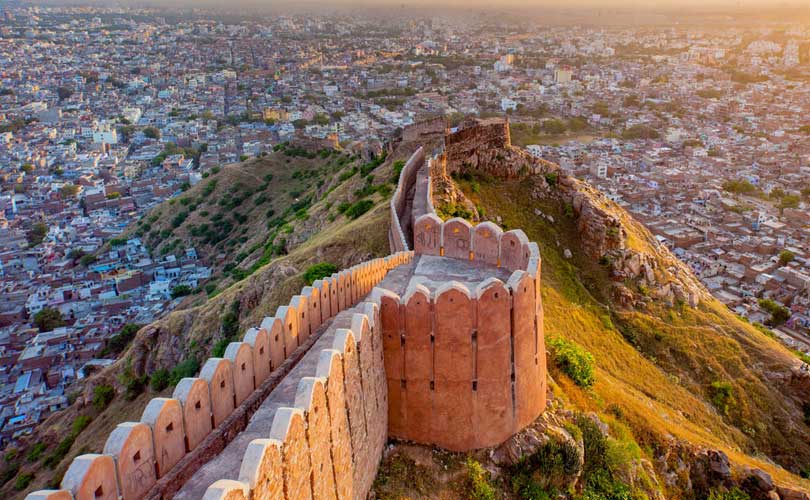
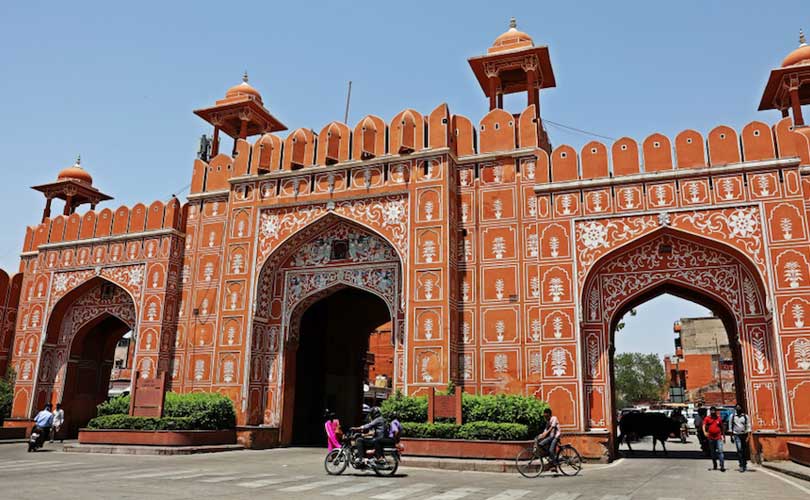
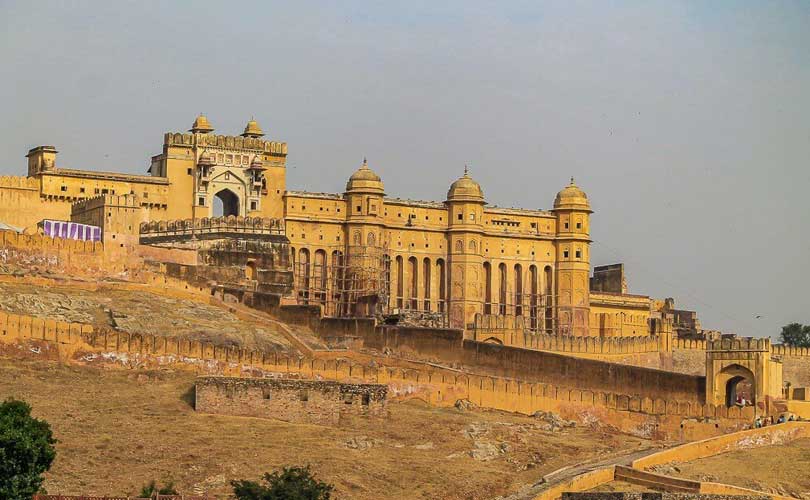
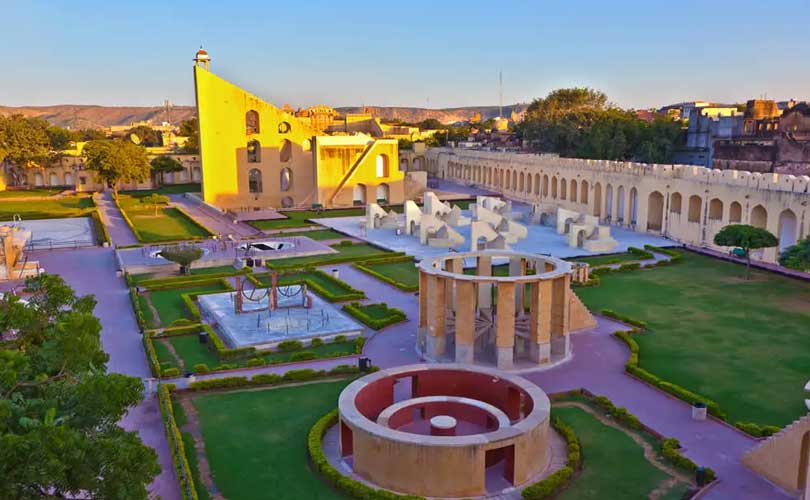
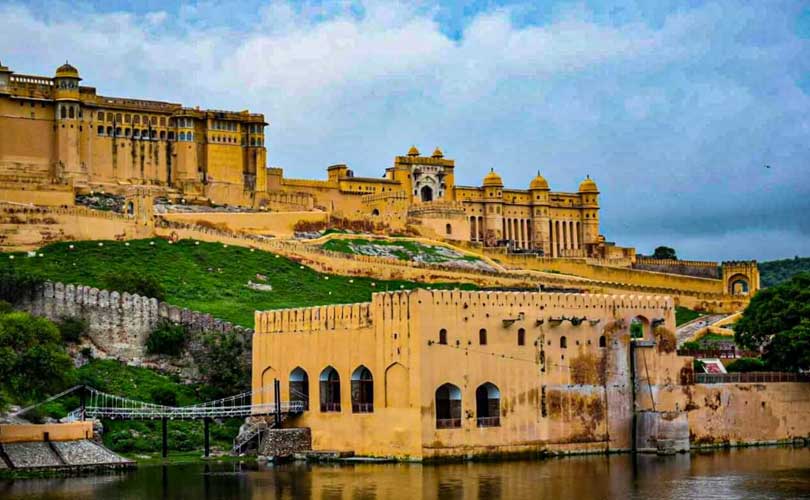
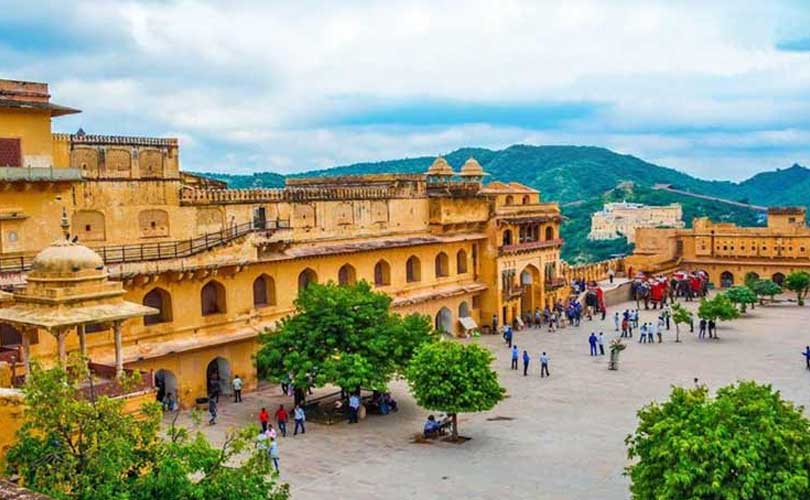
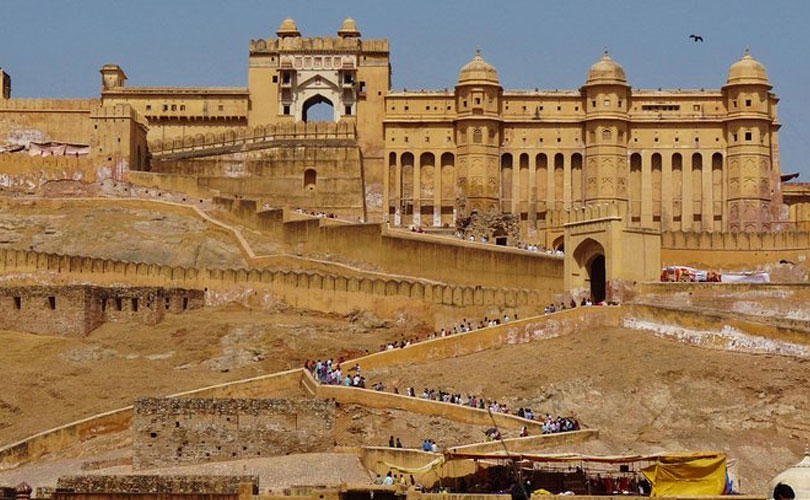
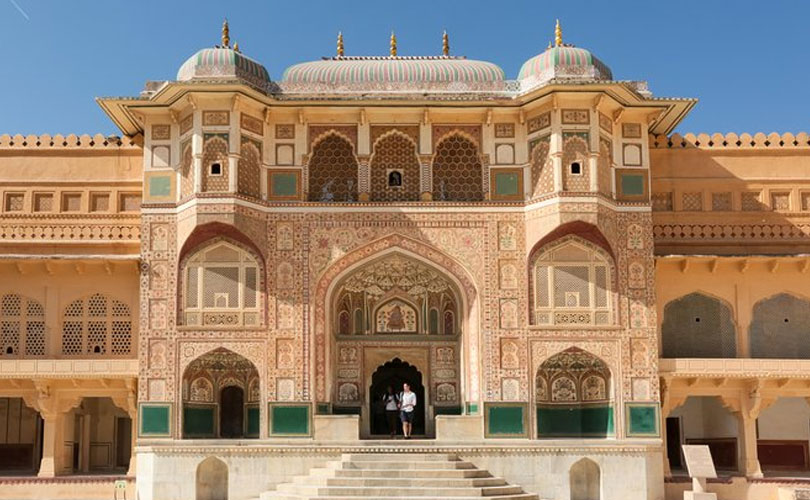
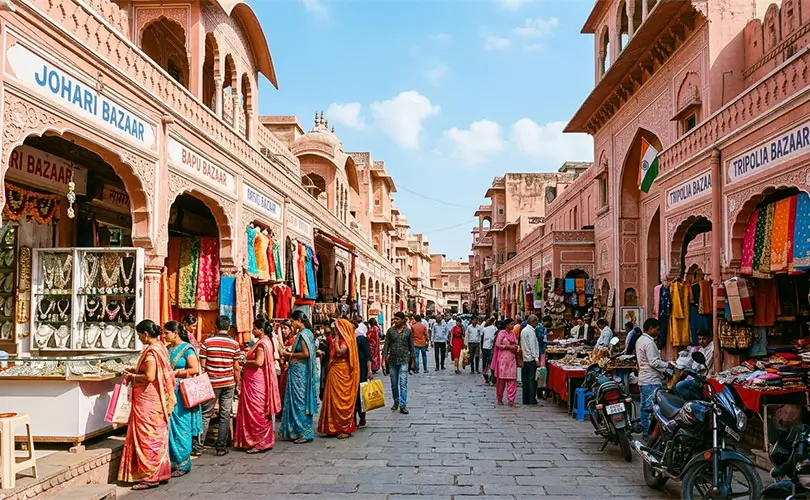
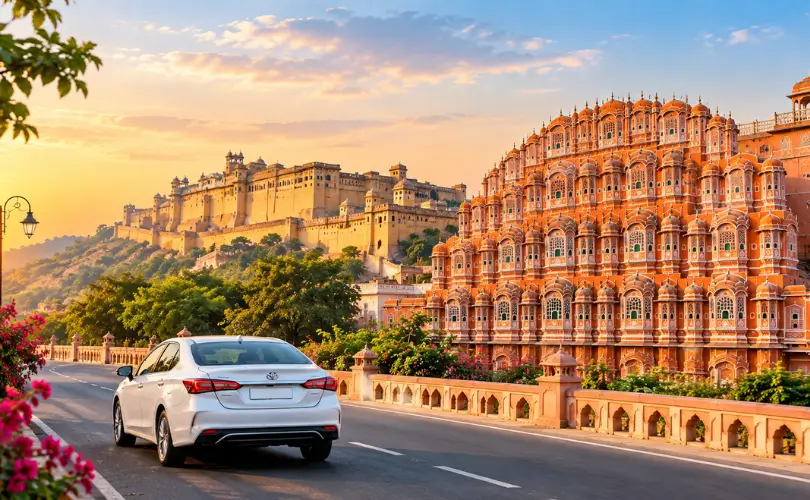
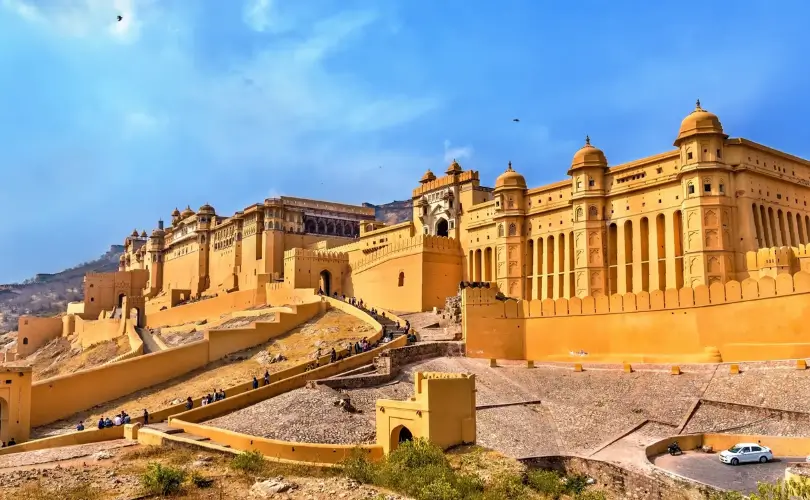
Jaipur introduces Rajasthan without requiring travelers to cross the entire state. Amber Palace, City Palace, Jantar Mantar, bazaars, regional food and the surrounding hills give first-time visitors a strong taste of Rajasthan heritage within a manageable itinerary.
That structure makes the Golden Triangle particularly suitable for travelers who have approximately five to seven days in northern India. A five-day itinerary is possible but relatively fast. Six or seven days allow more comfortable sightseeing and reduce the feeling of constantly checking out of hotels.
Transport is also straightforward. Delhi to Agra is roughly four hours by road under ordinary conditions, Agra to Jaipur commonly takes around five hours, and Jaipur to Delhi may take approximately five to six hours depending on traffic. These are meaningful journeys but are still easier than some of the longer intercity drives required on a full Rajasthan route.
The route also works well for international flights because Delhi is a major gateway. Travelers can arrive and depart through the same city without needing complicated domestic connections.
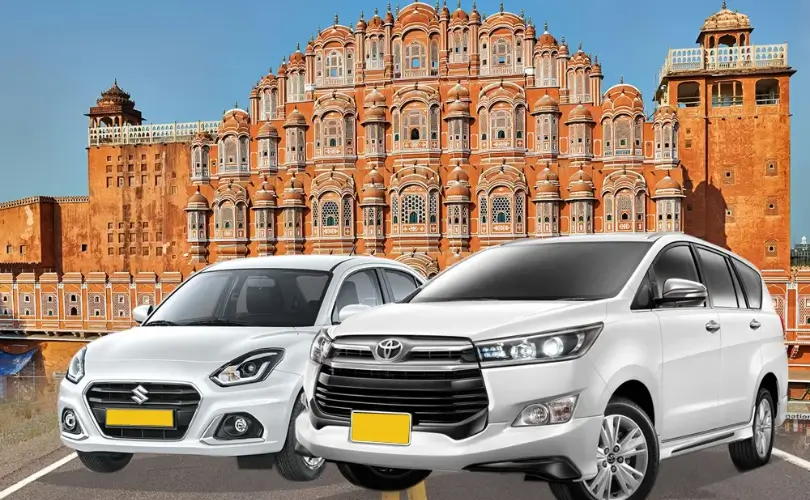
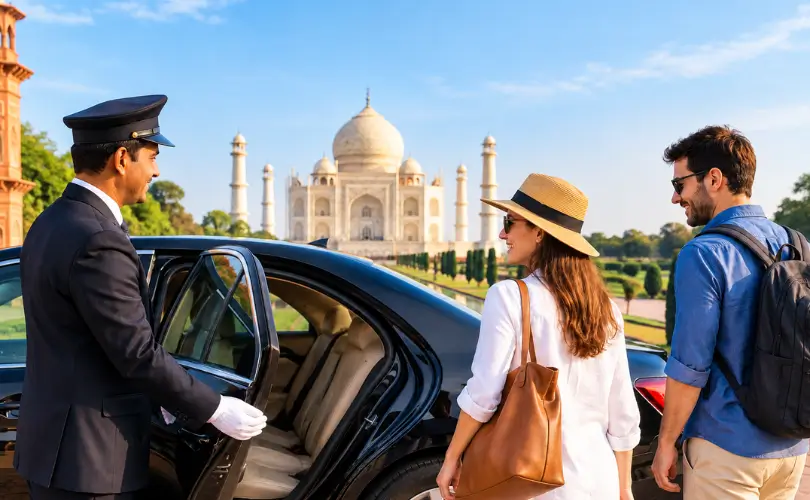
For a first-time visitor nervous about logistics, a private Golden Triangle tour can make the journey even easier because one car and driver can handle airport pickup, intercity transfers and local transportation while qualified guides are arranged in the major cities.
The Golden Triangle is not perfect for every traveler. Someone who dislikes famous tourist sites and wants remote landscapes may find it too mainstream. Someone with three weeks available may also find the route too short unless it is combined with Rajasthan, Varanasi, wildlife or another extension.
Its strength is efficiency. A visitor receives a substantial introduction to northern India without committing to a long regional road journey.
Golden Triangle for a perfectly paced introduction, Rajasthan for deeper royal heritage — or a carefully balanced combination of both. Tell us your travel dates, interests and preferred pace.
A Rajasthan tour is broader, slower and usually more immersive because the traveler spends more time inside one state while moving through cities with different architectural and landscape identities.
Jaipur is often the entry point, but the route can continue toward Jodhpur, Udaipur, Jaisalmer, Bikaner, Pushkar or other destinations depending on the available days. This creates greater variety than a short Golden Triangle trip but also demands more time in a vehicle.
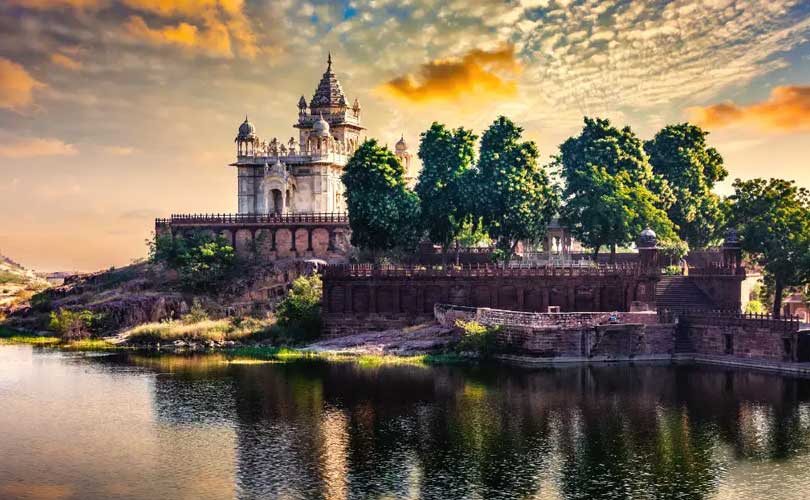
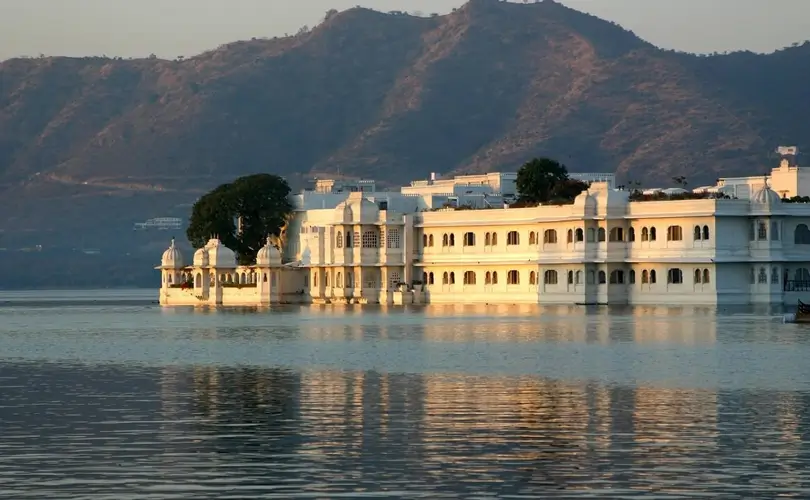
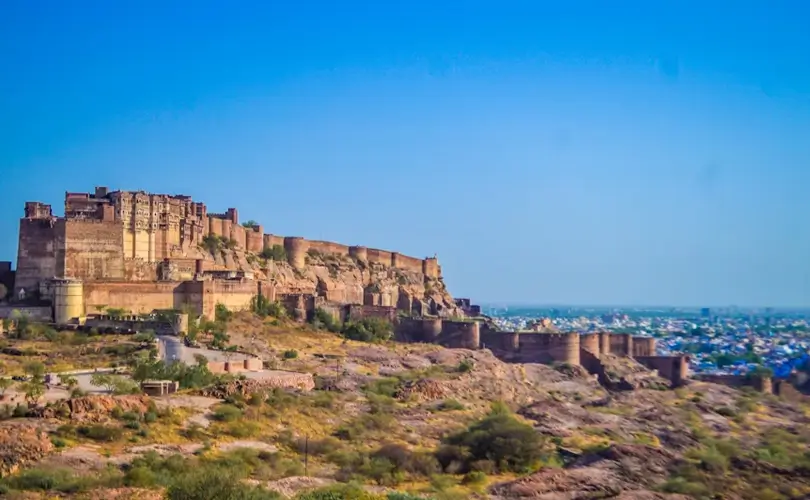
Jodhpur is dominated visually by Mehrangarh Fort and the blue-toned old-city neighborhoods below. Udaipur offers lakes, palaces and a more romantic city atmosphere. Jaisalmer introduces the desert and golden sandstone architecture, while Bikaner provides another historic fort city with fewer international visitors than Jaipur or Udaipur.
A traveler who spends ten to fourteen days in Rajasthan can build a route with enough time to avoid turning every city into a one-night stop. That duration allows two-night stays in important destinations and creates space for heritage hotels, local markets and evening activities.
The distances are the main practical difference.
Jaipur to Jodhpur can require roughly five to six hours by road. Jodhpur to Udaipur may take around five hours or more depending on stops. Jodhpur to Jaisalmer can require approximately five hours, while Jaisalmer to Udaipur is much longer and often better divided or arranged carefully.
These road times mean a Rajasthan road trip has more transfer days than a Golden Triangle itinerary. Travelers who enjoy scenic drives and private-car travel may not mind this at all. Others may find repeated five-hour journeys tiring.
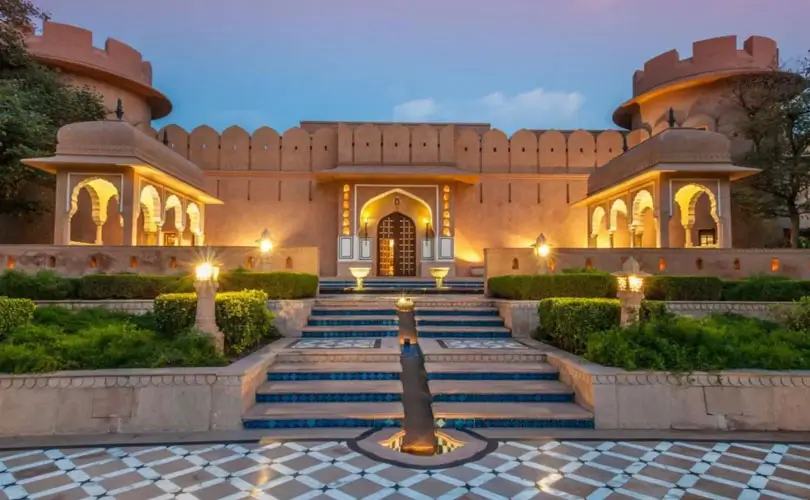
Hotels also become a major part of the Rajasthan experience. Historic havelis, converted palaces and heritage properties can give the trip a character that standard city hotels cannot provide. This can increase the budget but also adds value for travelers who care about atmosphere.
Rajasthan is particularly strong for couples, photographers and travelers who prefer architecture and landscapes over one concentrated list of globally famous monuments. It also works well for repeat visitors to India who have already seen Delhi and the Taj Mahal.
The route can still suit first-time visitors, but only when enough days are available. Trying to cover Jaipur, Jodhpur, Udaipur and Jaisalmer in six days creates more driving than meaningful sightseeing.
A Golden Triangle tour cost is generally easier to control because the route is shorter and requires fewer hotel nights. A comfortable six-day journey for two travelers using good mid-range hotels and private transportation may fall around 55,000 to 90,000 per person, depending on hotel category, guides, meals and entrance tickets.
A premium Golden Triangle journey using stronger four-star or five-star accommodation can move toward 100,000 to 180,000 or more per person, particularly during high-demand periods.
A Rajasthan itinerary normally costs more in total because it lasts longer. A ten-day private route through Jaipur, Jodhpur and Udaipur might require roughly 90,000 to 150,000 per person at a comfortable mid-range level, while a stronger premium itinerary with heritage hotels can easily move beyond 160,000 to 250,000 per person.
A longer twelve- or fourteen-day Rajasthan route including Jaisalmer or additional destinations can increase the total further. These figures are broad working ranges rather than package quotations because hotel prices, vehicle categories and travel dates can change significantly.
Transportation is one reason Rajasthan costs more. A private car operates for more days and covers longer distances. Fuel, driver allowance, tolls, parking and vehicle time all accumulate.
Accommodation also creates a larger total because even moderate nightly rates become substantial over ten or twelve nights.
Suppose a couple pays ₹8,000 per night for accommodation. Five nights on a Golden Triangle route cost around ₹40,000 for the room. Ten nights on a Rajasthan journey cost around ₹80,000 before any change in hotel category.
The same principle applies to guides, meals and sightseeing tickets.
This does not mean Rajasthan offers worse value. It means the traveler is buying a longer and broader experience.
For visitors with a fixed budget of approximately 70,000 per person, the Golden Triangle may allow stronger hotels and private services, while a Rajasthan itinerary of the same quality may require either more money or fewer destinations.
Time should be the first decision rather than the final one.
A Golden Triangle itinerary can work in five days, but six or seven days are generally better. Delhi deserves at least two days for first-time visitors, Agra benefits from one or two nights, and Jaipur deserves two days if major forts, palaces and markets are included.
A practical seven-day structure can include two nights in Delhi, one or two nights in Agra and two nights in Jaipur with a final return to Delhi.
A Rajasthan itinerary needs more patience.
For Jaipur, Jodhpur and Udaipur alone, approximately seven to nine days is a more realistic minimum. Add Jaisalmer and the trip should generally move toward ten to twelve days. Include Bikaner, Pushkar or other destinations and two weeks becomes more comfortable.
The biggest mistake is counting cities instead of experiences.
A route showing Jaipur, Jodhpur, Jaisalmer, Udaipur and Pushkar in seven days may look impressive on paper, but several days will be dominated by checkouts, driving and hotel check-ins.
A better Rajasthan itinerary for first-time visitors uses fewer destinations with two-night stays rather than collecting city names.
Travelers should also account for international arrival and departure fatigue. The first day after a long flight should not automatically include eight hours of sightseeing, while the final day should leave enough margin for reaching the airport.
The Golden Triangle is more forgiving when time is short. Rajasthan rewards travelers who can slow down.
Both routes are architecturally strong, but the visual language is different.
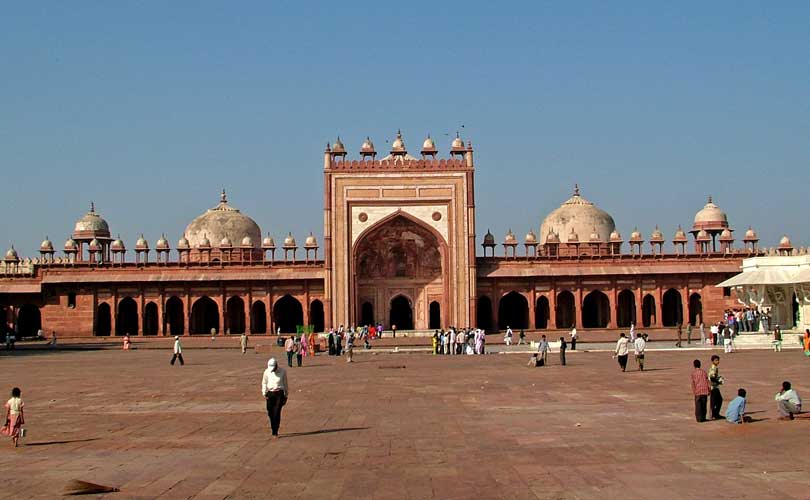
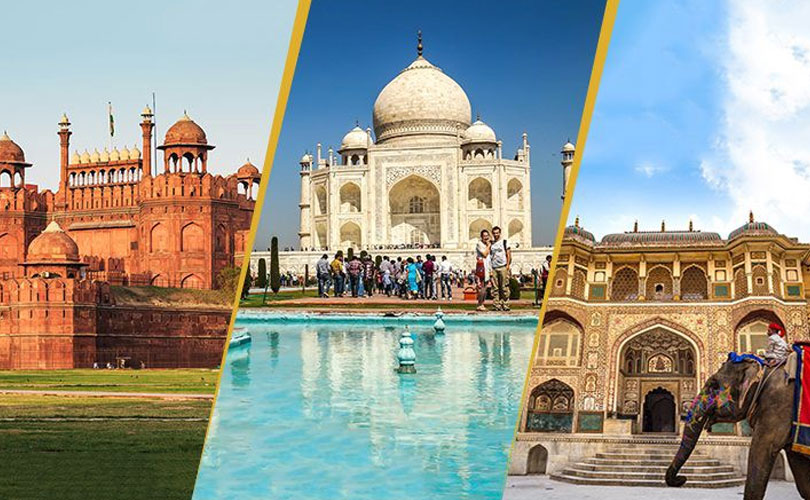
The Golden Triangle combines Mughal, imperial, Islamic, colonial and Rajput architecture within a compact area. Delhi alone contains several centuries of building traditions, Agra provides Mughal masterpieces and Jaipur introduces fort and palace architecture.
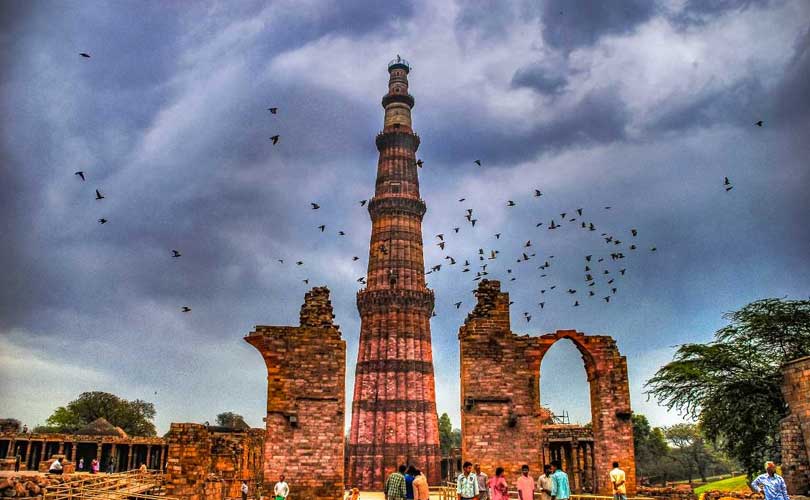
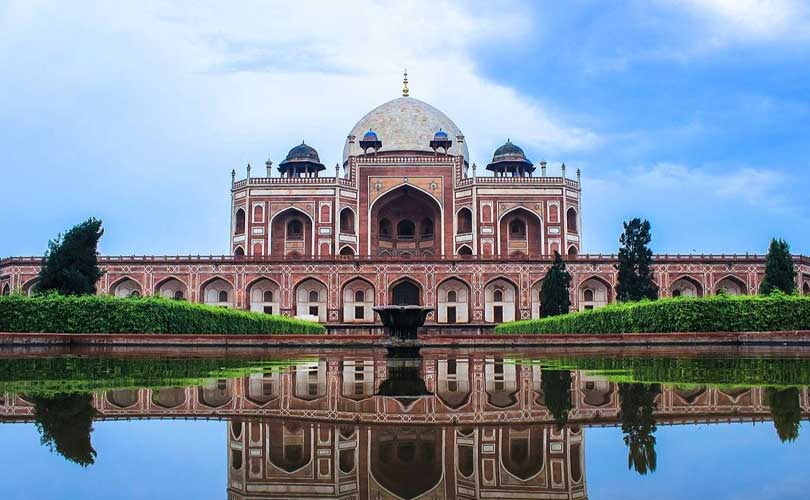
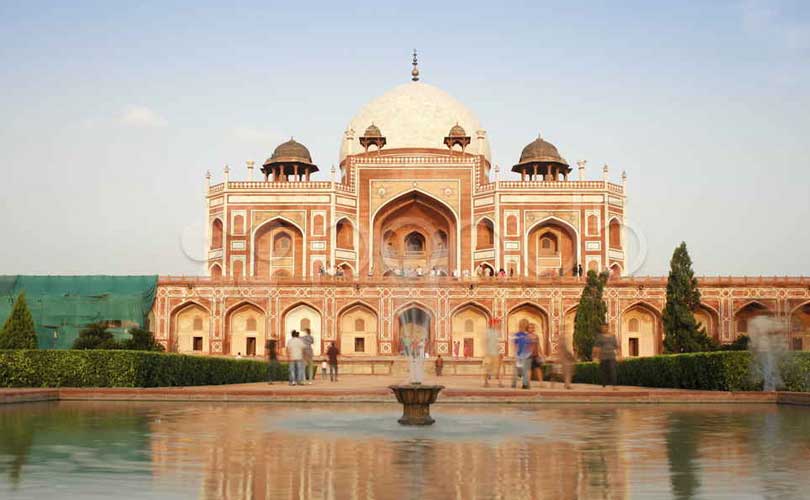
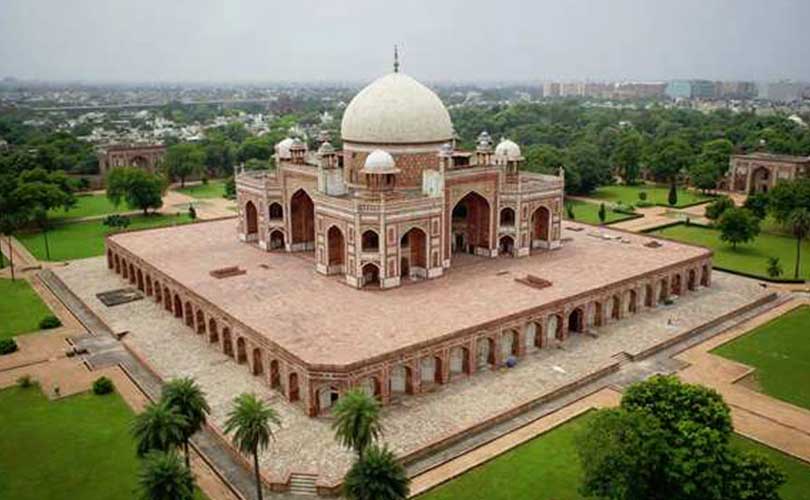
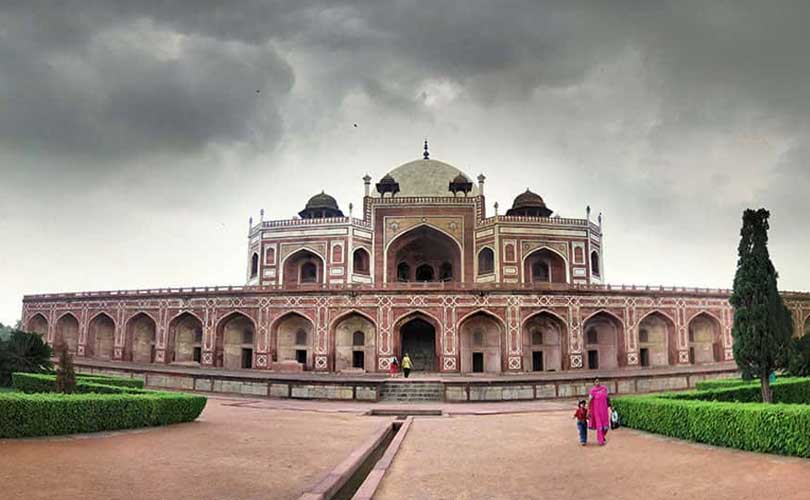
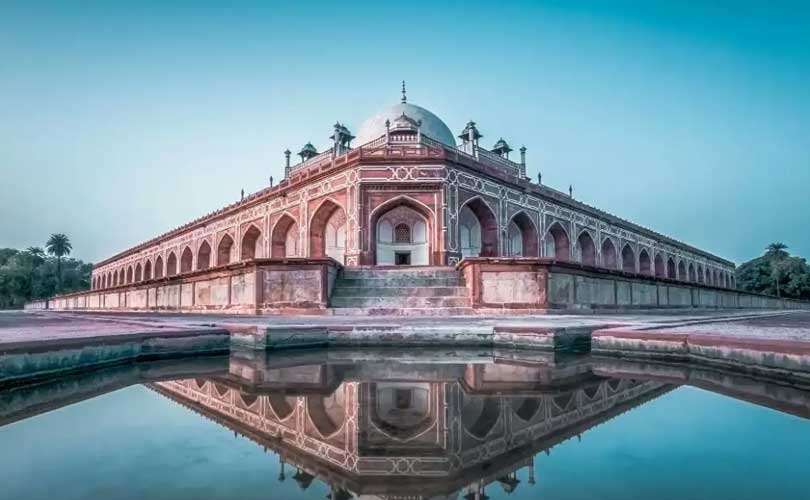
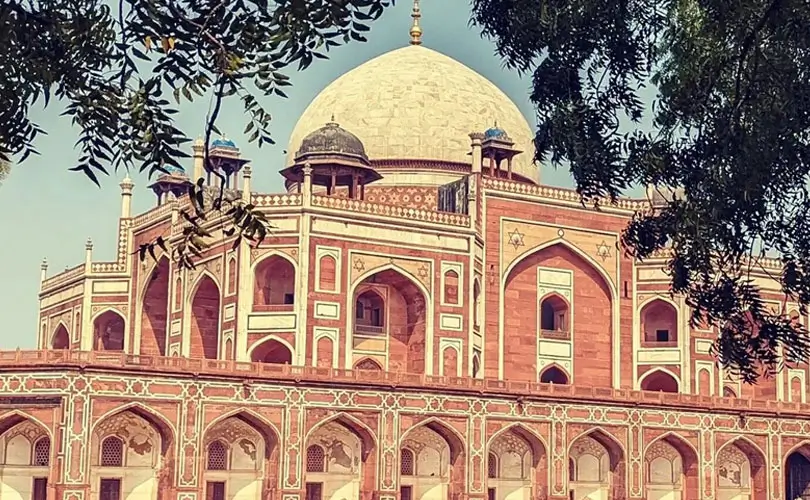
The Taj Mahal gives the Golden Triangle one monument of unmatched global recognition, while Agra Fort, Humayun's Tomb, Qutub Minar and Amber Palace provide additional architectural depth.
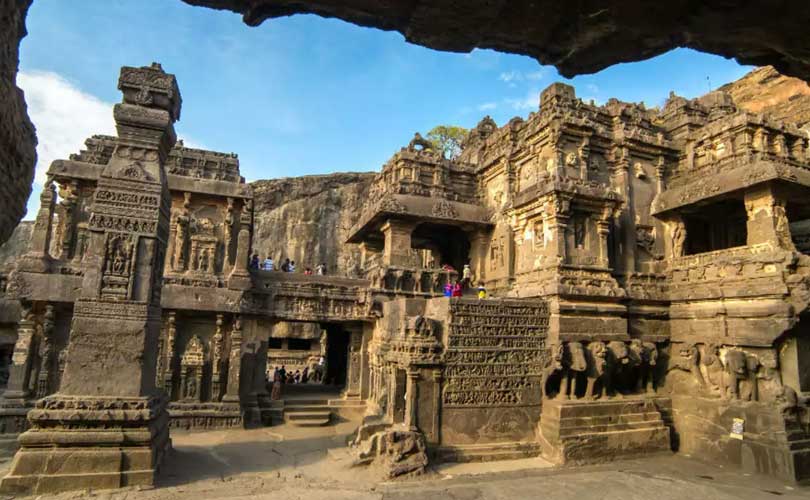
Rajasthan offers greater continuity in forts, palaces and royal architecture. Mehrangarh in Jodhpur, City Palace in Udaipur, Jaisalmer Fort and smaller heritage properties create a more sustained regional theme.
Travelers who want variety may prefer the Golden Triangle. Travelers fascinated specifically by forts, palaces, havelis and royal cities may prefer Rajasthan.
Photography also changes accordingly. The Golden Triangle offers famous symmetrical monuments and major UNESCO-style heritage compositions, while Rajasthan provides hilltop fort panoramas, lake reflections, desert light and historic streets.
Neither route lacks architecture. The difference is whether the traveler wants contrast or depth within one regional style.
Have five days or fourteen? Prefer iconic landmarks or grand forts, heritage hotels and desert landscapes? We create private journeys around your available time.
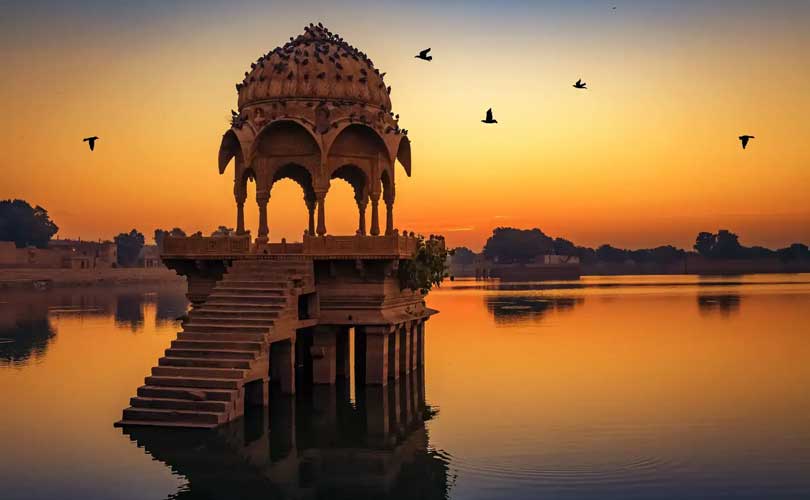
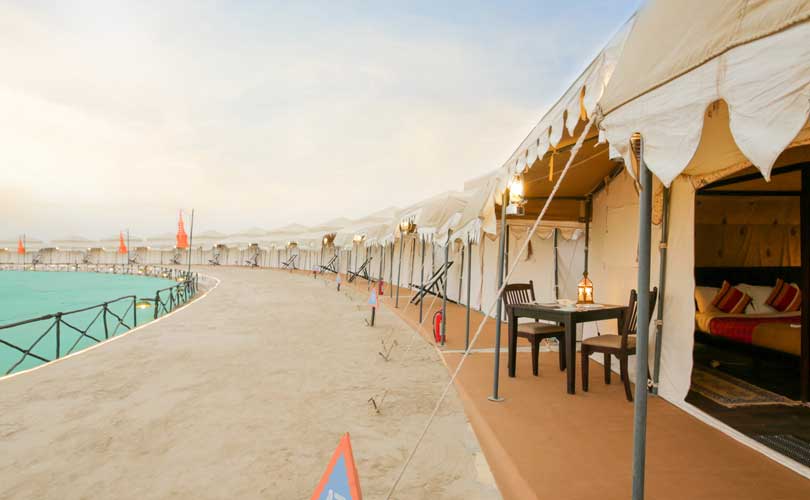
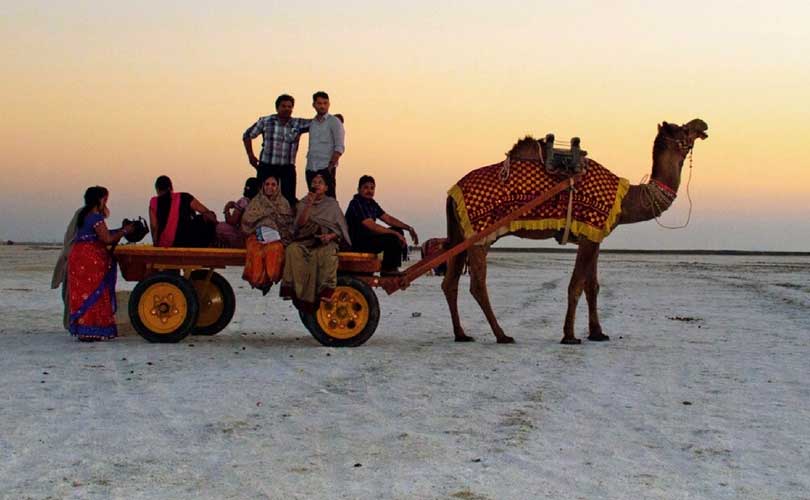
Couples deciding between a Golden Triangle tour and Rajasthan tour should think about the atmosphere they want rather than simply counting attractions. The Golden Triangle is efficient and varied, but Rajasthan generally provides more opportunities for slower evenings, heritage accommodation, lake views, rooftop dining and longer stays in visually distinctive cities. Udaipur in particular can suit couples who want a quieter and more romantic section of the journey after several days of sightseeing, while Jaisalmer can add desert landscapes and overnight experiences outside the major cities.
A Golden Triangle journey can still work extremely well for couples, especially when it is arranged privately. A private Golden Triangle tour for couples allows the itinerary to include an early Taj Mahal visit, carefully selected restaurants, heritage accommodation in Jaipur and enough private vehicle time to avoid the fixed pace of a group departure. A six- or seven-day route is also easier for couples who have limited annual leave or are combining India with another destination.
Rajasthan becomes stronger when accommodation itself is part of the holiday. A converted haveli in Jodhpur, a lake-facing property in Udaipur or a high-quality heritage hotel can create an experience that extends beyond sightseeing hours. Couples should budget accordingly because the most atmospheric rooms, particularly those with strong views or historic interiors, can cost considerably more than standard rooms.
For honeymoon travel, a rushed itinerary should be avoided regardless of route. Changing hotels every night creates unnecessary packing and road time. A couple with only six days will usually get more value from a luxury Golden Triangle tour than from attempting to cross several Rajasthan cities. A couple with ten to fourteen days can consider Rajasthan more seriously because the route can include two- and three-night stays.
The strongest compromise for travelers who cannot decide is to combine the Golden Triangle with one additional Rajasthan destination. Delhi, Agra and Jaipur can be followed by Udaipur using a suitable flight or another transport arrangement. This preserves the Taj Mahal and Delhi while adding a more relaxed Rajasthan finish.
Families need to judge the routes through practical issues such as road time, hotel changes, meal timing and the age of the children. A Golden Triangle family tour is usually easier for a first visit because the distances are manageable and the trip can be completed without spending ten or twelve days on the road.
Delhi provides enough variety to keep different age groups interested, Agra delivers the instantly recognizable Taj Mahal, and Jaipur adds forts, palaces and colorful markets. A private vehicle allows families to stop for meals and rest when required.
Rajasthan can be excellent for older children and teenagers who enjoy forts, desert landscapes and heritage hotels, but the route should be kept realistic. Five- or six-hour drives may be manageable occasionally, but repeating them every second day can become tiring for younger children.
Jaisalmer requires particular thought because it sits much farther west than Jaipur, Jodhpur and Udaipur. Adding it simply because a family wants to see the desert can increase road time substantially. If the children are very young, Jaipur, Jodhpur and Udaipur may provide a more comfortable Rajasthan family itinerary than trying to include every famous city.
Vehicle size also matters. Two adults and two children with several suitcases may technically fit inside a sedan, but comfort can deteriorate quickly on long journeys. An SUV or larger vehicle may justify the additional cost, particularly on a Rajasthan road trip.
Families should also choose hotels with swimming pools, larger rooms or family-room configurations when possible. A child may appreciate an afternoon at the hotel more than another palace after several days of intensive sightseeing.
For most first-time families with less than eight days, the Golden Triangle is the safer choice. Rajasthan becomes more attractive when ten or more days are available and the family genuinely enjoys road travel.
Senior travelers can enjoy either route, but pace becomes more important than the number of destinations. Both the Golden Triangle and Rajasthan involve historic monuments with steps, uneven surfaces, large courtyards and significant walking.
A Golden Triangle tour for seniors has the advantage of shorter overall duration and relatively straightforward transfers. Delhi to Agra and Agra to Jaipur can be completed in manageable road journeys, and the itinerary can be slowed by spending two nights in each major city.
Private transportation is particularly valuable because the vehicle can remain available for rest periods and direct hotel returns. Senior travelers should request a vehicle that is easy to enter and exit rather than automatically choosing the largest SUV.
Rajasthan can still be excellent for seniors when the itinerary is deliberately spacious. A route containing Jaipur, Jodhpur and Udaipur with two or three nights in each city can be comfortable. The problem begins when Jaisalmer, Bikaner, Pushkar and several smaller stops are added without increasing the number of days.
Hotel accessibility should be checked carefully. Historic havelis and palace properties can be beautiful but may contain steep stairs, multiple levels and limited elevator access. A modern hotel with reliable lifts may be a better choice for a traveler with mobility limitations even if it lacks historic atmosphere.
The same principle applies to forts. Amber Palace, Mehrangarh and other major sites can require substantial walking. A knowledgeable private guide can adjust the visit and focus on the most important accessible areas rather than forcing the traveler through every section.
For seniors who value comfort and want a first introduction to India, a private Golden Triangle itinerary of seven or eight days is often the easier starting point. Rajasthan can follow on another trip or be added when enough time is available to keep daily road distances moderate.
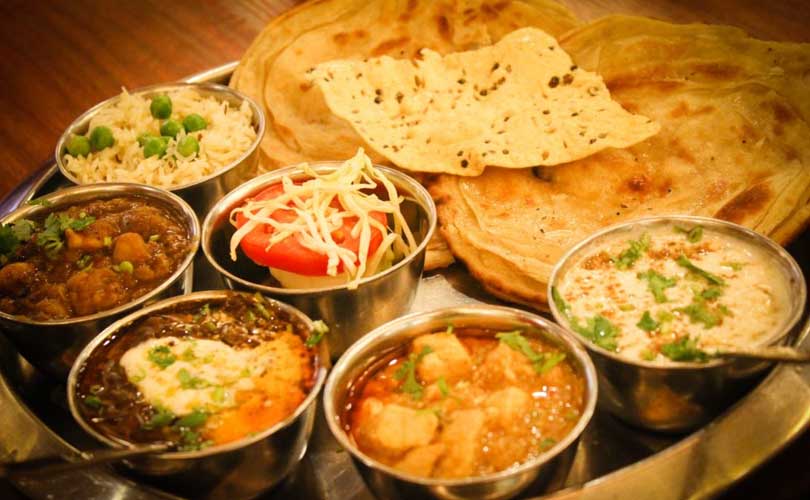
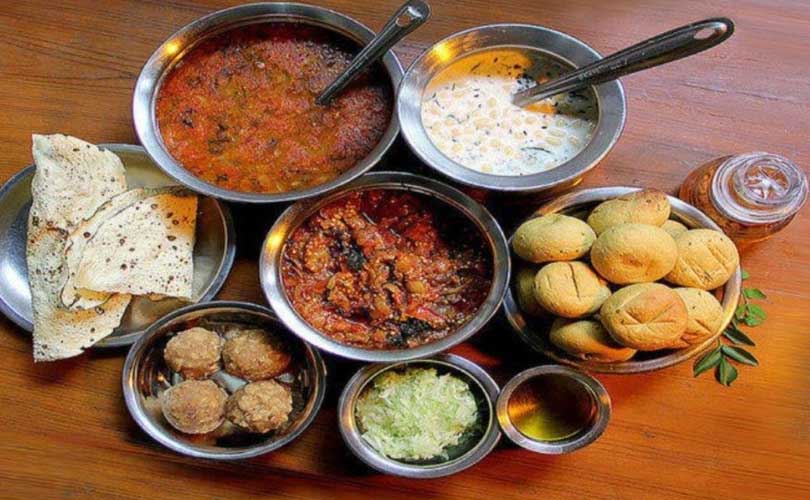
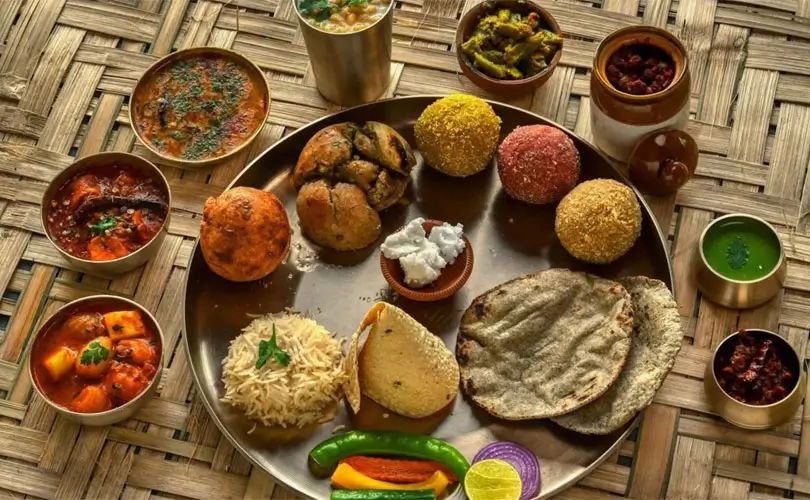
The Golden Triangle provides more culinary variety because Delhi, Agra and Jaipur belong to different food environments. Delhi offers Old Delhi specialties, North Indian restaurant dining and an enormous modern restaurant scene. Agra is associated with Mughlai influences, local snacks and petha, while Jaipur introduces Rajasthani dishes such as dal bati churma, gatte ki sabzi and ker sangri.
Rajasthan provides greater depth within regional food. Moving through Jaipur, Jodhpur, Udaipur and Jaisalmer gives travelers opportunities to taste local variations, breads, vegetarian preparations, snacks, sweets and meat dishes where appropriate.
Travelers interested in Rajasthani food may therefore prefer the longer state itinerary, while visitors wanting a broader introduction to northern Indian food may find the Golden Triangle more varied.
Food budgets can remain flexible on both routes. A simple meal can cost approximately 300 to 700 per person, while a comfortable mid-range restaurant may require around 800 to 1,500 per person. Premium hotel dining can move beyond 2,000 to 4,000 per person, particularly once beverages, taxes and service charges are included.
Rajasthan's heritage hotels can provide memorable dining environments, but travelers should not assume that the most expensive hotel always serves the strongest regional food. Smaller established restaurants may provide a more convincing local meal at a fraction of the price.
International visitors should balance culinary curiosity with sensible hygiene. Busy restaurants, freshly prepared hot food and reliable drinking water remain more important than chasing every famous street-food stall.
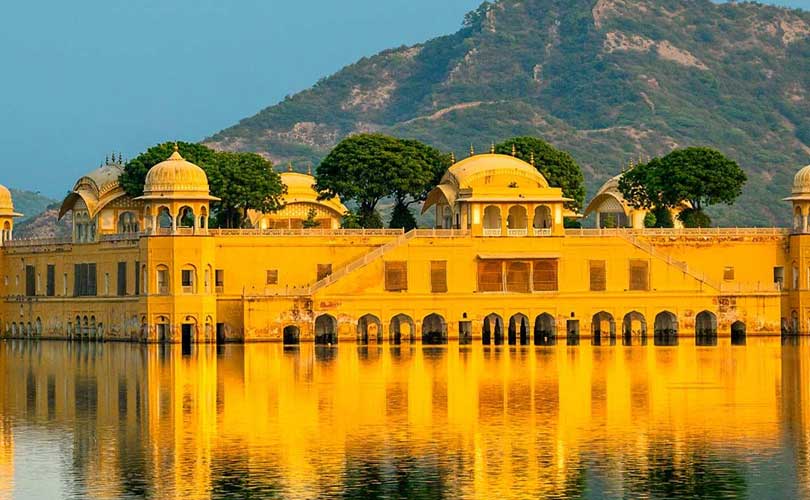
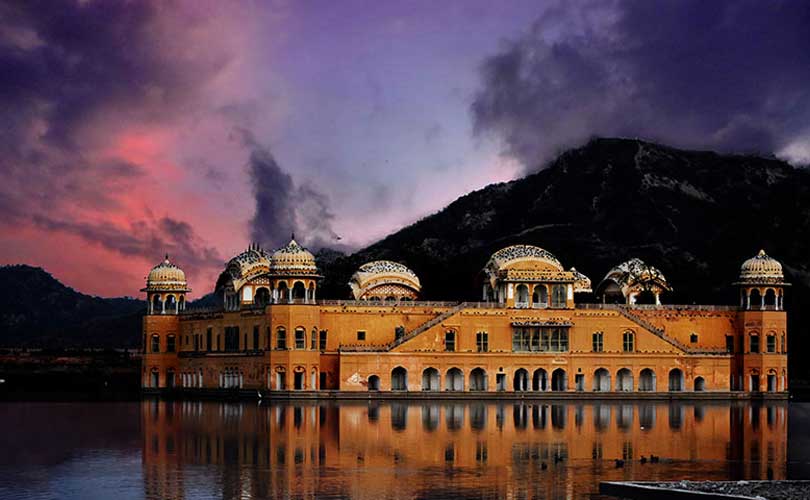
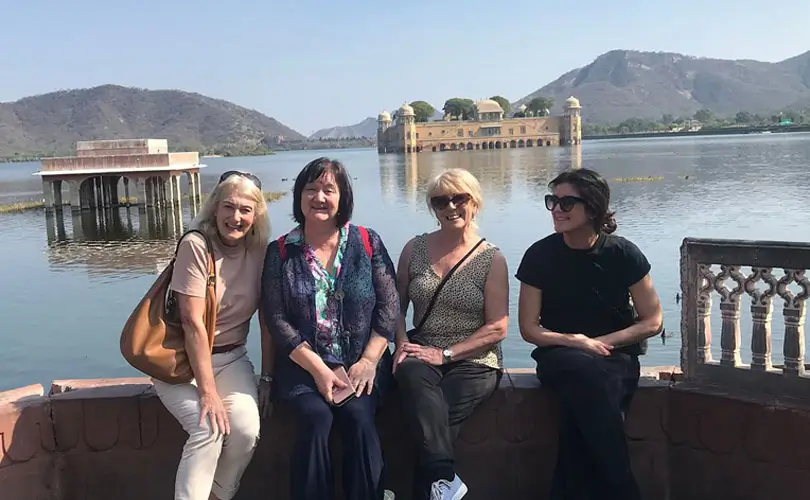
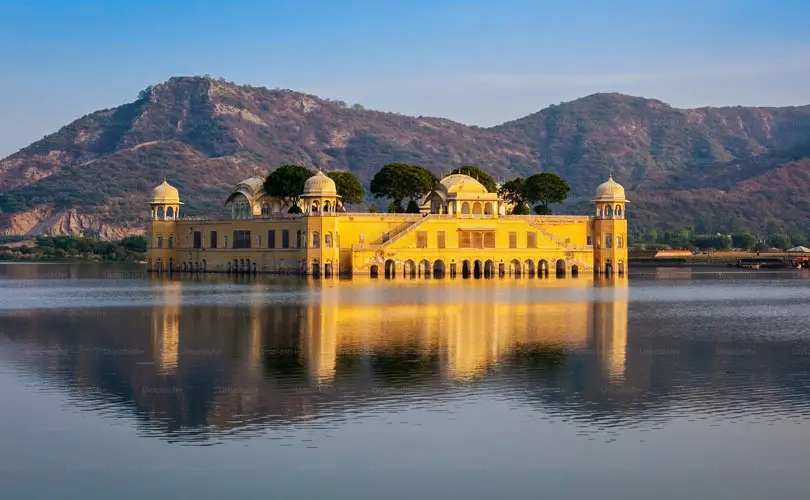
Photographers face a difficult choice because both routes are exceptionally strong. The Golden Triangle photography route contains several instantly recognizable subjects: the Taj Mahal, Humayun's Tomb, Qutub Minar, Agra Fort, Amber Palace, Jal Mahal and Jaipur's historic streets.
The route also provides architectural variety within a short distance. White marble in Agra, red sandstone in Delhi and hilltop forts around Jaipur create very different visual conditions.
Rajasthan provides a broader landscape. Jodhpur offers elevated city views from Mehrangarh, Udaipur provides lakes and palace reflections, while Jaisalmer introduces golden sandstone and desert environments. Smaller streets and markets can also provide strong documentary photography.
For a photographer with six days, the Golden Triangle is more efficient because high-value locations are concentrated geographically. For someone with twelve days, Rajasthan offers more varied landscapes and enough time to work with morning and evening light in multiple cities.
The most important factor is not the number of locations but the number of sunrises and sunsets available in each place. A photographer staying three nights in Udaipur may return with stronger work than someone who spends one night each in three additional cities.
A private photography tour in India should therefore use fewer destinations and longer stays. Drivers and guides should also understand that photographers may want to arrive before normal sightseeing crowds and remain at one location longer than ordinary tour groups.
Yes, and for travelers with sufficient time this can be the strongest option. Jaipur is both part of the Golden Triangle and the capital of Rajasthan, making it a natural bridge between the two routes.
A combined itinerary can begin with Delhi – Agra – Jaipur and then continue deeper into Rajasthan toward Jodhpur and Udaipur. Travelers with more time can add Jaisalmer or another destination.
Approximately ten days can support Delhi, Agra, Jaipur, Jodhpur and Udaipur, but the schedule will still be active. Twelve to fourteen days creates a more comfortable route and allows two-night stays in several cities.
Jaisalmer generally requires additional time because of its western location. Adding it to a ten-day itinerary containing Delhi, Agra, Jaipur, Jodhpur and Udaipur can create too much road travel.
A practical combined journey might use a private car for Delhi, Agra, Jaipur and Jodhpur, then continue toward Udaipur. Domestic flights can be considered where they genuinely reduce an inconvenient final transfer.
The total Golden Triangle Rajasthan tour cost will naturally be higher than either a short Golden Triangle trip or a limited Rajasthan route. For a comfortable private journey lasting twelve to fourteen days, travelers should be prepared for approximately ₹140,000 to ₹230,000 per person depending on hotels and inclusions. Premium heritage properties and luxury vehicles can push the price well above ₹250,000 per person.
The benefit is that the traveler does not need to choose between the Taj Mahal and deeper Rajasthan. The trip begins with India's most recognizable northern route and gradually becomes more regional.
For a traveler making a first trip to India with approximately five to eight days, the Golden Triangle tour is usually the more practical starting point. It provides Delhi, the Taj Mahal and Jaipur without demanding excessive road time or a long holiday.
The route also helps visitors learn how they respond to travel in India. Some people immediately want more markets, road journeys and historic cities. Others discover that they prefer slower travel and more hotel time. A shorter first route allows those preferences to emerge without committing to two weeks of constant movement.
Travelers with ten to fourteen days have a more interesting decision. If forts, heritage hotels, desert landscapes and regional culture are the strongest priorities, Rajasthan can justify becoming the main trip. If the Taj Mahal and Delhi remain essential, a combined Golden Triangle and Rajasthan itinerary is stronger than sacrificing them.
Repeat visitors who have already seen Delhi, Agra and Jaipur can confidently dedicate an entire trip to Rajasthan and move beyond Jaipur into Jodhpur, Udaipur, Jaisalmer, Bundi or other cities.
The decision should therefore begin with available days and desired pace. The Golden Triangle delivers greater concentration. Rajasthan delivers greater regional depth.
For most travelers with five to eight days, the Golden Triangle is easier because Delhi, Agra and Jaipur provide major historical attractions within a relatively compact route. Rajasthan becomes stronger when the traveler has enough time for longer distances and multiple two-night stays.
A Golden Triangle trip can be completed in approximately five days, but six to seven days provide a more comfortable experience. Delhi and Jaipur deserve substantial sightseeing time, while Agra benefits from at least one overnight stay.
Approximately ten to fourteen days is a strong duration for a multi-city Rajasthan trip. A shorter seven- to nine-day itinerary can work when limited to destinations such as Jaipur, Jodhpur and Udaipur rather than attempting to include the entire state.
The total cost is generally higher because a Rajasthan tour normally lasts longer and covers greater road distances. A comfortable Golden Triangle journey may cost around ₹55,000-₹90,000 per person, while a longer Rajasthan itinerary can easily reach ₹90,000-₹150,000 or more per person before moving into premium travel.
Yes. The easiest method is to create a Golden Triangle and Rajasthan combination, beginning with Delhi and Agra before entering Rajasthan through Jaipur. This avoids treating Agra as an inconvenient separate excursion later.
Jaipur, Jodhpur and Udaipur create a strong first Rajasthan route because they provide forts, palaces, markets, lakes and different city environments. Jaisalmer can be added when enough time is available for the longer western journey.
Rajasthan can provide a more romantic atmosphere through heritage hotels, Udaipur's lake setting and slower multi-night stays. Couples with limited time can still have an excellent private Golden Triangle honeymoon tour by selecting premium hotels and avoiding an overloaded schedule.
Yes. The shorter road distances and recognizable attractions make a Golden Triangle family holiday practical for many families. Private transportation is particularly useful because meal stops, rest periods and sightseeing times can be adjusted around children.
Yes. A route including Delhi, Agra, Jaipur, Jodhpur and Udaipur works well with approximately twelve to fourteen days. Jaisalmer and additional Rajasthan destinations should be added only when enough extra days are available.
Travelers visiting India for the first time and having less than eight days should generally begin with the Golden Triangle. Those with ten to fourteen days who care most about forts, palaces, heritage hotels and regional landscapes can choose Rajasthan, while travelers wanting both experiences should use Jaipur as the link between a Golden Triangle route and a longer Rajasthan journey.