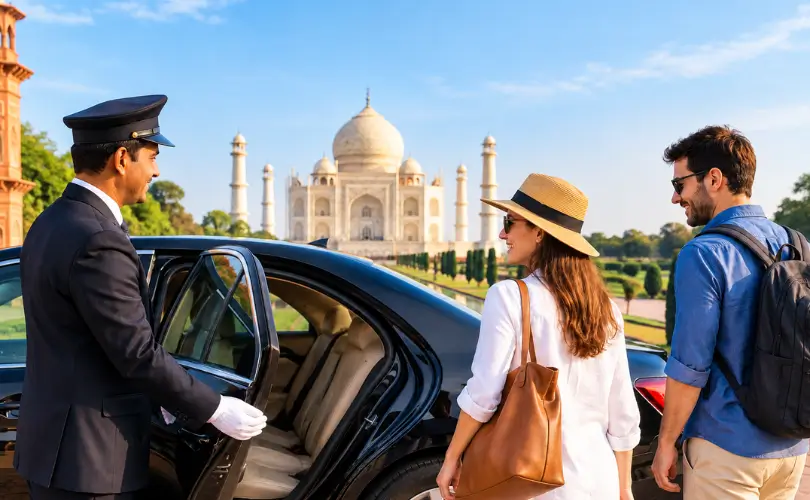
A chauffeur-driven journey is one of the most practical ways for international travelers to move between major destinations in North India. Instead of arranging a new taxi for every airport transfer, hotel departure, sightseeing day, and intercity journey, travelers can have a dedicated vehicle and professional driver assigned to the agreed route. On a Delhi, Agra, and Jaipur journey, this can mean being collected at Delhi Airport, using the vehicle for city sightseeing, driving directly to Agra, continuing toward Jaipur, and returning to Delhi without repeatedly changing transportation.
An India tour with chauffeur is different from hiring an ordinary point-to-point taxi. A properly arranged multi-day service is built around an itinerary rather than a single ride. The driver needs to know the hotel locations, intercity route, sightseeing schedule, approximate departure times, parking arrangements, and final drop point. The vehicle must also be suitable for the number of passengers and the amount of luggage being carried for several days.
For international visitors, the convenience becomes particularly noticeable on road sectors such as Delhi to Agra and Agra to Jaipur. Guests do not have to carry large suitcases through railway stations, arrange separate station transfers, or find transportation after arriving in a new city. They leave one hotel and are driven directly to the next. Stops for meals, washrooms, or short breaks can be made along the route when appropriate.
A private chauffeur service in India should not, however, be confused with a fully escorted tour. The chauffeur is responsible primarily for driving and road logistics. Professional monument guiding, hotel accommodation, attraction tickets, meals, domestic flights, and specialist activities are separate unless the quotation specifically includes them.
This distinction matters when comparing prices. One operator may quote only the vehicle and chauffeur, while another may provide a complete private package containing hotels, local guides, airport transfers, and sightseeing. A lower headline price is not necessarily better value if tolls, parking, driver allowance, or other operating expenses are added later.
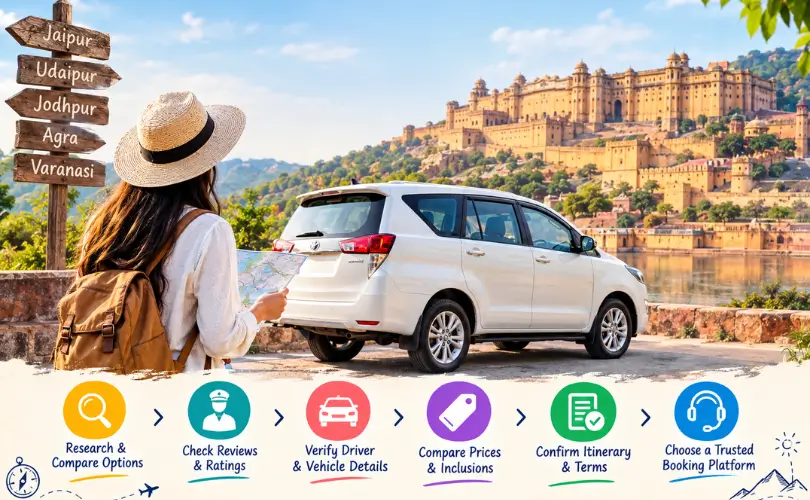
For a traveler considering private road transportation, the important questions are straightforward: which vehicle will be supplied, how many hours and kilometres are included, which road expenses are covered, whether the same chauffeur remains throughout the journey, and what happens if the itinerary changes.
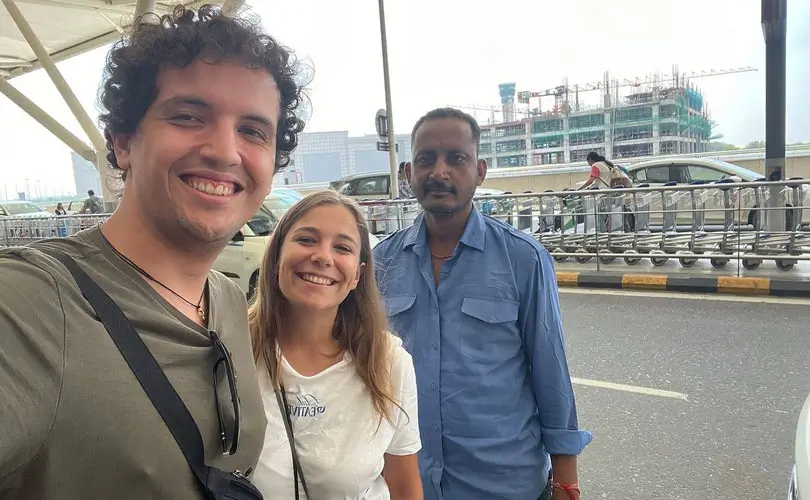
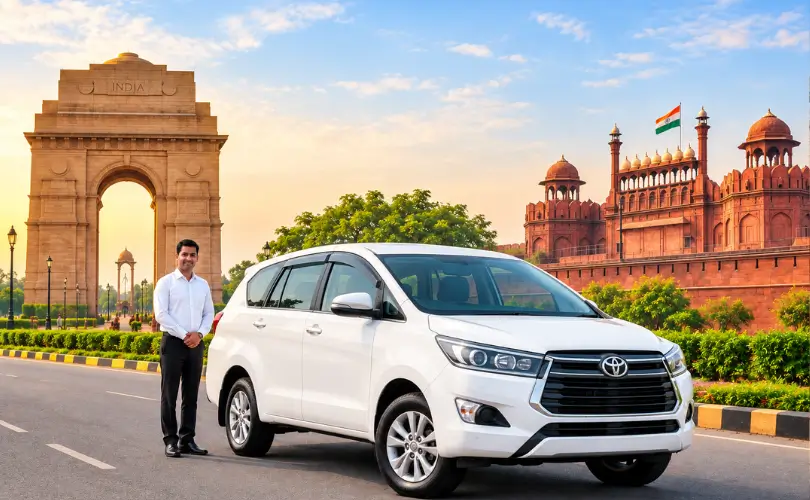
The main responsibility of a private chauffeur in India is to provide dedicated transportation according to the confirmed itinerary. This starts before the first sightseeing visit. If the service begins at Delhi Airport, the chauffeur or local representative should have the flight details and agreed meeting procedure. After immigration, baggage collection, and customs formalities, the traveler meets the arranged transport and is driven directly to the hotel.
During city sightseeing, the chauffeur collects guests from their hotel at the agreed time and drives them between attractions. At many monuments, vehicles cannot remain immediately beside the visitor entrance, so the chauffeur drops guests at the permitted access area and moves to an appropriate parking or waiting location. After sightseeing, the traveler or guide coordinates the pickup for the next destination.
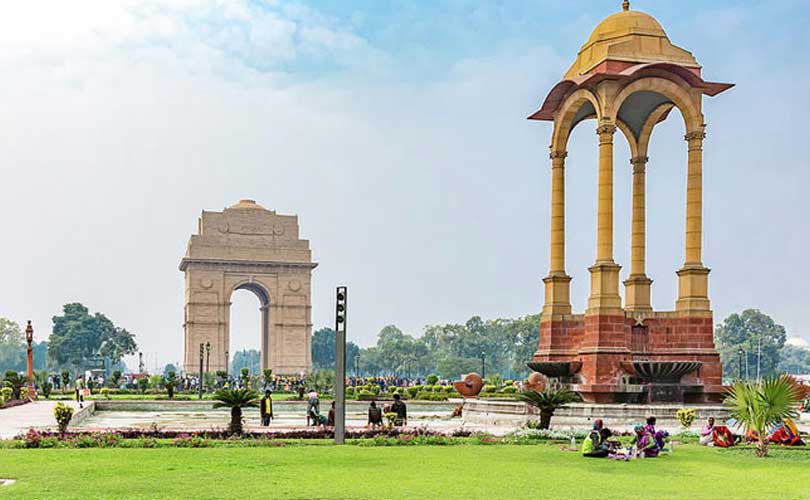
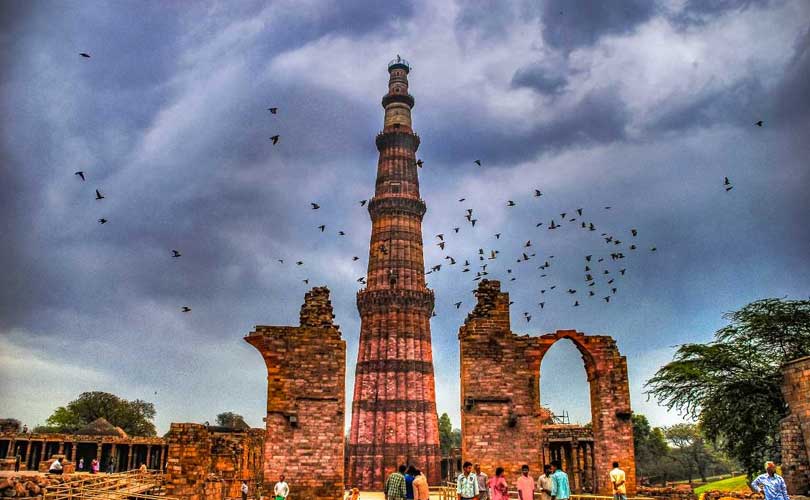
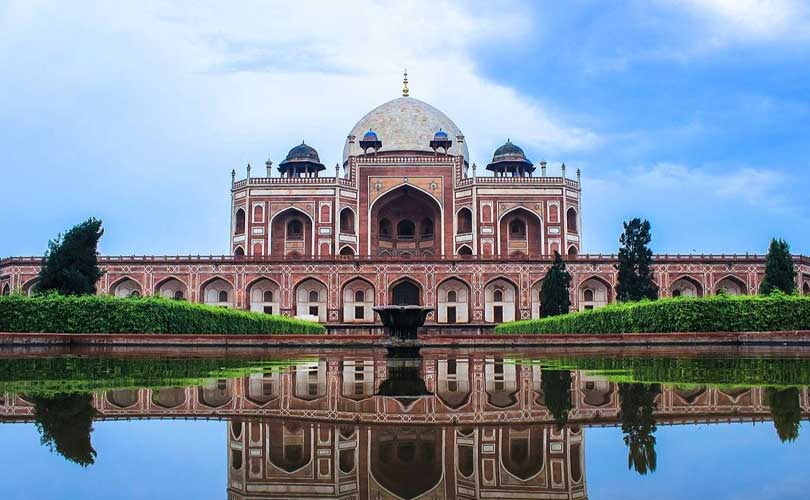
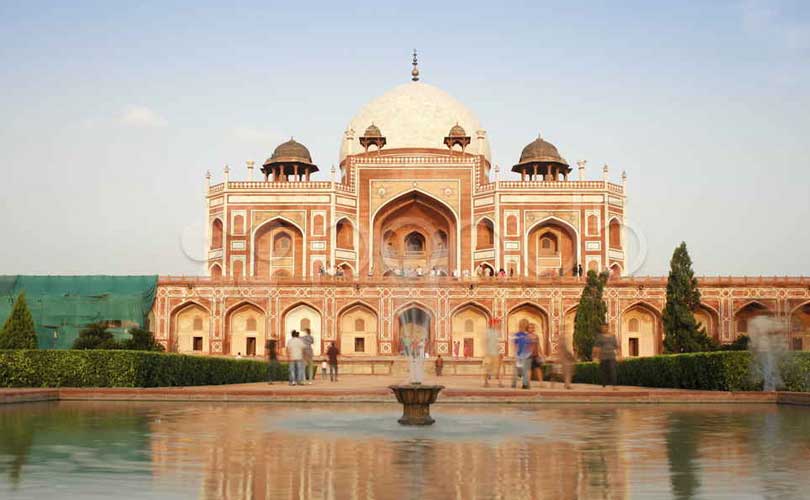
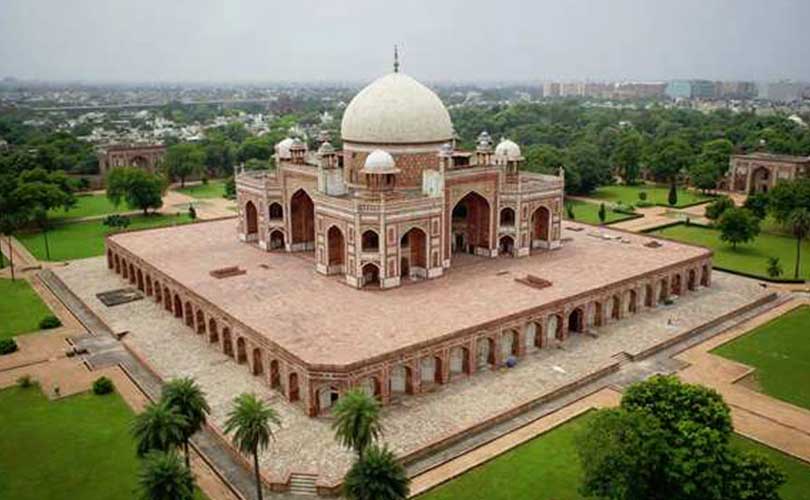
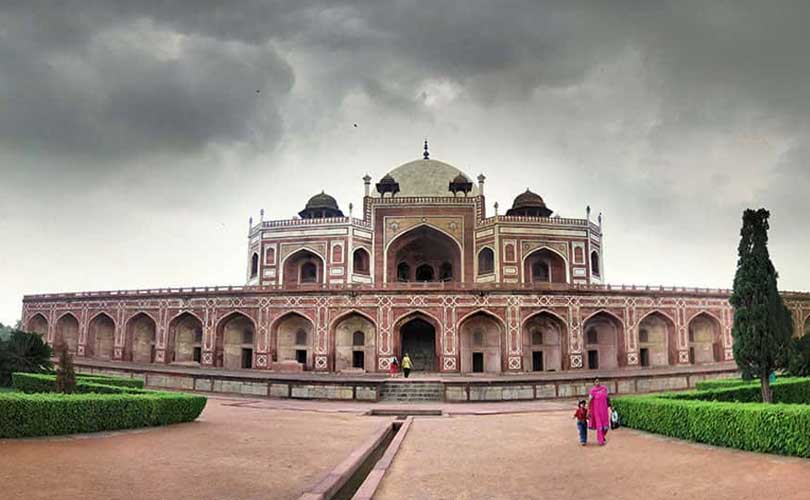
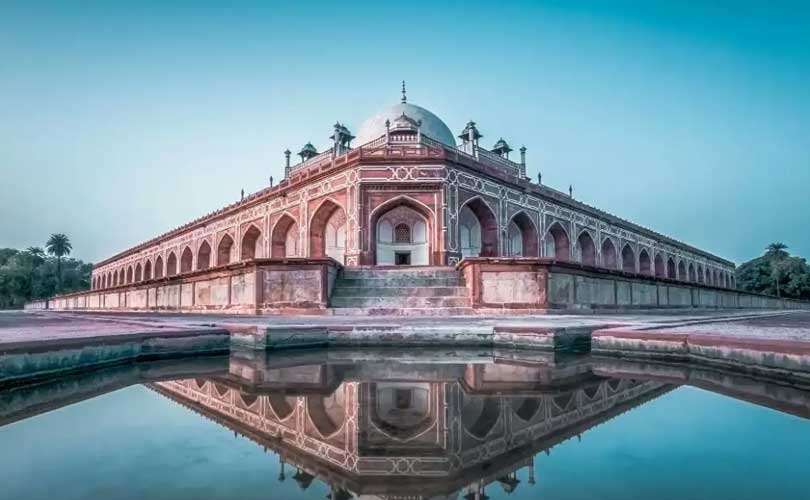
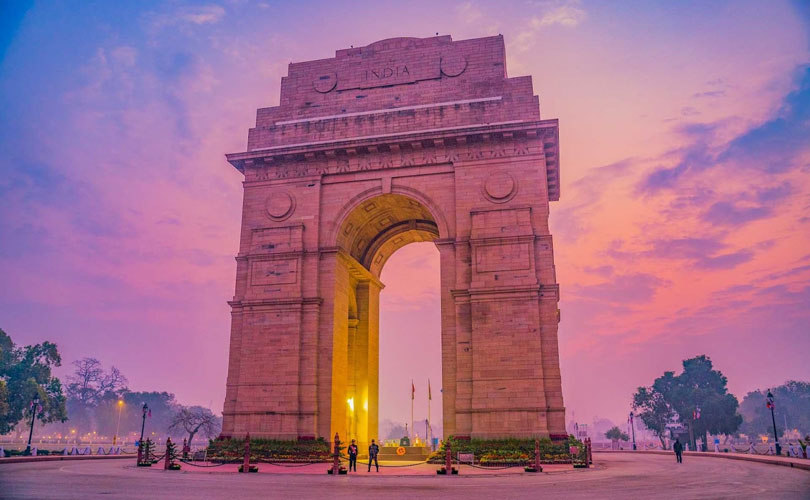
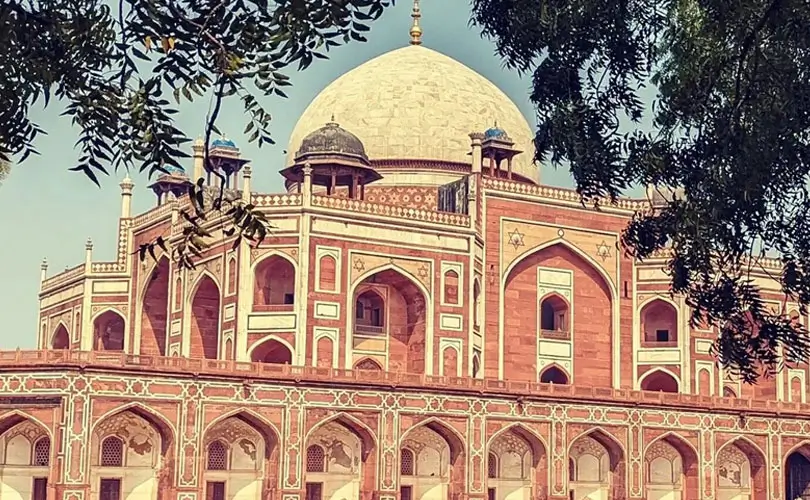
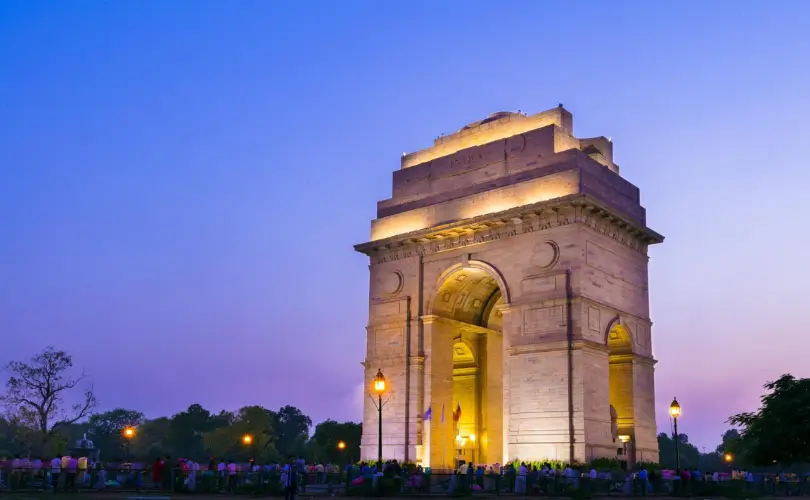
In Delhi, this can involve considerable driving. Old Delhi, Humayun's Tomb, Qutub Minar, India Gate, government districts, temples, markets, and other attractions are spread across a large metropolitan area. Traffic conditions can change significantly throughout the day, and a chauffeur familiar with tourism routes can adjust the sequence where practical.
The same vehicle becomes even more useful on intercity sectors. Delhi to Agra is approximately 220 to 230 kilometres from central areas, and the journey commonly takes around three to four hours under reasonable conditions using the Yamuna Expressway. The chauffeur collects travelers from the Delhi hotel and takes them directly to their Agra accommodation or first sightseeing stop.
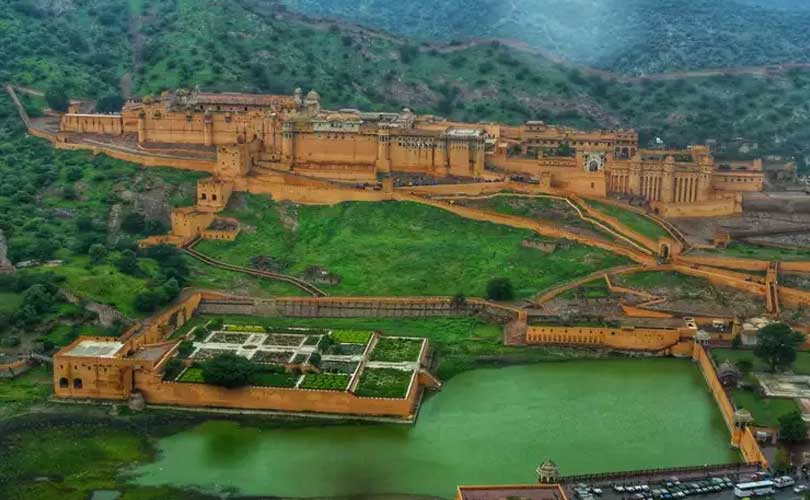
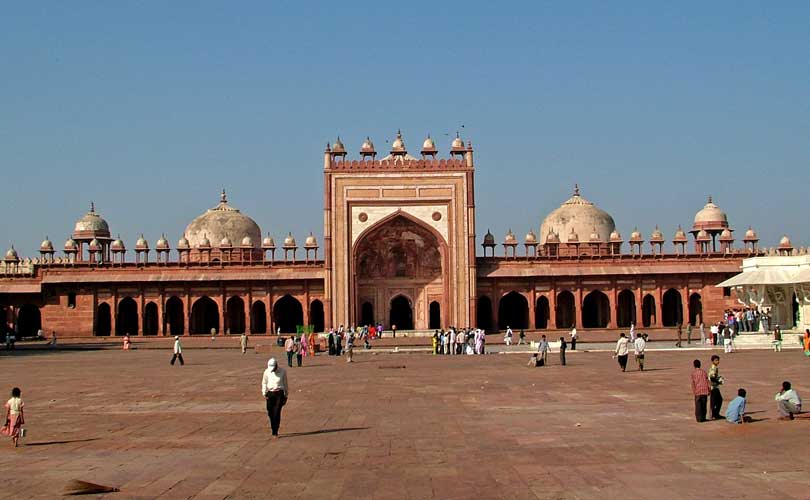
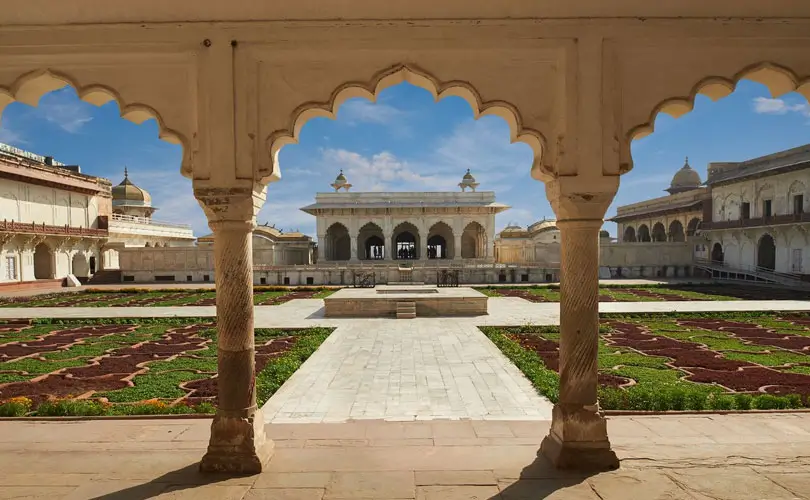
Agra to Jaipur is roughly 240 kilometres, but this journey is often treated as a sightseeing transfer rather than a simple drive. Travelers can stop at Fatehpur Sikri, and those with sufficient time may also include Chand Baori at Abhaneri. With sightseeing, lunch, road breaks, and local traffic, the complete transfer can require approximately eight to ten hours.
Jaipur to Delhi is around 270 to 300 kilometres, depending on the exact locations, and travelers should normally allow approximately five to six hours or more. Traffic entering Delhi can substantially increase the journey.
The chauffeur also handles the vehicle's operational requirements. Fuel stops, toll payments where included, parking, vehicle cleanliness, and road routing should not become daily logistical tasks for the traveler.
Luggage assistance is another practical part of the service. A professional driver normally helps load and unload suitcases, although guests should keep passports, cash, cards, medication, phones, cameras, and other valuables in their personal possession.
The chauffeur may suggest suitable highway rest stops or restaurants based on experience. Travelers remain free to choose whether they want to use those recommendations.
The private chauffeur cost in India depends heavily on the vehicle category, total route, number of days, kilometres, duty hours, airport requirements, and whether tolls and other road expenses are included.
For a multi-day Golden Triangle journey, a private sedan can broadly cost around ₹20,000 to ₹30,000 for approximately five days. This can be suitable for one or two travelers with moderate luggage.
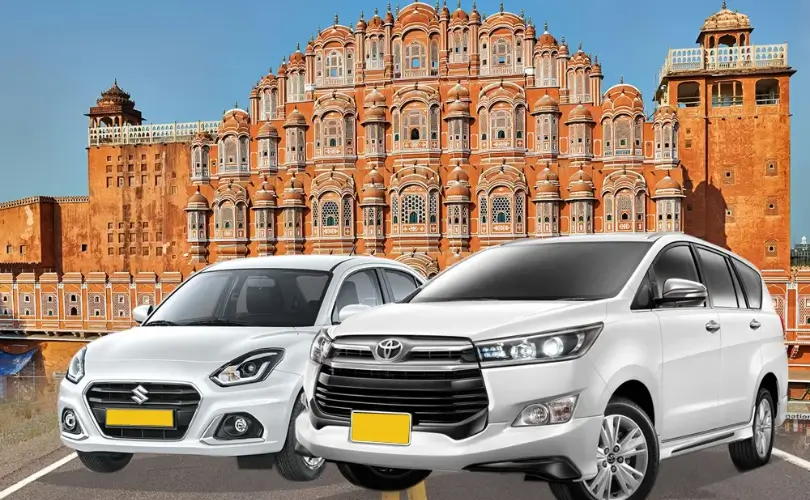
An Innova-type vehicle can broadly cost around ₹30,000 to ₹45,000 for a similar multi-day arrangement. It provides additional passenger and luggage space and is often selected by families or three to four adults.
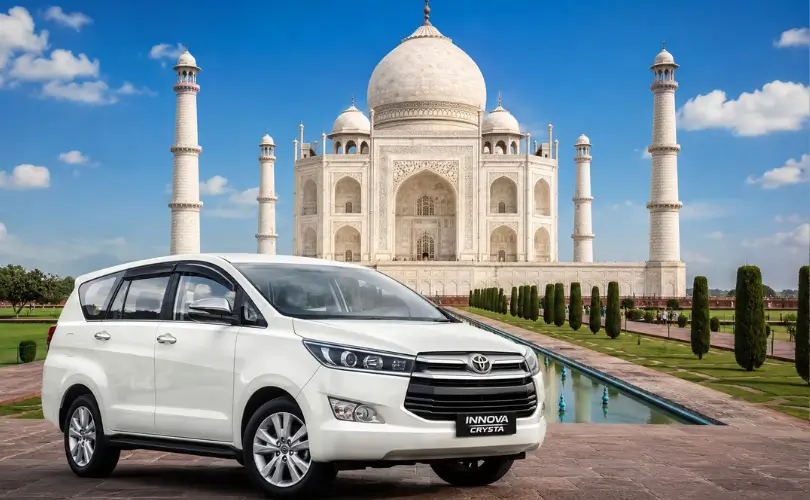
An Innova Crysta with chauffeur can broadly cost around ₹35,000 to ₹50,000 or more for approximately five days, depending on the exact itinerary and inclusions. Travelers sometimes select the Crysta even when there are only two passengers because they prefer additional cabin space during long intercity drives.
These amounts are budgeting ranges rather than guaranteed tariffs. A route beginning and ending in Delhi may be priced differently from a journey beginning in Delhi and finishing in Udaipur, Jodhpur, Chandigarh, or another distant city. Vehicle operators may also calculate chargeable kilometres according to the vehicle's garage-to-garage movement rather than only the kilometres traveled while guests are inside.
For local sightseeing, a sedan with chauffeur can broadly cost around ₹3,000 to ₹5,500 per day, depending on city, hours, and mileage. An Innova can cost approximately ₹4,500 to ₹7,000, while an Innova Crysta can reach approximately ₹5,500 to ₹8,500 or more.
Airport transfers are usually priced separately when not part of a multi-day package. The rate depends on the airport, hotel location, vehicle, parking, waiting requirements, and time of service.
Travelers should be cautious when a quotation appears dramatically cheaper than comparable offers. The difference may be explained by a smaller vehicle, limited mileage, fewer duty hours, excluded tolls, or charges that will be collected separately.
A useful quotation shows the total transportation price and explains what that figure covers.
A vehicle quotation can appear inexpensive until road-related expenses are added. Travelers booking a chauffeur-driven India tour should therefore ask about fuel, tolls, parking, interstate operating costs, driver allowance, and applicable taxes before making a payment.
Fuel is normally a major part of the vehicle price. A quotation described as an all-inclusive chauffeur service should state whether fuel is included for the agreed itinerary. Travelers should not discover midway through a Delhi–Agra drive that they are expected to pay for every fuel stop unless that arrangement was clearly stated beforehand.
Highway tolls are another important expense. Routes such as Delhi to Agra use major expressways, and toll charges accumulate across a multi-city circuit. Some companies include tolls in the package, while others bill them separately.
Parking fees arise at airports, monuments, hotels, and other visitor areas. Individual amounts may be relatively small compared with the complete tour price, but repeated parking charges can add up.
Interstate or commercial vehicle operating charges can also apply according to the route and vehicle arrangement. Travelers do not need to understand every administrative detail, but they do need to know whether these charges are already incorporated into the quotation.
Driver allowance should be clarified. A chauffeur working a multi-day route incurs expenses while away from the vehicle's home base. Reputable tour quotations commonly account for the driver's allowance and overnight arrangements within the commercial rate, but booking structures vary.
The traveler should not unexpectedly be asked to pay for the chauffeur's hotel room every evening if the original quotation was presented as an inclusive multi-day service.
If these costs are excluded, the approximate amount or method of calculation should be provided before travel.
The same applies to applicable taxes. A price displayed before taxes can be misleading when the traveler is comparing it with another operator's final amount.
The most useful question is not “What is your daily car rate?” It is: “What is my total private car and chauffeur cost for this complete itinerary, and what remains payable locally?”
A private vehicle does not always mean unlimited kilometres and unlimited driver hours. Most commercial chauffeur arrangements operate within defined conditions, particularly for local sightseeing.
A city car package may include a fixed combination such as eight hours and a certain number of kilometres. The exact structure varies by operator and vehicle. If the traveler exceeds either limit, additional kilometres or overtime can be charged.
Multi-day tours can be calculated differently. The operator may quote a minimum daily kilometre commitment or calculate the entire route according to the expected distance. The vehicle's chargeable mileage can sometimes begin and end at its operating base rather than the guest's hotel.
Travelers should ask how the mileage works before comparing two quotations.
For example, suppose one company quotes ₹4,000 for a Delhi sightseeing sedan and another quotes ₹4,800. The first price may include eight hours with limited mileage and exclude parking, while the second may cover a broader service with more inclusions. The lower number cannot be judged properly until the conditions are compared.
Driver duty hours matter for safety as well as pricing.
A chauffeur who starts at 5:00 a.m. for an airport transfer should not automatically be expected to remain on duty until midnight simply because the traveler wants to add dinner after a complete sightseeing day. Very long schedules need to be managed sensibly.
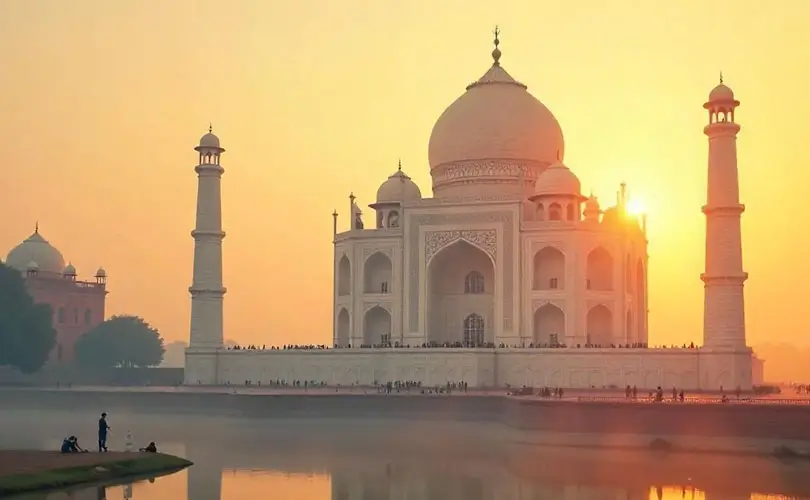
An itinerary involving sunrise at the Taj Mahal can begin extremely early. If the same day then includes Fatehpur Sikri, Abhaneri, and a drive to Jaipur, the chauffeur may already be handling a long duty period.
Private travel gives flexibility, but flexibility should not depend on unsafe fatigue.
If a traveler knows that late-night restaurant transfers, events, or early airport departures are required, these should be communicated while the itinerary is being priced.
The best private chauffeur car in India is not necessarily the largest or most expensive vehicle. It is the vehicle that comfortably fits the passengers, luggage, and road itinerary.
A sedan is generally suitable for one or two adults carrying normal luggage. For a Golden Triangle journey, it offers a lower price and can be comfortable for couples who do not require substantial cabin space.
The luggage question is important. Two international travelers can easily arrive with two large suitcases, cabin bags, backpacks, and shopping acquired during the trip. A sedan that feels spacious on a Delhi sightseeing day may become
less convenient when the complete luggage load is added for the drive to Agra.
An Innova-type vehicle is often better for three or four travelers. It provides more flexible seating and luggage capacity.
An Innova Crysta chauffeur service is particularly popular with travelers who value extra comfort on longer road sectors. A couple may also choose it for a premium private trip even though the additional seats are not required.
Larger groups require an appropriate tempo traveller or minibus rather than trying to fit too many people and suitcases into an SUV.
Vehicle condition is more important than the badge alone. Travelers should expect a clean passenger cabin, working air conditioning, reasonable seat condition, and appropriate maintenance.
Air conditioning is particularly important during warmer periods. A sightseeing day can involve hours of walking outdoors, and returning to a properly cooled vehicle between attractions can make a significant difference.
If a traveler requires a child seat, specific accessibility arrangement, or unusually large luggage capacity, this should be discussed before confirmation.
A private airport chauffeur in Delhi is particularly useful after an international flight. Travelers may arrive tired, unfamiliar with the terminal, and carrying several bags. Having the first ground transfer arranged removes the need to make a transportation decision immediately after immigration.
The tour operator should receive the correct airline and flight number. Flight number is more useful than simply stating “arrival at 11:00 p.m.” because schedules can change and flights can be delayed.
The pickup instructions should explain where the guest meets the chauffeur or representative after leaving the restricted arrivals area.
Travelers should also have a contact number in case they cannot immediately find the pickup.
Airport waiting conditions should be understood when substantial delays are possible. A professional multi-day tour service normally monitors the operational arrival information where possible, but extreme delays or a flight arriving on a different day can affect arrangements.
For departure, the chauffeur should collect the guest early enough to account for Delhi traffic and the airline's required airport reporting time.
A traveler should not calculate the hotel departure solely from the map distance to the airport. A route that takes 35 minutes at one time of day can take considerably longer during heavy traffic.
The same principle applies to domestic flights from Jaipur, Udaipur, Varanasi, Mumbai, and other cities.
A professional chauffeur and a professional guide perform different jobs.
The India private chauffeur is responsible for road transportation and vehicle logistics. The English-speaking private guide is responsible for historical and cultural interpretation during sightseeing.
An experienced tourism chauffeur may know a great deal about the route and can provide useful practical information. However, this should not be treated as a substitute for professional guiding inside major heritage sites.
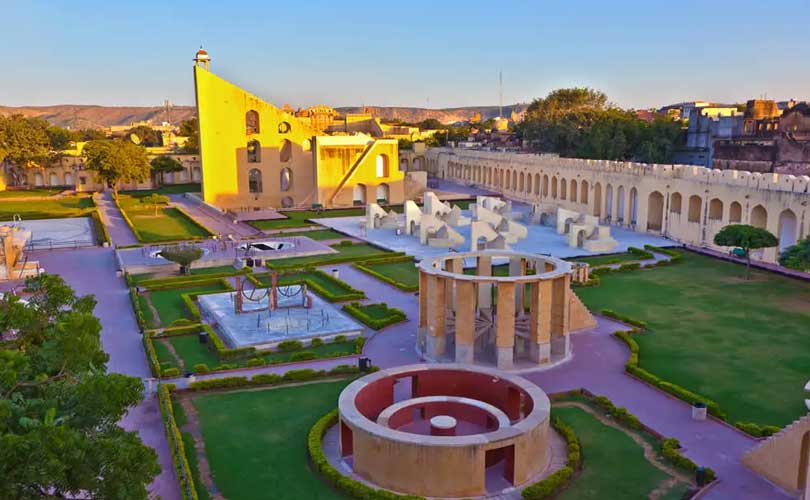
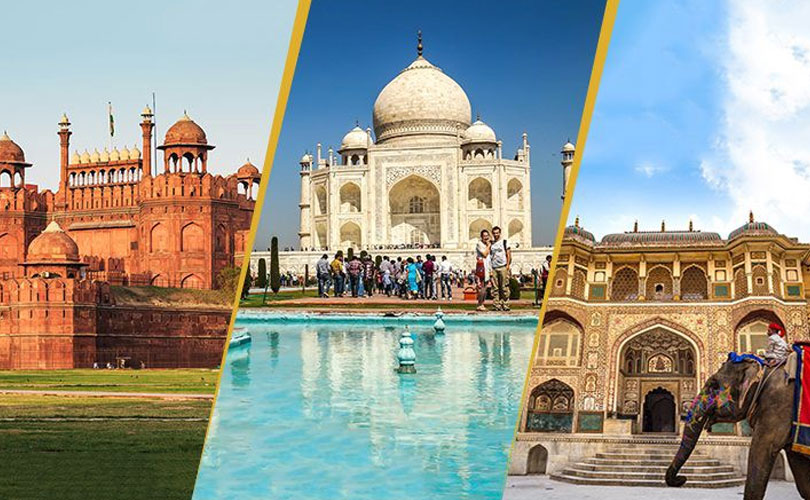
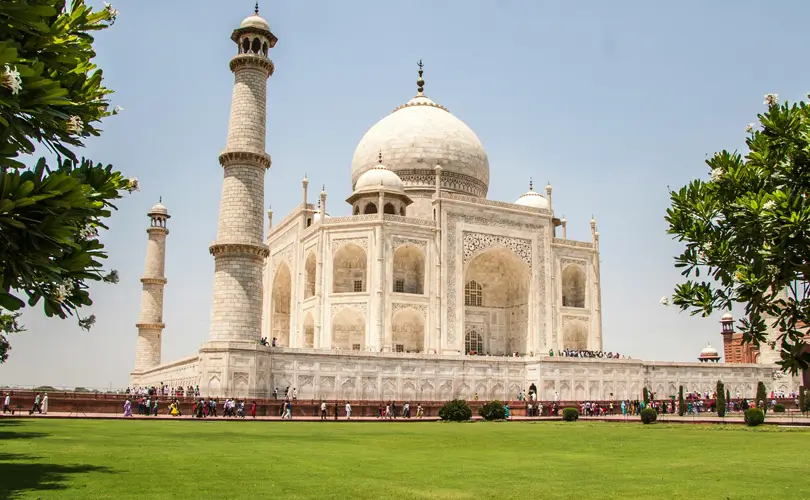
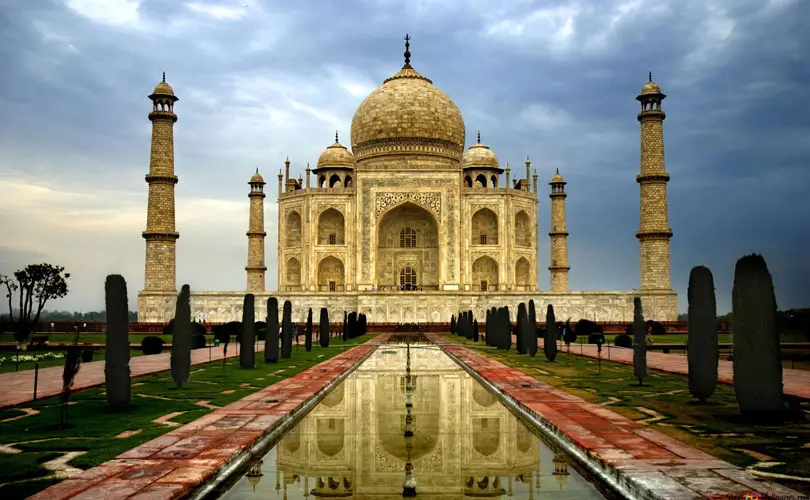
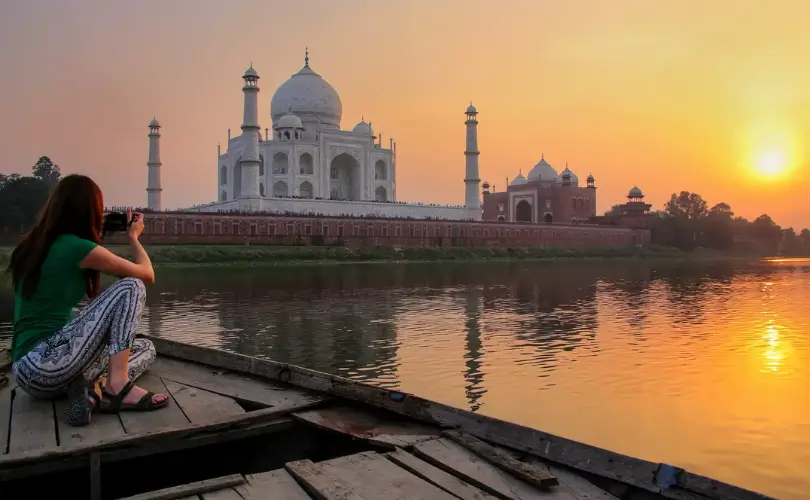
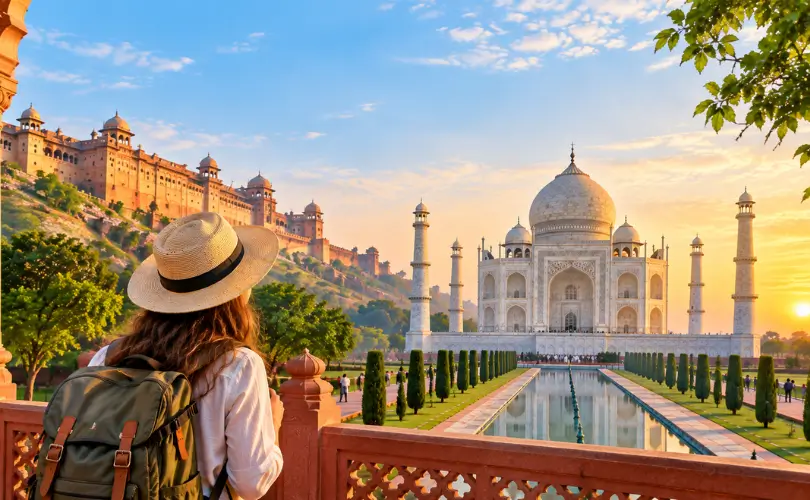
At the Taj Mahal, a guide can explain Mughal history, marble craftsmanship, architecture, calligraphy, and the layout of the complex. At Jantar Mantar in Jaipur, a guide can explain the astronomical instruments. At Humayun's Tomb and Qutub Minar in Delhi, professional commentary gives historical context that transportation alone cannot provide.
On a typical private Golden Triangle trip, the chauffeur remains with the travelers throughout the road journey while different local guides join in Delhi, Agra, and Jaipur.
This structure can be both practical and economical.
Travelers who want one professional escort to remain with them throughout the journey can request a fully escorted tour, but this is a different service and normally costs more because the escort's travel, accommodation, professional fees, and related expenses must be covered.
Private travel offers considerable flexibility, but the vehicle is still booked for an agreed itinerary.
A traveler can often make reasonable changes such as leaving the hotel slightly later, adding a restaurant stop, or adjusting the order of nearby attractions. Larger changes can affect the price.
Suppose a Delhi–Agra–Jaipur tour is booked and the traveler later decides to add Ranthambore. This is not a minor detour. It changes the route, distance, number of days, vehicle operating requirements, and possibly the final return sector.
The operator should therefore reprice the transportation.
The same applies when a local eight-hour sightseeing booking turns into a late-night excursion outside the city.
A chauffeur may also be unable to drive the vehicle directly to every monument entrance. Restricted traffic zones, pedestrian areas, security rules, and parking regulations can require travelers to walk or use authorized local transport for the final section.
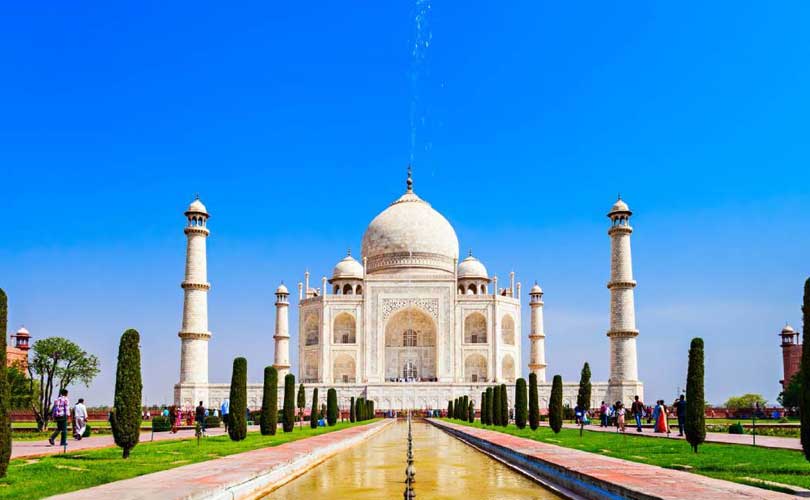
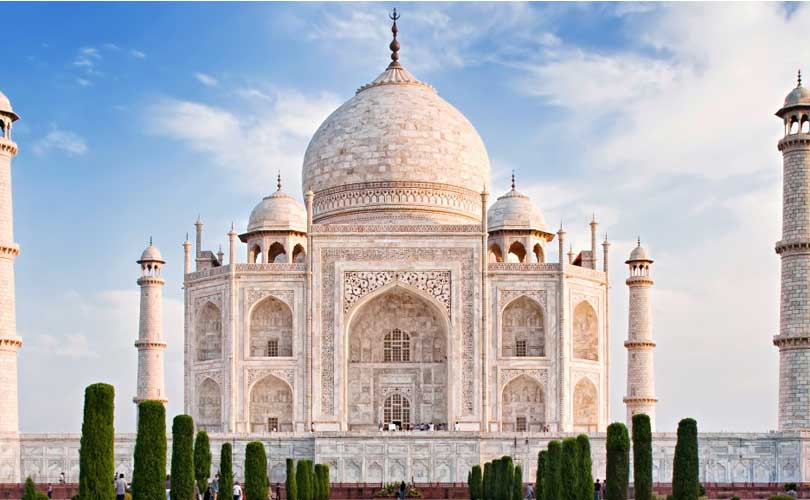
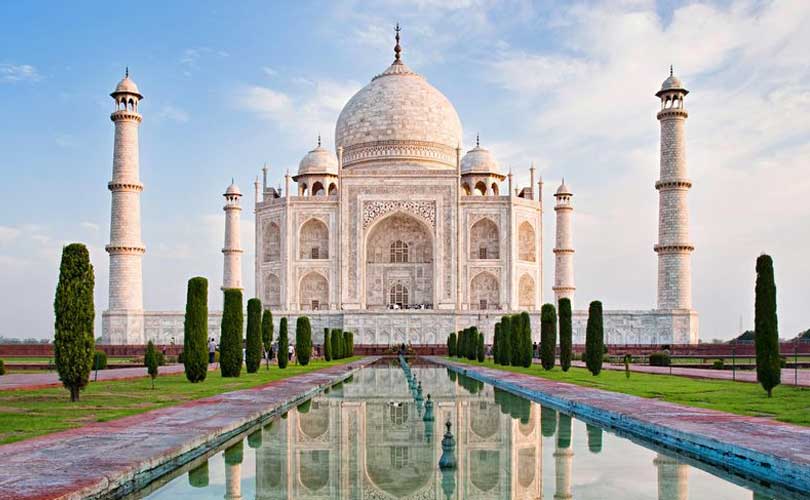
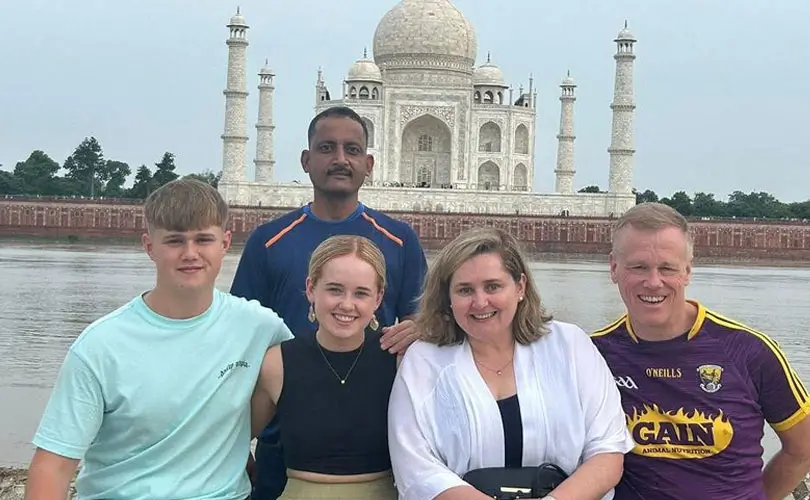
At the Taj Mahal, for example, vehicle movement is restricted close to the monument. The chauffeur uses the appropriate parking/access arrangement, and visitors continue toward the entrance according to local rules.
Private chauffeur service means dedicated transportation within the legal and operational conditions of each destination; it does not mean traffic restrictions disappear.
The greatest value of a private car and chauffeur India tour often becomes apparent on hotel change days.
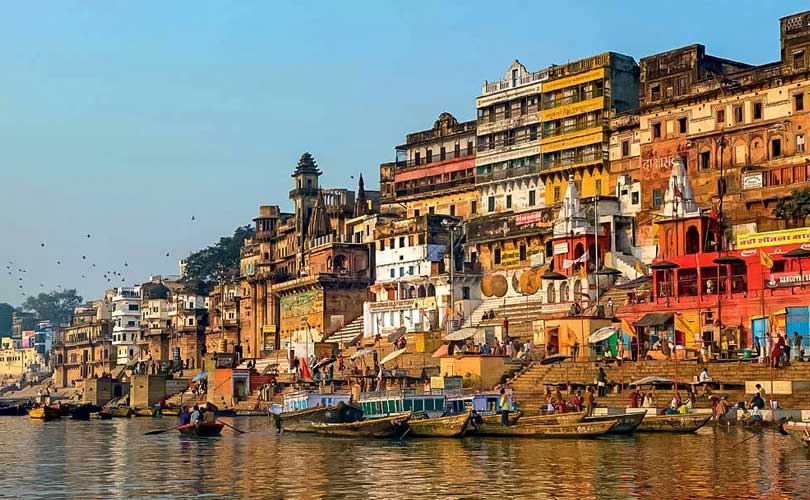
With train travel, guests must check out, reach the railway station, move luggage through the station, locate the correct platform and carriage, travel to the destination, collect their bags, exit the station, and arrange another transfer to the next hotel.
With a private vehicle, guests check out, place their luggage in the car, and are driven to the next hotel.
This can be particularly valuable for families, senior travelers, couples carrying substantial luggage, and visitors taking a premium private holiday.
The road itself can also become part of the sightseeing day.
Agra to Jaipur is the strongest example because Fatehpur Sikri lies naturally along the broader route. Instead of treating the entire day as lost transportation time, travelers can visit an important historical site before continuing toward Rajasthan.
Abhaneri can be added when the schedule allows.
Private road travel also permits sensible rest stops. Travelers do not have to wait for a fixed coach schedule when they need a washroom or coffee break.
The trade-off is that road journey times can vary. Traffic, construction, weather, local events, and city congestion can affect arrival time. A chauffeur service should provide realistic estimates rather than promising an exact five-hour journey regardless of conditions.
A chauffeur-only India tour normally covers transportation according to the agreed terms. Travelers should not assume that the vehicle price automatically includes other tourism services.
Professional local guides are generally separate.
Monument entrance tickets are separate unless specifically included.
Hotels are separate in a vehicle-only quotation.
Lunches and dinners are normally separate.
Domestic flights and railway tickets are separate.
Safari permits, activity tickets, cultural shows, and special experiences are separate.
Tips are normally discretionary and separate.
Airport parking or other road charges may be included or excluded depending on the quotation, which is why written confirmation matters.
If the traveler books a complete package rather than a chauffeur-only service, many of these items can be bundled together. The package should then identify exactly which components are covered.
Consider two international travelers taking a six-day private journey through Delhi, Agra, and Jaipur.
Suppose they choose an Innova Crysta at approximately ₹42,000 for the agreed road itinerary, including the principal vehicle operating expenses. They then hire professional English-speaking guides in Delhi, Agra, and Jaipur for a combined total of approximately ₹9,000 to ₹12,000.
Transportation and guiding are therefore around ₹51,000 to ₹54,000.
Five nights in good four-star hotels averaging ₹9,000 per night add approximately ₹45,000.
The working total is now around ₹96,000 to ₹99,000 before monument admission, meals, gratuities, and personal expenses.
International visitor monument tickets across the Golden Triangle can add several thousand rupees per person. Premium City Palace access or additional attractions can raise this further.
Meals can also vary considerably. A comfortable restaurant meal may cost around ₹700 to ₹1,500 per person, while upscale dining can cost approximately ₹2,000 to ₹4,000 per person or more.
A complete private chauffeur-driven Golden Triangle tour for two travelers using good hotels can therefore realistically exceed ₹1,00,000 even though the chauffeur vehicle itself costs substantially less.
Five-star accommodation and premium heritage properties can take the complete trip far higher.
This example shows why a vehicle quotation and a complete tour package should never be compared as though they are the same product.
The booking should identify the vehicle category. If an Innova Crysta is being purchased, the confirmation should not simply state “car.”
The itinerary should show the pickup city, overnight destinations, intercity route, and final drop point.
Ask whether the same chauffeur is expected to remain with the vehicle throughout the main road journey.
Confirm the total transportation cost.
Ask specifically about fuel, tolls, parking, interstate charges, driver allowance, driver accommodation, and taxes.
Check the included kilometres and duty-hour conditions.
Ask for overtime and extra-kilometre rates where applicable.
For airport collection, provide the correct flight number and arrival date.
For hotel pickup, provide the exact hotel name.
If a professional guide is required, confirm that separately rather than assuming the chauffeur provides monument guiding.
If hotels are part of the package, request exact hotel names and room categories.
If the trip involves very early departures or late-night transfers, include those requirements before receiving the final price.
Golden Triangle Tours India can arrange private chauffeur-driven tours in India using sedans, Innova-type vehicles, and Innova Crysta according to passenger count, luggage, route, hotel schedule, and required comfort level. Professional
local guides, hotels, airport transfers, and other services can be added according to the itinerary rather than forcing every traveler into the same fixed package.
A properly arranged chauffeur service gives travelers something more useful than a car waiting outside a hotel. It creates continuous road transportation across the journey, allowing guests to move from airport to hotel, city to city, and monument to monument without rebuilding the transport arrangement every day.
For approximately five days on a Golden Triangle route, a sedan can broadly cost ₹20,000 to ₹30,000, an Innova-type vehicle around ₹30,000 to ₹45,000, and an Innova Crysta approximately ₹35,000 to ₹50,000 or more. Exact pricing depends on route, mileage, hours, and inclusions.
A standard private chauffeur service generally includes the agreed vehicle, professional driver, transportation according to the itinerary, and normal vehicle operation. Fuel, tolls, parking, interstate charges, and driver allowance may be included depending on the quotation and should be confirmed in writing.
Normally no. A chauffeur handles driving and transportation logistics, while a professional private guide provides historical commentary inside monuments and during sightseeing.
It can be worthwhile for two travelers carrying substantial luggage or wanting additional space during long drives. A sedan is usually sufficient for a couple prioritizing price.
Yes. Many private Golden Triangle chauffeur tours use the same driver for the principal road circuit, giving travelers continuity throughout the journey.
They may be included or charged separately. Travelers should ask for written confirmation of tolls, parking, fuel, driver allowance, interstate charges, and taxes before booking.
Yes. Private airport pickups can be arranged for late-night and early-morning arrivals. The operator should receive the correct flight number and provide clear meeting instructions.
Many chauffeur bookings have defined kilometre and duty-hour conditions. Multi-day packages may use a different pricing structure. Ask for overtime and extra-kilometre rates before confirming the vehicle.
Minor local adjustments may be possible, but substantial route changes can increase kilometres, hours, or days and therefore affect the price. Major changes should be agreed with the operator before the additional travel begins.
Confirm the vehicle category, total route, passenger and luggage capacity, included kilometres, driver hours, fuel, tolls, parking, interstate charges, driver allowance, airport arrangements, overtime rates, final price, and cancellation conditions in writing before payment.