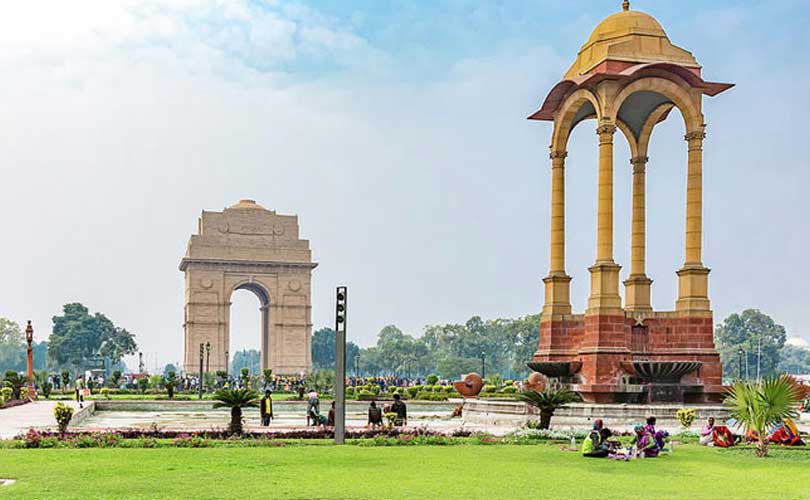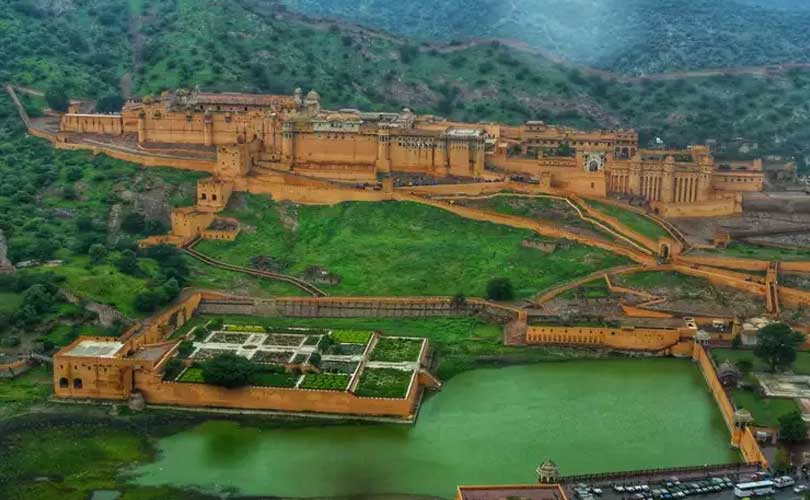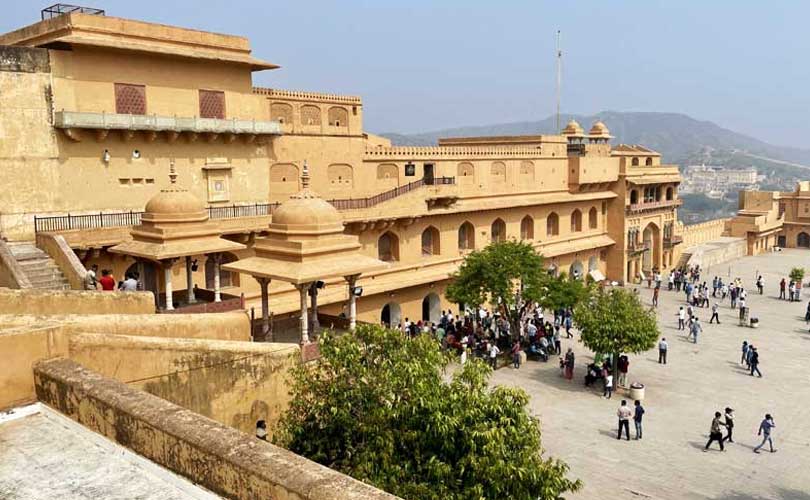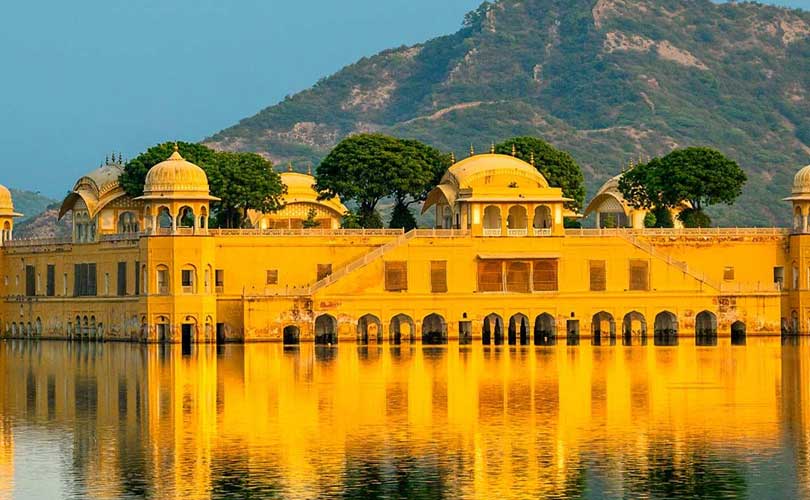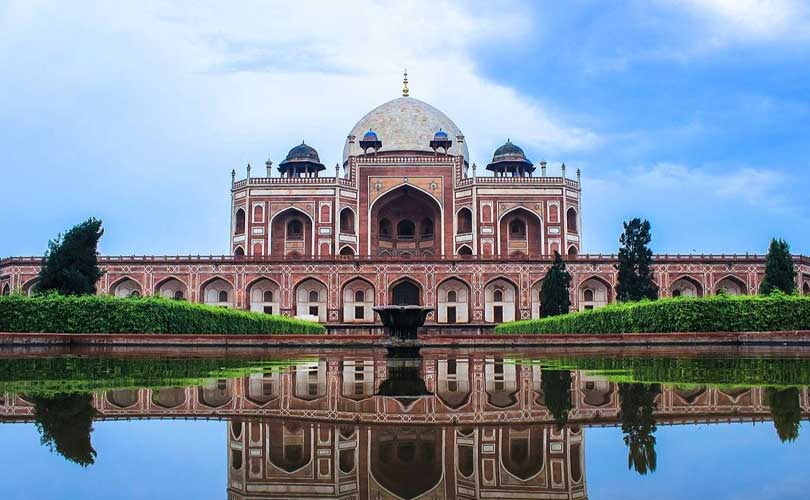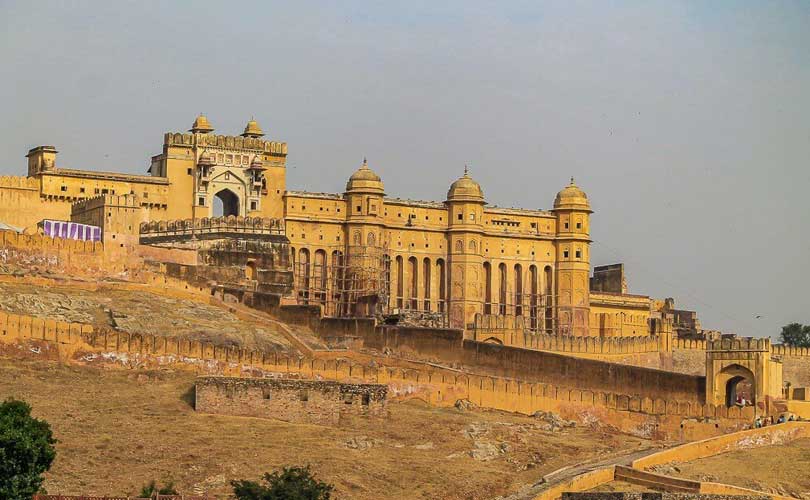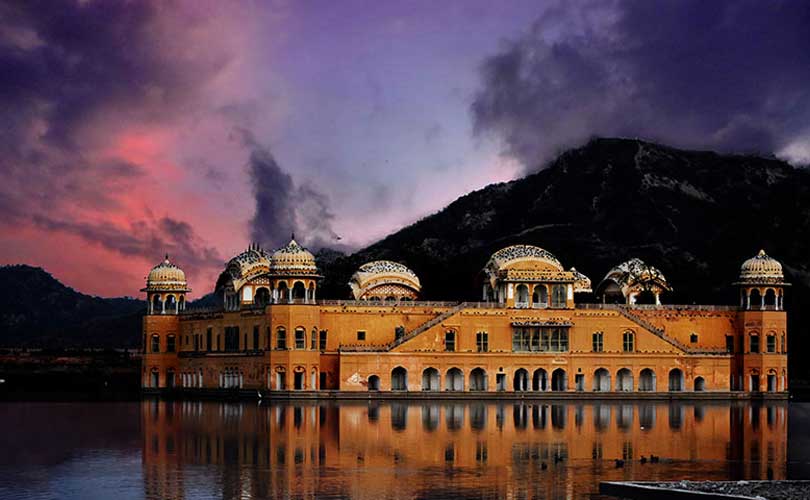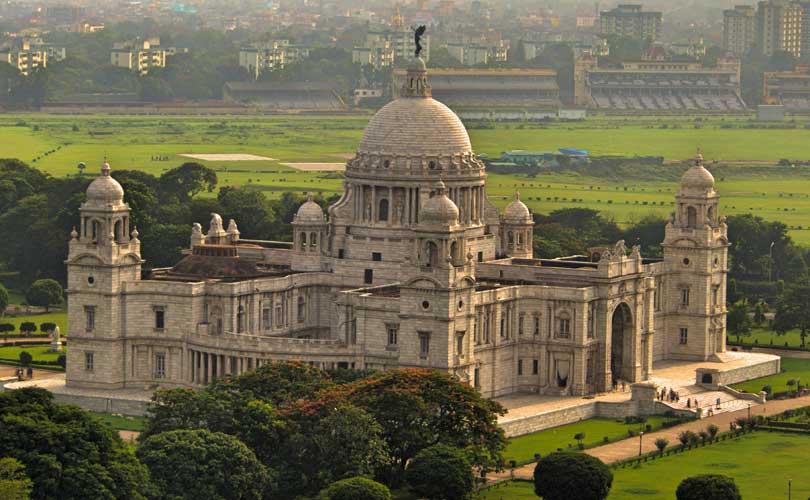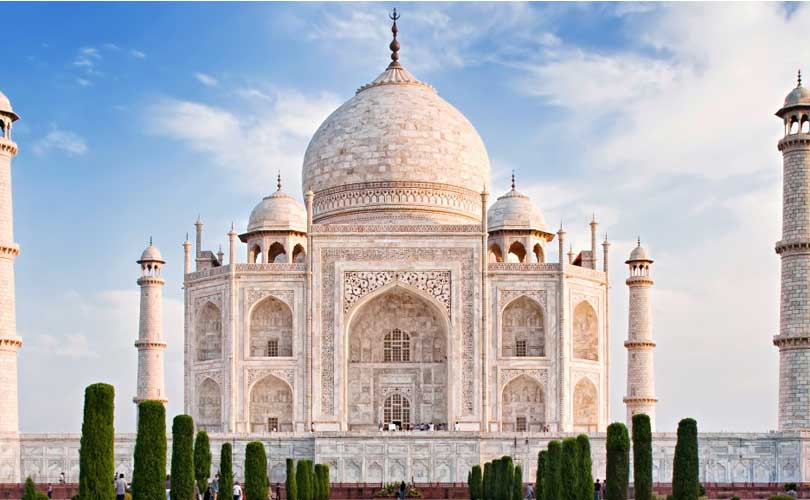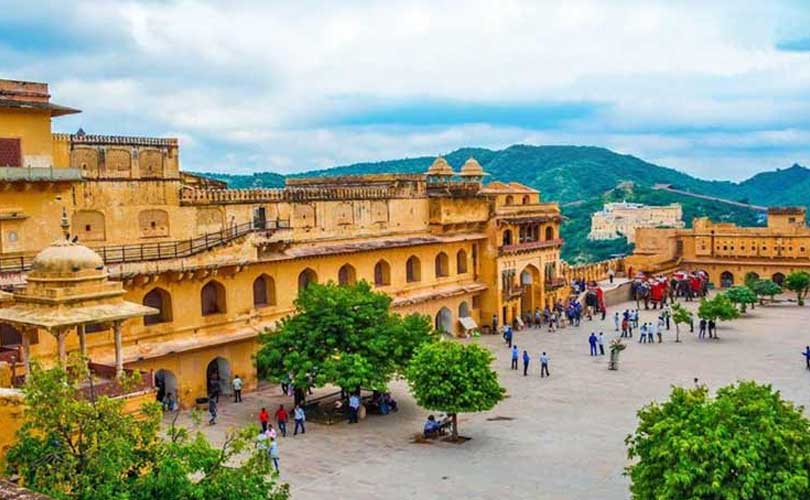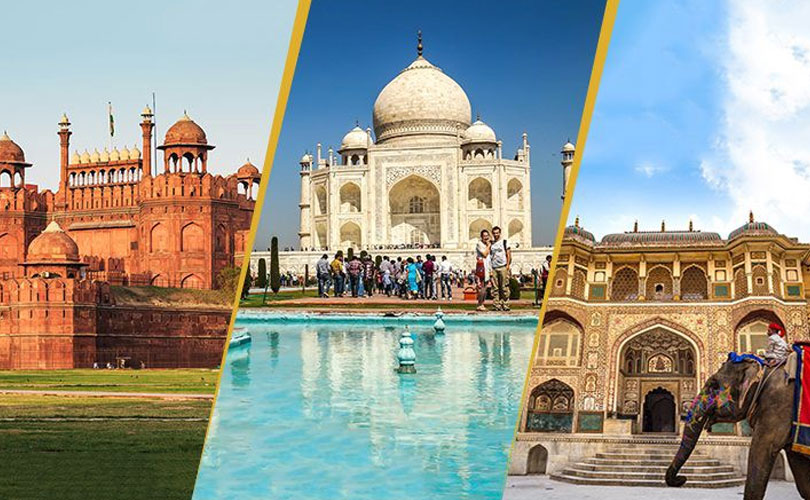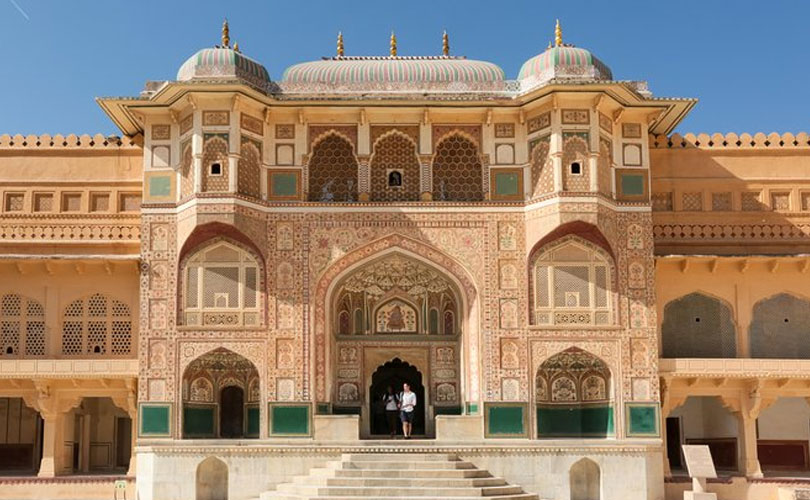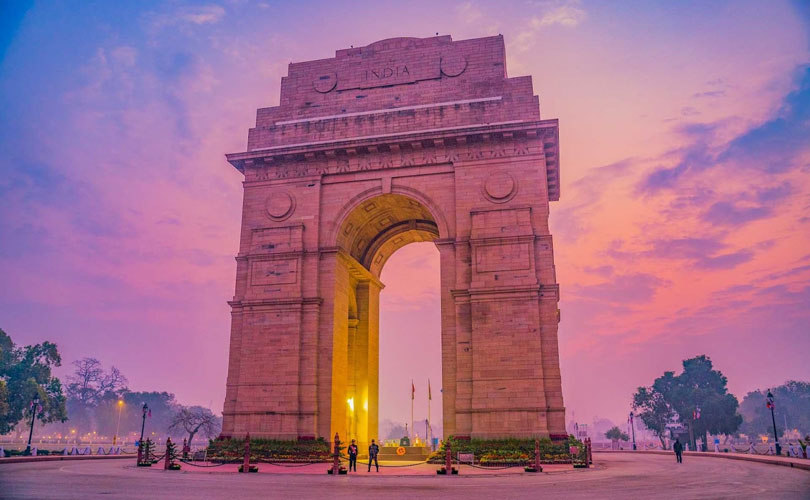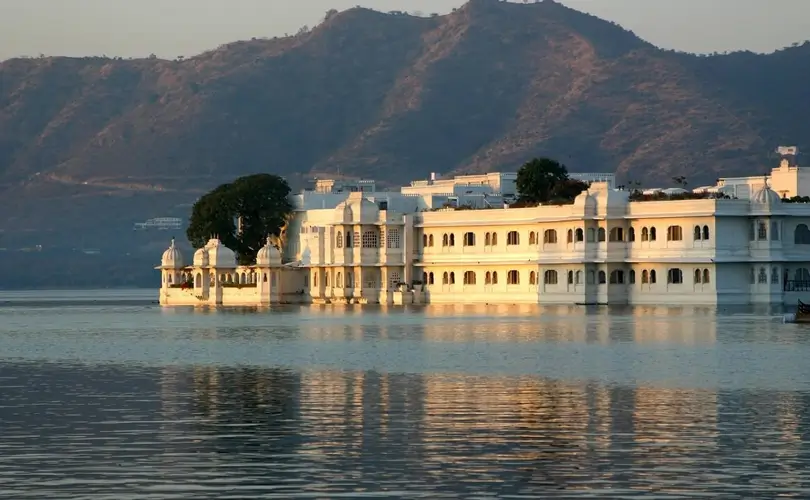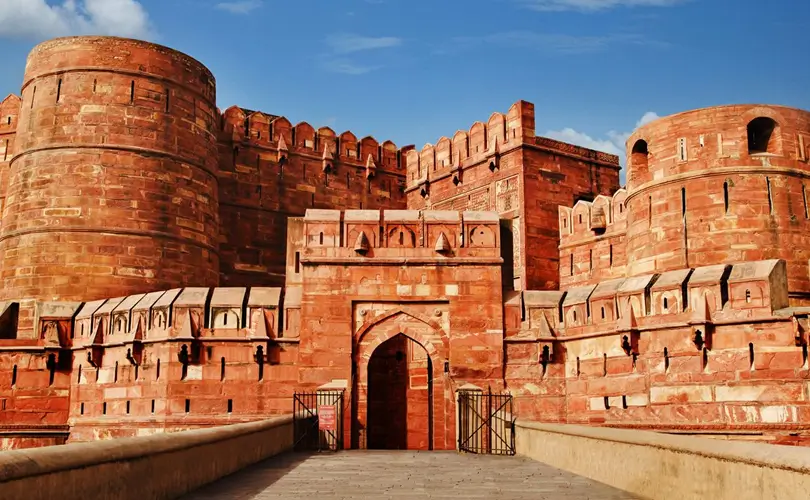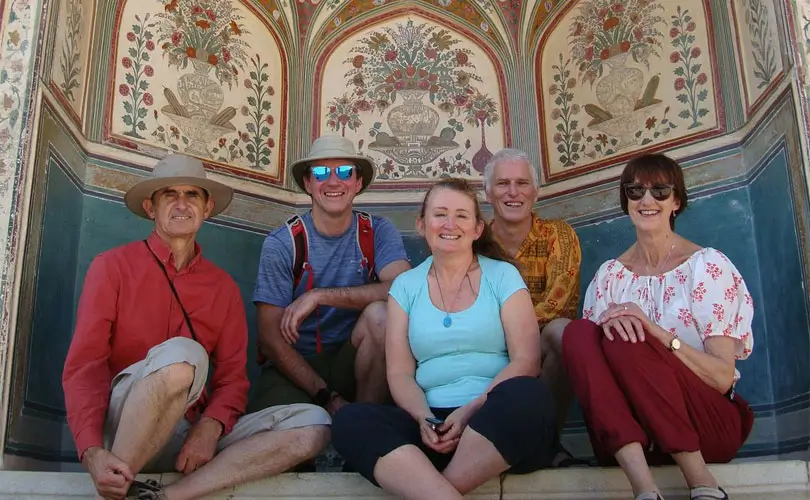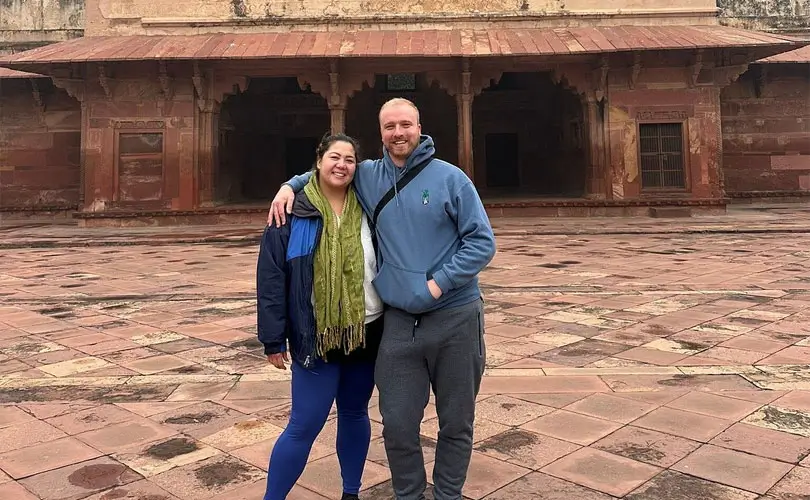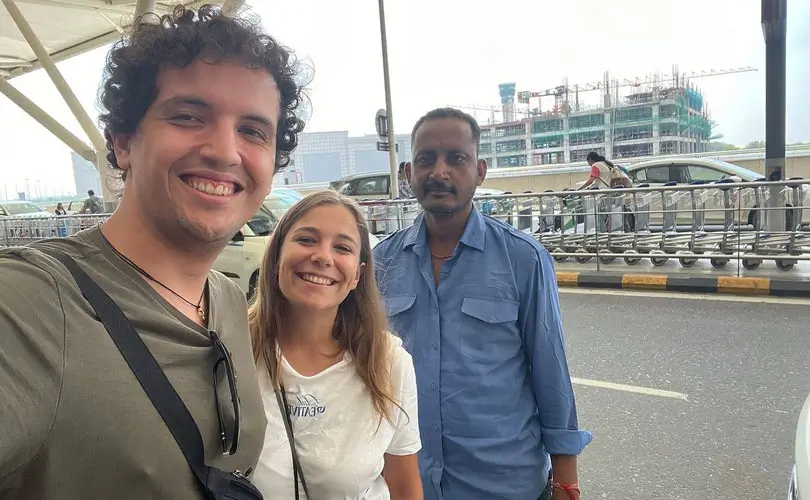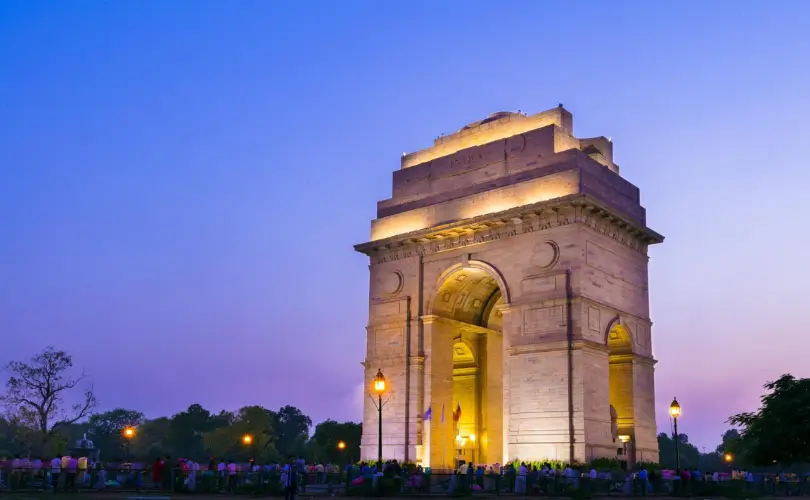
For international travelers visiting India for the first time, there is a major difference between having transportation and having someone who can properly explain what they are seeing. A driver can take guests from a Delhi hotel to Humayun’s Tomb, from Agra Fort to the Taj Mahal, or from Amber Fort to City Palace, but professional historical interpretation is a separate service. This is where an English-speaking private guide in India becomes valuable. A knowledgeable guide can explain the history behind monuments, identify architectural details that are easy to miss, help guests move through large heritage complexes efficiently, and answer questions throughout the sightseeing day.
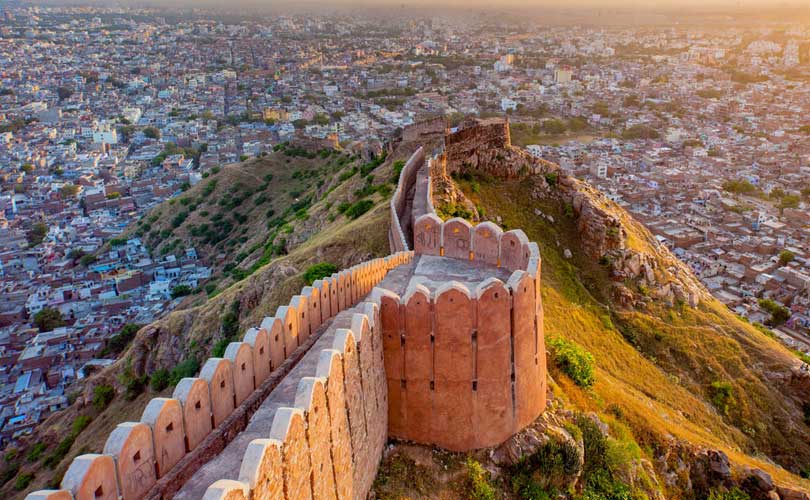
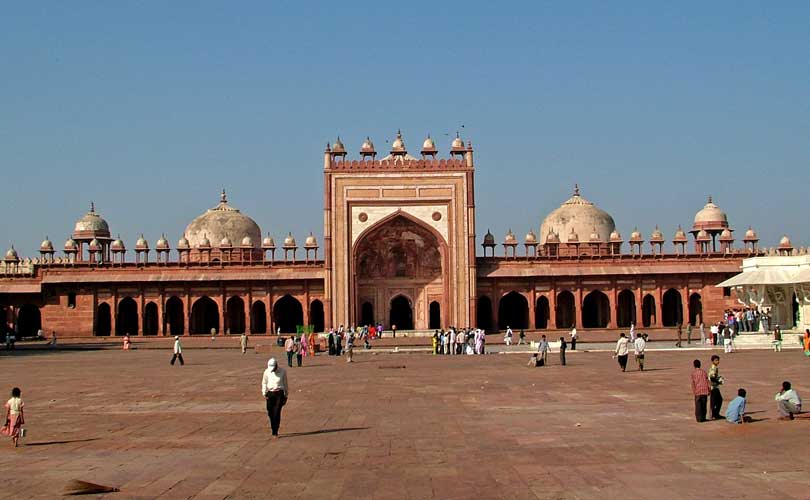
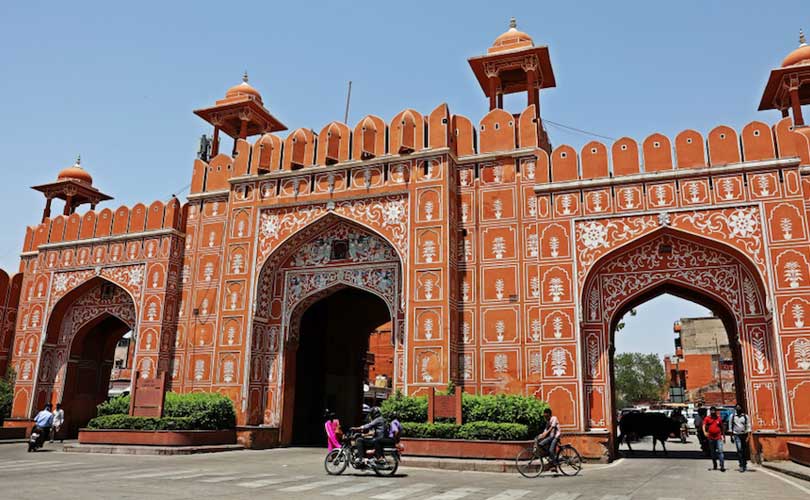
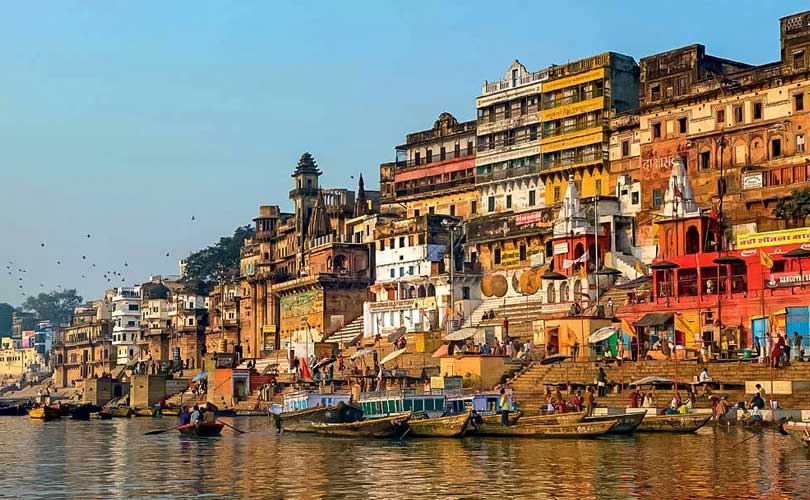
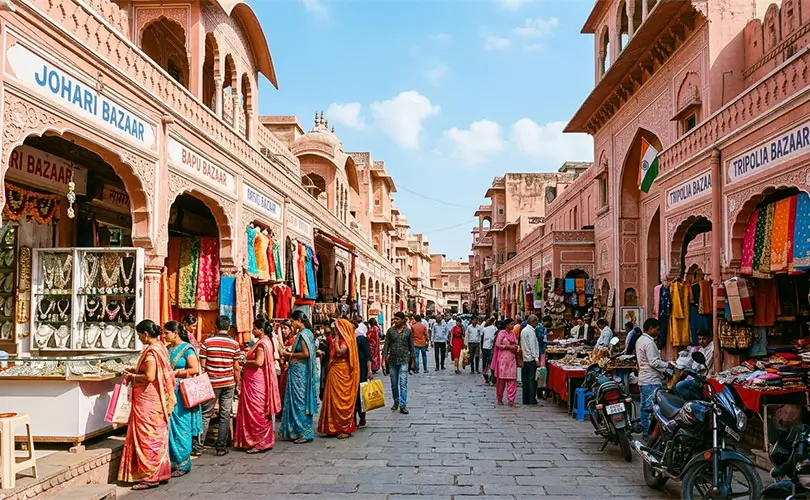
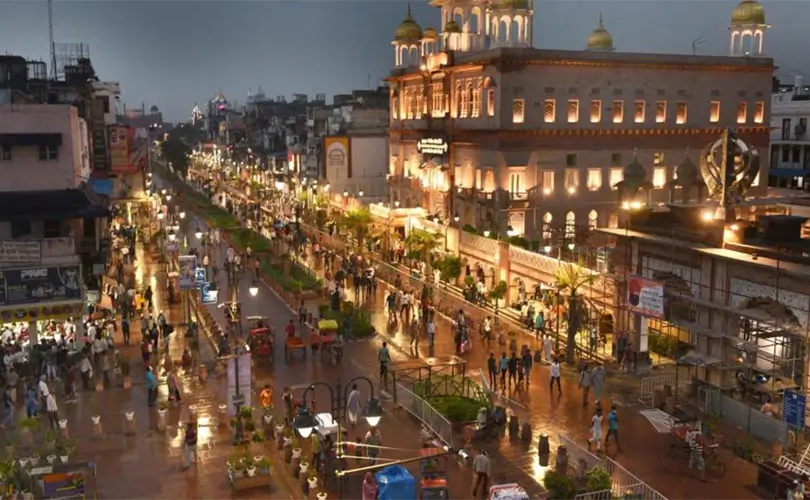
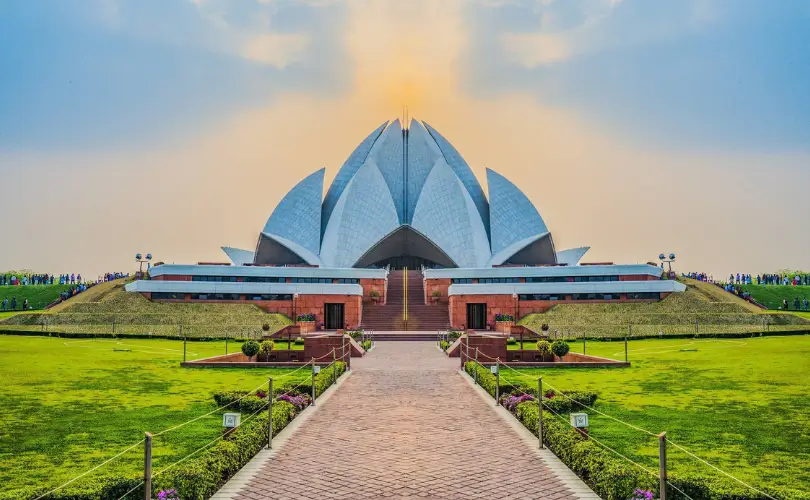
Private guiding is particularly useful on routes covering Delhi, Agra, Jaipur, Fatehpur Sikri, and other heritage destinations. These places represent different periods of Indian history, and simply seeing them without context can leave a visitor with a collection of photographs but little understanding of how the sites relate to one another. Delhi alone can involve Sultanate monuments, Mughal architecture, colonial districts, religious sites, and modern government buildings. Agra tells another part of Mughal history, while Jaipur introduces Rajput architecture, royal courts, astronomy, defensive forts, and historic city design.
An India tour with private guide does not necessarily mean one guide travels with the guest from the airport until departure. In many well-organized private tours, a dedicated driver handles transportation between cities while professional local guides join in individual destinations. An English-speaking Delhi guide may conduct the Delhi sightseeing day, an Agra specialist may handle the Taj Mahal and Agra Fort, and a Jaipur guide may accompany guests through Amber Fort, City Palace, Jantar Mantar, and other attractions.
This arrangement is often more practical because local guides work regularly inside their own cities and can provide deeper destination-specific knowledge. It can also cost less than paying for one escort to travel, stay in hotels, and remain with the guests throughout a multi-day journey.
The price depends on the number of sightseeing hours, destination, guide qualifications, language, number of travelers, and whether the service includes only guiding or forms part of a larger package containing a private car and driver in India, hotels, airport transfers, monument tickets, and meals. Travelers should therefore understand exactly what “private guided tour” means before comparing quotations.
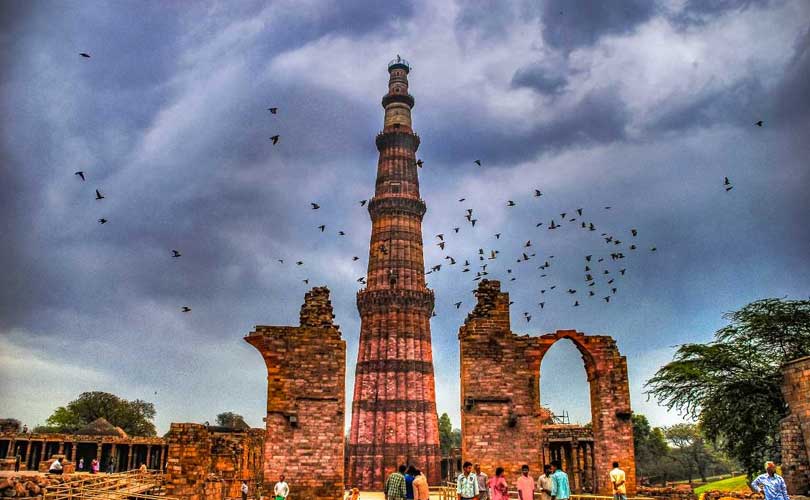
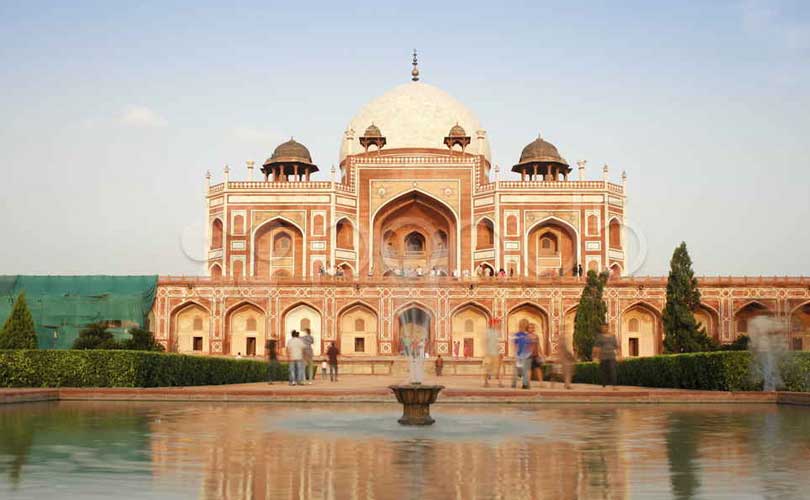
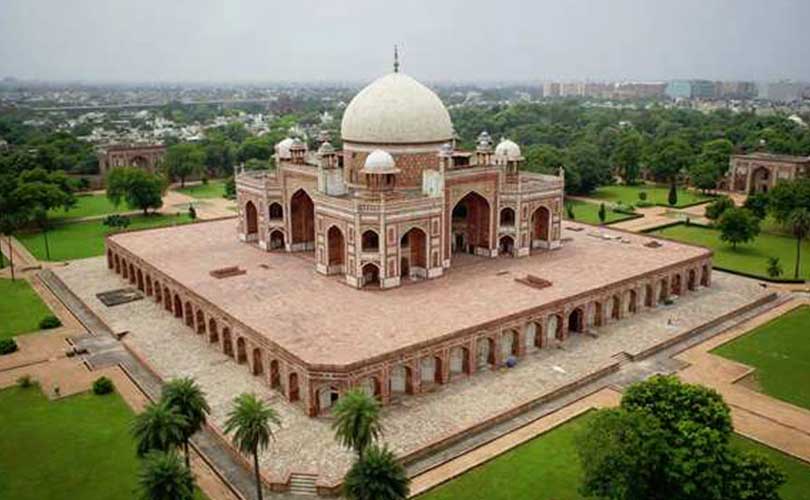
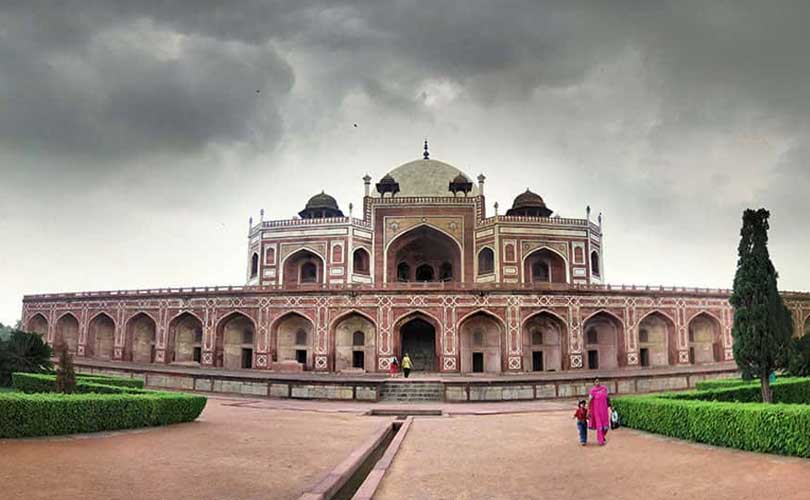
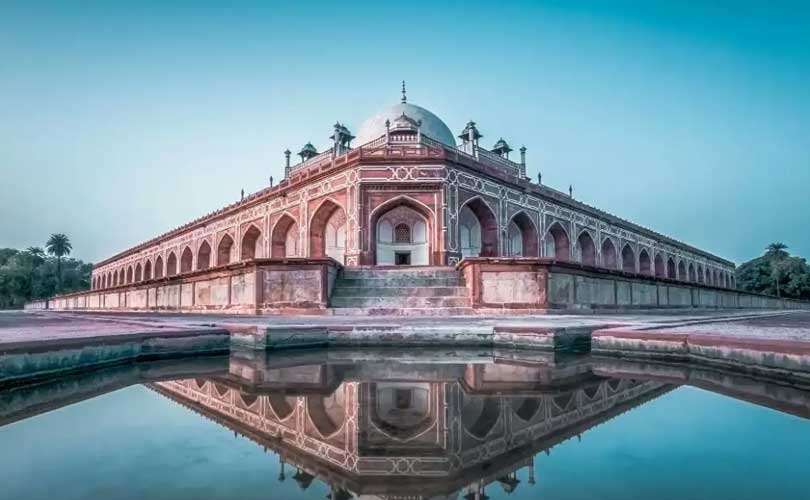
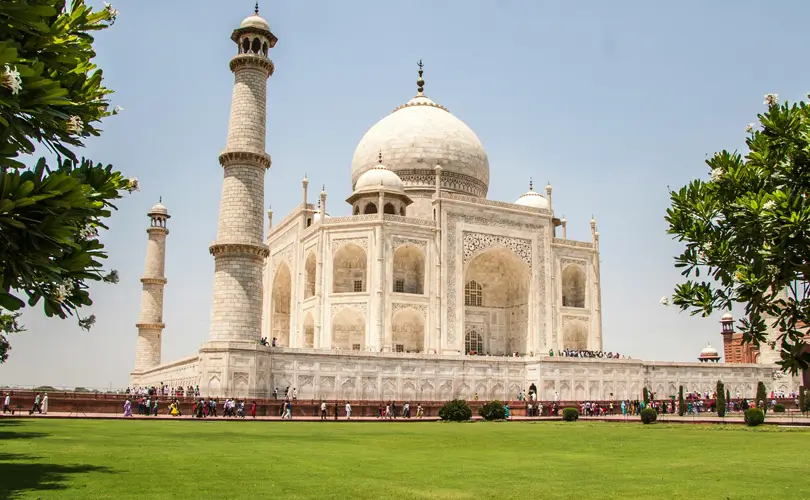
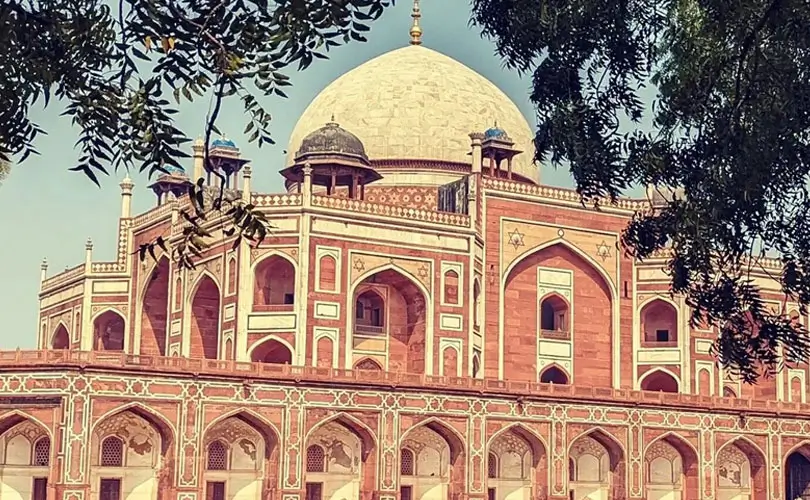
A professional private tour guide in India should provide much more than directions between monuments. Historical interpretation is the central part of the service. At a site such as Humayun’s Tomb in Delhi, a guide can explain the development of Mughal garden-tomb architecture and how elements seen there later became important in other imperial monuments. At Qutub Minar, the guide can place the complex within the history of the Delhi Sultanate rather than treating the tower as an isolated landmark. When travelers later reach Agra, the guide can explain the Taj Mahal within the broader context of Mughal architecture, imperial politics, craftsmanship, and the reign of Shah Jahan.
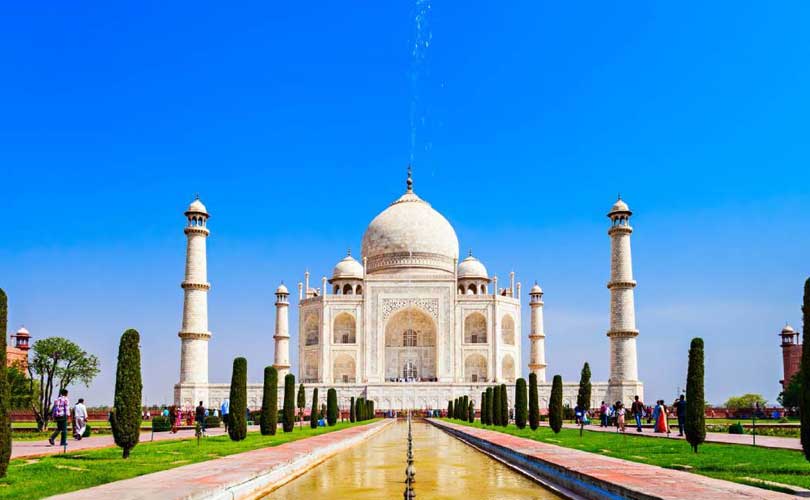
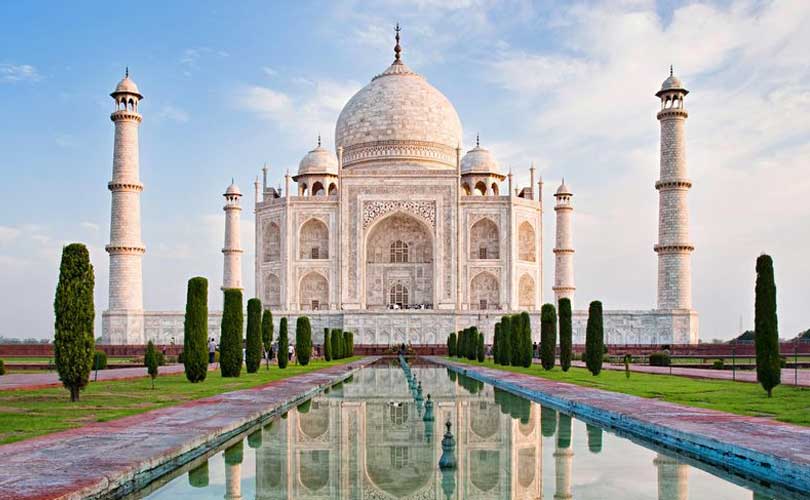
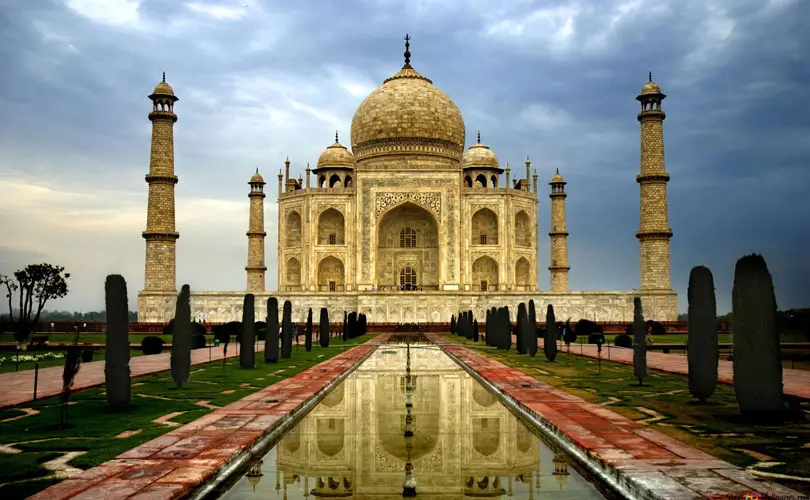
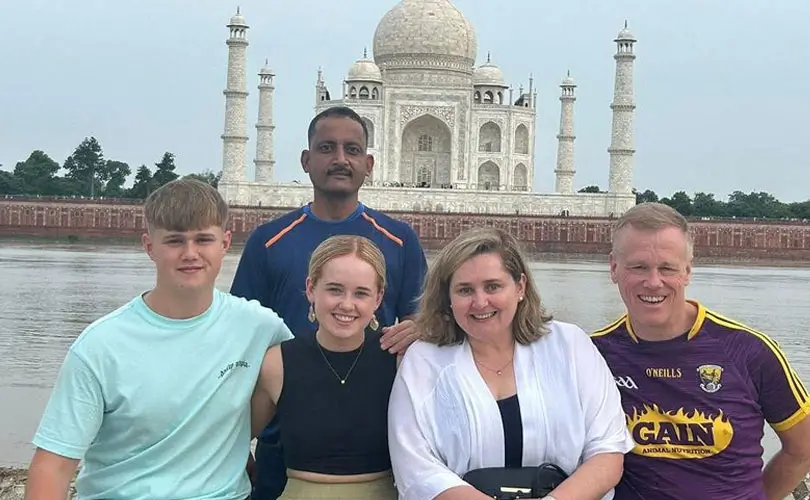
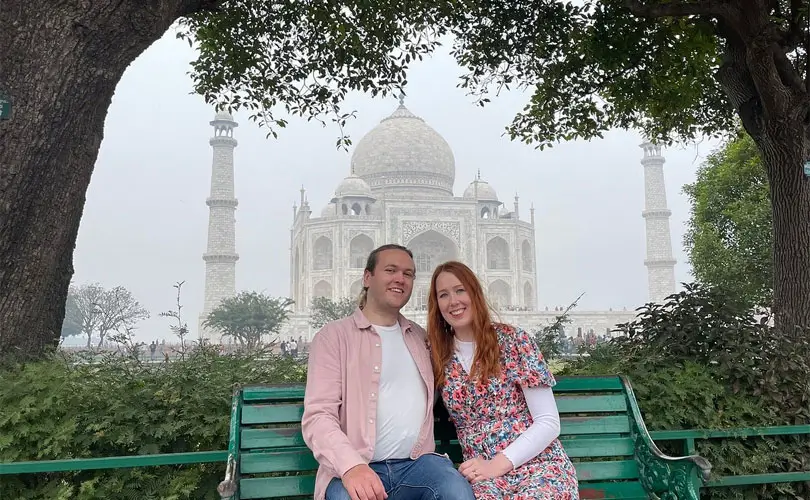
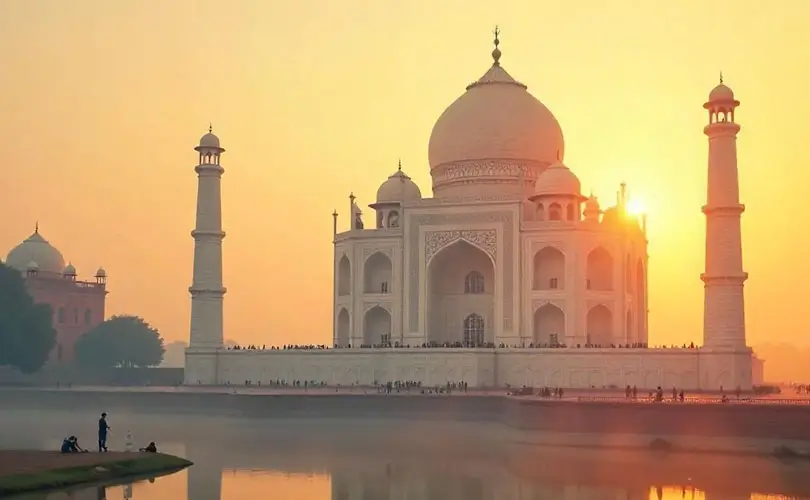
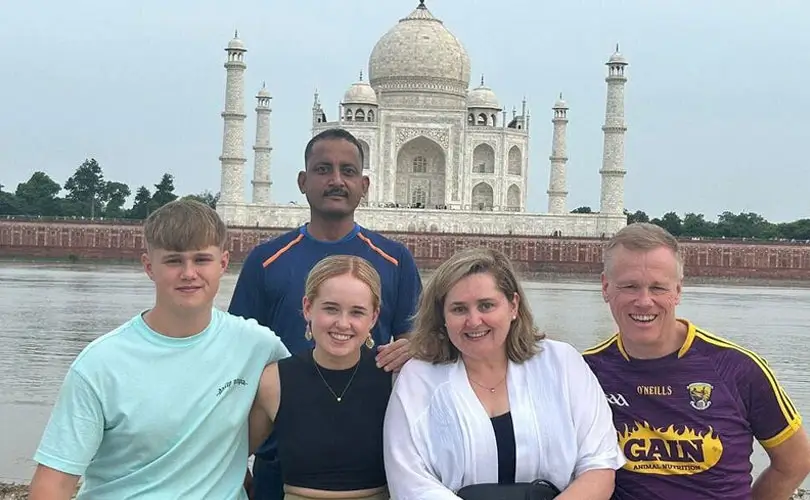
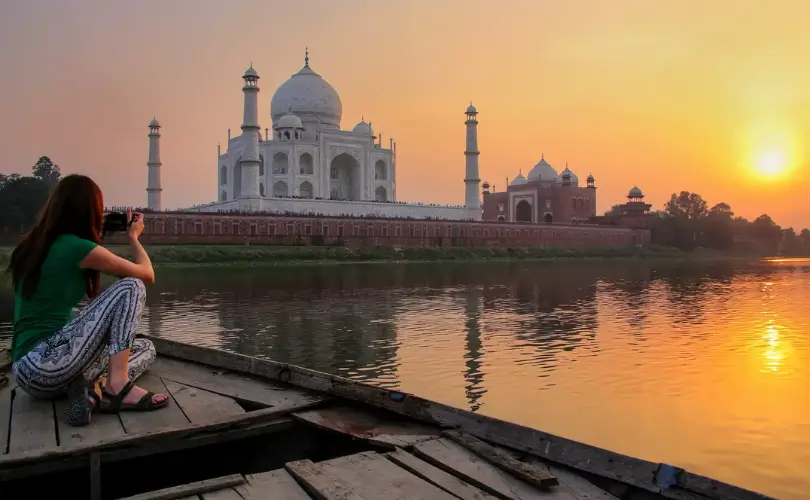
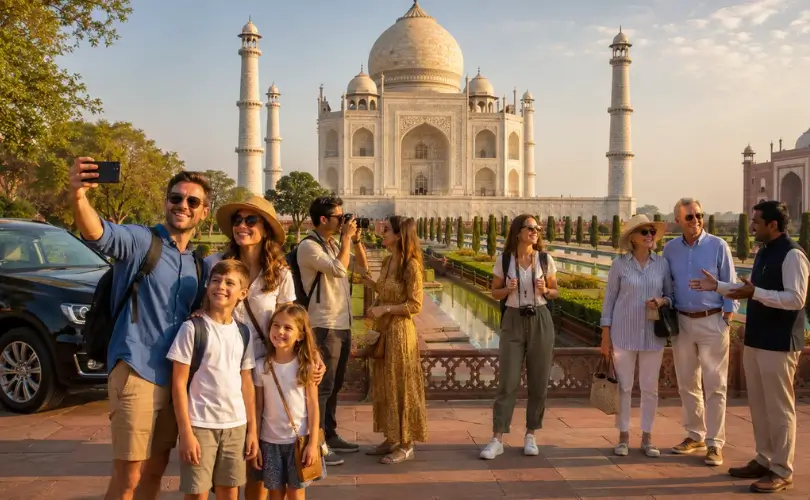
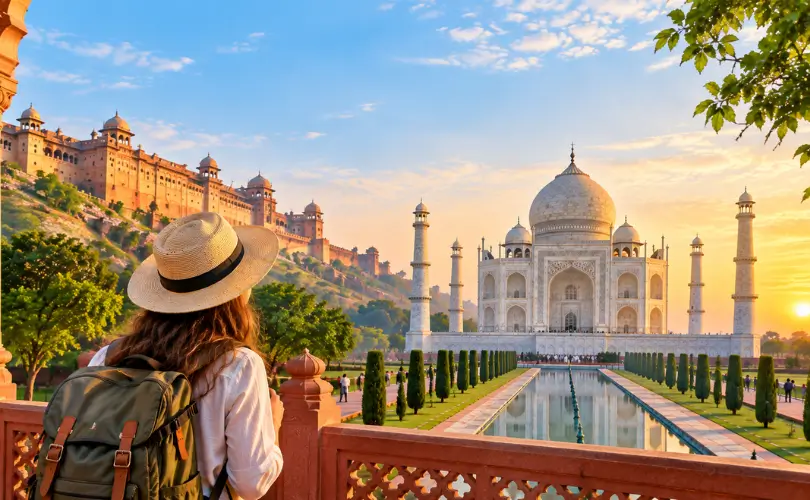
At the Taj Mahal, a good guide should be able to discuss the monument’s layout, symmetry, marble work, calligraphy, garden arrangement, construction history, and the relationship between the principal mausoleum and surrounding buildings. Travelers frequently arrive knowing the basic story of Shah Jahan and Mumtaz Mahal, but the actual complex contains far more detail. A professional Taj Mahal private guide can point out decorative techniques, explain how the visual proportions work, and distinguish established historical information from stories that have become popular through repeated tourism folklore.
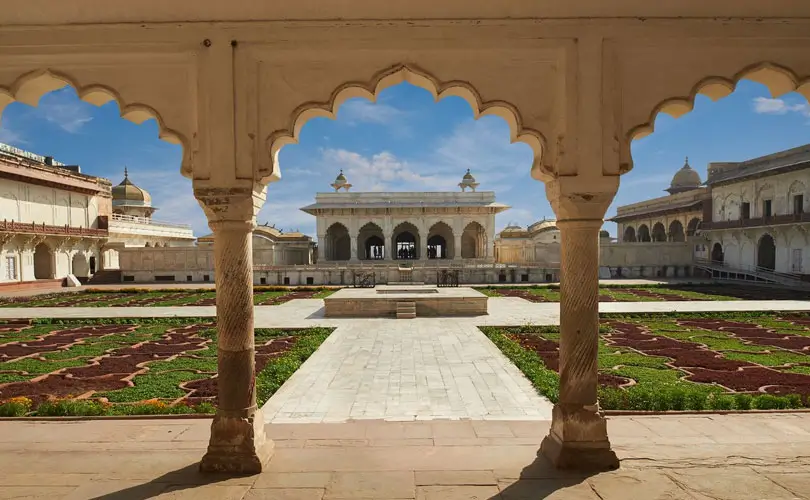
Guiding becomes equally useful at Agra Fort. Without historical context, visitors can walk through a sequence of red sandstone walls, courtyards, marble chambers, and viewpoints without understanding how the fort changed under different Mughal rulers. A guide can explain the function of important areas, the relationship between military and residential architecture, and the political events connected with Shah Jahan’s later years. This makes a combined Taj Mahal and Agra Fort visit considerably more coherent than treating the monuments as unrelated attractions.
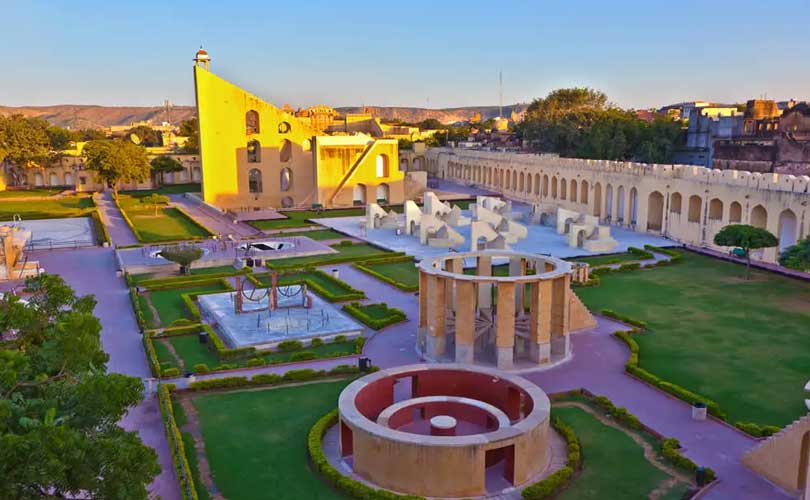
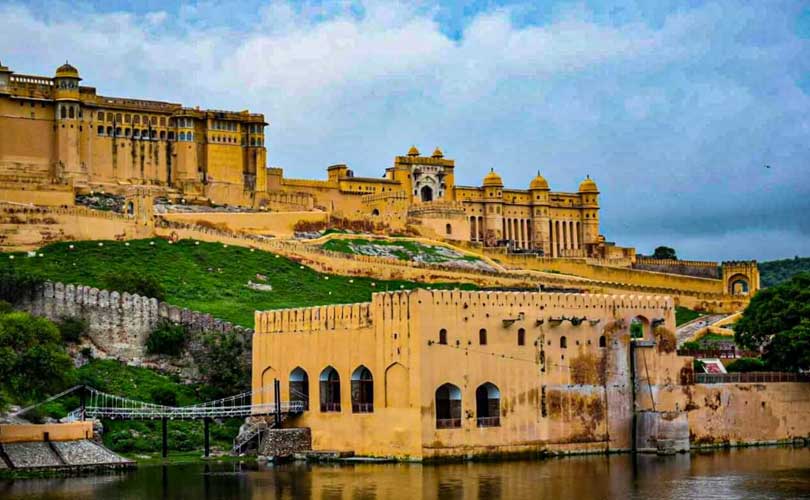
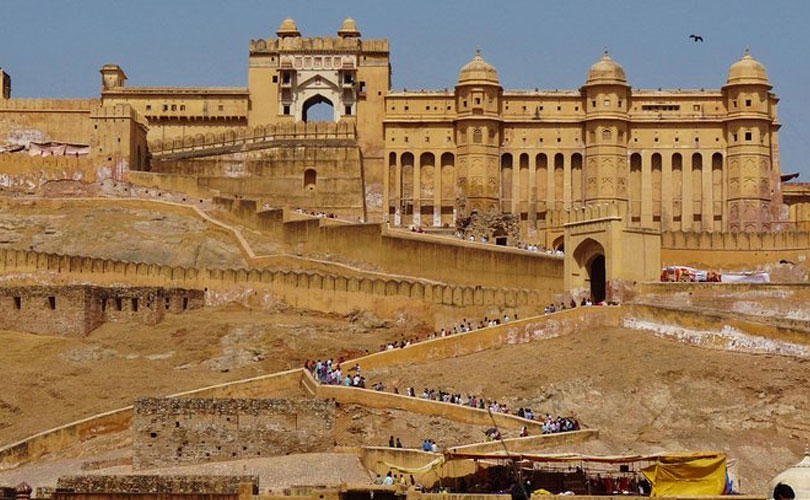
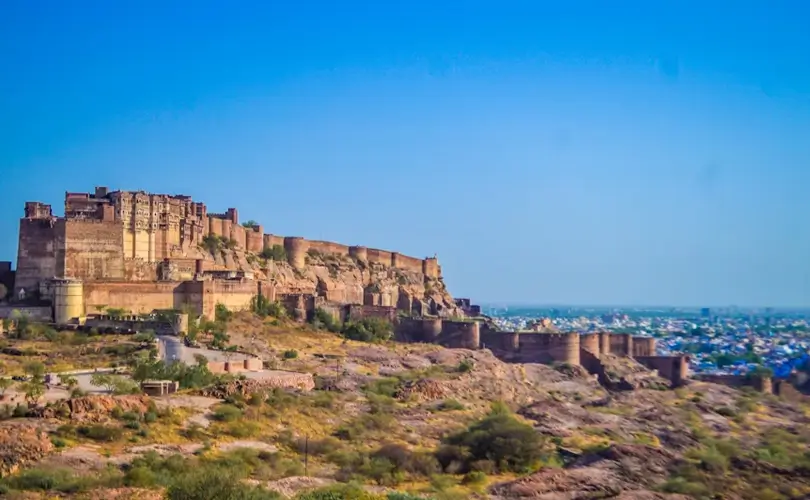
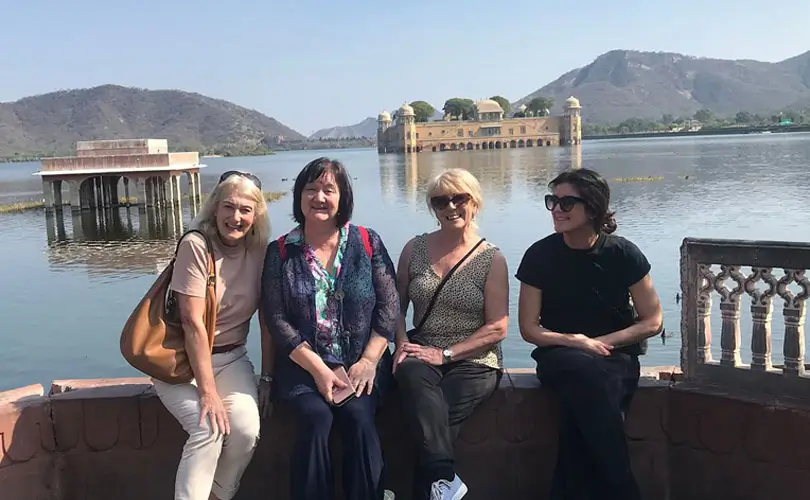
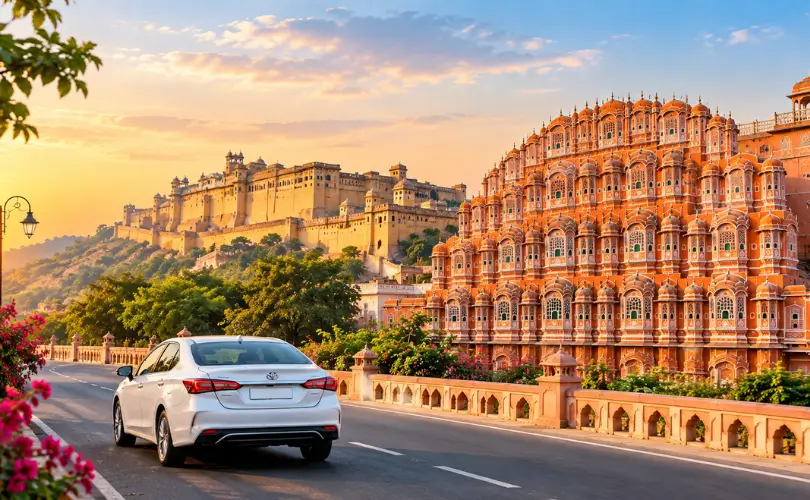
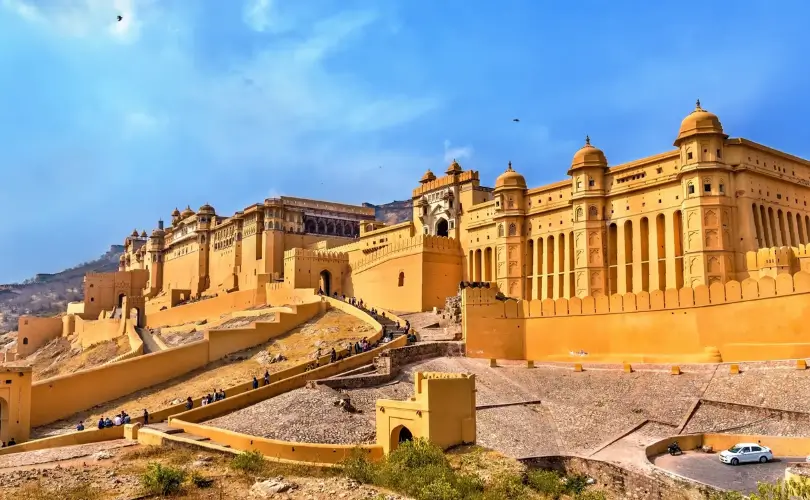
Jaipur provides another example. Amber Fort can easily occupy two hours, but a visitor walking alone may not know why particular courtyards, gateways, halls, and residential areas were designed in specific ways. At Jantar Mantar, professional explanation is even more useful because the astronomical instruments are not self-explanatory. A private Jaipur guide in English can demonstrate the purpose of selected instruments and explain why the observatory was technically significant rather than leaving visitors to photograph large geometric structures without context.
Practical assistance is another part of guiding. Major Indian monuments can involve separate ticket counters, security procedures, designated entrances, restricted items, large parking areas, and crowded sections. A guide who works regularly at these attractions knows the normal visitor flow and can direct guests toward the appropriate entrance. This does not mean guides can bypass official security or ignore monument rules, but familiarity with the site can reduce unnecessary confusion.
A guide can also coordinate with the driver. At attractions where the vehicle cannot remain beside the entrance, the guide and driver can agree on the next meeting point. This is especially useful in busy areas such as Old Delhi, Hawa Mahal, or around major monument parking zones.
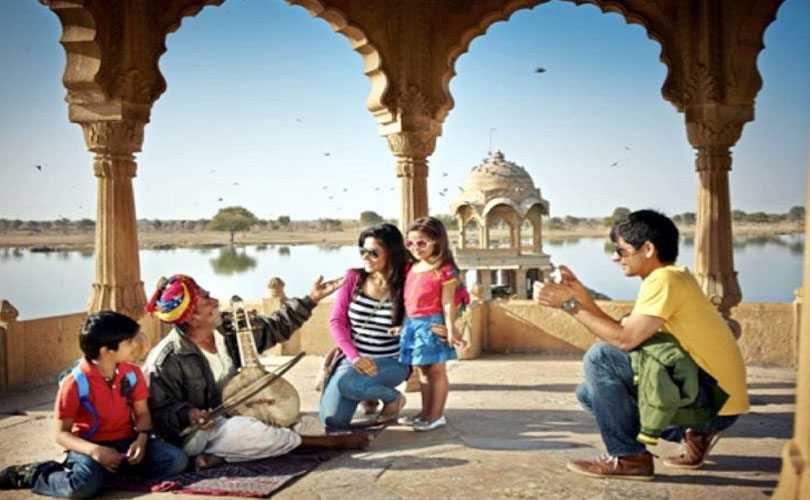
Photography assistance is common as well. A guide may know good viewpoints and can take photographs of couples or families when requested. However, photography should remain secondary to professional guiding. Travelers are paying primarily for destination knowledge and sightseeing assistance, not simply for someone to hold a phone.
The private guide cost in India varies by city, duration, service standard, and the complexity of the itinerary. For common tourism destinations such as Delhi, Agra, and Jaipur, international travelers can broadly budget around ₹1,500 to ₹2,500 for a shorter sightseeing session and approximately ₹2,500 to ₹4,500 or more for a substantial full-day English-speaking guide service. Specialist guides, highly experienced professionals, unusually long sightseeing days, and services requiring additional travel can cost more.
These figures should be treated as practical budgeting ranges rather than fixed government tariffs. A guide working for several hours at the Taj Mahal and Agra Fort may charge differently from a guide spending a complete day across Old Delhi and New Delhi. Similarly, an eight-hour Jaipur sightseeing day involving Amber Fort and central Jaipur attractions requires a different commitment from a two-hour heritage walk.
For a typical Golden Triangle journey, a couple might budget approximately ₹3,000 to ₹4,500 for a private Delhi guide, around ₹2,000 to ₹3,500 for Agra guiding, and approximately ₹2,500 to ₹4,000 for a Jaipur guide, depending on actual service duration. This means professional English-language guiding across the three principal cities might broadly cost around ₹7,500 to ₹12,000 or more for the booking.
The guide charge is generally for the service rather than calculated separately for each member of a small private party. This can make private guiding better value for couples and families. If a guide costs ₹3,500 for a day, a couple effectively shares that expense, while a family of four can receive the same private interpretation without paying four separate guide fees unless group-size conditions state otherwise.
Larger groups can be priced differently because they may require additional coordination, audio equipment, or another guide.
Travelers should confirm whether the guide fee covers the complete sightseeing period or only specific monuments. For example, a quotation saying “Agra guide included” should clarify whether the guide covers the Taj Mahal only, the Taj Mahal plus Agra Fort, or a complete day including Itmad-ud-Daulah and Mehtab Bagh.
Guide language also affects availability and sometimes cost. English-speaking guides are widely available at India's major international tourism destinations. Travelers requesting French, Spanish, German, Italian, Japanese, Russian, or another language may pay a higher rate, particularly during busy travel periods.
Tips are normally separate. A traveler who is pleased with the service may choose to tip the guide, but the gratuity should remain discretionary unless a package explicitly states otherwise.
One of the most common misunderstandings when booking an India private tour with driver and guide is assuming that the driver automatically provides professional monument guiding. The two services have different responsibilities and should normally be treated separately.
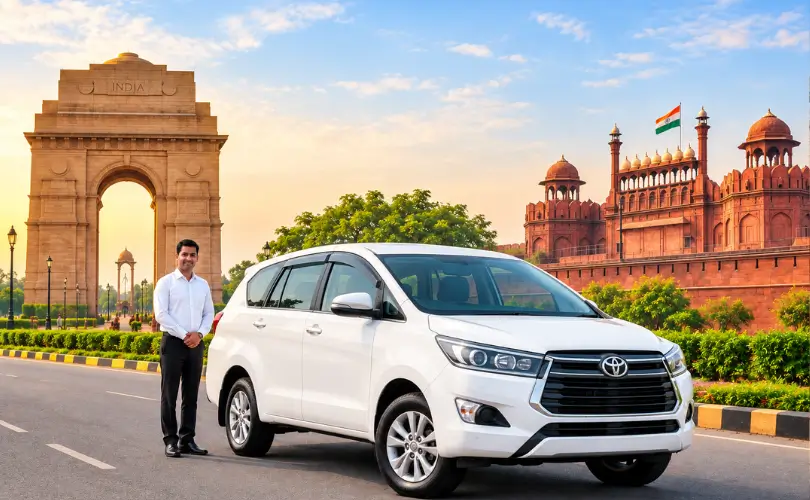
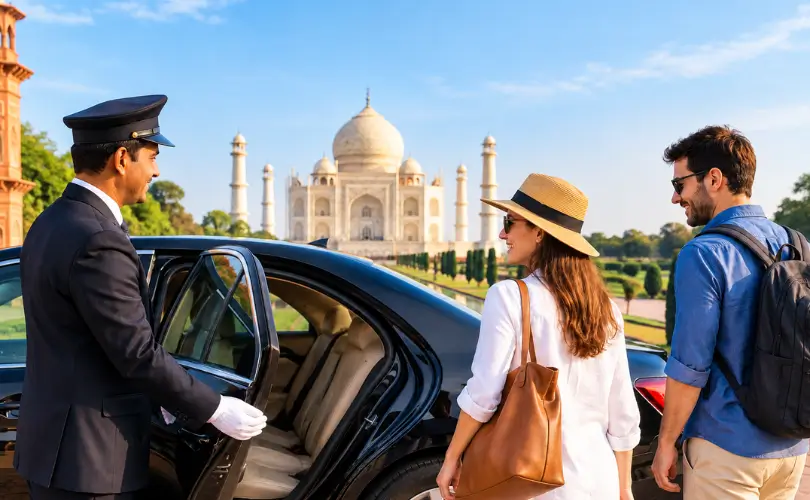
A private driver is responsible for transportation. The driver collects guests from hotels and airports, manages the vehicle, handles road routes, waits during sightseeing, assists with luggage, finds parking, and transports travelers between cities. On a Golden Triangle journey, the same driver may remain with guests for Delhi, Agra, Jaipur, and the final return to Delhi.
The guide normally joins only during sightseeing.
In Delhi, the guide might meet guests at the hotel around 8:30 or 9:00 a.m., conduct sightseeing during the day, and finish when the guests return to the hotel. The driver remains responsible for moving the car between each attraction.
When the guests leave Delhi for Agra, the Delhi guide usually does not need to travel with them. The private driver handles the road transfer. An Agra guide can then meet the guests at their hotel or at the first monument.
This local-guide structure continues in Jaipur.
It is operationally efficient and gives travelers access to guides who work regularly in each destination.
A driver may naturally provide useful practical information during the journey. An experienced tourism driver can know restaurants, road conditions, hotel entrances, rest stops, local operating hours, and common visitor requirements extremely well. However, travelers should not expect the driver to enter every protected monument and deliver specialist historical commentary unless that person is also appropriately qualified and booked for that purpose.
For a first-time international visitor, the combination of a private chauffeur-driven car in India and local English-speaking guides can therefore provide a strong balance. The driver gives continuity throughout the road trip, while the guides provide specialist destination knowledge where it matters.
Travelers booking a complete private tour need to budget for transportation separately from guiding. A private car with driver for Golden Triangle tour can vary considerably according to vehicle type and number of days.
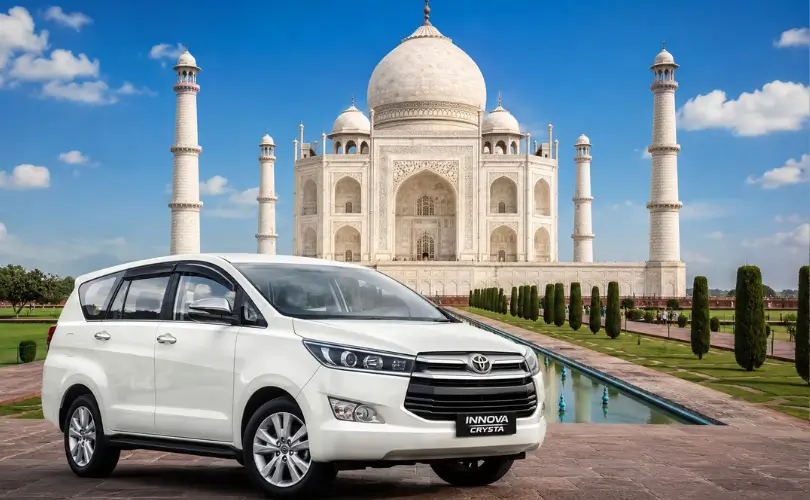
For approximately five days of Delhi–Agra–Jaipur transportation, a sedan may broadly cost around ₹20,000 to ₹30,000. An Innova-type vehicle may cost approximately ₹30,000 to ₹45,000, while an Innova Crysta can broadly reach ₹35,000 to ₹50,000 or more, depending on mileage, service duration, airport requirements, pickup and drop points, and included road charges.
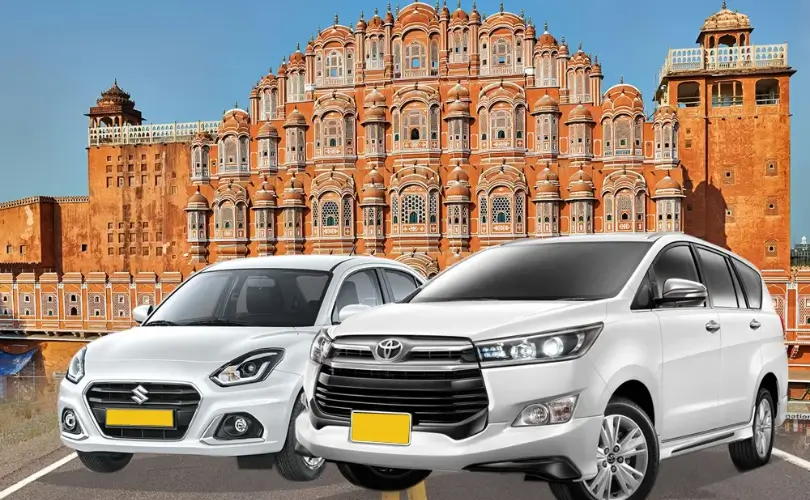
One or two travelers with normal luggage can usually use a sedan. Three or four international adults are generally more comfortable in an Innova-type vehicle. A couple carrying several large suitcases may also prefer the larger category even though a sedan has enough passenger seats.
Travelers should ask whether fuel, highway tolls, parking, interstate operating charges, driver allowance, and applicable taxes are included in the transportation quotation. These expenses can materially change the final amount if a low base fare excludes them.
For local sightseeing, a sedan may broadly cost around ₹3,000 to ₹5,500 per day, depending on the city, number of hours, included mileage, and itinerary. An Innova can broadly cost around ₹4,500 to ₹7,000, while an Innova Crysta can cost approximately ₹5,500 to ₹8,500 or more.
Consider a private Jaipur day for two travelers. A sedan might cost approximately ₹4,000, while an English-speaking guide might cost approximately ₹3,000. The basic car-and-guide arrangement is therefore around ₹7,000 before monument tickets, lunch, parking if excluded, and optional expenses.
This is a more useful comparison than an advertisement stating “Jaipur private tour from ₹2,999” without explaining what that amount actually covers.
Hiring an English-speaking tour guide in India does not normally include entrance tickets unless the package specifically states that tickets are included. This distinction matters because international visitor admission across several major attractions can become a significant part of the sightseeing budget.
At the Taj Mahal, an international visitor should broadly budget around ₹1,100 for standard admission, with approximately ₹200 additional admission for access to the main mausoleum under the commonly applicable ticket structure. A foreign visitor wanting both therefore needs roughly ₹1,300.
Agra Fort admission for an international visitor is commonly around ₹650 per person. Fatehpur Sikri's ticketed archaeological area is commonly around ₹610 per international visitor.
In Jaipur, standard foreign visitor admission to Amber Fort has commonly been around ₹550, while Jantar Mantar and Hawa Mahal have commonly been around ₹200 each. City Palace uses its own ticket structure, and international visitor pricing can begin around ₹1,000 or more, with premium access to additional palace areas costing several thousand rupees.
Ticket prices and categories can change, so current official tariffs should always be checked close to the visit.
For two international travelers completing Delhi, Agra, and Jaipur sightseeing, monument admission can therefore become a meaningful expense even before optional premium areas are selected.
A tour quotation should state one of three things clearly: tickets are included, selected tickets are included, or all monument admission is payable separately.
The phrase “all sightseeing included” should not automatically be interpreted as “all entrance tickets included.”
A standard private guided sightseeing tour in India generally includes the professional guide's time for the agreed sightseeing program. The guide meets the traveler at the hotel or another agreed location, accompanies the guests to the selected attractions, provides commentary, answers questions, assists with normal visitor procedures, and coordinates the sightseeing sequence with the driver.
Historical explanation should be the principal service. A strong guide adjusts the amount of detail according to the traveler. Someone with a serious interest in Mughal architecture may want a deeper explanation at Humayun's Tomb, Fatehpur Sikri, and the Taj Mahal. A family traveling with children may prefer shorter explanations, interesting stories, and more breaks.
Basic practical assistance is also normally part of the service. The guide can show guests where to purchase or present tickets, identify entrances, explain security requirements, and advise on normal sightseeing timings.
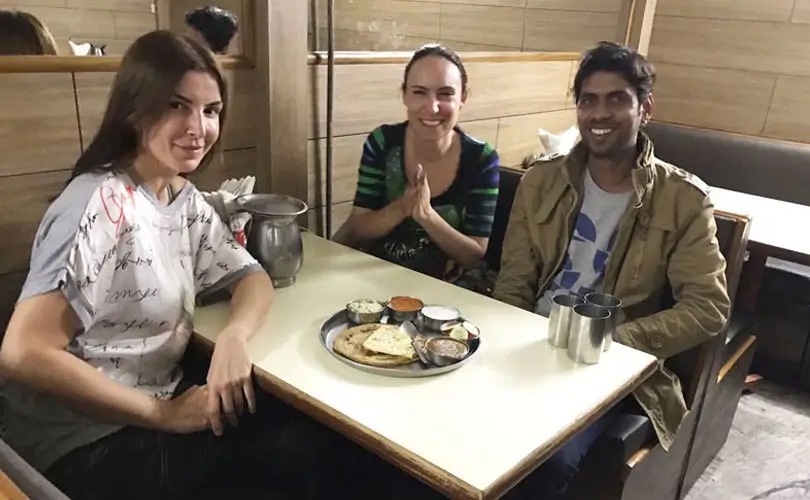
The guide may recommend a restaurant when requested. Travelers should remain free to accept or decline the suggestion.
Shopping recommendations can also be provided when shopping is genuinely part of the traveler's interests. Delhi, Agra, and Jaipur have significant traditions of textiles, carpets, jewelry, marble inlay, block printing, blue pottery, and handicrafts. A guide can help visitors identify relevant areas or workshops.
However, shopping should not dominate the sightseeing day unless the traveler specifically requested a shopping-focused itinerary.
Transportation is not automatically included in a guide-only rate. The guide may travel in the guest's private vehicle during sightseeing, but the vehicle and driver are separate commercial services.
Monument admission, meals, gratuities, personal purchases, and special activities are also generally separate unless stated otherwise.
A common booking mistake is assuming that “private guided tour” means every expense from hotel pickup to dinner is covered. Packages vary too much for this assumption to be safe.
Hotel accommodation is not normally included in a guide-only service.
A private car is not automatically included.
Monument tickets are not automatically included.
Lunch and dinner are normally separate unless the itinerary specifically states a meal is provided.
Airport transfers may be separate from sightseeing transportation.
Domestic flights and railway tickets are separate unless the package includes them.
Special experiences such as cooking sessions, cultural performances, safari permits, premium palace access, professional photography permits where applicable, and private activities require separate confirmation.
The guide's own monument entry arrangement is generally an operational matter handled according to local guiding rules, but travelers should not assume they need to buy a normal tourist ticket for the guide unless instructed as part of the applicable system.
Travelers should also check whether the guide service has a fixed duration. A “half-day guide” may mean approximately four hours, while a “full-day guide” can have a defined limit. Extending a day late into the evening may create an additional fee.
Some travelers prefer a private escorted India tour where one professional tour escort remains with them across multiple cities. This can be useful for guests who want continuous assistance, families requiring additional coordination, senior travelers who prefer one familiar point of contact, or complex itineraries involving numerous flights and destinations.
A full-time escort can help with hotel check-ins, daily schedules, transport coordination, and general communication throughout the journey.
The service costs more because the escort's professional time, intercity transportation, accommodation, meals or allowances, and other travel-related expenses must be covered.
For a straightforward Golden Triangle itinerary, local guides are often sufficient.
A dedicated driver provides transportation continuity, while local specialists handle the monuments. This keeps the private India tour cost more controlled while still giving travelers professional interpretation in every principal city.
For a more complicated three-week journey covering several states, trains, flights, remote destinations, and numerous hotels, an escort guide may become more useful.
The correct arrangement therefore depends on the complexity of the route rather than an assumption that one format is always better.
Consider two international travelers taking a private five- or six-day Delhi, Agra, and Jaipur journey.
A good sedan with driver for the road itinerary might broadly cost around ₹25,000 to ₹30,000 depending on inclusions. English-speaking guides across Delhi, Agra, and Jaipur might add approximately ₹8,000 to ₹12,000.
Transportation and professional guiding can therefore reach approximately ₹33,000 to ₹42,000 before hotels, monument tickets, meals, and personal expenses.
Suppose the couple stays for five nights in quality four-star hotels averaging ₹9,000 per room per night. Accommodation contributes approximately ₹45,000.
The working total has now reached approximately ₹78,000 to ₹87,000.
International visitor monument tickets across Delhi, Agra, and Jaipur can add several thousand rupees per person depending on the exact itinerary. A couple visiting numerous paid attractions should keep approximately ₹8,000 to ₹15,000 or more available for tickets, particularly if premium palace access is selected.
Lunches and dinners can add another meaningful amount. A comfortable tourism-oriented restaurant meal can broadly cost ₹700 to ₹1,500 per person, while premium dining can cost ₹2,000 to ₹4,000 per person or more.
A complete mid-range private guided Golden Triangle tour for two can therefore realistically move beyond ₹1,00,000 once good hotels, transportation, guides, tickets, and meals are considered.
Five-star accommodation, an Innova Crysta, premium palace access, special dining, and additional experiences can take the total considerably higher.
This is why travelers should compare package contents rather than simply comparing two final prices.
The best guide is not necessarily the person who speaks continuously for eight hours. A private service should adapt to the guest's interests.
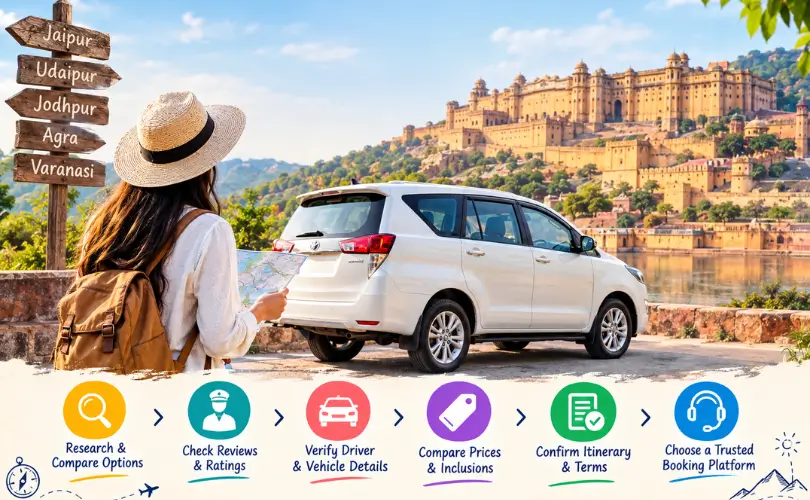
Before booking, travelers can state whether they are particularly interested in history, architecture, religion, photography, food, textiles, or local culture. This gives the operator a better chance of arranging an appropriate guide.
English ability should be clear enough for comfortable conversation. International travelers should be able to ask detailed questions without the interaction becoming a memorized monologue.
Travelers can ask whether the guide is local to the destination and whether the service covers the complete requested itinerary.
Guide identity may be confirmed closer to the sightseeing date because operational assignments can change, but the booking should clearly guarantee the requested service category.
A traveler requiring a female English-speaking guide in India should request this early. Female guides are available in major destinations, but availability can depend on city and travel date.
Travelers with mobility requirements should also mention them. A guide who knows the guest cannot walk for long periods can adjust the sightseeing pace, prioritize important sections, and coordinate vehicle pickup points more carefully.
Families should provide children's ages. A guide working with young children should structure explanations differently from one guiding a group of architecture professors.
A written quotation should identify every city where professional guiding is included. “Guide services included” is too vague if the itinerary covers six destinations but guides are supplied in only two.
The guide language should be stated as English-speaking private guide when that is the service being purchased.
The expected duration should be clear. Travelers should know whether they are paying for a short monument visit, half-day sightseeing, or a full-day guide.
The vehicle should be identified separately.
Hotels should be named when accommodation is included, along with room category and meal basis where relevant.
Monument tickets should be marked as included or excluded.
Airport pickup and drop should be specified.
Fuel, tolls, parking, driver allowance, interstate costs, and applicable taxes should be addressed in the transportation section.
Any compulsory supplements should appear before payment.
Cancellation conditions should be available in writing.
Golden Triangle Tours India can arrange an India tour with English-speaking private guides in major sightseeing cities together with private transportation, hotel accommodation, airport transfers, and intercity travel according to the guest's route. Using local destination guides with a dedicated private driver can provide professional historical interpretation without requiring travelers to pay for a full-time escort throughout a straightforward road itinerary.
The value of a private guide becomes most visible when the traveler leaves a monument knowing more than its name and photograph. A well-guided day connects the places being visited, answers questions as they arise, and still leaves enough time for the traveler to look around independently rather than being pushed through a fixed script.
A shorter private guiding service can broadly cost around ₹1,500 to ₹2,500, while a substantial full-day English-speaking guide may cost approximately ₹2,500 to ₹4,500 or more. Rates depend on city, duration, expertise, and itinerary.
Not automatically. A private driver and private guide are separate services. The driver handles transportation, while the guide provides historical interpretation and accompanies guests during sightseeing.
For English-speaking private guides across the three major Golden Triangle cities, travelers can broadly budget around ₹7,500 to ₹12,000 or more, depending on sightseeing duration and service level.
Usually not. Taj Mahal, Agra Fort, Amber Fort, City Palace, Jantar Mantar, and other attraction tickets are normally paid separately unless the tour package specifically includes admission.
No. Many private tours use a dedicated driver throughout the road journey and separate local English-speaking guides in Delhi, Agra and Jaipur. This provides destination-specific knowledge and can cost less than a full-time escort.
Yes. Female English-speaking guides can be requested in major tourism destinations, subject to availability. The request should be made well before the sightseeing date.
During local sightseeing, the guide commonly travels with guests in their private vehicle between attractions. On intercity transfers, the local guide normally finishes in one city and another guide joins at the next destination.
A guide can assist with the normal visitor process, identify the correct entry area, explain security procedures, and help guests navigate the site. The guide cannot bypass official security or monument regulations.
Tipping is generally discretionary and should reflect service quality. Guide gratuities are normally separate from the quoted professional fee unless the package explicitly states otherwise.
Confirm the guide language, cities covered, sightseeing duration, vehicle category, hotels, monument ticket policy, meals, airport transfers, road charges, total price, payment schedule, and cancellation conditions in writing before making the final payment.