Agra is often treated as a city that requires only a quick Taj Mahal visit, but that approach leaves out much of what makes the former Mughal capital worth seeing. A properly arranged private Agra sightseeing tour can include the Taj Mahal, Agra Fort, Itmad-ud-Daulah, Mehtab Bagh, selected heritage areas, and enough time for lunch without turning the day into a sequence of rushed photo stops. For international travelers, private sightseeing is particularly practical because the monuments are spread across different parts of the city, vehicle access around the Taj Mahal is controlled, ticket rates differ for foreign visitors, and a knowledgeable local guide can provide historical context that is difficult to obtain from a driver alone.
The total cost of an Agra sightseeing day depends on several separate services. A private sedan with driver can be booked for local transportation, while an Innova or Innova Crysta is more suitable for families and larger parties. A professional Agra local tour guide is normally booked separately from the driver. Monument entrance tickets can represent a meaningful additional expense because international admission rates are higher than domestic rates. Meals, optional activities, shopping, and hotel pickup or railway station transfers may also affect the final amount.
A traveler who has only five or six hours in Agra needs a different route from someone staying overnight. Visitors arriving from Delhi in the morning may want to see the Taj Mahal and Agra Fort before lunch, while guests sleeping in Agra can schedule the Taj Mahal close to sunrise and use the rest of the day for other monuments. The city works particularly well as an overnight stop between Delhi and Jaipur because the following day's road journey can continue through Fatehpur Sikri.
The important point is to price the experience realistically. A very cheap advertised Agra tour may cover only the vehicle, while a higher quotation may include a private guide, pickup, parking, and other services. International visitors should know exactly what is included before paying.
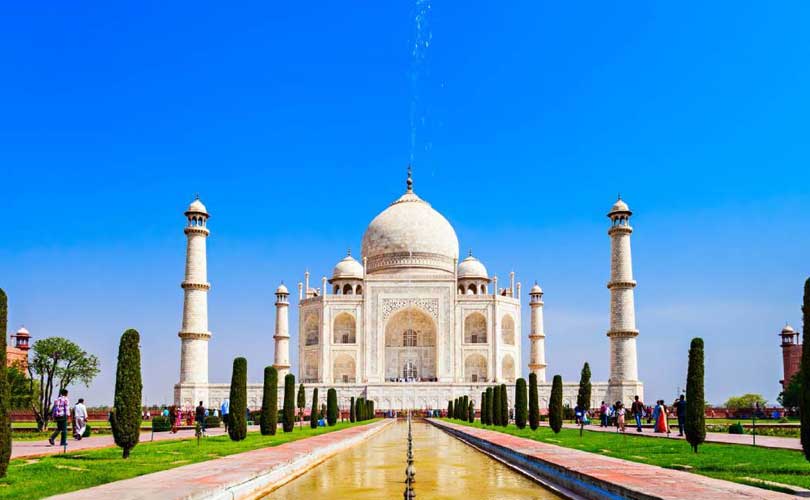
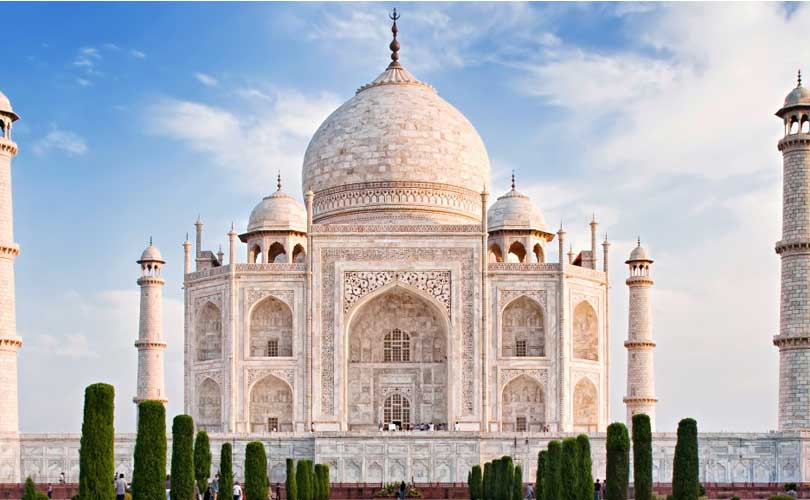
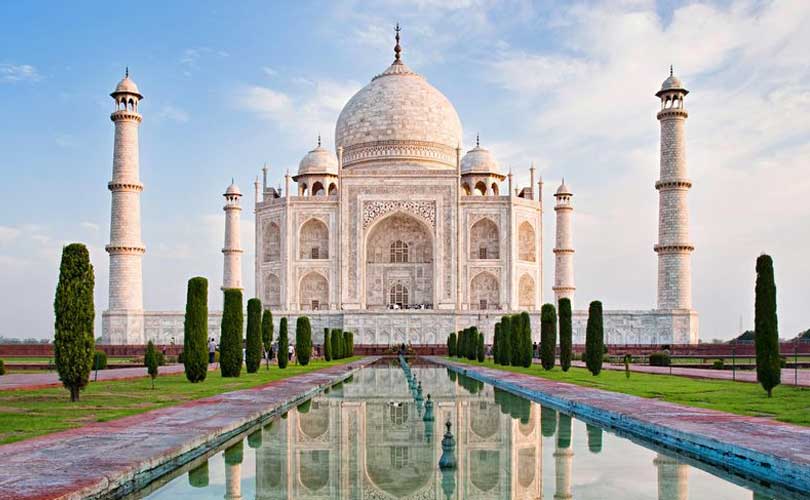
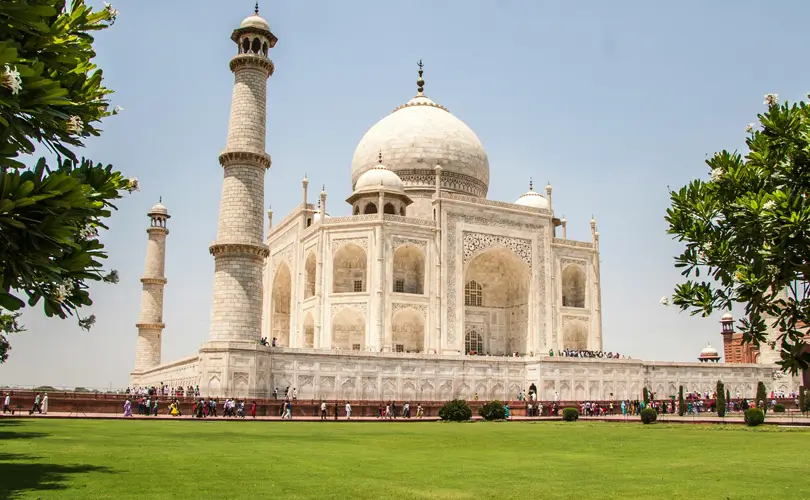
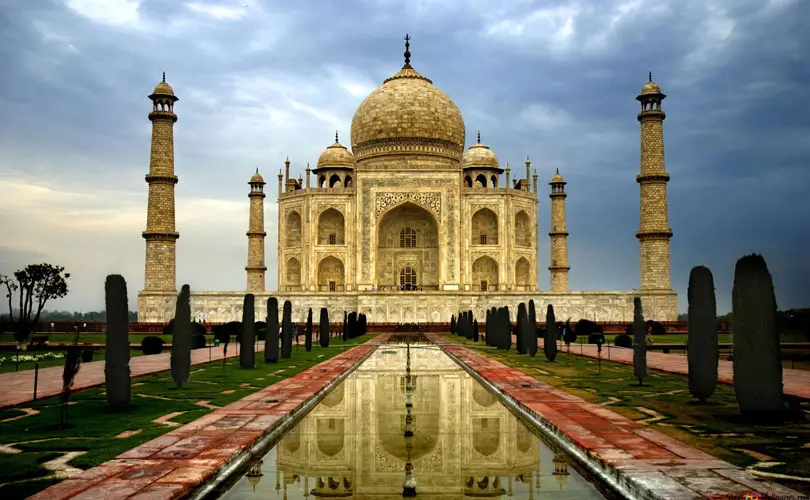
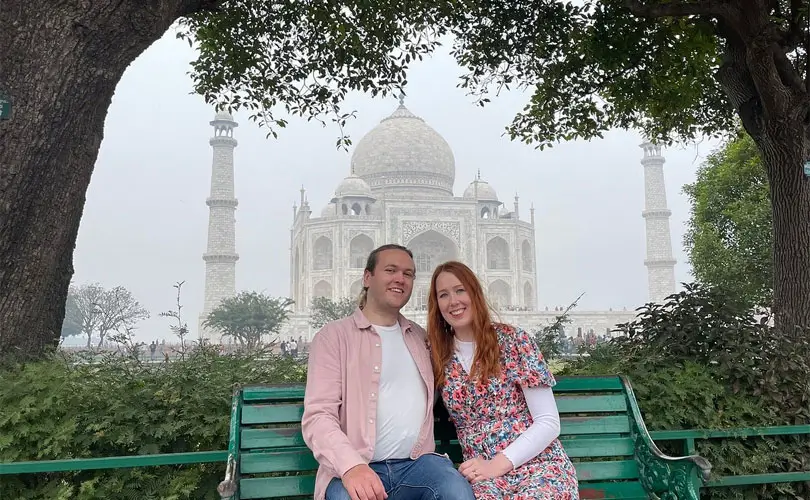
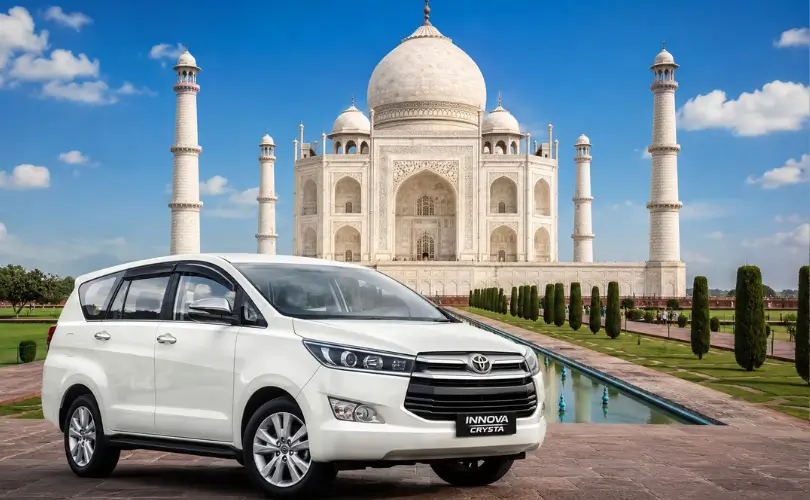
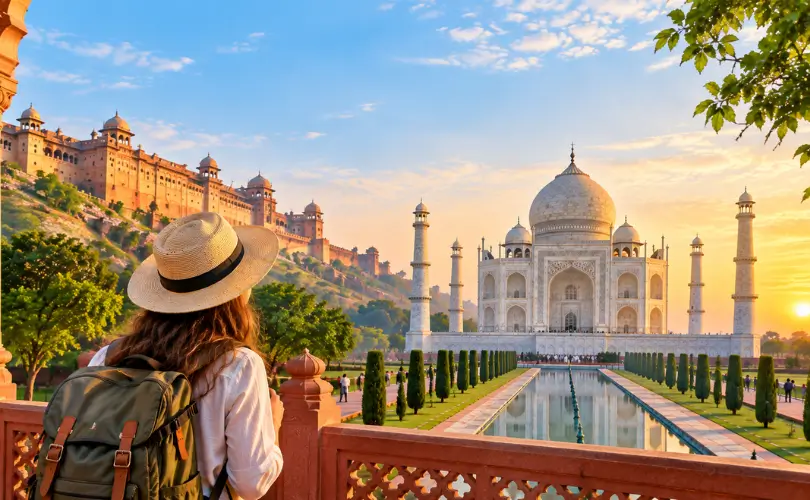
The Taj Mahal is the centerpiece of almost every Agra private tour, and the time selected for the visit can affect the experience considerably. The monument normally opens around sunrise and remains open until around sunset on standard visiting days. It is closed to general visitors every Friday, which is one of the most important details to check before confirming an Agra itinerary. Exact opening and closing times shift with seasonal sunrise and sunset, so travelers should confirm current timings close to their visit rather than relying on a fixed hour printed in an old travel guide.
Early morning is one of the most popular visiting periods. Temperatures are generally more comfortable, particularly outside the cooler months, and the softer morning light is attractive for photography. Visitors staying overnight in Agra can leave their hotel before sunrise and reach the monument entrance close to opening time. The exact hotel departure depends on location because some properties are much closer to the Taj Mahal access zones than others. Security checks and movement from the vehicle parking area to the entrance also require time, so arriving at the parking area at the official opening time does not mean the visitor will immediately be standing beside the main platform.
International travelers should broadly budget around ₹1,100 per person for standard Taj Mahal admission, with approximately ₹200 additional admission for access to the main mausoleum. This means a foreign visitor entering both the monument complex and the mausoleum can expect to spend roughly ₹1,300 per person under the commonly applicable ticket structure. Prices, payment systems, ticket categories, and entry rules can change, so current official rates should always be checked before the visit. A couple should therefore keep roughly ₹2,600 available for Taj Mahal admission alone if both visitors want mausoleum access.
The monument requires more time than many hurried itineraries allow. Approximately two to three hours is comfortable for a first visit with a private guide. This provides time for security, the main gateway, garden views, historical explanation, photography, the marble platform, and mausoleum access. Travelers who are particularly interested in architecture or photography may want longer, while someone visiting during a short railway stop may complete the principal areas more quickly. Trying to reduce the entire Taj Mahal experience to 45 minutes usually results in more time being spent watching the clock than appreciating the monument.
Vehicle restrictions around the Taj Mahal are another practical detail. Private cars cannot simply drive to the marble platform or stop at the monument gate. Vehicles use designated parking areas, and visitors continue toward the entrance using permitted local transportation or walking arrangements. A private Agra car and driver remains useful because the driver can drop travelers at the appropriate access area and wait at the agreed location while they complete the visit.
Security procedures should be taken seriously. Carrying only essential items can make entry easier. Large bags, food, tobacco products, and various restricted objects may not be allowed inside. Travelers should check current rules beforehand and leave unnecessary luggage securely at the hotel or in the vehicle when appropriate. Passports, money, phones, and other valuables should remain with the traveler.
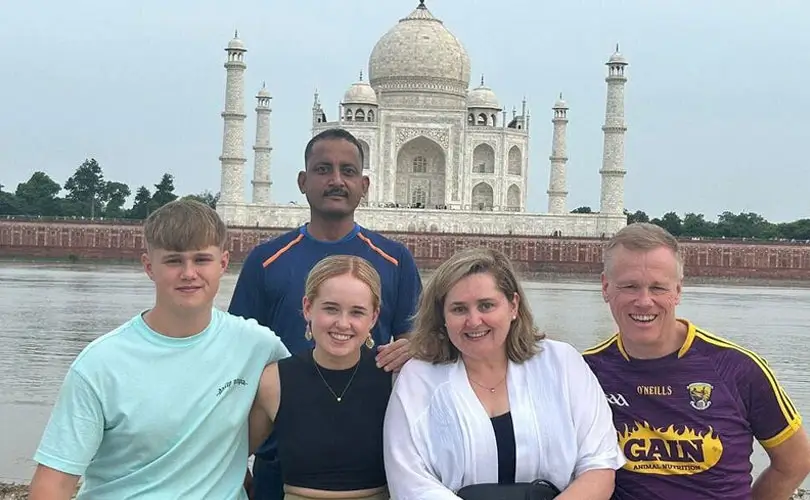
A professional guide can add considerable value at the Taj Mahal. The guide can explain the Mughal history behind the monument, Shah Jahan and Mumtaz Mahal, the architectural symmetry, marble inlay work, calligraphy, garden design, and the relationship between the Taj Mahal and the Yamuna River. A guide can also help visitors move through the complex efficiently without turning the visit into a lecture. The strongest guiding experience responds to the traveler's interests rather than repeating memorized facts.
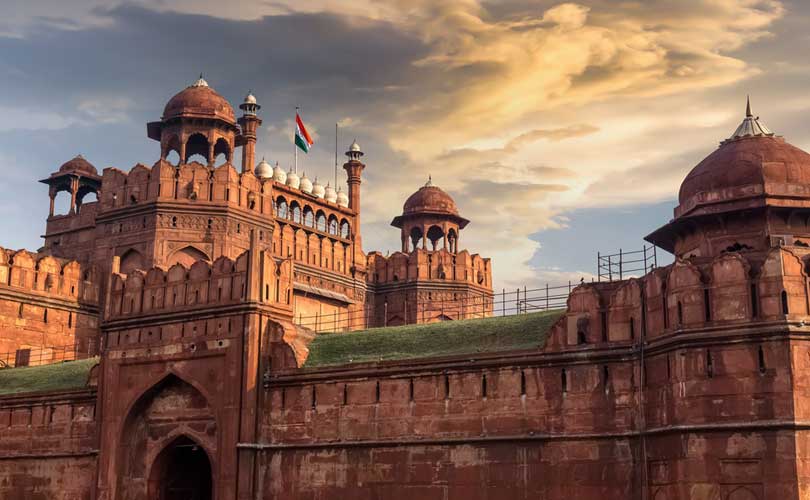
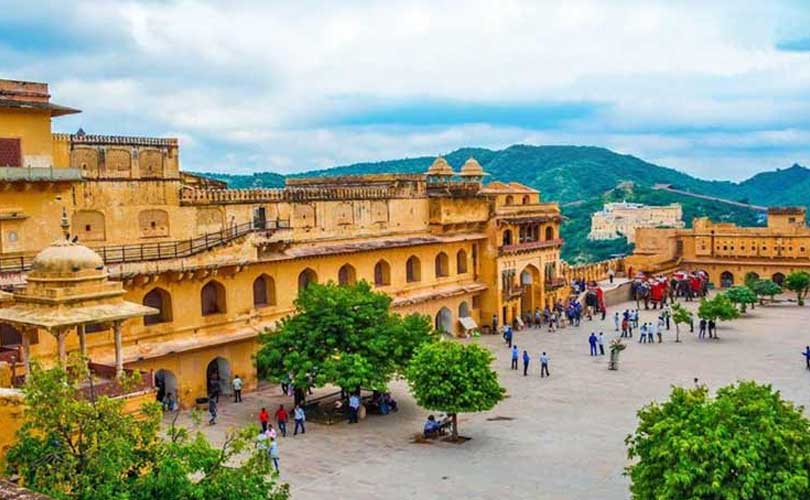
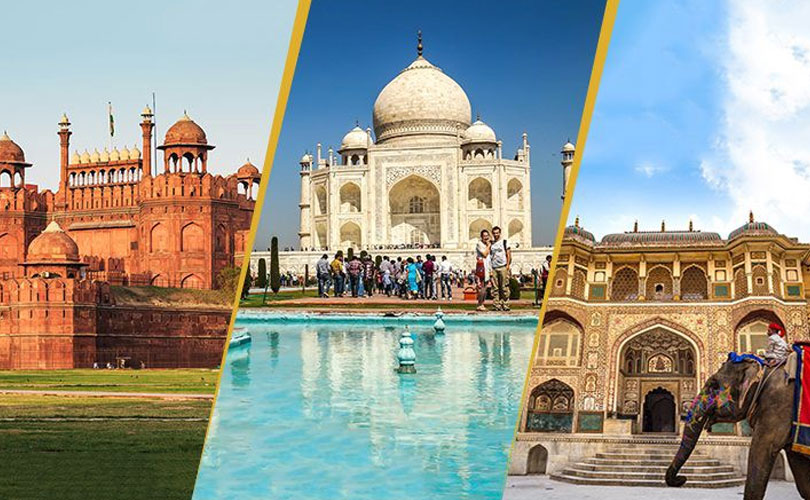
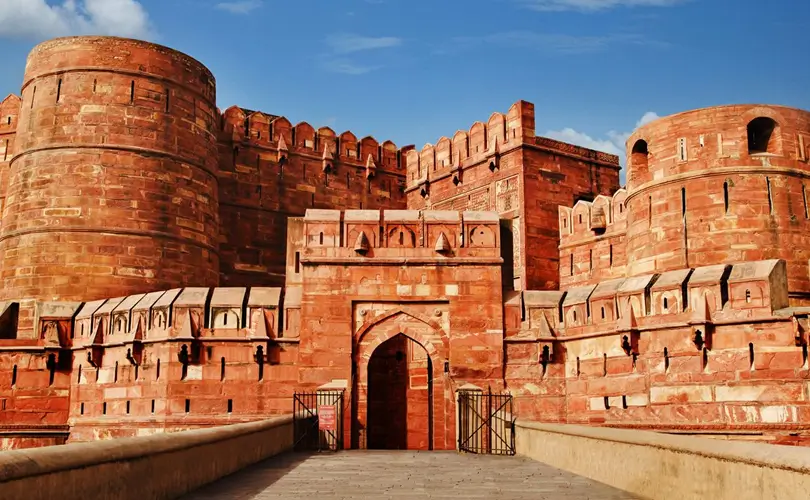
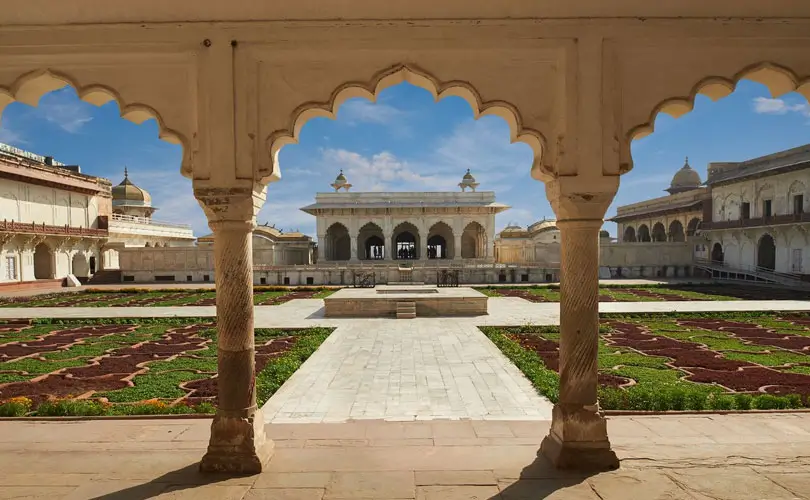
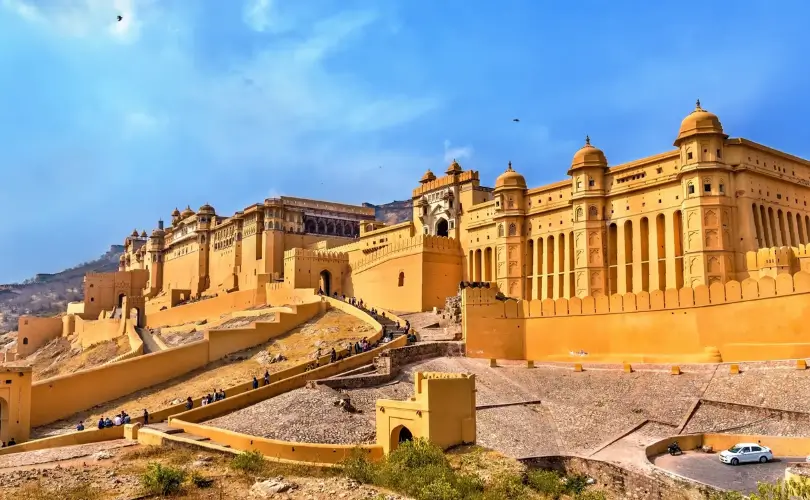
A Taj Mahal and Agra Fort private tour is the strongest combination for visitors with limited time because the two monuments tell connected parts of Mughal history. Agra Fort is not simply another red sandstone fort added to the itinerary after the Taj Mahal. It was a major imperial residence and administrative center used by several Mughal emperors, and its palaces, courtyards, audience halls, defensive structures, and river-facing sections help place the Taj Mahal within a much broader historical setting.
The fort is located only a few kilometres from the Taj Mahal, but local traffic means travelers should still allow sufficient transfer time. A private car is convenient because the driver can collect guests after the Taj Mahal visit and take them directly toward the fort's visitor entrance. Parking and walking requirements vary, and the guide can coordinate the practical transition between the two monuments.
International visitor admission to Agra Fort is commonly around ₹650 per person, although official ticket rates should be checked again close to the travel date. A couple can therefore budget approximately ₹1,300 for standard fort admission. When combined with Taj Mahal tickets and mausoleum access, two international visitors may already spend around ₹3,900 on admission for the two major monuments, before considering any additional attractions.
A normal Agra Fort visit requires around 90 minutes to two hours. Visitors with a strong interest in Mughal history may want longer. The complex is substantial, and not every historic section is necessarily open to tourists at all times. Walking distances, security procedures, heat, and crowd levels also affect the pace. Comfortable footwear is important because an Agra sightseeing day involves much more walking than simply getting in and out of a car.
The fort is particularly interesting after a guided Taj Mahal visit because the historical stories begin to connect. Shah Jahan spent part of his later life confined within Agra Fort after the struggle for succession involving his sons. Views toward the Taj Mahal from sections of the fort have therefore become an important part of the historical narrative associated with the emperor's final years. A good private guide in Agra can connect these locations without exaggerating stories or replacing history with tourist folklore.
For travelers arriving from Delhi on a same-day road trip, the Taj Mahal and Agra Fort can comfortably form the core of the itinerary. An early Delhi departure can bring visitors to Agra during the morning, followed by the Taj Mahal, lunch, and Agra Fort before the return drive. Additional monuments can be added when time allows, but there is little benefit in squeezing five attractions into the schedule if the two principal sites are then rushed.
Travelers staying overnight have greater freedom. Agra Fort can be visited during the afternoon after arriving from Delhi, leaving the Taj Mahal for sunrise the next morning. This structure can be particularly comfortable for photographers, senior visitors, families, and travelers who do not want a very long same-day return journey.
A private guide is one of the most useful optional expenses in Agra because the city's main monuments contain layers of history, architecture, symbolism, and artistic detail that are not always obvious to first-time visitors. A professional Agra tour guide cost can broadly range from approximately ₹1,500 to ₹3,500 or more for a standard private sightseeing service, depending on duration, language, qualifications, number of monuments, and the level of specialist knowledge requested. Full-day guiding or less commonly requested foreign-language services may cost more.
Travelers should confirm the guide fee before sightseeing begins. The booking should make clear whether the guide is being hired only for the Taj Mahal, for the Taj Mahal and Agra Fort, or for a complete day including additional sites. If a traveler requests an English-speaking guide for two major monuments, the price should not suddenly change halfway through the day because the service scope was unclear.
A professional guide should provide historical interpretation, not merely help take photographs. At the Taj Mahal, the guide should be able to explain the monument's construction, materials, design, Mughal context, decorative techniques, calligraphy, symmetry, and the purpose of the surrounding structures. At Agra Fort, the guide should help travelers distinguish between the different phases of construction and understand how the fort functioned as an imperial complex rather than presenting every building as an isolated photo opportunity.
Practical assistance also matters. A local guide familiar with the monument entry system can direct travelers toward the correct ticket and security areas, explain what cannot be carried inside, and coordinate meeting points with the driver. This can save time for international visitors who are unfamiliar with the local layout.
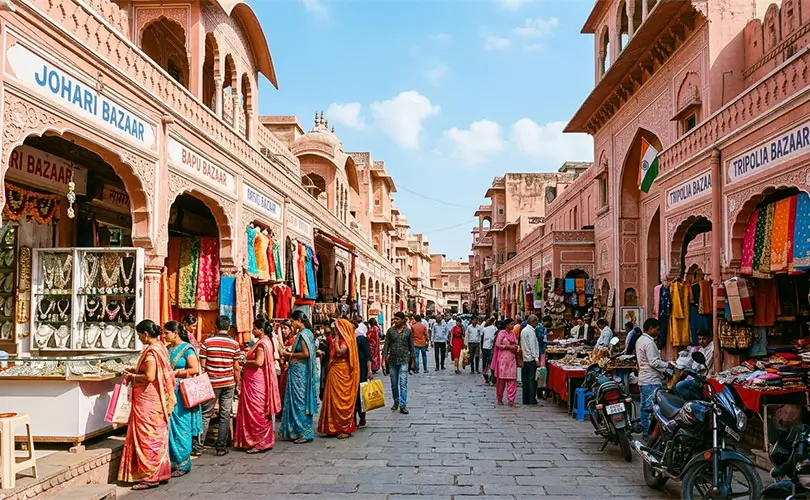
The guide should not pressure guests into shopping. Agra is famous for marble inlay work, carpets, leather products, handicrafts, and jewelry, and some travelers genuinely enjoy visiting workshops or stores. However, shopping should be optional. A visitor who wants to spend the day entirely at monuments should be able to say so without being repeatedly taken to retail outlets.
Travelers should also distinguish between the Agra private driver and the guide. The driver handles transportation, parking, luggage, and road logistics. The guide accompanies the guests during sightseeing and provides historical commentary. One person should not automatically be expected to perform both professional roles. A driver may know useful local information, but that is different from a qualified guiding service inside protected monuments.
Language availability should be confirmed early. English-speaking guides are commonly available, while French, German, Spanish, Italian, Japanese, and other language guides may require advance booking. During high-demand periods, experienced guides can become unavailable if the request is left until the morning of the visit.
Local Agra car rental with driver pricing is lower than a Delhi–Agra intercity booking because the vehicle covers city sightseeing rather than several hundred kilometres of highway travel. However, the total still depends on the vehicle category, number of service hours, included mileage, pickup location, parking, and whether the tour begins or ends at a railway station or an outlying hotel.
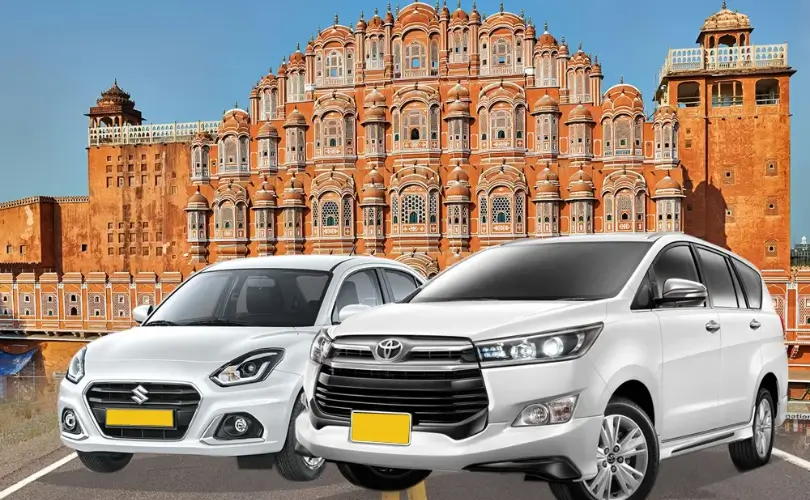
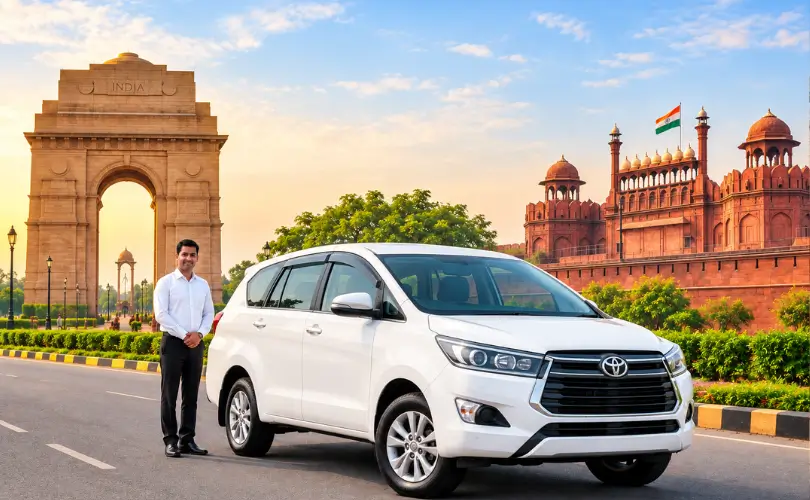
For a normal local sightseeing day, a private sedan can broadly cost around ₹3,000 to ₹4,500. An Innova-type vehicle may cost approximately ₹4,500 to ₹6,500, while an Innova Crysta can broadly reach ₹5,500 to ₹7,500 or more depending on service duration and inclusions. These are practical budgeting ranges rather than guaranteed tariffs, and extended hours, late-night transfers, unusual pickup locations, or additional mileage can increase the final amount.
A sedan is normally suitable for one or two travelers because luggage can remain at the hotel during sightseeing. If the tour begins at Agra Cantt railway station and ends with an onward road transfer, luggage requirements become more important. Two international travelers carrying several large suitcases may prefer an Innova even if a sedan has enough passenger seats.
Families and three to four adults will generally be more comfortable in an Innova-type vehicle. An Innova Crysta for Agra sightseeing provides additional space but is not essential for every booking. For a couple spending most of the day outside the vehicle at monuments, a clean air-conditioned sedan can provide perfectly adequate local transportation.
Air conditioning should work properly. Agra can become extremely hot, and visitors often return to the vehicle after spending one or two hours walking through exposed monument complexes. A comfortable car provides a useful break between sightseeing stops.
Travelers should ask whether fuel, parking, driver allowance, and applicable taxes are included. A cheap base price can become less attractive when multiple extras are added. If the vehicle is sold as an eight-hour service, ask what happens if sightseeing extends beyond the included duration.
Travelers with more than half a day in Agra can add Itmad-ud-Daulah and Mehtab Bagh without simply repeating the experience of the Taj Mahal and Agra Fort. Both attractions offer different reasons to visit and work particularly well for guests staying overnight.
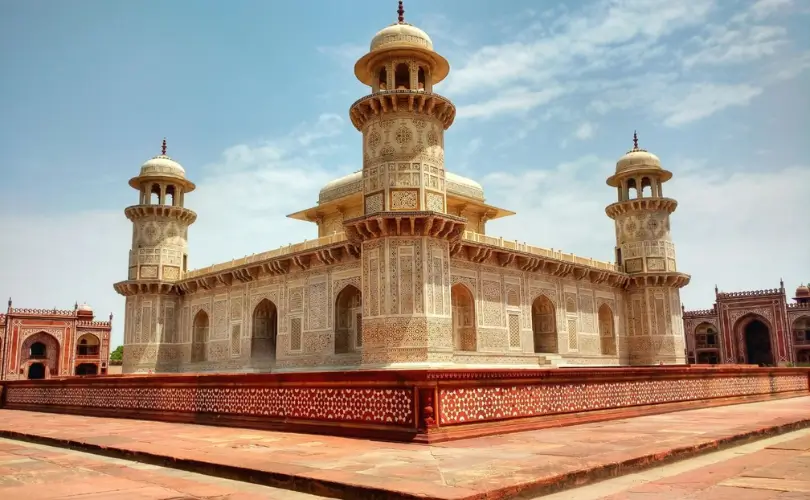
Itmad-ud-Daulah is a Mughal tomb built on a smaller scale than the Taj Mahal but decorated with delicate stonework and marble inlay. It is frequently nicknamed the “Baby Taj,” although that label can undersell its own historical importance. The monument is associated with Nur Jahan's family and represents an important stage in the development of Mughal funerary architecture. International admission has commonly been around ₹310 per person, subject to current official pricing. A visit usually takes around 45 minutes to one hour.
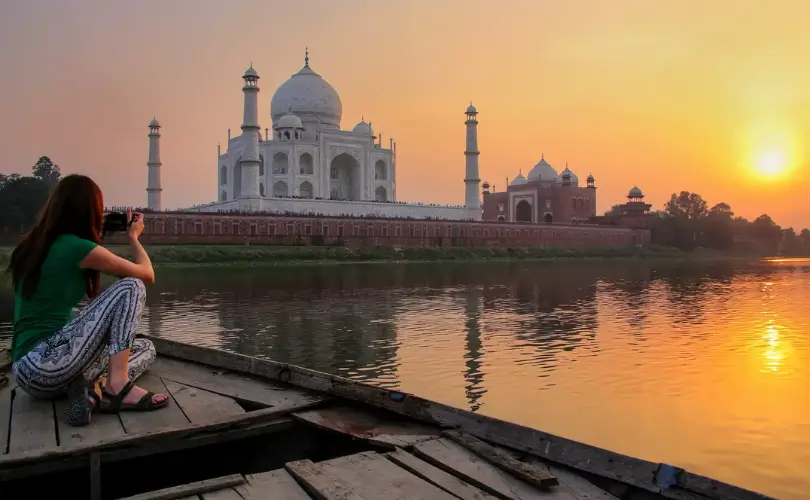
Mehtab Bagh lies across the Yamuna River from the Taj Mahal and is popular because of its view toward the monument. It can be particularly attractive later in the afternoon when light conditions are favorable. International admission has commonly been around ₹300 per person, although current prices should be verified. A normal visit can take around 45 minutes to one hour, with photographers potentially staying longer.
The important consideration is timing. Travelers should not add both sites merely because they appear on a checklist. Someone visiting Agra for only five hours is better served by spending adequate time at the Taj Mahal and Agra Fort. A guest staying overnight can add Itmad-ud-Daulah during the afternoon and use Mehtab Bagh around the later part of the day.
A practical full-day Agra sightseeing itinerary might begin with the Taj Mahal around sunrise, return to the hotel for breakfast if desired, continue to Agra Fort later in the morning, take a relaxed lunch break, visit Itmad-ud-Daulah in the afternoon, and finish at Mehtab Bagh. This structure provides variety without requiring constant rushing.
A couple booking a private Agra sightseeing tour with guide should consider the complete day's expenses rather than only the car fare. Suppose two international travelers use a private sedan for approximately ₹4,000 and hire an English-speaking guide for around ₹3,000. Their basic car-and-guide expense is already approximately ₹7,000.
If both travelers purchase Taj Mahal admission with mausoleum access, the total is roughly ₹2,600. Agra Fort adds around ₹1,300 for the couple. Adding Itmad-ud-Daulah and Mehtab Bagh can contribute approximately another ₹1,200 or more in combined admission based on commonly applicable rates. The total for transportation, guiding, and principal tickets can therefore reach around ₹12,000 or more for two travelers before meals, tips, shopping, or optional activities.
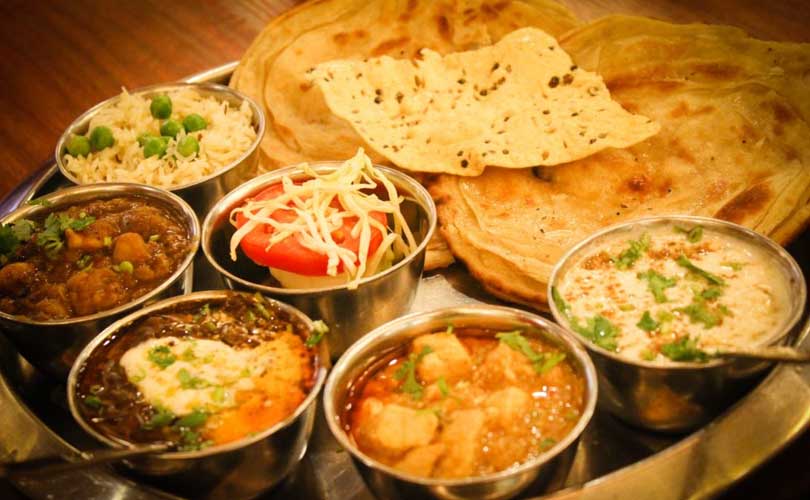
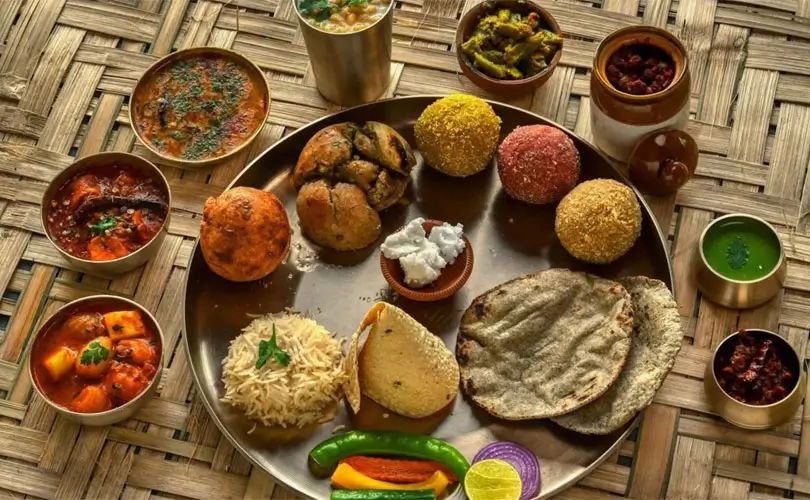
Lunch at a comfortable restaurant may cost approximately ₹700 to ₹1,500 per person. An upscale restaurant or luxury hotel meal may cost ₹2,000 to ₹4,000 per person or higher. A couple choosing a good mid-range lunch should therefore add another ₹1,500 to ₹3,000 to the day's practical budget.
This makes a realistic full-day cost of approximately ₹14,000 to ₹18,000 for two international travelers entirely possible when the day includes a private sedan, professional guide, major monument tickets, mausoleum access, additional attractions, and a comfortable meal. Choosing an Innova Crysta, premium guide, fine dining, or optional activities can take the total higher.
The figures also show why an advertisement offering a complete “private Agra tour” for a tiny amount should be examined carefully. It may refer only to transportation or guiding rather than the complete cost of the day.
A sunrise Taj Mahal private tour is particularly attractive for travelers already sleeping in Agra. The main benefit is not simply the possibility of good photographs. Morning temperatures are often more comfortable, and the visit leaves the remainder of the day available for other monuments or onward travel.
Travelers should leave their hotel early enough to account for driving, parking, movement toward the entrance, and security. The exact pickup time depends on the season because sunrise changes throughout the year. A fixed 5:00 a.m. pickup is therefore not appropriate for every month.
The disadvantage is the early wake-up. International travelers suffering from jet lag may find an extremely early visit tiring, particularly if they arrived in Agra late the previous evening. In that situation, a normal morning visit can be more enjoyable than forcing a sunrise schedule simply because it is popular online.
Daytime sightseeing can also provide excellent views. The Taj Mahal's appearance changes with light throughout the day, and a knowledgeable guide can structure the visit around the traveler's actual schedule.
Visitors arriving from Delhi on a same-day trip generally reach Agra too late for sunrise, which is completely fine. The Taj Mahal remains impressive later in the morning. The key is to avoid the hottest hours when traveling during warmer periods if the schedule allows.
Before paying for a private Taj Mahal and Agra sightseeing tour, travelers should receive a written description of the service. The quotation should identify the vehicle category, pickup point, service duration, guide language, included monuments, and final drop location. Fuel, parking, driver allowance, and applicable taxes should be marked clearly as included or excluded.
Monument tickets require particular attention. If the package states that Taj Mahal tickets are included, confirm whether this includes the additional mausoleum admission. If tickets are excluded, travelers should know approximately how much to budget.
Guide fees should be fixed in advance. The guide should not introduce unexpected mandatory charges after sightseeing begins.
Travelers arriving by train should provide the train number and station details. Agra has multiple railway stations, and “Agra station pickup” is not precise enough. Agra Cantt is commonly used by visitors, but the actual booking should identify the correct station.
For hotel pickup, provide the exact property name. Some hotels have similar names, and others lie outside the central tourism area.
Travelers continuing to Jaipur should tell the operator in advance. Local Agra sightseeing followed by an Agra to Jaipur private transfer is a different vehicle duty from a city-only sightseeing booking.
Golden Triangle Tours India can arrange private Agra sightseeing according to the visitor's available hours, hotel or station location, vehicle preference, guide language, and onward route. A well-paced day should leave enough time to appreciate the Taj Mahal and Agra Fort properly rather than reducing them to quick photographs between shopping stops.
For two international travelers, a complete day involving a sedan, private guide, major monument tickets, and a comfortable meal can realistically reach around ₹14,000 to ₹18,000 or more. The total rises with a larger vehicle, premium guiding, additional monuments, and higher-end dining.
A sedan can broadly cost around ₹3,000 to ₹4,500 for local sightseeing. An Innova may cost approximately ₹4,500 to ₹6,500, while an Innova Crysta can be around ₹5,500 to ₹7,500 or more, depending on hours and inclusions.
A private English-speaking guide can broadly cost approximately ₹1,500 to ₹3,500 or more, depending on duration and the number of monuments. Full-day and foreign-language guide services can cost more.
International visitors should broadly budget around ₹1,100 for standard admission plus ₹200 for access to the main mausoleum, making the commonly applicable total around ₹1,300 per person when both are selected.
The Taj Mahal normally opens around sunrise and closes around sunset on standard visiting days. Exact timings vary seasonally. The monument is closed to general visitors on Fridays.
International visitors should broadly budget around ₹650 per person for Agra Fort admission, subject to current official tariff changes.
Yes. The Taj Mahal and Agra Fort can comfortably be visited in one day, and travelers with additional time can also add Itmad-ud-Daulah or Mehtab Bagh without making the schedule excessively rushed.
Approximately two to three hours is comfortable for a first visit with a private guide. Travelers with a strong interest in photography, architecture, or Mughal history may want longer.
Sunrise can offer cooler temperatures and attractive light, but it requires an early start. Travelers already staying in Agra can take advantage of it more easily, while visitors arriving from Delhi can still have an excellent late-morning visit.
They perform different roles. A private Agra driver handles transportation, while a professional guide provides historical commentary and accompanies visitors through the monuments. For first-time international visitors, using both can make the sightseeing day considerably easier.