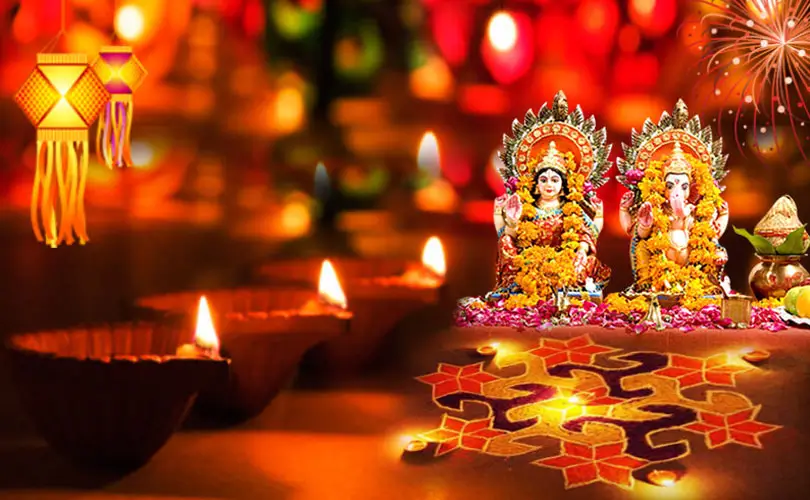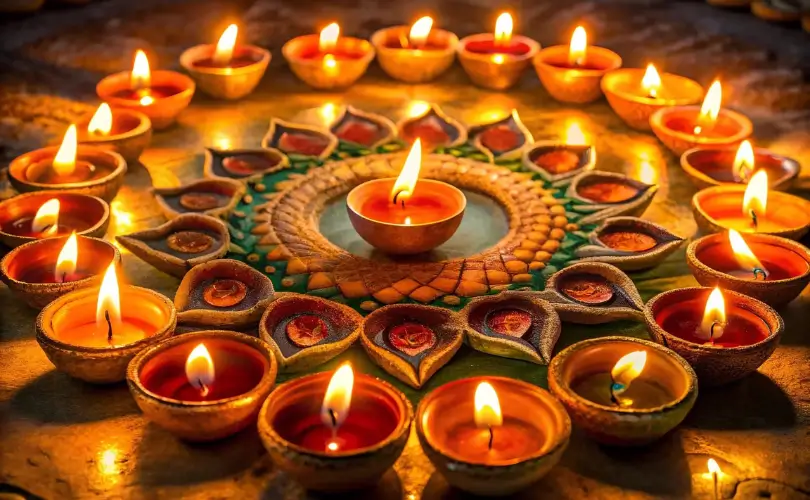
Diwali is one of the most important festive periods for traveling through India, but a successful India tour during Diwali requires a very different itinerary from an ordinary sightseeing holiday. Streets become brighter after sunset, homes and businesses are decorated, markets remain intensely active, religious sites receive larger numbers of visitors, hotel demand increases in popular destinations, and evening traffic can become much heavier around shopping districts and celebration areas. For an international traveler, this creates an opportunity to see Delhi, Agra, Jaipur and Rajasthan during one of the most visually distinctive periods of the year, but it also means transport, hotel location and daily timing deserve careful attention.
Diwali does not fall on the same Gregorian calendar date every year. The festival is determined according to the traditional lunar calendar, so international visitors should confirm the applicable dates before purchasing flights and non-refundable hotel rooms. The main celebration is usually surrounded by several related festive days, meaning the atmosphere begins before the principal evening and continues afterward. A traveler who arrives only for a few hours on the central Diwali evening may actually experience less than someone staying several nights and seeing markets, decorations, family activity, temples and city streets before and after the main celebration.
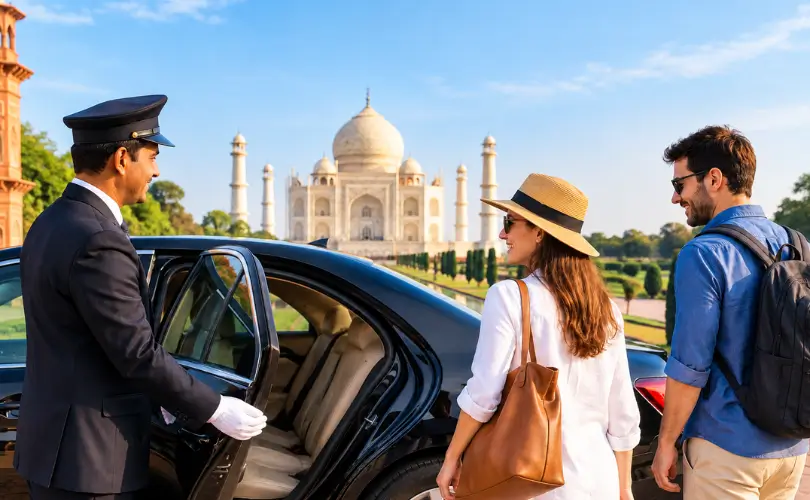
A private Diwali tour in India is particularly useful because fixed group schedules can become difficult when traffic patterns change. A private driver can adjust pickup times, avoid unnecessary shopping areas during their busiest periods, return travelers to the hotel when crowds become tiring, and coordinate evening transportation according to local conditions. Professional local guides can also explain the religious and cultural context behind lamps, decorations, temple activity and household rituals without treating the festival as nothing more than fireworks.
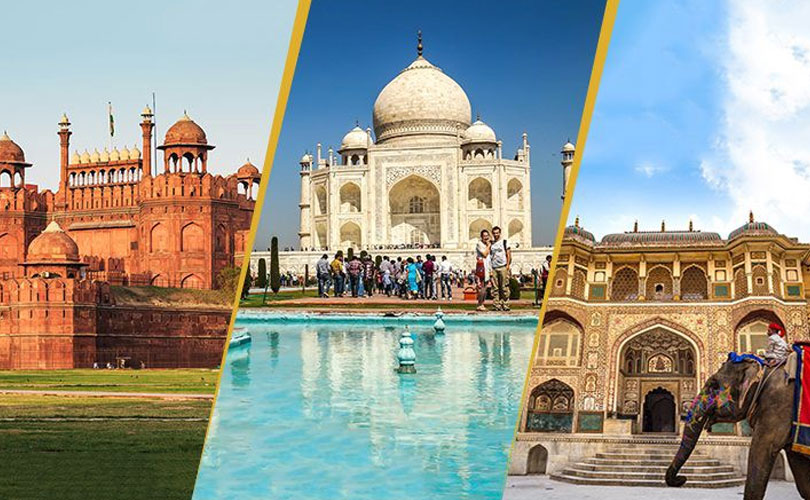
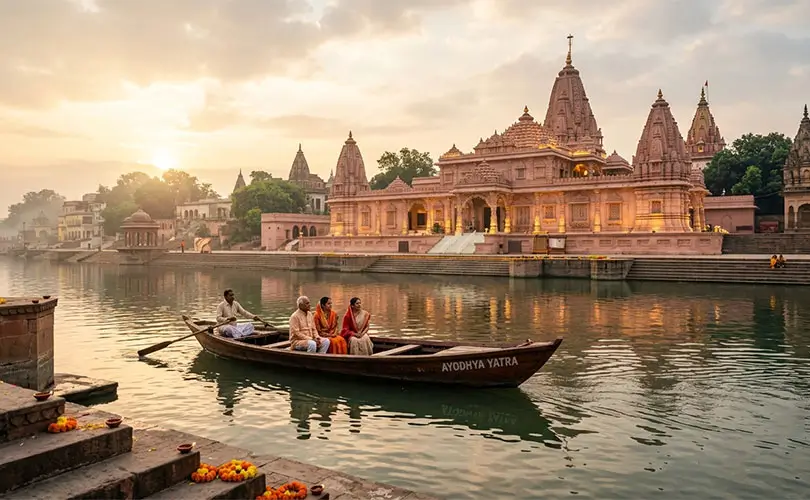
Delhi, Jaipur, Agra and Udaipur can all fit into a Diwali itinerary, but they offer very different experiences. Jaipur is particularly attractive for illuminated markets and historic streets, Delhi provides major markets and temple activity, Agra allows the Taj Mahal to remain part of the journey, and Udaipur can provide a more refined combination of heritage hotels, lakeside settings and festive evenings.
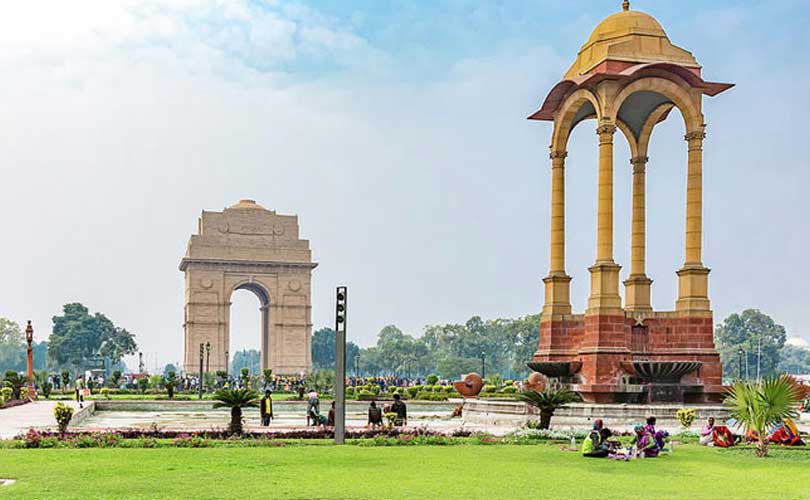
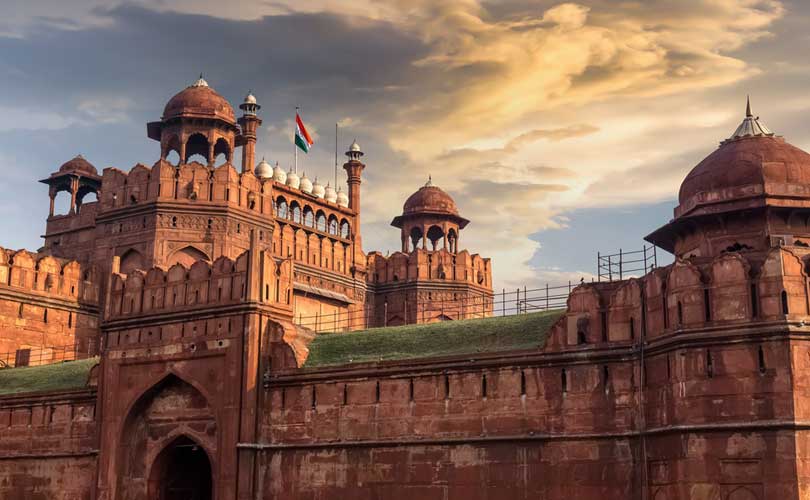
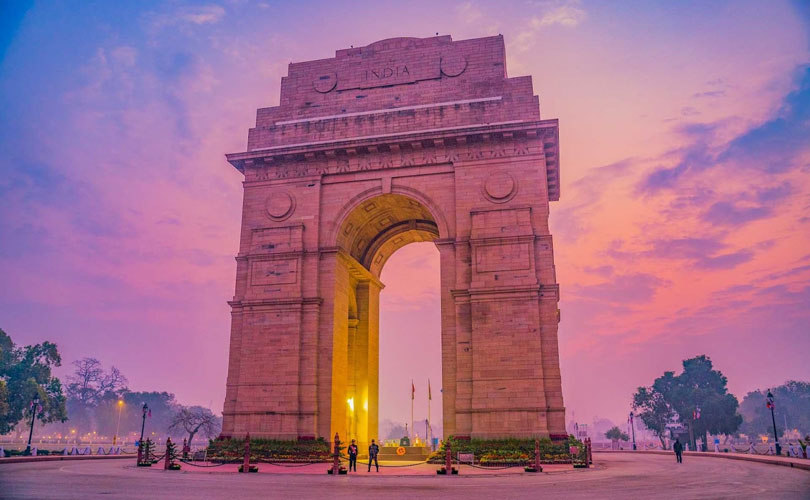
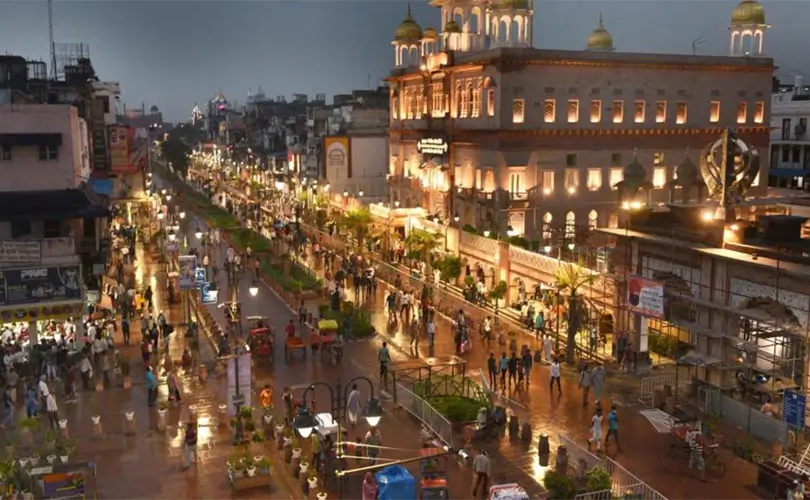
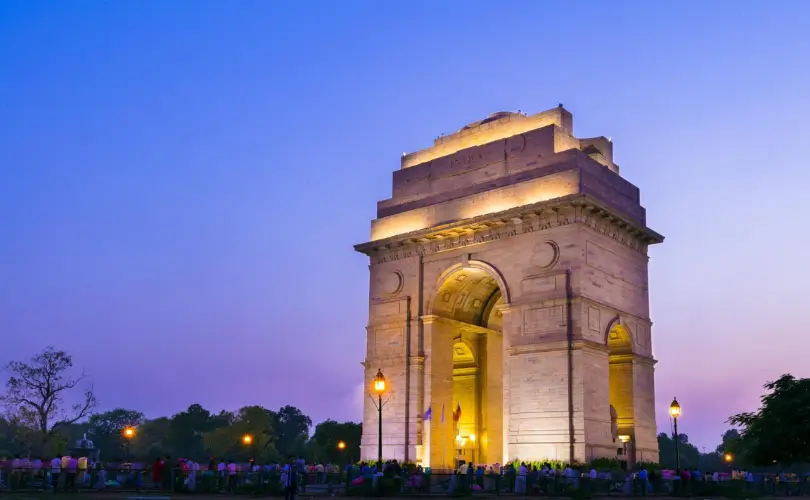
Delhi becomes extremely active in the period surrounding Diwali. Shopping intensifies, decorative lighting appears across commercial areas, sweets and gift boxes fill shops, flower sellers become more visible, and markets can remain crowded well into the evening. For international visitors, the city is best experienced with a combination of normal heritage sightseeing during daylight hours and a carefully selected festive area later rather than spending the complete day inside the most crowded market streets.
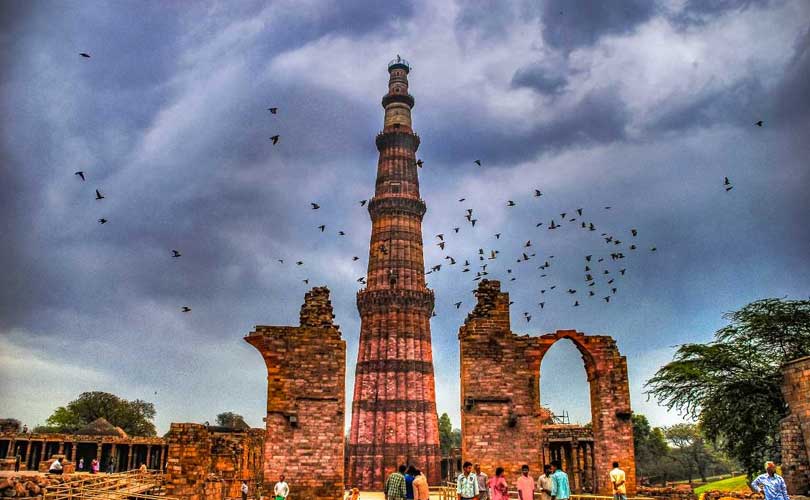
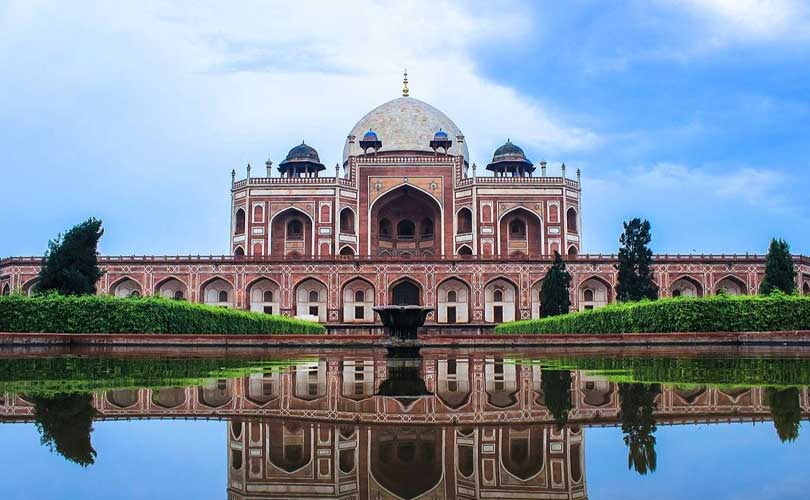
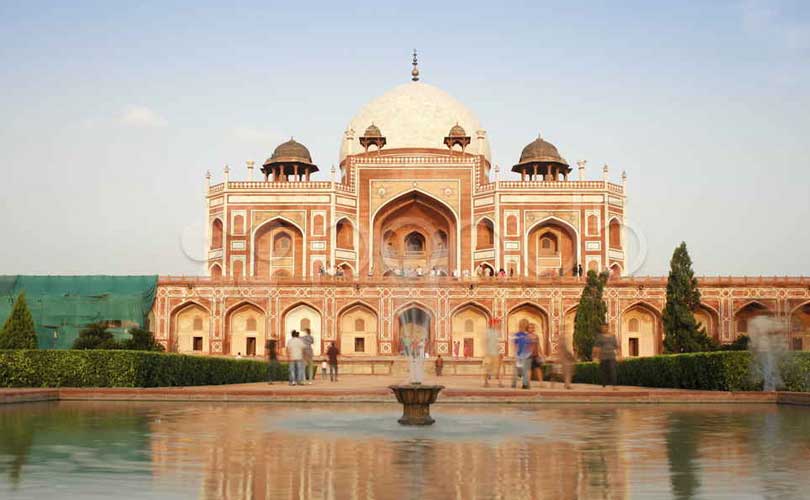
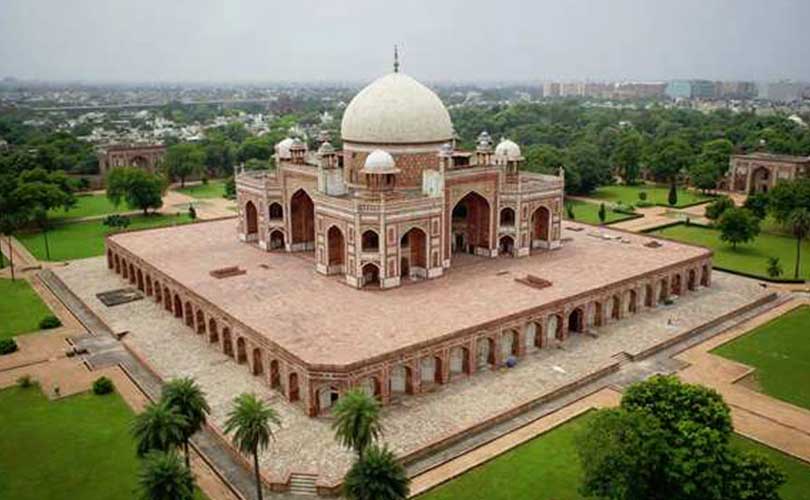
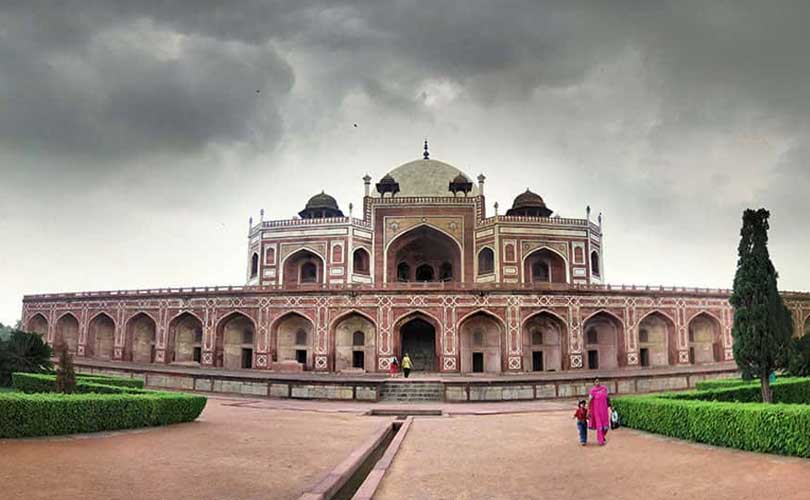
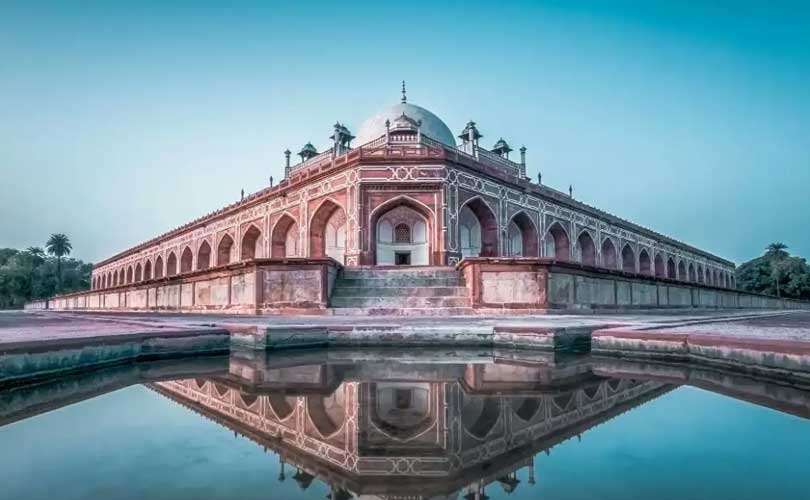
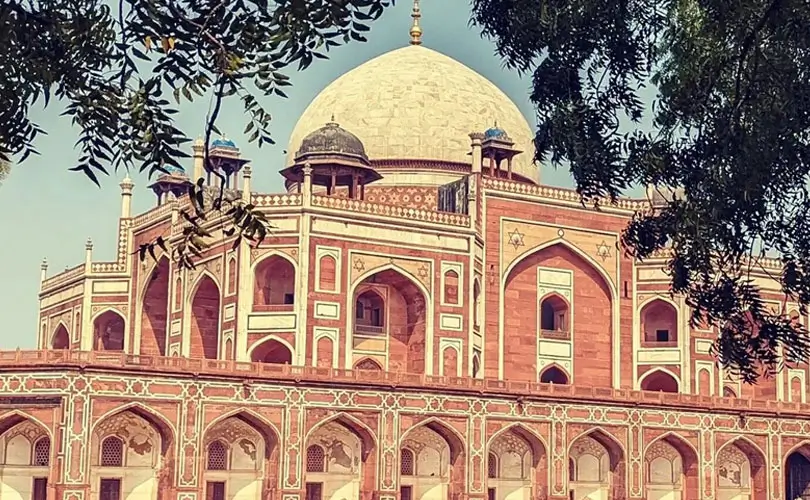
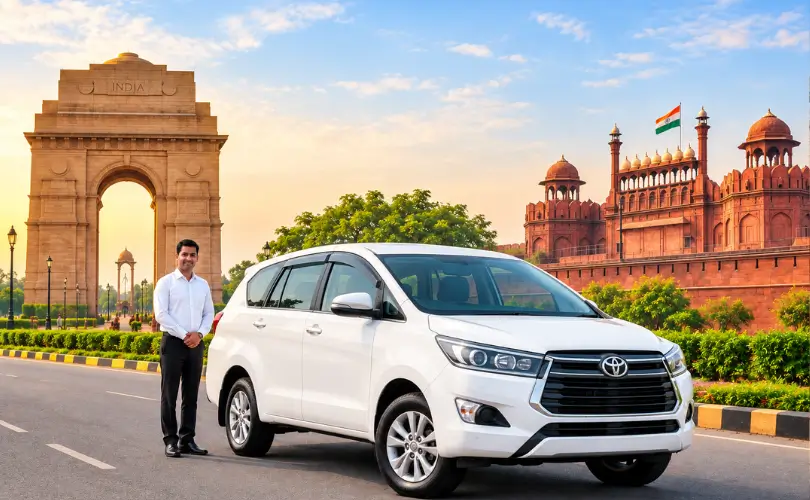
A private Delhi Diwali tour can begin with major monuments such as Humayun's Tomb or Qutub Minar in the morning, when sightseeing is easier and the visitor is not yet dealing with evening festival traffic. International visitor admission to major protected monuments can broadly be around ₹600 per person at sites such as Qutub Minar and Humayun's Tomb, subject to current official ticket revisions. A private English-speaking guide for a substantial Delhi sightseeing day can broadly cost ₹3,000 to ₹5,000 or more, while a sedan with driver can broadly cost around ₹3,500 to ₹5,500 depending on included hours, mileage and operating conditions.
The festive component can then move toward a market or temple area. Chandni Chowk can be visually fascinating during the festive period, but travelers should expect very dense pedestrian movement. Narrow streets, shoppers, delivery vehicles, vendors and temporary displays can make movement slower than on a normal day. A private car cannot remain beside the traveler throughout many Old Delhi lanes, so the driver normally waits at an agreed pickup point while the guide accompanies the guests through the pedestrian section.
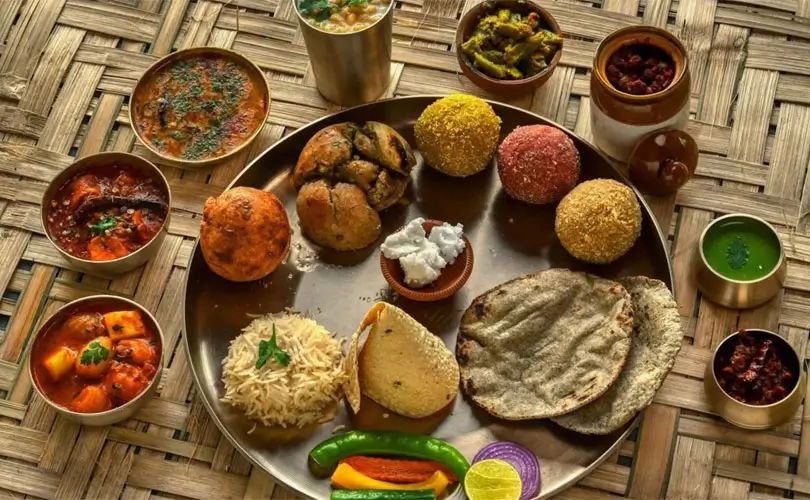
Sweets are an important part of the festive period. Established shops sell boxes containing items made from milk solids, nuts, flour, sugar and other ingredients. A modest box may cost around ₹500 to ₹1,500, while premium gift assortments can cost ₹2,000 to ₹5,000 or substantially more depending on brand, ingredients and packaging. Travelers with nut allergies or dairy restrictions should ask carefully about ingredients because many traditional sweets contain both.
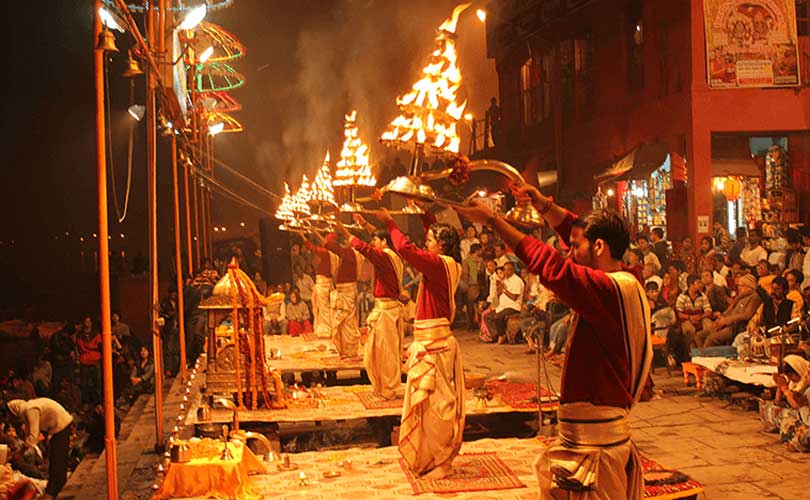
Temple visits can be meaningful, but visitors should remember that religious sites are functioning places of worship rather than festival attractions staged for tourists. Crowds can be significant, footwear rules may apply, security checks can take longer, and photography can be restricted in certain areas. A guide can explain appropriate behavior and help the visitor judge whether a particular temple visit is practical at that hour.
Traffic is one of the biggest logistical issues. A route that normally takes thirty minutes can take much longer on a festive evening, particularly near major markets and commercial districts. International travelers should therefore avoid booking a tightly timed dinner reservation across the city immediately after a crowded market visit. A private vehicle provides flexibility, but it cannot remove traffic.
Air quality also deserves attention. Fireworks, seasonal weather conditions and existing urban pollution can combine to create poor air conditions around the festival period in parts of North India. Travelers who are sensitive to smoke or air pollution should monitor local conditions and limit prolonged outdoor exposure when air quality is poor. A comfortable hotel with good indoor facilities can become valuable on evenings when outdoor conditions are not ideal.
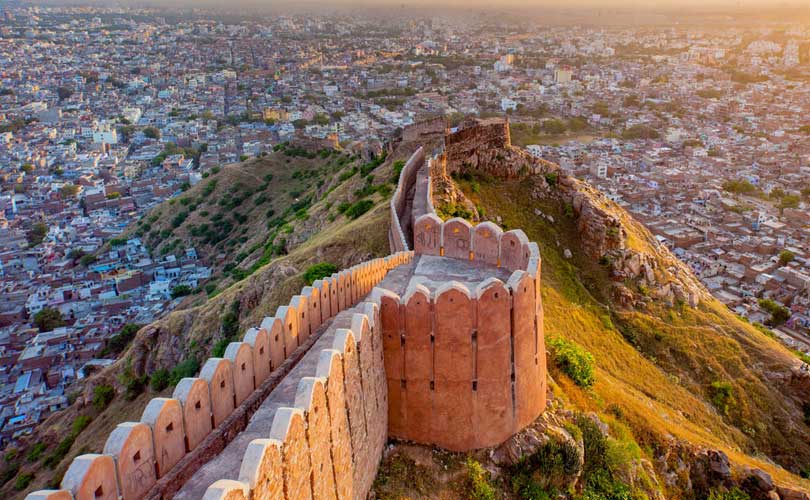
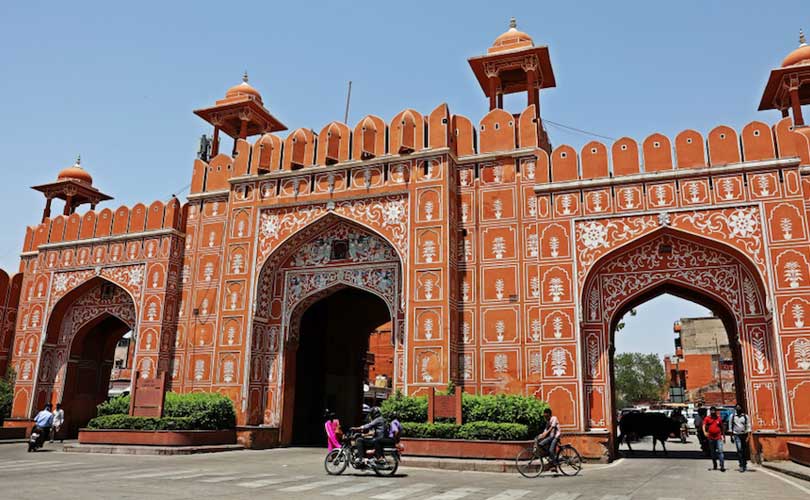
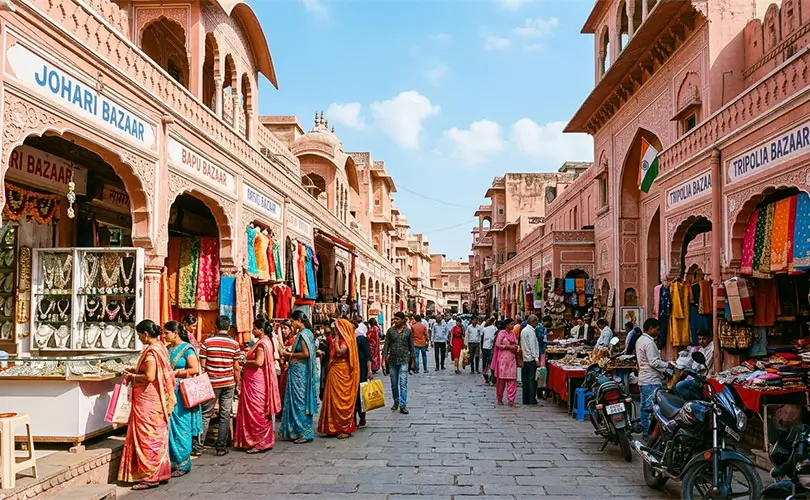
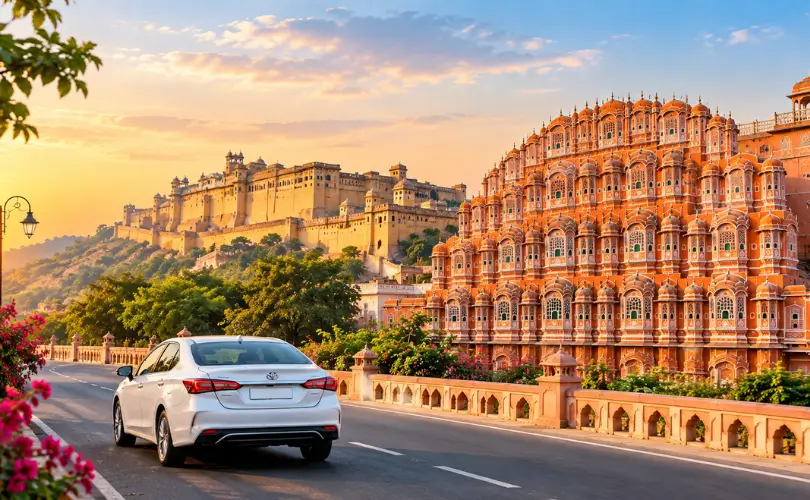
Jaipur is one of the strongest destinations for an India Diwali private tour because the historic city already has a distinctive architectural identity and becomes even more visually striking when major markets and commercial streets are illuminated. Johari Bazaar, Bapu Bazaar and surrounding old-city areas can become particularly lively, while hotels and private properties create their own decorative displays.
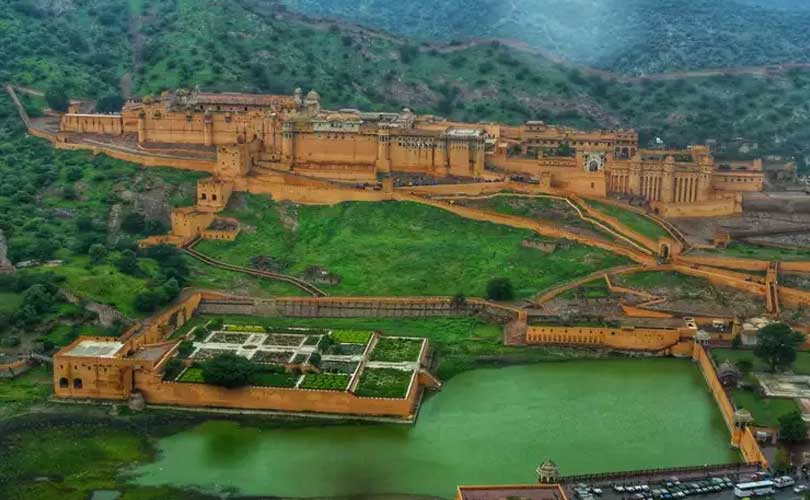
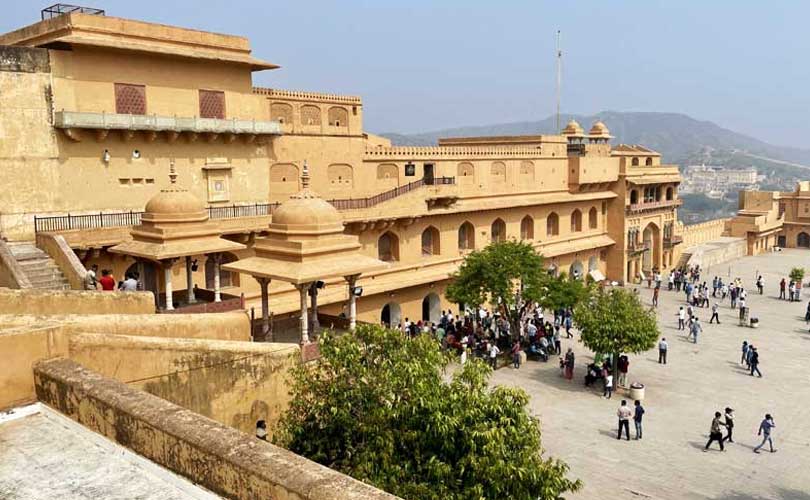
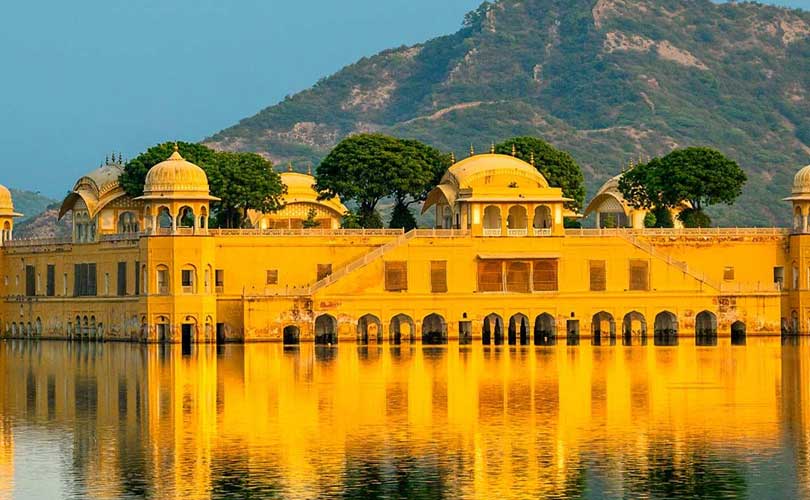
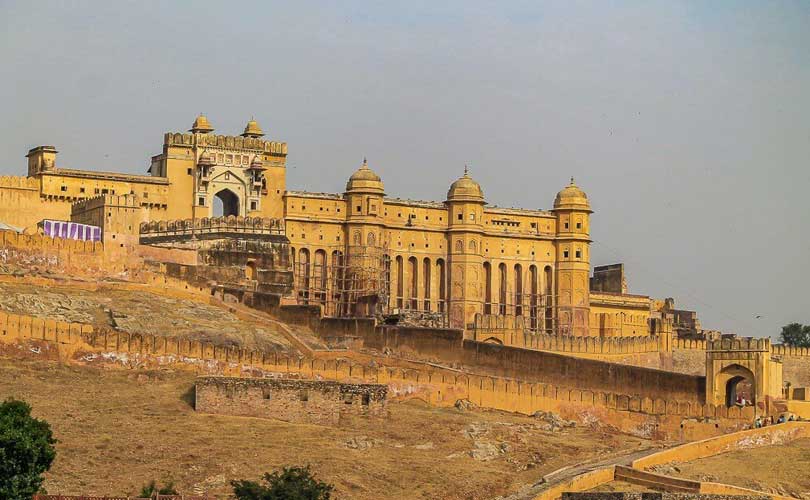
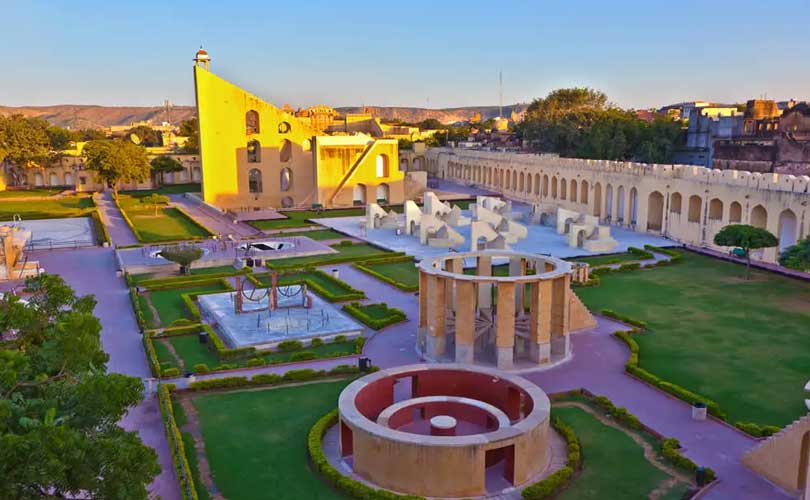
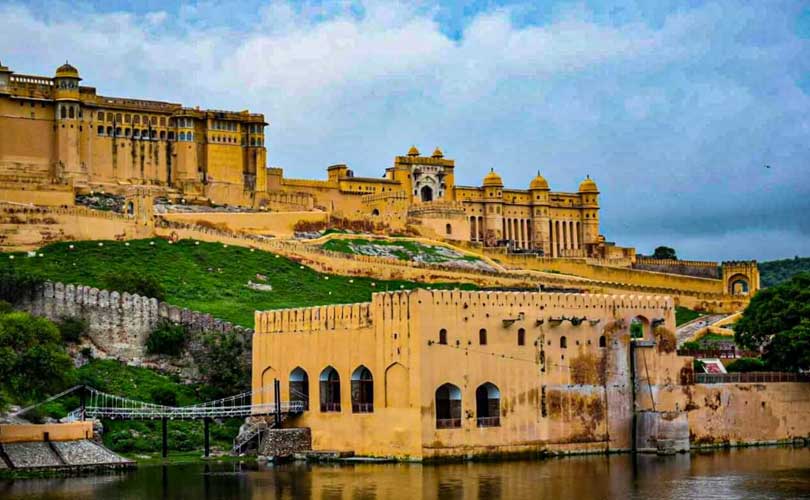
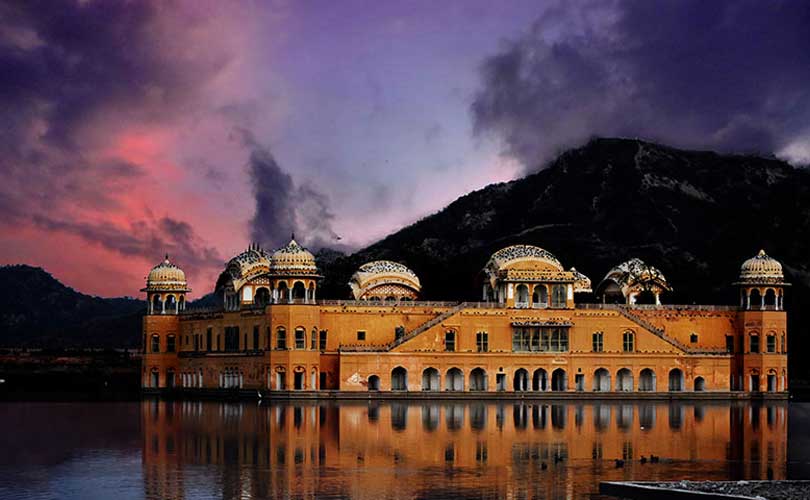
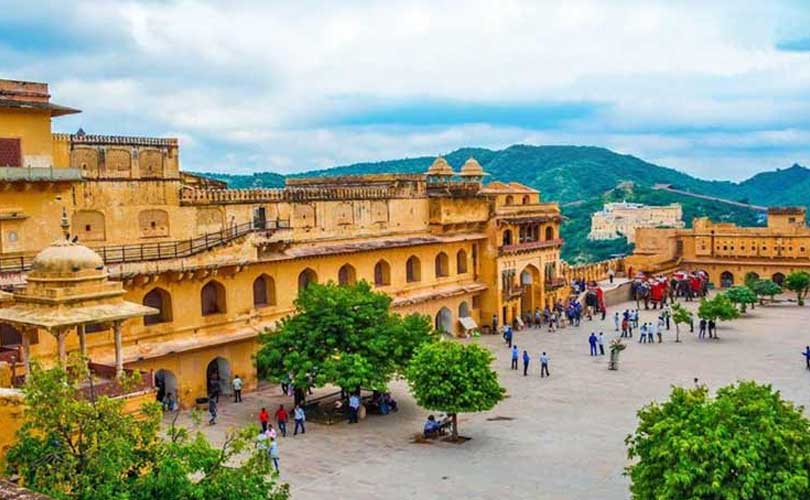
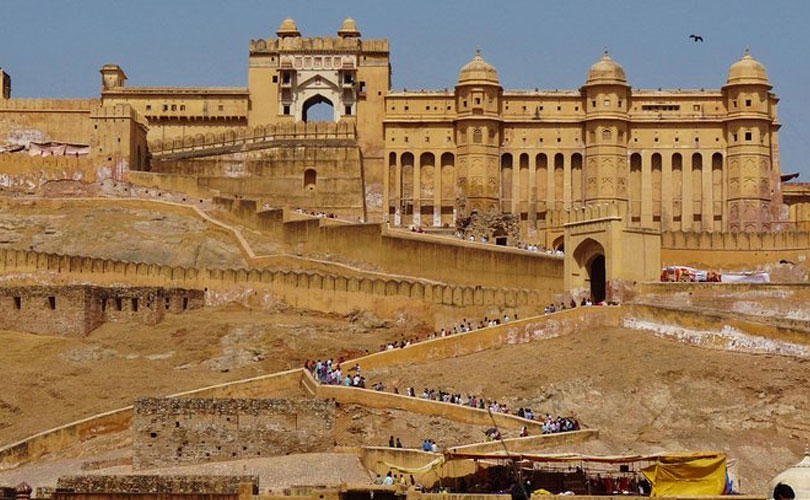
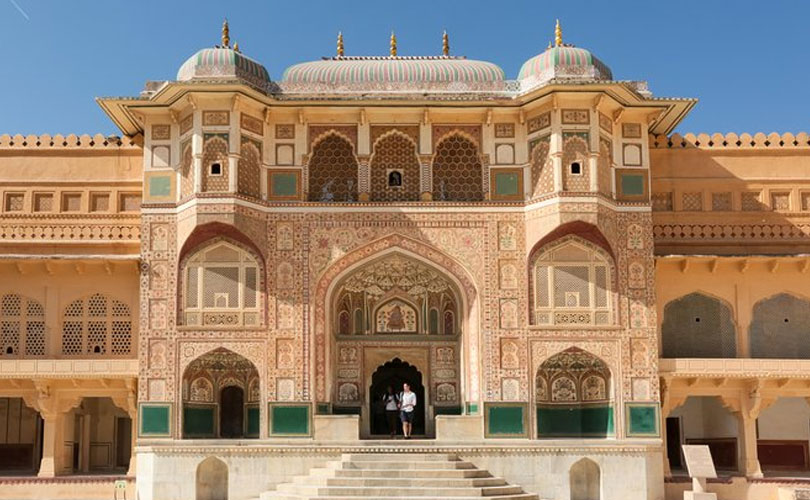
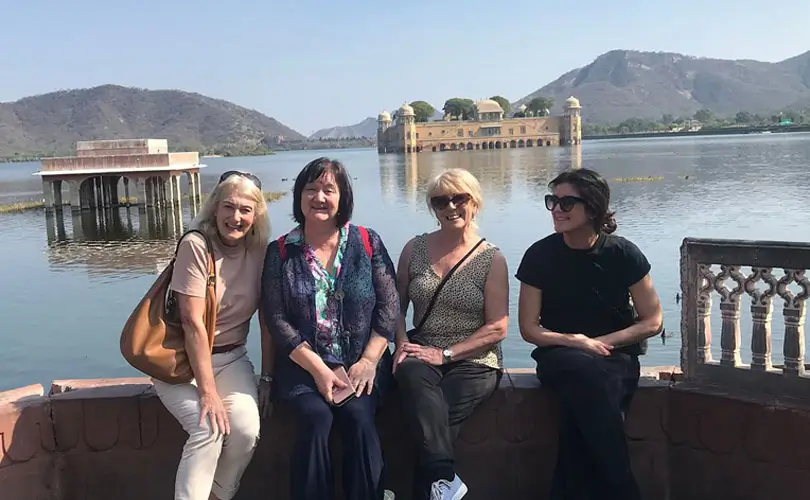
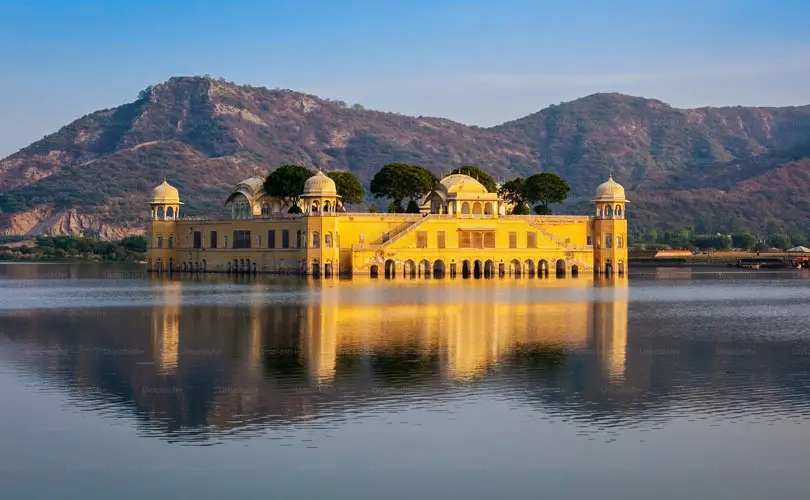
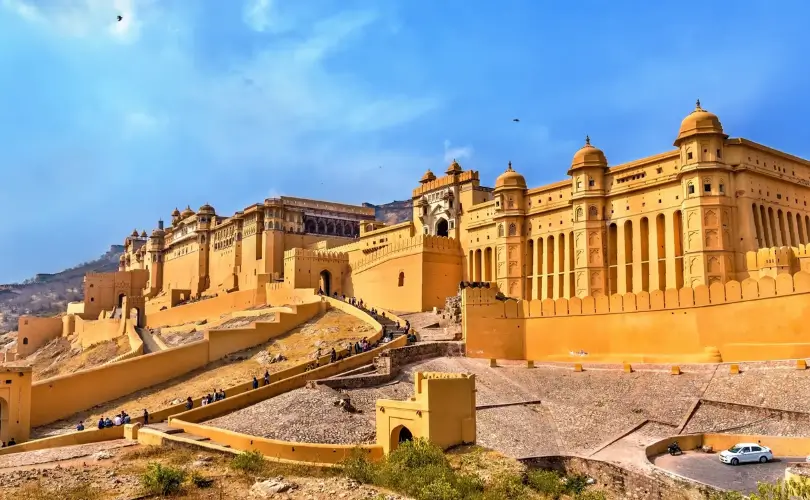
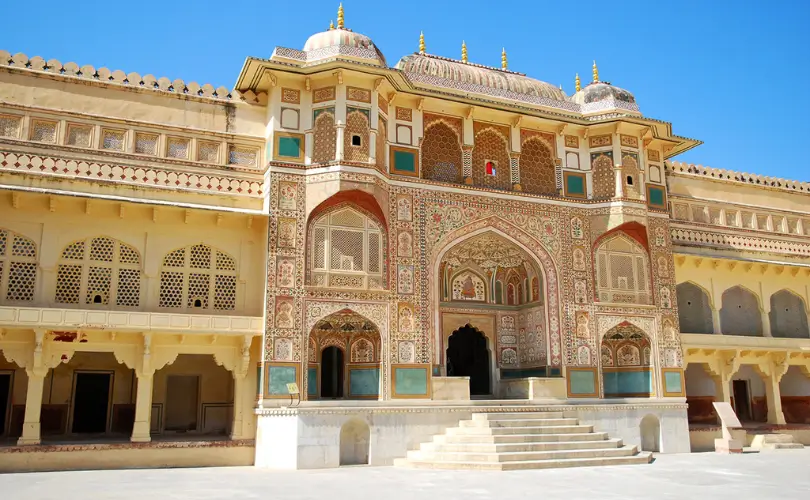
The best Jaipur day should not begin with festival shopping. Amber Fort remains one of the city's main attractions and deserves around two hours in the morning. International visitor admission is commonly around ₹550 per person, subject to current official pricing. After Amber, a short Jal Mahal photography stop can be followed by City Palace and Jantar Mantar if the travelers want a substantial heritage program before the festive evening.
City Palace uses different ticket categories. Standard international visitor access can broadly begin around ₹1,000 or more per person, while premium areas can cost several thousand rupees. Jantar Mantar international admission is commonly around ₹200 per person, subject to official revisions. A full private Jaipur guide can broadly cost ₹2,500 to ₹4,500 or more, while a sedan with driver can cost approximately ₹3,500 to ₹5,000 for a normal city day before any special late-evening extension.
During Diwali, normal vehicle duty can extend later because travelers may want to see illuminated markets after sunset. That should be discussed before the service begins. An eight-hour sightseeing package does not automatically include another four hours of evening driving. Overtime or additional duty charges should be agreed in advance.
Jaipur hotel pricing can rise sharply around festive and wedding-season demand. A good four-star room that might normally fall around ₹7,000 to ₹14,000 per night can become more expensive when demand is strong. Five-star hotels can broadly range from ₹15,000 to ₹30,000 or more, while premium heritage and palace-style properties can reach ₹30,000 to ₹70,000 or far higher per night depending on room category.
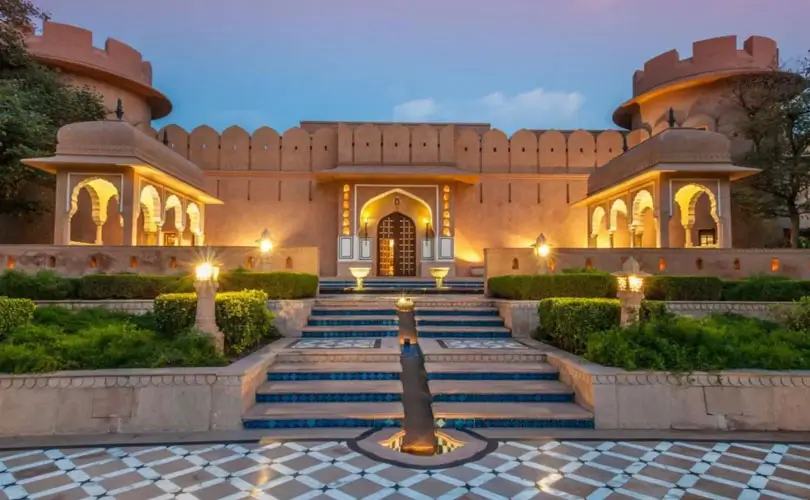
For a Diwali stay, paying more for the right hotel can be worthwhile because the property becomes part of the evening experience. Some premium hotels arrange festive decorations, special dinners, traditional entertainment or religious ceremonies for resident guests. These services differ by property and should not be assumed to be included in the room rate.
A festive dinner at a luxury hotel may cost approximately ₹3,000 to ₹7,000 per person or more, while elaborate gala-style events can be considerably higher. Travelers should ask whether the quoted dinner price includes taxes, non-alcoholic beverages, alcohol or entertainment.
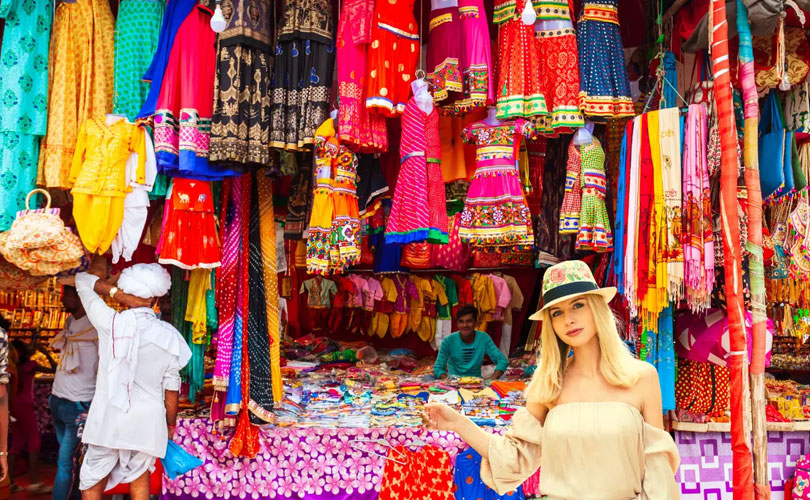
Markets should be visited with realistic expectations. Diwali shopping areas can be extremely crowded. A traveler interested in photography may enjoy the visual energy, but someone who dislikes close crowds may prefer a shorter market walk followed by a rooftop restaurant or hotel evening.
A Jaipur Diwali tour with private driver gives the traveler the option to leave when the crowd becomes tiring instead of waiting for a group departure. That flexibility is particularly useful for families, senior travelers and visitors carrying expensive cameras.
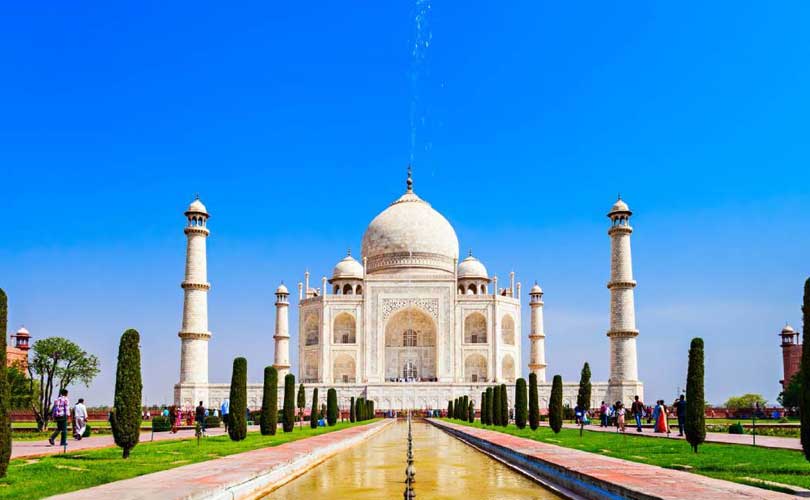
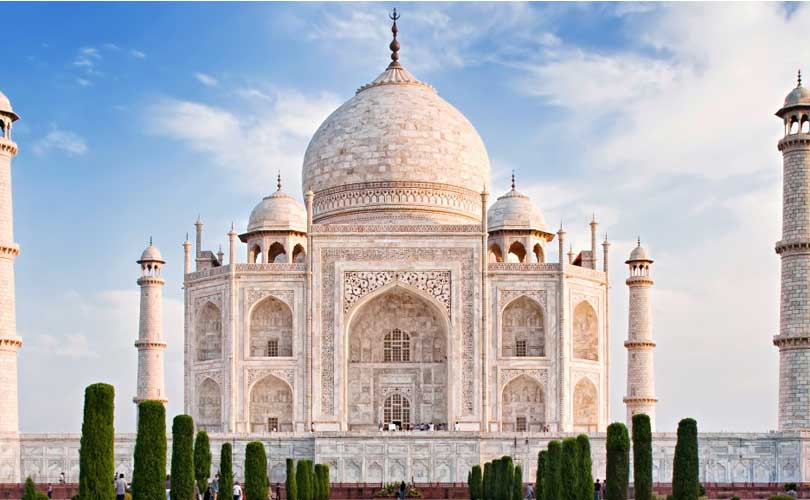
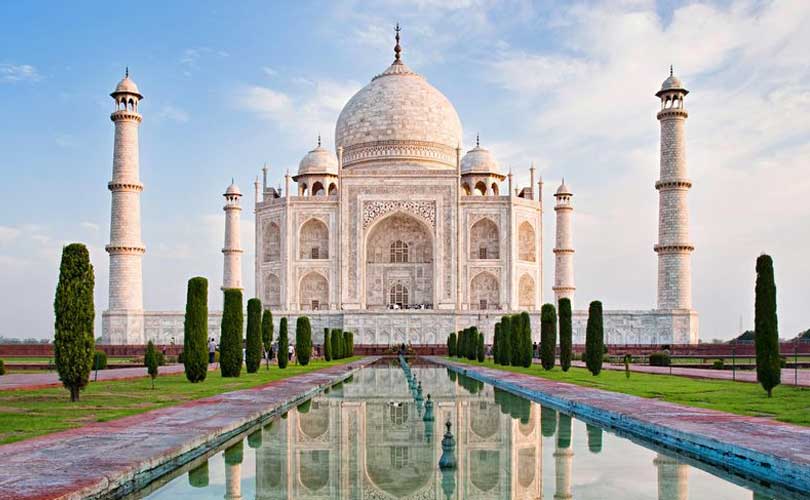
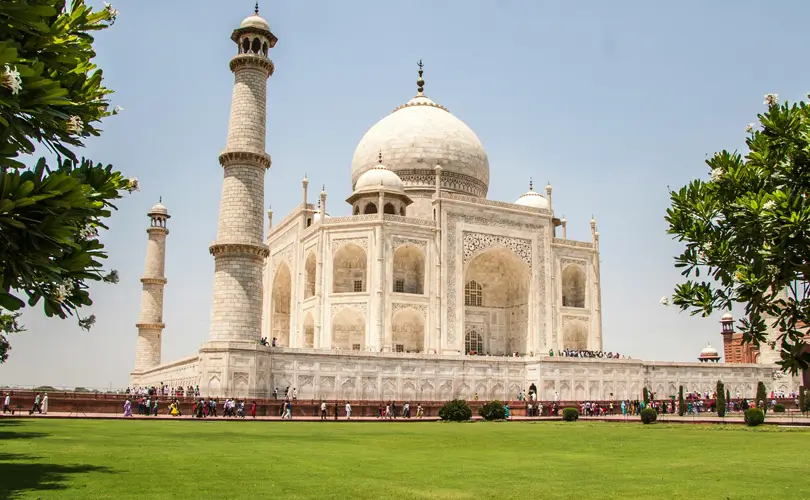
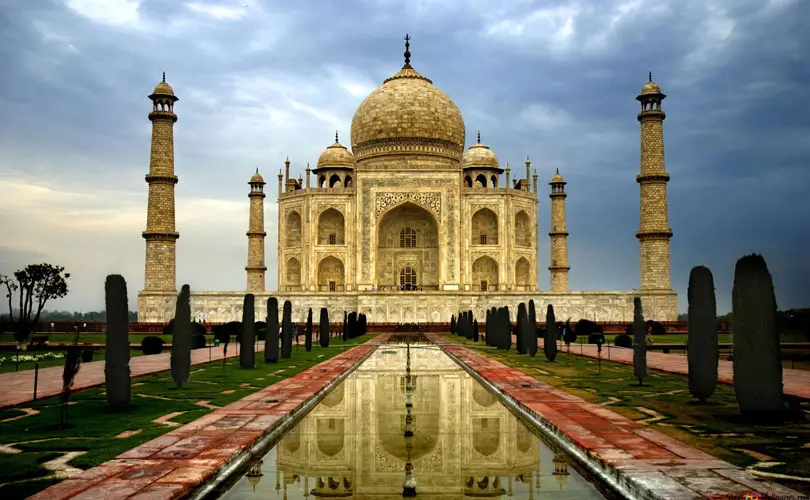
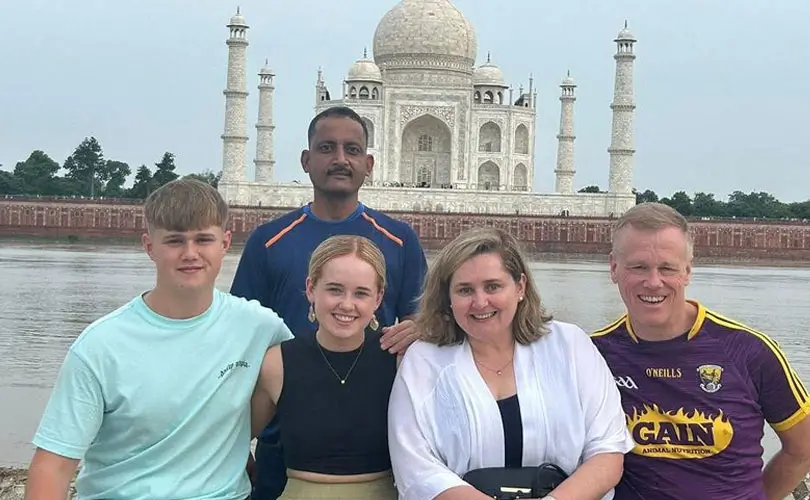
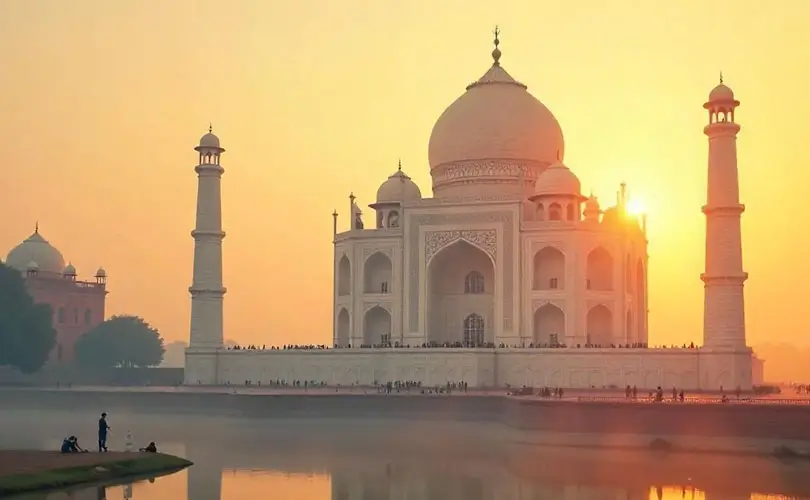
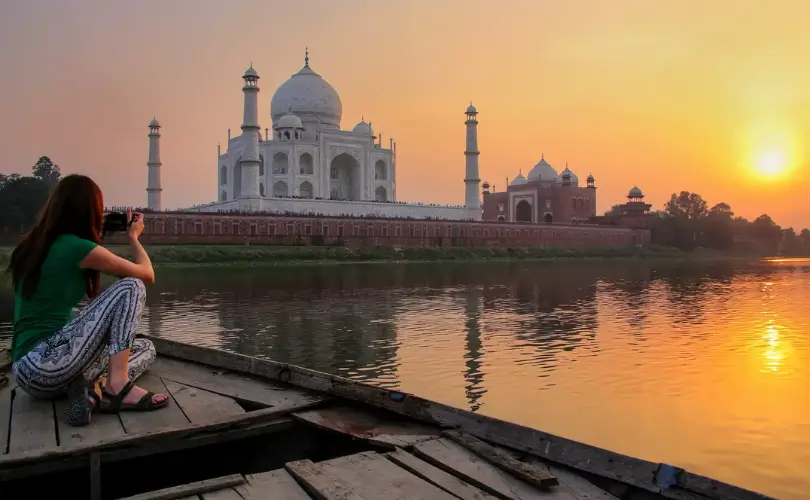
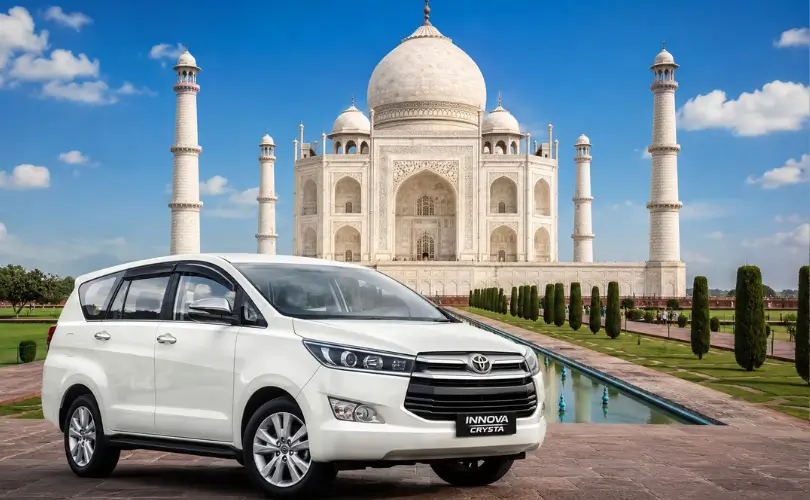
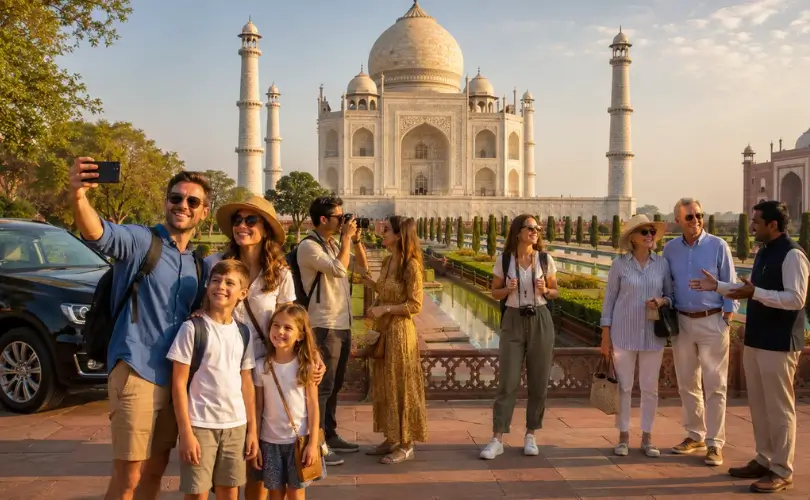
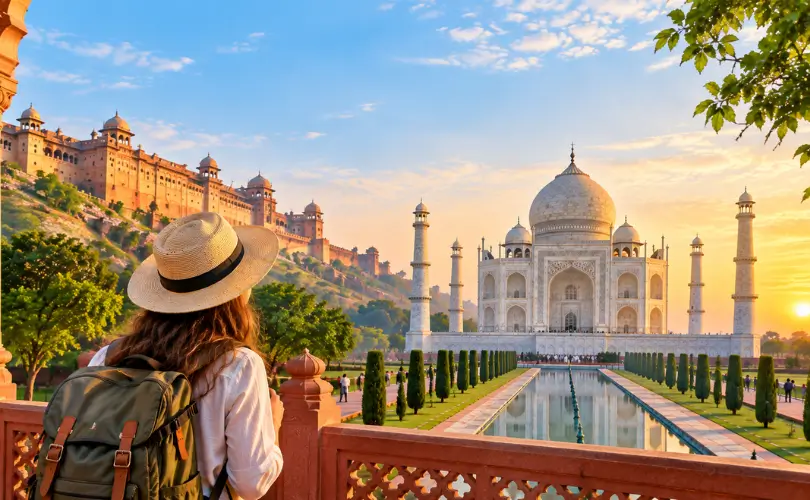
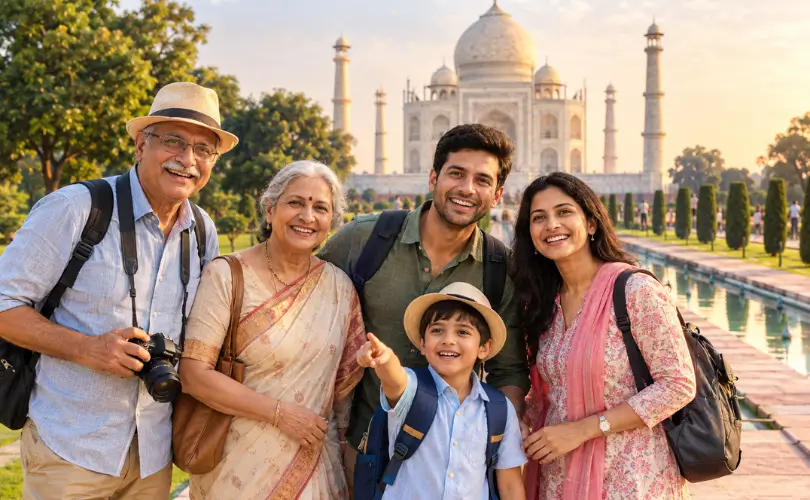
Agra can be included in a Diwali route without turning the trip into nothing but festival activity. The Taj Mahal remains the principal attraction, and its operating schedule should still determine the day. The monument generally opens around sunrise and closes around sunset on normal visiting days and is closed to general visitors on Fridays. International visitors should broadly budget around ₹1,100 for standard admission plus approximately ₹200 for access to the main mausoleum, subject to current official rates.
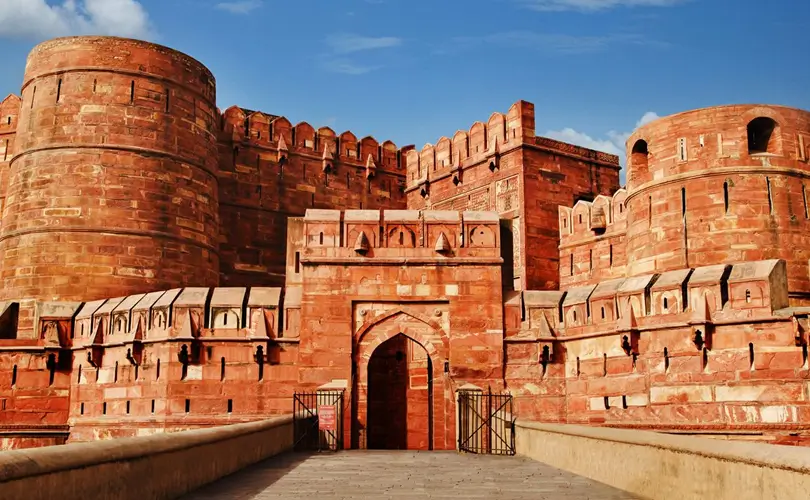
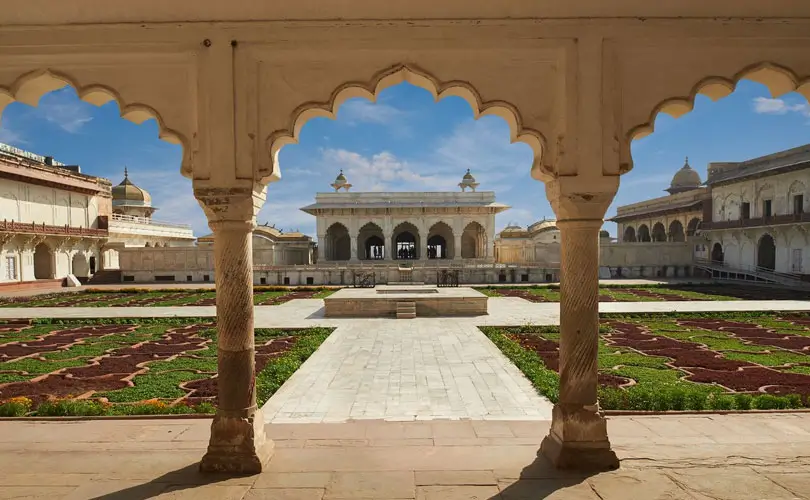
A private Agra tour during Diwali works particularly well with an overnight stay. Travelers can visit Agra Fort in the afternoon, use the evening for a festive hotel dinner or selected local area, and see the Taj Mahal early the next morning. Agra Fort international admission is commonly around ₹650 per person, subject to revision.
Hotel demand can increase during the festive period, especially at well-rated properties near the Taj Mahal. A good four-star room can broadly cost around ₹7,000 to ₹15,000 per night, while five-star hotels can range from ₹15,000 to ₹30,000 or more. Premium Taj-facing rooms can cost substantially more. If the room view matters, the exact category should appear in the confirmation rather than relying on a generic description such as “Taj hotel.”
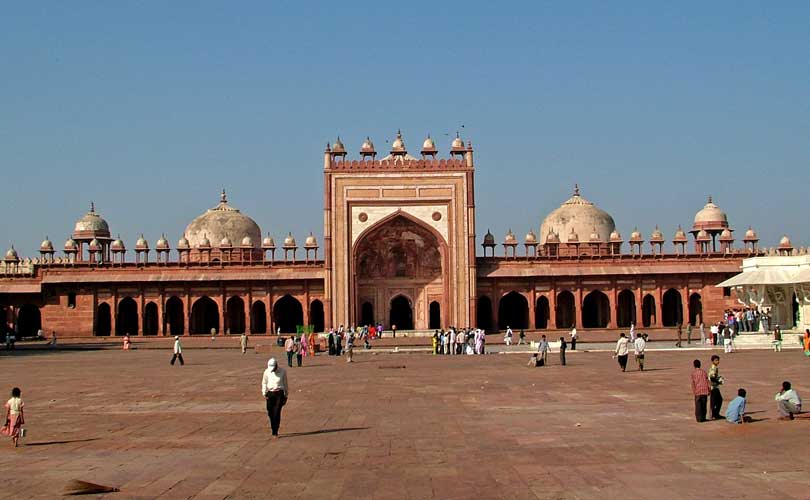
The road from Agra to Jaipur is approximately 240 kilometres, but travelers often include Fatehpur Sikri. With sightseeing, lunch and road stops, the day can last eight to ten hours. During a festival itinerary, it is sensible to avoid scheduling a major evening celebration immediately after this long transfer. Arriving at the Jaipur hotel, eating dinner and resting can be better than rushing directly into a crowded market.
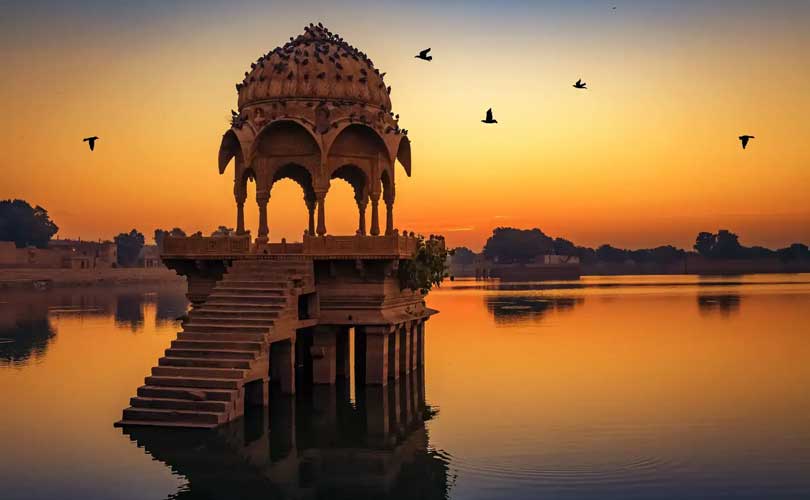
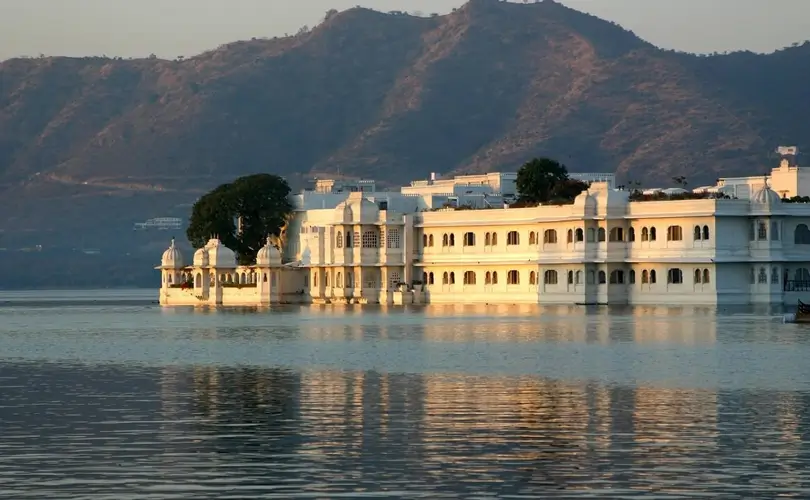
Udaipur is another attractive Diwali destination for travelers with additional days. The combination of heritage architecture, Lake Pichola, rooftop restaurants and luxury hotels creates a more relaxed festive environment than the densest market areas of Delhi. A private boat experience, where operating conditions permit, can also provide a different setting before the evening festivities.
Premium Udaipur hotel rates can broadly range from ₹15,000 to ₹35,000 per night, while high-end lake or palace properties can exceed ₹40,000 to ₹80,000 or considerably more. Festive dates, room category and special dinners can increase these figures.
A traveler with seven or eight nights can comfortably use Delhi, Agra and Jaipur as the core route. Someone with ten to twelve nights can add Udaipur without turning the trip into a continuous road journey.
The biggest mistake is trying to be in a different city on every festive day. Diwali is better experienced when the traveler stays long enough to see how one destination changes over several evenings.
A private Diwali tour package in India can cost more than the same route outside a high-demand period because hotel pricing is the largest variable. For two international travelers spending six or seven nights across Delhi, Agra and Jaipur with good four-star hotels, private transportation and professional local guides, a realistic ground budget can broadly fall around ₹1,20,000 to ₹2,00,000 or more depending on the exact dates and hotel availability.
A five-star route can broadly reach ₹2,00,000 to ₹4,00,000 or more for two travelers. Premium heritage hotels, gala dinners, upgraded rooms and private festive experiences can take the total much higher.
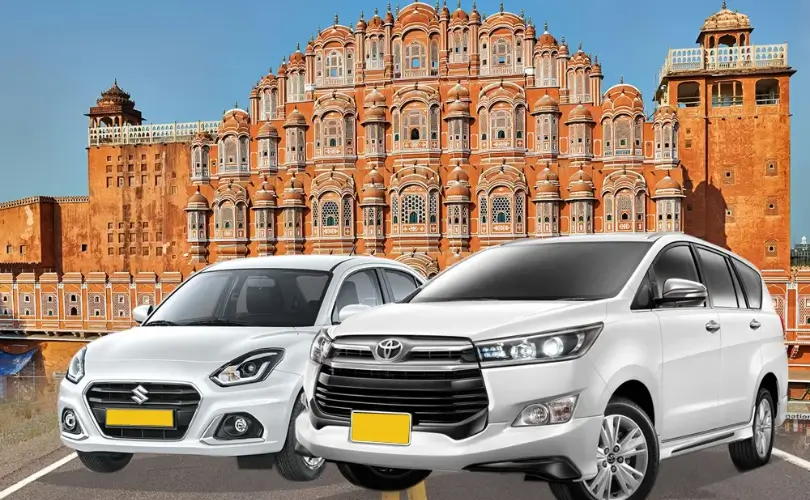
The private vehicle cost is more predictable than accommodation. A sedan for approximately five days of Golden Triangle road travel can broadly cost around ₹20,000 to ₹30,000, an Innova-type vehicle around ₹30,000 to ₹45,000, and an Innova Crysta around ₹35,000 to ₹50,000 or more depending on mileage and inclusions.
Travelers should ask whether fuel, tolls, parking, interstate charges, driver allowance and applicable taxes are included. Festive traffic can increase vehicle duty hours, particularly when evening market visits are added, so overtime conditions should also be clear.
Guide services should be arranged by city. English-speaking private guides can broadly cost around ₹2,500 to ₹5,000 or more per full sightseeing day, depending on destination and duration. A guide with specific festival knowledge can add cultural context to market and temple visits.
Hotel booking should be confirmed early for popular properties. Diwali dates can overlap with broader wedding-season and leisure demand in North India, and the most desirable hotels can increase rates or sell out. Travelers seeking palace hotels, connecting family rooms or premium views should not wait until the final weeks.
Festive dinners require separate attention. Some hotels make special dinners compulsory for resident guests on particular dates. Others offer them as optional events. These charges can range from a few thousand rupees to very high premium amounts depending on the hotel. A quotation should therefore state whether mandatory festive supplements exist.
International travelers should also confirm whether the main Diwali evening will be spent at the hotel, a restaurant, a market area, a temple visit or a private local experience. Leaving this undefined until the day itself can result in transport problems or fully booked restaurants.
Private home experiences, where genuinely hosted through a reliable arrangement, can provide a more personal view of the festival. Such experiences may include a meal, lamps, sweets and conversation with a local family. They should be arranged respectfully and should never be presented as though a family home is a staged tourist attraction.
Fireworks require caution. Travelers should not purchase or handle fireworks casually without knowing local rules and safety conditions. Crowded streets with active fireworks can be uncomfortable for children, senior travelers and anyone sensitive to loud noise.
A practical festive itinerary protects flexibility. The day can include one or two major attractions, a comfortable hotel break, and a carefully selected evening activity. That usually provides a better luxury Diwali tour in India than twelve hours of continuous movement.
Golden Triangle Tours India can arrange private Diwali journeys across Delhi, Agra, Jaipur and Rajasthan with chauffeur-driven transportation, selected hotels, professional local guides and festival-sensitive daily timings. The useful part of a private arrangement is not simply having a car. It is being able to adapt the day when markets are crowded, traffic increases, a family member becomes tired or the traveler decides that a quieter hotel evening is preferable to another busy public area.
Jaipur is particularly attractive for international travelers because its old-city markets and historic streets become visually impressive during the festive period. Delhi provides larger markets and temple activity, while Udaipur offers a more relaxed luxury setting.
No. Diwali follows the traditional lunar calendar, so its Gregorian calendar date changes each year. Travelers should confirm the exact festival dates before purchasing non-refundable flights and hotels.
For two travelers, a six- or seven-night private Delhi, Agra and Jaipur journey using good four-star hotels can broadly cost ₹1,20,000 to ₹2,00,000 or more. Five-star and premium heritage arrangements can cost substantially more.
They can be. Strong leisure demand, festive travel and the wider wedding season can increase room rates. Premium heritage hotels and specific room categories should be booked well ahead.
Yes. Major markets and old-city areas can become extremely busy, especially in the evenings. A private Jaipur Diwali tour allows travelers to shorten market visits or return to the hotel when crowds become uncomfortable.
Yes. The Taj Mahal follows its normal operating schedule during the period unless authorities announce otherwise. It generally operates around sunrise to sunset and is closed to general visitors on Fridays.
Not automatically. Some hotels offer optional festive dinners, while certain properties may impose compulsory supplements on particular dates. These charges should be confirmed before booking.
Yes, but families should consider crowded markets, traffic, loud fireworks and late evenings. A private car and a hotel with good facilities make it easier to adjust the schedule around children.
Yes. A private chauffeur during Diwali can reduce transportation uncertainty, but festive traffic still affects journey times. Evening duty hours and overtime should be agreed before the service begins.
Confirm the festival dates, exact hotels, room categories, festive supplements, vehicle, evening duty hours, guide services, monument tickets, temple or market visits, dinner reservations, payment terms and cancellation conditions before making the final payment.