India has one of the richest textile and handicraft traditions in the world, but buying well requires more than walking into the first shop recommended near a major monument. Delhi, Agra, Jaipur and other parts of Rajasthan offer very different products, materials, workshop styles, price ranges and levels of craftsmanship. A well-arranged India textile and handicraft tour gives international travelers enough time to visit reputable workshops, compare quality, speak with artisans or specialists, and understand what they are buying before making higher-value purchases.
For many visitors, shopping is treated as an incidental part of sightseeing. A driver stops at a carpet showroom after a monument, a guide suggests a jewelry store, or a hotel concierge recommends a textile outlet. That can be convenient, but travelers who are genuinely interested in block printing, hand embroidery, carpets, marble inlay, blue pottery, gemstones, leather goods, handloom fabrics or traditional clothing benefit from a more focused route.
A private handicraft tour in India works best when shopping interests are identified before the trip begins. Someone interested in hand-block printed cotton should spend more time in Jaipur and nearby craft areas, while a traveler wanting marble inlay may find Agra particularly relevant. Delhi is stronger for broad comparison because it has government emporia, designer stores, multi-brand craft outlets and markets containing products from several Indian states.
The cost of such a trip depends on whether the traveler wants only a shopping-focused city day or a complete private journey including hotels, chauffeur service and guides. A local shopping and workshop day can be relatively affordable, while a multi-city private textile tour of India with premium hotels, artisan visits and specialist guiding can become a high-value bespoke itinerary.
The most important principle is simple: serious shopping should not be rushed. A traveler considering a ₹2,000 scarf can make a quick decision. Someone considering a ₹150,000 hand-knotted carpet, gemstone necklace or large marble piece should have enough time to understand quality, shipping, documentation and return conditions.
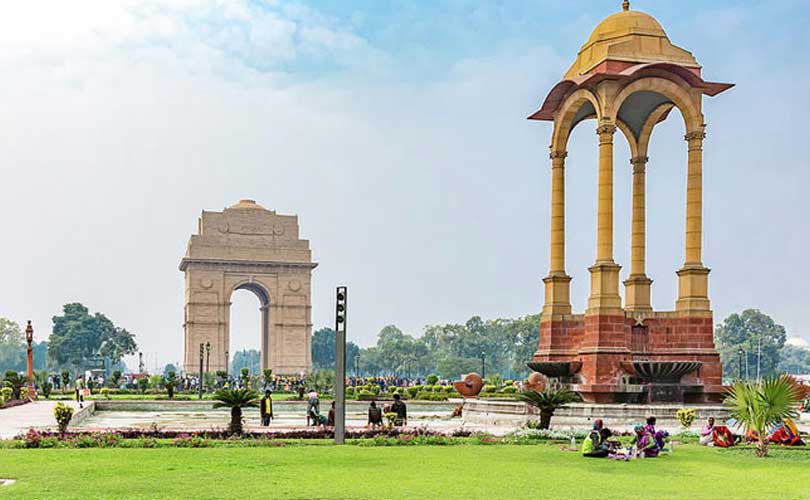
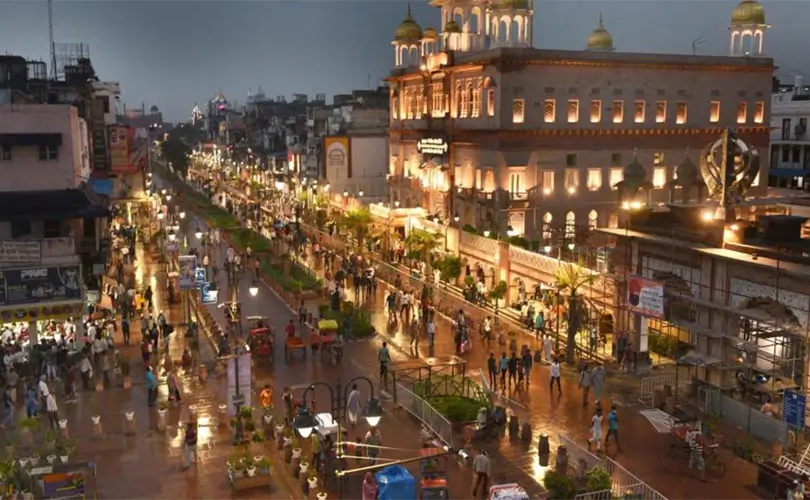
Delhi is a strong starting point because it allows travelers to compare products from many regions in one city. Government-supported emporia, established craft stores, markets and designer outlets can all be included depending on budget and interest. A private shopping tour in Delhi can therefore work as an introduction before travelers visit the production centers in Agra or Rajasthan.
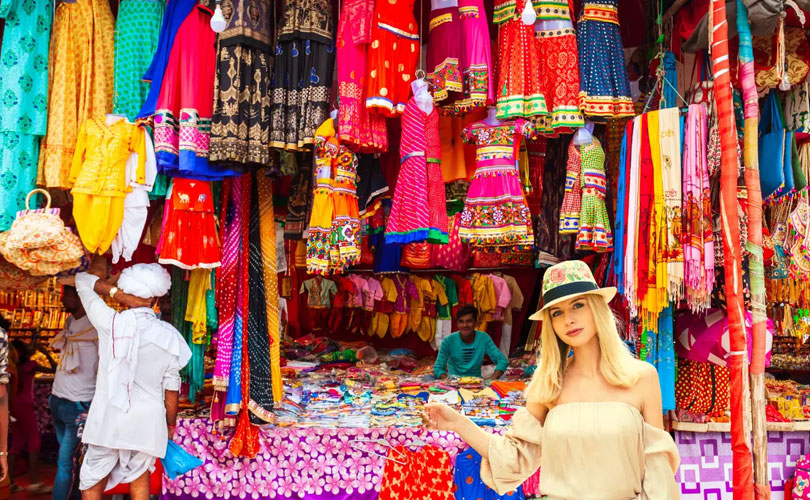
One useful category is handloom and hand-crafted textiles. Travelers can find cotton, silk, wool, embroidered fabrics, shawls, block prints, traditional garments and home furnishings across several parts of the city. Prices vary enormously depending on fiber, weave, embroidery, brand, production method and store type. A machine-printed cotton scarf might cost only a few hundred rupees, while a high-quality handwoven shawl or embroidered textile can cost ₹5,000 to ₹50,000 or far more.
Delhi is also useful for travelers who want to see carpets before reaching Rajasthan. Hand-knotted carpets are priced according to size, knot density, material, design complexity and origin. Small wool rugs may begin around ₹8,000 to ₹20,000, while larger hand-knotted wool or silk carpets can cost ₹50,000 to several lakh rupees. Fine silk carpets can be substantially more expensive.
A private guide or shopping specialist can help explain these differences, but travelers should still ask direct questions. Is the item hand-knotted or machine-made? Is the fiber wool, silk, viscose or a blend? Is the embroidery hand-done or machine-finished? Is the dye natural, synthetic or mixed? These details materially affect value.
Delhi also has large craft markets where bargaining may be normal. In contrast, fixed-price emporia and branded stores may not negotiate much at all. Travelers should not assume one pricing style applies everywhere.
A focused Delhi textile shopping experience can easily take four to six hours if the traveler wants to compare several categories. Trying to combine Old Delhi sightseeing, three major monuments, lunch and serious shopping in one day usually results in rushed decisions.
For international visitors, it is also useful to understand shipping before buying larger items. Established stores may offer international courier services, export packing or freight arrangements. The invoice should show the product description, amount paid and shipping charge. Customs rules in the destination country remain the buyer's responsibility, so travelers should not rely solely on a salesperson's statement that there will be “no duty.”
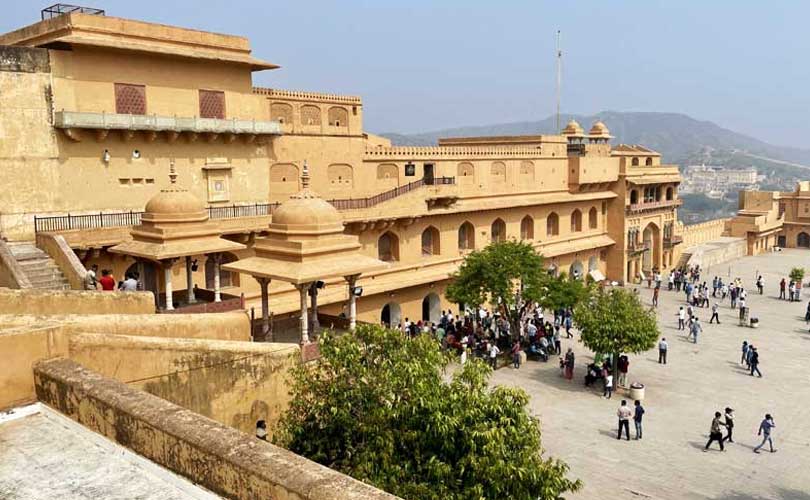
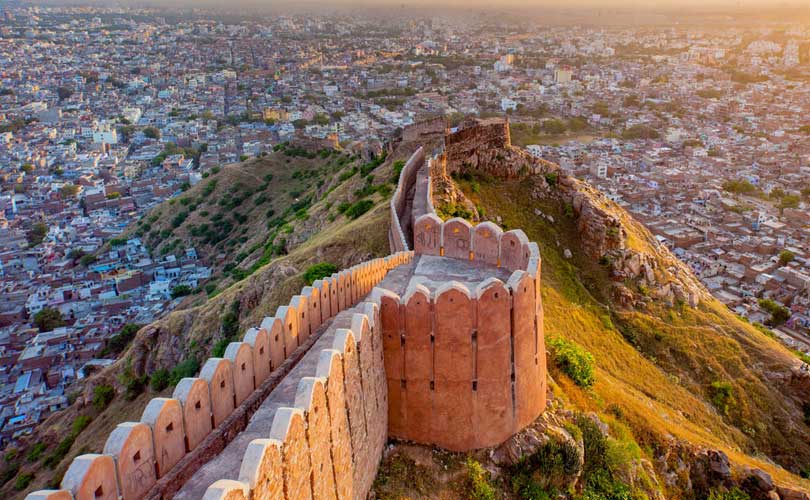
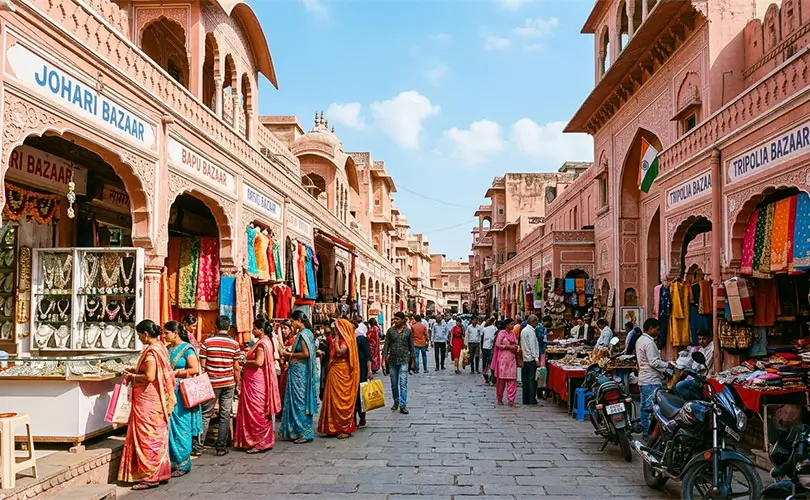
Jaipur is one of the strongest destinations for a textile and handicraft tour in Rajasthan because several craft traditions are closely associated with the city and surrounding region. Hand-block printed fabrics, textiles, gemstones, jewelry, blue pottery, carpets and traditional garments can all be found in a concentrated area.
Block printing deserves particular attention. Jaipur and nearby craft communities are known for hand-block printed cotton fabrics using carved wooden blocks and repeated patterns. The difference between a genuinely hand-block printed fabric and a machine imitation can be visible in slight irregularities, pattern alignment and color application.
A visitor interested in textiles should consider a workshop visit rather than only a retail stop. Seeing the blocks, dyes, fabric preparation and printing process makes the final product easier to understand. Depending on the workshop, travelers may be able to watch artisans at work or participate in a short printing activity.
A standard cotton block-printed scarf may cost around ₹800 to ₹2,500, while dresses, robes, quilts, table linens and larger home-textile pieces can range from ₹2,000 to ₹15,000 or more depending on material, handwork and finishing. Designer and premium artisan pieces can cost substantially more.
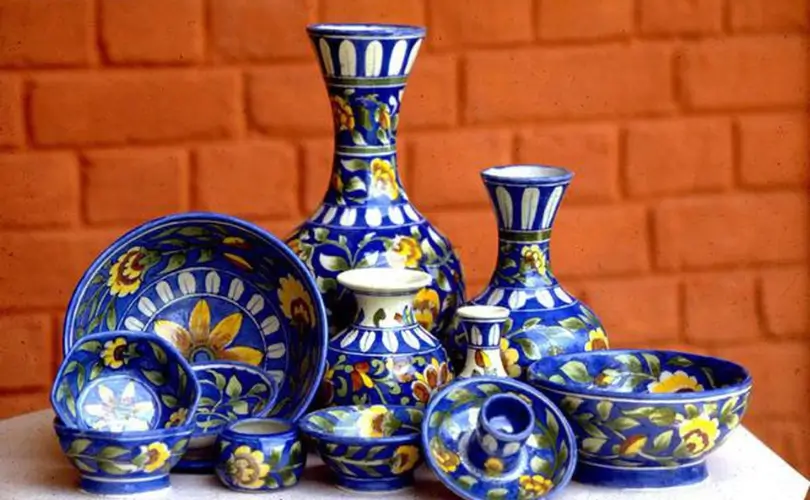
Blue pottery is another Jaipur specialty. Small decorative items may begin around ₹500 to ₹1,500, while larger bowls, lamps, tiles or decorative pieces can cost ₹2,000 to ₹10,000 or more. Fragility should be considered when buying for international transport. Proper packing matters, and travelers should not assume a delicate ceramic piece will survive in checked luggage without professional wrapping.
Jewelry is a much higher-value category. Jaipur is a major gemstone and jewelry center, but prices range from modest silver items to very expensive precious stones and fine jewelry. A traveler spending a significant amount should ask for invoices, stone details and appropriate certification where relevant. High-pressure sales tactics are a reason to slow down rather than buy quickly.
A private Jaipur shopping tour with guide can broadly cost around ₹2,500 to ₹5,000 or more for guiding, while a private car and driver for a full city day can broadly cost ₹3,500 to ₹5,000 for a sedan or more for larger vehicles. A specialist artisan route may cost more if it includes workshop appointments or travel beyond central Jaipur.
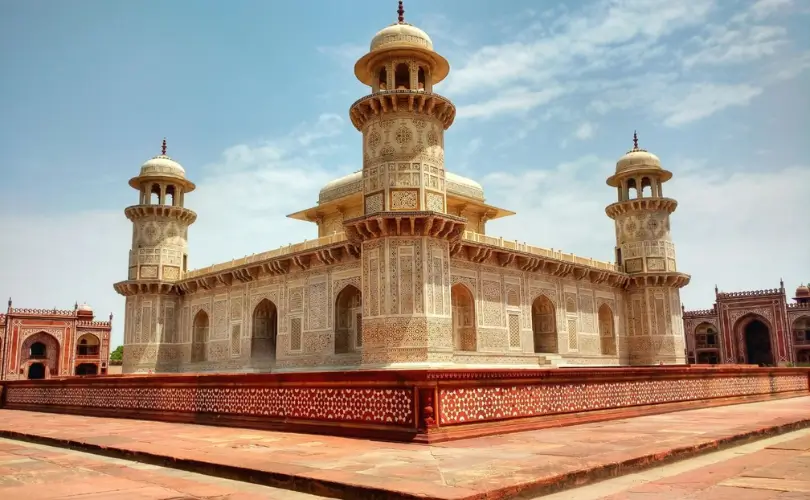
Agra is strongly associated with the Taj Mahal, but it is also known for craft traditions connected with Mughal decorative work. The most famous is marble inlay, often referred to through the broader decorative technique of setting colored stones into marble.
A serious Agra handicraft shopping tour should include explanation of how the material is cut, fitted and polished rather than only a showroom visit. Small marble boxes, coasters and decorative pieces may cost around ₹1,000 to ₹5,000, while larger tables, panels and highly detailed items can range from ₹20,000 to several lakh rupees depending on size and craftsmanship.
The difference between genuine stone inlay and painted or lower-cost imitation work matters. Travelers considering expensive pieces should inspect workmanship carefully and ask what materials are used.
Shipping is especially relevant with marble because weight can increase freight cost significantly. A large marble table may cost less to buy than to ship internationally. The store should provide a written quote showing product price, packing, freight and any insurance included.
Agra is also known for leather products. Shoes, bags, belts and jackets are widely sold. Prices vary according to leather quality, brand, finishing and store. A good leather bag may cost around ₹3,000 to ₹10,000 or more, while jackets can cost ₹5,000 to ₹20,000 or higher.
Carpets and embroidery are also available, though travelers should compare with Delhi and Jaipur if these are major purchases.
The biggest mistake in Agra is allowing shopping to dominate the sightseeing day accidentally. A traveler who wants only the Taj Mahal and Agra Fort should say clearly that no retail stops are required. A traveler who genuinely wants marble inlay should allocate one or two hours specifically for that purpose.
Rajasthan's craft traditions extend far beyond Jaipur. Jodhpur, Udaipur, Pushkar and smaller production centers each have different specialties and market styles. A Rajasthan handicraft tour can therefore be tailored according to the products that genuinely interest the traveler.
Jodhpur is known for furniture, textiles, leather goods, decorative objects and antiques-inspired products. International visitors should be cautious with anything marketed as a true antique because export restrictions can apply to culturally significant or genuinely old objects. A shop calling something “antique style” is very different from selling an actual antique.
Udaipur has miniature painting traditions, textiles, jewelry and decorative craft. A private visit to a painting workshop can be more meaningful than simply seeing finished products in a tourist shop. The level of detail in fine miniature work can justify substantially higher prices.
Pushkar has a more casual shopping environment with clothing, textiles, silver jewelry and decorative goods. Prices can be lower than in luxury retail settings, but quality varies considerably.
A traveler building a private artisan tour in Rajasthan should not visit ten shops in one day. Two or three carefully selected workshops provide a better experience than moving constantly from one retail outlet to another.
A normal historical guide and a specialist shopping guide are not always the same person. A private textile guide in India should understand materials, production methods, regional craft traditions and realistic retail differences well enough to provide useful context.
The guide should not pressure the traveler to buy.
A trustworthy specialist should be comfortable leaving a store without a purchase. The objective should be helping the guest compare rather than closing a sale.
The guide can explain the difference between handloom and power-loom products, hand embroidery and machine embroidery, hand-block printing and screen printing, wool and silk carpets, and various finishing methods.
A specialist may also arrange workshop visits that are not easily accessible to casual tourists.
Private specialist guiding can broadly cost around ₹3,000 to ₹6,000 or more per day, depending on city, expertise and itinerary. A bespoke designer or sourcing specialist can cost considerably more.
The service cost of a private shopping day is usually modest compared with the amount spent on products.
A sedan with driver for a full city day can broadly cost around ₹3,500 to ₹5,500, depending on destination and hours. A private guide or specialist can add approximately ₹2,500 to ₹6,000 or more.
This means a quality private shopping day can broadly cost around ₹6,000 to ₹11,000 or more before purchases and meals.
Lunch at a comfortable restaurant may cost around ₹700 to ₹1,500 per person, while upscale dining can be higher.
Product spending varies entirely according to interest. A traveler buying scarves, pottery and small gifts might spend ₹10,000 to ₹25,000. Someone buying carpets, jewelry or large marble pieces can easily spend ₹100,000 to ₹500,000 or more.
The service fee is therefore rarely the main financial risk. The larger concern is making high-value purchases without enough comparison.
Carpets are one of the most difficult products for casual visitors to compare because price differences can be enormous.
A hand-knotted carpet in India can take months to produce, and factors such as knot density, material, size and design affect price. Wool carpets are generally less expensive than fine silk, while silk-on-silk pieces can reach premium price levels.
Travelers should ask whether the carpet is hand-knotted, hand-tufted or machine-made.
The back of the carpet can reveal construction differences.
Fine detail does not automatically mean better value if the material is lower quality.
A store should provide an invoice describing the carpet accurately.
For high-value carpets, international shipping and insurance should be discussed before payment.
Return conditions matter too. If the traveler later changes their mind after the item has already been shipped internationally, reversing the transaction can be complicated.
Jaipur's jewelry industry is internationally significant, but this is also a category where travelers can spend a large amount very quickly.
A private gemstone shopping experience in Jaipur should involve enough time to understand what is being offered. Precious stones should be identified clearly, and high-value purchases should have appropriate documentation.
Travelers should be cautious of vague claims such as “investment quality” without supporting information.
Gold purity should be stated.
Stone treatment should be disclosed where relevant.
A high-value invoice should describe the purchased item in sufficient detail.
Foreign travelers should also understand customs rules when bringing expensive jewelry back home. Personal import allowances differ by country.
A guide can help locate reputable sellers, but the final purchase decision belongs to the traveler.
Large carpets, marble pieces, furniture and fragile craft items are often shipped rather than carried personally.
Before payment, travelers should ask for a written shipping quotation.
The quote should identify whether transport is by courier, air freight or sea freight.
Insurance should be clarified.
Delivery time should be described as an estimate rather than guaranteed when customs clearance is involved.
The buyer's full international address and phone number should be checked carefully.
A commercial invoice may be required.
Destination-country customs duties, taxes and brokerage fees may be payable separately even if the seller says shipping is included.
For expensive items, travelers should retain photographs, invoice copies and shipping documents.
Bargaining is normal in some markets and inappropriate in others.
Street markets, small independent shops and certain informal retail settings may expect negotiation.
Government emporia, luxury boutiques, branded stores and many established showrooms may operate fixed prices.
A traveler should not assume every seller expects 50% bargaining.
A reasonable approach is to compare first, ask whether the price is fixed, and negotiate only where the retail environment supports it.
The strongest protection against overpaying is not aggressive bargaining. It is knowing the approximate quality level and comparing more than one source.
Private Workshop Visits Can Be More Interesting Than Retail Shopping
For many travelers, the best part of a private craft tour in India is seeing production rather than buying.
A Jaipur block-printing workshop can show carved wooden blocks, dye preparation, fabric alignment and repeated printing.
An Agra marble workshop can demonstrate how small colored stones are cut and fitted into marble.
A miniature painting studio in Rajasthan can show brushwork, pigment preparation and fine detailing.
A carpet workshop can show knotting and loom construction.
These visits make it easier to understand why one product costs ₹2,000 while another costs ₹20,000.
Some workshops may charge an activity or demonstration fee, while others incorporate the visit into retail operations. The guide or operator should explain this in advance.
What Should Be Included in a Private Textile and Handicraft Tour?
A private tour can include hotel pickup, air-conditioned car, professional driver, specialist guide, selected workshop visits and agreed shopping areas.
Fuel and normal city transportation should ideally be included in a complete car quotation.
Parking and driver allowance should be clarified.
Workshop fees should be listed if applicable.
Purchases are obviously separate.
Shipping is separate unless specifically included.
Meals are separate unless stated otherwise.
A specialist guide should not receive hidden compulsory shopping commissions that influence every recommendation. Travelers can ask directly how the guide or operator works with stores if this matters to them.
Golden Triangle Tours India can arrange private textile and handicraft tours in Delhi, Agra and Rajasthan according to the traveler's interest in block printing, carpets, marble inlay, jewelry, blue pottery, handloom fabrics or other traditional products. The strongest itinerary uses fewer, better-selected visits and gives travelers enough time to ask questions before buying.
A private city shopping day with sedan and specialist guide can broadly cost around ₹6,000 to ₹11,000 or more, depending on city, hours and specialist expertise. Product purchases are separate.
Delhi is strong for broad comparison, while Jaipur is especially good for block printing, fabrics, quilts and traditional textiles. Rajasthan's other cities offer additional regional craft styles.
Yes, Jaipur is a major gemstone and jewelry center. High-value purchases should include proper invoices and appropriate documentation, and travelers should compare quality before buying.
Small scarves can broadly cost around ₹800 to ₹2,500, while larger garments, quilts and home textiles may cost ₹2,000 to ₹15,000 or more depending on material and craftsmanship.
Agra is particularly known for marble inlay work, leather goods, carpets and Mughal-inspired decorative crafts. Marble pieces vary greatly in price depending on size and workmanship.
Yes. Established sellers can often arrange international shipping, but travelers should confirm freight cost, insurance, customs responsibility and expected delivery terms in writing before payment.
Bargaining can be normal in some markets, but government emporia, branded stores and many established showrooms may use fixed prices. Ask before negotiating.
Construction, the reverse side, material and knot pattern can help distinguish hand-knotted carpets from machine-made or tufted products. A specialist guide can explain the differences before purchase.
Yes. A private artisan workshop tour can include block printing, marble inlay, miniature painting, carpet weaving or other craft demonstrations depending on destination and availability.
Confirm the material, production method, exact price, invoice details, certification where relevant, shipping cost, return conditions and destination-country customs requirements before making a high-value purchase.