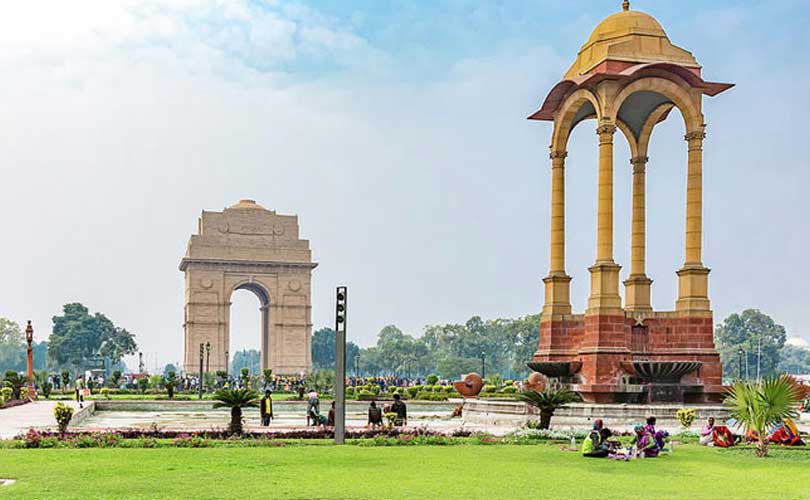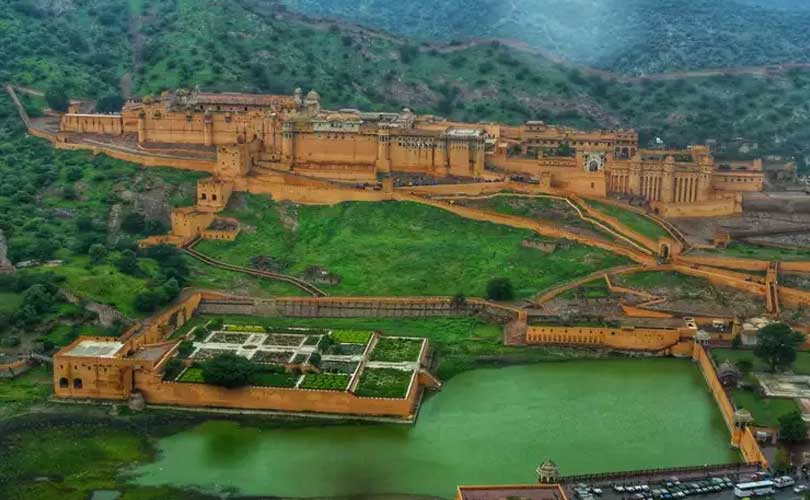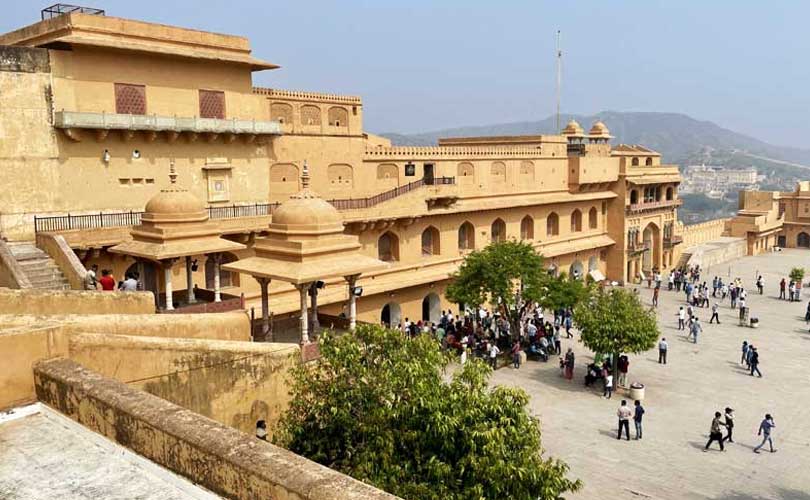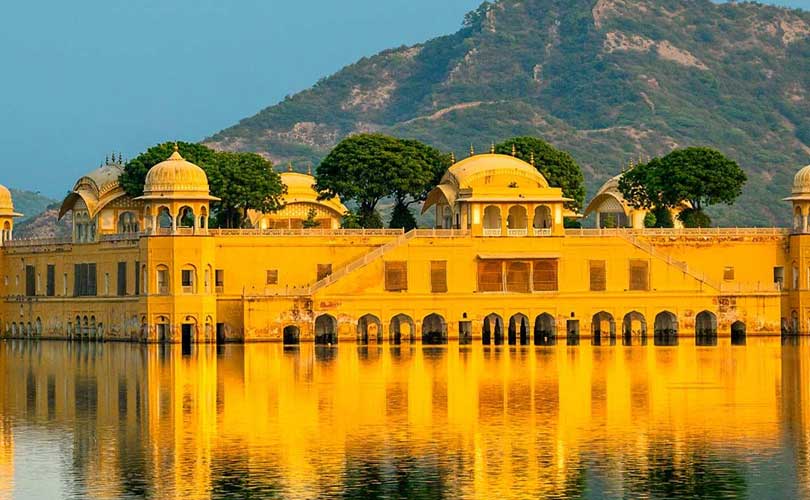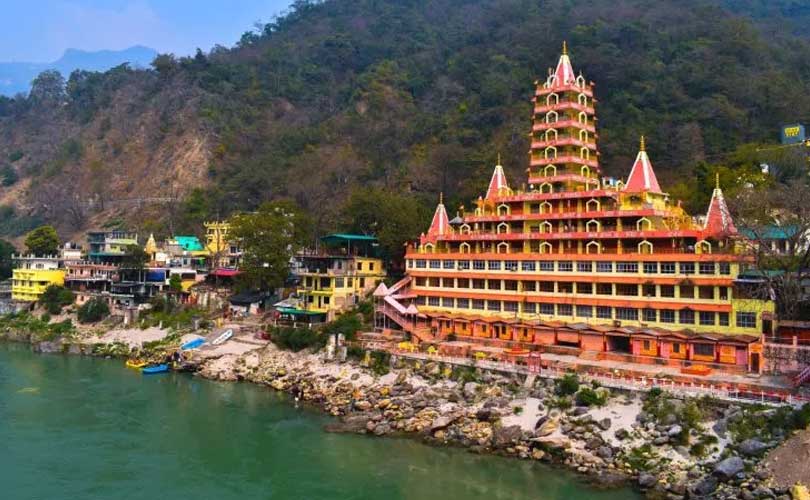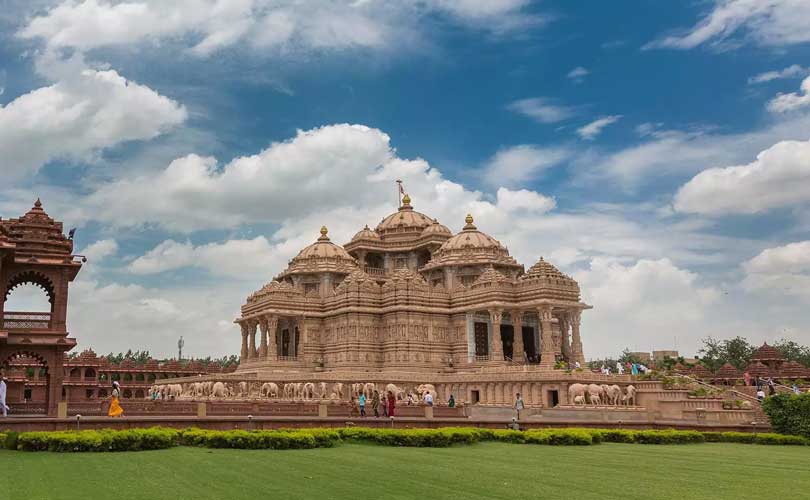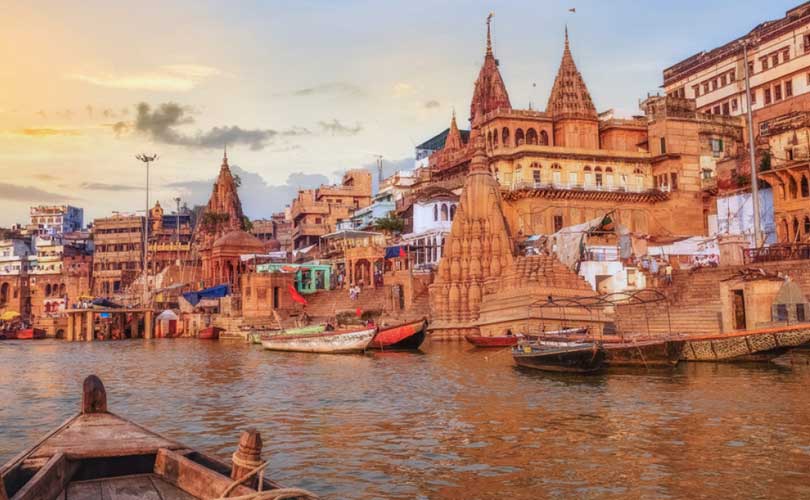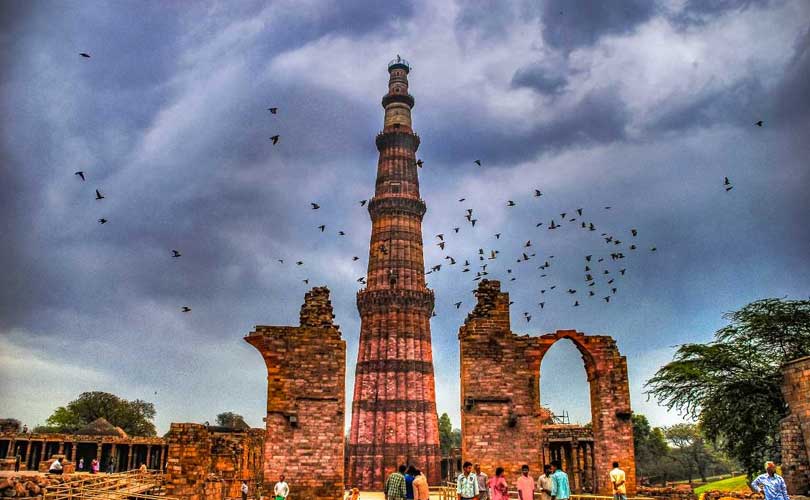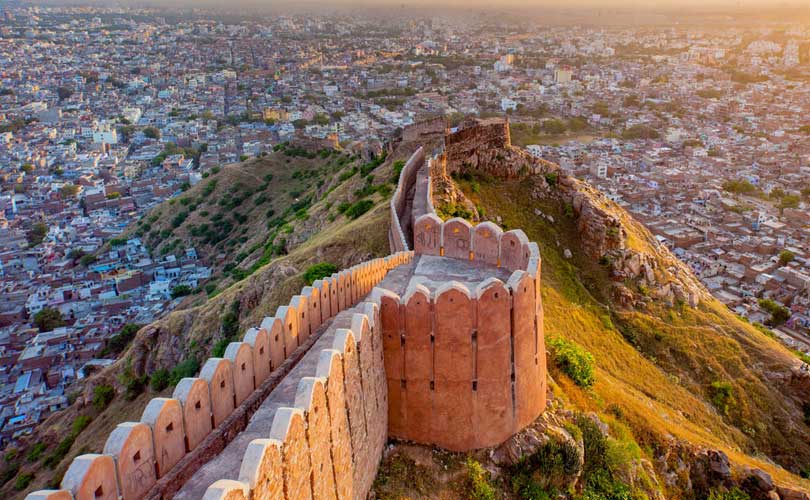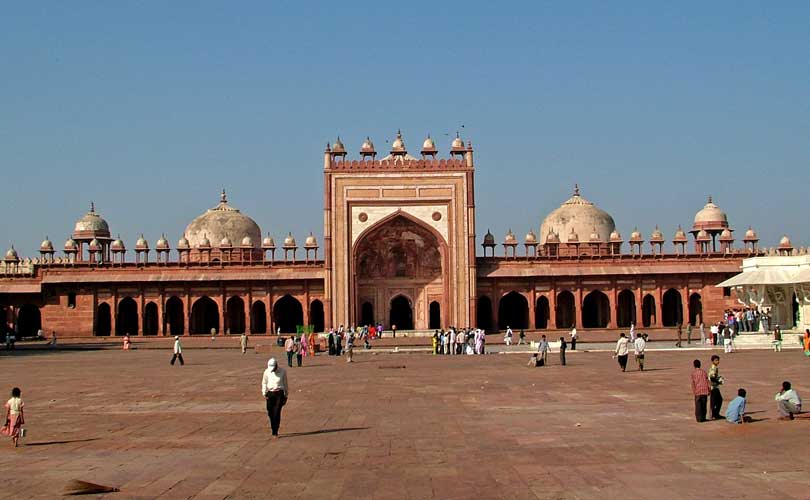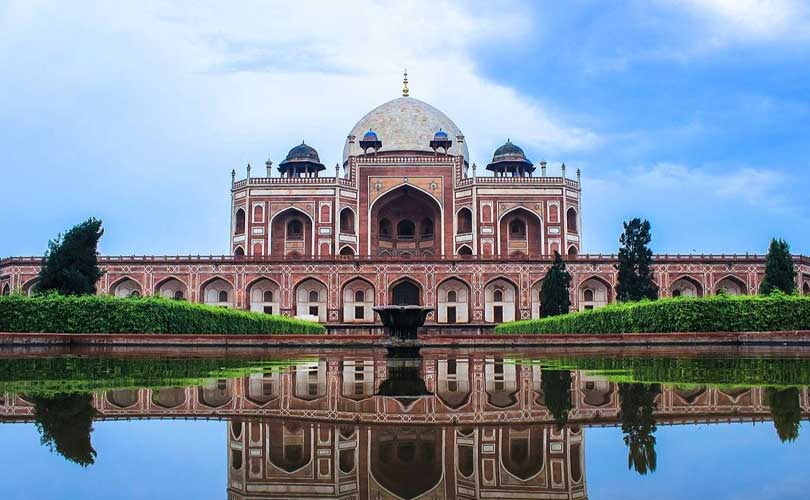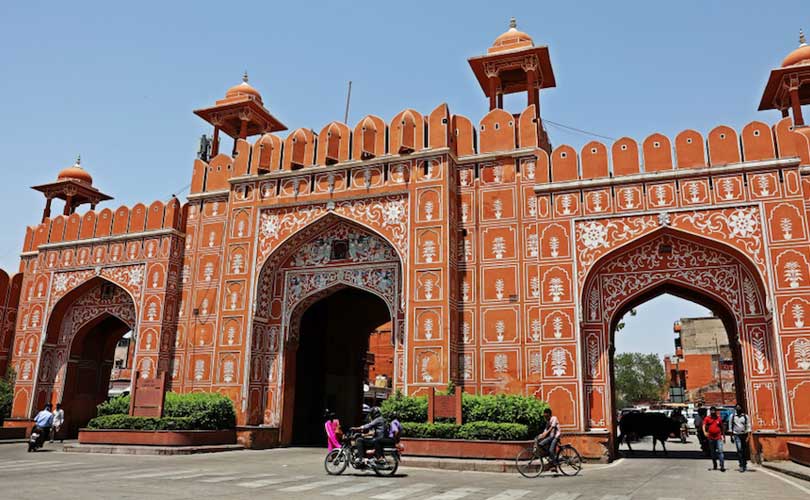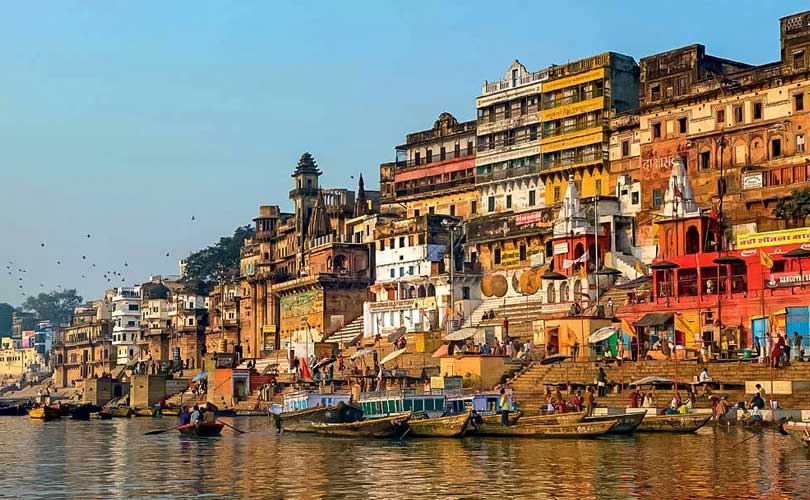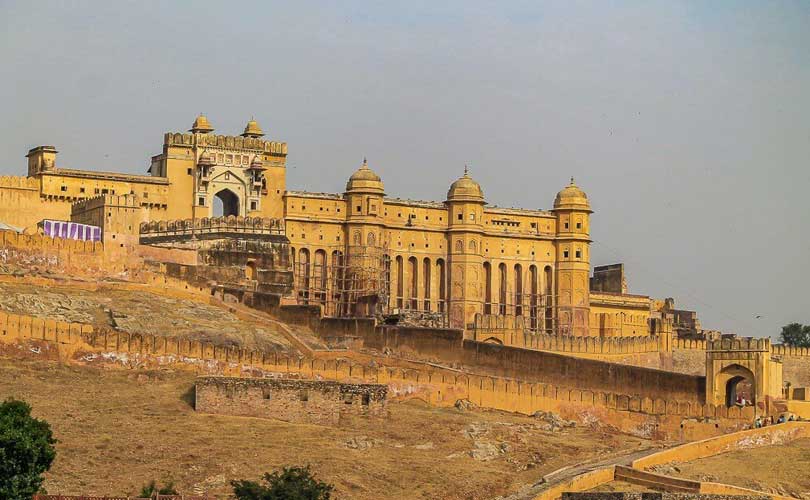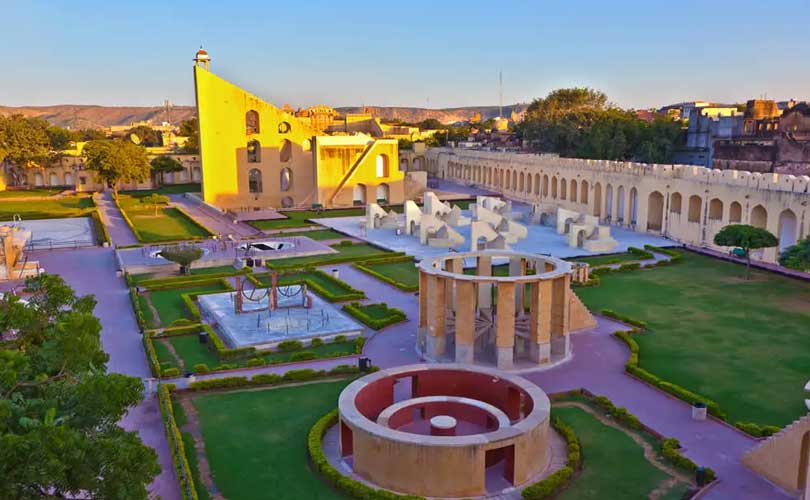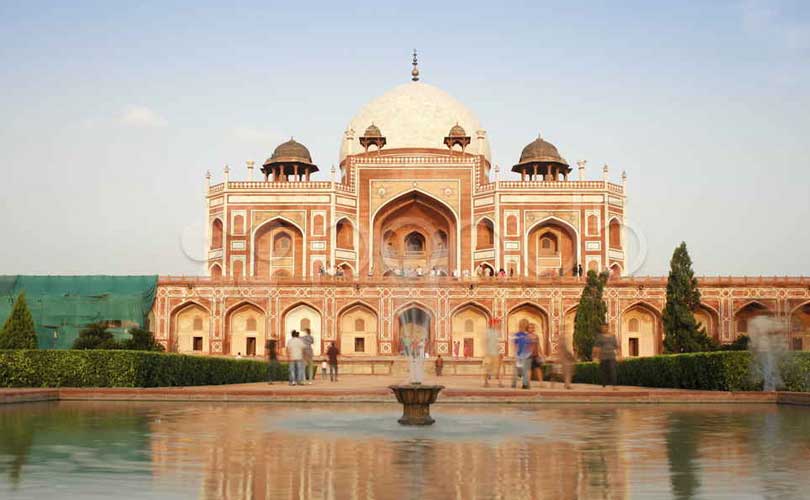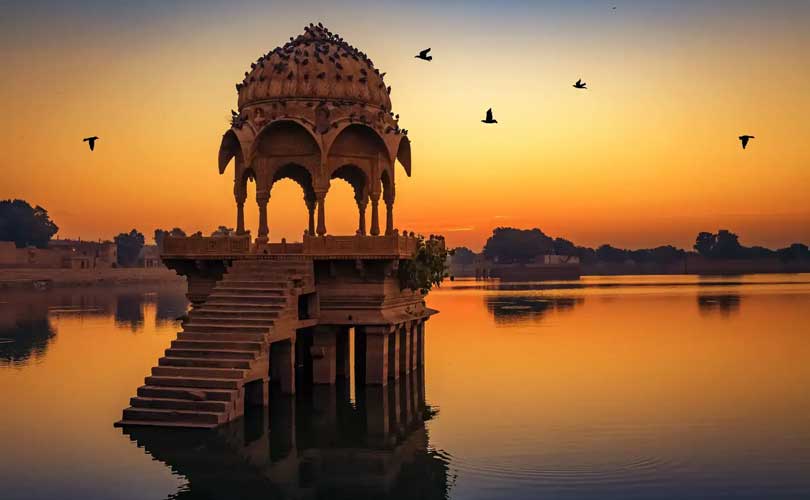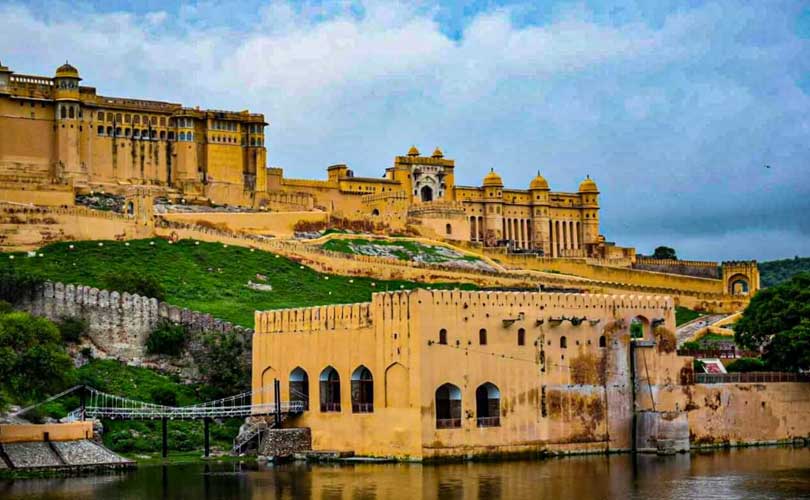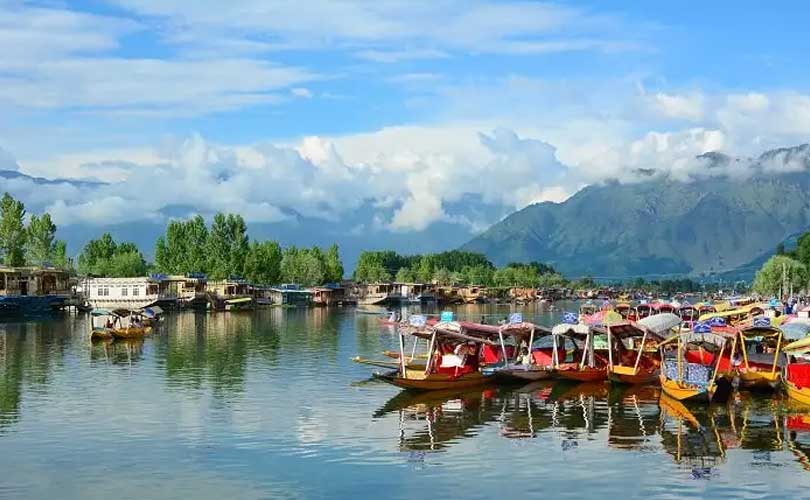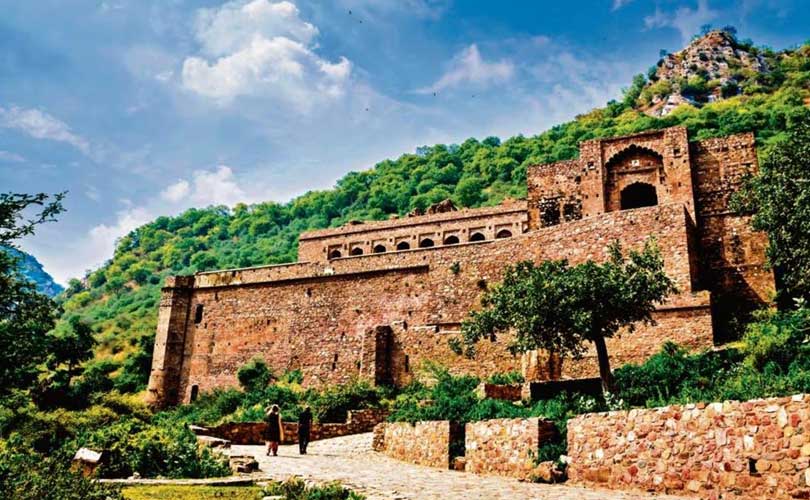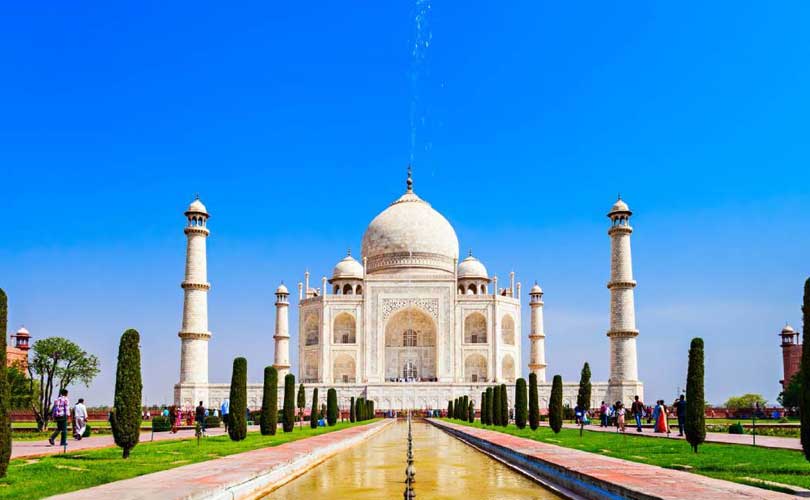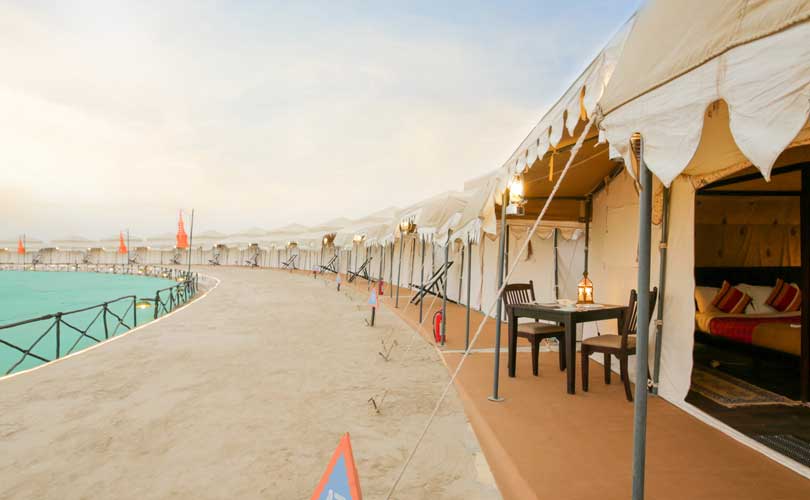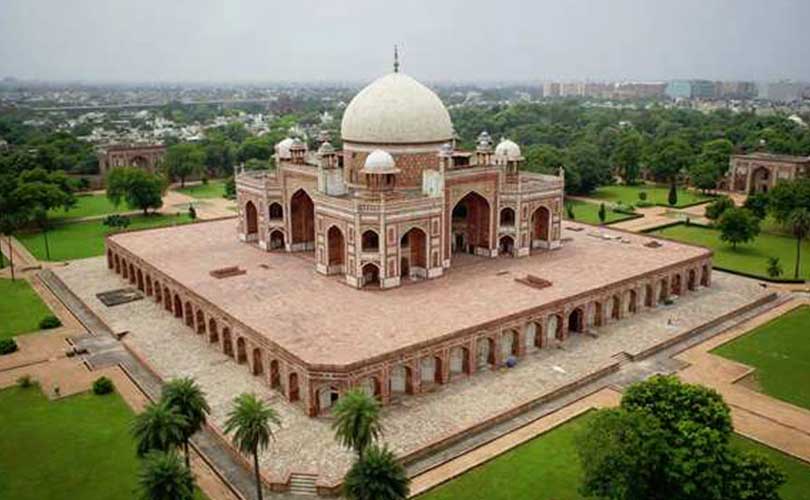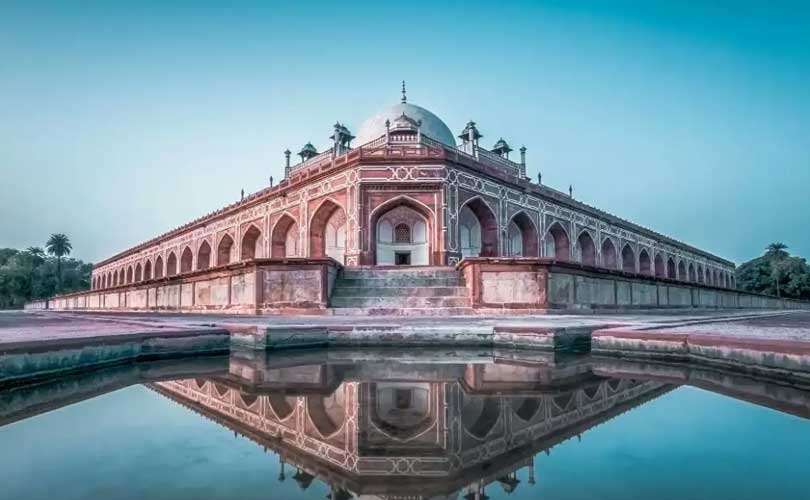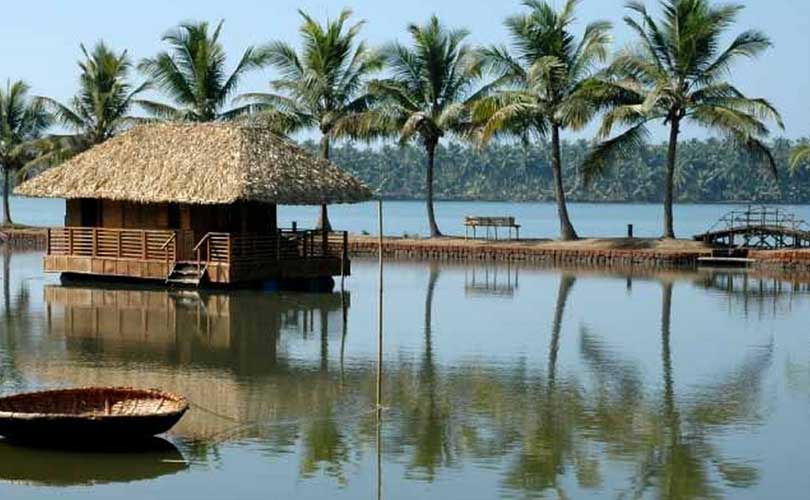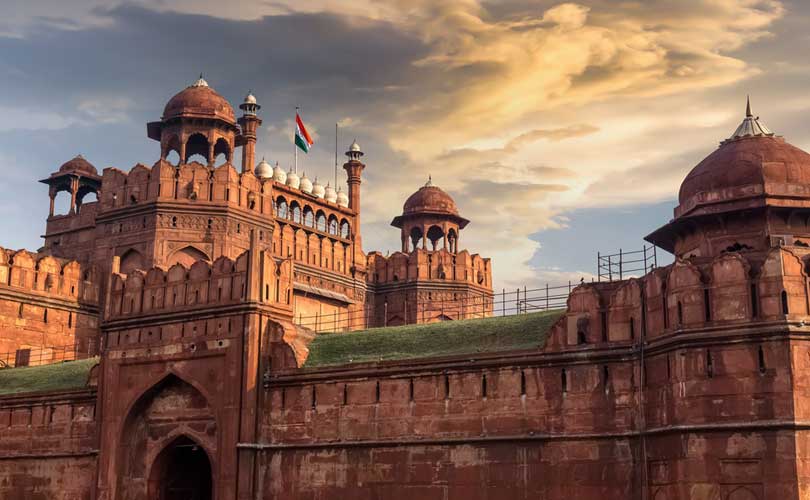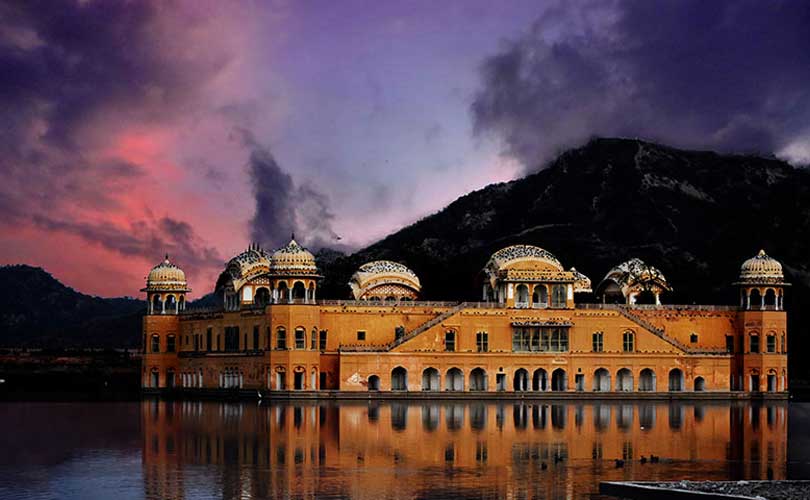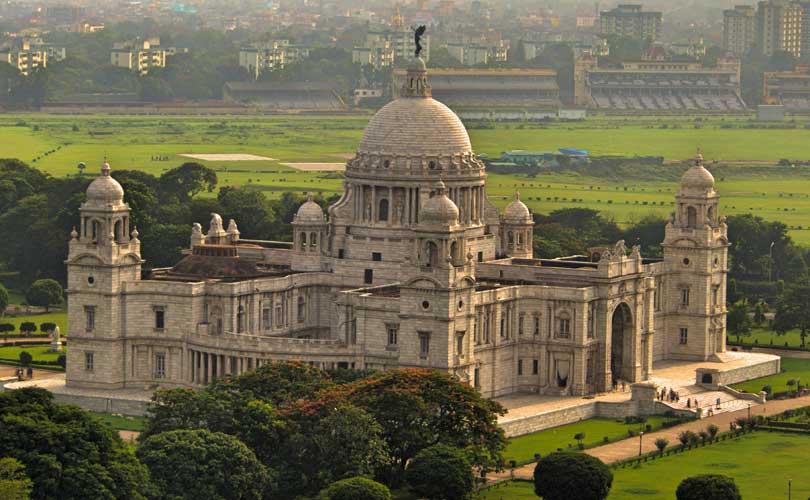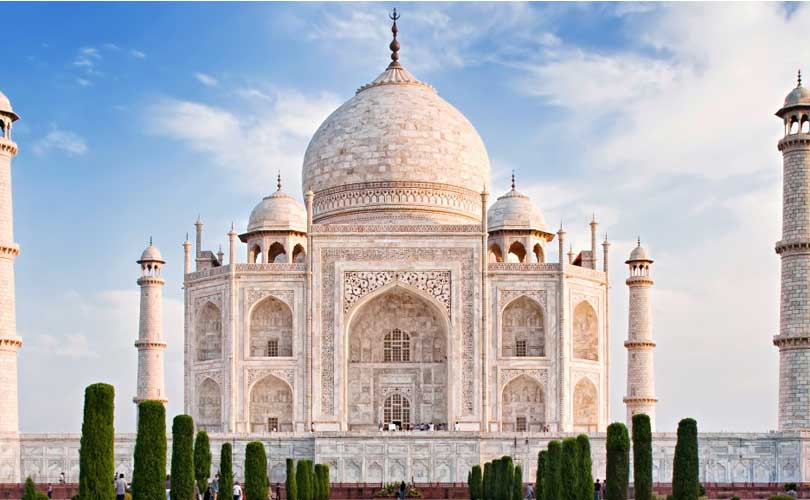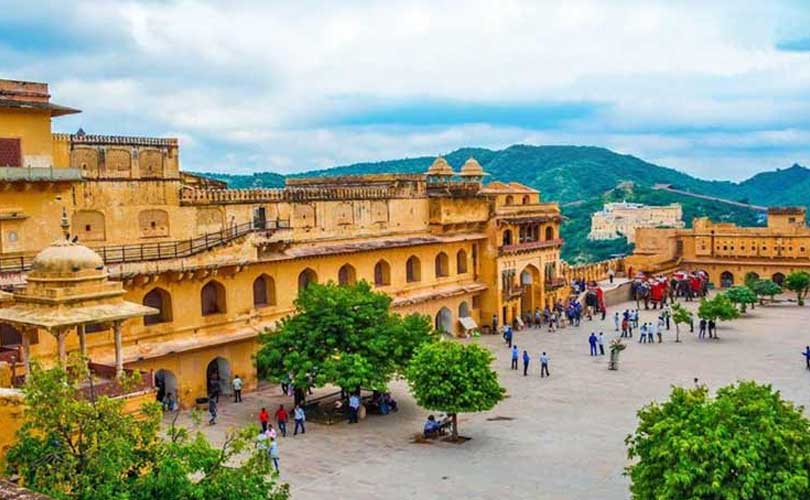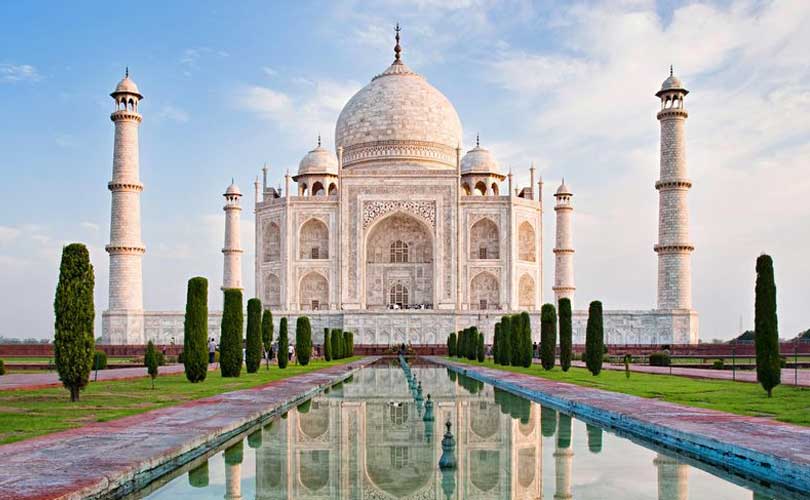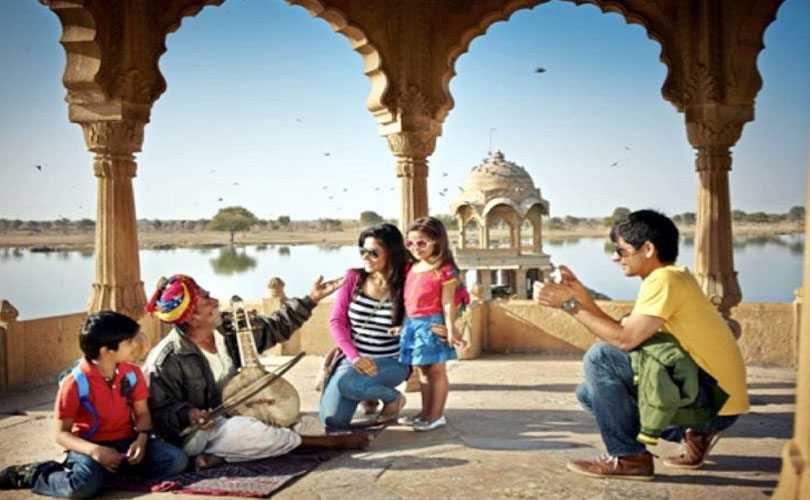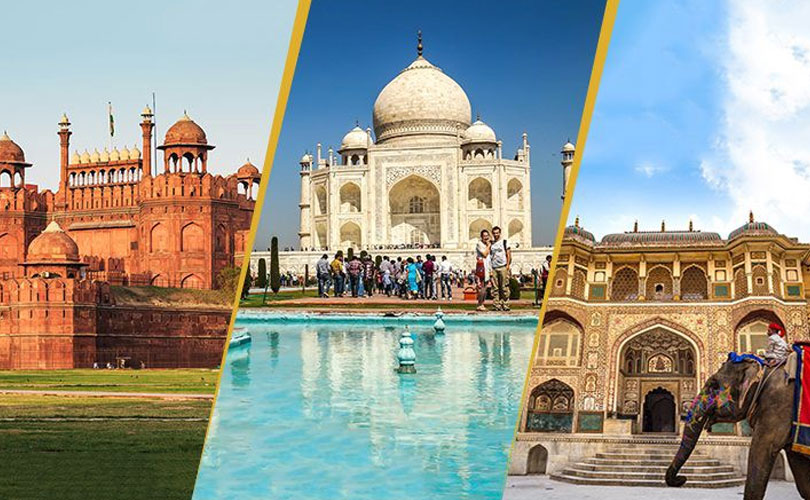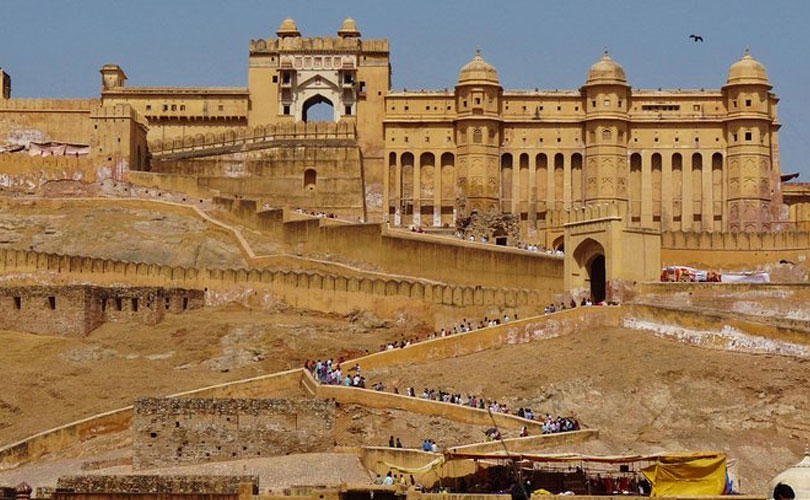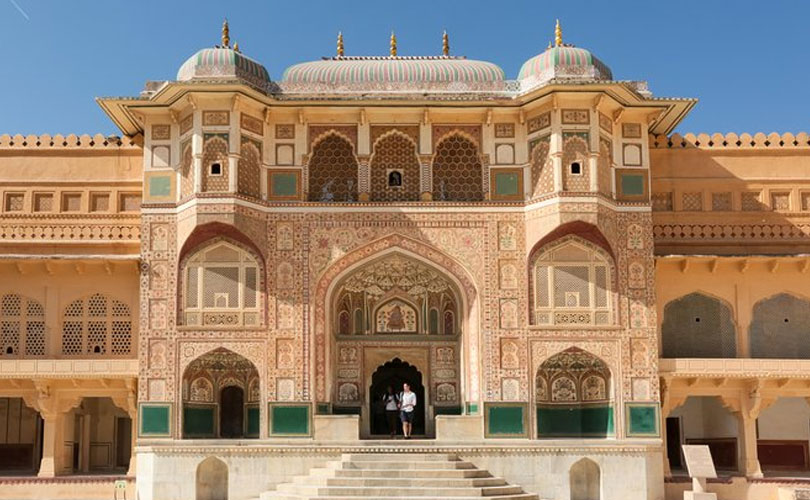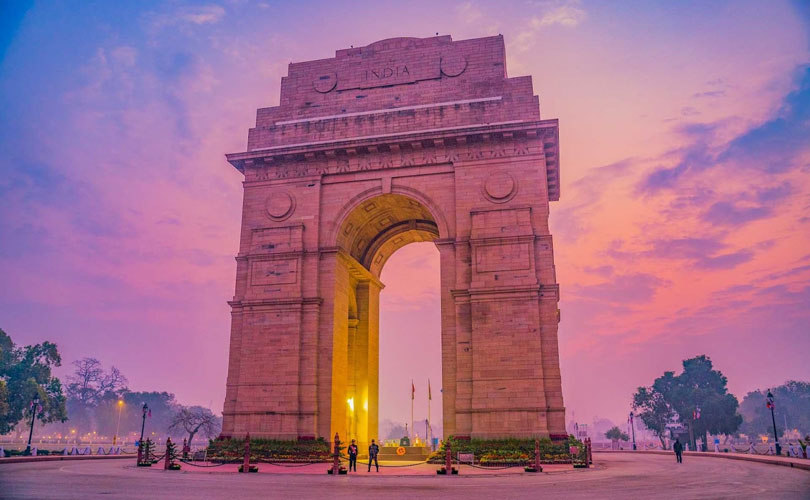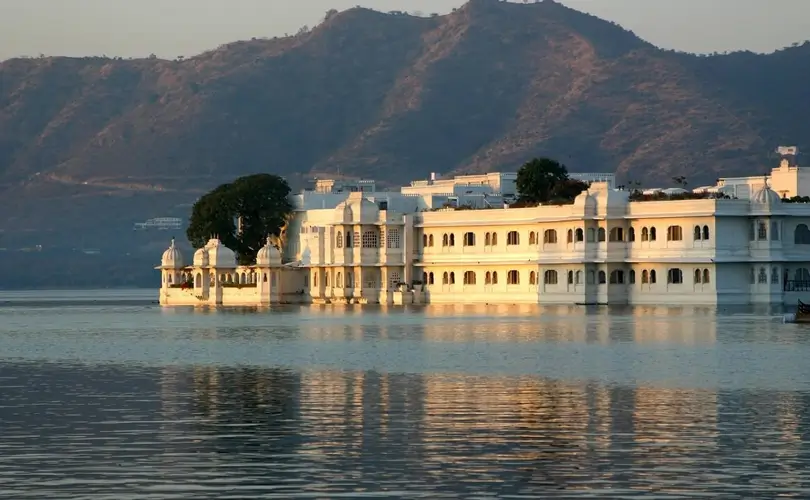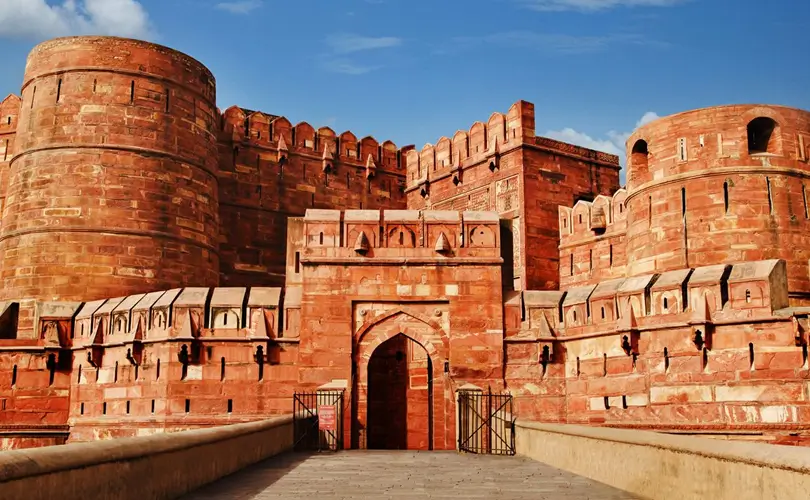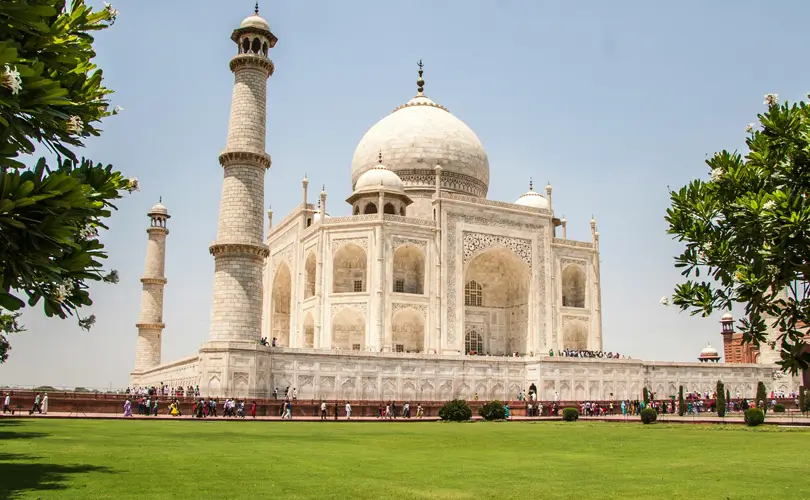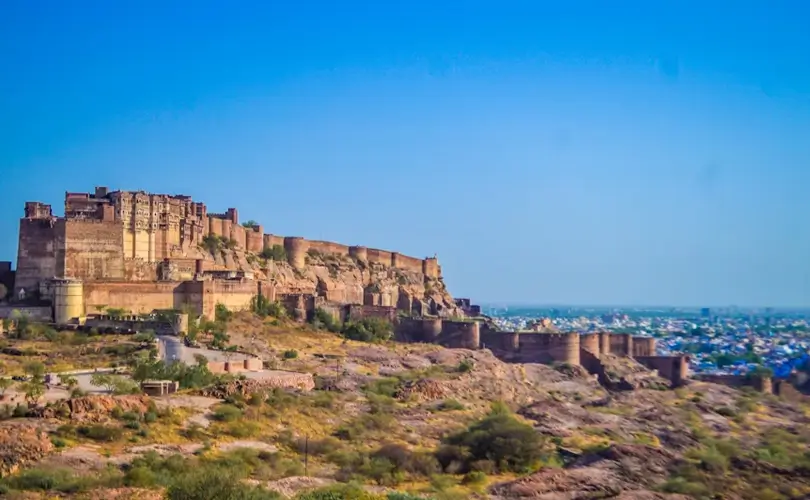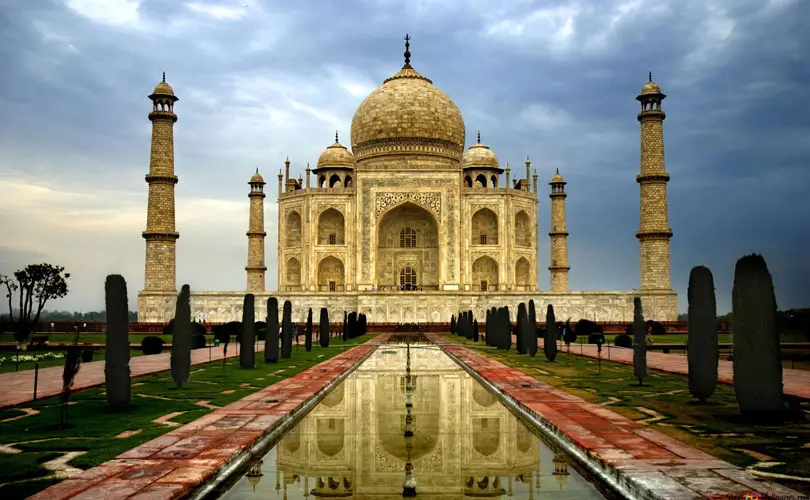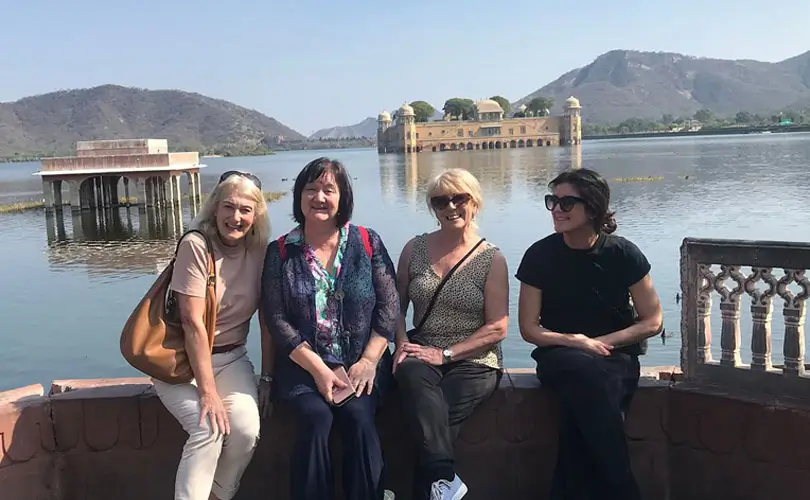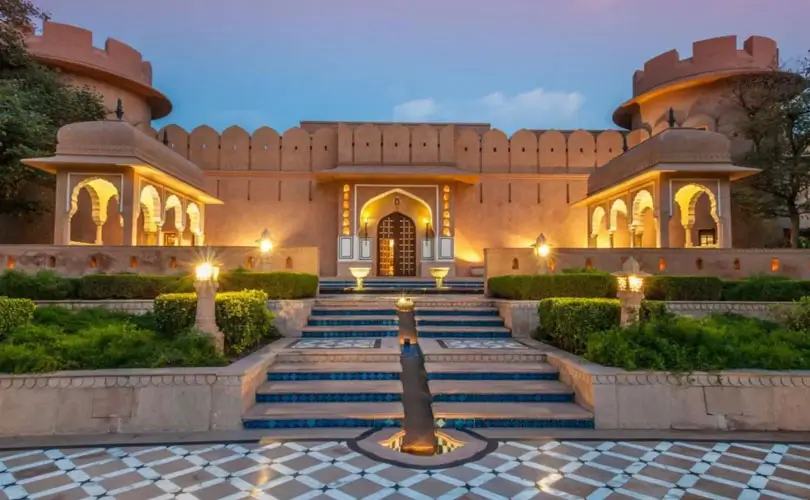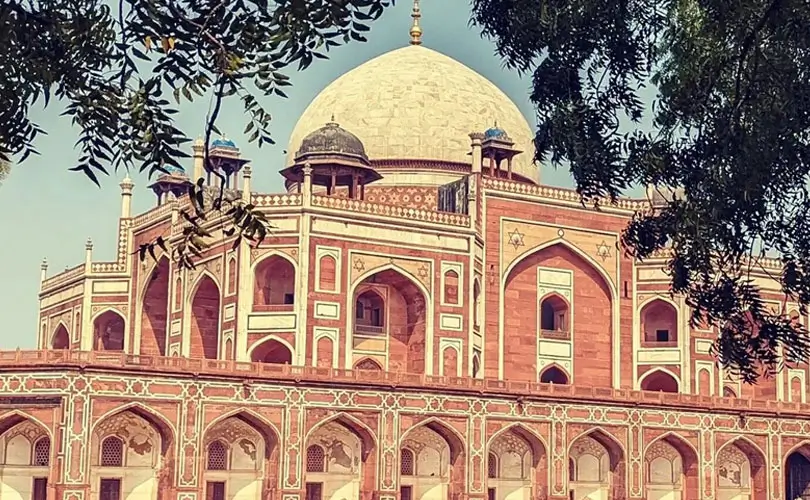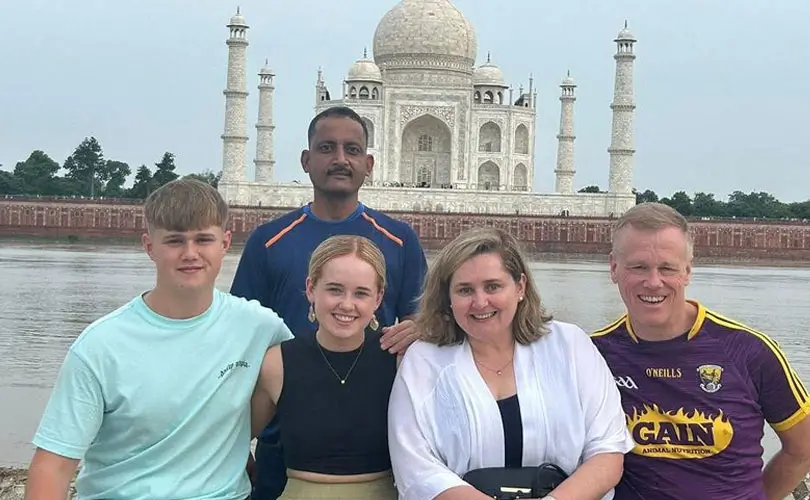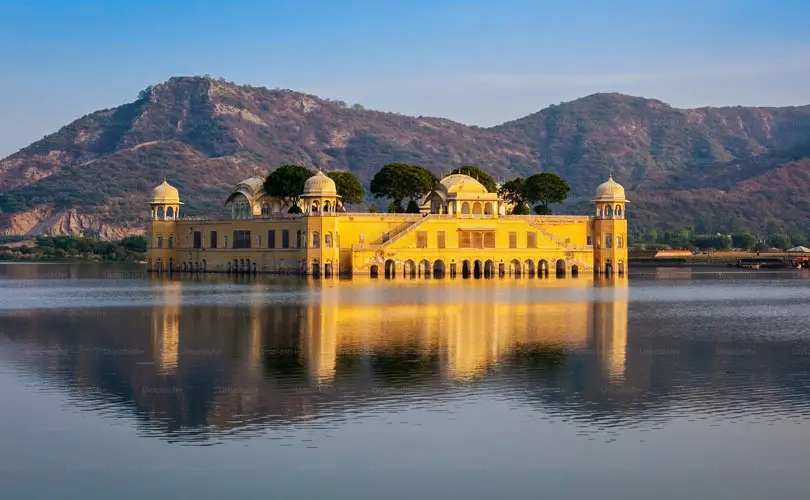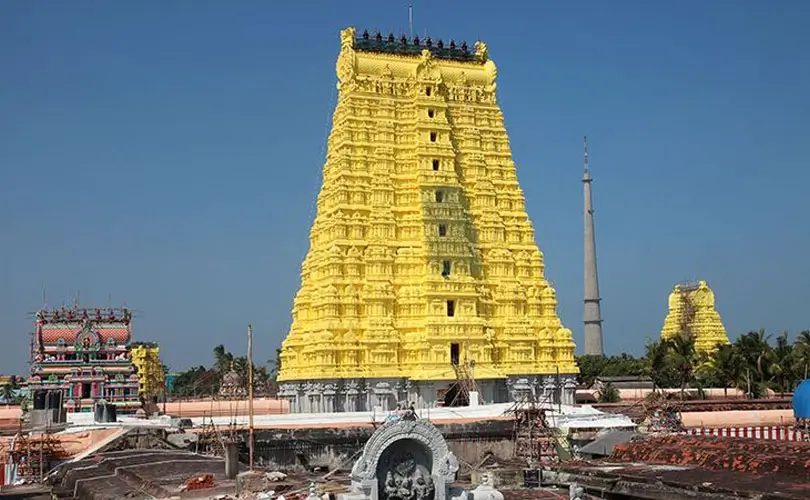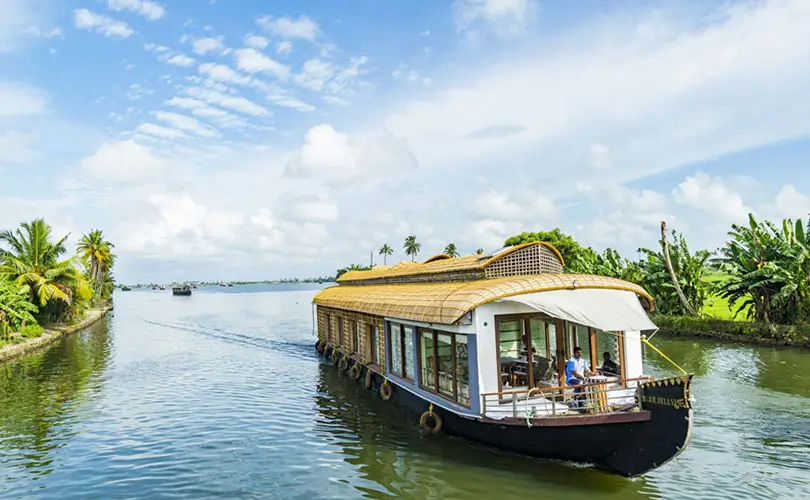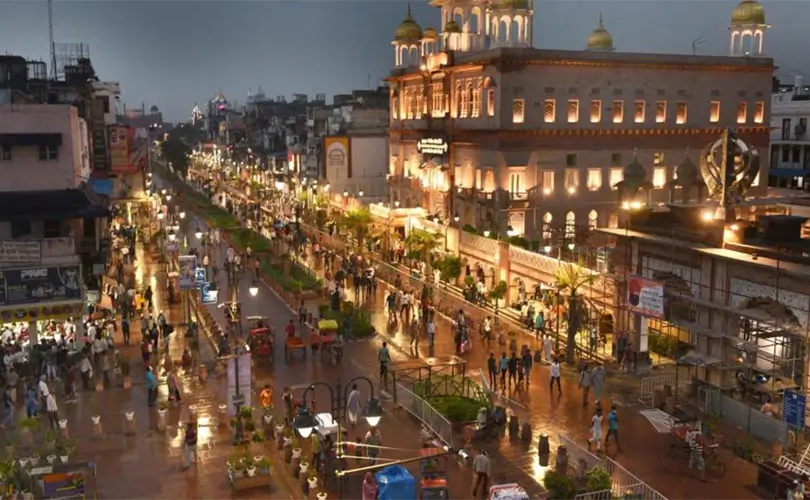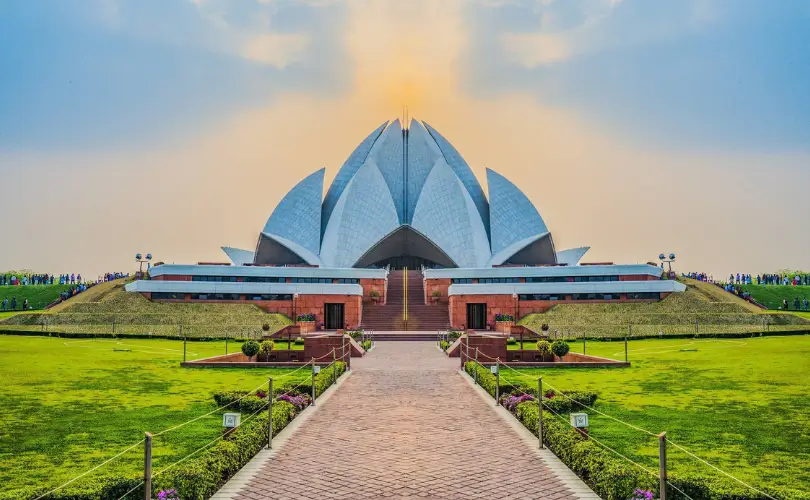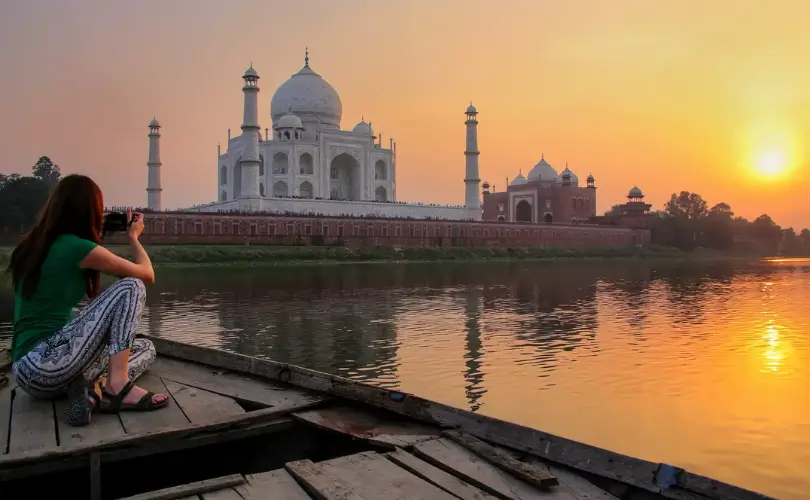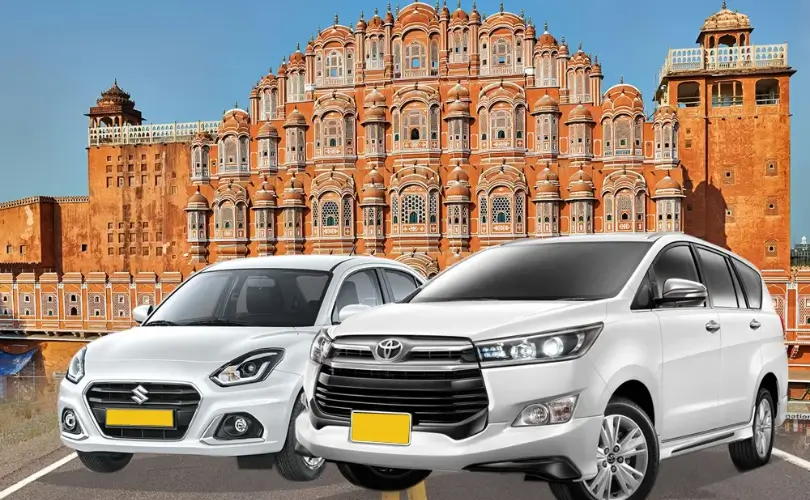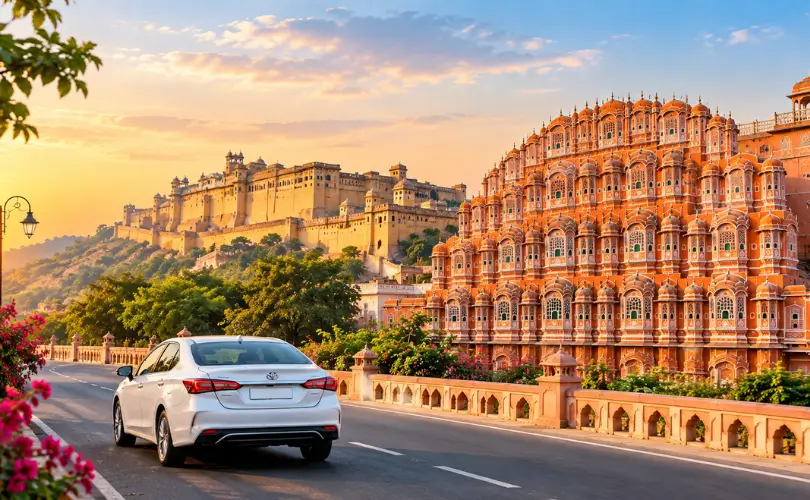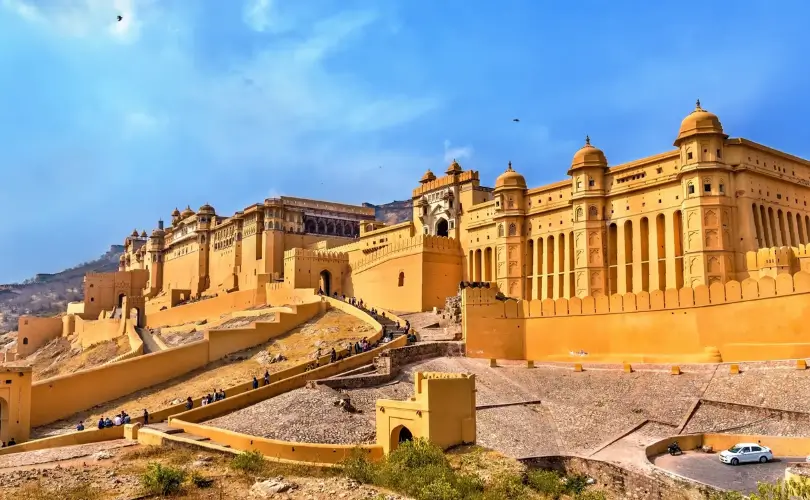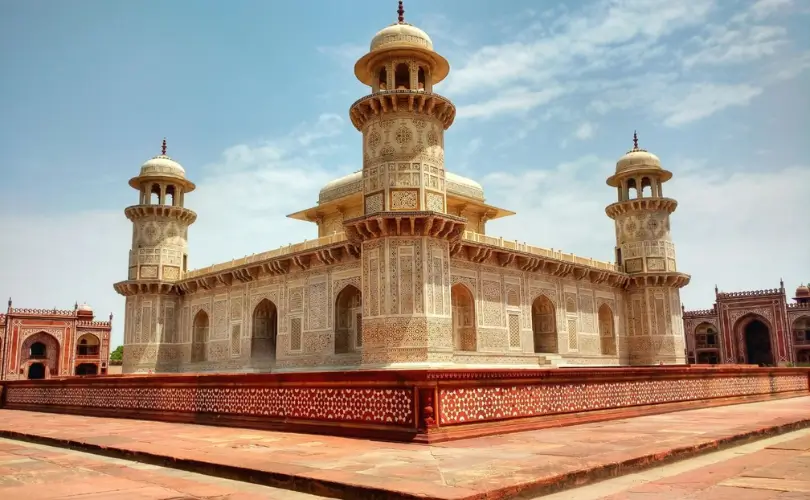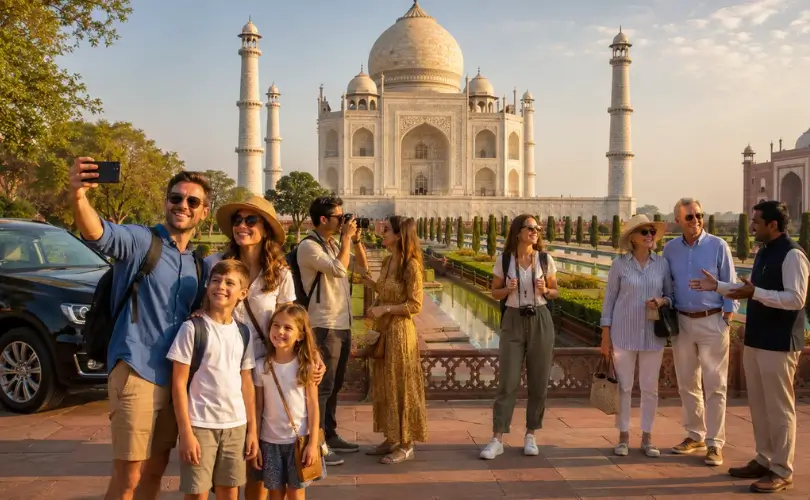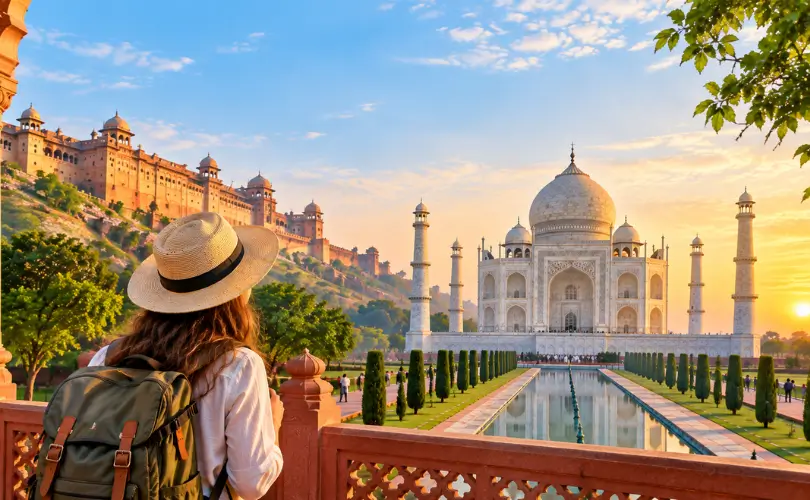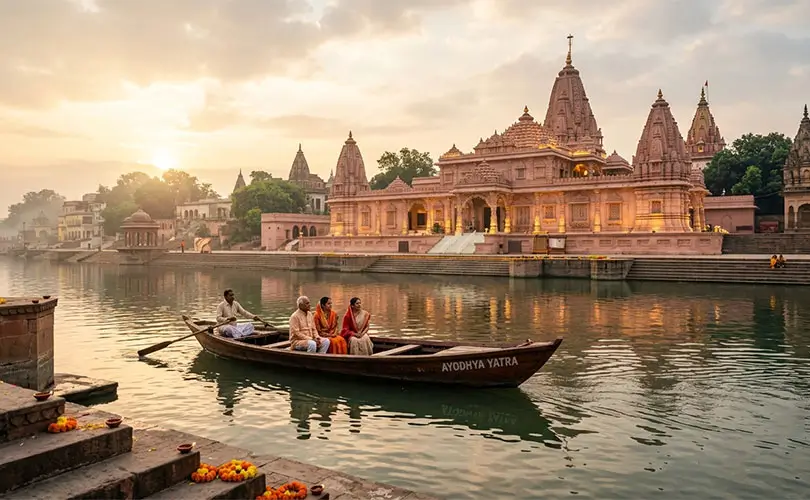
Delhi, Agra and Jaipur form the classic Golden Triangle India tour, but travelers who want a stronger spiritual and cultural dimension can extend the route east toward Ayodhya. The city has become one of the most important pilgrimage destinations in northern India, with improved road, rail and air access making it far easier to combine with an existing Delhi, Agra and Jaipur itinerary. For international visitors, Ayodhya adds something very different from the Mughal architecture of Delhi and Agra or the forts and palaces of Jaipur. The experience centers on sacred sites, riverfront activity, religious heritage and a city whose identity is closely tied to one of India's most significant devotional traditions.
An Ayodhya Golden Triangle extension should not be treated as a rushed side trip squeezed between two sightseeing days. The distances involved are substantial, and the city deserves enough time for the principal temple complex, other important religious sites and the riverfront. Travelers who add Ayodhya intelligently can turn a standard northern India route into a broader journey linking imperial history, Rajput architecture and sacred geography. Visitors who attempt to reach Ayodhya, complete several important sites and immediately return to Delhi on the same day are likely to spend more time in transit than at the destination itself.
Transport infrastructure has improved considerably. Ayodhya has its own airport, officially named Maharishi Valmiki International Airport, Ayodhyadham, Ayodhya, and the Airports Authority of India lists it as a licensed public-use airport. Rail services also connect Ayodhya with major Indian cities, while road travel remains useful for travelers combining Ayodhya with Varanasi or other destinations in Uttar Pradesh. The best routing depends on whether Ayodhya is added after Delhi, after Agra, or as part of a longer spiritual route continuing farther east.
The most practical way to add Ayodhya to a Golden Triangle tour is usually after the standard Delhi, Agra and Jaipur section rather than interrupting the triangle in the middle. Delhi works as the strongest transport hub because international flights, domestic flights and major railway connections are concentrated there. A traveler can complete Delhi, Agra and Jaipur, return to Delhi and then continue to Ayodhya by air, train or road depending on available schedules and personal comfort.
Another workable option is to travel toward Ayodhya after Agra instead of proceeding immediately to Jaipur, but this creates a less efficient geographical pattern for most first-time visitors. Agra sits southeast of Delhi, Jaipur lies southwest, and Ayodhya lies much farther east. Moving Agra to Ayodhya and then back west toward Jaipur adds substantial distance. Unless the itinerary has a specific reason for that order, completing Jaipur before heading east generally keeps the route easier to manage.
Travelers with approximately two additional nights can create a comfortable Ayodhya extension. One day can be used for the journey and an initial visit around the city, while the following day allows the principal sacred sites to be seen without constantly watching the clock. An additional night becomes even more useful during busy religious periods, weekends or dates when large visitor numbers increase traffic and security procedures.
The Ram Mandir in Ayodhya is the central reason many travelers now add the city to a northern India itinerary. Visitors should expect security screening and should carry only essential belongings when approaching major religious sites. Large bags, professional photographic equipment and unnecessary valuables can make entry procedures more complicated. Rules concerning mobile phones, cameras, bags and permitted items can change, so current instructions should be checked shortly before the visit rather than relying permanently on an older travel article.
A good Ayodhya stay should also include time beyond the main temple. Hanuman Garhi is one of the city's best-known religious sites and involves climbing steps, so travelers with mobility limitations should consider this before arrival. Kanak Bhawan provides another important stop within the sacred city, while the Saryu River waterfront gives visitors a different perspective through riverfront activity and ceremonial spaces. These places help prevent the city from becoming a one-monument visit.
Time of day matters. Early morning is often preferable for travelers who want a calmer experience and cooler temperatures, particularly during warmer months. Evenings around the riverfront can provide a more atmospheric experience, but visitor numbers may also increase. A traveler staying only a few hours may be forced to choose between morning temple access and an evening river experience, while an overnight stay allows both.
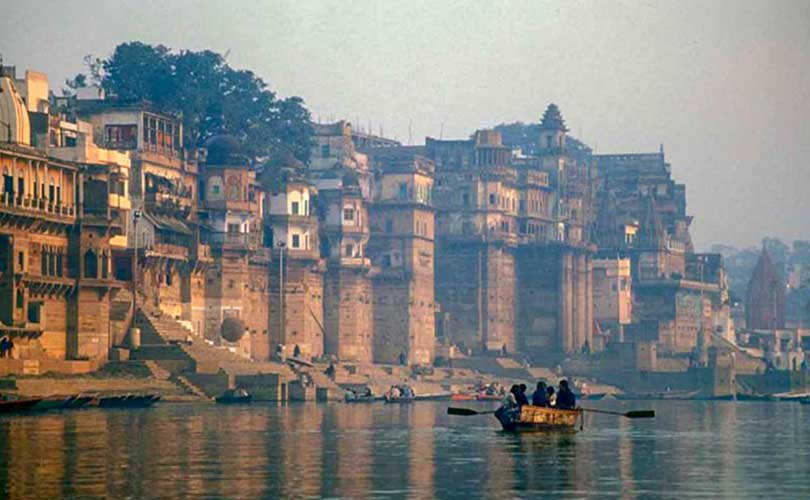
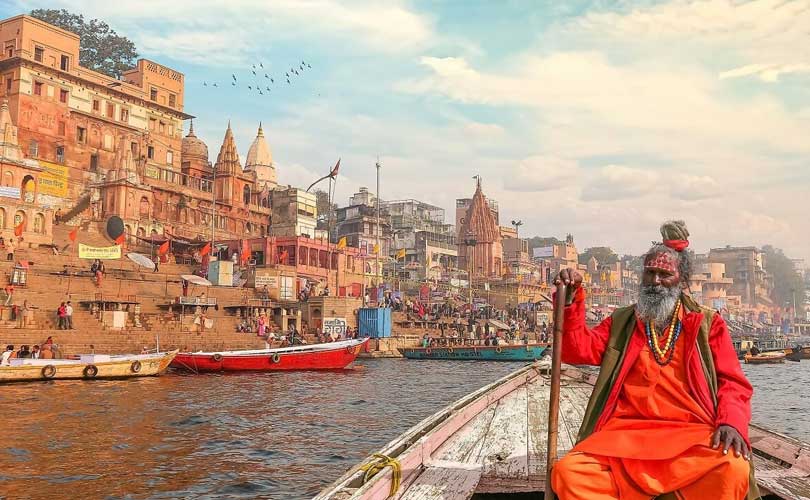
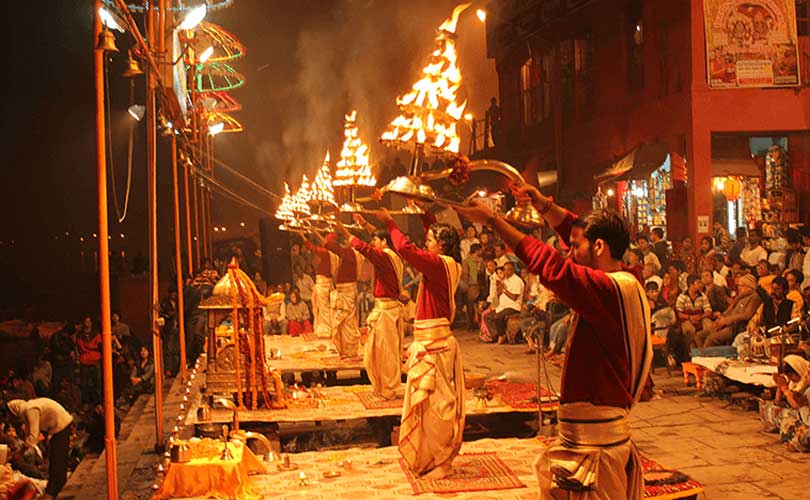
The route can also be extended farther toward Varanasi, creating a stronger spiritual itinerary after the Golden Triangle. Ayodhya and Varanasi serve very different religious and urban experiences, so they should not be treated as interchangeable. Ayodhya has a strong temple-centered sacred identity, while Varanasi is closely associated with the Ganges riverfront, ancient lanes, temples and long-established ritual traditions. A traveler with additional time can combine Delhi, Agra, Jaipur, Ayodhya and Varanasi into a more substantial northern India journey rather than treating each destination as an isolated stop.
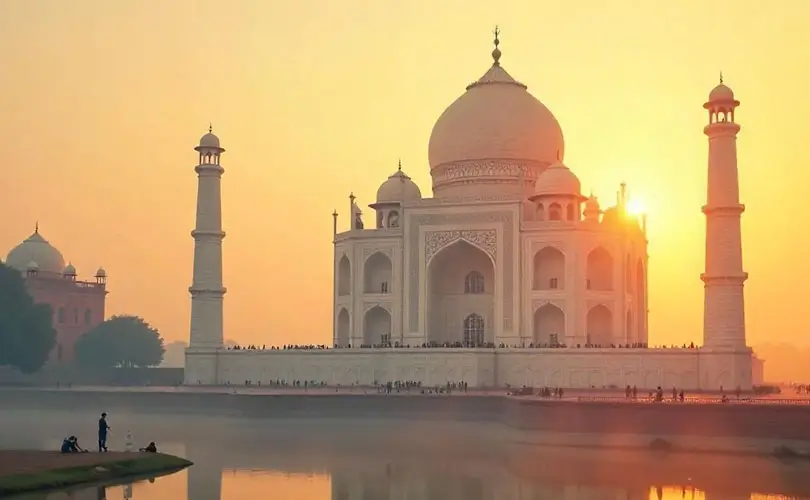
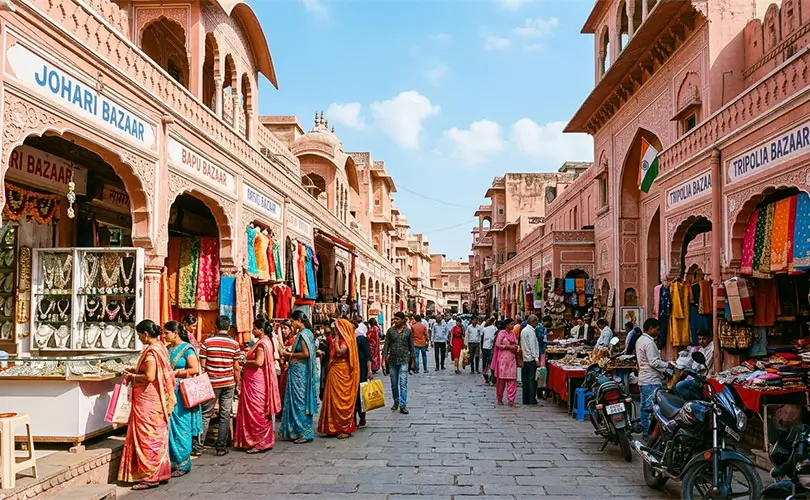
For international visitors, the strongest reason to include Ayodhya is not simply that the city is receiving increased attention. It is the contrast it creates with the existing Delhi Agra Jaipur itinerary. Delhi presents multiple historic eras, Agra centers heavily on Mughal architecture, Jaipur introduces Rajasthan's royal heritage, while Ayodhya shifts the journey toward sacred spaces and religious culture. The result feels broader than simply adding another palace or fort.
Accommodation should be selected with location and transport in mind. Ayodhya now has a growing range of hotels and guest accommodation, but standards can vary considerably. Travelers accustomed to premium Golden Triangle hotels should check recent reviews, room photographs, accessibility, breakfast arrangements and driving distance to the principal sites before booking. A low room rate several kilometers away may become inconvenient if repeated traffic delays are involved.
During busy periods, hotel prices can rise sharply. A practical mid-range room may commonly require a budget of approximately ₹4,000 to ₹8,000 per night, while better premium accommodation can move toward ₹8,000 to ₹15,000 or more, especially when demand is strong. These figures are working ranges rather than fixed tariffs. Travelers seeking high-comfort accommodation should budget on the higher side rather than assuming every newly listed property delivers an international four-star or five-star standard.
Combine Delhi's history, Agra's timeless architecture, Jaipur's royal heritage and Ayodhya's sacred culture into a thoughtfully paced journey designed around depth—not just destinations.
Transport is the most important practical decision when adding Ayodhya because the city sits far outside the normal Golden Triangle loop. Flights to Ayodhya can reduce travel time significantly when suitable connections are operating. Maharishi Valmiki International Airport, Ayodhyadham, Ayodhya provides direct air access to the city, and its current status as a licensed public-use airport is confirmed by the Airports Authority of India. Travelers should still check actual airline schedules for their intended dates because route frequency can change.
Flying is particularly attractive for visitors finishing the Golden Triangle in Delhi. A domestic flight can replace a long road journey and preserve more time for sightseeing. Travelers should, however, calculate the complete airport journey rather than comparing only flight duration. Reaching Delhi airport, completing check-in and security, flying to Ayodhya, collecting luggage and transferring to the hotel can consume several hours. A well-timed morning flight can still be much easier than spending most of the day in a car.
Airfare varies substantially according to booking date, airline, baggage allowance and demand. A practical working budget might range from approximately 4,000 to 10,000 or more per person for a one-way domestic ticket when booked under ordinary conditions, with busy dates capable of moving higher. Travelers carrying large suitcases should check baggage charges because a low base fare can become considerably more expensive after additional luggage is added.
Train travel can offer better value and may appeal to visitors who want to experience India's railway system. The Delhi to Ayodhya train journey can be comfortable when a suitable air-conditioned class is booked, but journey times differ according to the service selected. Travelers should confirm the exact departure station because Delhi has multiple major railway terminals. Reaching the wrong station is one of the easiest ways to create unnecessary stress.
An air-conditioned reserved train seat or berth is generally preferable for international visitors taking a longer journey. Ticket prices vary by train and class, but travelers might expect anything from roughly 1,000 to 3,500 or more per person for stronger reserved categories, depending on the service. Premium classes can cost more. Train tickets should be obtained through reliable channels, and travelers should verify the train number, coach, seat or berth, departure station and arrival station before leaving the hotel.
Road travel gives the greatest control but requires the most time. Delhi to Ayodhya by car covers a long intercity distance, so travelers should allow roughly ten to twelve hours or more depending on the starting point, traffic, road conditions and stops. This is not an ideal same-day sightseeing transfer. Anyone choosing a private car should treat the day primarily as a travel day.
A long road journey becomes more comfortable in a suitable vehicle with adequate luggage space, reliable air conditioning and a professional driver. A private road transfer can cost approximately 15,000 to 25,000 or more depending on vehicle type, one-way operating requirements, tolls, parking and driver allowance. Larger SUVs or premium vehicles can cost substantially more. The traveler should ask whether the quotation includes tolls, interstate charges, parking, driver allowance and possible empty return costs before comparing prices.
Road travel becomes more attractive when Ayodhya is part of a longer Ayodhya Varanasi tour because a private vehicle can continue through Uttar Pradesh rather than returning immediately to Delhi. Travelers can also create intermediate stops when sufficient time is available. The route should still be paced realistically, because long driving days followed by crowded temple visits can become tiring.
For families and senior travelers, air travel may provide the best balance between comfort and time. Solo travelers may find trains more economical. Couples taking a premium private journey may prefer flights in one direction and a private road transfer onward toward another destination. There is no single correct transport method; the right choice depends on available time, travel style and the wider route.
Whatever method is selected, travelers should avoid scheduling a major temple visit immediately after the theoretical arrival time. Flights can be delayed, trains can arrive late and road journeys can take longer than a navigation estimate. Reaching Ayodhya, checking into the hotel and allowing a reasonable buffer before sightseeing creates a far better first impression than arriving under pressure.
For most visitors adding Ayodhya to a Golden Triangle India tour, Ram Mandir will be the central religious stop. The temple is not simply another sightseeing attraction to place between breakfast and lunch; it is an active place of worship receiving large numbers of devotees. International travelers should approach the visit accordingly, allowing sufficient time for security procedures, walking, queues and the actual temple experience rather than calculating the stop according to the time required to photograph a conventional monument.
Morning hours can be practical for visitors who prefer cooler temperatures and want the rest of the day available for other sites. Crowd conditions vary considerably, however, and religious dates, weekends and special occasions can produce much heavier visitor movement. Temple access arrangements and darshan timings can also be revised, so visitors should verify current information shortly before going instead of relying on an old screenshot or social-media post.
Carry as little as possible. Major religious sites can have strict rules concerning bags, electronic devices, photography and other belongings. A traveler staying in Ayodhya can leave unnecessary equipment securely at the hotel and carry only permitted essentials. This is particularly relevant for photographers traveling through the Golden Triangle with professional cameras, additional lenses or tripods. Equipment that was useful at Jaipur's forts may be unsuitable for a high-security temple visit.
Clothing should be respectful and comfortable. Lightweight clothing covering shoulders and knees is a sensible choice, while footwear should be easy to remove when required. Travelers should also expect significant walking. During hot conditions, hydration before reaching restricted areas becomes important, although visitors must follow the current rules concerning what can actually be carried inside.
International visitors unfamiliar with Hindu worship do not need to imitate rituals they do not understand. Respectful observation is sufficient. Avoid blocking worshippers for photographs, maintain an appropriate voice level and follow instructions from temple staff and security personnel. A Ram Mandir visit in Ayodhya becomes much more meaningful when the traveler recognizes that the people around them may be completing an important pilgrimage rather than simply visiting a famous building.
A realistic itinerary should reserve several hours around the visit even when the actual time inside the principal worship area is shorter. Traffic, security, pedestrian movement and queues can make precise minute-by-minute scheduling unreliable. Avoid placing a non-refundable train or flight immediately after the temple visit.
A visit to Ayodhya becomes more complete when Hanuman Garhi and Kanak Bhawan are included rather than leaving immediately after Ram Mandir. Both sites are deeply associated with the religious identity of the city and are close enough to the broader sacred center to fit naturally into the same sightseeing period.
Hanuman Garhi is one of Ayodhya's prominent temples and is associated with Lord Hanuman. The approach involves a substantial flight of steps, making physical comfort an important consideration. Fit travelers may complete the climb without difficulty, but senior visitors, people with knee problems and travelers with limited mobility should assess the situation realistically. Crowded periods can make the climb slower because visitors move through the steps in both directions.
Allow approximately 45 minutes to one hour for Hanuman Garhi under ordinary conditions, while remembering that queues can increase the time. Shoes and other belongings should be handled according to the arrangements available at the site, and travelers should avoid carrying unnecessary valuables.
Kanak Bhawan provides a different atmosphere. The temple is associated with Lord Rama and Goddess Sita and is known for its devotional importance and ornate interior. Visitors should allow approximately 30 to 60 minutes, depending on crowd levels and personal interest. Temple schedules can include periods when access to the principal shrine changes, so checking local timings before arrival prevents unnecessary waiting.
Combining the principal temples on foot or with short local transfers can be more practical than repeatedly returning to a distant hotel. A knowledgeable local driver or guide can help arrange the sequence around traffic and access points, particularly during crowded periods.
A guide can also add context for an international visitor unfamiliar with the stories connected with Ayodhya. The value of guiding here is different from the architectural explanation provided at Agra Fort or Amber Palace. Religious symbolism, customs and the relationship between different sacred locations become more important.
Travelers should use qualified and reputable guides rather than automatically accepting the first person offering assistance near a temple entrance. Agree on the service and price beforehand when the guide is not already included in the tour package.
Ram Mandir may be the heart of your journey, but Ayodhya offers much more—a sacred city shaped by temples, devotional stories, riverfront traditions and centuries of spiritual heritage.
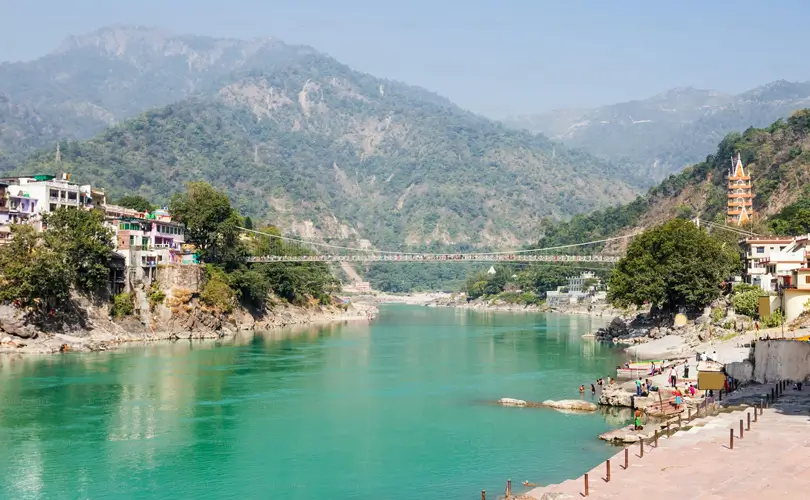
The Saryu River in Ayodhya provides one of the strongest contrasts with the monument-heavy Golden Triangle route. Delhi, Agra and Jaipur are often experienced through forts, tombs, palaces and museums, while the riverfront in Ayodhya presents a living religious environment where local residents and pilgrims gather around water, ghats and ceremonial spaces.
Ram Ki Paidi is one of the recognizable riverfront areas and can be particularly atmospheric toward the evening. Visitors may see families, pilgrims, religious activity and people spending time beside the river. The experience should be approached respectfully because the ghats are not merely decorative backgrounds for photographs.
Travelers interested in evening religious ceremonies should confirm the current aarti timing in Ayodhya locally on the day of the visit. Timings can vary according to season and religious circumstances, so a permanent time should not be assumed. Arriving early provides a better chance of finding an appropriate position without pushing through crowds at the last minute.
Approximately one to two hours can be reserved for a relaxed riverfront visit, depending on whether the traveler wants only a walk or intends to remain for evening ceremonies. Comfortable footwear is important because the area may involve considerable walking and steps.
Visitors should exercise caution near the water, especially after dark. Families traveling with children should keep them close, and anyone with mobility limitations should assess steps carefully. During crowded periods, keep phones, wallets and bags secure.
Photography can be rewarding, particularly as evening light changes, but religious ceremonies should not be obstructed for a photograph. Avoid standing directly in front of worshippers, using intrusive flash photography or treating individual devotees as subjects without permission.
The riverfront is also a good reason to stay overnight. A rushed day visitor arriving around noon and departing before evening misses one of Ayodhya's most distinctive periods. A two-night Ayodhya itinerary provides enough time for both early temple visits and an evening beside the Saryu without forcing either experience into a narrow schedule.
Accommodation has expanded as visitor numbers have grown, but travelers accustomed to Delhi or Jaipur should not assume that every hotel category is represented in the same depth. A property described online as premium should be judged through recent guest reviews, room photographs, location and actual facilities rather than the label alone.
For a straightforward but comfortable stay, approximately 4,000 to 8,000 per room per night is a useful working range. Better premium properties can require 8,000 to 15,000 or more, particularly during high-demand dates. Religious festivals and major events can cause significant increases, so travelers with fixed dates should secure accommodation early.
Location can justify paying more. A cheaper hotel located far from the main sacred areas may require repeated vehicle transfers through congested roads. A better-positioned property can save considerable time during a short stay.
Food costs can remain relatively modest. A simple vegetarian meal can often be managed for approximately 200 to 500 per person, while a more comfortable restaurant meal may cost around 500 to 1,000 per person depending on ordering. Hotel dining and premium restaurants can move higher.
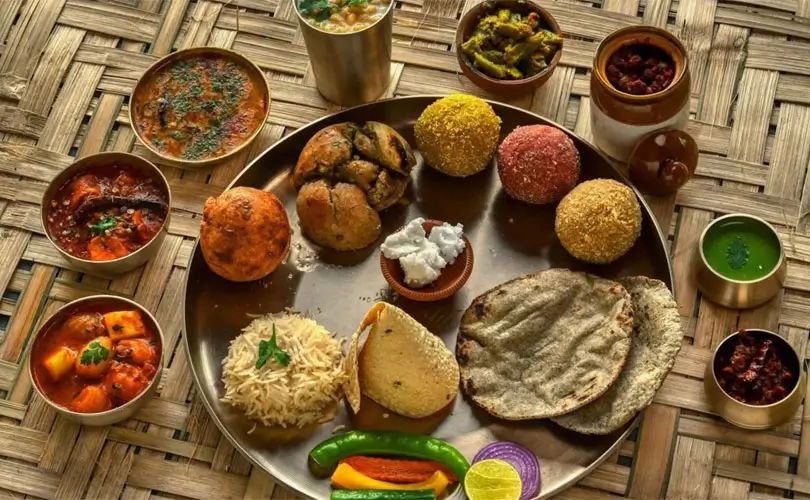
Vegetarian food is widely available and fits naturally with the religious character of the destination. Travelers should expect menus containing North Indian staples, regional vegetarian dishes, snacks and sweets. International visitors should choose busy, hygienic restaurants, drink sealed bottled or reliably purified water and introduce unfamiliar rich food gradually.
A couple staying two nights in a mid-range hotel could reasonably allocate 15,000 to 30,000 for accommodation, meals, local transportation and routine sightseeing-related expenses after reaching Ayodhya. This excludes long-distance flights or private road transfers and is deliberately on the comfortable side rather than based on the cheapest possible choices.
Adding return domestic flights, premium hotels and private guiding can move a two-person Ayodhya trip cost well beyond ₹40,000-₹60,000. Travelers should therefore calculate the extension separately from the Golden Triangle package rather than assuming it is a minor add-on.
Travelers who can add several days beyond the Golden Triangle should consider continuing from Ayodhya to Varanasi rather than returning immediately to Delhi. The two cities create a strong spiritual route while providing very different experiences.
Ayodhya centers heavily on temples and the sacred geography associated with Lord Rama. Varanasi revolves around the Ganges, ghats, ancient neighborhoods, temples and ritual life. Seeing both gives international visitors a broader view of Hindu pilgrimage traditions than either destination can provide alone.
The road distance between Ayodhya and Varanasi is roughly 220 kilometers, depending on the route, and travelers should normally allow around four-and-a-half to six hours by car once traffic and stops are considered. A private transfer can therefore be completed comfortably within one day without requiring an exhausting overnight road journey.
A practical route could follow Delhi – Agra – Jaipur – Delhi – Ayodhya – Varanasi, using a flight or train for the longer Delhi-to-Ayodhya segment and a private vehicle for Ayodhya to Varanasi. Another option is to use available rail connections according to the schedule.
At least two nights in Varanasi are advisable for travelers wanting an evening Ganges experience, an early-morning river outing and time in the old city. Adding both Ayodhya and Varanasi therefore requires several additional days rather than simply one spare night after Jaipur.
This extended route works particularly well for travelers who have already visited India once and want greater cultural depth, although first-time visitors with sufficient time can also manage it comfortably. The important factor is pacing. Moving hotels every night eventually turns an interesting route into a luggage-transfer exercise.
The minimum worthwhile extension is generally two days with at least one overnight stay, but two nights are more comfortable. Travelers flying from Delhi can arrive, settle into the hotel, visit selected sites or the riverfront, dedicate the next day to the principal temples and depart the following morning.
A one-night stay works when transport timings are favorable and the traveler accepts a relatively full schedule. It becomes risky when a late flight or train is followed by an early departure the next day.
Two nights provide better protection against delays and crowds. The traveler can separate Ram Mandir from the riverfront, visit Hanuman Garhi and Kanak Bhawan without rushing and still have time for meals and rest.
Three nights can make sense for travelers with strong religious interests, senior visitors who prefer slower days or people traveling during periods when queues are expected to be substantial.
Anyone continuing to Varanasi should treat the Ayodhya stay and onward road journey as separate itinerary components. A comfortable Golden Triangle with Ayodhya and Varanasi tour can easily require ten to fourteen days depending on the number of nights assigned to Delhi, Agra, Jaipur and Varanasi.
The additional days are worthwhile only when they are genuinely available. Cutting Delhi, Agra and Jaipur so aggressively that each city receives a few rushed hours simply to add another destination defeats the purpose.
Yes. Ayodhya can be added to a Delhi Agra Jaipur tour most efficiently after completing the standard Golden Triangle route. Delhi provides useful onward air and rail connections, making it a practical departure point for the extension.
Two days with at least one overnight stay can cover the principal attractions, but two nights in Ayodhya provide a more comfortable experience. The additional time allows temple visits and the Saryu riverfront to be separated rather than rushed into one short sightseeing period.
Important stops include Ram Mandir, Hanuman Garhi, Kanak Bhawan, Ram Ki Paidi and the Saryu River ghats. The exact route should reflect current access arrangements, crowd levels and the traveler's religious or historical interests.
Yes. Ayodhya is served by Maharishi Valmiki International Airport, Ayodhyadham, Ayodhya. Flight routes and frequencies can change, so travelers should check airline schedules for their exact dates rather than assuming a particular connection operates daily.
A flight is usually preferable when time is limited, while an air-conditioned train to Ayodhya can offer better value and a different travel experience. The best choice depends on schedules, ticket availability, luggage and the traveler's comfort with longer rail journeys.
Yes, but it is a long journey. Travelers should allow approximately ten to twelve hours or more depending on traffic, route and stops. A comfortable vehicle and professional driver are important, and the transfer should generally be treated as a travel day.
Costs depend heavily on transportation and hotel standard. A couple using mid-range accommodation and local transportation might spend approximately ₹15,000-₹30,000 during a two-night stay after reaching the city. Domestic flights, private long-distance transfers and premium hotels can raise the total to ₹40,000-₹60,000 or considerably more.
Visitors should wear modest, comfortable clothing appropriate for active religious sites. Clothing covering shoulders and knees is a sensible choice. Footwear should be easy to remove where required, and travelers should follow all temple-specific instructions.
Yes. Ayodhya and Varanasi combine well because they are roughly 220 kilometers apart by road and offer very different sacred experiences. Travelers should allow several additional days so that both cities receive adequate time.
Yes, particularly when transportation, accommodation and local sightseeing are arranged carefully. International visitors should expect active religious sites, security procedures and large pilgrim crowds, respect local worship practices, carry minimal belongings at major temples and allow generous time rather than using a tightly packed schedule.