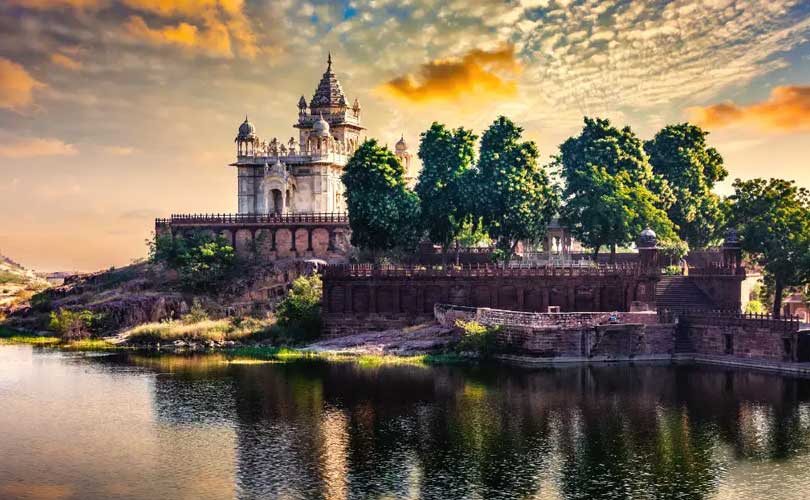
India offers one of the strongest architectural travel routes in Asia for visitors who want more than a standard monument checklist. Delhi, Agra and Rajasthan contain major examples of Mughal, Sultanate and Rajput architecture, and the differences between them become much clearer when the journey is built around design, materials, defensive systems, court spaces, gardens, astronomical planning and urban form rather than only famous photographs. A private architecture tour in India gives travelers enough time to study these details at a slower pace and makes it easier to connect sites that are normally treated as separate attractions.
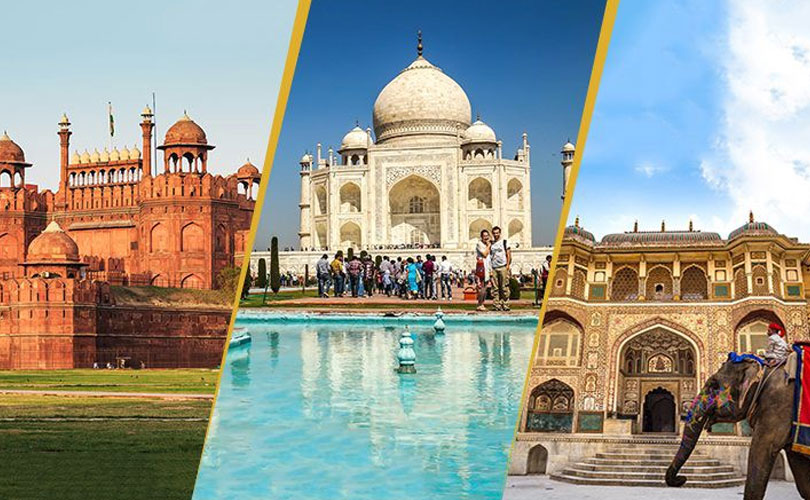
A conventional Golden Triangle itinerary often includes Qutub Minar, Humayun’s Tomb, the Taj Mahal, Agra Fort, Amber Fort, City Palace and Jantar Mantar. These places already form a strong architectural sequence, but an architecture-focused journey changes the way they are visited. Instead of spending forty minutes at a fort and moving on, travelers may spend two hours comparing courtyards, gateways, columns, garden layouts and changes in building materials. A professional guide can explain how political power, climate, defense, religion and court life shaped the structures.
The route also works well logistically. Delhi to Agra is roughly 220 to 230 kilometres and commonly takes around three to four hours by private car. Agra to Jaipur is approximately 240 kilometres, while Jaipur to Delhi is around 270 to 300 kilometres depending on the exact hotel and route. A private architecture tour with chauffeur therefore allows a traveler to move directly between major heritage cities without constantly changing transport.
For a serious architecture traveler, six or seven days is the minimum useful duration for Delhi, Agra and Jaipur. Nine to twelve days provides much more room for Fatehpur Sikri, Abhaneri, Jaigarh, Nahargarh, selected havelis, stepwells, additional museums and heritage hotels. The strongest itinerary does not necessarily contain the most places; it contains enough time at each site to see why the structure matters.
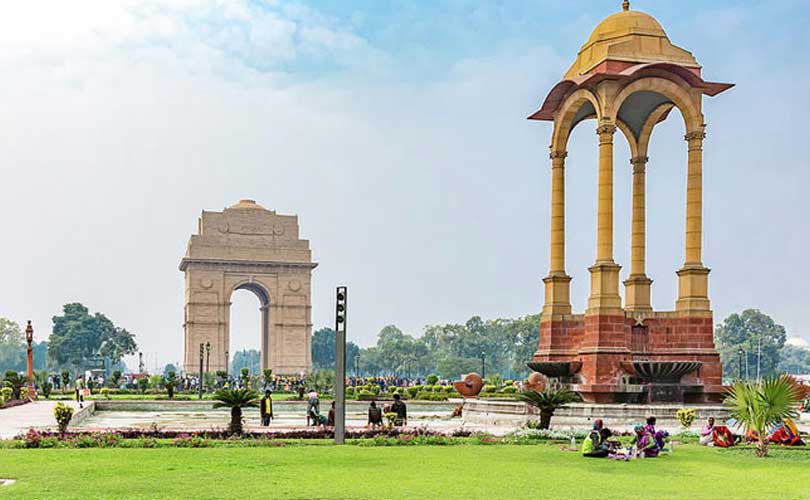
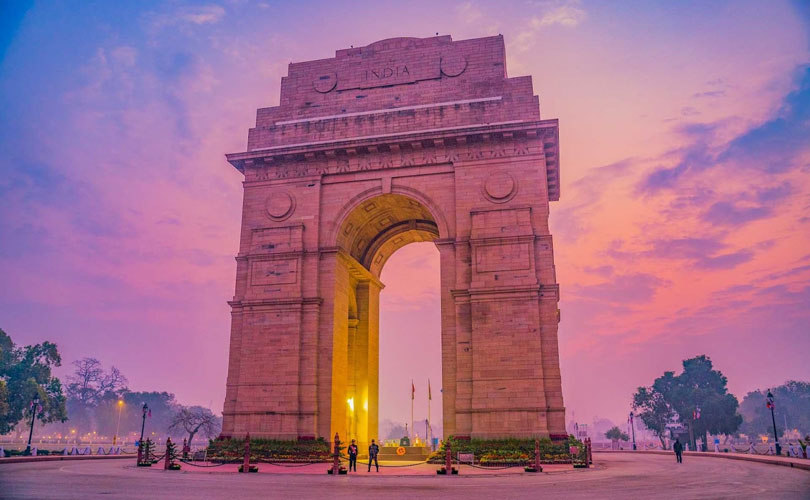
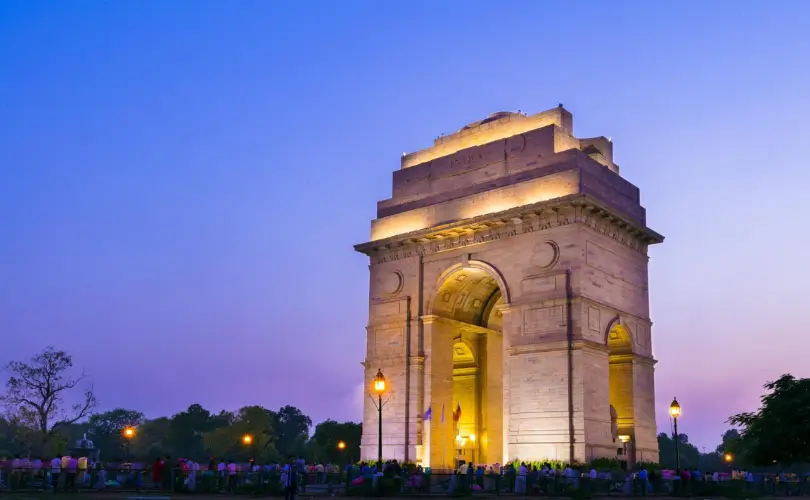
Delhi is one of the best starting points for an India architectural heritage tour because the city contains several major historical layers within one metropolitan area. A traveler can see early Sultanate construction, Mughal tomb architecture, colonial avenues and modern civic buildings within the same day, although a serious architectural route should divide these into manageable sections.
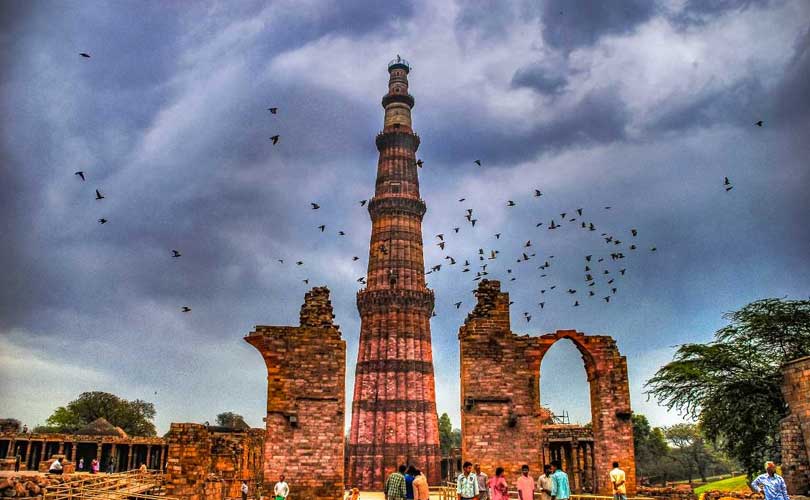
Qutub Minar is one of the most important starting points. The minaret and surrounding complex show early Indo-Islamic architectural development in Delhi, including reused materials, inscription, structural adaptation and the changing ambitions of successive rulers. The tower itself rises to over 70 metres, but the surrounding remains are equally important. A quick photograph of the minaret misses much of the architectural story. A specialist guide can explain the mosque remains, the Iron Pillar, decorative carving and the development of the complex over time.
International visitor admission to the Qutub complex is commonly around ₹600 per person, subject to current official pricing. A meaningful visit can take around 90 minutes to two hours for someone interested in architecture.
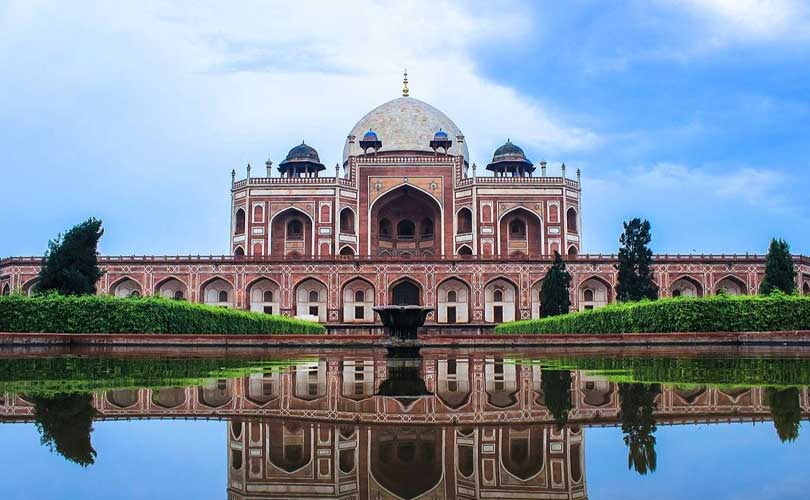
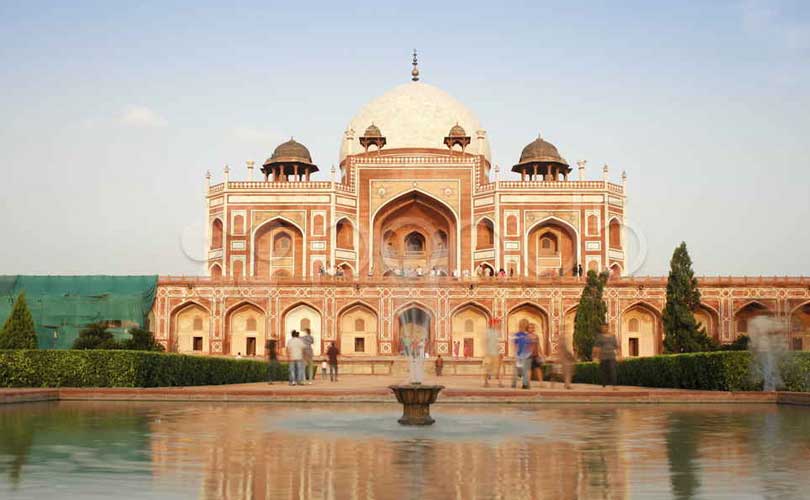
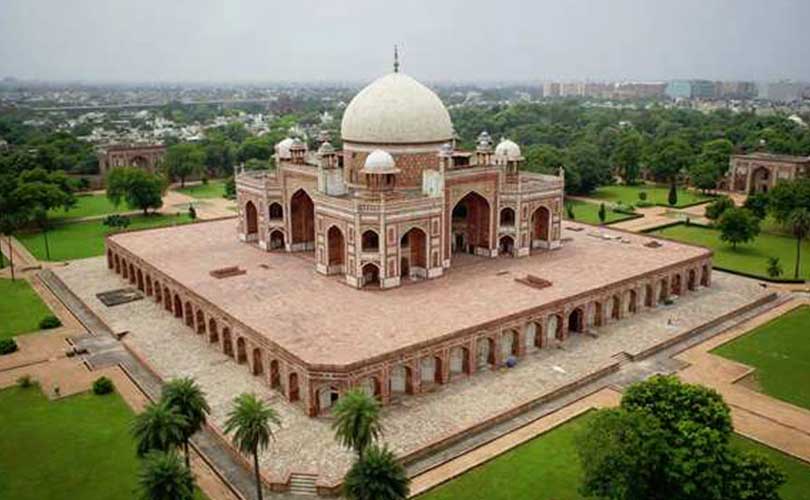
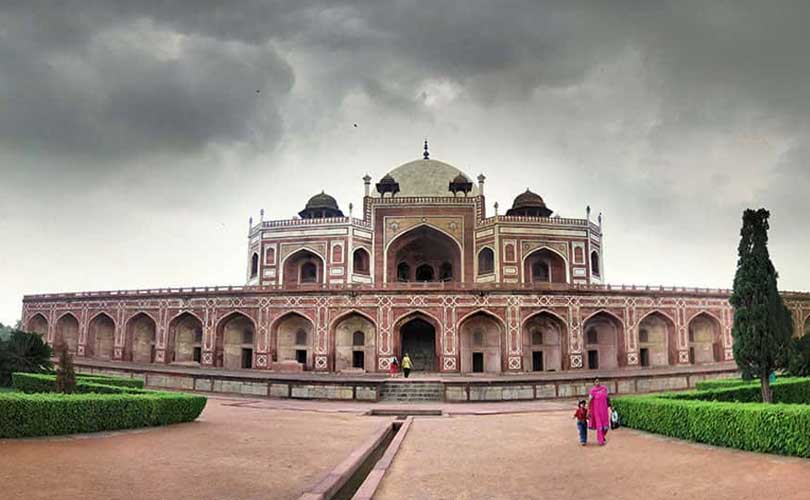
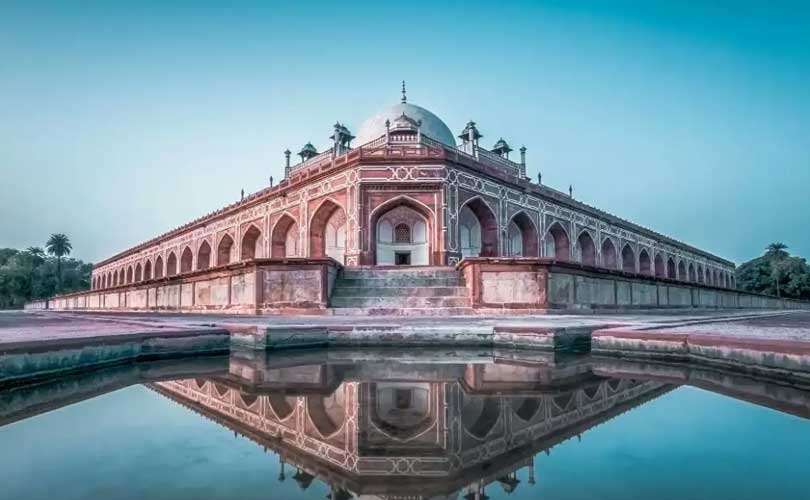
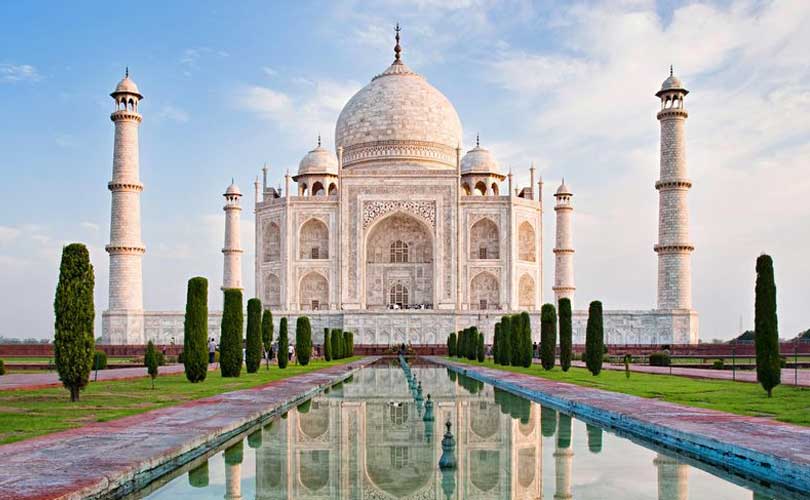
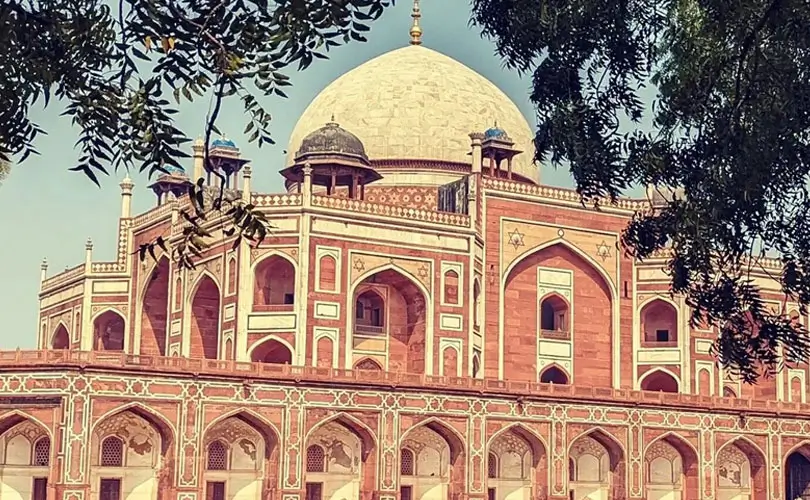
Humayun’s Tomb provides a very different experience. The complex is one of the clearest places to study the development of the Mughal garden-tomb tradition. Raised platforms, axial planning, symmetry, red sandstone, white marble and the charbagh garden layout create a direct architectural transition toward later imperial monuments. For many travelers, seeing Humayun’s Tomb before the Taj Mahal makes the Agra visit more intelligible because they can recognize ideas that became more refined under Shah Jahan.
International visitor admission to Humayun’s Tomb is commonly around ₹600 per person, subject to current revisions. A serious visit should allow at least 90 minutes.
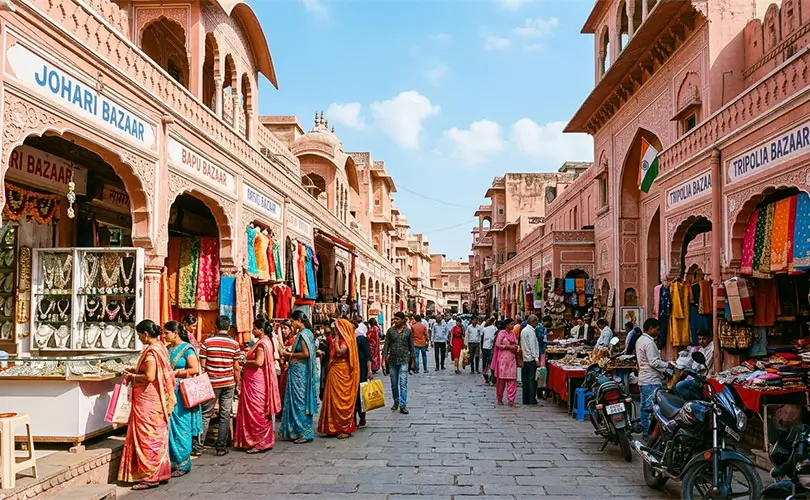
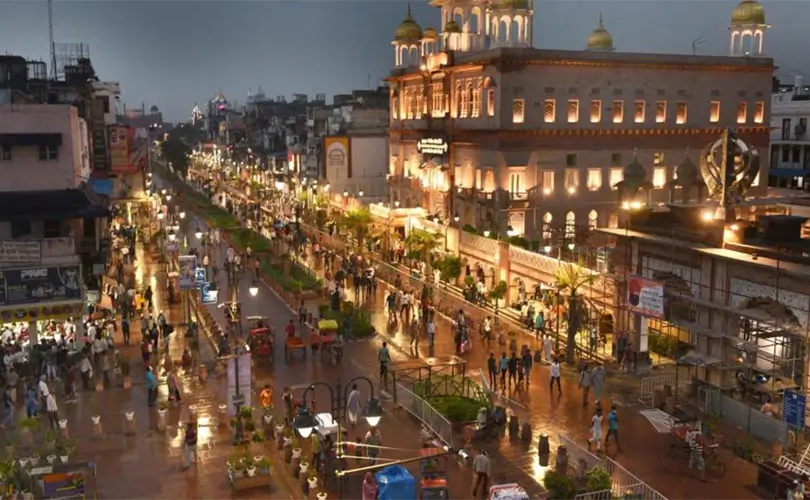
Old Delhi adds another architectural layer through Jama Masjid, the lanes of Shahjahanabad and surviving urban form around Chandni Chowk. The interest here is not limited to one monument. Street width, courtyard houses, religious buildings and dense commercial activity show a different relationship between architecture and city life.
A private Delhi architecture guide can broadly cost around ₹3,000 to ₹5,000 or more for a substantial day, depending on duration and specialist expertise. For architecture students, designers or professionals, a specialist guide may cost more but can provide a much stronger experience than a generic sightseeing commentary.
Agra is the core of any Mughal architecture tour in India because the city contains several major buildings from the period of imperial expansion and refinement. The Taj Mahal is the most famous, but Agra Fort and Itmad-ud-Daulah provide essential context.
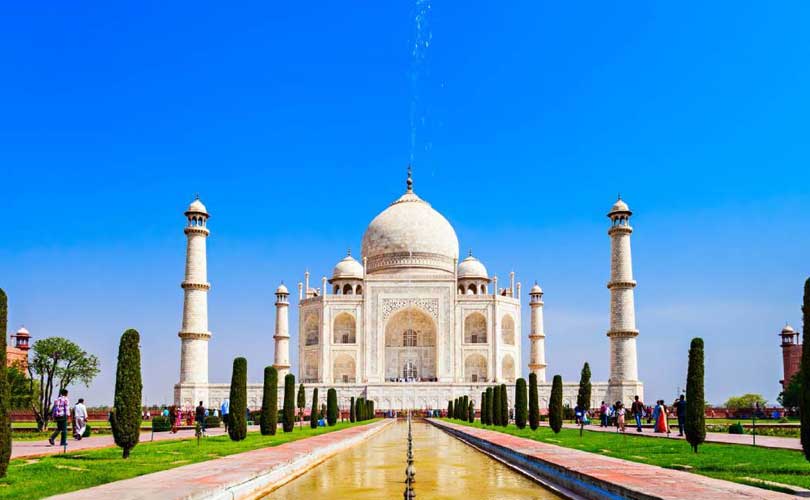
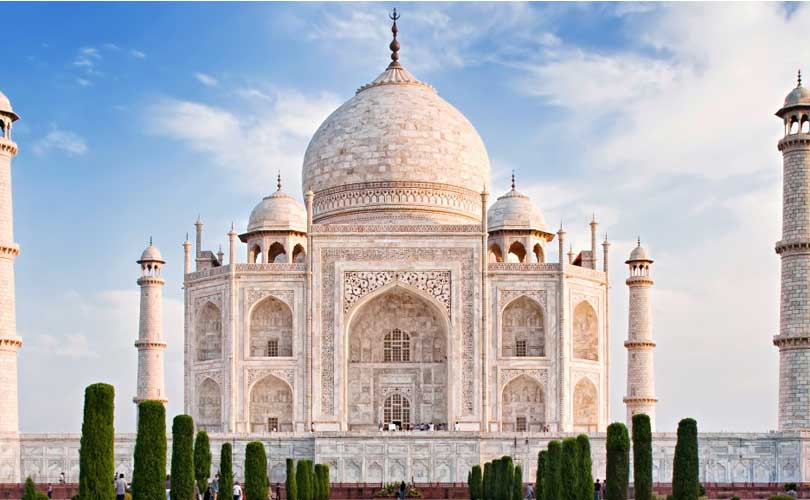
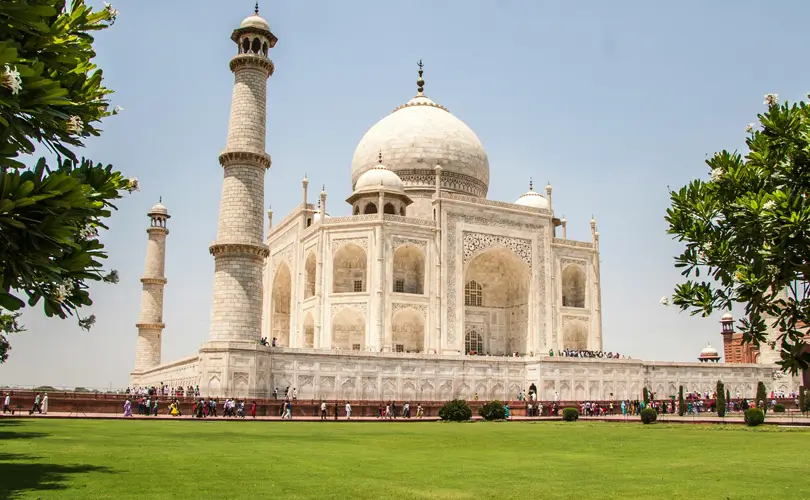
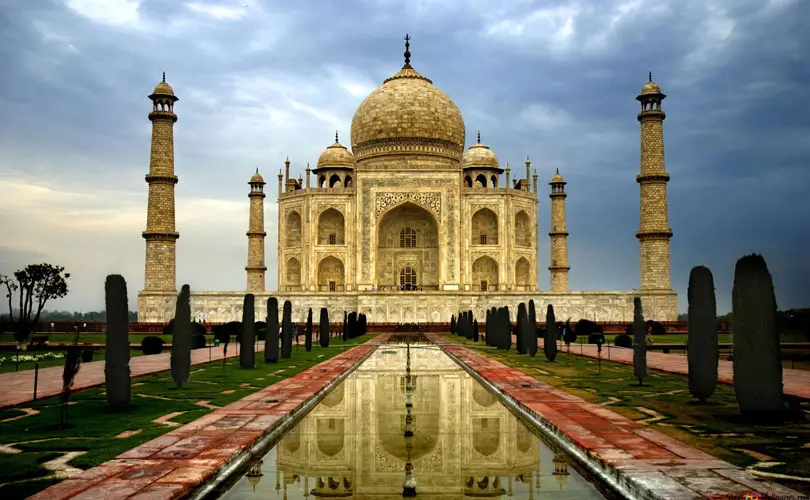
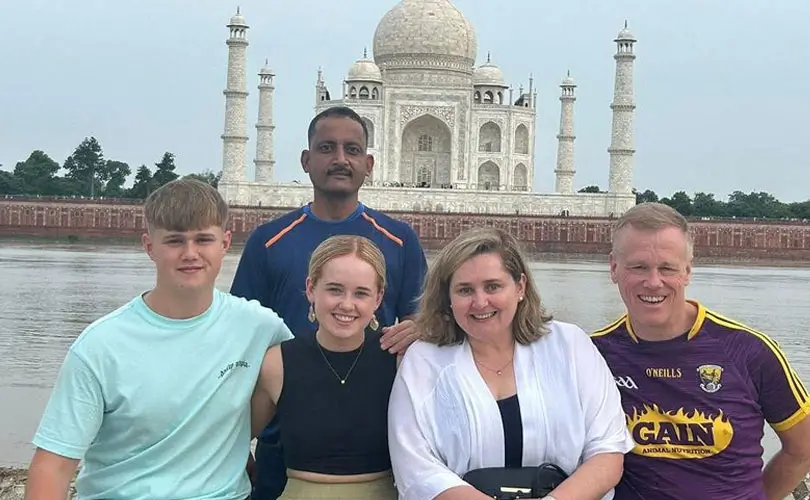
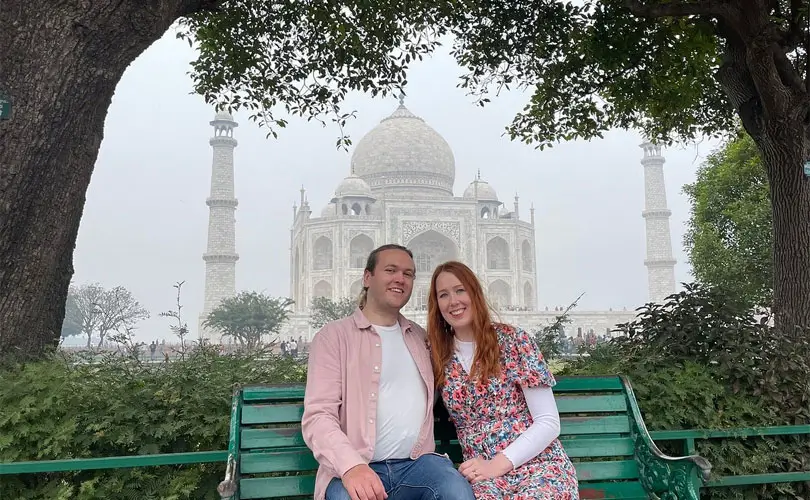
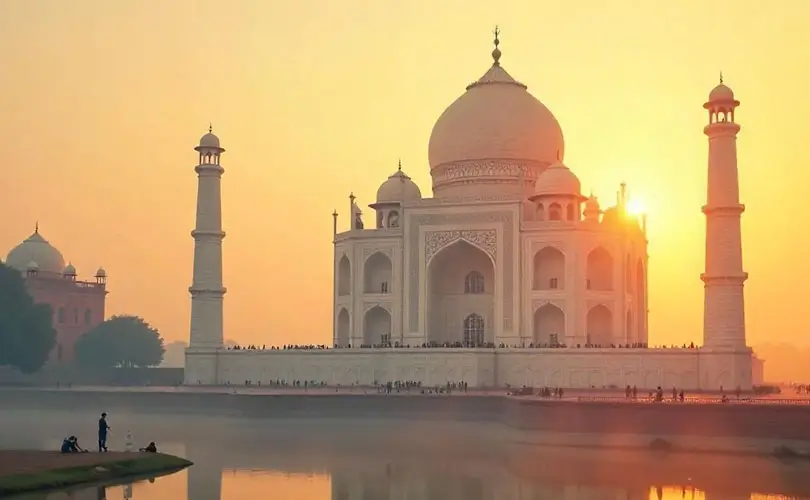
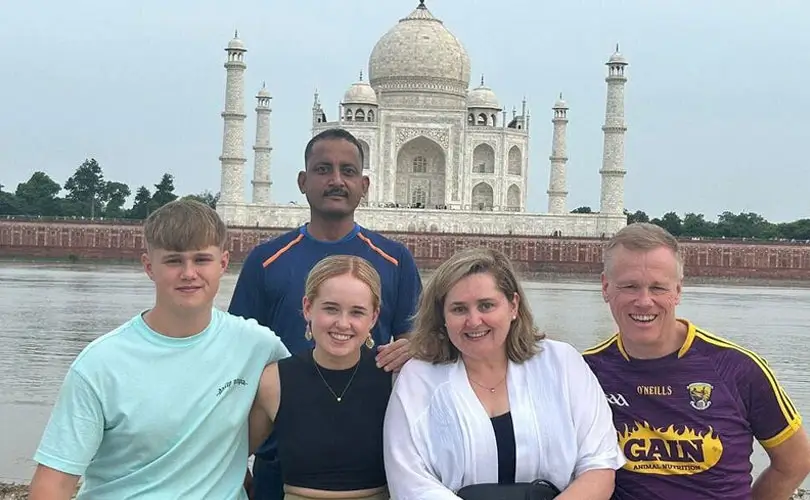
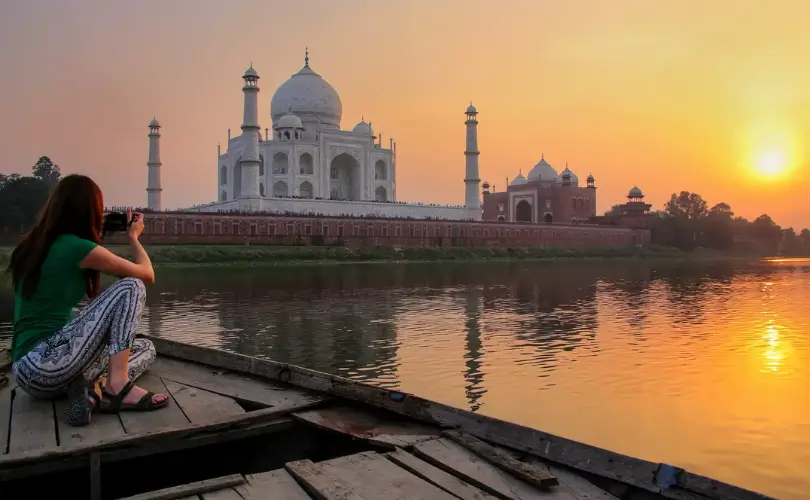
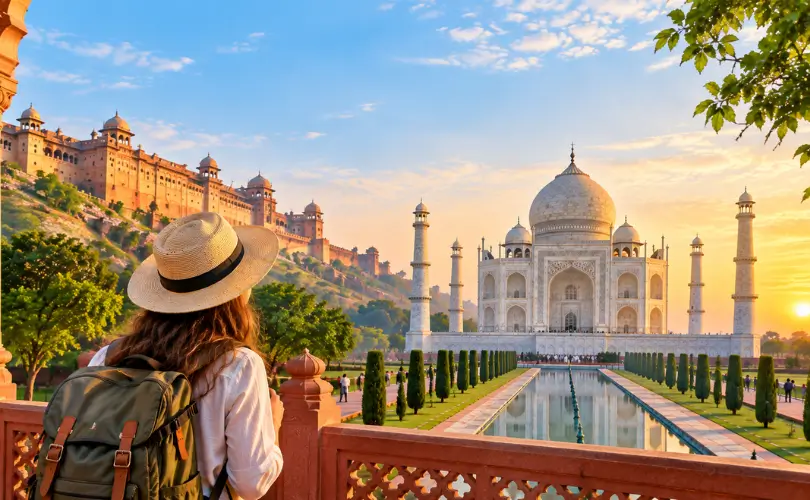
The Taj Mahal is one of the clearest examples of formal symmetry in Mughal architecture. The main mausoleum, mosque, jawab, gateway, gardens and riverfront setting are arranged as an integrated composition rather than a single isolated building. The white marble surfaces, proportional control, pietra dura inlay, calligraphy and changing light conditions are central to the visual experience.
The monument normally opens around sunrise and closes around sunset on standard visiting days. It is closed to general visitors on Fridays. International visitors should broadly budget around ₹1,100 for standard entry plus approximately ₹200 for access to the main mausoleum, subject to current official rates.
Architecture-focused visitors should allow two to three hours. A general tour may move through faster, but serious observation of the central axis, secondary buildings, decorative work, platform and river relationship takes time.
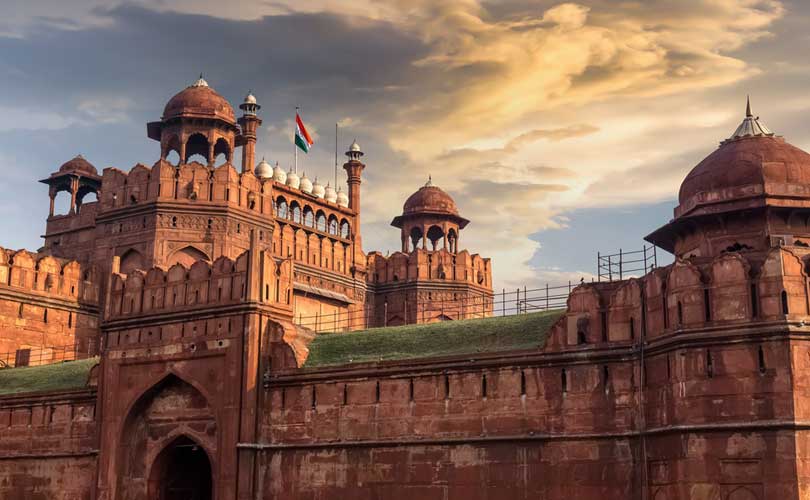
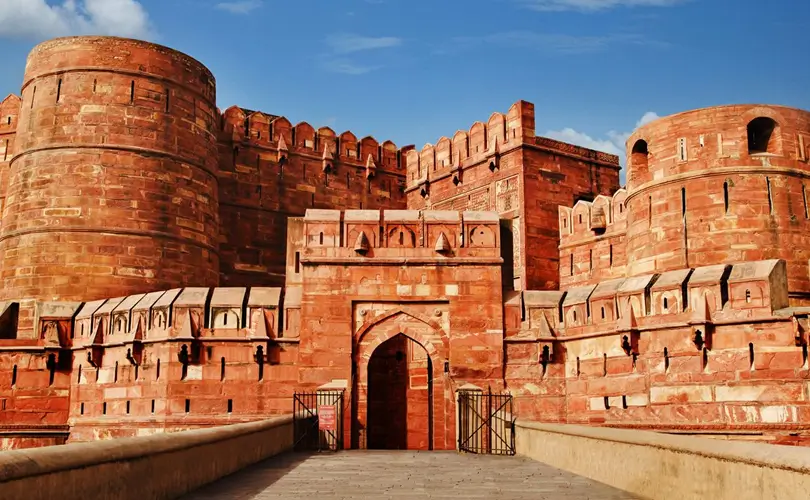
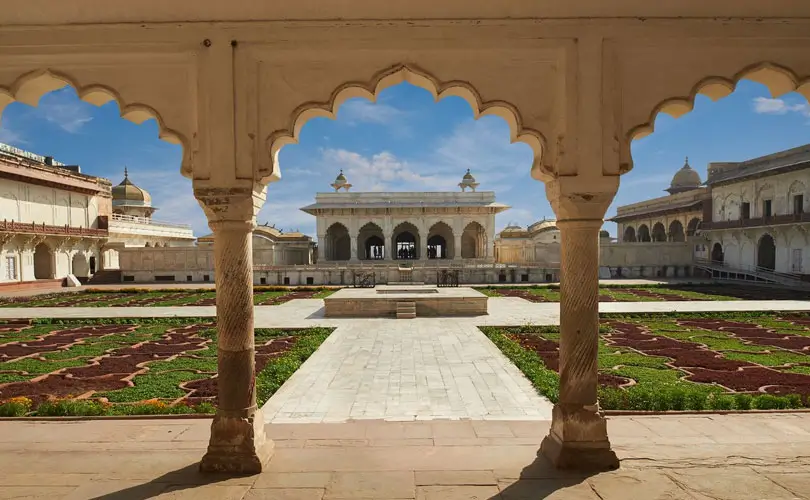
Agra Fort provides a different architectural story. The red sandstone defensive mass contains later marble palace additions, creating visible evidence of changing imperial tastes. The fort’s walls and gates emphasize security, while interior courtyards and palace spaces reveal court life and ceremonial organization.
International admission is commonly around ₹650 per person. A full visit can take 90 minutes to two hours.
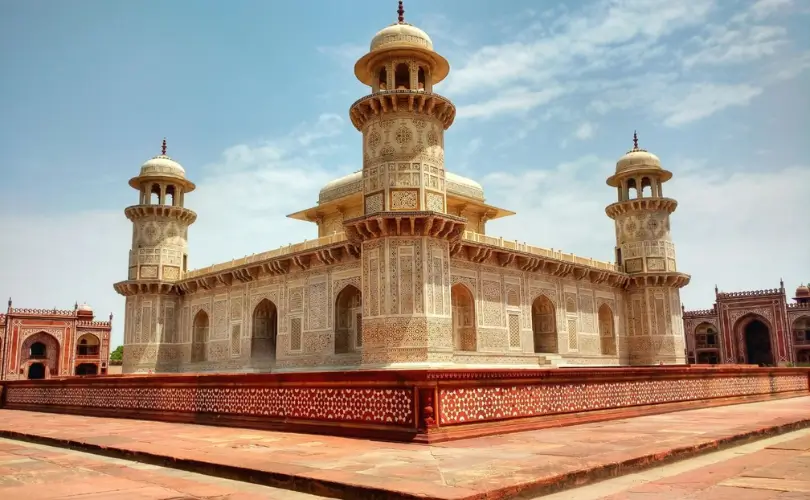
Itmad-ud-Daulah is particularly valuable for architectural travelers because it shows a smaller but important stage in the evolution of Mughal funerary architecture. Its lighter scale, marble use and intricate surface decoration differ from the stronger defensive character of Agra Fort.
A private Agra architecture guide can broadly cost around ₹2,000 to ₹4,000 or more, depending on duration and depth of interpretation.
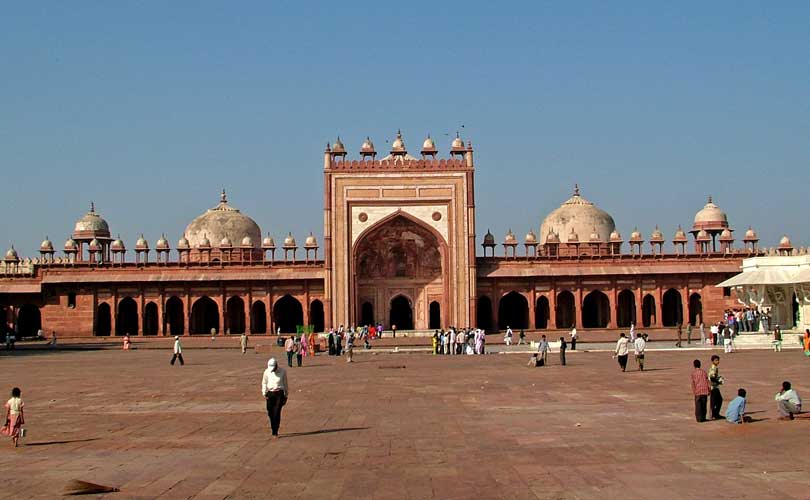
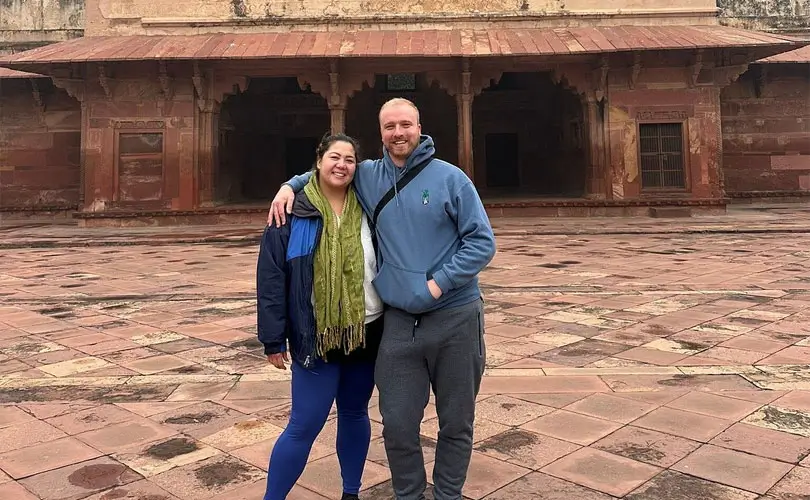
Fatehpur Sikri should be included in an architecture-focused route because it presents something the Taj Mahal cannot: an abandoned imperial city where ceremonial, residential, administrative and religious structures can still be read as parts of a larger composition.
The site lies roughly 35 to 40 kilometres from Agra and works naturally on the road toward Rajasthan.
A standard tourist may spend around ninety minutes there, but architecture-focused travelers should allow two to three hours if possible. The site contains multiple courtyards and building types, and much of its value comes from comparing them.
International admission to the ticketed archaeological area is commonly around ₹610 per person, subject to official revision.
The architecture combines red sandstone construction, carved brackets, columns, screened openings and varied court spaces. Several buildings appear structurally simple at first glance but reveal complex spatial planning when studied more carefully.
A Fatehpur Sikri private guide can broadly cost around ₹1,500 to ₹3,000 or more, depending on service level.
The religious zone, including Jama Masjid and Buland Darwaza, adds another scale to the visit and should be approached respectfully. This is not merely an archaeological site but also an active religious area.
Abhaneri adds a completely different architectural tradition to a Delhi–Agra–Jaipur journey. Chand Baori is one of Rajasthan’s most recognizable stepwells and demonstrates how water management, climate and geometry came together in a form that is both practical and visually extraordinary.
The structure contains thousands of narrow steps arranged around a deep central void. From the upper level, the repeating geometry creates one of the most striking architectural views on the route.
International visitor admission has commonly been around ₹300 per person, subject to current pricing.
A visit of 45 minutes to one hour is sufficient for most travelers, though architects and photographers may want longer.
The site is particularly useful in an architectural itinerary because it prevents the journey from becoming a sequence of forts and palaces only. Water architecture is central to understanding Rajasthan’s response to climate and settlement.
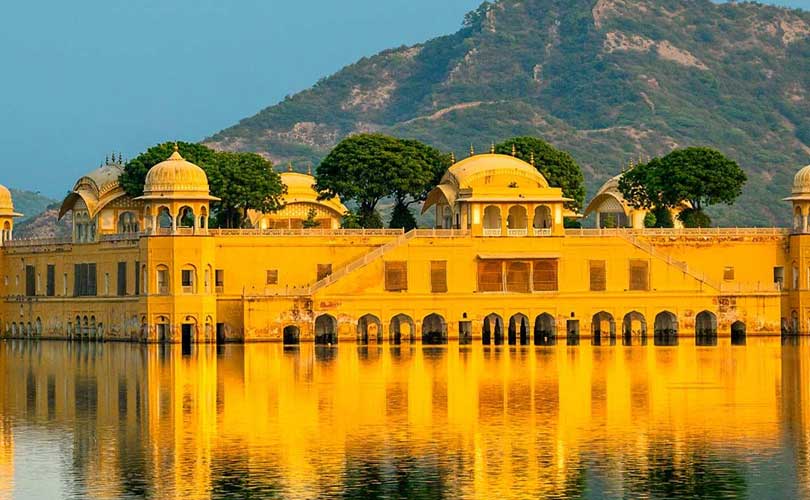
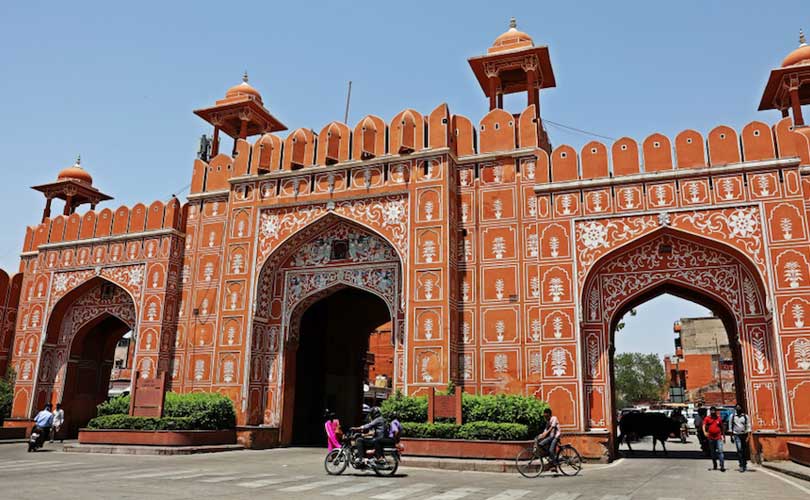
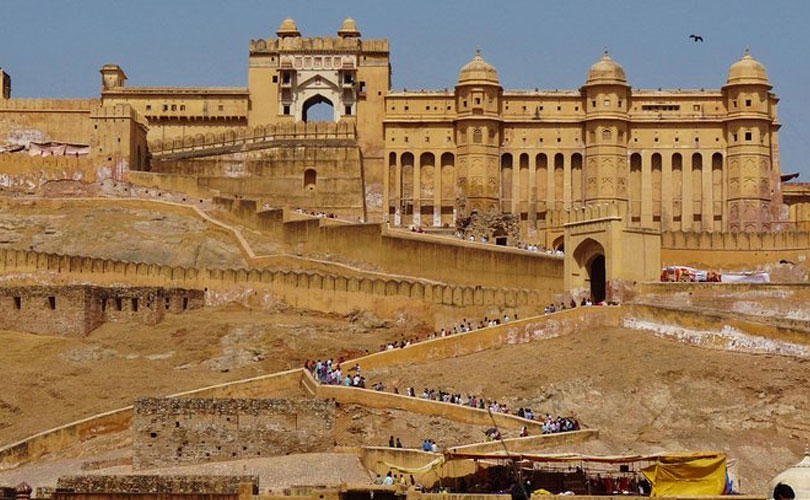
Jaipur introduces a different architectural language from Mughal Delhi and Agra. Amber Fort, City Palace, Jantar Mantar and the historic old city provide a strong transition into Rajput court architecture and urban design.
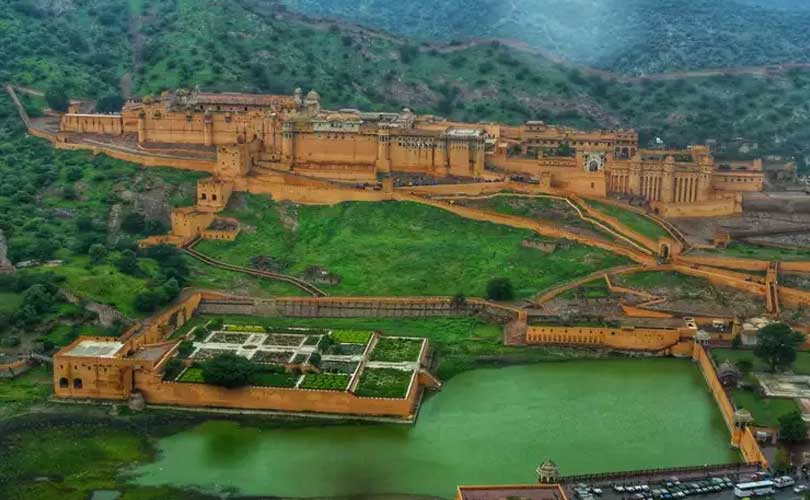
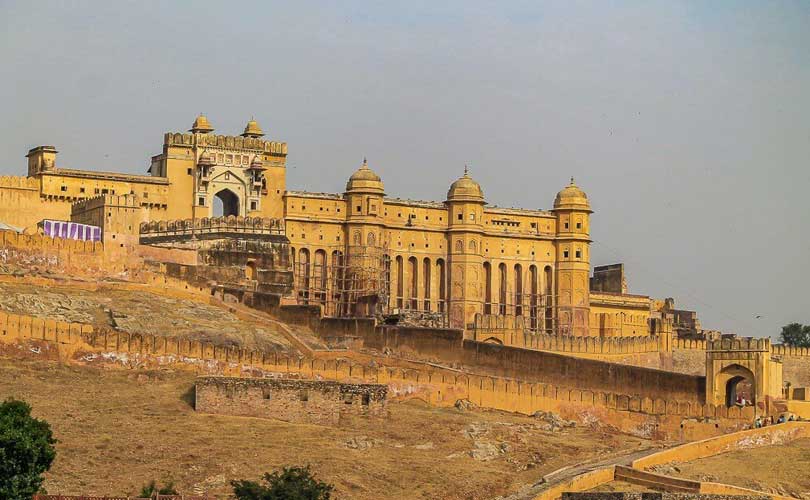
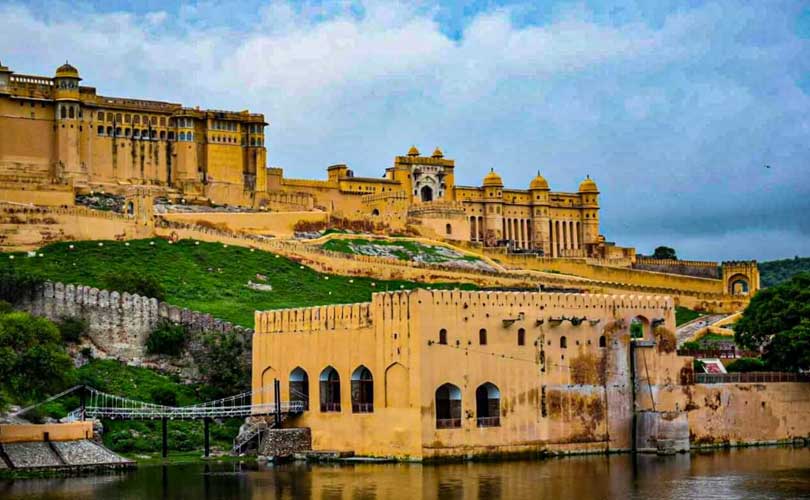
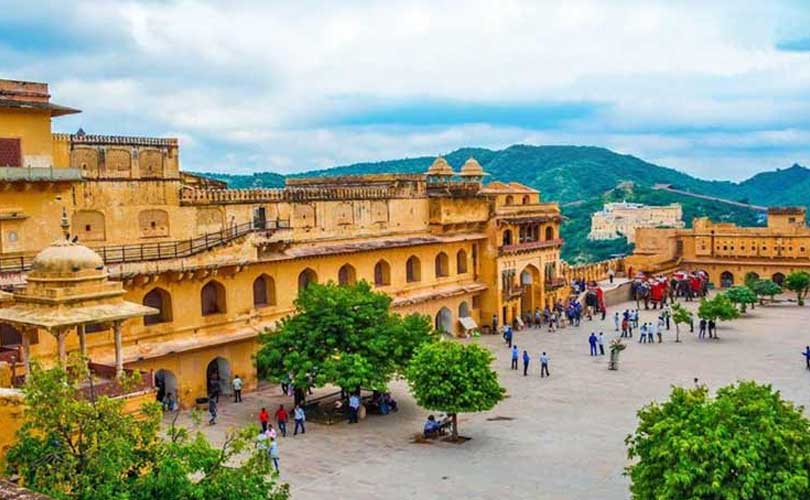
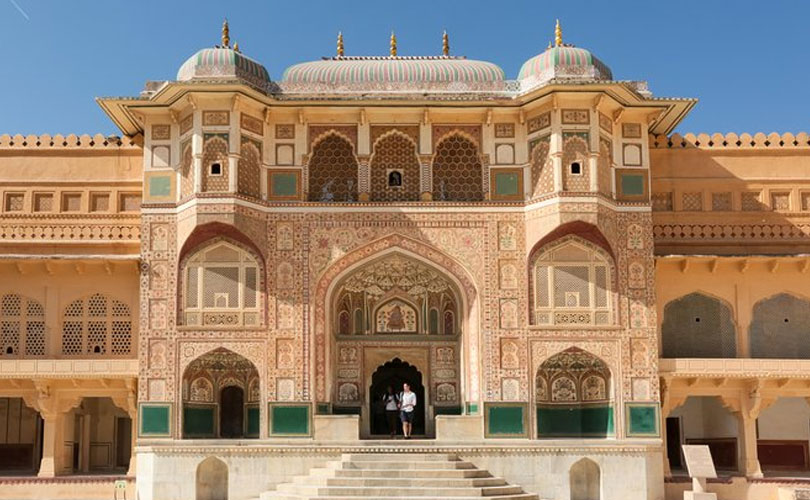
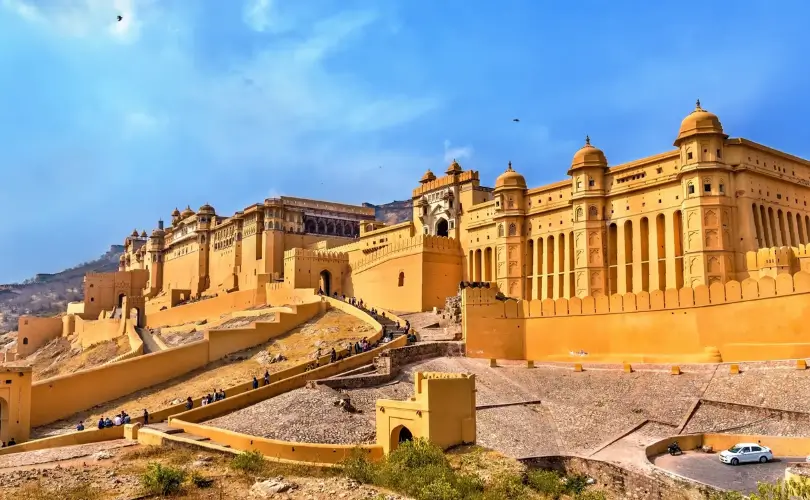
Amber Fort is one of the main highlights. International visitor admission has commonly been around ₹550 per person, subject to current rates. A serious architectural visit should allow two to three hours.
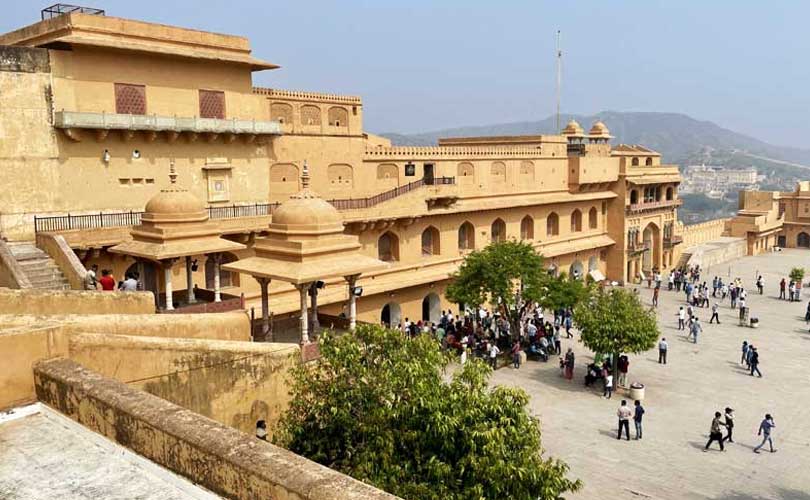
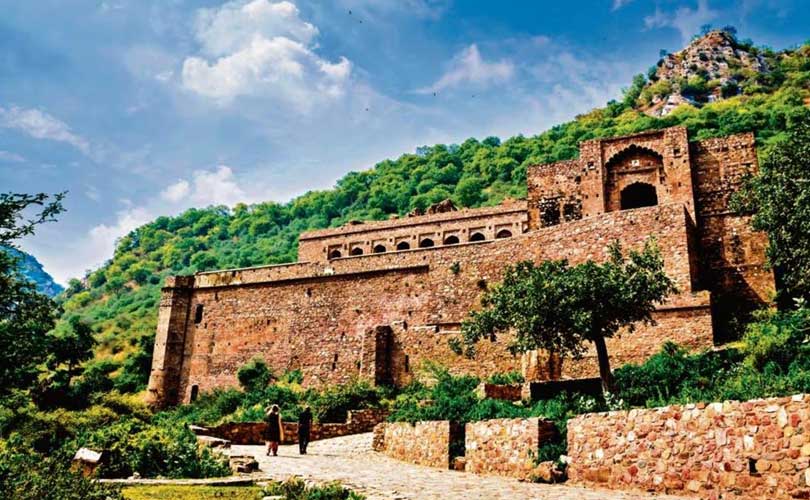
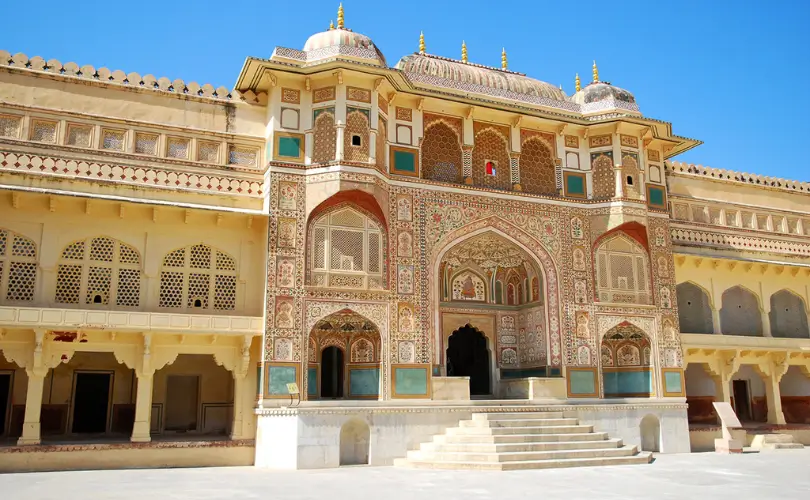
The fort’s location, defensive walls, gateways, ceremonial courtyards, mirrored interiors and residential spaces show how military and court functions were combined within a hill complex. The relationship between topography and architecture is particularly important.
City Palace offers another layer. Ticket structures vary widely, and standard international entry can start around ₹1,000 or more, while premium access to additional palace areas can cost several thousand rupees.
The palace is useful for studying courtyards, gates, painted surfaces, museum collections and the continuing relationship between royal heritage and the modern city.
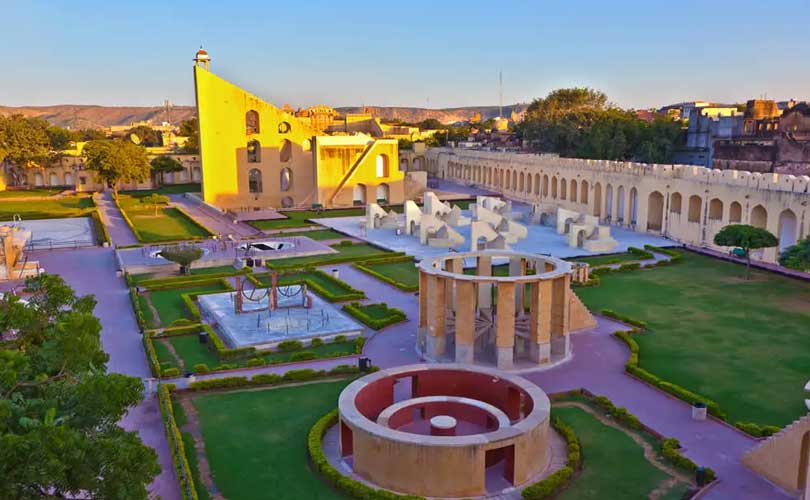
Jantar Mantar is essential for architecture-focused visitors because it demonstrates how astronomical measurement was expressed through monumental masonry instruments. International admission is commonly around ₹200 per person.
A good guide can explain the function of the major instruments and why their geometry matters.
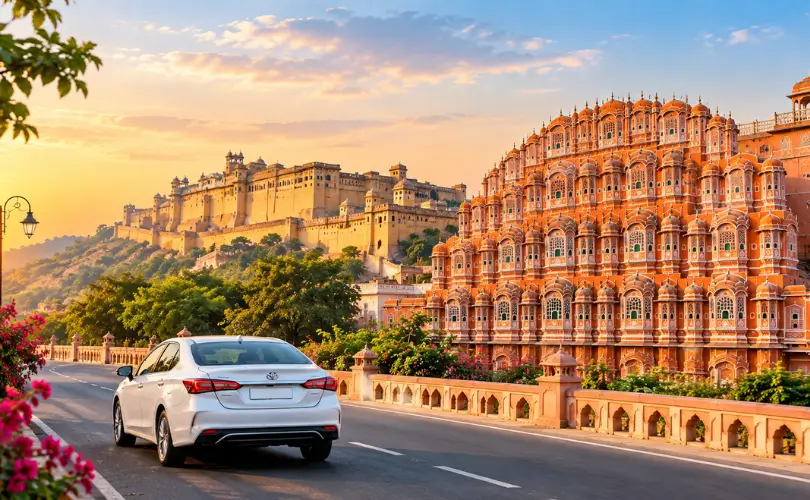
Hawa Mahal is another important urban façade, but its value becomes clearer when viewed in relation to the surrounding streets and palace-city structure rather than as a detached postcard image.
A private Jaipur architecture guide can broadly cost around ₹3,000 to ₹5,000 or more for a detailed day, especially when the itinerary includes Amber Fort, City Palace and Jantar Mantar.
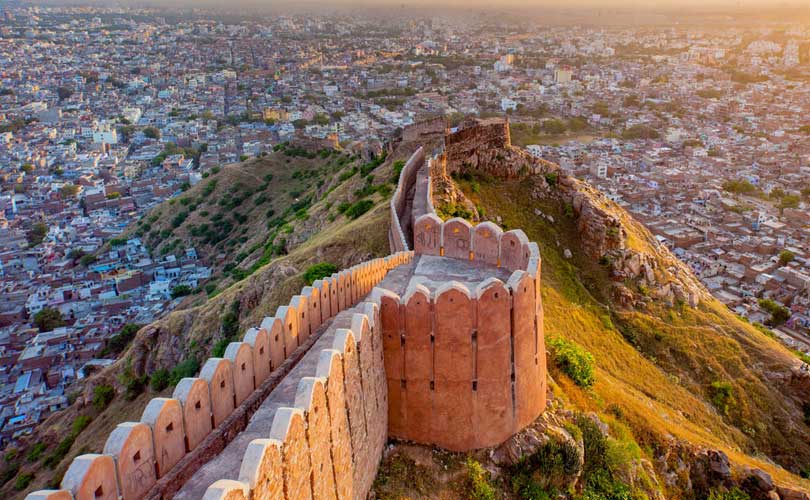
Travelers with an additional Jaipur day should consider Jaigarh and Nahargarh. Both offer a different understanding of the city’s defensive landscape.
Jaigarh Fort sits above Amber and is associated with military infrastructure, fortified walls and the famous Jaivana cannon. The fort makes it easier to understand Amber as part of a larger defensive system rather than a standalone palace complex.
Nahargarh provides another elevated perspective over Jaipur. The views help architectural travelers understand the city’s scale, urban spread and relationship with surrounding hills.
These sites add at least three to four hours when visited together, including road time.
The additional day is particularly worthwhile for travelers studying military architecture, hill fort systems or historic urban geography.
One of the strongest ways to extend an architecture tour of Rajasthan is to stay in a heritage property rather than only visiting monuments during the day.
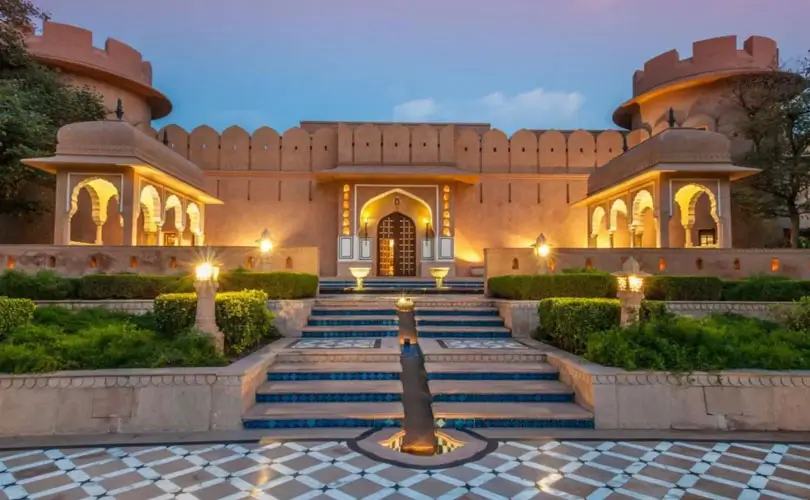
A converted haveli, palace or historic residence allows travelers to experience courtyards, thick masonry walls, internal gardens, verandas and decorative details in a functioning hospitality environment.
However, heritage hotels vary greatly. Some retain strong original character, while others use heritage-inspired design in a more modern structure.
Rates can range from around ₹8,000 to ₹15,000 per night for quality heritage accommodation to ₹25,000 to ₹60,000 or more for premium palace-style stays. Exceptional suites can cost much more.
Architectural value should not be confused with luxury rating. A smaller historic haveli may be more interesting to an architect than a modern five-star hotel designed to resemble one.
Accessibility should also be checked. Historic buildings can include steps, narrow corridors and limited lift access.
The cost of a private architecture tour in India depends on trip length, hotel category, guide specialization and vehicle choice.
For two travelers spending six or seven days across Delhi, Agra and Jaipur with good four-star hotels, a private sedan and specialist guides, a realistic ground arrangement can broadly cost ₹1,20,000 to ₹1,90,000.
A five-star version can reach ₹2,00,000 to ₹3,75,000 or more for two travelers.
Specialist architecture guiding can cost more than standard sightseeing guides. A full specialist day can broadly cost around ₹3,000 to ₹6,000 or more, while highly specialized academic-level guiding can be higher.
A private sedan for approximately five days can broadly cost ₹20,000 to ₹30,000, an Innova around ₹30,000 to ₹45,000, and an Innova Crysta around ₹35,000 to ₹50,000 or more.
Monument tickets across the complete route can add several thousand rupees per person.
A couple visiting Qutub Minar, Humayun’s Tomb, Taj Mahal, Agra Fort, Fatehpur Sikri, Amber Fort, City Palace and Jantar Mantar can easily spend ₹6,000 to ₹10,000 or more per person on admission depending on current pricing and premium palace access.
A normal historical guide can explain the major sites, but an architecture specialist should go further.
A strong architecture guide in India should be able to discuss spatial planning, building materials, structural methods, defensive strategy, climate response, ornament, symmetry and urban context.
The guide should also be comfortable spending longer at fewer sites.
An architecture traveler may want to stand in one courtyard for twenty minutes comparing proportions. A standard general-tour guide may not expect that pace.
Travelers should therefore state their background and interests before booking. Architects, students, photographers and history enthusiasts may all want different levels of detail.
Photography, Sketching and Observation Time
Architecture-focused travelers often need more time for photography and sketching than standard tourists.
Sketching in a public monument can usually be straightforward when using a small notebook, but commercial photography, tripods, large equipment and professional shoots may be subject to separate rules.
These rules vary by site and can change.
Travelers using substantial camera equipment should check restrictions before arrival.
The same applies to drones, which are heavily regulated and should never be assumed permissible around protected heritage sites.
A fast four-day Golden Triangle is too compressed for serious architectural study.
Six or seven days is a useful minimum.
A nine-day architecture tour works much better because it allows Delhi, Agra, Fatehpur Sikri, Abhaneri, Jaipur and an additional fort day without constant rushing.
Ten to twelve days allows slower visits, heritage hotel stays and possibly another Rajasthan city.
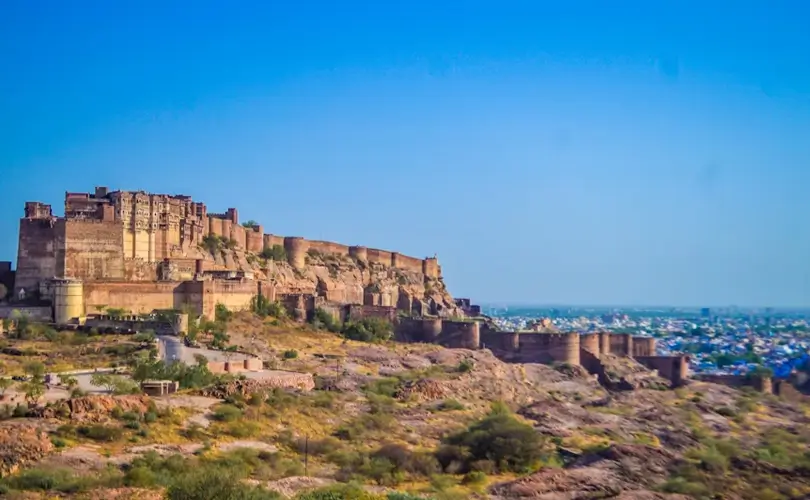
Jodhpur is a particularly strong extension because Mehrangarh Fort adds a dramatic defensive complex and a different relationship between fortification and city form.
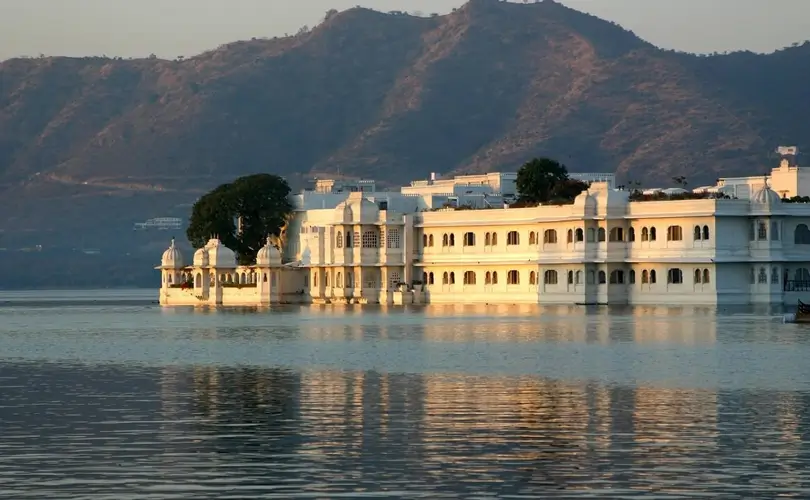
Udaipur adds lakeside palace architecture and a different urban landscape.
The quotation should identify all major architectural sites and realistic visiting durations.
Specialist guide services should be listed by city.
The guide should know that the itinerary is architecture-focused rather than a normal sightseeing circuit.
Vehicle category should be confirmed.
Fuel, tolls, parking, driver allowance, interstate costs and taxes should be addressed.
Hotels should be named, especially when heritage properties are part of the experience.
Monument tickets should be marked as included or separate.
Photography or specialist access requirements should be discussed before travel.
Golden Triangle Tours India can arrange private Mughal and Rajput architecture tours across Delhi, Agra and Rajasthan using private vehicles, specialist guides and heritage accommodation according to the traveler’s interests.
A strong architecture journey should make the transition from Delhi to Agra to Jaipur feel intellectually connected. The traveler should leave understanding not only which buildings are famous, but how different rulers, climates, materials and political systems produced different architectural solutions.
Around six to seven days is a useful minimum for Delhi, Agra and Jaipur. Nine to twelve days is better for travelers who want Fatehpur Sikri, Abhaneri, Jaigarh, heritage hotels and slower site visits.
Humayun’s Tomb, the Taj Mahal, Agra Fort and Fatehpur Sikri are among the strongest examples on a Delhi–Agra route.
Amber Fort, City Palace Jaipur, Jaigarh, Nahargarh and selected Rajasthan palace and haveli properties are strong choices for studying Rajput architecture.
A specialist guide can broadly cost ₹3,000 to ₹6,000 or more per day, depending on city, duration and expertise.
A six- or seven-day private tour with good four-star hotels can broadly cost around ₹1,20,000 to ₹1,90,000 for two travelers, while five-star and premium heritage versions can cost considerably more.
Yes. Fatehpur Sikri is one of the strongest stops for studying imperial planning, courtyards, red sandstone construction and Mughal court architecture.
Yes. Chand Baori adds historic water architecture and geometric stepwell design, creating a useful contrast with forts, palaces and tombs.
For architecture-focused travelers, they can be. A well-selected heritage hotel allows guests to experience historic courtyards, masonry, decorative details and spatial layouts beyond normal sightseeing hours.
Yes. A private route can allow longer observation, photography and sketching periods, subject to monument rules and equipment restrictions.
State your architectural interests, preferred sites, desired depth of guiding, photography needs, hotel standard, trip duration and any specialist focus such as Mughal, Rajput, defensive, urban or water architecture before the itinerary is confirmed.