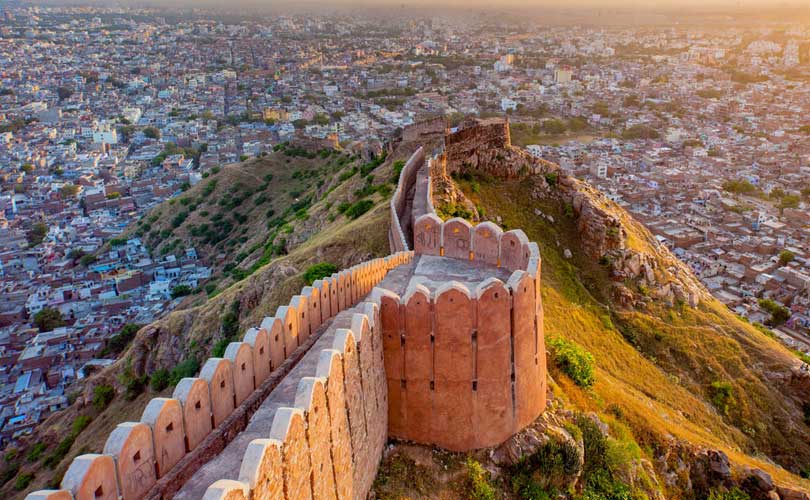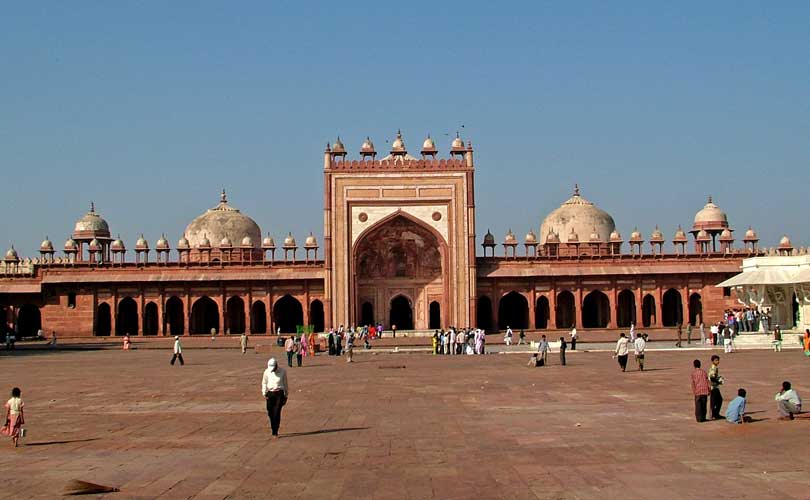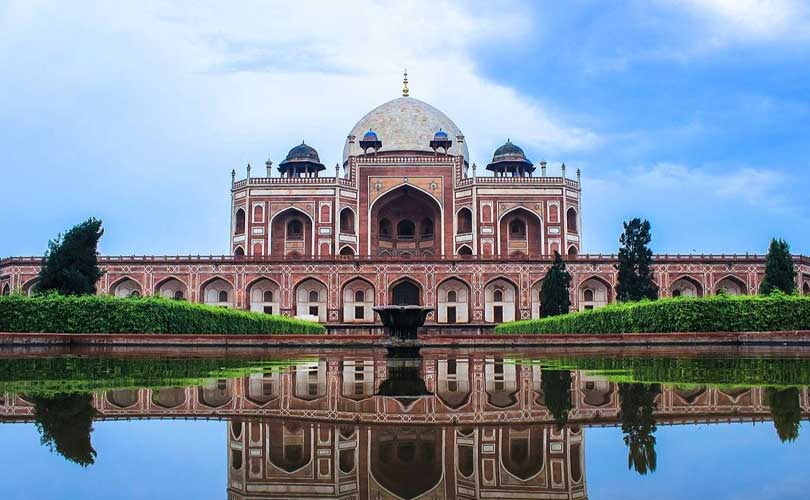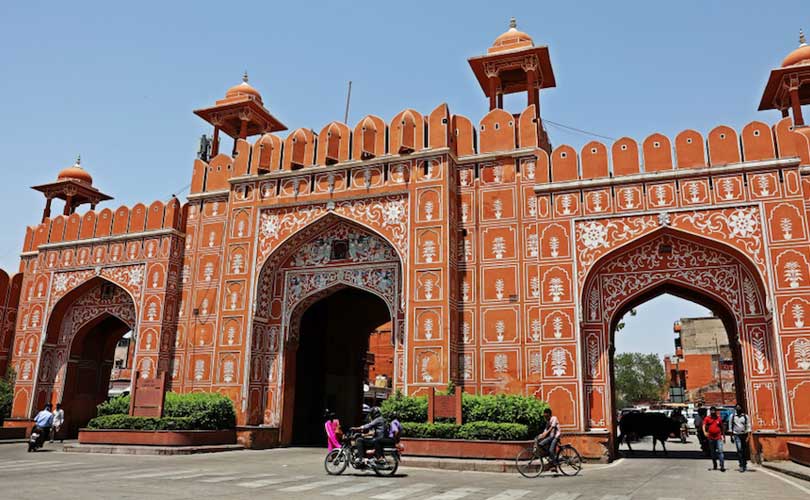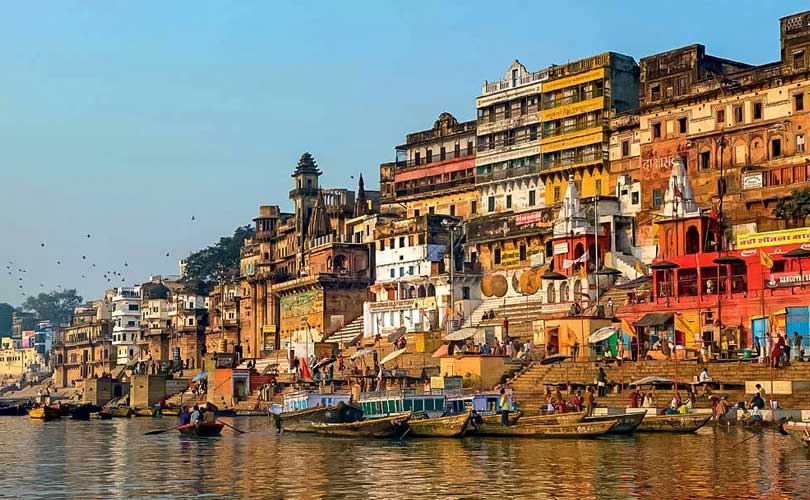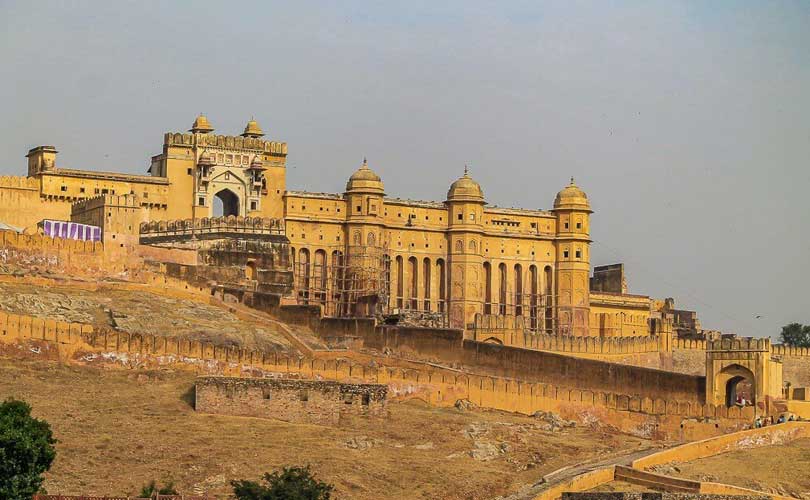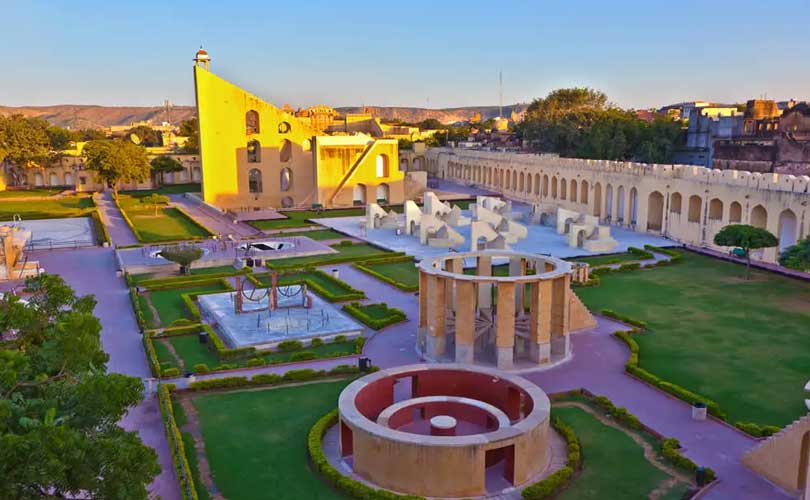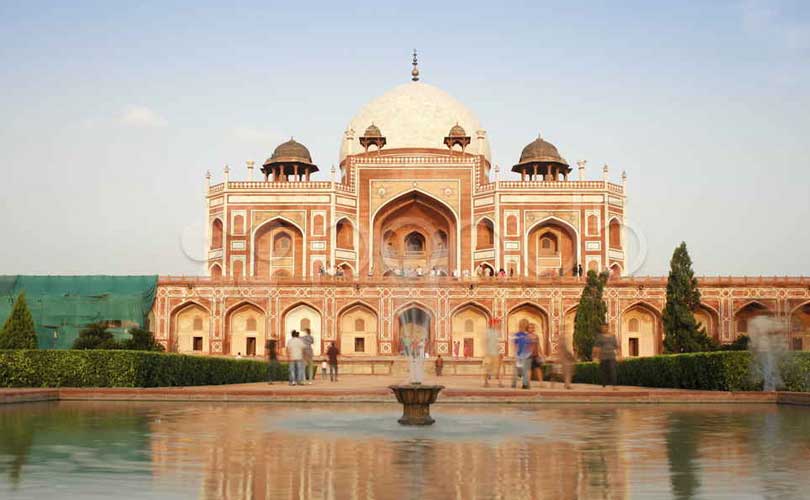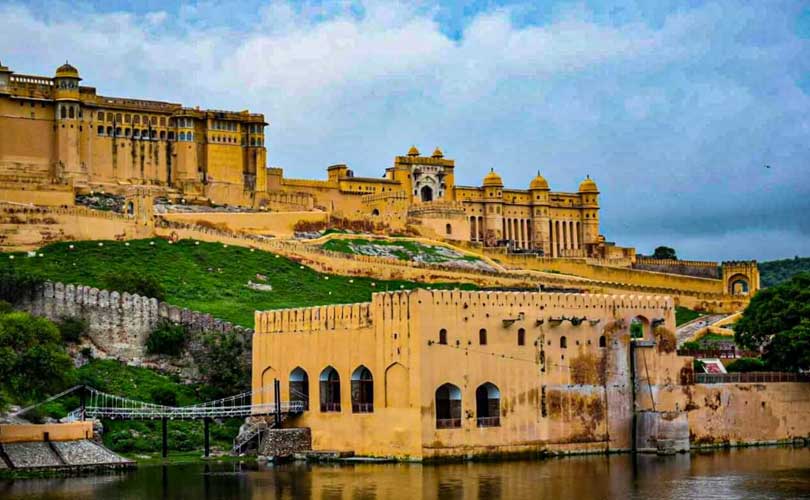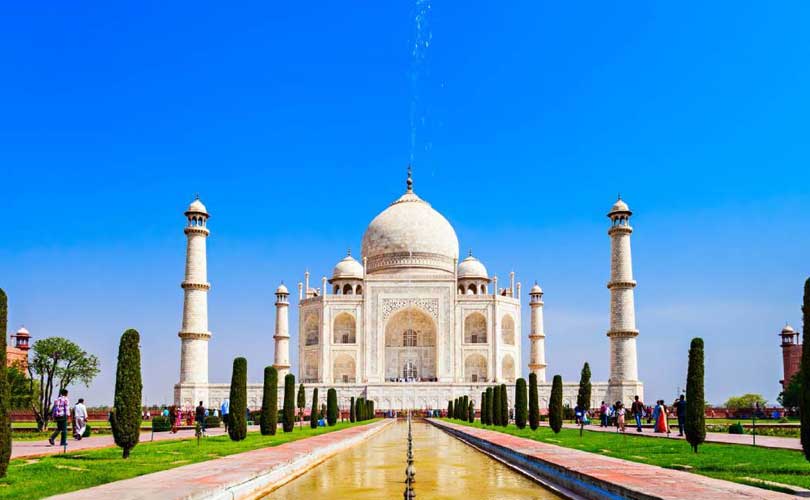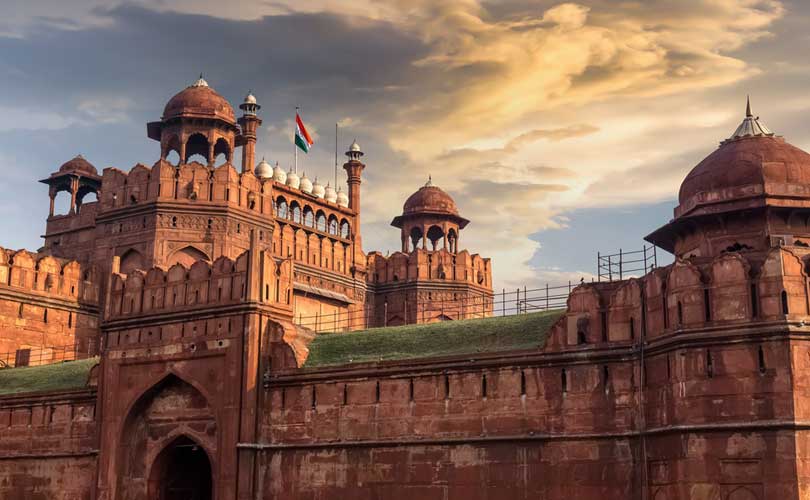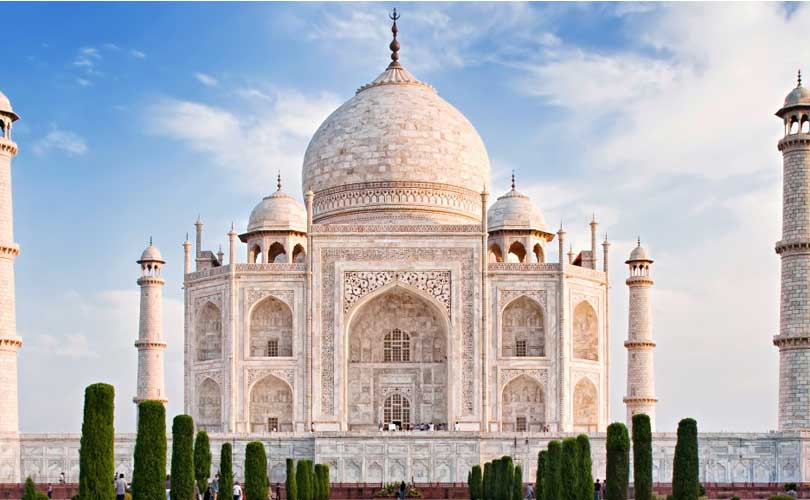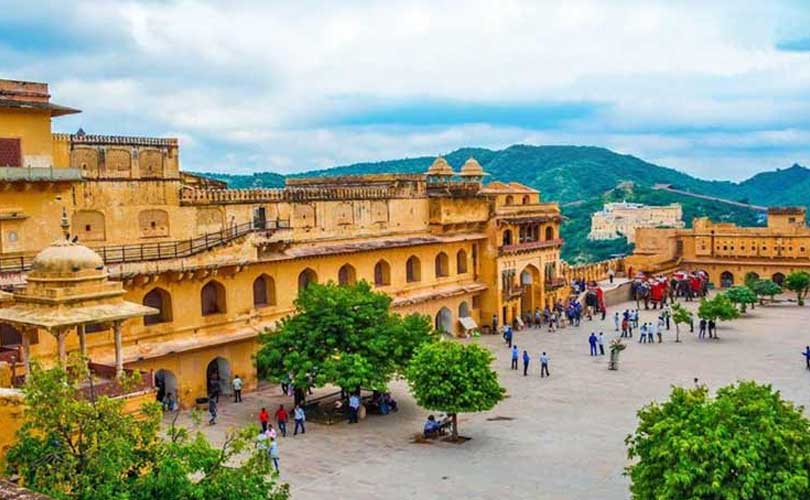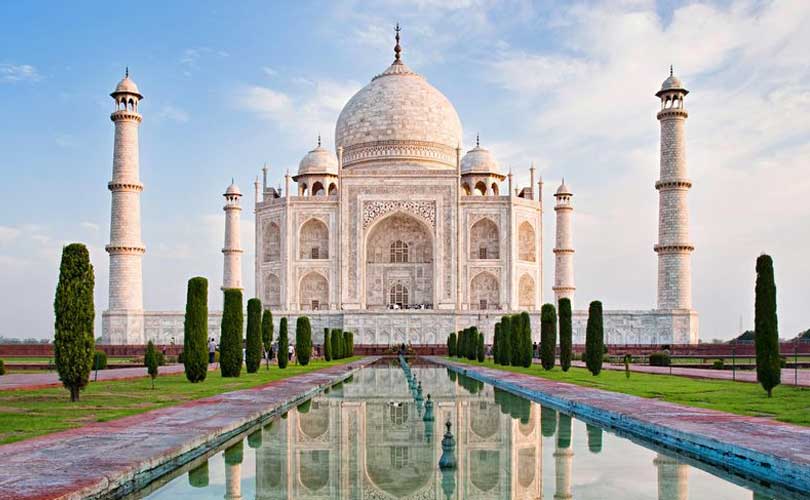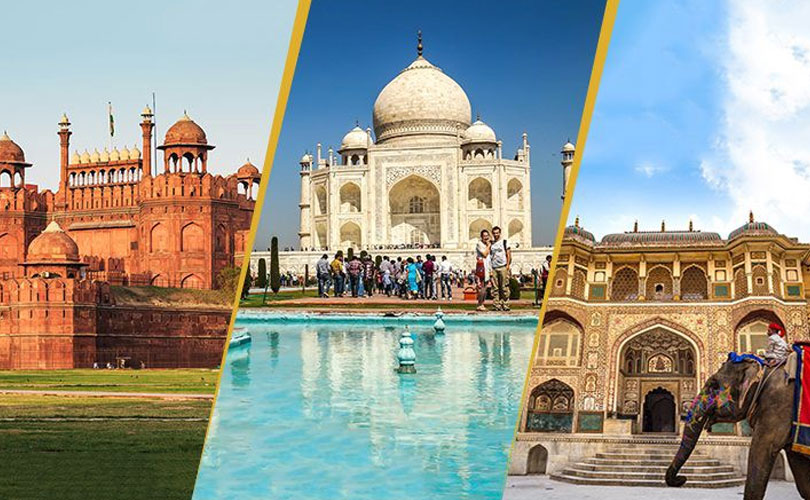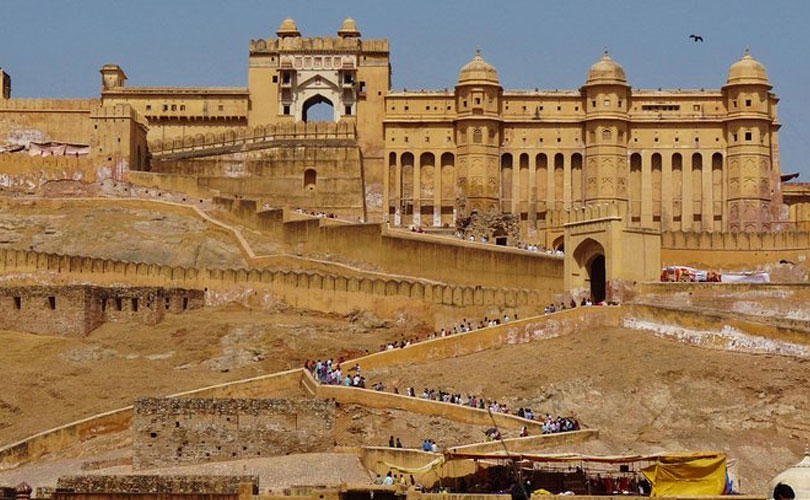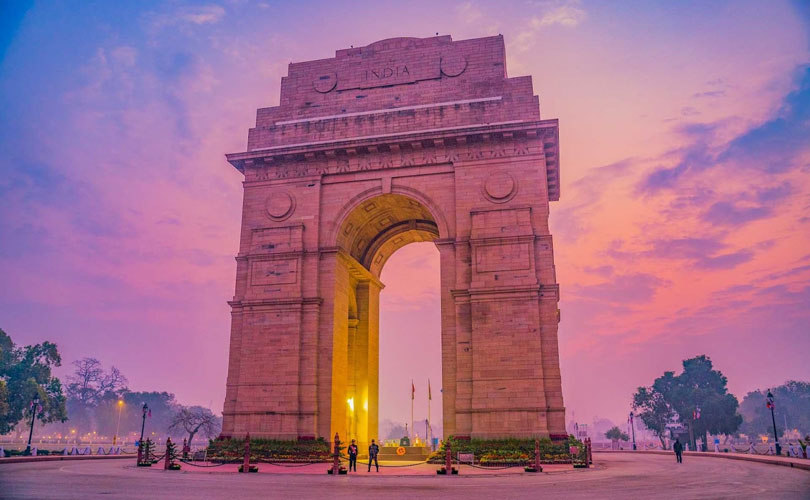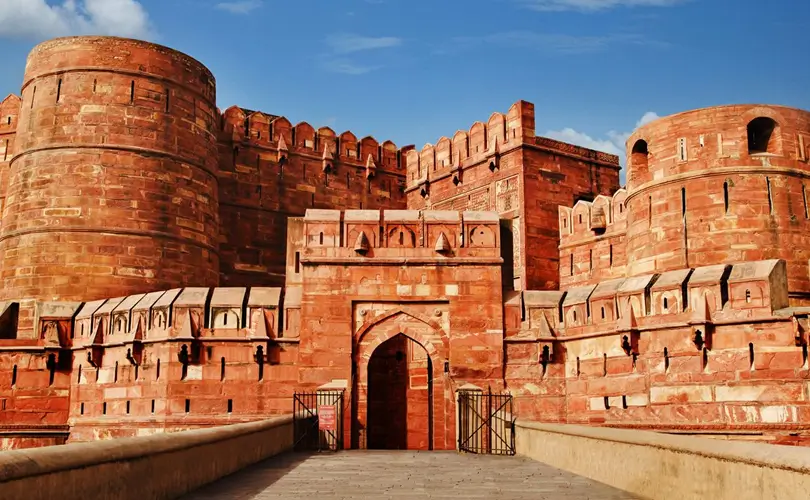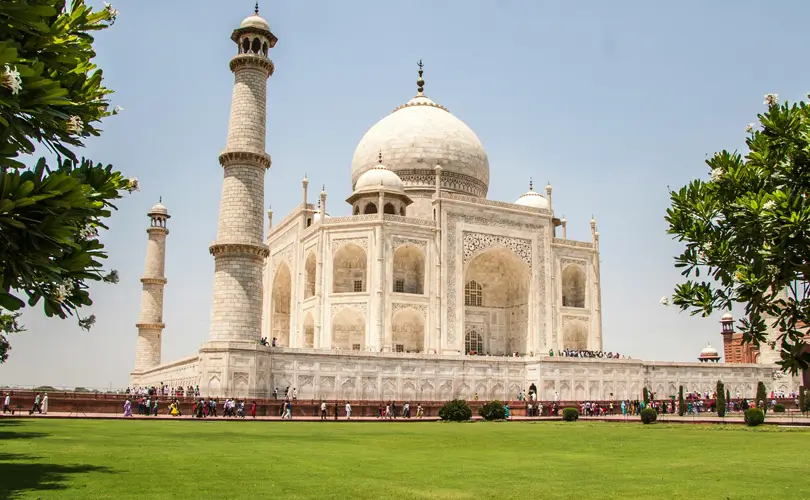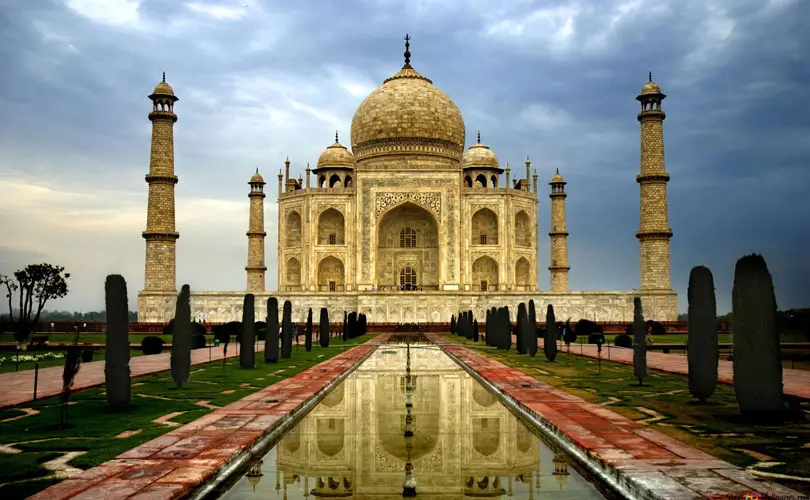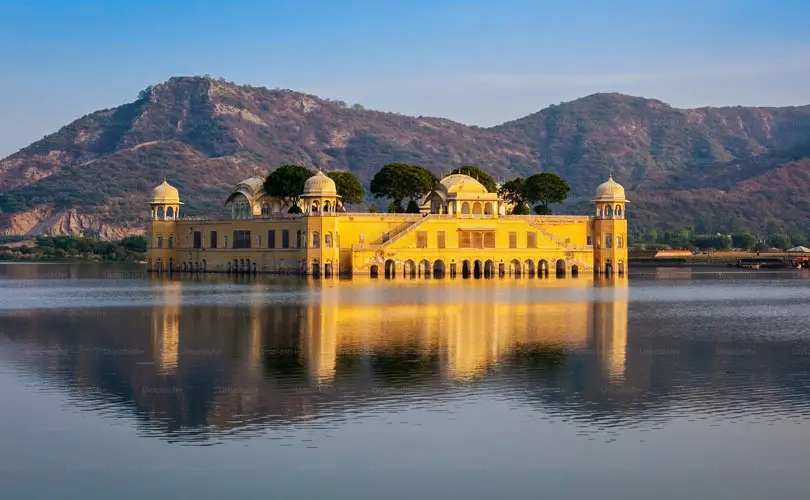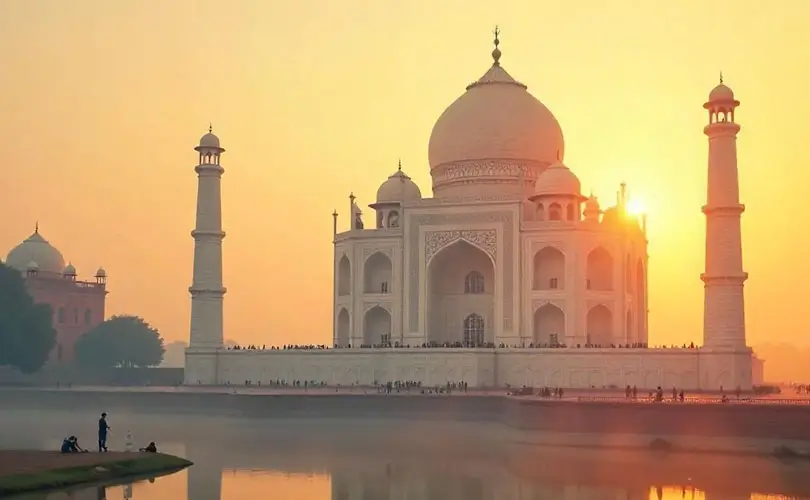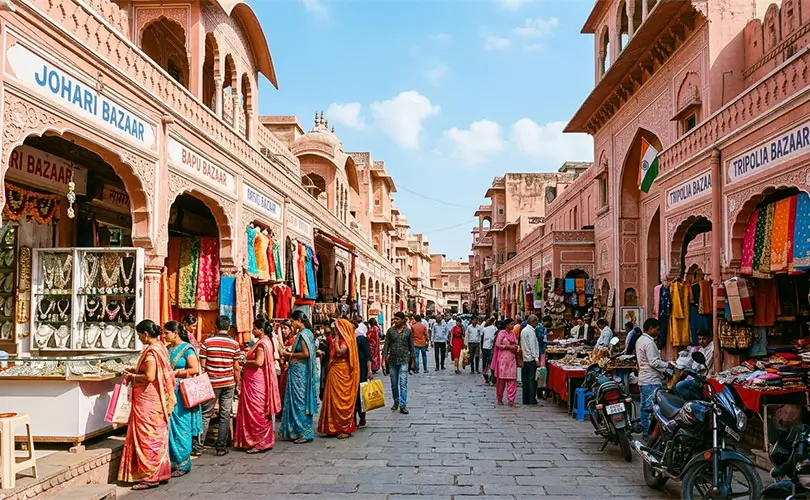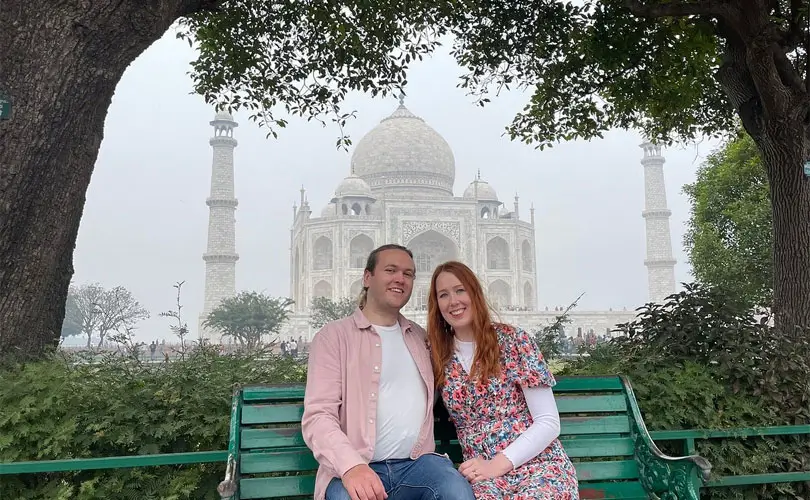
A journey through Delhi, Agra and Jaipur usually begins long before a traveler reaches the Red Fort, stands in front of the Taj Mahal or enters the courtyards of Jaipur’s historic palaces. For most international visitors, the first practical requirement is securing the correct permission to enter India.
The India tourist visa system offers several routes depending on nationality, length of stay and purpose of travel. For many eligible leisure travelers, the Indian e-Tourist Visa is the most convenient option because the application process can be completed online. Other visitors may need a regular or paper visa issued through an Indian Mission or Post.
Visa requirements should never be treated as a minor booking detail. A confirmed hotel, international flight or private Golden Triangle tour does not replace the legal requirement to hold the correct travel authorization. The Government of India states that foreign nationals entering the country generally require a valid passport together with an appropriate visa or eligible e-Visa, subject to applicable exemptions.
This guide focuses specifically on what a leisure traveler needs to know before arriving for a Delhi Agra Jaipur tour, including visa types, passport requirements, application procedure, validity, entry rules and common mistakes that can create problems before departure.
For most foreign visitors, the answer is yes. A traveler coming to India for sightseeing, recreation and tourism generally needs an appropriate tourist visa for India unless the traveler falls under a specific exemption or another permitted immigration arrangement.
The Golden Triangle does not have a separate visa category. Delhi, Agra and Jaipur are located within India, so the same Indian immigration requirements that apply to other leisure visits apply to this route.
The most important distinction for many visitors is between an India e-Visa and a regular or paper visa.
The Government of India provides an electronic visa facility to nationals of eligible countries and territories. The official system includes the e-Tourist Visa, which is relevant to travelers whose purpose includes recreation and sightseeing. Eligibility depends on nationality and other conditions, so travelers should verify their status directly through the official Indian e-Visa portal before making assumptions based on previous visits or information found on commercial visa websites.
A regular or paper tourist visa is processed through the relevant Indian Mission or Post and may be appropriate when the traveler does not qualify for the electronic facility or when the intended journey does not fit the conditions attached to an e-Visa.
This distinction becomes especially important when a visitor is combining the Golden Triangle with neighboring countries. Someone arriving in Delhi, traveling through Agra and Jaipur, leaving India for another country and later returning to India must make sure that the visa held permits the required entries.
The same caution applies to travelers entering India by land. An e-Visa cannot simply be used at every border crossing. Entry must comply with the immigration checkpoints authorized for the electronic visa system.
For a standard holiday beginning with an international flight into Delhi, the process is generally simpler because Delhi is an authorized e-Visa airport. Jaipur is also among the authorized airports listed by the Government of India for e-Visa entry. Travelers should still check the current authorized-entry list immediately before travel because immigration rules and designated checkpoints can change.
The safest approach is straightforward: determine the passport nationality, intended purpose, arrival point, length of stay and number of entries required before selecting a visa category.
Before you stand before the Taj Mahal, walk through the historic streets of Delhi, or discover the royal palaces of Jaipur, there is one important step—getting your India travel authorization in order.
The Indian e-Tourist Visa is particularly relevant to international visitors taking a Golden Triangle holiday because its permitted purposes include recreation and sightseeing. The official system currently provides different tourist e-Visa validity options, and travelers should select the one that actually matches their trip rather than automatically applying for the longest available category.
A short visitor coming to India only for Delhi, Agra and Jaipur may not need the same visa duration as someone making repeated trips to India.
The official e-Visa system provides a 30-day e-Tourist Visa, along with longer one-year e-Tourist Visa and five-year e-Tourist Visa options.
The 30-day tourist e-Visa is designed for a relatively short visit. Its validity works differently from the longer categories, so travelers should pay close attention to the dates shown on the authorization and passport endorsement rather than assuming that all Indian e-Visas operate in exactly the same way.
The one-year tourist e-Visa has a validity of 365 days from the date the Electronic Travel Authorization is granted and permits multiple entries. The five-year tourist e-Visa also permits multiple entries during its validity. The official rules state that the maximum stay in India during a calendar year for the one-year and five-year tourist e-Visa categories should not exceed 180 days.
These longer options can be useful for a traveler who expects to visit India more than once. For example, a visitor may take a Golden Triangle India tour on the first journey and return later for Rajasthan, Kerala, Varanasi or another region without needing a fresh tourist authorization for every journey, provided the visa remains valid and all applicable immigration conditions are met.
Travelers should not interpret a long visa validity period as permission to remain continuously in India without restriction. Visa validity, permitted entries and permitted duration of stay are related but separate immigration concepts.
The India e-Tourist Visa is also non-extendable and non-convertible under the standard rules published by the Government of India. A tourist should therefore choose the correct visa category before arrival instead of expecting to change an unsuitable e-Visa after entering the country.
Visitors intending to undertake activities beyond ordinary tourism should also verify whether the tourist category is appropriate. The purpose declared in the application needs to match the genuine purpose of the visit.
A successful India e-Visa application begins with accurate documentation. Many avoidable problems occur because travelers concentrate on the itinerary while treating passport details, photographs and application information as routine paperwork.
The passport used for the application is central to the entire process.
Travelers should make sure that their passport meets the validity conditions applicable to the e-Visa and that the personal information entered online matches the passport exactly. Names, passport number, nationality, date of birth and other identity details should be checked carefully before submission.
Each traveler needs the appropriate individual travel documentation. Children should not be assumed to be covered automatically by a parent’s application. The Government of India’s official e-Visa guidance states that the facility is not available to individuals endorsed on a parent’s or spouse’s passport; each person needs a separate passport. The official FAQ also specifically notes that a minor child requires a separate e-Visa and that the child’s passport should be valid for at least six months from the date of arrival.
The electronic application process requires the applicant to upload the relevant passport page and photograph in the required format. The image should satisfy the specifications shown on the official portal. Poor scans, unreadable passport information or incorrect photographs can create unnecessary complications.
Applicants should also keep their travel details available while completing the form. Information concerning the intended arrival, accommodation and previous visits to India may be requested during the application process.
Accuracy matters more than speed. A traveler called “Jonathan Michael Smith” on the passport should not casually shorten the name to “Jon Smith” simply because that is the name used for hotel reservations. Immigration documentation should reflect the passport details.
Previous Indian visa information may also be requested. The official e-Visa FAQ states that previous visa details are mandatory fields in the application; where an applicant genuinely does not remember an earlier visa number or details, the portal provides guidance on how that situation may be indicated.
Travelers who receive a new passport after an Electronic Travel Authorization has been issued should pay particular attention to the official rule. Government guidance states that entry may be permitted using the new passport when the ETA was issued on the old passport, provided the traveler carries both the new passport and the old passport on which the ETA was issued.
Before leaving home, keep accessible copies of the passport, granted ETA, flight booking, accommodation details and relevant travel documents. Digital copies are useful, but carrying the required printed authorization is also sensible because the official e-Visa process instructs travelers to print the ETA and present it at immigration.
The official India e-Visa application process is completed online and follows a relatively direct sequence: the applicant submits the application and required uploads, pays the applicable fee, receives the Electronic Travel Authorization electronically and presents the granted authorization when arriving in India.
Travelers should use the Government of India’s official visa portal rather than assuming that the first advertisement or search result belongs to the government.
This matters because commercial websites may resemble official visa services while charging additional service fees. The Government of India explicitly states that the official e-Visa service does not require facilitation by an intermediary or travel agent and warns travelers against parties claiming that they can obtain speedy or express approval for an additional charge.
The government also states that there is no official emergency or express e-Visa fee.
After completing the online form, the applicant uploads the required photograph and passport page and pays the applicable India e-Visa fee online. The exact amount can vary according to nationality or territory and visa category, so a single universal tourist e-Visa price should not be quoted for every traveler.
The processing fee is non-refundable. This applies to the processing of the application and does not depend on whether the Electronic Travel Authorization is ultimately granted or rejected.
Travelers should therefore review the application carefully before payment.
The official portal states that the applicable e-Visa fee must be paid at least four days before the expected travel date for the application to be processed. Treating four days as a target application date, however, leaves very little room for correction if documentation, payment or application information requires attention. Submitting comfortably ahead of departure is a more practical approach.
Once a decision has been made, the applicant is informed through the email address supplied in the application. Visa status can also be checked through the official portal.
Receiving an application acknowledgement is not the same thing as receiving permission to travel.
Before boarding the flight, the traveler should check that the Electronic Travel Authorization status is clearly shown as GRANTED. The Government of India specifically advises applicants to confirm the granted status before beginning their journey.
The ETA should then be printed and carried during travel. On arrival, immigration formalities are completed and biometric details are mandatorily captured for e-Visa travelers.
For many Golden Triangle travelers, Delhi is the natural international gateway. A visitor can arrive at Delhi airport, complete immigration, spend time sightseeing in the capital and then continue by road or rail to Agra and Jaipur without separate domestic visas for each city.
The visa controls entry into India; it is not a separate permission for every Golden Triangle destination.
Getting your India visa is the first step toward an unforgettable journey. Once your travel documents are in place, let the rest of your trip be effortless.
Delhi is the most practical international arrival point for travelers following the classic Golden Triangle route in India. Indira Gandhi International Airport handles a large volume of international traffic and is an authorized entry airport for travelers holding a valid Indian e-Visa.
A typical visitor lands in Delhi, clears immigration, collects baggage and begins the journey through Delhi, Agra and Jaipur. No additional visa is required when moving between these three cities because Delhi, Uttar Pradesh and Rajasthan are all within India. Once a traveler has legally entered the country, normal domestic movement along the Delhi Agra Jaipur route does not involve further immigration formalities.
Travelers should have their passport and granted Electronic Travel Authorization readily available before approaching immigration. The Government of India requires e-Visa travelers to carry a copy of their ETA and recommends checking before departure that the online status clearly states GRANTED. Biometric details are captured at immigration when the traveler arrives.
Visitors should also be prepared to provide basic information concerning their stay. Keeping the first hotel address, contact information, onward itinerary and return or onward flight booking accessible can make arrival formalities easier. International travelers using the e-Visa facility are expected to hold a return or onward journey ticket and have sufficient funds for their stay.
Foreign travelers and OCI card holders can also submit an e-Arrival card online within 72 hours before arrival in India through the authorized government channels. The e-Arrival card is an arrival-information requirement and must not be confused with a visa. Completing an arrival form does not provide permission to enter India without the appropriate visa or immigration status.
Delhi is not the only relevant authorized airport for this route. Jaipur is also included among the airports currently authorized for e-Visa entry. This gives travelers greater flexibility when international flight connections make Jaipur a convenient starting point.
Agra should be treated differently. Although it is one of the three principal Golden Triangle destinations, travelers should not assume that every airport serving a tourist city is an authorized international e-Visa entry point. The current government list includes Delhi and Jaipur among the authorized e-Visa airports, while Agra does not appear on that airport-entry list.
The practical solution for most first-time visitors remains simple: arrive internationally through an authorized airport such as Delhi, complete Indian immigration there and continue to Agra and Jaipur domestically.
Current rules also permit e-Visa entry through a broader list of designated airports, specified seaports and a limited number of land ports. The authorized checkpoint list can change, so anyone entering India somewhere other than a major international airport should check the government list shortly before departure.
This is particularly important for travelers combining an India Golden Triangle tour with Nepal or another neighboring country. The validity of the visa does not automatically make every border checkpoint an authorized place to enter using an e-Visa.
There is no single India tourist e-Visa fee that can accurately be quoted for every international traveler. Government charges depend on the applicant's nationality or territory and the e-Visa category selected.
This is important because travelers frequently encounter commercial websites displaying one large “India visa price” that combines the government charge with an agency service fee.
The official Indian e-Visa portal publishes a country-specific fee schedule. Depending on nationality and visa duration, government fees can differ considerably. The 30-day tourist category can also have different rates depending on the period of travel for nationalities covered by the relevant fee structure. Longer one-year and five-year categories have their own applicable charges.
A practical example shows why checking nationality matters. For many countries in the current official fee schedule, a 30-day e-Tourist Visa is listed at US$10 for travel during April through June and US$25 for travel during July through March, while one-year and five-year options may be US$40 and US$200 respectively. These figures should never be treated as universal because some nationalities have different charges or fee arrangements.
The government currently states that an additional 3% bank transaction charge applies to the relevant e-Visa fee.
Applicants should check the amount displayed for their passport nationality directly on the official portal before payment rather than relying on an old blog, travel forum or screenshot.
The fee is a processing charge and is non-refundable. A rejected application does not normally create an entitlement to a refund simply because permission to travel was not granted.
Travelers should also be cautious when a website advertises an expensive “urgent India visa,” “priority approval” or “guaranteed express e-Visa.” The Government of India states that it has not authorized intermediaries to charge an emergency or express e-Visa fee.
Using a private visa assistance company is a personal choice, but travelers should know whether they are paying an official government charge or an additional commercial service charge.
For a couple or family taking a private Golden Triangle tour, visa costs should be calculated per traveler rather than included casually within the cost of hotels and sightseeing. Children also require appropriate individual documentation, so families should account for each traveler when estimating pre-trip expenses.
The safest budgeting method is to separate international flights, visa charges, travel insurance and the actual India tour cost. This gives travelers a more realistic picture of what must be paid before arrival and what will be spent during the journey.
Most visa problems are easier to prevent than to correct at an airport. One of the biggest mistakes is using an unofficial website without realizing that it is a commercial service.
A professional-looking website does not automatically mean that it belongs to the Government of India. Applicants should verify that they are using the authorized Indian visa portal when they intend to apply directly.
Another frequent mistake is entering passport information incorrectly.
Even a small error in a passport number, nationality, date of birth or name can become significant because the authorization is linked to the traveler's identity and passport. The application should be checked against the passport itself rather than completed from memory.
Passport validity also deserves attention. The official e-Visa requirements state that an applicant's passport should have at least six months of validity at the time of applying for the e-Visa. Travelers should check this well before buying non-refundable travel arrangements.
Leaving the application until the final few days is another unnecessary risk.
The official system allows eligible tourist e-Visa applicants to apply at least four days before arrival and currently provides an application window extending up to 120 days before the proposed travel date. Four days should be viewed as a minimum requirement rather than an ideal strategy. A traveler who submits early has more time to respond if there is an upload, payment or information issue.
Another mistake is assuming that submission equals approval. It does not.
The applicant should verify that the ETA has actually been GRANTED before boarding the flight. An acknowledgement email merely confirms that an application has been submitted.
Travelers also occasionally misunderstand visa validity. The 30-day category and longer tourist e-Visas do not operate identically. The official FAQ states that the 30-day e-Tourist Visa validity runs for 30 days from the date of first arrival, while the one-year and five-year options have longer validity and multiple-entry provisions subject to applicable stay limits.
Another risky assumption is that an e-Visa permits entry through any Indian border. Travelers must use an authorized immigration checkpoint for e-Visa entry.
This matters especially when a holiday includes a neighboring country. Someone who completes Delhi, Agra and Jaipur and then travels outside India should confirm both the number of entries permitted and whether the intended return border accepts e-Visa entry.
Finally, travelers should not assume that an Indian tourist visa can be extended casually because they decide to remain longer. Standard e-Visas are non-extendable and non-convertible. The permitted stay should therefore be respected from the beginning.
Visa preparation should match the actual itinerary. A traveler visiting India for seven or ten days has different practical needs from someone spending several months traveling around the country.
For a straightforward Golden Triangle tour from Delhi, the short tourist e-Visa may be sufficient for an eligible traveler whose entire visit comfortably fits within its permitted period. Someone expecting several journeys to India may find a longer tourist category more suitable, subject to nationality eligibility and immigration conditions.
Keep both digital and printed copies of important documents. Store the passport scan, ETA, travel insurance, flight booking and accommodation confirmation somewhere accessible even if a phone is lost or damaged. A printed ETA can be particularly useful during airline check-in and immigration.
The first hotel address should be easy to retrieve. International visitors often arrive in Delhi after a long overnight flight, and searching through old emails while standing at an immigration desk is unnecessary.
Travelers should also allow reasonable time between international arrival and any onward transport.
For example, booking a road transfer to Agra immediately after the scheduled landing time can create pressure if the flight arrives late or immigration and baggage collection take longer than expected. An itinerary that begins with a night in Delhi is often more comfortable for first-time visitors.
Those arriving directly in Jaipur can begin the Golden Triangle in reverse, traveling Jaipur–Agra–Delhi. Visa requirements do not depend on the order in which these cities are visited, provided the traveler enters India legally through an authorized point.
The Golden Triangle itself is relatively straightforward from an immigration perspective. The important work happens before the flight: selecting the correct visa, entering accurate information, checking passport validity and confirming that the authorization has actually been granted.
Once those details are handled correctly, the traveler can concentrate on the practical experience of moving between three very different cities rather than dealing with avoidable paperwork during the holiday.
Standard e-Visas are generally non-extendable and non-convertible. Travelers should select a suitable category before arrival and ensure that their itinerary stays within the permitted immigration conditions.
The India e-Visa cost depends on nationality or territory and the visa category. Some travelers may see different charges for the 30-day category depending on the travel period, while one-year and five-year categories have separate fees. The official schedule should be checked for the applicant's passport nationality. A 3% bank transaction charge currently applies in addition to the applicable e-Visa fee.
Yes. Jaipur is also currently included on the Government of India's authorized e-Visa airport list. This can be useful for travelers who want to begin their route in Rajasthan and travel onward to Agra and Delhi.
Most foreign nationals need a valid passport together with an appropriate Indian visa or eligible e-Visa to enter India, although exemptions and special arrangements exist for certain travelers. Delhi, Agra and Jaipur do not require three separate visas. Once admitted into India, a tourist can normally travel between these cities as part of the same trip.
Yes. Delhi is currently listed as an authorized airport for India e-Visa entry. Travelers must hold the appropriate granted authorization and satisfy the applicable immigration requirements on arrival.
Travelers should not assume so. Agra is not currently included in the government's list of designated airport entry points for e-Visa holders. International visitors can instead enter through an authorized airport such as Delhi or Jaipur and then travel domestically to Agra.
The Government of India's current FAQ states that eligible applicants for the 30-day, one-year and five-year e-Tourist Visa categories may apply a minimum of four days before arrival and can submit within a window of up to 120 days before the proposed travel date. Applying comfortably ahead of departure provides more time to deal with unexpected application issues.
Yes. Children require their own appropriate documentation. The e-Visa facility is not available simply through endorsement on a parent's passport; each individual should have a separate passport. Parents should complete the necessary visa formalities for every child traveling with them.
Yes. The official application process instructs travelers to print their ETA and present it at the immigration checkpoint. Before departure, confirm through the official portal that the ETA status is shown as GRANTED. Keeping an additional digital copy is sensible, but it should not replace the required travel documentation.
Use the official Government of India e-Visa portal, enter passport information exactly as printed, upload clear documents, pay the applicable government fee and check the application status before departure. Avoid assuming that paid “express” processing guarantees approval. Visa decisions remain with the relevant Indian authorities.
A Golden Triangle trip to India becomes much easier when immigration requirements are handled before flights, hotels and sightseeing schedules become the traveler's main concern. Delhi and Jaipur provide authorized e-Visa airport entry options, while the road and rail connections between Delhi, Agra and Jaipur allow visitors to move through the three cities without additional domestic visa formalities.
Travelers should make visa decisions according to their nationality, passport, arrival point, length of stay and intended number of entries rather than copying another visitor's arrangements. Government rules can also change, making the official Indian visa portal the appropriate place to confirm requirements immediately before submitting an application and again before departure.